Centres Of Excellence
Our Centres of Excellence bring together multidisciplinary teams to deliver precise diagnosis, advanced treatments, and superior outcomes across a wide spectrum of medical specialties.
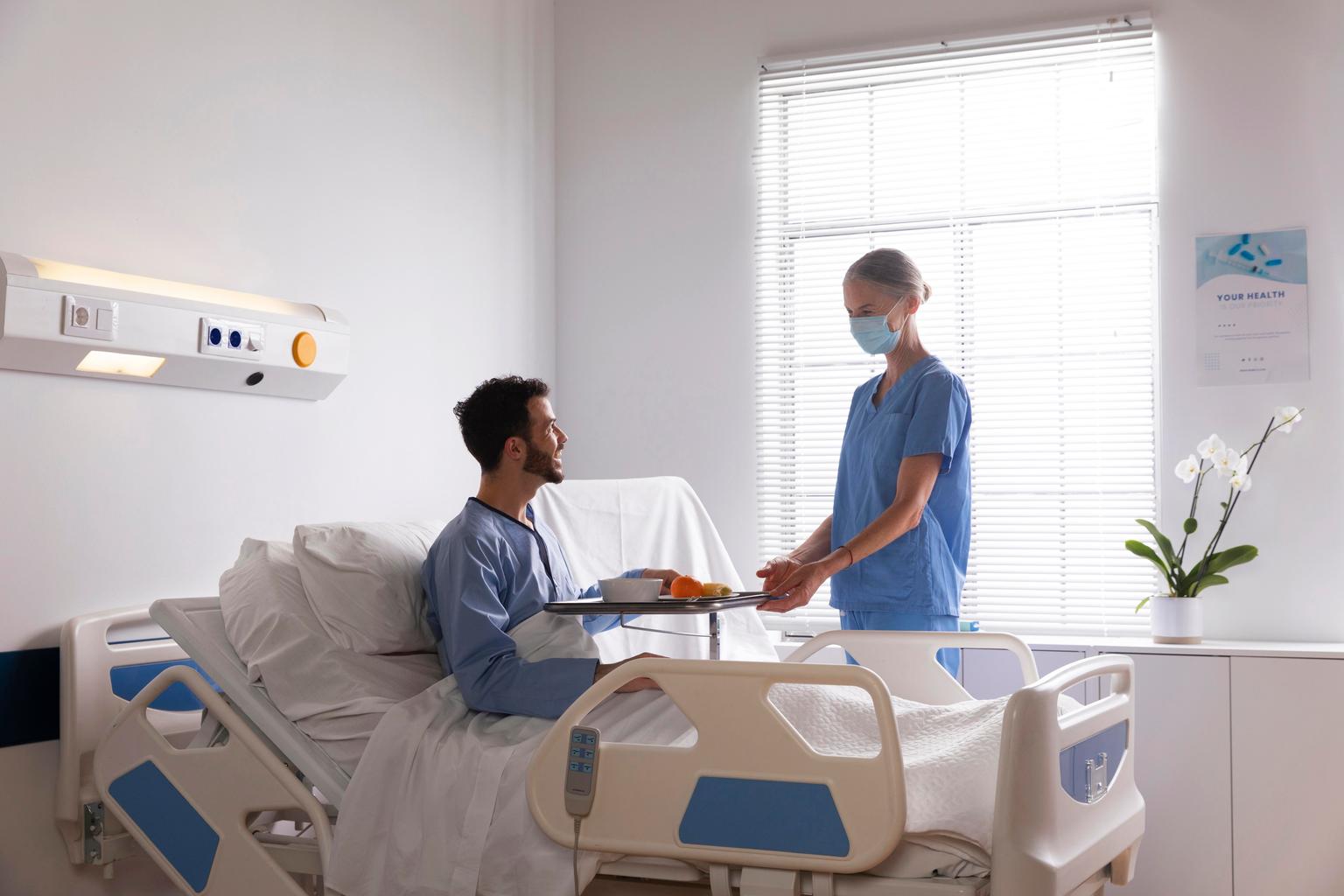
OVERVIEW
ERCP is primarily a therapeutic endoscopic procedure, though it can also be diagnostic. Its main goals include removing gallstones from bile ducts, opening narrowed ducts (strictures), taking biopsies of suspicious growths, and draining blocked bile ducts. It involves inserting a flexible tube through the mouth, stomach, and duodenum, guided by fluoroscopy, to access the bile and pancreatic ducts.
PROCEDURE
The ERCP procedure involves several key steps. First, the patient is given sedation or general anesthesia. The gastroenterologist then inserts a thin, flexible endoscope through the mouth, down the esophagus, stomach, and into the duodenum, reaching the papilla of Vater. A small catheter is then advanced through the endoscope into the bile or pancreatic duct. Contrast dye is injected, and X-ray images (fluoroscopy) are taken to visualize the ducts and identify any abnormalities like stones or strictures. If issues are found, therapeutic interventions can be performed, such as sphincterotomy (making a small cut in the papilla), stone removal using a basket or balloon, or stent placement to open a blocked duct. Biopsies can also be taken. After the interventions, the endoscope is slowly withdrawn.
BENEFITS
Benefits of ERCP Treatment
- Minimally Invasive: Avoids open surgery, leading to smaller incisions, less pain, and quicker recovery.
- Diagnostic & Therapeutic: Can both identify and treat issues in a single procedure.
- Effective Stone Removal: Highly effective in clearing bile duct stones that cause jaundice or pancreatitis.
- Stricture Relief: Opens narrowed ducts, restoring normal bile or pancreatic fluid flow.
- Biopsy Capabilities: Allows for tissue sampling to accurately diagnose conditions, including cancers.
- Reduces Symptoms: Rapidly alleviates pain, jaundice, and other debilitating symptoms caused by blockages.
- High Success Rate: When performed by experienced specialists, ERCP has a high success rate for its intended purposes.
RECOVERY
ERCP Recovery Time and Tips
Recovery after an ERCP is generally swift, with most patients returning home on the same day or staying overnight for observation. The immediate recovery involves:
- Post-Procedure Monitoring: Patients are monitored in a recovery area for a few hours until the sedation wears off. Vital signs are checked, and for signs of complications like pancreatitis.
- Diet: Most patients can resume a light diet a few hours after the procedure, once the gag reflex returns. Your doctor will provide specific dietary instructions.
- Discomfort: Mild sore throat, bloating, or gas are common and usually resolve within a day or two. Pain medication can be prescribed if needed.
- Rest: It's advisable to rest for the remainder of the day after the procedure and avoid strenuous activities.
Long-Term Wellness
For most, there are no significant long-term recovery issues specific to the ERCP itself. However, follow-up care for the underlying condition (e.g., gallstones, pancreatitis) will be crucial. Your doctor may recommend:
- Lifestyle modifications or dietary changes if the underlying cause was related to diet.
- Follow-up imaging or endoscopic procedures depending on the diagnosis.
- Continued management for chronic conditions like recurrent pancreatitis.
DivinHeal's care coordinators ensure you have clear post-procedure instructions and connect you with ongoing support as needed.
WHAT WE TREAT
Conditions Treated by ERCP
- Bile duct stones (Choledocholithiasis)
- Bile duct strictures (narrowing) due to inflammation, injury, or cancer
- Pancreatic duct stones or strictures
- Bile leaks
- Sphincter of Oddi dysfunction
- Diagnosis and staging of pancreatic or bile duct cancers (via biopsy)
- Recurrent acute pancreatitis (in selected cases)
- Placement of stents to open blocked bile or pancreatic ducts
PREPARATION
Preparation for ERCP typically involves fasting for at least 6-8 hours prior to the procedure to ensure an empty stomach. Patients should inform their doctor about all medications, especially blood thinners (e.g., aspirin, warfarin, clopidogrel), which may need to be stopped several days in advance. Allergies, particularly to iodine contrast dye, must also be disclosed. Arrangements for a ride home are necessary due to sedation. A thorough review of medical history and current health status will be conducted by the medical team.
RISKS
While generally safe, ERCP carries potential risks, including pancreatitis (inflammation of the pancreas, the most common serious complication), bleeding (especially after sphincterotomy), perforation of the bile duct or intestine, infection, and adverse reactions to sedation or contrast dye. Gallstone impaction and cholangitis (bile duct infection) are less common but possible. The overall risk of serious complications is low, typically around 5-10%.
JOURNEY
The patient journey for ERCP typically begins with symptoms like jaundice, abdominal pain, or abnormal liver function tests. After initial diagnosis (ultrasound, CT, MRI), ERCP is performed. Post-procedure, patients are monitored briefly before discharge, often followed by follow-up appointments with a gastroenterologist. DivinHeal assists at every step, from pre-procedure planning and hospital selection to post-operative care coordination and recovery guidance.
OUTCOMES
Successful ERCP (Endoscopic Retrograde Cholangiopancreatography) can resolve blockages, alleviate pain, treat infections, and improve digestive function, leading to a significant enhancement in a patient's quality of life and long-term health prospects.
Related Links
Doctors For Treatment in Similar Locations
- Best ERCP (Endoscopic Retrograde Cholangiopancreatography) Doctors in Bengaluru
- Best ERCP (Endoscopic Retrograde Cholangiopancreatography) Doctors in Chennai
- Best ERCP (Endoscopic Retrograde Cholangiopancreatography) Doctors in Gurugram
- Best ERCP (Endoscopic Retrograde Cholangiopancreatography) Doctors in Hyderabad
- Best ERCP (Endoscopic Retrograde Cholangiopancreatography) Doctors in India
- Best ERCP (Endoscopic Retrograde Cholangiopancreatography) Doctors in Mumbai
- Best ERCP (Endoscopic Retrograde Cholangiopancreatography) Doctors in New Delhi
- Best ERCP (Endoscopic Retrograde Cholangiopancreatography) Doctors in Pune
Best Hospital Near by for treatment
- Best ERCP (Endoscopic Retrograde Cholangiopancreatography) Hospitals in Bengaluru
- Best ERCP (Endoscopic Retrograde Cholangiopancreatography) Hospitals in Chennai
- Best ERCP (Endoscopic Retrograde Cholangiopancreatography) Hospitals in Gurugram
- Best ERCP (Endoscopic Retrograde Cholangiopancreatography) Hospitals in Hyderabad
- Best ERCP (Endoscopic Retrograde Cholangiopancreatography) Hospitals in India
- Best ERCP (Endoscopic Retrograde Cholangiopancreatography) Hospitals in Mumbai
- Best ERCP (Endoscopic Retrograde Cholangiopancreatography) Hospitals in New Delhi
- Best ERCP (Endoscopic Retrograde Cholangiopancreatography) Hospitals in Pune
Hospitals Offering this treatment
India offers premium medical procedures at affordable prices. Discover our most popular treatments, delivered by the country's finest doctors.
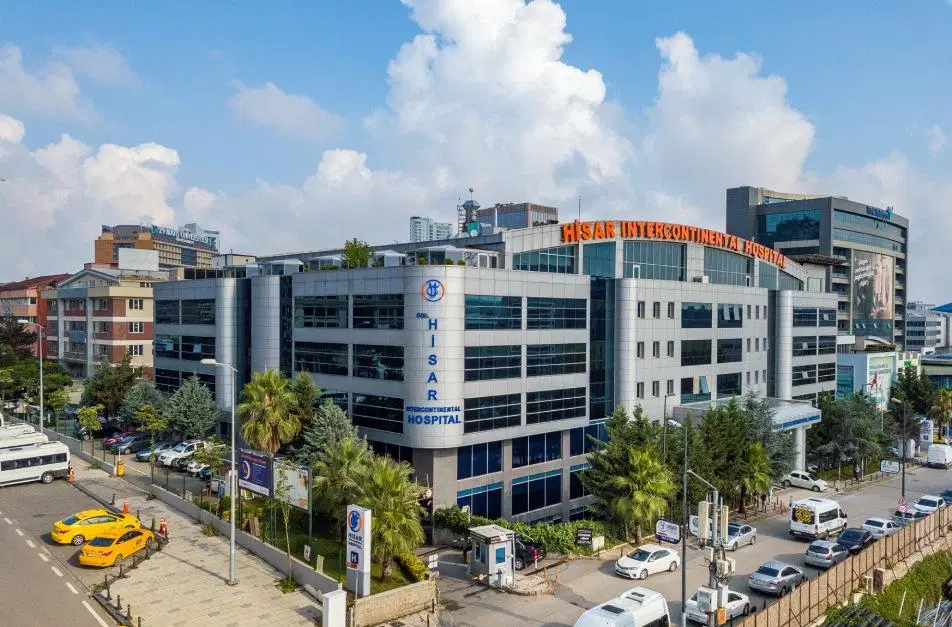
Hisar Intercontinental Hospital
Saray Mah. Siteyolu Cad. No:7, Umraniye, 34768, Istanbul, Turkey
Hisar Intercontinental Hospital
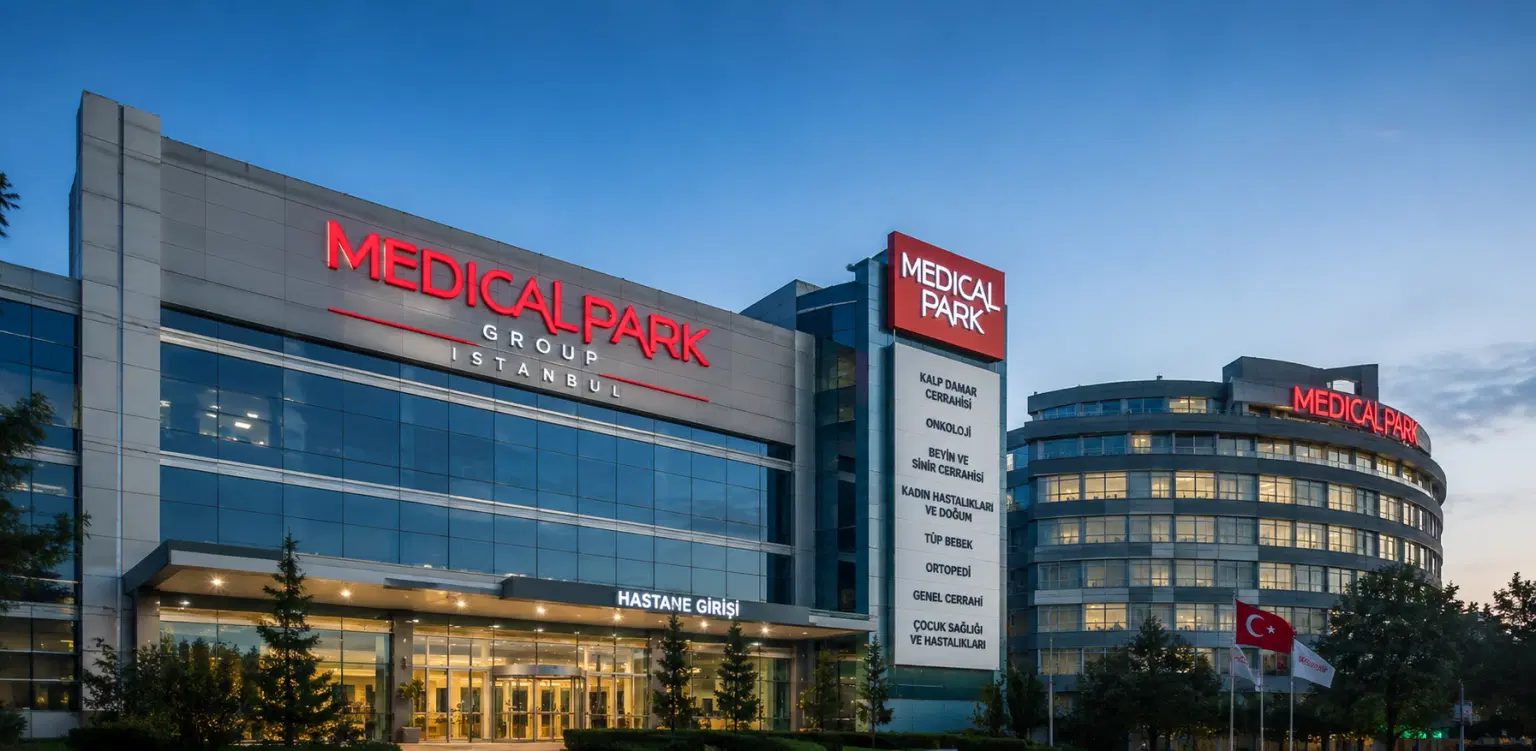
Medical Park Group, Istanbul
Fahrettin Kerim Gokay Cad. Tıbbiye Cd., Kadikoy, Istanbul, Turkey
Medical Park Group, Istanbul
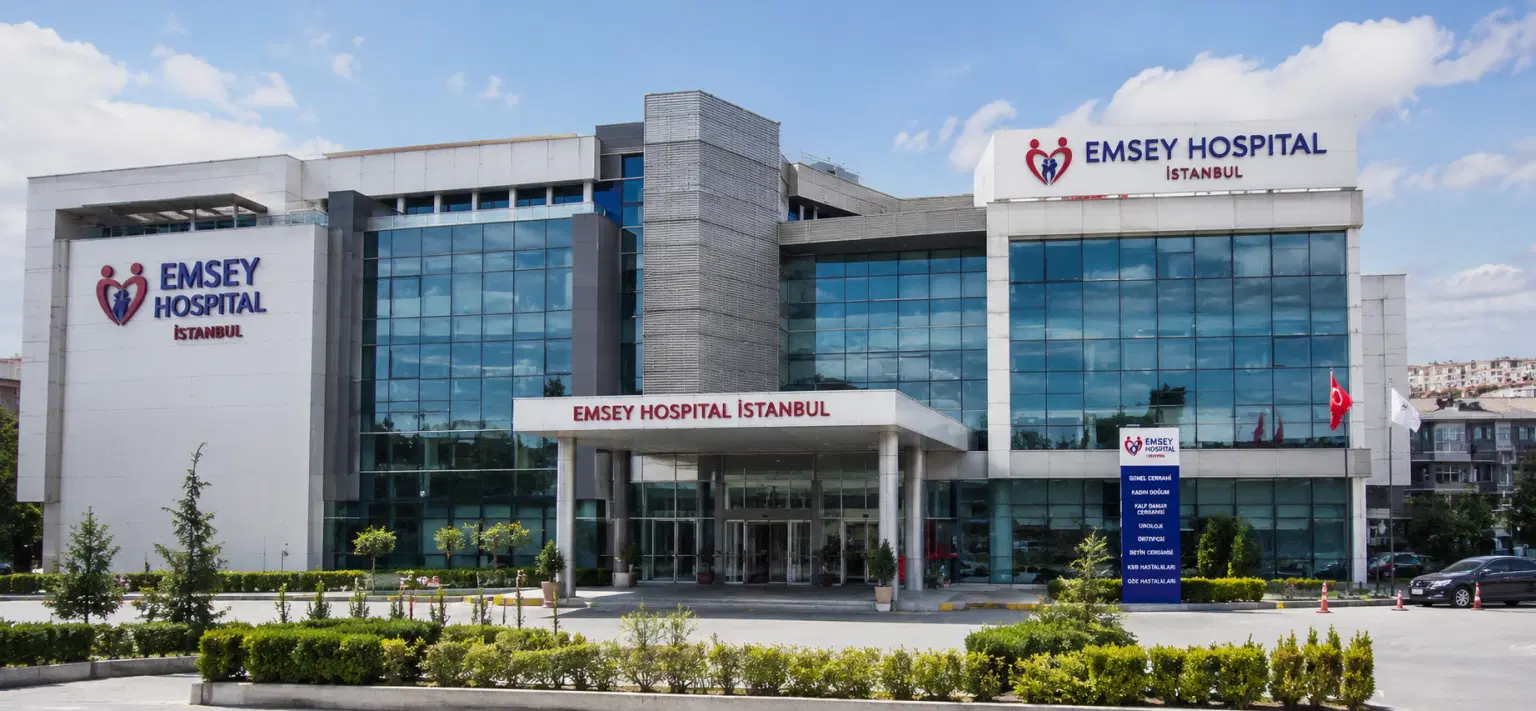
Emsey Hospital, Pendik, Istanbul
Çamlık, Selçuklu Cd. No:22, 34912 Pendik/İstanbul, Türkiye
Emsey Hospital, Pendik, Istanbul
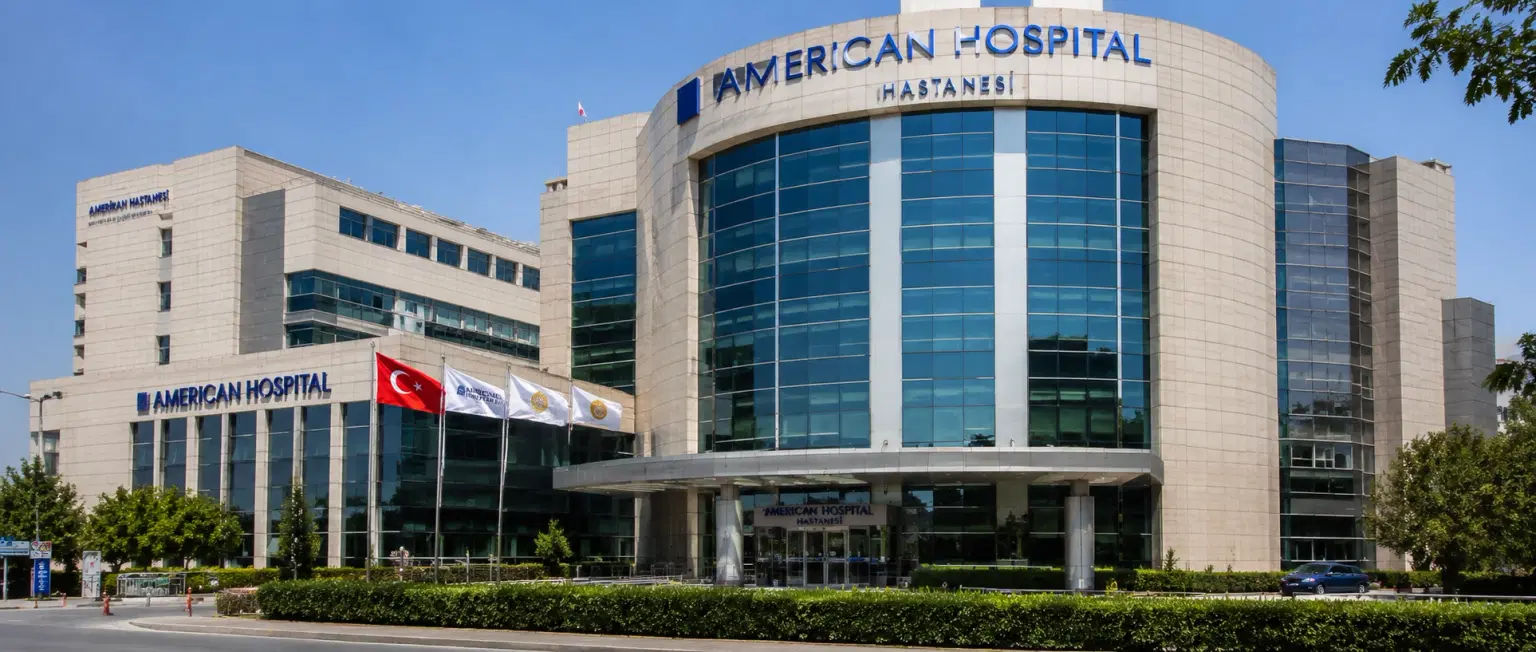
American Hospital, Istanbul
Guzelbahce Sk. No:20, 34365, Nisantasi, Istanbul, Turkey
American Hospital, Istanbul
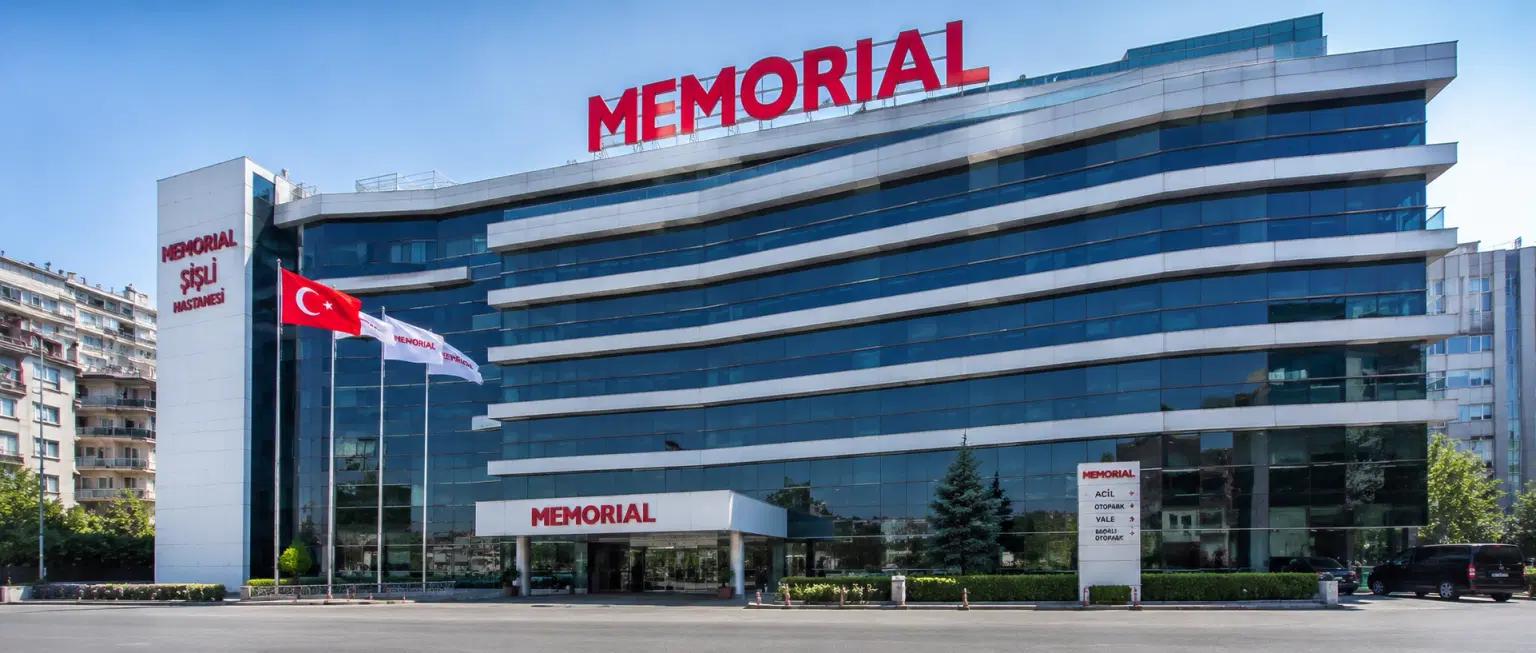
Memorial Hospitals Group
Burhaniye, Nagehan Sokağı No:4/A D:1, 34676 Üsküdar/İstanbul, Türkiye
Memorial Hospitals Group
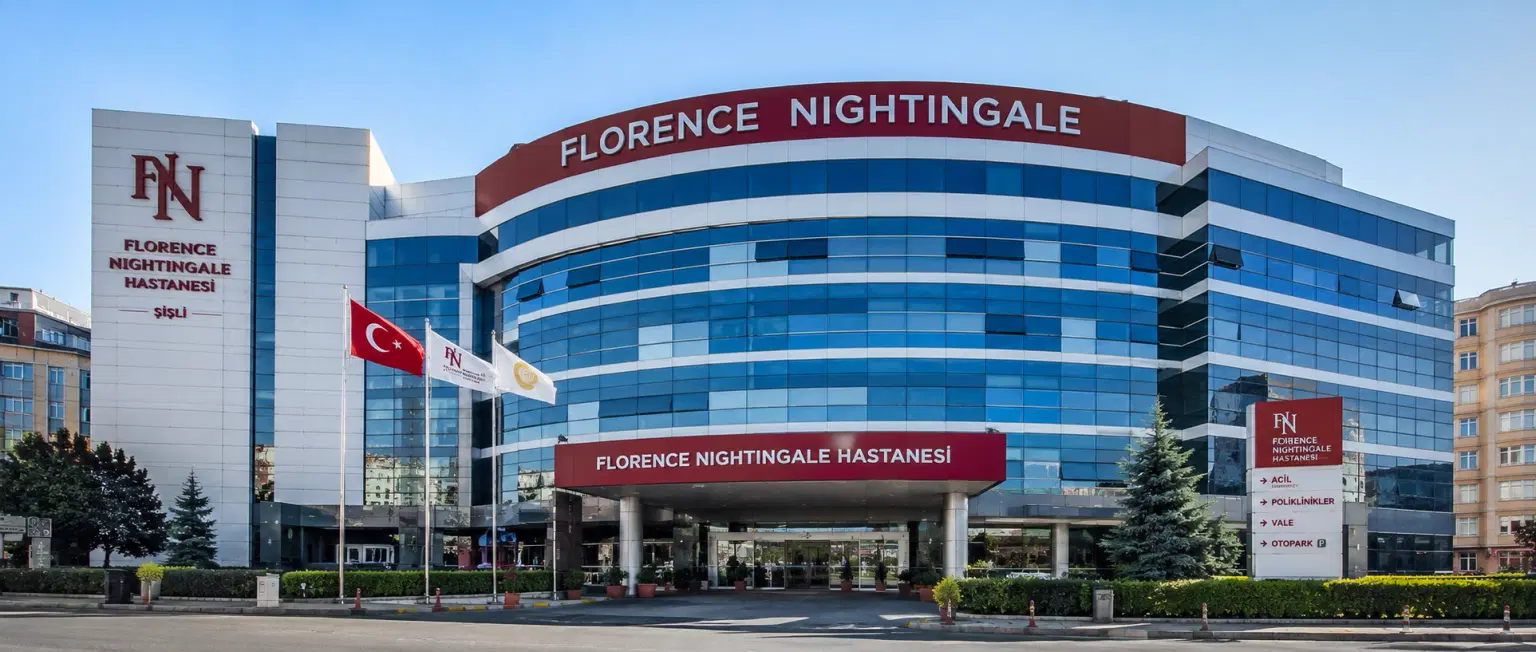
Florence Nightingale Hospital Istanbul
Abide-i Hürriyet Cd No:166, 34381 Sisli, Istanbul
Florence Nightingale Hospital Istanbul
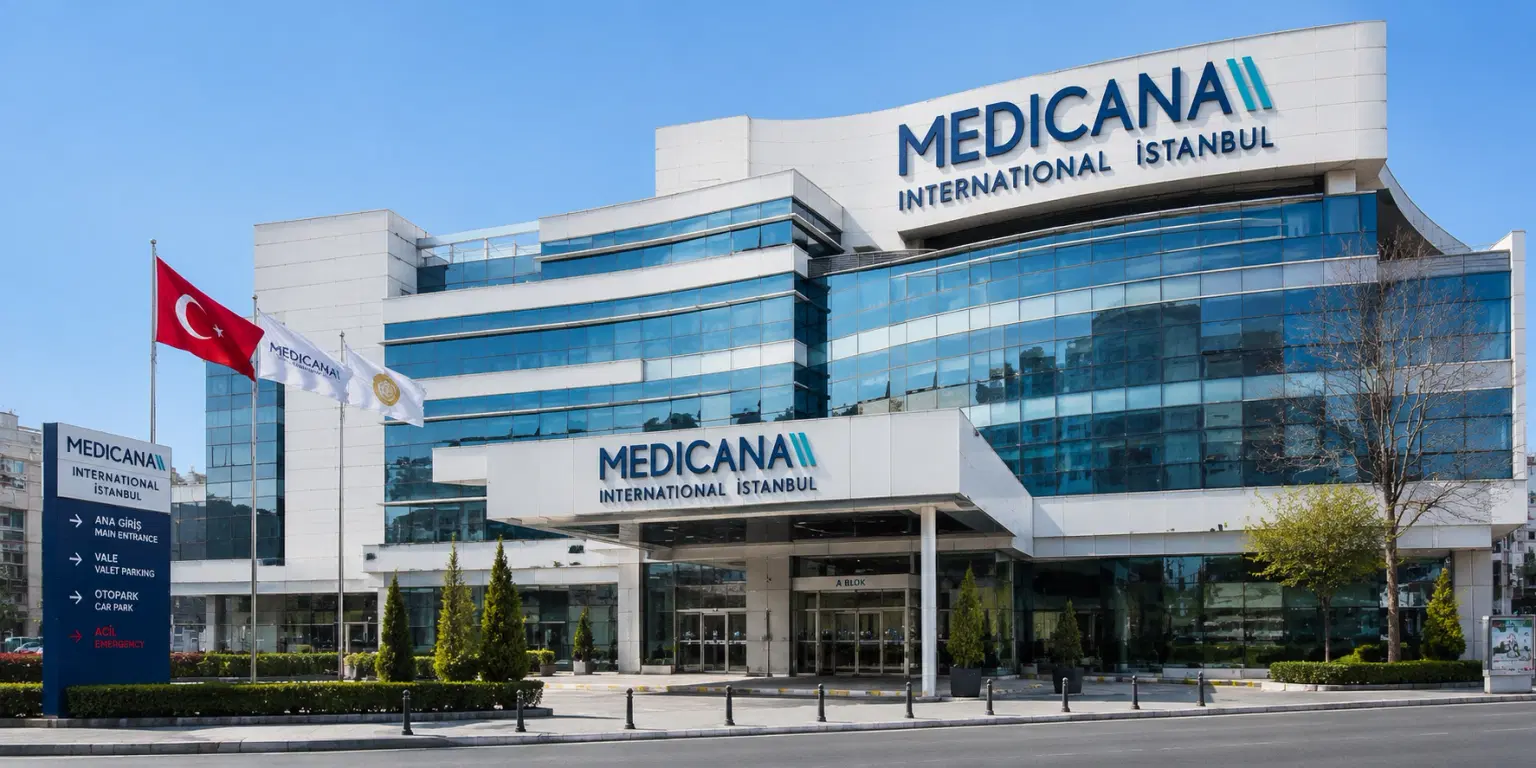
Medicana International Hospital, Istanbul
Halit Ziya Turkkani Mah. Medikal Park Cd. No:1, Beylikdüzü, İstanbul
Medicana International Hospital, Istanbul
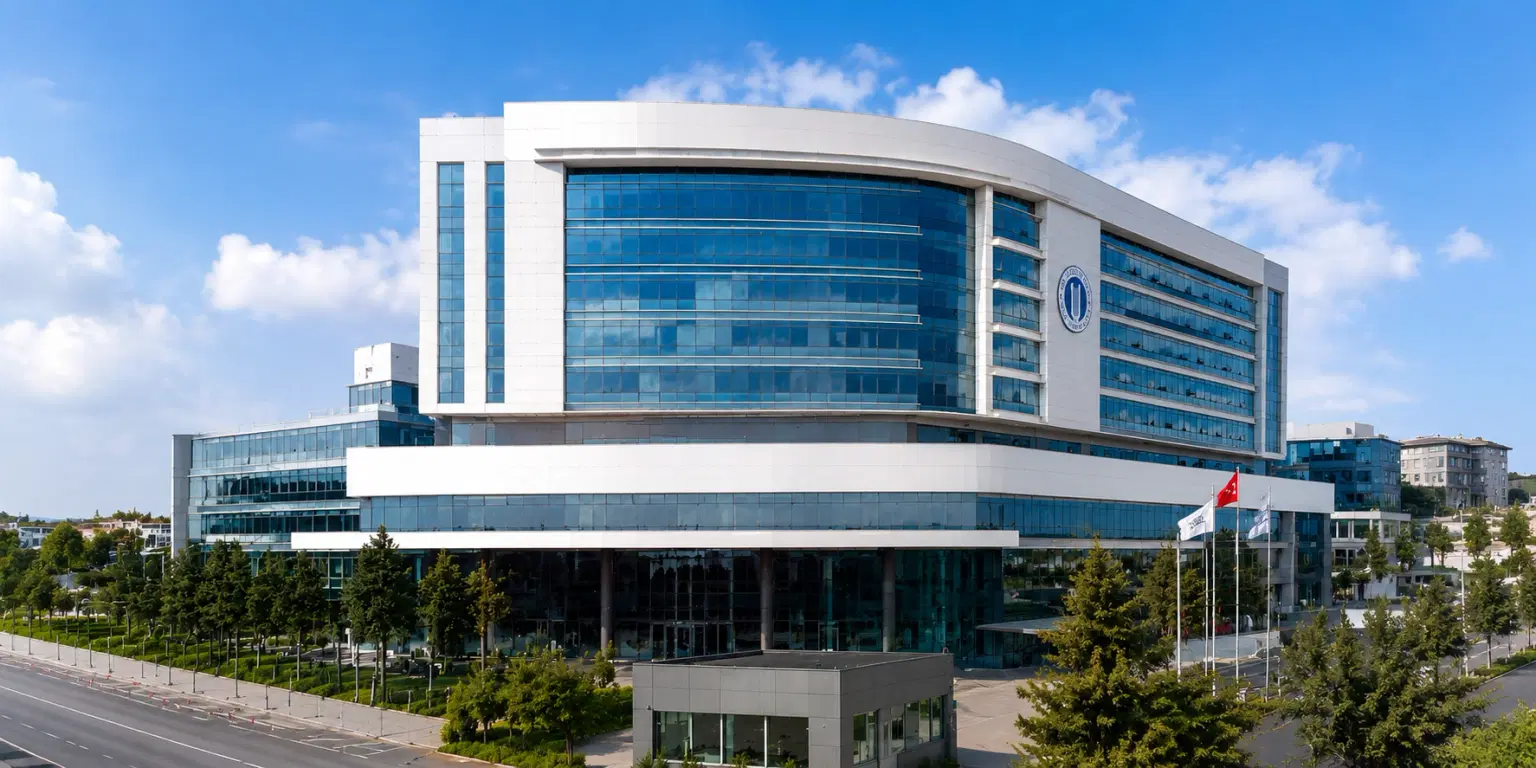
Okan University Hospital Istanbul
Icmeler Mah. Aydınlıyolu Cd. No:2, 34947 Icmeler-Tuzla, Istanbul
Okan University Hospital Istanbul
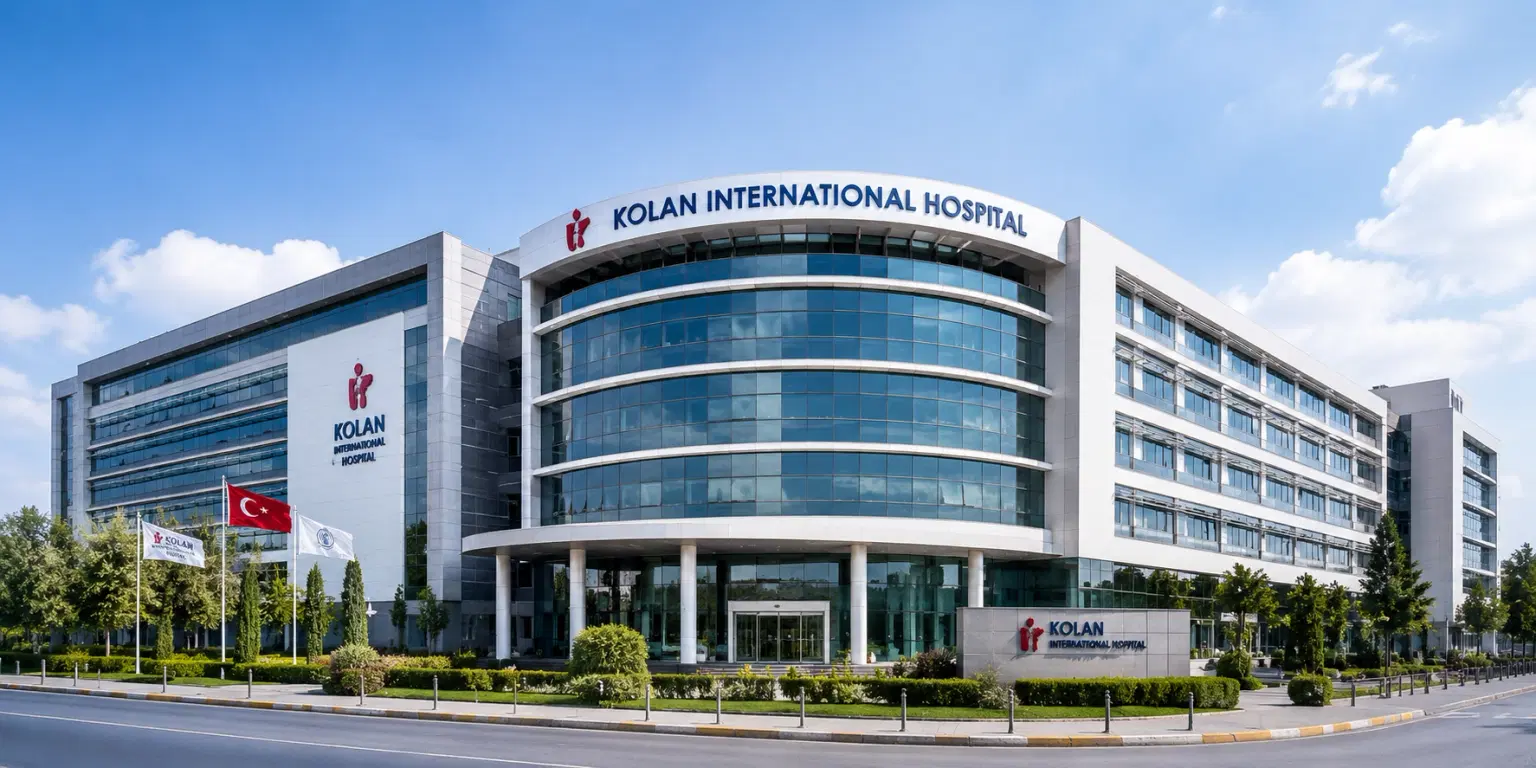
Kolan International Hospital, Istanbul
Kaptanpasa Mah. Okmeydan Kavsagi, Darulaceze Cd. No:14, 34384 Sisli, Istanbul
Kolan International Hospital, Istanbul
Meet Our Doctors
Meet our team of highly qualified and experienced medical professionals dedicated to providing the best healthcare services.
Dr. Arun Puri
Director & Head
Minimal Access, Bariatric & GI Surgery
New Delhi
38+ Years
Experience
Apolo Delhi
Hospital
1500
Fees
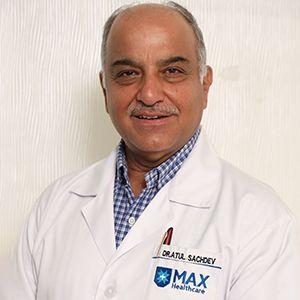
Dr. Atul Sachdev
Principal Consultant
Gastroenterology
New Delhi
25+ Years
Experience
Apolo Delhi
Hospital
1500
Fees
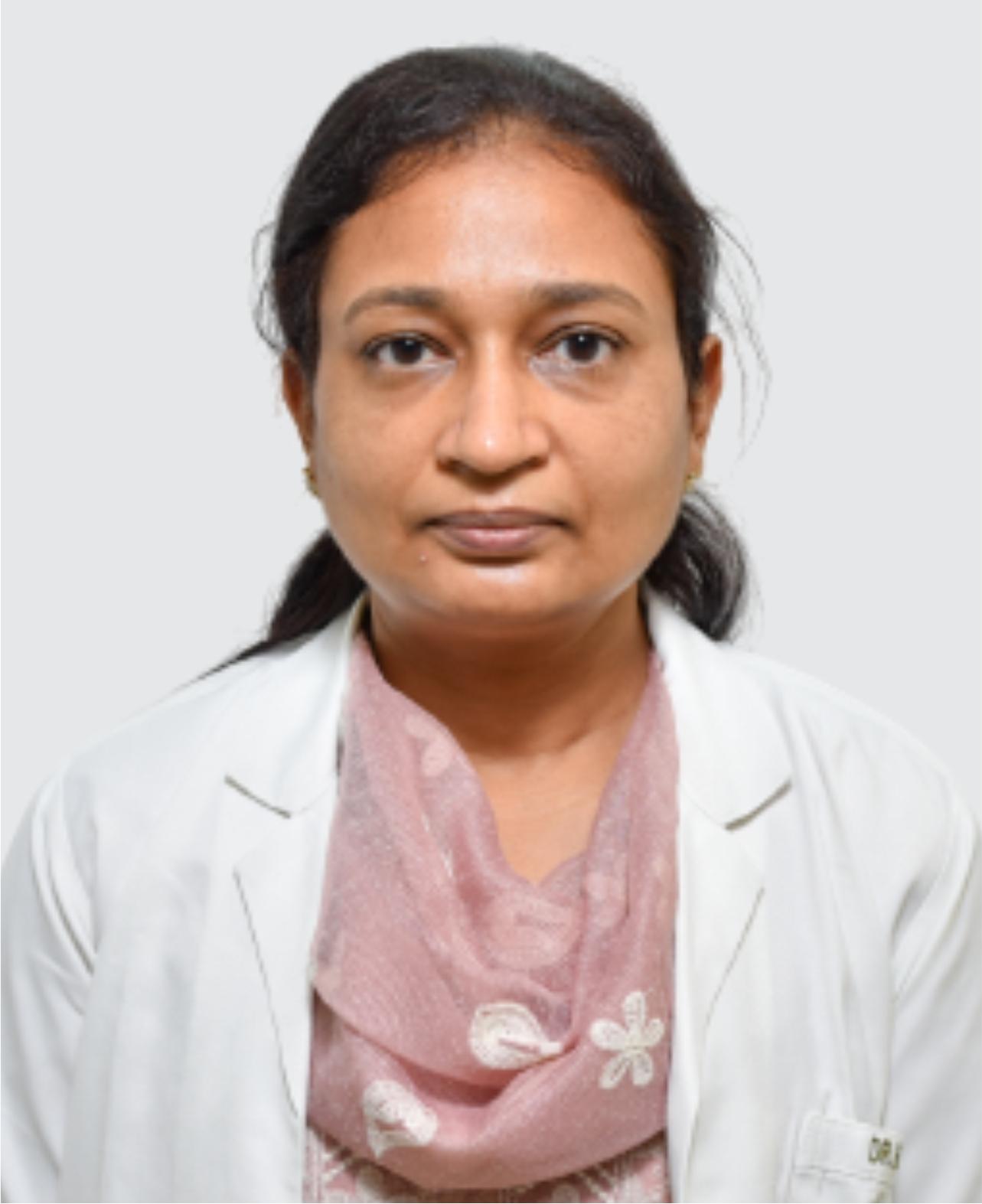
Dr. Deepa Goel
Head - Histopathology & Cytology Lab
Laboratory Services
New Delhi
21+ Years
Experience
Artemis Hospital
Hospital
1500
Fees
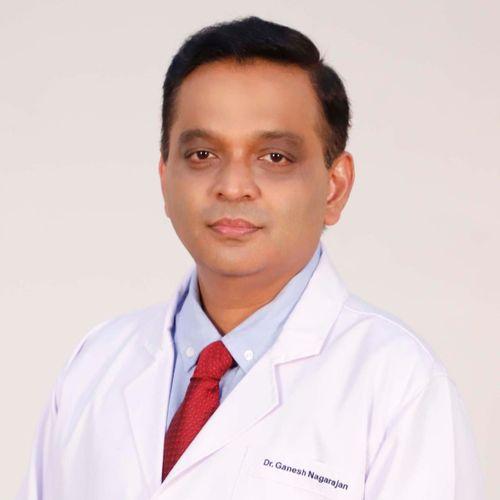
Dr Ganesh Nagarajan
Senior Consultant
Gastroenterology
New Delhi
14+ Years
Experience
Apolo Delhi
Hospital
1500
Fees
Dr. Neeraj Bhalla
Senior Director, Cardiology Department
Interventional Cardiology
New Delhi
15+ Years
Experience
Max Hospital,Gurgaon
Hospital
1500
Fees
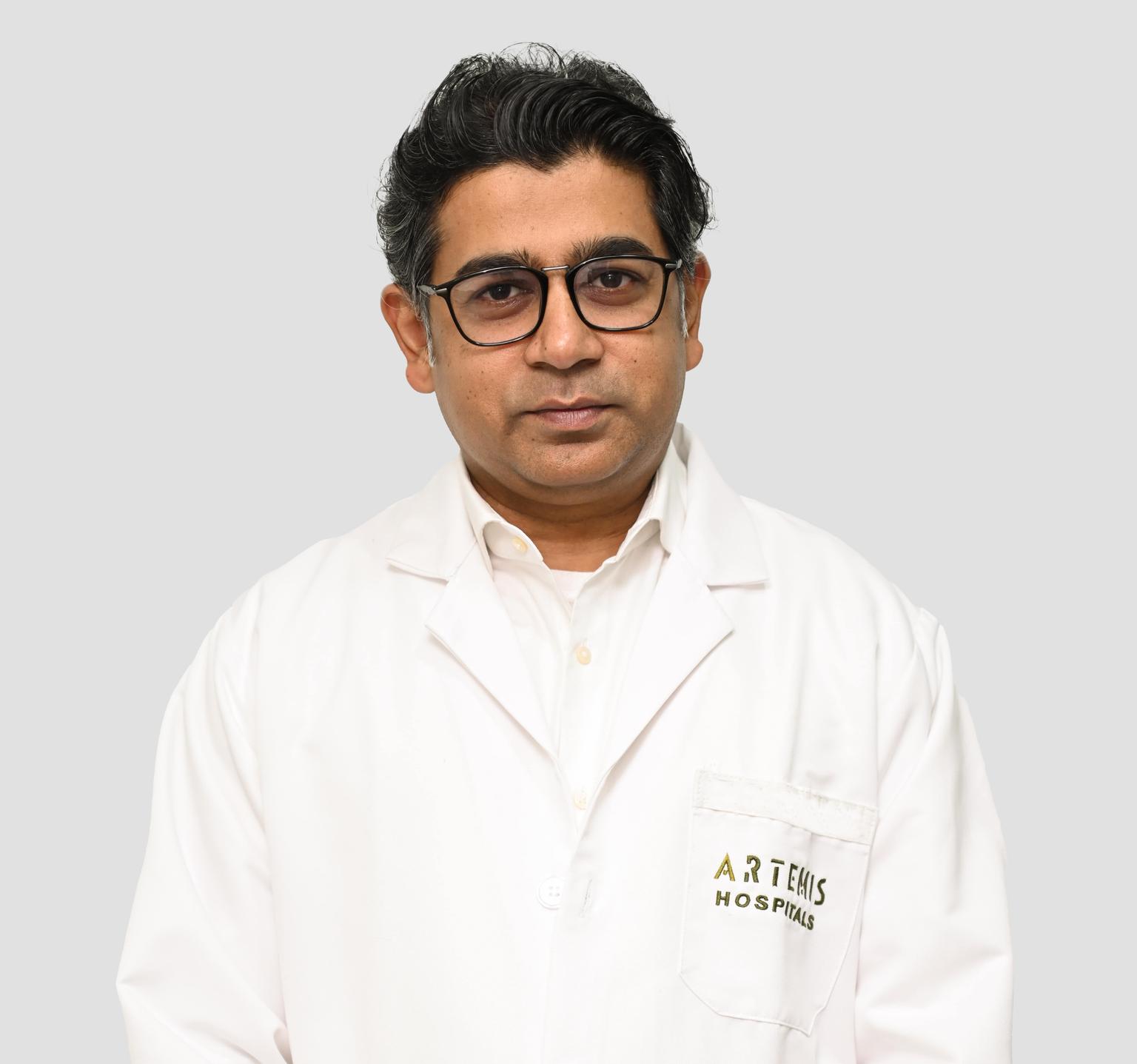
Dr. Pradeep Kumar Singh
Head - Cosmetic & Plastic Surgery
Cosmetic & Plastic Surgery
New Delhi
17+ Years
Experience
Artemis Hospital
Hospital
1500
Fees
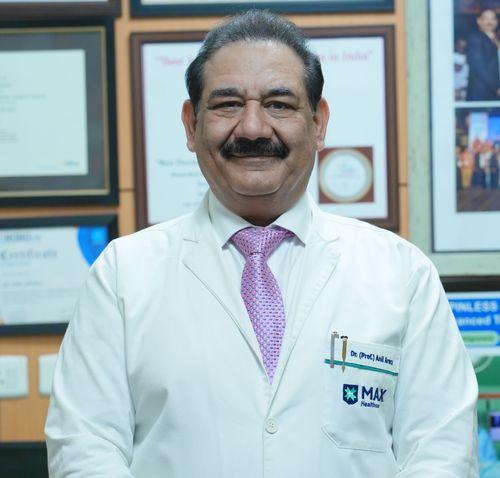
Dr. (Prof.) Anil Arora
Professor & Robotic Joint Replacement Surgeon
Orthopaedic & Robotic Joint Replacement Surgery
New Delhi
33+ Years
Experience
Max Hospital,Gurgaon
Hospital
1500
Fees
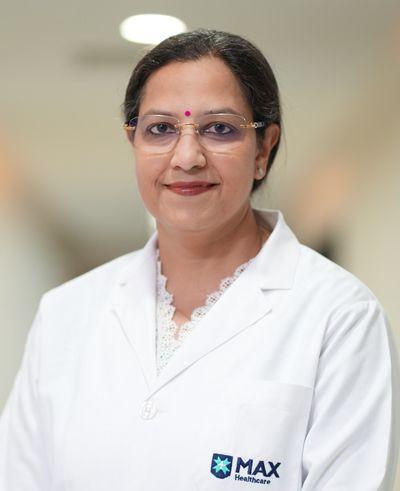
Dr. Rakhi Gupta
Senior Consultant - Paediatric Gastroenterology, Hepatology & Liver Transplant
Paediatric Gastroenterology, Hepatology & Liver Transplant
New Delhi
23+ Years
Experience
Apolo Delhi
Hospital
1500
Fees
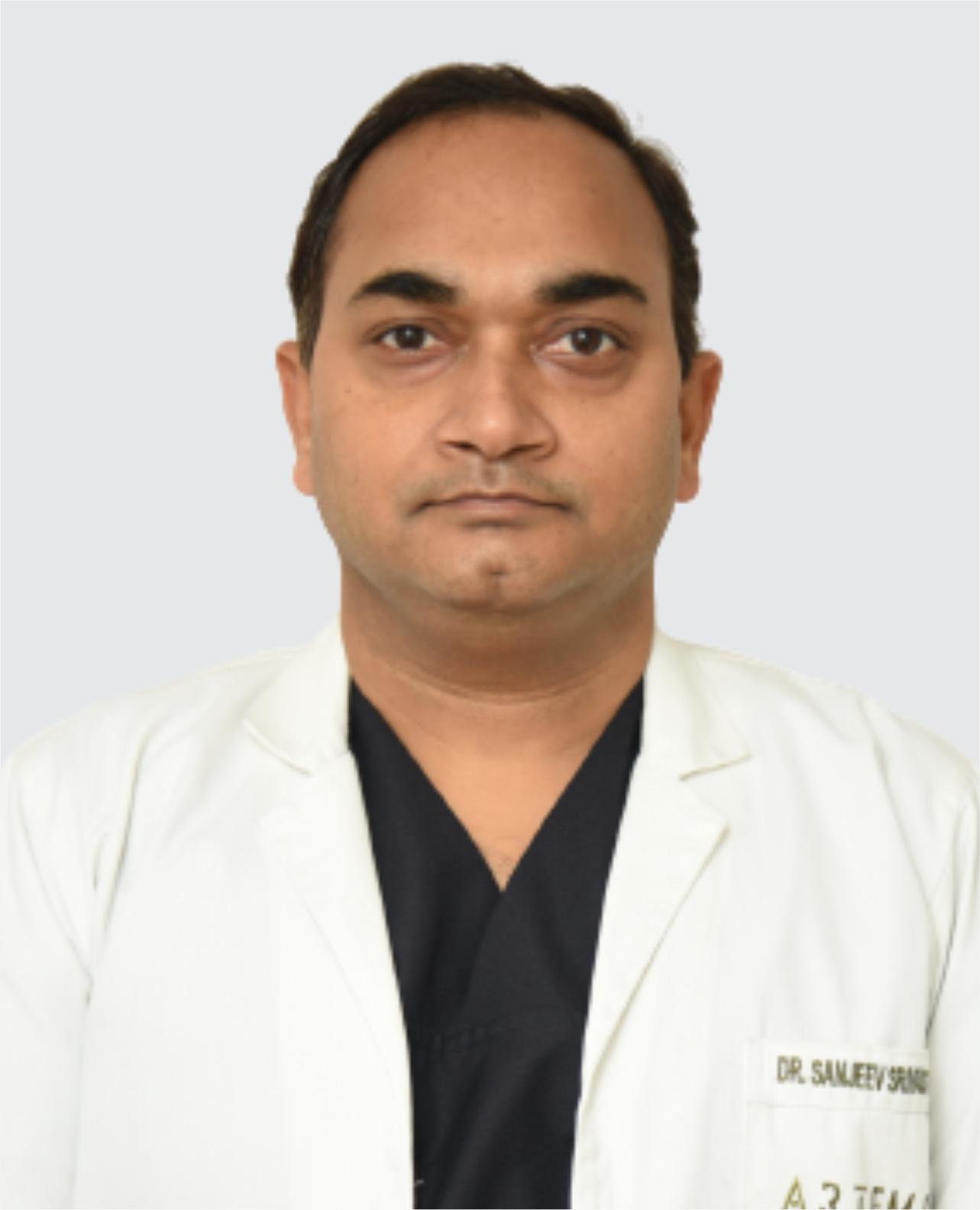
Dr. Sanjeev Srivastava
Sr. Consultant
Neurosurgery
New Delhi
23+ Years
Experience
Artemis Hospital
Hospital
1500
Fees
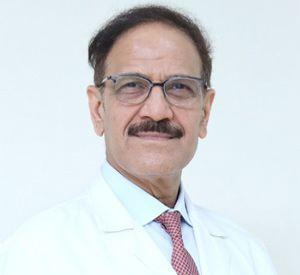
Dr. Subhash Chandra
Chairman - Interventional Cardiology - Cardiology & Structural Heart Disease
Cardiac Sciences, Cardiology, Interventional Cardiology, Cardiac Electrophysiology-Pacemaker
New Delhi
15+ Years
Experience
Max Hospital,Gurgaon
Hospital
1500
Fees
Booking With DIVINHEAL
Get a free consultation to understand your treatment options