ERCP (Endoscopic Retrograde Cholangiopancreatography) Treatment in India
Need Personalized Advice?
Our medical experts are ready to answer your questions and guide you through your treatment options.
About
ERCP (Endoscopic Retrograde Cholangiopancreatography) Treatment in India | Medical Scope & Care
ERCP, or Endoscopic Retrograde Cholangiopancreatography, is a highly specialized procedure. It combines endoscopy and fluoroscopy to diagnose and treat conditions of the bile and pancreatic ducts. This minimally invasive technique addresses issues like gallstones, strictures, or tumors. It helps restore normal bile flow and pancreatic enzyme drainage.
Patients from various countries seek ERCP (Endoscopic Retrograde Cholangiopancreatography) Treatment in India. Individuals from Kenya, Nigeria, Bangladesh, Uzbekistan, and Oman often choose India. They benefit from advanced medical technologies and experienced gastroenterologists. India offers quality care and cost-effectiveness for complex procedures. This makes it an attractive destination for specialized interventions.
India's healthcare system boasts advanced infrastructure and a vast pool of medical talent. Hospitals are equipped with state-of-the-art diagnostic and therapeutic tools. This ensures high standards for complex procedures like ERCP. Extensive clinical experience across many patient cases contributes to excellent outcomes.
Indications for ERCP
- Removal of bile duct stones causing obstruction or pancreatitis.
- Diagnosis and treatment of bile duct strictures (inflammation or cancer).
- Placement of stents to relieve blocked bile or pancreatic ducts.
- Evaluation of unexplained jaundice or recurrent pancreatitis.
- Biopsy of suspicious lesions in bile or pancreatic ducts.
- Management of complications after gallbladder surgery.
Approaches to ERCP
ERCP serves both diagnostic and therapeutic purposes. Diagnostic ERCP uses contrast dye and X-rays to visualize ducts. It identifies blockages, strictures, or other abnormalities. Therapeutic ERCP involves interventions performed during the procedure. This includes stone removal, stent placement, or dilation of strictures. Advanced techniques allow precise navigation and targeted treatment. The choice depends on the patient's condition.
Pre-Procedure Evaluation for ERCP
- Detailed medical history and physical examination.
- Blood tests, including liver function and coagulation profile.
- Imaging studies such as ultrasound, CT scan, or MRI/MRCP.
- Review of existing conditions and medications (e.g., blood thinners).
- Assessment of allergies to contrast dye or sedatives.
The ERCP Procedure
The ERCP procedure involves inserting a flexible endoscope through the mouth. It passes down to the duodenum. A catheter is advanced into the bile or pancreatic ducts. Contrast dye is injected, and X-ray images identify abnormalities. Therapeutic interventions, like stone removal or stent placement, are then performed. The procedure is typically done under sedation or general anesthesia.
Considering ERCP treatment options?
Consult with leading specialists for ERCP (Endoscopic Retrograde Cholangiopancreatography) in India.
Receive personalized advice and care plans.
Recovery Process After ERCP
Patients remain in observation for a few hours post-ERCP. They are monitored for immediate complications. Most individuals can resume light activities the next day. A soft diet is often recommended initially. Full recovery depends on the specific interventions and overall health. Doctors provide detailed post-procedure care instructions for optimal healing.
Potential Risks of ERCP
- Pancreatitis (inflammation of the pancreas).
- Perforation of bile duct, esophagus, stomach, or duodenum.
- Bleeding, especially after biopsy or sphincterotomy.
- Infection in the bile ducts (cholangitis).
- Reaction to sedation or contrast dye.
ERCP Success Rate in India
The ERCP (Endoscopic Retrograde Cholangiopancreatography) success rate in India is comparable to global benchmarks. It depends on complexity and specialist expertise. For stone removal, success rates are high. Stent placement also yields excellent functional outcomes. Patient health and blockage nature influence results. India's experienced specialists contribute to these positive outcomes.
Cost of ERCP in India
The cost of ERCP (Endoscopic Retrograde Cholangiopancreatography) in India is significantly lower than in many Western countries. Prices vary based on hospital reputation, procedure complexity, and additional interventions. Patient-specific conditions and hospital stay length also influence the final cost. India offers competitive pricing without compromising quality care.
| Country | Estimated Cost Range (USD) |
|---|---|
| India | $1,500 - $4,000 |
| USA | $8,000 - $25,000 |
| UK | $7,000 - $15,000 |
| Singapore | $5,000 - $10,000 |
| Thailand | $2,500 - $6,000 |
Specialists for ERCP in India
India has a vast network of highly skilled specialists for ERCP (Endoscopic Retrograde Cholangiopancreatography). These include renowned gastroenterologists and interventional endoscopists. Many have international training and extensive experience. They work in multidisciplinary teams, ensuring comprehensive patient care. Choosing the Best ERCP (Endoscopic Retrograde Cholangiopancreatography) Surgery in India means accessing world-class expertise. Indian medical professionals are known for precision and a patient-centric approach.
Ready to explore top-tier ERCP treatment options?
Connect with accredited hospitals and experienced doctors in India today.
Start your journey to better health with confidence.
Understanding ERCP requirements is vital for international patients. India presents a compelling choice for this specialized treatment. It combines advanced medical facilities, expert physicians, and cost-effective solutions. Patients receive comprehensive care from diagnosis through recovery. Consider India for high-quality, accessible ERCP treatment.
Hospitals Offering this treatment
India offers premium medical procedures at affordable prices. Discover our most popular treatments, delivered by the country's finest doctors.
Meet Our Doctors
Meet our team of highly qualified and experienced medical professionals dedicated to providing the best healthcare services.
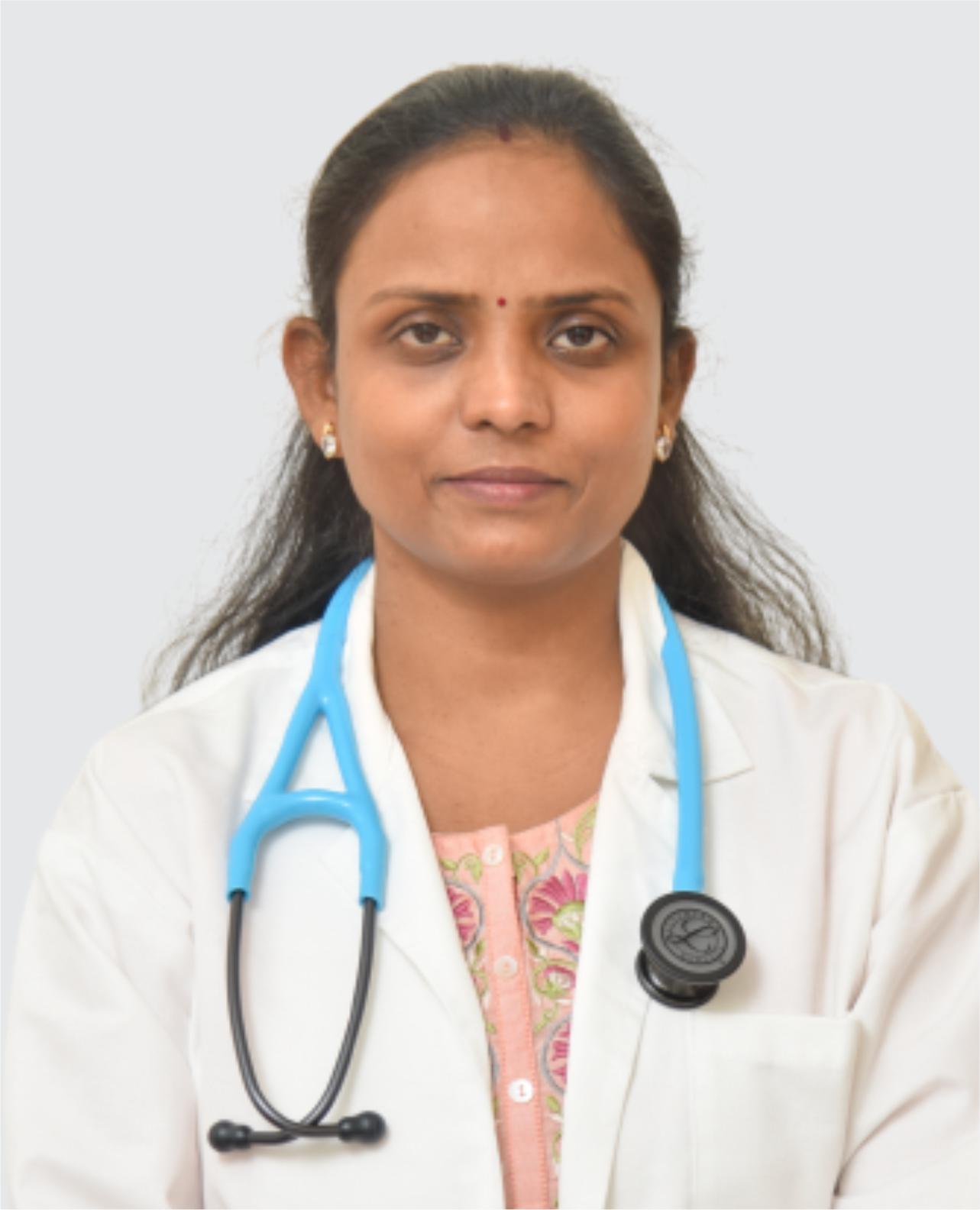
Dr. Anju Singh
Consultant - Pediatric Rheumatology
Pediatric Rheumatology
New Delhi
13+ Years
Experience
Artemis Hospital
Hospital
1500
Fees
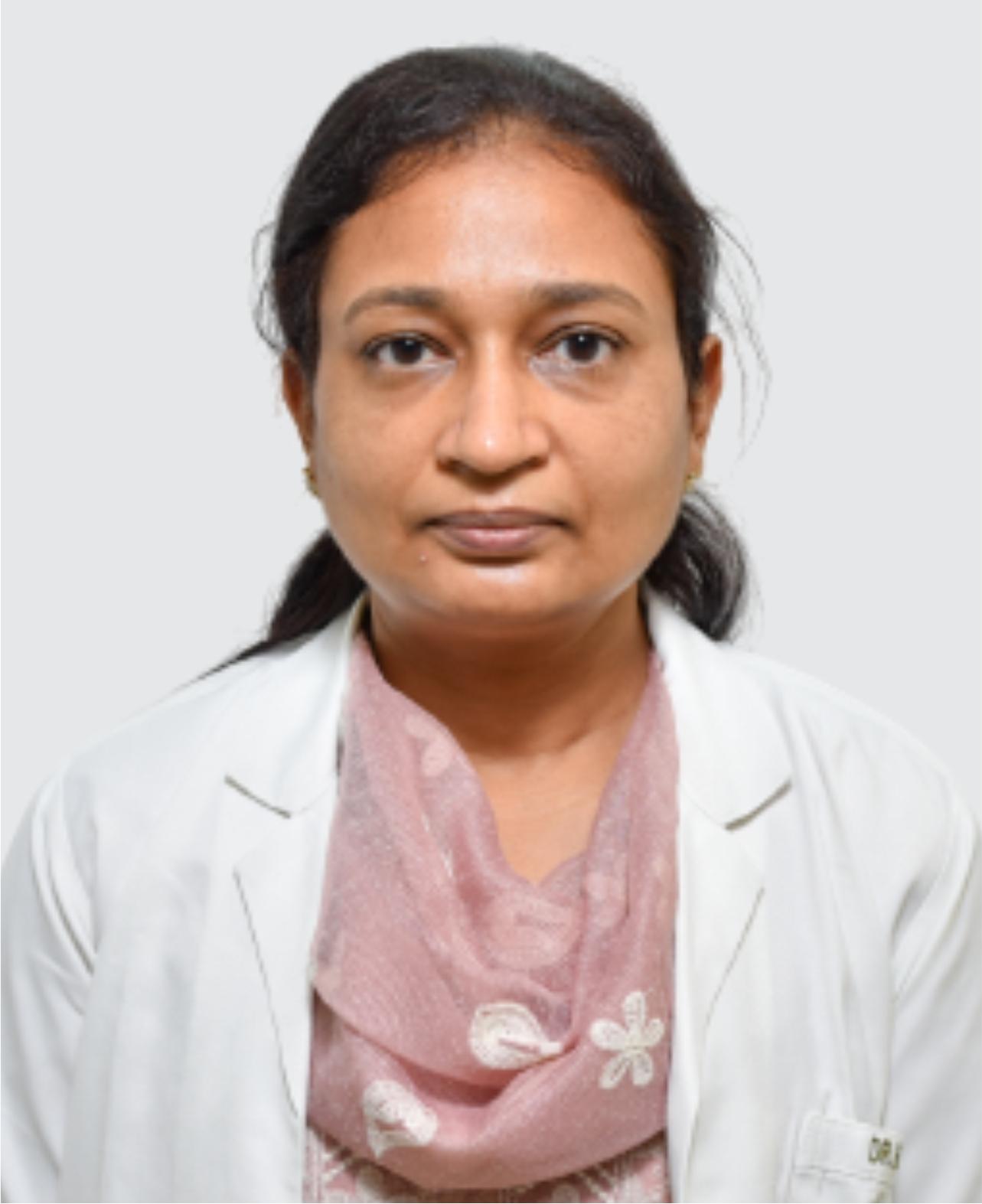
Dr. Deepa Goel
Head - Histopathology & Cytology Lab
Laboratory Services
New Delhi
21+ Years
Experience
Artemis Hospital
Hospital
1500
Fees
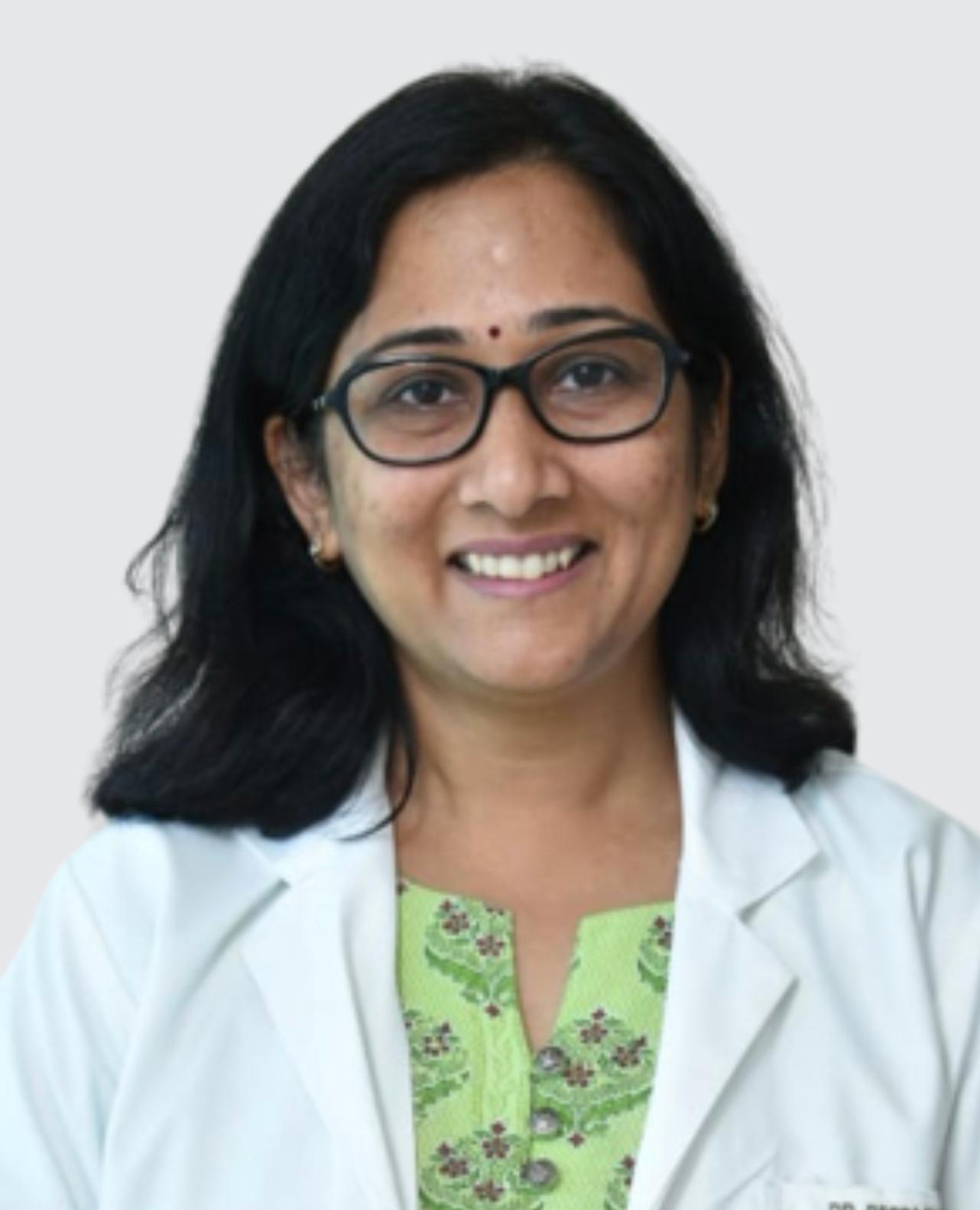
Dr. Deepa Maheshwari
Unit Head
Maternity, Obstetrics & Gynaecology
New Delhi
20+ Years
Experience
Artemis Hospital
Hospital
1500
Fees
Dr. Pradeep Kumar Singh
Head - Cosmetic & Plastic Surgery
Cosmetic & Plastic Surgery
New Delhi
17+ Years
Experience
Artemis Hospital
Hospital
1500
Fees
Dr. Sachin Sethi
Principal Lead - Physiotherapy
Physiotherapy and Rehabilitation
New Delhi
13+ Years
Experience
Artemis Hospital
Hospital
1500
Fees
Dr. Sanjay Mehta
Chairperson
Radiology
New Delhi
28+ Years
Experience
Artemis Hospital
Hospital
1500
Fees
Dr. Sanjeev Srivastava
Sr. Consultant
Neurosurgery
New Delhi
23+ Years
Experience
Artemis Hospital
Hospital
1500
Fees
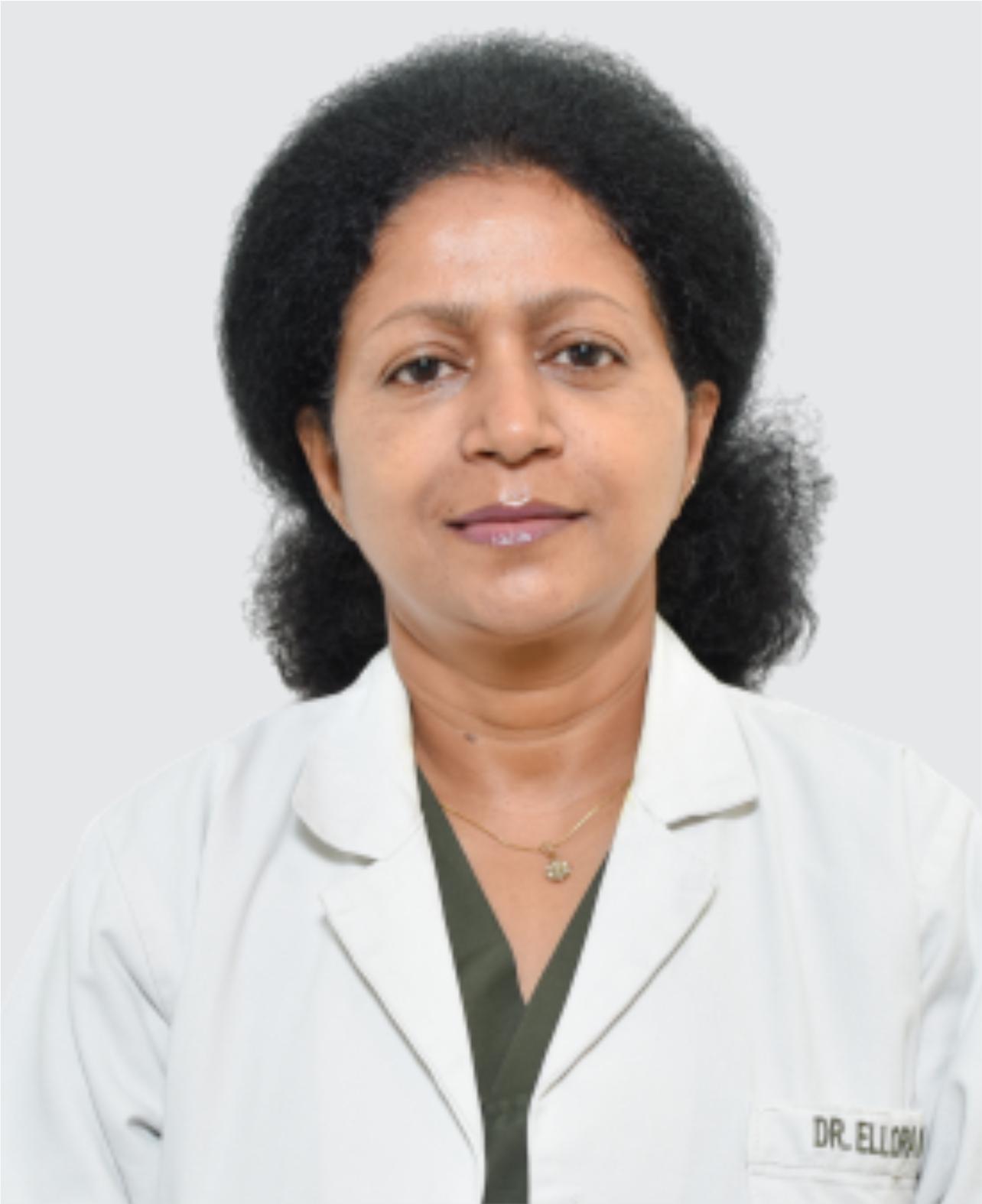
Dr. Ellora Nanda
Admin Head - Emergency
Emergency & Trauma Services
New Delhi
25+ Years
Experience
Artemis Hospital
Hospital
1500
Fees
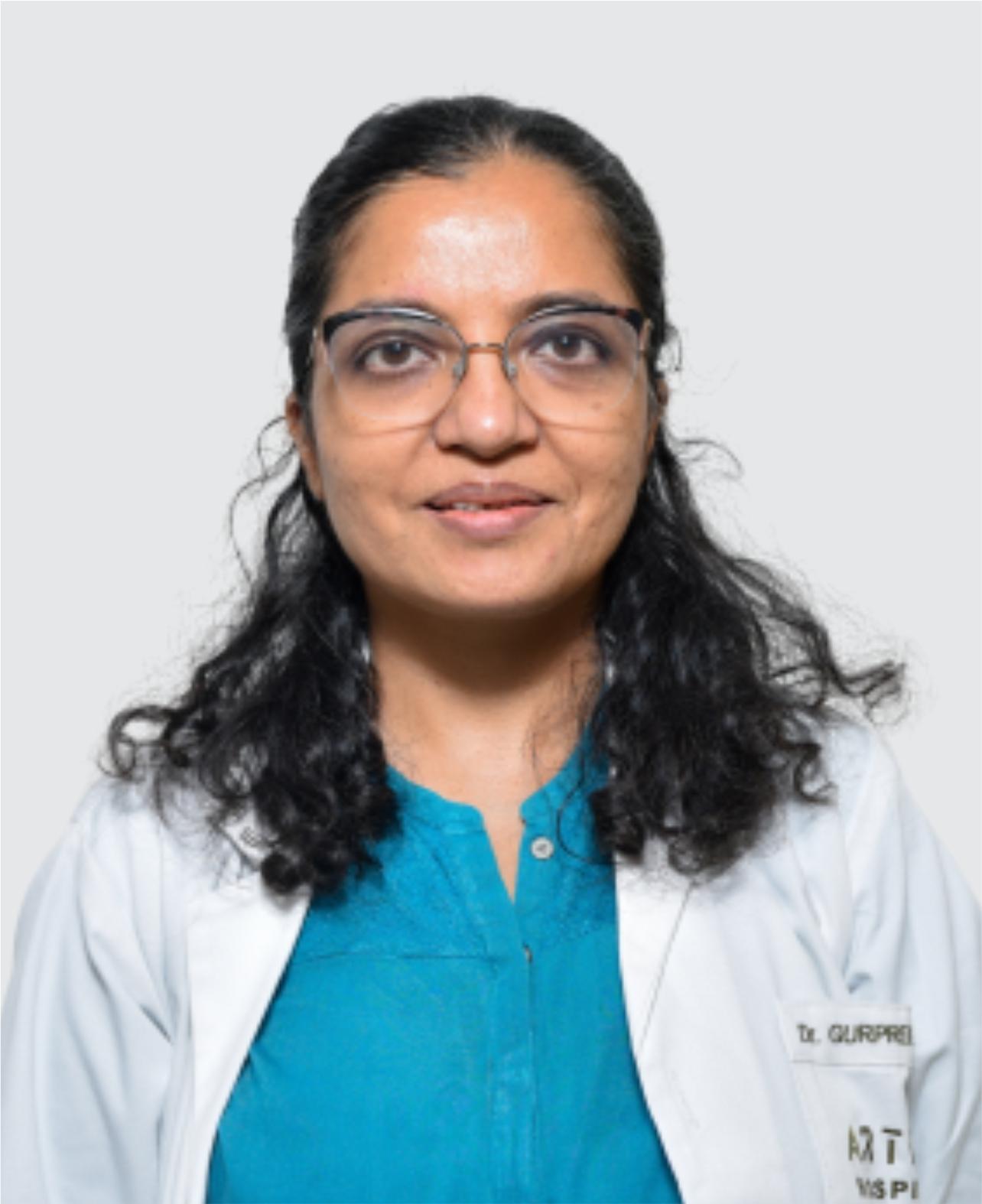
Gurpreet Makkar
Head Imaging & Chief DNB Program
Radiology
New Delhi
19+ Years
Experience
Artemis Hospital
Hospital
1500
Fees
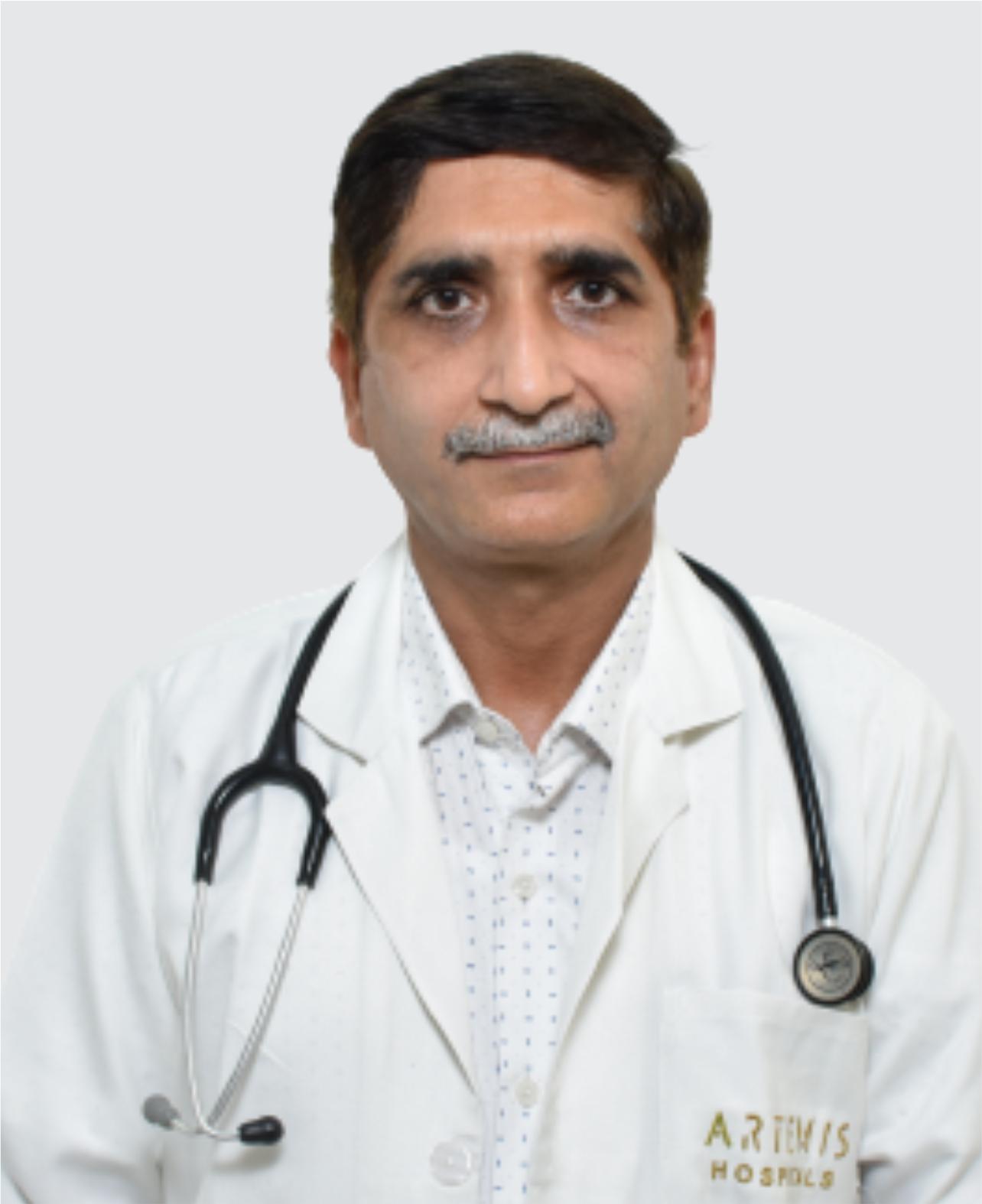
Dr. Hemant Gogia
Sr. Consultant - Paediatrics & Head - Medical Services and Medical Superintendent
Paediatric
New Delhi
10+ Years
Experience
Artemis Hospital
Hospital
1500
Fees
Related Links
Other Treatment related Information
International Patient Visiting India
- ERCP (Endoscopic Retrograde Cholangiopancreatography) Treatment in India for Ethiopia
- ERCP (Endoscopic Retrograde Cholangiopancreatography) Treatment in India for Iraq
- ERCP (Endoscopic Retrograde Cholangiopancreatography) Treatment in India for Nigeria
- ERCP (Endoscopic Retrograde Cholangiopancreatography) Treatment in India for Bangladesh
- ERCP (Endoscopic Retrograde Cholangiopancreatography) Treatment in India for UAE
Ready To Start Your Healing Journey?
Get Personalized Medical Treatment Options From India's Top Hospitals. Our Medical Experts Are Ready To Assist You Every Step Of The Way.