
ERCP (Endoscopic Retrograde Cholangiopancreatography) Treatment in India for Iraq
Need Personalized Advice?
Our medical experts are ready to answer your questions and guide you through your treatment options.
About
ERCP Treatment in India for Iraq Patients | Cost, Hospitals
Patients from Iraq considering ERCP might feel a sense of uncertainty about navigating medical options abroad. When facing conditions affecting the bile ducts or pancreas, finding a reliable and efficient treatment pathway becomes a critical concern, especially when leaving home for care. The prospect of an overseas medical journey can often bring about a mix of hope and apprehension.
For many international patients, including those from Iraq, India has become a preferred destination for advanced medical procedures. India's medical infrastructure includes a vast network of state-of-the-art hospitals and specialized clinics across major cities, known for delivering high standards of care at a significantly lower cost compared to Western nations.
The Indian healthcare system has built a strong reputation through its highly skilled gastroenterologists and surgeons, cutting-edge technology, and patient-centric approach. These facilities offer comprehensive support for international visitors, ensuring a comfortable and well-coordinated experience from initial consultation through to recovery and follow-up care.
Could India be the ideal solution for your ERCP treatment needs?
What is ERCP (Endoscopic Retrograde Cholangiopancreatography)?
ERCP is a sophisticated medical procedure combining endoscopy and X-ray imaging to diagnose and treat problems of the bile and pancreatic ducts. A flexible, lighted tube (endoscope) with a camera is guided through the mouth, stomach, and into the duodenum. A small catheter is then passed through the endoscope into the bile or pancreatic ducts, and a special dye is injected, making the ducts visible on X-ray images. This allows doctors to identify blockages, stones, strictures, or tumors, and often treat them during the same procedure without open surgery.
Applications of ERCP
ERCP is primarily a therapeutic procedure, used to address various issues within the bile and pancreatic ducts. The 'types' of interventions performed during an ERCP include:
- Gallstone Removal: Extracting stones from the bile duct that cause blockages or pain.
- Stent Placement: Inserting small tubes (stents) to open blocked or narrowed ducts, often due to tumors or strictures.
- Stricture Dilation: Widening narrowed segments of the bile or pancreatic ducts using balloons.
- Tissue Biopsy: Taking small tissue samples for laboratory analysis to diagnose conditions like cancer.
- Fluid Drainage: Draining fluid collections or cysts in the pancreas.
- Sphincterotomy: Making a small cut in the muscle opening (sphincter) of the bile duct to facilitate stone removal or improve drainage.
When is ERCP Required?
- Unexplained jaundice (yellowing of skin or eyes)
- Severe abdominal pain or recurrent pancreatitis
- Suspected gallstones in the bile duct (choledocholithiasis)
- Blockages or narrowing of the bile ducts (biliary strictures)
- Pancreatic duct issues, such as strictures or stones
- Evaluation and treatment of certain pancreatic cysts or tumors
- Before gallbladder surgery if bile duct stones are suspected
- To assess unexplained abnormal liver function tests
Pre-Treatment Evaluation for ERCP
- Comprehensive physical examination and review of medical history
- Blood tests, including liver function tests, amylase, lipase, and coagulation profile
- Imaging studies such as ultrasound, CT scan, or MRI/MRCP (Magnetic Resonance Cholangiopancreatography) to visualize the ducts
- Review of current medications and allergies
- Assessment of cardiovascular and respiratory health
- Discussion of patient symptoms and expectations
How the ERCP Procedure is Performed
The ERCP procedure is typically performed in a hospital's endoscopy suite under sedation, with the exact steps tailored to the patient's condition and the specific findings.
Preparation
Patients are asked to fast for several hours before the procedure. An intravenous line is inserted for sedation, and monitoring equipment is attached to track vital signs throughout the ERCP.
Endoscope Insertion
Once sedated, the patient lies on their stomach or left side. The endoscope is gently guided through the mouth, down the esophagus, stomach, and into the first part of the small intestine (duodenum).
Dye Injection and X-rays
A small catheter is passed through the endoscope into the opening of the bile or pancreatic duct. A contrast dye is injected, which then fills the ducts, making them visible on real-time X-ray images (fluoroscopy). This helps the gastroenterologist pinpoint any abnormalities.
Therapeutic Interventions
If problems like stones, strictures, or tumors are identified, specialized instruments can be passed through the endoscope to perform various therapeutic actions. This might include removing stones, placing a stent to open a blocked duct, widening a stricture with a balloon, or taking tissue samples for biopsy.
Completion
After the necessary diagnostic and therapeutic steps are completed, the endoscope is carefully withdrawn. The patient is then moved to a recovery area.
Recovery Process After ERCP
After an ERCP, patients are typically monitored for a few hours in a recovery room as the sedation wears off. Most patients can return home the same day, although an overnight stay might be recommended depending on the complexity of the procedure or any immediate post-procedure concerns. Mild throat soreness, bloating, or gas are common and usually resolve quickly. Patients are generally advised to rest, avoid strenuous activities, and adhere to a specific diet for a short period. Detailed instructions for recovery care, including potential medication and follow-up appointments, will be provided by the medical team.
Potential Risks and Success Rates of ERCP
- Post-ERCP Pancreatitis: Inflammation of the pancreas, which is the most common complication, typically mild.
- Bleeding: Usually minor and self-limiting, but sometimes requiring further intervention.
- Infection: Can occur in the bile ducts (cholangitis) or at the site of intervention.
- Perforation: A rare but serious complication involving a tear in the wall of the duodenum or bile duct.
- Sedation-related issues: Reactions to medication or breathing difficulties.
ERCP is a highly successful procedure for both diagnosis and treatment of bile and pancreatic duct issues. Diagnostic success rates are very high, often exceeding 90-95%. For therapeutic interventions like stone removal or stent placement, success rates vary depending on the specific condition, its complexity, and the patient's overall health. Many patients experience significant relief from their symptoms and a good long-term outcome. The specific results and long-term expectations will be thoroughly discussed by your specialist.
Cost of ERCP Treatment in India
The cost of ERCP treatment in India is significantly lower than in many Western countries while maintaining high standards of medical care. Several factors influence the final cost, including the chosen hospital's reputation and facilities, the experience of the gastroenterologist, the complexity of the procedure, whether any therapeutic interventions (like stone removal or stent placement) are performed, the length of hospital stay, and any additional diagnostic tests required.
Generally, the cost for an ERCP procedure in India can range from approximately INR 70,000 to INR 2,50,000.
ERCP Treatment Cost Across Major Indian Cities
| City | Estimated Cost Range (INR) |
|---|---|
| Delhi / NCR | 75,000 - 2,20,000 |
| Mumbai | 80,000 - 2,30,000 |
| Chennai | 70,000 - 2,10,000 |
| Bengaluru | 78,000 - 2,25,000 |
| Hyderabad | 72,000 - 2,15,000 |
| Kolkata | 68,000 - 2,00,000 |
| Ahmedabad | 65,000 - 1,95,000 |
ERCP Treatment Cost: India vs. Other Countries
| Country | Estimated Cost (USD) |
|---|---|
| India | 900 - 3,000 |
| United States | 5,000 - 15,000 |
| United Kingdom | 4,000 - 10,000 |
| Germany | 3,500 - 9,000 |
| Singapore | 3,000 - 8,000 |
| Thailand | 1,500 - 4,500 |
Considering ERCP in India? Get a personalized treatment plan and cost estimate from leading hospitals. Fill out our inquiry form today.
Guidance and Assistance for Your ERCP Journey
- Expert medical opinion and second opinion services
- Assistance with hospital and specialist selection
- Visa application support and invitation letters
- Arrangement of airport transfers and local transportation
- Accommodation options for patients and accompanying family
- Dedicated patient care coordinators for continuous support
- Translation services to bridge language barriers
- Post-treatment follow-up and remote consultation options
Essential Documents for Your Medical Travel
- Valid passport and Indian medical visa
- Medical reports, diagnostic scans, and previous treatment records
- A referral letter from your local doctor (if available)
- Proof of funds or medical insurance details
- Travel insurance documents
- Photocopies of all essential documents
Preparing for Your ERCP Procedure
- Follow fasting instructions strictly as advised by your doctor
- Discuss all current medications, including supplements, with your medical team
- Arrange for a responsible adult to accompany you home after the procedure
- Avoid blood-thinning medications for several days prior, if instructed
- Inform the medical staff about any allergies or previous reactions to sedation
- Wear comfortable, loose-fitting clothing on the day of your ERCP
Post-ERCP Care and Recovery Steps
- Adhere to dietary guidelines provided by your doctor
- Monitor for any signs of complications such as severe abdominal pain or fever
- Stay hydrated and get adequate rest
- Avoid alcohol and strenuous physical activity for a few days
- Attend all scheduled follow-up appointments
- Report any unusual symptoms to your medical team promptly
Ready to explore ERCP options in India? Connect with us to get started with expert medical advice and seamless patient coordination.
Ready to Take Your Next Step Towards Health?
Embarking on a medical journey for ERCP treatment in India offers a pathway to effective care. We are here to support every step of your decision and treatment process.
Hospitals Offering this treatment
India offers premium medical procedures at affordable prices. Discover our most popular treatments, delivered by the country's finest doctors.
Meet Our Doctors
Meet our team of highly qualified and experienced medical professionals dedicated to providing the best healthcare services.
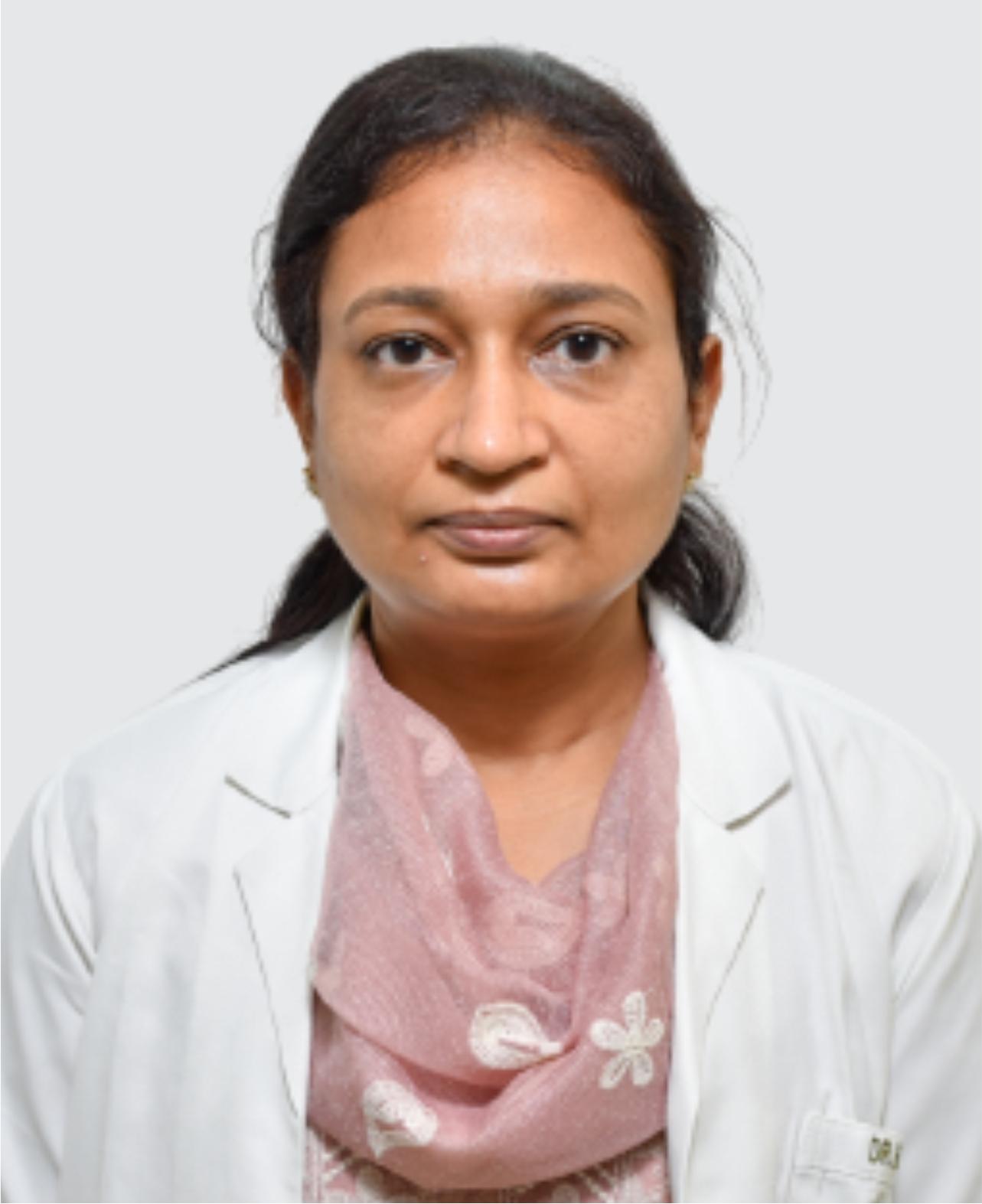
Dr. Deepa Goel
Head - Histopathology & Cytology Lab
Laboratory Services
New Delhi
21+ Years
Experience
Artemis Hospital
Hospital
1500
Fees

Dr. Pradeep Kumar Singh
Head - Cosmetic & Plastic Surgery
Cosmetic & Plastic Surgery
New Delhi
17+ Years
Experience
Artemis Hospital
Hospital
1500
Fees
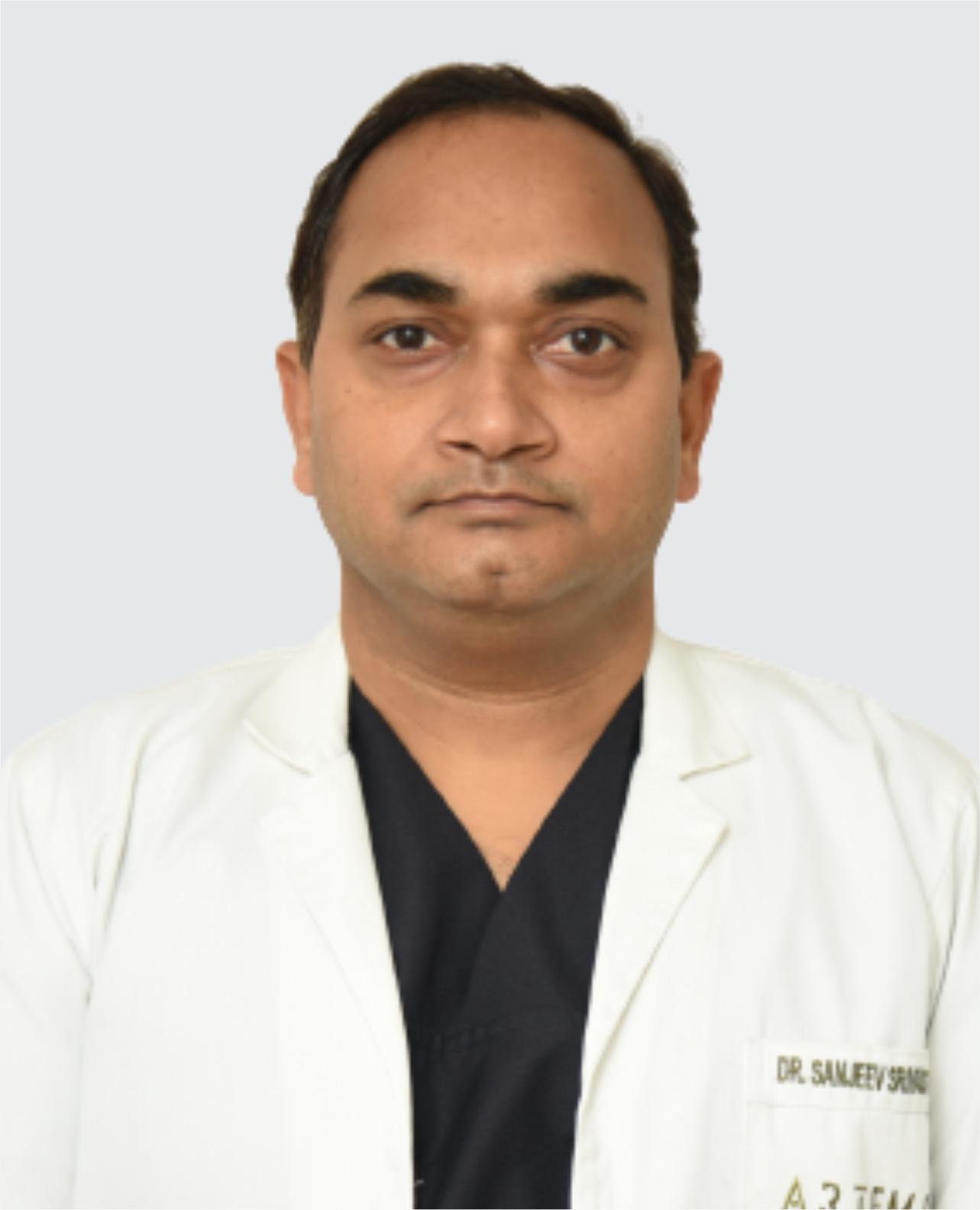
Dr. Sanjeev Srivastava
Sr. Consultant
Neurosurgery
New Delhi
23+ Years
Experience
Artemis Hospital
Hospital
1500
Fees
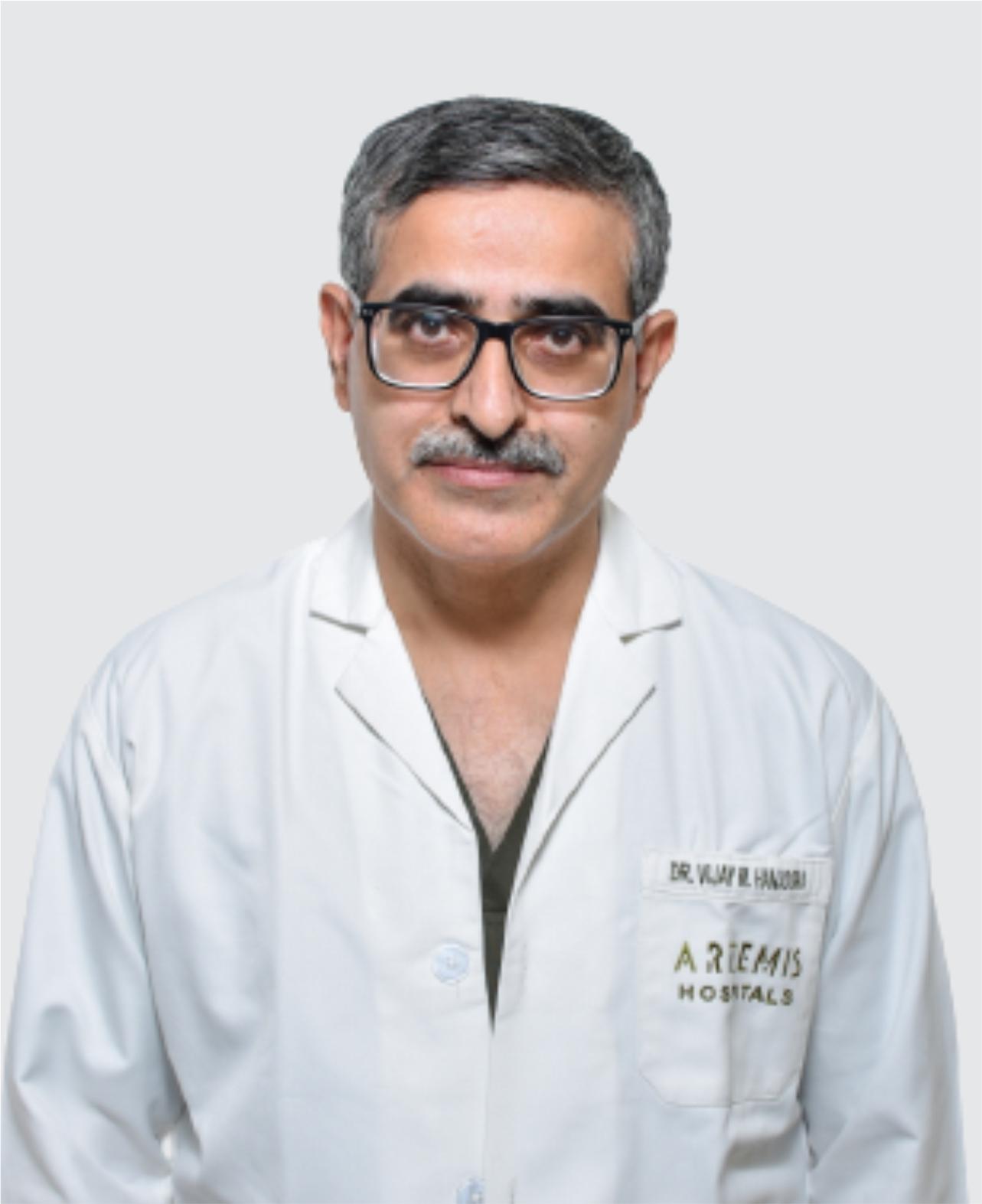
Dr. Vijay Mohan Hanjoora
Director
Gastroenterology
New Delhi
19+ Years
Experience
Artemis Hospital
Hospital
1500
Fees
Dr. (Prof.) Anil Arora
Professor & Robotic Joint Replacement Surgeon
Orthopaedic & Robotic Joint Replacement Surgery
New Delhi
33+ Years
Experience
Max Hospital,Gurgaon
Hospital
1500
Fees
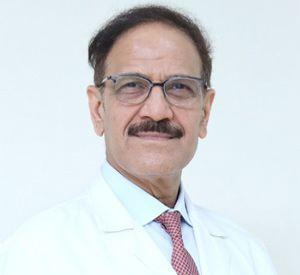
Dr. Subhash Chandra
Chairman - Interventional Cardiology - Cardiology & Structural Heart Disease
Cardiac Sciences, Cardiology, Interventional Cardiology, Cardiac Electrophysiology-Pacemaker
New Delhi
15+ Years
Experience
Max Hospital,Gurgaon
Hospital
1500
Fees
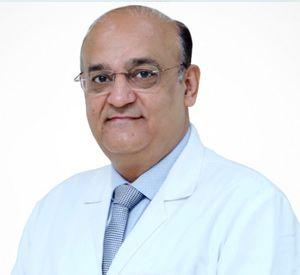
Dr. Neeraj Bhalla
Senior Director, Cardiology Department
Interventional Cardiology
New Delhi
15+ Years
Experience
Max Hospital,Gurgaon
Hospital
1500
Fees
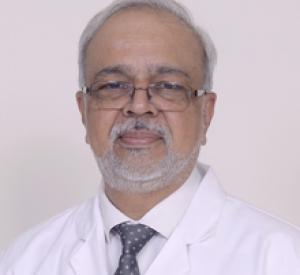
Dr. Arun Puri
Director & Head
Minimal Access, Bariatric & GI Surgery
New Delhi
38+ Years
Experience
Apolo Delhi
Hospital
1500
Fees
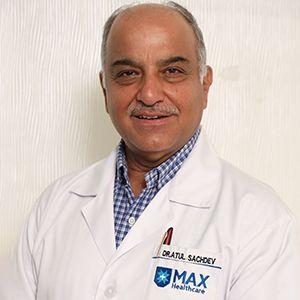
Dr. Atul Sachdev
Principal Consultant
Gastroenterology
New Delhi
25+ Years
Experience
Apolo Delhi
Hospital
1500
Fees

Dr. Rakhi Gupta
Senior Consultant - Paediatric Gastroenterology, Hepatology & Liver Transplant
Paediatric Gastroenterology, Hepatology & Liver Transplant
New Delhi
23+ Years
Experience
Apolo Delhi
Hospital
1500
Fees
Related Links
Other Treatment related Information
- ERCP (Endoscopic Retrograde Cholangiopancreatography) cost in India
- ERCP (Endoscopic Retrograde Cholangiopancreatography) Success Rate in India
- Best ERCP (Endoscopic Retrograde Cholangiopancreatography) Doctors in India
- Best ERCP (Endoscopic Retrograde Cholangiopancreatography) Hospitals in India
- ercp
- ERCP (Endoscopic Retrograde Cholangiopancreatography) Treatment in India
International Patient Visiting India
- ERCP (Endoscopic Retrograde Cholangiopancreatography) Treatment in India for Ethiopia
- ERCP (Endoscopic Retrograde Cholangiopancreatography) Treatment in India for Nigeria
- ERCP (Endoscopic Retrograde Cholangiopancreatography) Treatment in India for Bangladesh
- ERCP (Endoscopic Retrograde Cholangiopancreatography) Treatment in India for UAE
Ready To Start Your Healing Journey?
Get Personalized Medical Treatment Options From India's Top Hospitals. Our Medical Experts Are Ready To Assist You Every Step Of The Way.