
ERCP (Endoscopic Retrograde Cholangiopancreatography) Treatment in India for UAE
Need Personalized Advice?
Our medical experts are ready to answer your questions and guide you through your treatment options.
About
ERCP in India for UAE Patients: Hospitals, Cost & Recovery
Facing a diagnosis requiring ERCP can bring many questions for patients in the UAE. Concerns about accessing specialized care, understanding complex procedures, and ensuring the best possible outcome are common. You seek clarity and confidence in your medical choices, looking for a path that offers both quality and peace of mind.
Many patients from the UAE explore healthcare options abroad, often considering India for its advanced medical infrastructure. India offers a wide network of hospitals and specialists across various cities, providing accessible and high-quality ERCP procedures designed to meet international standards and patient needs.
India's medical system has earned a reputation for excellence, housing internationally accredited hospitals and highly skilled gastroenterologists and endoscopists. Patients can find reassuring expertise and comprehensive care, from initial consultation through recovery, ensuring a trusted healthcare journey supported by experienced medical professionals nationwide.
Is India the right choice for your ERCP treatment journey?
What is ERCP (Endoscopic Retrograde Cholangiopancreatography)?
ERCP is a specialized endoscopic procedure used to diagnose and treat problems in the bile and pancreatic ducts. It combines the use of a flexible, lighted tube (endoscope) with X-ray imaging. During the procedure, the endoscope is gently guided down the throat, through the stomach, and into the first part of the small intestine (duodenum). A very thin tube (catheter) is then passed through the endoscope into the bile or pancreatic ducts, and a contrast dye is injected. This dye makes the ducts visible on X-ray screens, allowing specialists to precisely identify issues such as gallstones, tumors, strictures, or blockages. ERCP is a powerful tool for managing conditions affecting these crucial digestive pathways.
What Types of ERCP Procedures Are Available?
ERCP can be broadly categorized by its primary purpose and the specific interventions performed:
- Diagnostic ERCP: This is used to accurately visualize the bile and pancreatic ducts when other imaging methods have not provided sufficient information. It helps determine the cause of symptoms like jaundice, abdominal pain, or unexplained weight loss.
- Therapeutic ERCP: More commonly, ERCP is used to treat identified problems. This category includes various interventions:
- Stone Extraction: Removing gallstones or other blockages from the bile duct using specialized instruments like balloons or baskets.
- Stent Placement: Inserting small plastic or metal tubes (stents) into narrowed or blocked ducts to keep them open, facilitate bile or pancreatic fluid drainage, and relieve obstruction.
- Stricture Dilation: Widening narrowed segments of the bile or pancreatic ducts, often caused by inflammation or scarring, using balloons or other dilating devices.
- Biopsy: Taking small tissue samples from the duct walls or suspicious lesions to examine them for cancer or other diseases.
- Sphincterotomy: A small incision made in the sphincter of Oddi, a muscle that controls the flow of digestive fluids, to allow easier access to the ducts for stone removal or stent placement.
When is ERCP Recommended for Patients?
- Persistent abdominal pain, especially in the upper right quadrant or radiating to the back.
- Jaundice (yellowing of the skin or eyes) suggesting bile duct obstruction.
- Unexplained acute or chronic pancreatitis (inflammation of the pancreas).
- Suspected gallstones located within the bile duct (choledocholithiasis).
- Identification of tumors or other blockages in the bile or pancreatic ducts.
- Assessment and treatment of bile leaks following surgical procedures.
- Evaluation of complications arising from chronic pancreatitis, such as pseudocysts or ductal strictures.
- When there is a need for stent placement to alleviate ductal obstruction and improve drainage.
What Pre-Treatment Evaluation is Needed for ERCP?
- Detailed Medical History: A thorough review of past illnesses, surgeries, existing medical conditions, and all current medications, including supplements and over-the-counter drugs.
- Physical Examination: To assess overall health status and identify any potential risks or contraindications for the procedure.
- Blood Tests: Including complete blood count, liver function tests, pancreatic enzyme levels (amylase, lipase), kidney function tests, and coagulation profile to assess clotting ability.
- Imaging Studies: Often includes prior abdominal ultrasound, CT scan, or MRI/MRCP (Magnetic Resonance Cholangiopancreatography) to provide initial visualization of the ducts and surrounding organs.
- Allergy Assessment: Specifically for contrast dyes, anesthetics, or any other medications that might be used during the ERCP.
- Cardiac and Respiratory Assessment: To ensure the patient is fit for sedation or anesthesia, especially for those with existing heart or lung conditions.
How is an ERCP Procedure Performed?
The specific steps of an ERCP procedure depend on the patient's individual condition, the findings from prior evaluations, and the planned therapeutic interventions.
Preparation and Sedation
Before the procedure begins, patients are given intravenous sedation or general anesthesia to ensure comfort and minimize discomfort. The back of the throat may also be numbed with a spray to ease the passage of the endoscope. Throughout the procedure, vital signs such as heart rate, blood pressure, and oxygen levels are continuously monitored by the medical team.
Endoscope Insertion and Navigation
The doctor carefully inserts a thin, flexible endoscope through the mouth, guided down the esophagus, past the stomach, and into the duodenum. A tiny camera on the tip of the endoscope transmits clear images to a high-definition monitor, allowing the specialist to navigate precisely within the digestive tract.
Duct Cannulation and Dye Injection
Once the ampulla of Vater (the opening where the bile and pancreatic ducts meet the duodenum) is located, a very thin catheter is passed through the endoscope and gently guided into the desired duct. A specialized contrast dye is then injected into the duct. This dye fills the ducts, making them clearly visible on real-time X-ray images, revealing any blockages, stones, strictures, or other abnormalities.
Therapeutic Interventions (if required)
If problems are identified, the specialist can perform various therapeutic actions using miniature instruments passed through the endoscope. These may include using a wire and basket to remove gallstones, inflating a balloon to widen narrowed ducts, or placing a small stent to keep a duct open and facilitate drainage. Tissue samples (biopsies) can also be taken from suspicious areas for further laboratory analysis.
Procedure Completion and Monitoring
Once all necessary diagnostic and therapeutic steps are completed, the catheter and endoscope are carefully withdrawn. The patient is then moved to a dedicated recovery area, where they are closely monitored as the effects of sedation gradually wear off. Specific post-procedure instructions are provided before discharge.
What Does Recovery After ERCP Involve?
Recovery from an ERCP procedure typically begins immediately in a dedicated recovery room, where patients are monitored until the effects of sedation fully subside. Most individuals are able to return home the same day, although an overnight hospital stay might be recommended in specific cases, particularly if complex therapeutic interventions were performed or if close observation is needed. It is quite common to experience mild symptoms such as bloating, gas, or a slight sore throat for a day or two following the procedure. Patients are strongly advised to refrain from driving, operating machinery, or making important decisions for at least 24 hours due to the lingering effects of sedation. Initial dietary recommendations often involve starting with clear liquids and gradually progressing to soft, easily digestible foods. Follow-up appointments are essential to assess the procedure's success, monitor for any potential delayed complications, and plan further management if necessary.
What Are the Risks and Success Rates of ERCP?
- Post-ERCP Pancreatitis (PEP): This is the most common serious complication, occurring in a small percentage of patients. It involves inflammation of the pancreas, usually mild but can occasionally be severe.
- Bleeding: Particularly if a sphincterotomy (a small incision in the duct opening) is performed. This risk is generally low and can often be managed endoscopically.
- Infection: There is a slight risk of infection in the bile ducts (cholangitis) or gallbladder, which may require antibiotic treatment.
- Perforation: A very rare but serious complication where a tear occurs in the wall of the bile duct, intestine, or esophagus, potentially requiring surgical repair.
- Adverse Reaction to Sedation: While rare, some patients may experience allergic reactions or respiratory difficulties related to the sedatives used.
- Stent Migration: If a stent is placed to keep a duct open, it may rarely move out of position, requiring another procedure for adjustment or removal.
The success rate of ERCP in diagnosing and effectively treating conditions of the bile and pancreatic ducts is generally very high, often ranging between 90-95% for experienced specialists and complex cases. Diagnostic success refers to the ability to clearly visualize the ducts and identify the underlying problem. Therapeutic success depends on the specific intervention performed, such as the complete removal of stones or the effective placement of a stent to restore drainage. Patient outcomes are influenced by several factors, including the individual's overall health status, the complexity of their specific condition, and the skill and experience of the gastroenterologist performing the procedure. Long-term expectations vary based on the primary diagnosis; some conditions may require ongoing monitoring or repeat procedures over time.
Considering ERCP in India?
Connect with leading specialists and receive a personalized treatment plan and cost estimate today. Our team is ready to assist UAE patients in finding the best care.
What is the Cost of ERCP Treatment in India for UAE Patients?
The cost of ERCP treatment in India is notably more affordable compared to many Western countries and even other Asian medical hubs, including the UAE, while maintaining high standards of clinical excellence. Several factors influence the final cost of an ERCP procedure. These include the choice of hospital (e.g., corporate multispecialty versus smaller private facilities), the experience and reputation of the gastroenterologist, the need for any additional therapeutic interventions during the ERCP (such as stone extraction, stent placement, or biopsy), the duration of hospital stay, and any required pre-procedure diagnostic tests or post-procedure medications.
Generally, the cost of an ERCP procedure in India can range from approximately INR 80,000 to INR 2,50,000. This range encompasses basic diagnostic ERCPs to more complex therapeutic interventions.
ERCP Cost in Major Indian Cities (INR)
| City | Estimated Cost Range (INR) |
|---|---|
| Delhi | 85,000 - 2,40,000 |
| Mumbai | 90,000 - 2,50,000 |
| Chennai | 80,000 - 2,30,000 |
| Bangalore | 88,000 - 2,45,000 |
| Hyderabad | 82,000 - 2,35,000 |
| Kolkata | 78,000 - 2,20,000 |
| Ahmedabad | 80,000 - 2,25,000 |
ERCP Cost: India vs. Global Comparison
| Country | Estimated Cost (USD) |
|---|---|
| India | 1,000 - 3,000 |
| UAE | 4,000 - 8,000 |
| USA | 8,000 - 15,000 |
| UK | 5,000 - 10,000 |
| Thailand | 2,500 - 5,000 |
| Singapore | 6,000 - 12,000 |
Comprehensive Support for Your Medical Journey in India
- Travel Assistance: Our team can assist with visa application guidance, flight bookings, and arranging seamless airport transfers upon your arrival in India.
- Accommodation Services: We provide guidance and options for nearby hotels, guest houses, or serviced apartments that suit your preferences and budget for both patient and accompanying family.
- Language Interpreters: Professional medical interpreters are available to ensure clear and accurate communication between you, your doctors, and hospital staff.
- Dedicated Patient Coordinators: You will have a single point of contact who will manage all your medical appointments, logistical arrangements, and answer any queries throughout your stay.
- Post-Treatment Follow-up: We facilitate virtual consultations and help arrange care plans to ensure continuity of care once you return home after your ERCP.
- Local Travel & Sightseeing: Assistance with local transportation and arrangements for leisure activities or city tours, should you desire to explore India during your recovery period.
Essential Documents for Your ERCP Treatment in India
- Valid Passport and Visa: Ensure your passport has sufficient validity and you have the appropriate medical visa for entry into India.
- All Previous Medical Reports: Bring comprehensive reports, including diagnostic scans (ultrasound, CT, MRI/MRCP), blood test results, and physician notes related to your condition.
- Referral Letter: A letter from your referring doctor in the UAE detailing your condition and the recommendation for ERCP is often helpful.
- Current Medication List: A complete and updated list of all prescription and over-the-counter medications you are currently taking, including dosages.
- Medical Insurance Details: If you plan to use medical insurance, carry all relevant policy documents and contact information.
- Patient Consent Forms: You will be provided with these by the hospital; review and sign them after understanding the procedure and its implications.
Preparing for Your ERCP Procedure in India
- Adhere to Fasting Instructions: You will typically be required to fast for at least 6-8 hours before the procedure, meaning no food or drink. Specific instructions will be given by your doctor.
- Discuss Medications Thoroughly: Inform your medical team about all medications you are taking, especially blood thinners or diabetes medications, as some may need to be adjusted or temporarily stopped.
- Arrange for a Companion: Plan to have a family member or friend accompany you to the hospital and assist you post-procedure, as you will be under sedation.
- Review Consent Forms: Take time to understand the ERCP procedure, its potential benefits, and risks, and ask any questions before signing the consent forms.
- Ask All Your Questions: Do not hesitate to clarify any doubts or concerns with your doctor or the medical team before the day of your procedure.
- Pack Essentials: Bring comfortable clothing, personal toiletries, and any necessary travel documents and medical records to the hospital.
Navigating Your Recovery After ERCP
- Monitor for Any Symptoms: Carefully watch for signs of complications such as severe or worsening abdominal pain, fever, chills, dark or bloody stools, or persistent vomiting. Report these immediately.
- Follow Dietary Guidelines: Gradually reintroduce foods as advised by your doctor, usually starting with light liquids and progressing to soft, easily digestible meals over a day or two.
- Ensure Adequate Hydration: Drink plenty of fluids (water, clear broths) to aid your body's recovery and prevent dehydration.
- Avoid Strenuous Activity: Refrain from heavy lifting, vigorous exercise, or other strenuous activities for a few days to allow your body to heal.
- Attend Follow-up Appointments: These are crucial for checking your recovery progress, assessing the success of the ERCP, and removing any temporary stents if they were placed.
- Manage Discomfort: Take prescribed pain relievers as needed for any mild soreness or discomfort, and avoid over-the-counter medications unless approved by your doctor.
Start Your Journey to Better Health
Have questions about ERCP in India or need help with arrangements? Reach out to our patient support team for comprehensive guidance tailored for international patients from the UAE.
Ready to Explore Your ERCP Treatment Options?
India offers a compassionate and highly effective pathway for ERCP treatment, combining advanced medical care with significant cost efficiency.
Hospitals Offering this treatment
India offers premium medical procedures at affordable prices. Discover our most popular treatments, delivered by the country's finest doctors.
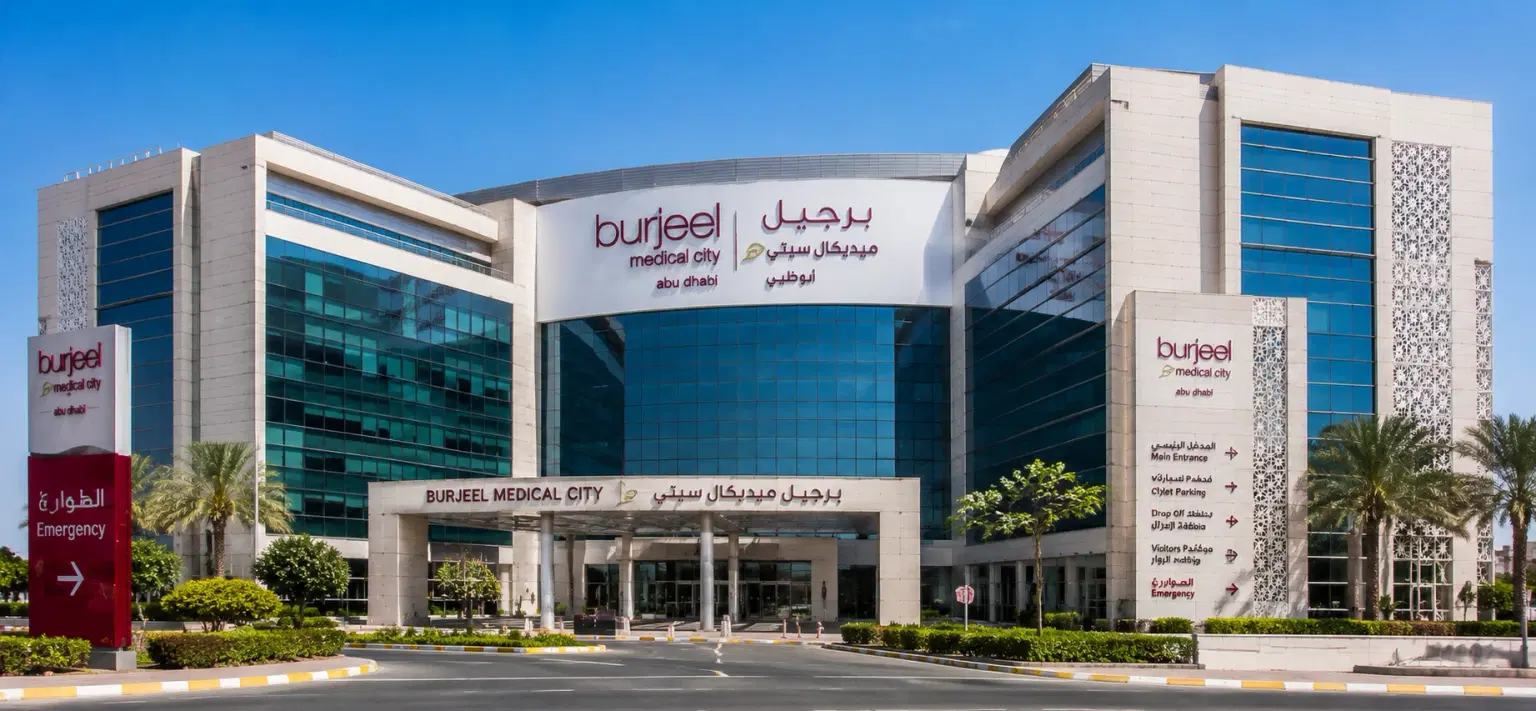
Burjeel Medical City, Abu Dhabi
28th Street, Mohammed Bin Zayed City, Abu Dhabi, UAE
Burjeel Medical City, Abu Dhabi
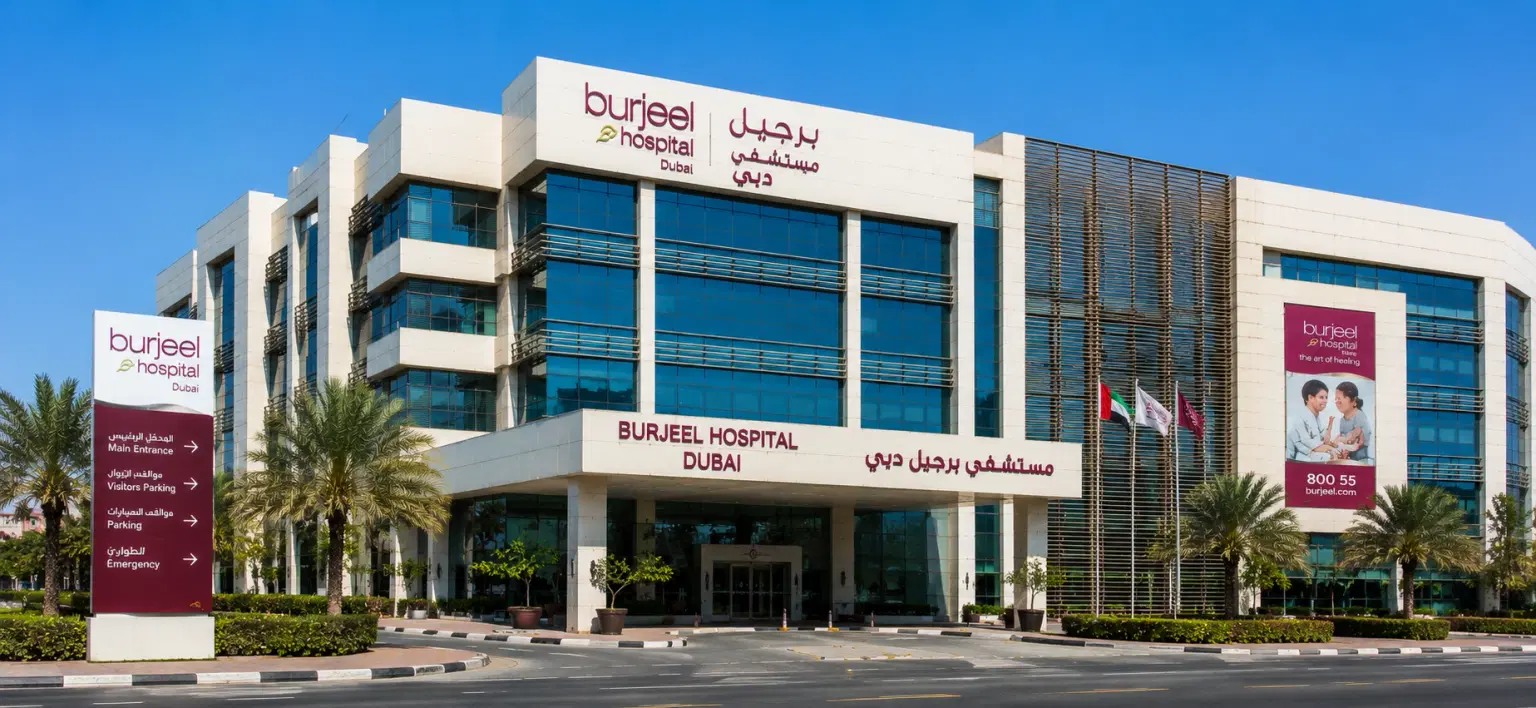
Burjeel Hospital, Dubai
Dubai, UAE (part of Burjeel Holdings network)
Burjeel Hospital, Dubai
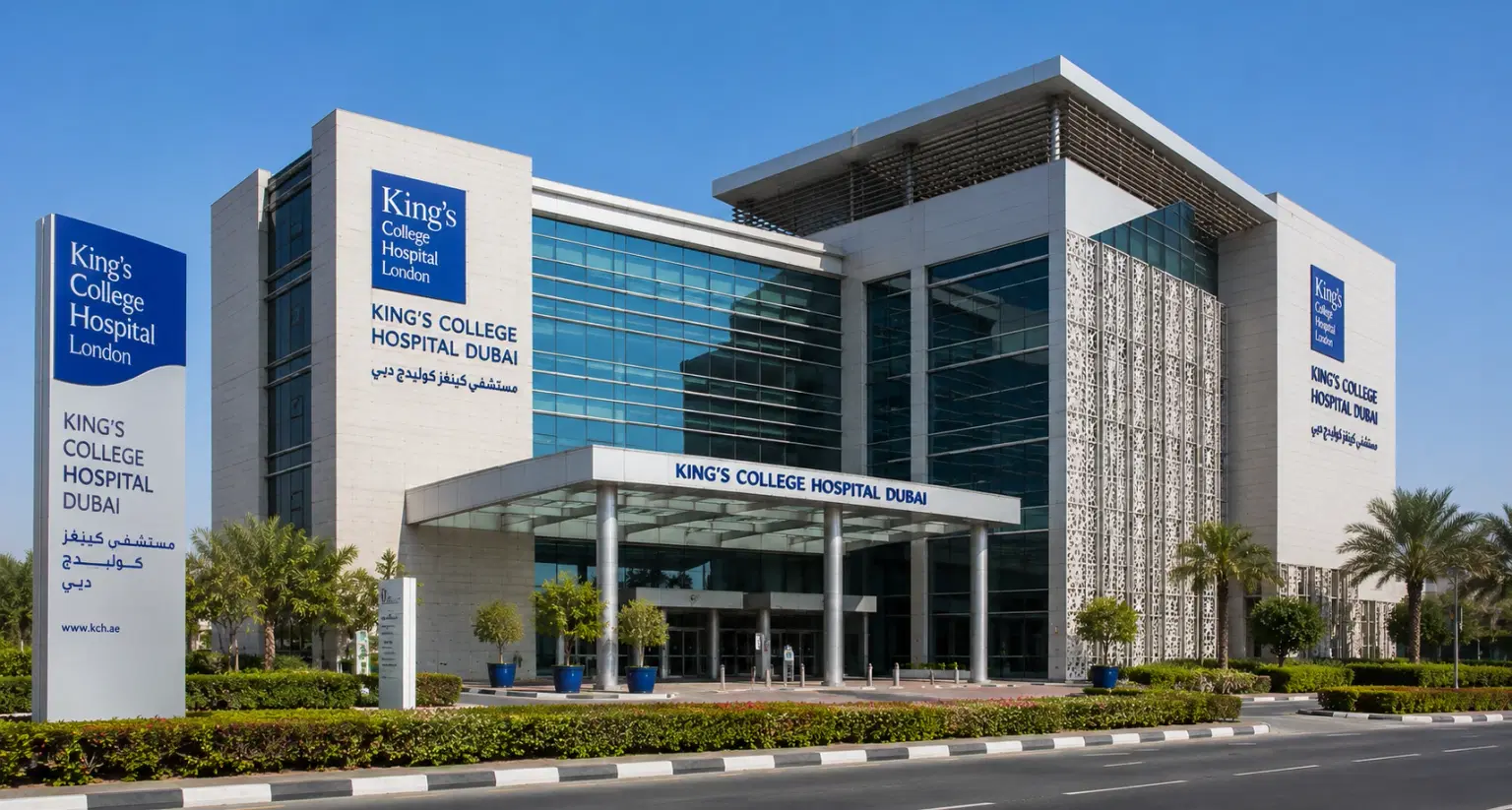
King's College Hospital, Dubai
Dubai Hills, Mohammed Bin Rashid City, Dubai, UAE
King's College Hospital, Dubai

Neuro Spinal Hospital (NSH), Dubai
Dubai Science Park, Umm Suqeim St, Al Barsha South, Dubai, UAE
Neuro Spinal Hospital (NSH), Dubai

HMS Al Garhoud Hospital, Dubai
Al Garhoud Street, Al Garhoud, Dubai, UAE
HMS Al Garhoud Hospital, Dubai
Meet Our Doctors
Meet our team of highly qualified and experienced medical professionals dedicated to providing the best healthcare services.
Dr. Deepa Goel
Head - Histopathology & Cytology Lab
Laboratory Services
New Delhi
21+ Years
Experience
Artemis Hospital
Hospital
1500
Fees

Dr. Pradeep Kumar Singh
Head - Cosmetic & Plastic Surgery
Cosmetic & Plastic Surgery
New Delhi
17+ Years
Experience
Artemis Hospital
Hospital
1500
Fees
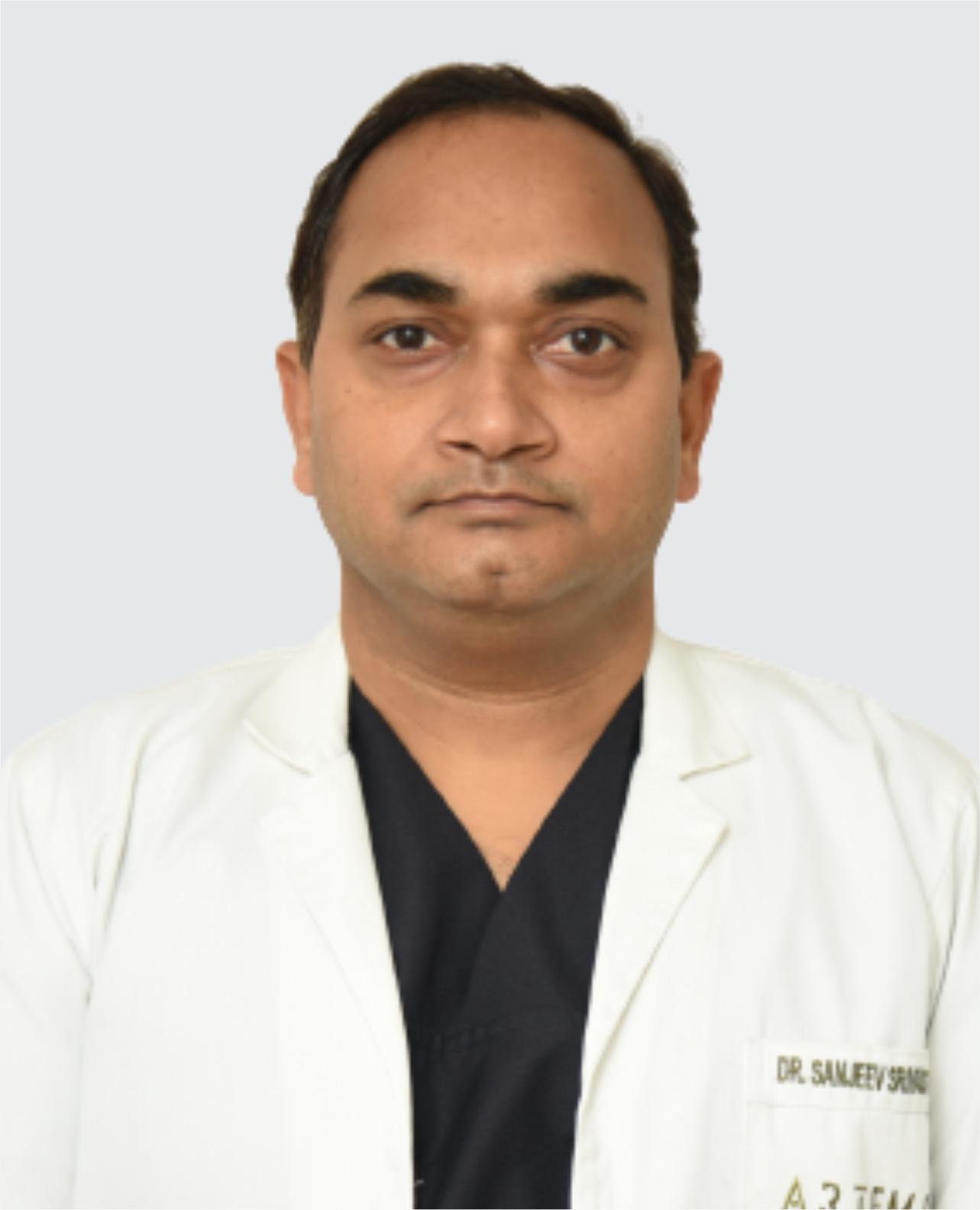
Dr. Sanjeev Srivastava
Sr. Consultant
Neurosurgery
New Delhi
23+ Years
Experience
Artemis Hospital
Hospital
1500
Fees
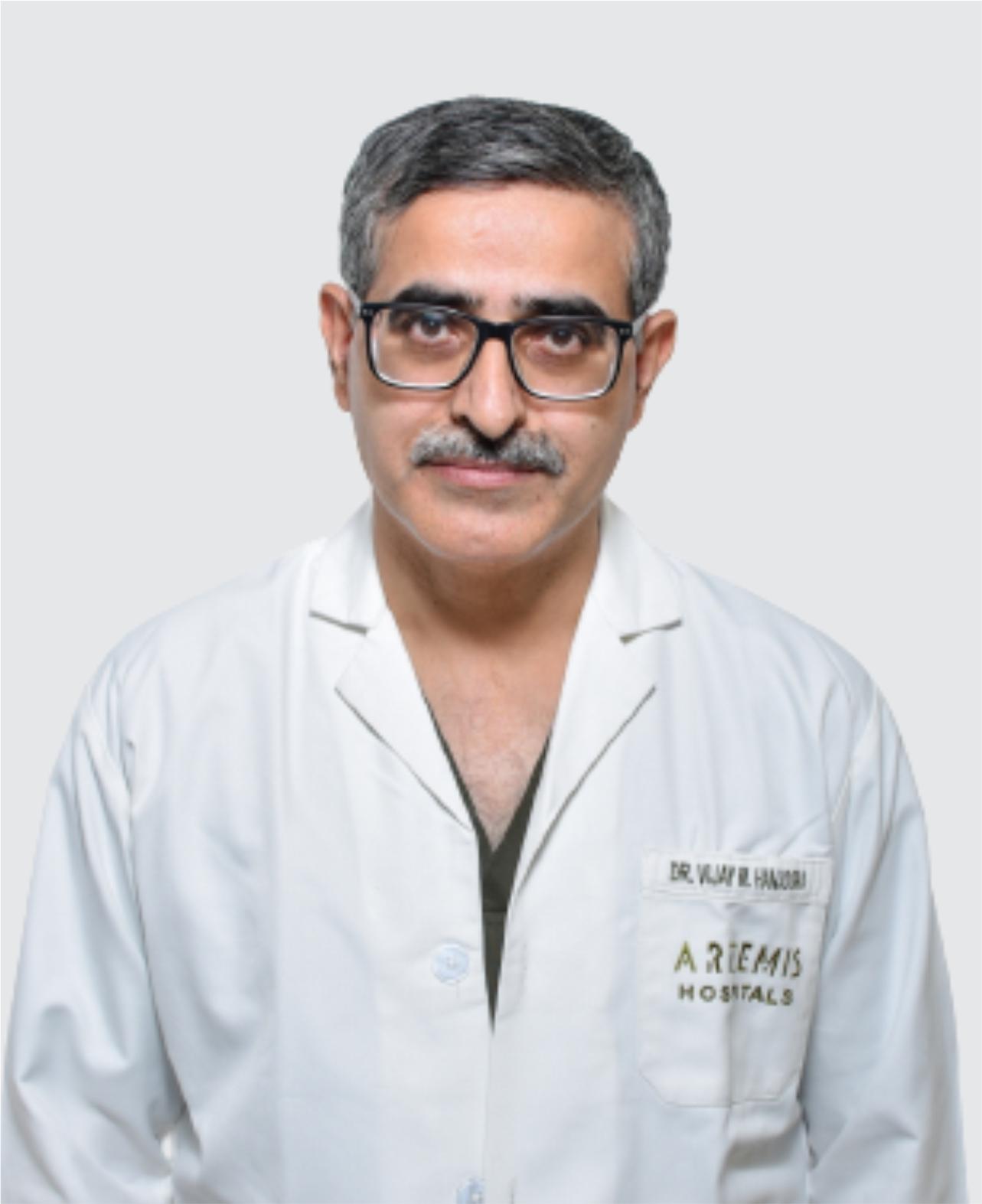
Dr. Vijay Mohan Hanjoora
Director
Gastroenterology
New Delhi
19+ Years
Experience
Artemis Hospital
Hospital
1500
Fees
Dr. (Prof.) Anil Arora
Professor & Robotic Joint Replacement Surgeon
Orthopaedic & Robotic Joint Replacement Surgery
New Delhi
33+ Years
Experience
Max Hospital,Gurgaon
Hospital
1500
Fees
Dr. Subhash Chandra
Chairman - Interventional Cardiology - Cardiology & Structural Heart Disease
Cardiac Sciences, Cardiology, Interventional Cardiology, Cardiac Electrophysiology-Pacemaker
New Delhi
15+ Years
Experience
Max Hospital,Gurgaon
Hospital
1500
Fees
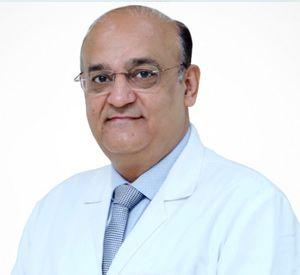
Dr. Neeraj Bhalla
Senior Director, Cardiology Department
Interventional Cardiology
New Delhi
15+ Years
Experience
Max Hospital,Gurgaon
Hospital
1500
Fees
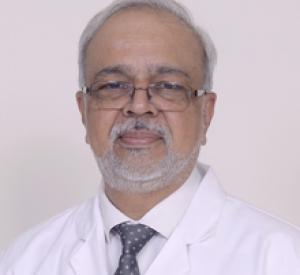
Dr. Arun Puri
Director & Head
Minimal Access, Bariatric & GI Surgery
New Delhi
38+ Years
Experience
Apolo Delhi
Hospital
1500
Fees
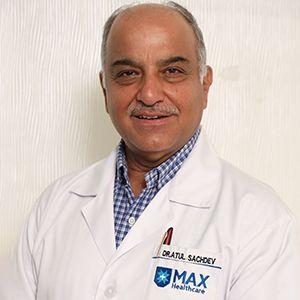
Dr. Atul Sachdev
Principal Consultant
Gastroenterology
New Delhi
25+ Years
Experience
Apolo Delhi
Hospital
1500
Fees

Dr. Rakhi Gupta
Senior Consultant - Paediatric Gastroenterology, Hepatology & Liver Transplant
Paediatric Gastroenterology, Hepatology & Liver Transplant
New Delhi
23+ Years
Experience
Apolo Delhi
Hospital
1500
Fees
Related Links
Other Treatment related Information
- ERCP (Endoscopic Retrograde Cholangiopancreatography) cost in India
- ERCP (Endoscopic Retrograde Cholangiopancreatography) Success Rate in India
- Best ERCP (Endoscopic Retrograde Cholangiopancreatography) Doctors in India
- Best ERCP (Endoscopic Retrograde Cholangiopancreatography) Hospitals in India
- ercp
- ERCP (Endoscopic Retrograde Cholangiopancreatography) Treatment in India
International Patient Visiting India
- ERCP (Endoscopic Retrograde Cholangiopancreatography) Treatment in India for Ethiopia
- ERCP (Endoscopic Retrograde Cholangiopancreatography) Treatment in India for Iraq
- ERCP (Endoscopic Retrograde Cholangiopancreatography) Treatment in India for Nigeria
- ERCP (Endoscopic Retrograde Cholangiopancreatography) Treatment in India for Bangladesh
Ready To Start Your Healing Journey?
Get Personalized Medical Treatment Options From India's Top Hospitals. Our Medical Experts Are Ready To Assist You Every Step Of The Way.