
Intracytoplasmic Sperm Injection (ICSI) Treatment in Hyderabad for Iraq
Need Personalized Advice?
Our medical experts are ready to answer your questions and guide you through your treatment options.
About
ICSI Treatment in Hyderabad for Patients from Iraq | Cost & Hospitals
For couples in Iraq facing challenges with conception, the journey to parenthood often involves navigating complex decisions about advanced fertility treatments like ICSI. Concerns about accessibility, the standard of care, and overall treatment costs can make this path feel overwhelming.
Many prospective parents find themselves looking towards international destinations known for their medical expertise. Hyderabad stands out as a preferred choice, recognized for its specialized fertility clinics and integrated care environment tailored for international visitors.
The city's hospitals house highly experienced fertility specialists, offering a blend of advanced technology and compassionate support. Patients benefit from streamlined processes and comprehensive follow-up care, ensuring a smooth treatment journey within Hyderabad.
Could Hyderabad be the right place to begin your ICSI journey?
What is Intracytoplasmic Sperm Injection (ICSI)?
Intracytoplasmic Sperm Injection, or ICSI, is an advanced fertility procedure often used in conjunction with In Vitro Fertilization (IVF). It addresses male infertility factors, severe cases of unexplained infertility, or previous fertilization failures. During ICSI, a single healthy sperm is carefully injected directly into the center of each mature egg. This direct injection bypasses many common barriers to fertilization, significantly increasing the chances of successful embryo creation. The resulting embryos are then monitored and later transferred into the woman's uterus, similar to a standard IVF cycle. ICSI offers hope to couples where conventional fertilization methods are unlikely to succeed.
Variations and Related Aspects of ICSI
While ICSI itself is a specific technique, it can be part of broader fertility treatment plans. Here are some common variations and related procedures:
- Standard ICSI Cycle: This is the most common approach, where ICSI is performed using the couple's own sperm and eggs after ovarian stimulation and egg retrieval.
- ICSI with Donor Sperm: For couples where the male partner has severe sperm issues or is absent, donor sperm can be used for the ICSI procedure.
- ICSI with Donor Eggs: In cases where the female partner has poor egg quality or quantity, donor eggs may be utilized, with ICSI performed using either partner's or donor sperm.
- ICSI with Preimplantation Genetic Testing (PGT): After ICSI and embryo development, a small sample from each embryo can be tested for genetic abnormalities before transfer, improving the chances of a healthy pregnancy.
- ICSI for Fertility Preservation: Single women or couples facing medical treatments that could impair fertility might choose to freeze eggs or embryos created via ICSI for future use.
When is ICSI Treatment Recommended?
- Severe male factor infertility, such as very low sperm count or poor sperm motility.
- Previous failure or very low fertilization rates during conventional IVF cycles.
- Sperm retrieved surgically from the testicles (e.g., TESA, TESE), often due to obstructive azoospermia.
- Antisperm antibodies in the male partner, which can hinder natural fertilization.
- Use of frozen sperm with limited viable sperm cells available.
- Cases where only a small number of eggs are retrieved.
- Preimplantation genetic testing (PGT) is planned, as ICSI helps avoid contamination from extraneous sperm.
Pre-Treatment Evaluation for ICSI
- Female Partner Evaluation: Includes hormone tests (FSH, LH, Estradiol, AMH), ultrasound to assess ovarian reserve, and uterine health check.
- Male Partner Evaluation: Comprehensive semen analysis, hormone profiling (testosterone), and sometimes genetic testing or testicular biopsy.
- Infectious Disease Screening: Both partners undergo tests for HIV, Hepatitis B and C, and syphilis.
- General Health Check: Blood pressure, blood sugar, and overall physical assessment for both individuals.
- Medical History Review: A thorough review of past medical conditions, surgeries, and previous fertility treatments.
How the ICSI Procedure is Performed
The ICSI procedure involves several carefully coordinated steps, beginning with preparing both partners for egg and sperm retrieval.
Ovarian Stimulation and Egg Retrieval
The female partner receives fertility medications to stimulate the ovaries to produce multiple mature eggs. Once the eggs are ready, a minor surgical procedure called egg retrieval is performed under light sedation. A thin needle, guided by ultrasound, gently extracts eggs from the ovarian follicles.
Sperm Collection and Preparation
On the same day as egg retrieval, the male partner provides a sperm sample. If necessary, sperm can be surgically extracted from the testes. The sperm sample is then processed in the lab to select the healthiest, most motile sperm for injection.
Sperm Injection (ICSI)
Under a high-powered microscope, a single, healthy sperm is meticulously injected into the cytoplasm of each mature egg using a very fine glass needle. This direct injection is the core of the ICSI process, designed to overcome fertilization barriers.
Embryo Culture and Monitoring
After injection, the fertilized eggs (now embryos) are placed in a special culture medium within an incubator. They are monitored closely over several days for proper development and growth, typically for three to five days.
Embryo Transfer
Once the embryos reach a suitable developmental stage, one or more healthy embryos are selected and transferred into the woman's uterus using a thin, flexible catheter. This is a generally painless procedure that does not require anesthesia.
Recovery Process After ICSI Treatment
Following the embryo transfer, patients are typically advised to rest for a short period before resuming light daily activities. The recovery period is crucial, focusing on minimal physical exertion and emotional well-being. Any discomfort from the egg retrieval usually subsides within a few days. Patients typically return to the clinic for a pregnancy test approximately two weeks after the embryo transfer. Clear instructions on post-procedure care, including medication schedules and restrictions, will be provided by your fertility specialist in Hyderabad. Emotional support during this waiting period is also a vital part of the recovery process.
Potential Risks and Success Rates of ICSI
- Ovarian Hyperstimulation Syndrome (OHSS): A reaction to fertility medications causing swollen, painful ovaries.
- Multiple Pregnancy: A higher chance of conceiving twins or triplets if more than one embryo is transferred.
- Ectopic Pregnancy: Occurs when an embryo implants outside the uterus, usually in a fallopian tube.
- Bleeding or Infection: Minor risks associated with the egg retrieval procedure.
- Birth Defects: A slightly increased, though still very low, risk of certain birth defects compared to natural conception.
- Embryo Damage: A rare possibility of damage to the egg or embryo during the injection process.
The success rates for ICSI are highly variable, depending on several factors including the woman's age, the cause of infertility, ovarian reserve, embryo quality, and the expertise of the clinic. Generally, ICSI success rates mirror those of conventional IVF once fertilization occurs. While ICSI significantly improves fertilization rates, it does not guarantee a live birth. Outcomes range from 20% to 50% or more per cycle, with younger women typically having higher success. Long-term expectations should be discussed comprehensively with your fertility specialist.
Cost of ICSI Treatment in Hyderabad
The cost of ICSI treatment in Hyderabad is influenced by several factors, including the reputation of the hospital or clinic, the experience of the fertility specialist, the specific medications required, and any additional procedures like PGT. Hyderabad is known for offering advanced fertility care at a more accessible price point compared to many Western countries, without compromising on quality.
A typical ICSI cycle in Hyderabad can range from approximately INR 1,50,000 to INR 3,50,000.
Hyderabad ICSI Cost Compared to Other Global Destinations
Hyderabad offers a compelling cost advantage for ICSI treatment, providing world-class medical facilities at a fraction of international prices. This table illustrates how Hyderabad's costs compare to other popular medical tourism destinations for fertility treatments.
| Location | Estimated ICSI Cost (USD) |
|---|---|
| Hyderabad, India | $1,800 - $4,200 |
| USA | $12,000 - $20,000 |
| United Kingdom | $7,000 - $12,000 |
| UAE | $6,000 - $10,000 |
| Turkey | $3,500 - $7,000 |
| Thailand | $4,000 - $8,000 |
Ready to explore your fertility treatment options in Hyderabad? Connect with our expert team today to discuss your specific needs and receive personalized guidance.
Support Services for Your ICSI Journey in Hyderabad
- Visa Assistance: Guidance and support for obtaining medical visas for travel from Iraq to India.
- Accommodation Arrangements: Help with finding suitable and comfortable lodging near your chosen hospital.
- Language Support: Access to professional interpreters to ensure clear communication with medical staff.
- Airport Transfers: Coordinated transportation from the airport to your accommodation and clinic appointments.
- Local Travel Assistance: Help with local commutes and navigating the city during your stay.
- Post-Treatment Follow-up: Assistance with scheduling remote consultations or providing necessary medical reports for your home country.
Important Documents for Your Medical Visit to Hyderabad
- Passport and Visa: Valid passport and a medical visa for India for both partners.
- Medical Records: All relevant previous fertility test results, medical reports, and specialist referrals.
- Identity Proof: Additional identification documents as required by Indian authorities.
- Financial Documents: Proof of funds for treatment and stay, and insurance details if applicable.
- Marriage Certificate: Often required for fertility treatments, especially for international couples.
- Prescription List: A complete list of any current medications being taken.
Preparing for Your ICSI Procedure in Hyderabad
- Medical Consultations: Complete all required initial consultations and diagnostic tests before travel.
- Lifestyle Adjustments: Follow specific dietary advice, avoid smoking and alcohol, and maintain a healthy weight as advised by your doctor.
- Medication Adherence: Take any prescribed pre-treatment medications precisely as instructed.
- Mental and Emotional Preparation: Engage in stress-reducing activities and seek support to manage expectations.
- Travel Logistics: Confirm all travel bookings and accommodation arrangements well in advance.
- Financial Planning: Ensure all financial aspects for treatment and stay are in order before departure.
Aftercare and Recovery Instructions for ICSI
- Rest and Relaxation: Prioritize adequate rest following embryo transfer; avoid strenuous activities.
- Medication Protocol: Strictly follow the doctor's instructions for progesterone or other post-transfer medications.
- Monitor Symptoms: Be aware of any unusual symptoms and report them to your medical team immediately.
- Follow-up Appointments: Attend all scheduled blood tests and ultrasound scans to confirm pregnancy.
- Dietary Guidelines: Maintain a healthy, balanced diet and stay hydrated.
- Travel Considerations: Discuss safe travel timelines back to Iraq with your doctor after your pregnancy test.
Take Your Next Step Toward Parenthood
Begin your compassionate journey to parenthood with leading fertility experts in Hyderabad.
Our dedicated patient support team is ready to assist Iraqi patients with every detail of their ICSI treatment. Reach out now for a personalized consultation.
Hospitals Offering this treatment
India offers premium medical procedures at affordable prices. Discover our most popular treatments, delivered by the country's finest doctors.
Meet Our Doctors
Meet our team of highly qualified and experienced medical professionals dedicated to providing the best healthcare services.
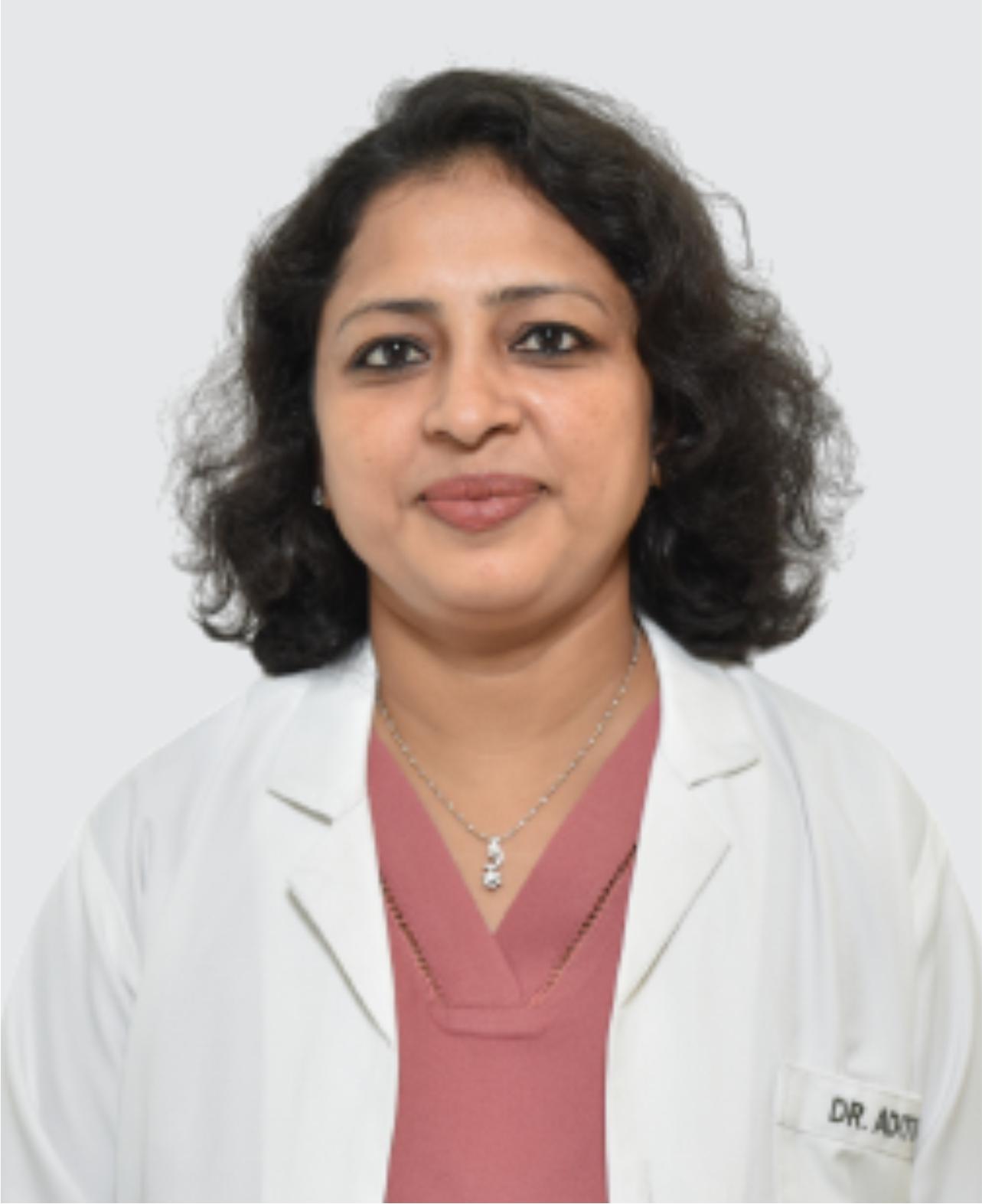
Dr Aditi Dixit
Sr. Consultant – Women Imaging
Radiology
New Delhi
15+ Years
Experience
Artemis Hospital
Hospital
1500
Fees
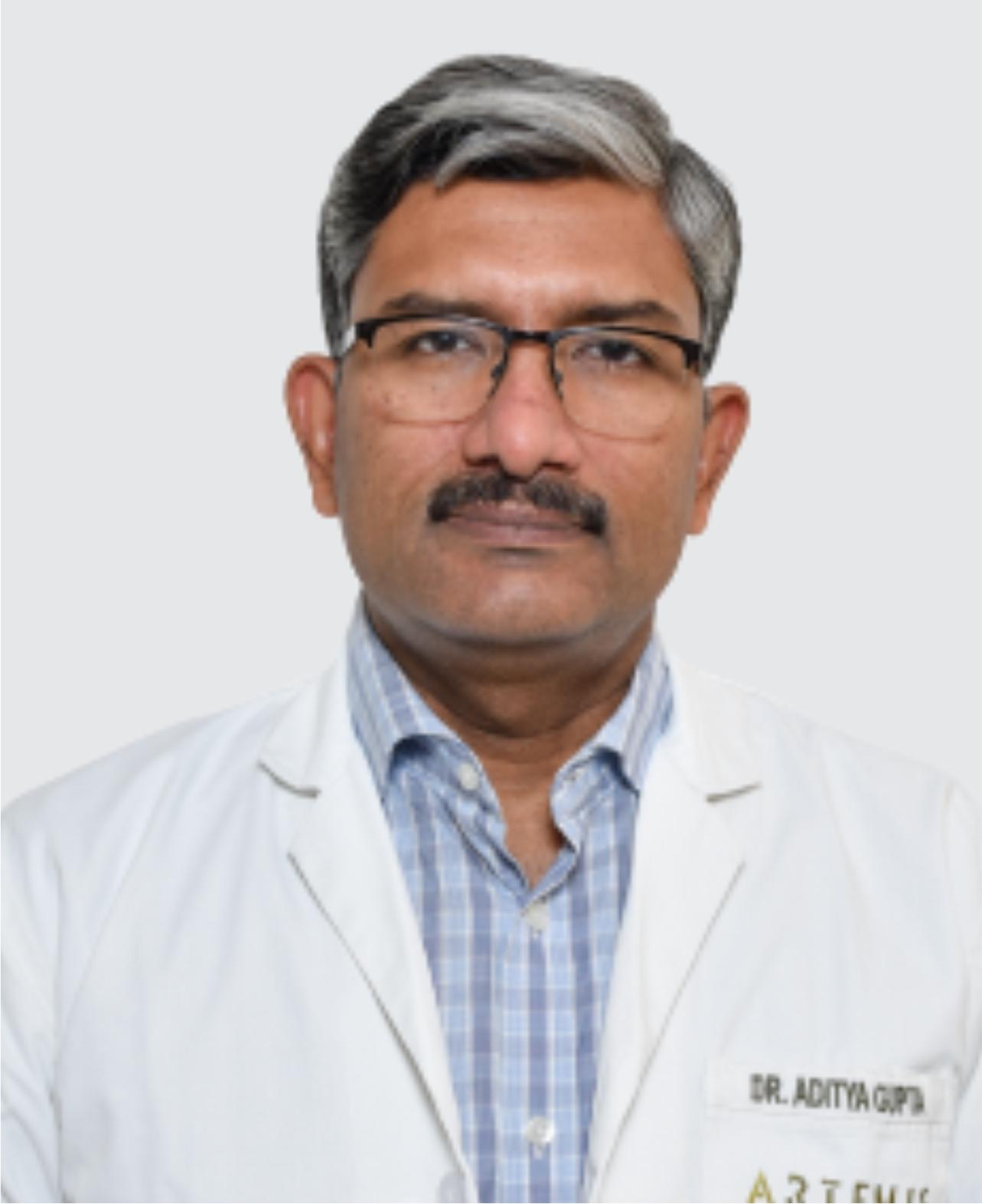
Dr. Aditya Gupta
Chairperson - Neurosurgery & CNS Radiosurgery & Co-Chief - Cyberknife Centre
Neurosurgery
New Delhi
32+ Years
Experience
Artemis Hospital
Hospital
1500
Fees
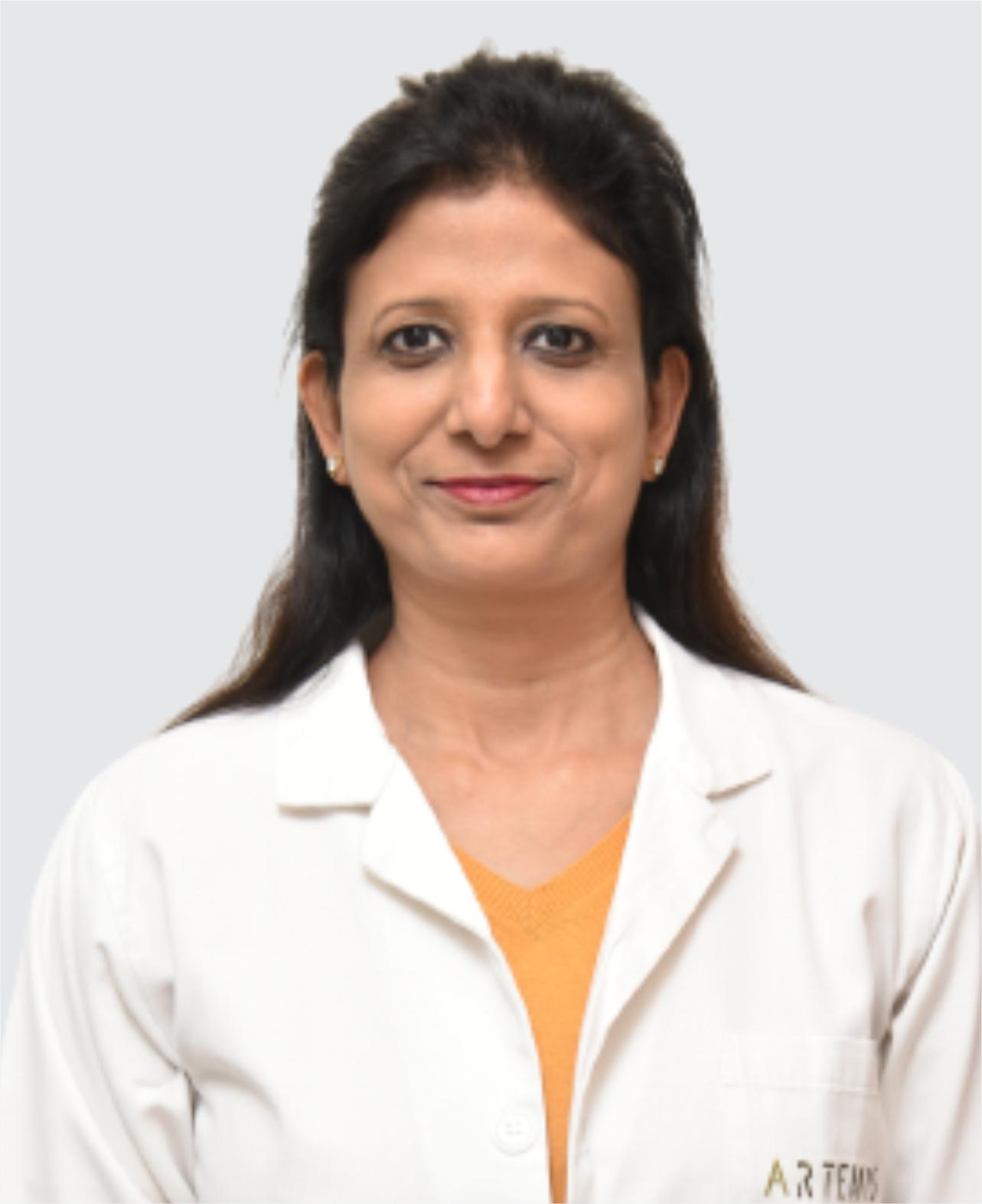
Dr. Parul Prakash
Head - Reproductive Medicine (IVF)
IVF, Reproductive Medicine, Obstetrics and Gynaecology
New Delhi
20+ Years
Experience
Artemis Hospital
Hospital
1500
Fees
Dr. Poonam Gautam
Senior Consultant - ENT
ENT and Head & Neck Surgery
New Delhi
24+ Years
Experience
Artemis Hospital
Hospital
1500
Fees
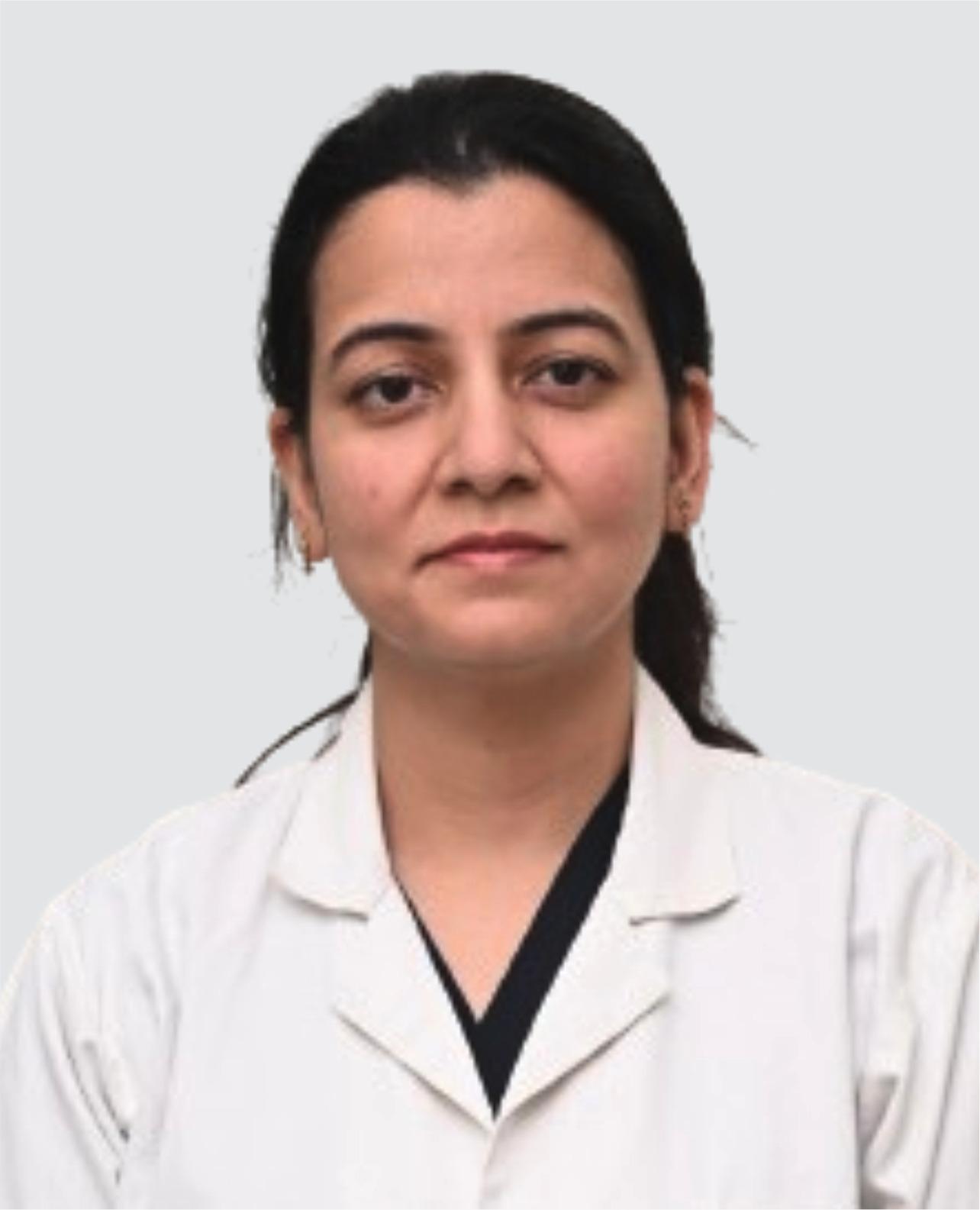
Dr. Priyanka Raina
Consultant (Head & Neck Surgery) - Surgical Oncology
Head and Neck Surgical Oncology
New Delhi
10+ Years
Experience
Artemis Hospital
Hospital
1500
Fees
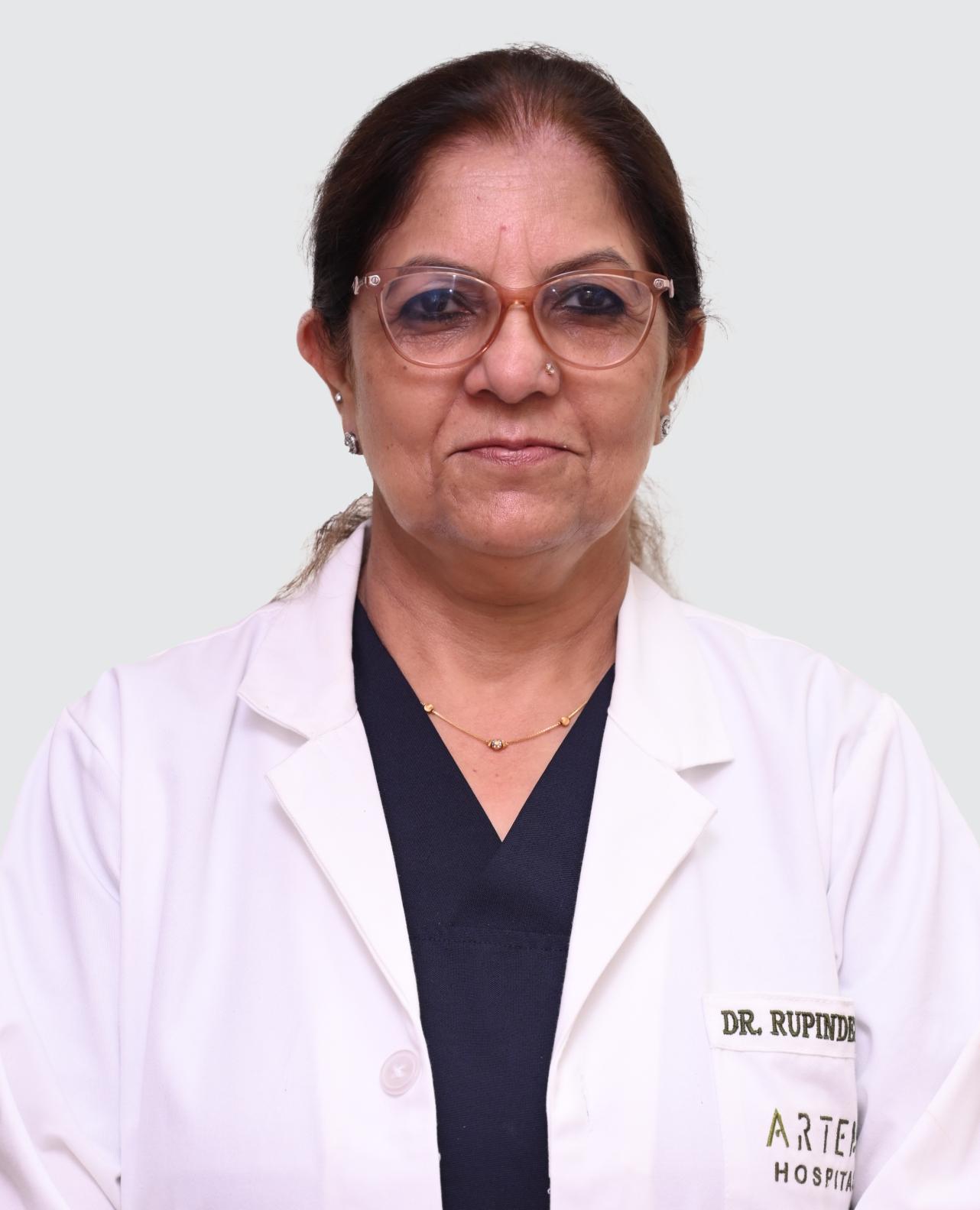
Dr. Rupinder Sekhon
Chairperson - Gynae Oncology
Gynaecological Oncology
New Delhi
16+ Years
Experience
Artemis Hospital
Hospital
1500
Fees
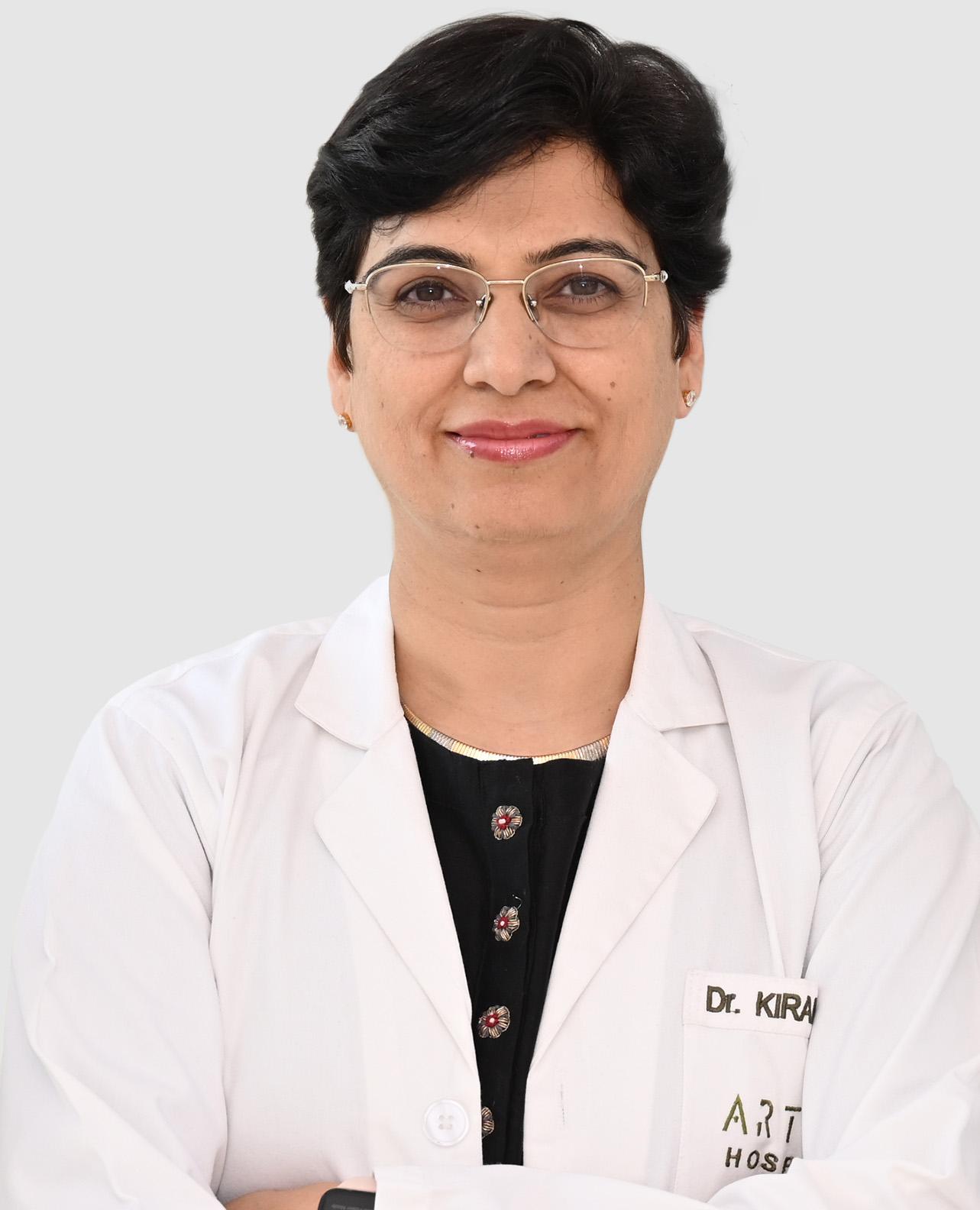
Dr. Kiran Arora
Unit Head - Reproductive Medicine (Unit II)
IVF, Reproductive Medicine, Obstetrics & Gynecology
New Delhi
20+ Years
Experience
Artemis Hospital
Hospital
1500
Fees
Nidhi Jain
Sr. Consultant - Obs & Gynae
Maternity, Obstetrics & Gynaecology
New Delhi
15+ Years
Experience
Artemis Hospital
Hospital
1500
Fees

Dr. Nidhi Rajotia
Unit Head - Obs & Gynae
Maternity, Obstetrics & Gynaecology
New Delhi
19+ Years
Experience
Artemis Hospital
Hospital
1500
Fees
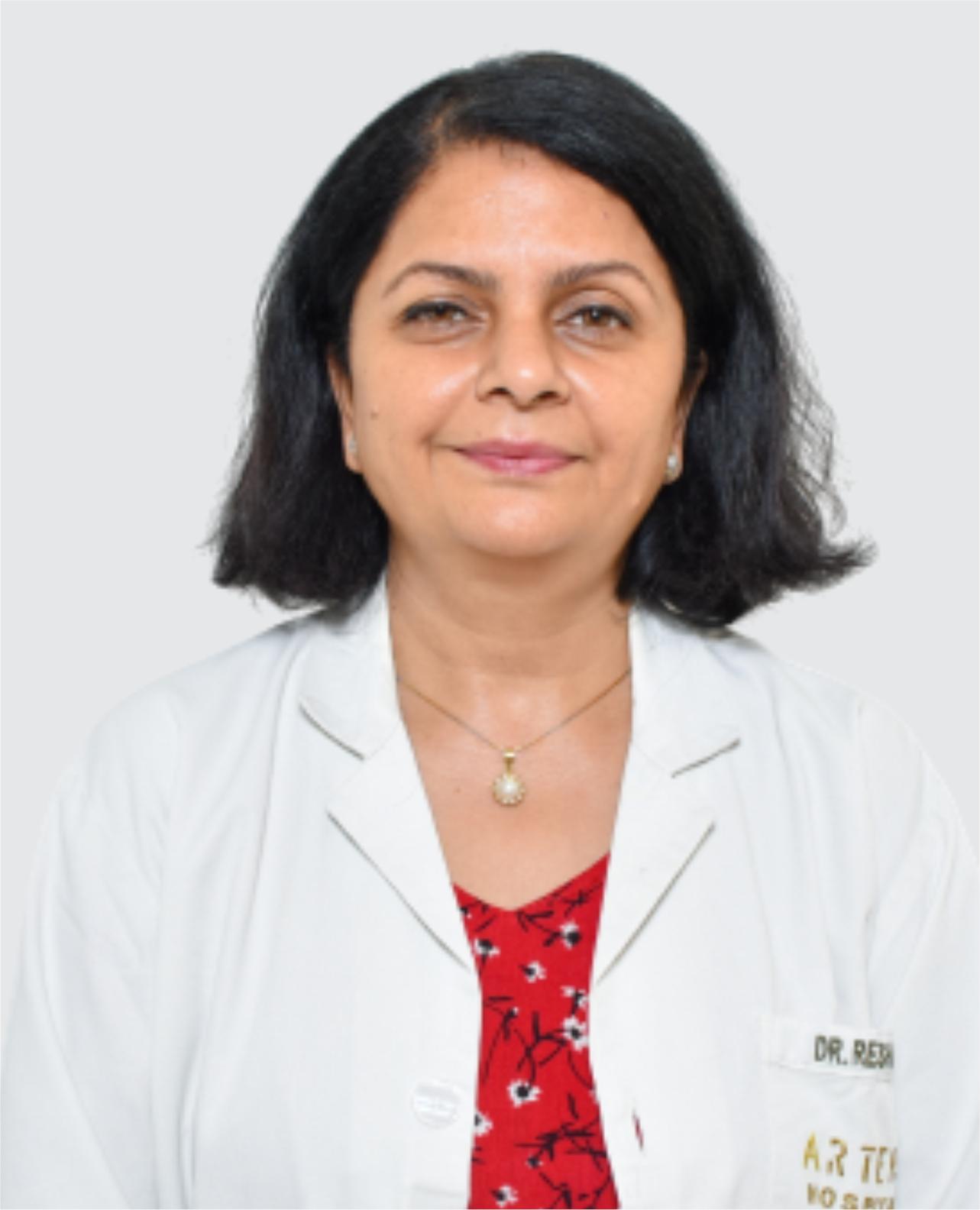
Dr. Reshma Tewari
Director
Obstetrics and Gynaecology
New Delhi
19+ Years
Experience
Artemis Hospital
Hospital
1500
Fees
Related Links
Other Treatment related Information
- Intracytoplasmic Sperm Injection (ICSI) cost in Chennai
- Intracytoplasmic Sperm Injection (ICSI) cost in Bengaluru
- Intracytoplasmic Sperm Injection (ICSI) cost in Mumbai
- Intracytoplasmic Sperm Injection (ICSI) cost in New Delhi
- Intracytoplasmic Sperm Injection (ICSI) cost in Hyderabad
- Intracytoplasmic Sperm Injection (ICSI) cost in Pune
- Intracytoplasmic Sperm Injection (ICSI) cost in India
- Intracytoplasmic Sperm Injection (ICSI) cost in Haryana
- Intracytoplasmic Sperm Injection (ICSI) Success Rate in India
- Intracytoplasmic Sperm Injection (ICSI) Success Rate in Bengaluru
- Intracytoplasmic Sperm Injection (ICSI) Success Rate in Chennai
- Best Intracytoplasmic Sperm Injection (ICSI) Doctors in Bengaluru
- Best Intracytoplasmic Sperm Injection (ICSI) Doctors in Chennai
- Best Intracytoplasmic Sperm Injection (ICSI) Doctors in New Delhi
- Best Intracytoplasmic Sperm Injection (ICSI) Doctors in Pune
- Best Intracytoplasmic Sperm Injection (ICSI) Doctors in India
- Best Intracytoplasmic Sperm Injection (ICSI) Doctors in Gurugram
- Best Intracytoplasmic Sperm Injection (ICSI) Doctors in Hyderabad
- Best Intracytoplasmic Sperm Injection (ICSI) Doctors in Mumbai
Ready To Start Your Healing Journey?
Get Personalized Medical Treatment Options From India's Top Hospitals. Our Medical Experts Are Ready To Assist You Every Step Of The Way.