
Left Atrial Appendage Closure (LAAC) Treatment in Mumbai for UAE
Need Personalized Advice?
Our medical experts are ready to answer your questions and guide you through your treatment options.
About
Left Atrial Appendage Closure (LAAC) in Mumbai for UAE Patients
Patients from the UAE often face crucial decisions when considering specialized cardiac procedures like Left Atrial Appendage Closure. Concerns about treatment quality, access to advanced techniques, and overall affordability are natural when seeking care outside one's home country. Finding a reliable medical destination that addresses these worries is paramount.
Mumbai has emerged as a preferred destination for international patients seeking high-quality medical treatments. The city boasts modern healthcare infrastructure and a highly skilled medical workforce, particularly in complex cardiac interventions. Patients often narrow their search to Mumbai for its reputable hospitals and coordinated patient care services.
Trust in Mumbai’s medical system is built on its advanced cardiac centers and experienced specialists. These facilities offer state-of-the-art technology and provide a reassuring environment for intricate procedures like LAAC. The city's medical ecosystem supports seamless patient journeys, including ease of follow-ups and comprehensive care.
Mumbai offers advanced LAAC solutions supported by dedicated patient assistance and medical expertise.
What Is Left Atrial Appendage Closure (LAAC)?
Left Atrial Appendage Closure (LAAC) is a minimally invasive procedure designed to reduce the risk of stroke in patients with non-valvular atrial fibrillation (AFib) who are unsuitable for long-term oral anticoagulation therapy. The left atrial appendage (LAA) is a small pouch in the heart's upper left chamber where blood clots often form in AFib patients. LAAC involves implanting a small device to seal off this appendage, preventing clots from entering the bloodstream and potentially causing a stroke.
Different Approaches for Left Atrial Appendage Closure
While LAAC is a specific type of procedure, variations exist primarily in the devices used and the procedural context. The goal remains consistent: to safely seal off the left atrial appendage.
Percutaneous LAAC Device Implantation: This is the most common approach, using devices like WATCHMAN or Amulet. These are delivered via a catheter through a vein, making it a minimally invasive option. The choice of device depends on the individual's LAA anatomy and the cardiologist's preference.
Surgical LAA Exclusion: In some cases, the left atrial appendage may be surgically removed or ligated. This is typically performed during other open-heart surgeries, such as bypass surgery or valve repair, rather than as a standalone procedure for stroke prevention.
When Is Left Atrial Appendage Closure (LAAC) Recommended?
- Non-valvular atrial fibrillation with an elevated risk of stroke.
- Contraindications to long-term oral anticoagulants due to high bleeding risk.
- History of major bleeding events while on anticoagulant therapy.
- Inability to tolerate or adhere to prescribed anticoagulant medication.
- Patient preference after thorough discussion with a cardiac specialist.
Pre-Treatment Evaluation for LAAC
- Detailed medical history review and physical examination.
- Blood tests including complete blood count, kidney and liver function.
- Electrocardiogram (ECG) to assess heart rhythm.
- Transthoracic Echocardiogram (TTE) for overall heart structure.
- Transesophageal Echocardiogram (TEE) to visualize the Left Atrial Appendage.
- CT scan of the chest to map LAA anatomy precisely.
- Consultation with an interventional cardiologist and electrophysiologist.
How Is Left Atrial Appendage Closure (LAAC) Performed?
The Left Atrial Appendage Closure procedure is a minimally invasive intervention designed to reduce stroke risk in eligible patients.
Preparation and Access: The procedure is typically performed under general anesthesia. A catheter is inserted into a vein, usually in the groin, and guided to the heart.
Transseptal Puncture: A small puncture is made in the wall separating the atria (transseptal puncture) to access the left atrium, where the LAA is located.
LAA Assessment and Device Selection: Using imaging guidance like TEE and fluoroscopy, the Left Atrial Appendage is carefully measured. An appropriately sized LAAC device is then selected.
Device Implantation: The chosen device is carefully advanced and deployed into the LAA, sealing it off from the rest of the left atrium.
Confirmation and Completion: The device's position and stability are confirmed with imaging. Once satisfactory, the catheters are removed, and the access site is closed.
Understanding Your Recovery After LAAC
Following Left Atrial Appendage Closure, patients typically remain in the hospital for one to two days for observation. Most individuals can resume light daily activities within a few days, though strenuous physical exertion should be avoided for several weeks. A prescribed course of antiplatelet medication, usually for a short period, is common until the device fully integrates into the heart tissue. Regular follow-up appointments, including repeat TEE scans, are essential to monitor the device and ensure effective LAA closure. Detailed instructions on medication, activity limitations, and signs of concern will be provided.
Risks and Success Rates of LAAC
- Minor bleeding or bruising at the catheter insertion site.
- Small risk of infection or reaction to contrast dye.
- Rare instances of device-related issues, such as device embolization.
- Potential for fluid accumulation around the heart (pericardial effusion).
- Extremely rare risk of stroke or mini-stroke during or immediately after the procedure.
- Very low chance of complications associated with general anesthesia.
Left Atrial Appendage Closure procedures boast high technical success rates, often exceeding 95% for effective LAA occlusion. This translates into a significant reduction in stroke risk for eligible patients, comparable to or even better than long-term anticoagulant therapy. Individual outcomes can vary depending on factors such as the patient's specific heart anatomy and overall health. Long-term studies consistently demonstrate sustained benefits in stroke prevention, providing lasting protection against AFib-related strokes.
Cost of Left Atrial Appendage Closure (LAAC) in Mumbai
The cost of Left Atrial Appendage Closure (LAAC) in Mumbai is influenced by several factors. These include the specific hospital selected, the type of LAAC device used, the complexity of the patient's condition, the specialist's fees, and the duration of hospital stay. Mumbai offers a range of world-class cardiac facilities, each with its own pricing structure, allowing patients to choose an option that aligns with their budget and healthcare needs.
In Mumbai, the estimated cost for Left Atrial Appendage Closure (LAAC) typically ranges from INR 9,00,000 to INR 15,00,000. This estimate generally covers the procedure itself, the LAAC device, hospital charges, and standard post-operative care.
Comparing LAAC Costs: Mumbai vs. Other Regions
Mumbai presents a highly competitive option for LAAC, especially when compared to costs in many Western countries. This makes advanced cardiac care more accessible without compromising on quality.
| Location | Estimated Cost (USD) |
|---|---|
| Mumbai | $11,000 - $18,000 |
| USA | $40,000 - $65,000 |
| United Kingdom | $30,000 - $50,000 |
| Singapore | $25,000 - $40,000 |
| Germany | $20,000 - $35,000 |
Comprehensive Support for Your Medical Journey in Mumbai
- Assistance with medical visa application processes.
- Guidance for travel and accommodation arrangements in Mumbai.
- Scheduling of all medical appointments with top cardiologists.
- Access to professional language interpretation services.
- Personalized support from a dedicated patient care coordinator.
- Help with local transportation and navigating city amenities.
Essential Documents for Your LAAC Procedure
- Valid passport with adequate validity for your stay.
- Approved medical visa for entry into India, if required.
- Copies of all relevant medical reports, diagnostic tests, and past prescriptions.
- A referral letter from your local treating physician.
- Documentation for financial arrangements covering your treatment.
- Emergency contact information for your next of kin.
Preparing for Your Left Atrial Appendage Closure
- Adhere strictly to dietary guidelines and medication adjustments provided.
- Arrange for a travel companion to accompany and support you.
- Disclose all current medications, supplements, and allergies to your medical team.
- Complete any necessary pre-operative tests well in advance of the procedure.
- Refrain from alcohol consumption and smoking for the advised period.
- Pack comfortable clothing and personal essentials for your hospital stay.
Guidance for Your Post-LAAC Recovery
- Consistently take all prescribed medications, especially antiplatelet therapy.
- Attend every scheduled follow-up appointment, including repeated TEE scans.
- Gradually reintroduce physical activities as instructed by your cardiologist.
- Monitor the catheter insertion site for any signs of infection or unusual swelling.
- Maintain a heart-healthy diet and active lifestyle for long-term well-being.
- Immediately report any new chest discomfort or shortness of breath.
Ready to Explore Your Treatment Options in Mumbai?
Embark on a path to improved cardiac health with expert care and comprehensive support in Mumbai.
Hospitals Offering this treatment
India offers premium medical procedures at affordable prices. Discover our most popular treatments, delivered by the country's finest doctors.

Al Zahra Hospital, Dubai
Sheikh Zayed Road, Al Barsha 1, Dubai, UAE
Al Zahra Hospital, Dubai

Burjeel Medical City, Abu Dhabi
28th Street, Mohammed Bin Zayed City, Abu Dhabi, UAE
Burjeel Medical City, Abu Dhabi

Burjeel Hospital, Dubai
Dubai, UAE (part of Burjeel Holdings network)
Burjeel Hospital, Dubai
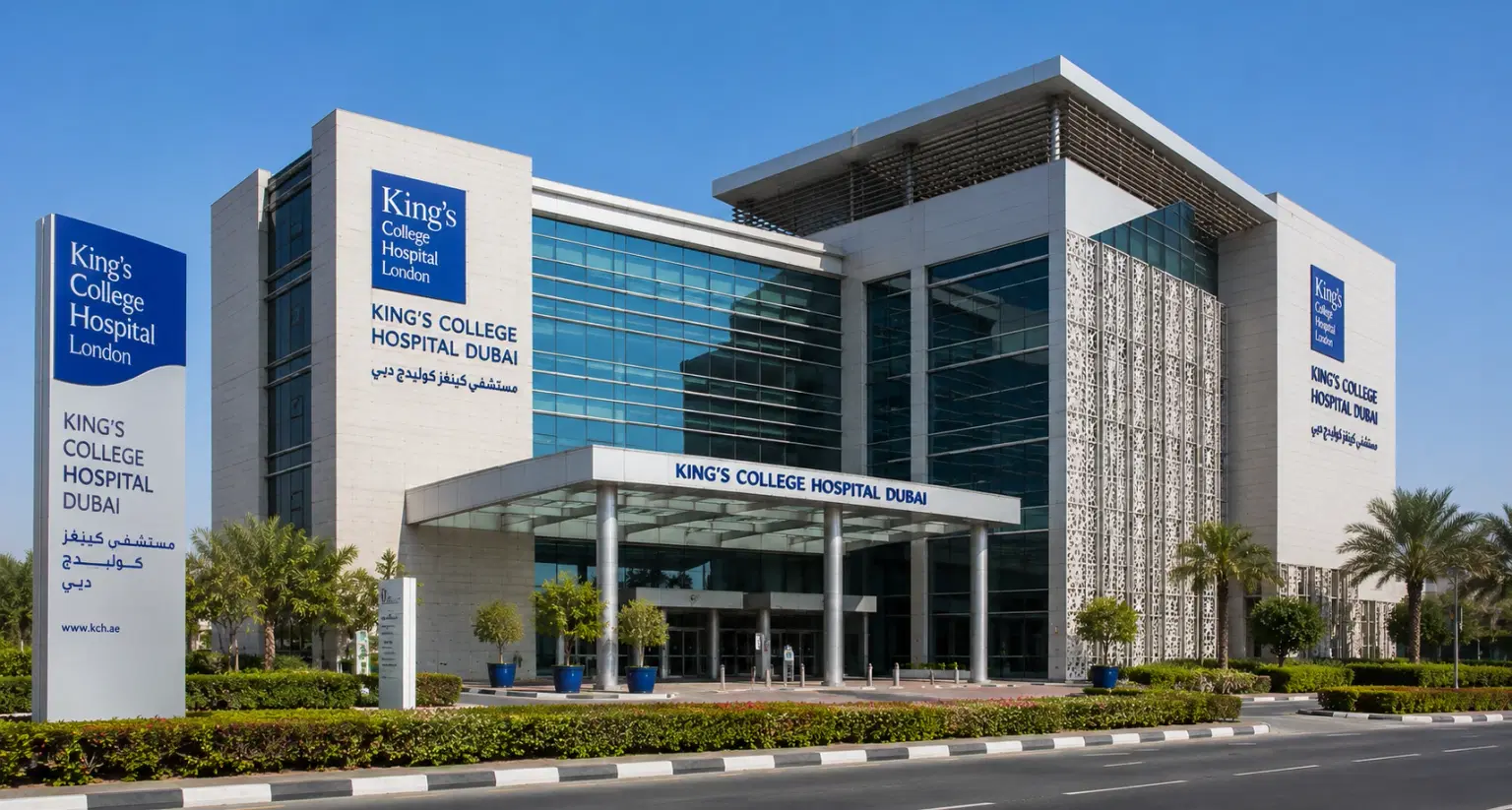
King's College Hospital, Dubai
Dubai Hills, Mohammed Bin Rashid City, Dubai, UAE
King's College Hospital, Dubai

Neuro Spinal Hospital (NSH), Dubai
Dubai Science Park, Umm Suqeim St, Al Barsha South, Dubai, UAE
Neuro Spinal Hospital (NSH), Dubai

HMS Al Garhoud Hospital, Dubai
Al Garhoud Street, Al Garhoud, Dubai, UAE
HMS Al Garhoud Hospital, Dubai
Meet Our Doctors
Meet our team of highly qualified and experienced medical professionals dedicated to providing the best healthcare services.

Dr. Yatin Kukreja
Director
Cardiology
New Delhi
14+ Years
Experience
Artemis Hospital
Hospital
1500
Fees

Dr. Ramneek Mahajan
Senior Director – Orthopaedics & Head – Joint Reconstruction (Hip & Knee), Max Smart Super Speciality Hospital, Saket, New Delhi
Orthopedics & Joint Replacement
New Delhi
26+ Years
Experience
Max Hospital,Gurgaon
Hospital
1500
Fees

Dr. Naveen Bhamri
Vice Chairman, Cardiac Sciences, Cardiology, Interventional Cardiology, Cardiac Electrophysiology-Pacemaker & Director & HOD (Interventional Cardiology) at Max Super Speciality Hospital, Shalimar Bagh, Delhi
Interventional Cardiology
New Delhi
26+ Years
Experience
Max Hospital,Gurgaon
Hospital
1500
Fees
Related Links
Other Treatment related Information
- Left Atrial Appendage Closure (LAAC) cost in Chennai
- Left Atrial Appendage Closure (LAAC) cost in Bengaluru
- Left Atrial Appendage Closure (LAAC) cost in New Delhi
- Left Atrial Appendage Closure (LAAC) cost in India
- Left Atrial Appendage Closure (LAAC) cost in Hyderabad
- Left Atrial Appendage Closure (LAAC) cost in Pune
- Left Atrial Appendage Closure (LAAC) cost in Haryana
- Left Atrial Appendage Closure (LAAC) cost in Mumbai
- Left Atrial Appendage Closure (LAAC) Success Rate in India
- Left Atrial Appendage Closure (LAAC) Success Rate in New Delhi
- Left Atrial Appendage Closure (LAAC) Success Rate in Haryana
- Left Atrial Appendage Closure (LAAC) Success Rate in Pune
- Left Atrial Appendage Closure (LAAC) Success Rate in Bengaluru
- Left Atrial Appendage Closure (LAAC) Success Rate in Hyderabad
- Left Atrial Appendage Closure (LAAC) Success Rate in Mumbai
- Left Atrial Appendage Closure (LAAC) Success Rate in Chennai
- Best Left Atrial Appendage Closure (LAAC) Doctors in Gurugram
- Best Left Atrial Appendage Closure (LAAC) Doctors in Bengaluru
- Best Left Atrial Appendage Closure (LAAC) Doctors in Mumbai
- Best Left Atrial Appendage Closure (LAAC) Doctors in India
Ready To Start Your Healing Journey?
Get Personalized Medical Treatment Options From India's Top Hospitals. Our Medical Experts Are Ready To Assist You Every Step Of The Way.