Lung Transplant Treatment in Chennai for Bangladesh
Need Personalized Advice?
Our medical experts are ready to answer your questions and guide you through your treatment options.
About
Lung Transplant in Chennai for Bangladesh Patients: Hospitals, Costs, Care
Patients from Bangladesh facing severe lung conditions often consider a lung transplant, a major procedure requiring careful thought. The journey towards such a life-altering surgery brings many questions about access to advanced medical care, specialist expertise, and finding the right environment for recovery.
For those seeking a lung transplant, Chennai has emerged as a preferred destination. The city offers a well-developed ecosystem for complex medical procedures, including highly specialized units dedicated to lung care. Patients choose Chennai for its coordinated approach to international patient management.
Trust in Chennai’s medical capabilities is built on its renowned hospitals and a roster of highly experienced specialists in pulmonology and thoracic surgery. These facilities provide comprehensive pre-operative assessment, advanced surgical techniques, and dedicated post-transplant care within the city.
Chennai provides a robust and supportive environment for lung transplant patients.
What is a Lung Transplant?
A lung transplant is a surgical procedure where a diseased or damaged lung is replaced with a healthy lung from a deceased donor. In rare cases, a portion of a lung from a living donor can also be used. This complex surgery is considered for individuals with end-stage lung disease when all other treatments have failed to improve their quality of life or extend their lifespan. The goal is to restore normal breathing and overall health.
Understanding Lung Transplant Options
Different approaches to lung transplantation are tailored to the patient's specific condition and the availability of suitable donor organs:
- Single Lung Transplant: This involves replacing only one diseased lung, often chosen for patients with pulmonary fibrosis or certain types of emphysema.
- Double Lung Transplant: Both diseased lungs are replaced, typically recommended for conditions like cystic fibrosis, bronchiectasis, or severe emphysema, where both lungs are extensively affected.
- Heart-Lung Transplant: In very rare cases, both the heart and lungs are replaced simultaneously if both organs are failing beyond repair.
- Lobar Transplant (Living Donor): A less common approach where a lobe from the lung of two separate living donors is used to replace the recipient's entire lung.
When is a Lung Transplant Required?
- Severe Chronic Obstructive Pulmonary Disease (COPD) or Emphysema where breathing is severely compromised.
- Cystic Fibrosis, leading to irreversible lung damage and frequent infections.
- Pulmonary Fibrosis, characterized by progressive scarring of the lung tissue.
- Pulmonary Hypertension that is unresponsive to other medical therapies.
- Alpha-1 Antitrypsin Deficiency, a genetic condition causing emphysema.
- Bronchiectasis, causing chronic inflammation and infection in the airways.
- Sarcoidosis or other interstitial lung diseases leading to end-stage lung failure.
Comprehensive Pre-Treatment Evaluation
- Thorough medical history review and physical examination.
- Detailed lung function tests, including spirometry and lung volumes.
- Imaging studies such as high-resolution CT scans of the chest and echocardiogram.
- Blood tests to check kidney and liver function, blood type, and viral screenings.
- Cardiac evaluation, including EKG, stress tests, and coronary angiography.
- Nutritional assessment and psychological evaluation for transplant suitability.
- Consultations with pulmonologists, thoracic surgeons, and transplant coordinators.
How a Lung Transplant is Performed
The intricate lung transplant procedure is carefully planned and performed by a dedicated surgical team. The specific steps depend on whether a single or double lung transplant is being performed.
The Surgical Process
Once a suitable donor lung becomes available and the recipient is ready, the surgery begins. The patient is placed under general anesthesia. An incision is made in the chest, either on one side for a single lung transplant or across the chest for a double lung transplant. The diseased lung or lungs are carefully removed, and the new, healthy lung(s) are then connected to the patient's airways and blood vessels. This involves delicate stitching to ensure secure connections for air and blood flow. The procedure can take several hours, typically ranging from 4 to 12 hours depending on the complexity.
Immediate Post-Operative Care
Following the transplant, the patient is moved to the intensive care unit (ICU) for close monitoring. A ventilator will assist with breathing initially, and various tubes will be in place to drain fluids and administer medications. Immunosuppressant drugs are started immediately to prevent the body from rejecting the new lung(s). The medical team vigilantly watches for signs of rejection, infection, and other potential complications.
The Recovery Process After Lung Transplant
Recovery from a lung transplant is a lengthy and intensive process. Patients typically spend several days to weeks in the ICU, followed by a stay in a regular hospital room. Physical rehabilitation begins almost immediately, focusing on breathing exercises and gradual mobilization to regain strength and lung function. Lifelong follow-up care is essential, including regular clinic visits, lung function tests, and blood work to monitor for rejection and infection. Immunosuppressant medications must be taken strictly for the rest of the patient's life to prevent the immune system from attacking the new lung. Adherence to a healthy lifestyle, including nutrition and exercise, is crucial for long-term success.
Risks and Success Rates of Lung Transplant
- Organ Rejection: The body's immune system may recognize the new lung as foreign and attempt to attack it, requiring ongoing medication adjustments.
- Infection: Immunosuppressant medications weaken the immune system, making patients highly susceptible to bacterial, viral, and fungal infections.
- Bleeding: As with any major surgery, there is a risk of significant bleeding during or after the procedure.
- Blood Clots: Formation of blood clots can lead to serious complications like pulmonary embolism or stroke.
- Airway Complications: Issues at the connection points of the airways, such as narrowing or leakage, can occur.
- Kidney Dysfunction: Some medications used post-transplant can impact kidney function over time.
- Gastrointestinal Issues: Side effects from medications can include nausea, diarrhea, or stomach ulcers.
The success rates for lung transplants have significantly improved over the years. On average, the one-year survival rate for lung transplant recipients is around 85-90%, while the five-year survival rate typically ranges from 50-60%. These outcomes can vary based on factors such as the patient's underlying disease, age, overall health, and strict adherence to post-transplant care and medication regimens. Long-term expectations focus on improved quality of life and breathing ability, though continuous monitoring and management are always required.
Cost of Lung Transplant in Chennai
The cost of a lung transplant in Chennai is influenced by several factors, including the chosen hospital's infrastructure, the specific team of specialists involved, the complexity of the patient's condition, and the duration of post-operative care, including intensive care unit stays. The type of transplant, whether single or double lung, also plays a significant role in the overall expenditure.
In Chennai, a lung transplant can range approximately from INR 25,00,000 to INR 40,00,000, excluding potential complications and extended rehabilitation.
Lung Transplant Cost Comparison: Chennai vs. Other Countries
Patients from abroad often find Chennai offers a more accessible cost structure for advanced medical procedures compared to many Western nations, without compromising on quality of care or specialist expertise.
| Location | Estimated Cost (USD) |
|---|---|
| Chennai, India | $30,000 - $50,000 |
| United States | $800,000 - $1,200,000 |
| United Kingdom | $150,000 - $250,000 |
| Singapore | $100,000 - $180,000 |
| Turkey | $60,000 - $90,000 |
Connect with Chennai's Top Lung Transplant Specialists
Ready to explore your options for a lung transplant? Reach out to us for expert guidance and to connect with leading specialists and hospitals in Chennai.
Essential Support Services for International Patients
- Personalized assistance with medical visa applications and extensions.
- Arrangement of airport transfers and comfortable local accommodation.
- Dedicated language interpretation services during consultations and hospital stays.
- Facilitation of seamless hospital admissions and discharge processes.
- Coordination of all medical appointments and specialist consultations.
- Guidance on local travel and city orientation for accompanying family.
Important Papers Required for Your Medical Journey
- A valid passport with at least six months validity.
- Medical visa obtained from the Indian embassy in Bangladesh.
- All relevant medical reports, scans, and doctor's notes in English.
- Identification and contact details of accompanying family members.
- Proof of financial capability to cover treatment expenses.
- Copies of previous prescriptions and current medication details.
Preparing for Your Lung Transplant Procedure
- Complete all recommended pre-transplant evaluations and tests as advised by the medical team.
- Maintain a healthy lifestyle, including optimal nutrition and avoiding smoking or alcohol.
- Adhere to any specific dietary restrictions or medication instructions given by your doctor.
- Ensure all necessary documents are in order for travel and hospital admission.
- Arrange for a reliable support person to accompany you during your stay.
- Understand the transplant process and recovery expectations fully with your care team.
What to Expect After Your Lung Transplant
- Strict adherence to lifelong immunosuppressant medication to prevent organ rejection.
- Regular follow-up appointments, lung function tests, and blood work in Chennai for initial months.
- Dedicated pulmonary rehabilitation program to regain strength and breathing capacity.
- Careful monitoring for any signs of infection or rejection, and immediate reporting to your doctor.
- Adopting a healthy diet and lifestyle, including regular exercise as permitted.
- Avoidance of crowded places and sick individuals to minimize infection risk, especially initially.
Start Your Path to Renewed Health in Chennai
If you or a loved one in Bangladesh is considering a lung transplant, let us help you navigate the process in Chennai. Connect with us for personalized information and support.
Taking the Next Step Towards a Healthier Future
Considering a lung transplant is a profound decision, and Chennai offers advanced medical expertise and compassionate care to support you through this journey.
Hospitals Offering this treatment
India offers premium medical procedures at affordable prices. Discover our most popular treatments, delivered by the country's finest doctors.
Meet Our Doctors
Meet our team of highly qualified and experienced medical professionals dedicated to providing the best healthcare services.
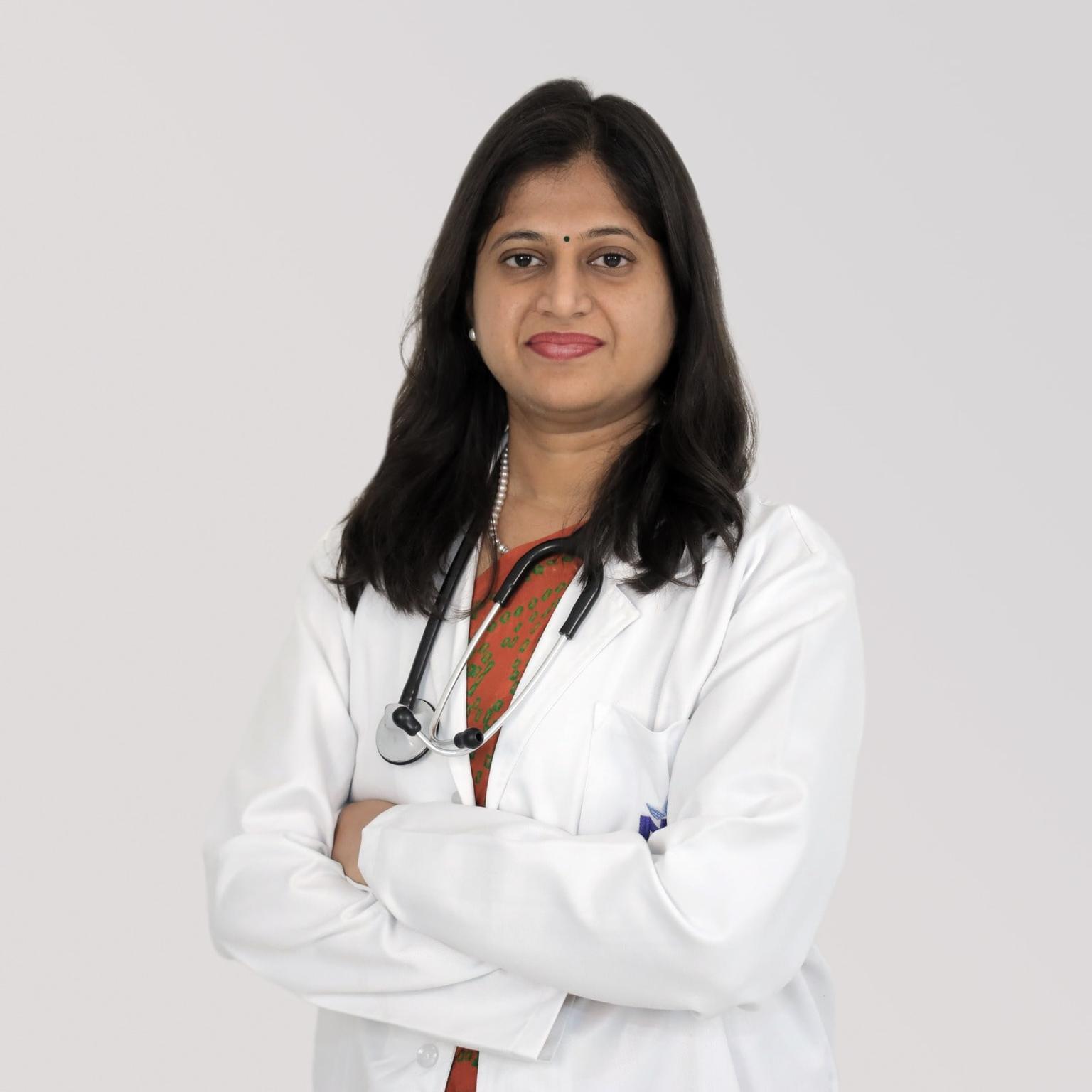
Dr Shweta Bansal
Unit Head & Sr. Consultant - Respiratory Disease & Sleep Medicine (Unit II)
Pulmonology (Chest & Lungs)
New Delhi
13+ Years
Experience
Artemis Hospital
Hospital
1500
Fees

Dr. Kanika Singh
Director & Chief of Service - Respiratory, Critical Care & Sleep Medicine
Pulmonology
New Delhi
12+ Years
Experience
Artemis Hospital
Hospital
1500
Fees
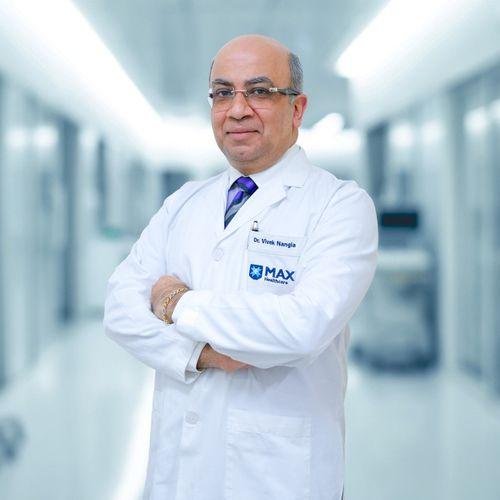
Dr. Vivek Nangia
Vice Chairman & Head, Pulmonology
Pulmonology
New Delhi
29+ Years
Experience
Max Hospital,Gurgaon
Hospital
1500
Fees
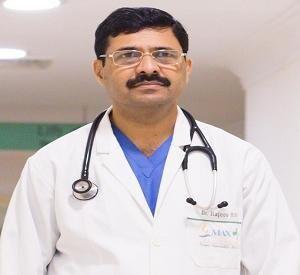
Dr. Rajeev Rathi
Director - Pulmonology
Pulmonology
New Delhi
34+ Years
Experience
Apolo Delhi
Hospital
1500
Fees
Related Links
Other Treatment related Information
- Lung Transplant cost in Mumbai
- Lung Transplant cost in Bengaluru
- Lung Transplant cost in Chennai
- Lung Transplant cost in India
- Lung Transplant cost in Pune
- Lung Transplant cost in New Delhi
- Lung Transplant cost in Hyderabad
- Lung Transplant cost in Haryana
- Lung Transplant Success Rate in Pune
- Lung Transplant Success Rate in Bengaluru
- Lung Transplant Success Rate in New Delhi
- Lung Transplant Success Rate in India
- Lung Transplant Success Rate in Mumbai
- Lung Transplant Success Rate in Hyderabad
- Lung Transplant Success Rate in Haryana
- Lung Transplant Success Rate in Chennai
- Best Lung Transplant Doctors in Chennai
- Best Lung Transplant Doctors in India
- Best Lung Transplant Doctors in Hyderabad
- Best Lung Transplant Doctors in Mumbai
Ready To Start Your Healing Journey?
Get Personalized Medical Treatment Options From India's Top Hospitals. Our Medical Experts Are Ready To Assist You Every Step Of The Way.