
Lung Transplant Treatment in Chennai for Nigeria
Need Personalized Advice?
Our medical experts are ready to answer your questions and guide you through your treatment options.
About
Lung Transplant in Chennai for Nigerian Patients | Care & Cost
For Nigerian patients facing advanced lung disease, the prospect of a lung transplant can feel overwhelming. Questions about complex procedures, specialized care, and access to advanced medical facilities often arise, making the path to recovery seem uncertain.
Many seek options beyond their borders, and Chennai stands out as a leading destination for specialized medical care. Its established healthcare infrastructure offers a coordinated environment where international patients can find comprehensive treatment and support.
Chennai’s hospitals are renowned for their highly skilled transplant specialists and state-of-the-art technology. This city provides a trustworthy setting for intricate procedures like lung transplants, ensuring seamless follow up and integrated care within its medical ecosystem.
Is Chennai the ideal choice for your lung transplant needs?
What is a Lung Transplant?
A lung transplant is a surgical procedure that replaces diseased or damaged lungs with healthy lungs from a deceased donor. This complex operation is considered when lung disease becomes so severe that other treatments are no longer effective, and the patient's quality of life is significantly impaired or their life is at risk. It aims to restore proper breathing function and improve overall health and longevity for individuals with end stage respiratory conditions.
What Are the Types of Lung Transplants?
The type of lung transplant performed depends on the patient's specific condition and overall health.
- Single Lung Transplant: This involves replacing one diseased lung with a healthy donor lung. It is often suitable for conditions like pulmonary fibrosis or COPD.
- Double Lung Transplant: Both diseased lungs are replaced with healthy donor lungs. This approach is typically used for conditions like cystic fibrosis, bronchiectasis, or severe pulmonary hypertension, where both lungs are affected.
- Heart Lung Transplant: In rare cases, both lungs and the heart are replaced simultaneously. This is considered for patients who have severe, irreversible disease affecting both organs.
- Lobar Lung Transplant: Less common, this involves transplanting a lobe of a lung from a living donor. This is complex and usually considered only under specific circumstances, often involving family members.
When Is a Lung Transplant Necessary?
- Severe chronic obstructive pulmonary disease COPD including emphysema
- Cystic fibrosis causing widespread lung damage
- Pulmonary fibrosis where lung tissue becomes scarred
- Pulmonary hypertension a high blood pressure in the arteries to your lungs
- Alpha 1 antitrypsin deficiency leading to emphysema
- Bronchiectasis severe and chronic airway dilation
- Sarcoidosis affecting the lungs
- Other rare interstitial lung diseases
How Are Patients Evaluated for Lung Transplant?
- Comprehensive physical examination and review of medical history
- Extensive blood tests including blood type cross matching and organ function
- High resolution computed tomography HRCT scan of the chest
- Pulmonary function tests to assess lung capacity and airflow
- Cardiac evaluations including echocardiogram and cardiac catheterization
- Kidney and liver function tests
- Nutritional assessment and dietary counseling
- Psychological evaluation to assess mental readiness and support system
- Screening for infections and cancer
How Is a Lung Transplant Performed?
The specific procedure for a lung transplant depends on whether one or both lungs are being replaced, and the patient's overall health.
Preoperative Steps
Once a suitable donor lung becomes available, the patient is called to the hospital immediately. Preparations involve final health checks and anesthesia administration. A team of surgeons, anesthesiologists, and nurses coordinate every detail to ensure readiness for the intricate surgery.
Surgical Procedure
During the operation, the patient is placed under general anesthesia. An incision is made in the chest to access the lungs. For a single lung transplant, the diseased lung is carefully removed, and the new donor lung is connected to the patient's airways and blood vessels. For a double lung transplant, both lungs are replaced. A heart lung machine may be used to maintain blood circulation and oxygenation during parts of the procedure. The surgical team works meticulously to ensure all connections are secure and functioning correctly.
Postoperative Care
After the transplant, the patient is transferred to the intensive care unit for close monitoring. This period involves managing pain, preventing infection, and ensuring the new lung is functioning well. Immunosuppressant medications are started immediately to prevent the body from rejecting the new lung. Physical therapy begins early to aid recovery and restore strength.
What Does Lung Transplant Recovery Involve?
Recovery from a lung transplant is a long and dedicated process. Patients typically spend several weeks in the hospital, followed by months of rehabilitation. Healing time varies, but involves strict adherence to medication schedules, including lifelong immunosuppressants to prevent organ rejection. Physical therapy and pulmonary rehabilitation are crucial for rebuilding strength and lung function. Regular follow up appointments, blood tests, and imaging scans are essential to monitor the new lung's health and detect any complications early. Patients must also adopt lifestyle changes to support their new lungs.
What Are the Risks and Success Rates of Lung Transplant?
- Organ Rejection: The body's immune system may attack the new lung, requiring aggressive treatment adjustments.
- Infection: Immunosuppressants weaken the immune system, making patients vulnerable to various infections.
- Bleeding: As with any major surgery, there is a risk of significant bleeding.
- Airway Complications: Problems with the connection of the new lung's airway can occur.
- Kidney Dysfunction: Some medications used can affect kidney function.
- Gastrointestinal Issues: Side effects from medications or surgical stress can lead to digestive problems.
- Cancer: Long term use of immunosuppressants can increase the risk of certain cancers.
The success rates for lung transplants have significantly improved over the years due to advancements in surgical techniques and immunosuppressive therapies. Survival rates vary, with one year survival often exceeding 85% and five year survival around 55-60%. These outcomes are highly dependent on factors such as the patient's age, underlying disease, overall health, and adherence to post transplant care. While a lung transplant offers a chance at extended life and improved breathing, it requires lifelong commitment to medical care and lifestyle adjustments.
How Much Does a Lung Transplant Cost in Chennai?
The cost of a lung transplant in Chennai is influenced by several factors, including the chosen hospital's reputation, the experience of the specialist team, the specific type of transplant (single or double), the technology used, and the duration of hospital stay, particularly in the intensive care unit. Pre transplant evaluations and post transplant medications also contribute to the overall expenditure.
In Chennai, a lung transplant can range from INR 2,500,000 to INR 4,000,000.
Understanding Lung Transplant Costs in Chennai
Chennai offers a distinct advantage in terms of cost efficiency without compromising on quality for complex procedures like lung transplants. Here is a comparison of average costs:
| Location | Estimated Cost (USD) |
|---|---|
| Chennai, India | $30,000 - $48,000 |
| United States | $1,000,000 - $1,500,000 |
| United Kingdom | $250,000 - $400,000 |
| Germany | $200,000 - $350,000 |
| Singapore | $180,000 - $300,000 |
What Support Services Are Available for Patients?
- Detailed medical consultation and treatment planning
- Assistance with visa applications and travel arrangements
- Coordination of hospital admissions and discharge
- Language translation services during medical appointments
- Accommodation support for patients and accompanying family
- Post treatment follow up scheduling and telemedicine options
- Guidance on local transportation and logistical needs
Which Documents Are Needed for Your Chennai Visit?
- Valid passport and medical visa for India
- Comprehensive medical reports from your home country
- Copies of all relevant diagnostic tests and imaging scans
- Doctor referral letters and medical history summaries
- Proof of financial capability for treatment expenses
- Emergency contact information for family members
- List of current medications and allergies
How Should You Prepare for Your Treatment?
- Complete all prescribed pre operative tests and evaluations
- Follow dietary restrictions or guidelines provided by your medical team
- Arrange for a companion or family member to travel with you
- Discuss all medication adjustments with your doctor before travel
- Ensure all necessary documents are in order and easily accessible
- Maintain good personal hygiene and avoid exposure to infections
- Pack comfortable clothing and essential personal items
What Post-Transplant Care Can You Expect?
- Strict adherence to immunosuppressant medication schedule
- Regular follow up consultations with the transplant team
- Participation in pulmonary rehabilitation programs
- Monitoring for signs of infection or rejection
- Adoption of a healthy diet and lifestyle
- Avoidance of crowded places and sick individuals
- Emotional support and counseling as needed
Ready to Discuss Your Lung Transplant?
Take the first step towards renewed health by connecting with our team today.
Hospitals Offering this treatment
India offers premium medical procedures at affordable prices. Discover our most popular treatments, delivered by the country's finest doctors.
Meet Our Doctors
Meet our team of highly qualified and experienced medical professionals dedicated to providing the best healthcare services.

Dr. Ajit Singh Baghela
Consultant
Paediatric Neurology
Haryana
9+ Years
Experience
Artemis Hospital
Hospital
1500
Fees
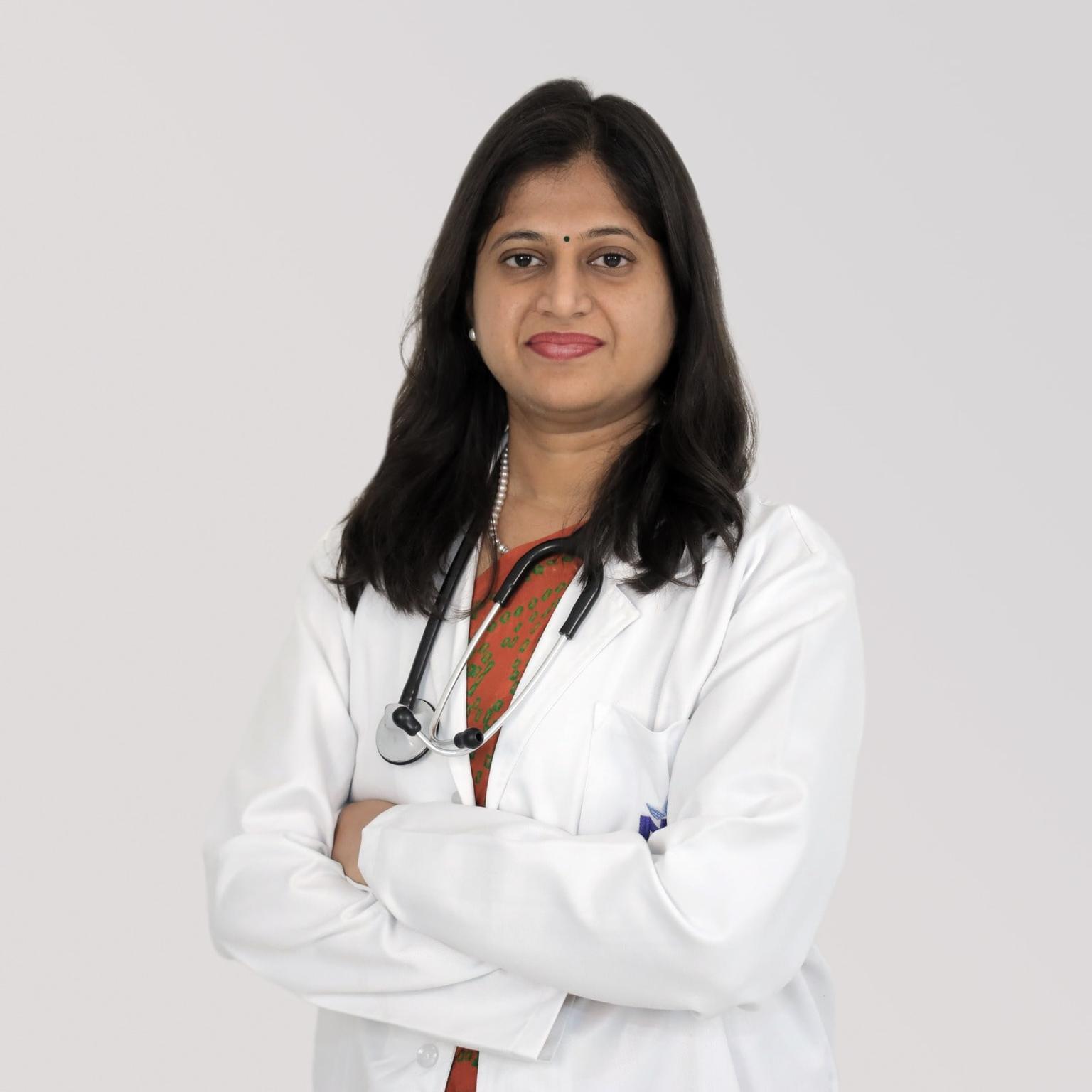
Dr Shweta Bansal
Unit Head & Sr. Consultant - Respiratory Disease & Sleep Medicine (Unit II)
Pulmonology (Chest & Lungs)
New Delhi
13+ Years
Experience
Artemis Hospital
Hospital
1500
Fees

Dr. Kanika Singh
Director & Chief of Service - Respiratory, Critical Care & Sleep Medicine
Pulmonology
New Delhi
12+ Years
Experience
Artemis Hospital
Hospital
1500
Fees
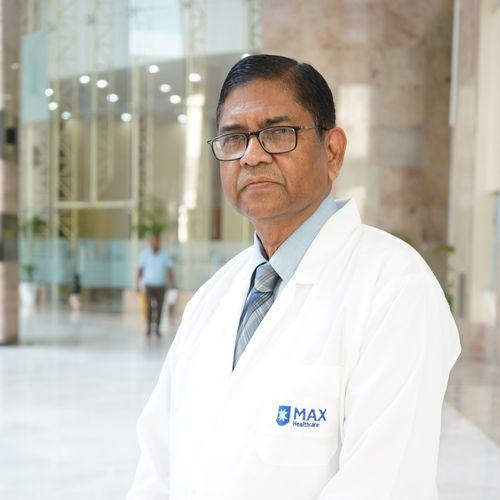
Dr. Nakul Sinha
Chairman - Cardiology
Cardiology
New Delhi
41+ Years
Experience
Max Hospital,Gurgaon
Hospital
1500
Fees
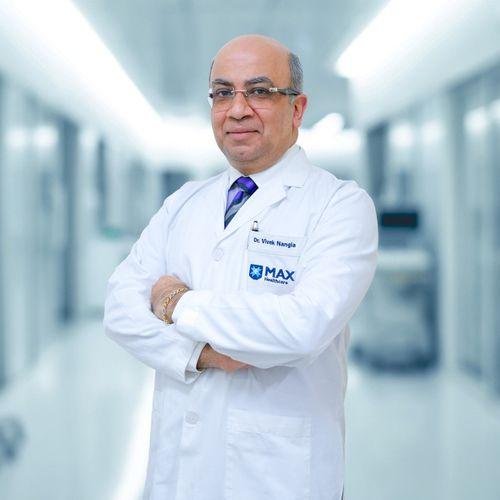
Dr. Vivek Nangia
Vice Chairman & Head, Pulmonology
Pulmonology
New Delhi
29+ Years
Experience
Max Hospital,Gurgaon
Hospital
1500
Fees
Dr. Rajeev Rathi
Director - Pulmonology
Pulmonology
New Delhi
34+ Years
Experience
Apolo Delhi
Hospital
1500
Fees
Related Links
Other Treatment related Information
- Lung Transplant cost in Mumbai
- Lung Transplant cost in Bengaluru
- Lung Transplant cost in Chennai
- Lung Transplant cost in India
- Lung Transplant cost in Pune
- Lung Transplant cost in New Delhi
- Lung Transplant cost in Hyderabad
- Lung Transplant cost in Haryana
- Lung Transplant Success Rate in Pune
- Lung Transplant Success Rate in Bengaluru
- Lung Transplant Success Rate in New Delhi
- Lung Transplant Success Rate in India
- Lung Transplant Success Rate in Mumbai
- Lung Transplant Success Rate in Hyderabad
- Lung Transplant Success Rate in Haryana
- Lung Transplant Success Rate in Chennai
- Best Lung Transplant Doctors in Chennai
- Best Lung Transplant Doctors in India
- Best Lung Transplant Doctors in Hyderabad
- Best Lung Transplant Doctors in Mumbai
Ready To Start Your Healing Journey?
Get Personalized Medical Treatment Options From India's Top Hospitals. Our Medical Experts Are Ready To Assist You Every Step Of The Way.