
Lung Transplant Treatment in Chennai for Iraq
Need Personalized Advice?
Our medical experts are ready to answer your questions and guide you through your treatment options.
About
Lung Transplant Options in Chennai for Iraq Patients
For patients in Iraq facing severe lung conditions, the possibility of a lung transplant often comes with significant concerns about access, expertise, and affordability. Navigating such complex medical decisions, especially far from home, adds another layer of anxiety for families.
Chennai has emerged as a prominent destination for advanced medical procedures like lung transplants. Patients often consider this city for its well-established medical infrastructure, offering a blend of cutting-edge technology and experienced medical professionals in specialized care.
Trust in Chennai’s medical ecosystem is built upon its world-class hospitals and a dedicated team of pulmonologists, cardiothoracic surgeons, and transplant specialists. The city provides a comprehensive and coordinated environment for both pre and post-transplant care.
Could Chennai be the right choice for your lung transplant journey?
What is a Lung Transplant?
A lung transplant is a complex surgical procedure where diseased or damaged lungs are replaced with healthy lungs from a deceased organ donor. This life-saving operation is considered for individuals suffering from end-stage lung diseases that have not responded to other treatments and severely limit their quality of life. The goal is to improve breathing, extend life expectancy, and enhance overall well-being by providing functioning lungs.
Types of Lung Transplant Procedures
Single Lung Transplant: This procedure involves replacing one diseased lung with a healthy donor lung. It is often performed for conditions like pulmonary fibrosis or COPD, especially in older patients or those with less severe disease in the other lung.
Bilateral Lung Transplant: Also known as a double lung transplant, this involves replacing both diseased lungs. It is commonly recommended for conditions such as cystic fibrosis, bronchiectasis, or pulmonary hypertension, where both lungs are significantly affected.
Heart-Lung Transplant: In rare cases, for patients suffering from severe heart and lung failure, a combined heart and lung transplant may be necessary. This intricate procedure replaces both organs simultaneously.
Living-Donor Lobar Lung Transplant: While less common than deceased donor transplants, this involves receiving a lobe (a section) of a lung from two separate living donors. This option is typically considered in urgent situations, especially for younger patients or those with specific body sizes.
When is a Lung Transplant Required?
- Severe Chronic Obstructive Pulmonary Disease (COPD) or emphysema
- Cystic Fibrosis, leading to irreversible lung damage and infection
- Pulmonary Fibrosis, characterized by scarring of the lung tissue
- Pulmonary Hypertension, high blood pressure in the arteries to the lungs
- Alpha-1 Antitrypsin Deficiency, a genetic condition causing lung damage
- Bronchiectasis, a condition where the airways become abnormally widened
- Sarcoidosis or other interstitial lung diseases leading to end-stage lung failure
Pre-Treatment Evaluation Process
- Comprehensive medical history review and physical examination
- Detailed lung function tests, including spirometry and lung volumes
- Blood tests to assess organ function, blood type, and infection screening
- Imaging studies such as Chest X-ray, CT scan, and V/Q scan (ventilation/perfusion)
- Cardiac evaluation, including EKG, echocardiogram, and cardiac catheterization
- Psychological assessment to evaluate mental readiness and support systems
- Nutritional assessment and guidance for optimizing overall health
- Evaluation for any underlying infections or other systemic diseases
How the Lung Transplant is Performed
The specific procedure for a lung transplant depends on whether it's a single or bilateral transplant, as well as the patient's overall health and the donor's compatibility.
Before the Surgery
Once a suitable donor lung becomes available and matched, the patient is called to the hospital. Final pre-operative checks are conducted, and the patient is prepared for surgery under general anesthesia.
During the Surgery
For a single lung transplant, an incision is made on one side of the chest. The diseased lung is carefully removed, and the new donor lung is meticulously connected to the patient's main airway (bronchus) and blood vessels (pulmonary artery and veins). For a bilateral transplant, a larger incision across the chest or separate incisions are made, and both lungs are replaced one after the other.
Post-Surgery Care
After the transplant, the patient is moved to the intensive care unit (ICU) for close monitoring. This period is crucial for managing pain, preventing infection, and ensuring the new lungs function properly. Mechanical ventilation assists breathing initially, gradually weaned off as the patient recovers.
Recovery Process and Aftercare
Recovery from a lung transplant is a gradual and intensive process. Patients typically spend several weeks in the hospital, followed by an extended period of rehabilitation. This involves physical therapy, breathing exercises, and nutritional support to regain strength and lung function. Lifelong immunosuppressant medications are essential to prevent rejection of the new lung. Regular follow-up appointments, including lung function tests, blood work, and imaging, are crucial to monitor progress and detect any complications early. Patients are also educated on self-care and signs of rejection or infection.
Potential Risks and Success Rates
- Organ rejection, where the body's immune system attacks the new lung
- Infections, due to immunosuppressant medications weakening the immune system
- Bleeding during or after the surgical procedure
- Airway complications, such as narrowing of the bronchial connections
- Kidney dysfunction, sometimes due to medications or existing conditions
- New onset diabetes or high blood pressure related to medications
- Development of certain cancers due to long-term immunosuppression
The success rates for lung transplants have significantly improved over the years due to advancements in surgical techniques, immunosuppressive therapies, and post-operative care. While individual outcomes vary based on factors like age, overall health, and the underlying lung disease, the one-year survival rate typically ranges from 85% to 90%. Five-year survival rates are generally between 50% and 60%. Long-term success is largely dependent on adherence to medication, regular follow-ups, and a healthy lifestyle.
Cost of Lung Transplant in Chennai
The cost of a lung transplant in Chennai can vary significantly based on several factors. These include the specific hospital chosen, the experience of the surgical team, the complexity of the procedure (single vs. double lung), the duration of hospital stay, and the need for any specialized pre or post-operative care. Diagnostic tests, medications, and rehabilitation programs also contribute to the overall expense.
In Chennai, the estimated cost for a lung transplant typically ranges from INR 25,00,000 to INR 40,00,000, which is approximately USD 30,000 to USD 48,000. This is an estimate and actual costs can differ.
Chennai vs. Global Lung Transplant Costs (USD)
Patients from Iraq often find the cost of a lung transplant in Chennai considerably more affordable compared to Western countries, without compromising on quality of care. Below is a general comparison:
| Location | Estimated Cost Range (USD) |
|---|---|
| Chennai, India | $30,000 - $48,000 |
| United States | $800,000 - $1,200,000 |
| United Kingdom | $250,000 - $400,000 |
| Singapore | $150,000 - $250,000 |
Ready to explore your Lung Transplant options in Chennai? Connect with our patient care team today for personalized guidance.
Comprehensive Support Services for International Patients
- Assistance with medical visa applications and extensions
- Coordination of travel logistics, including airport transfers
- Language interpretation services to ensure clear communication
- Arrangement for suitable accommodation for patients and accompanying family
- Dedicated patient care managers to guide through the entire process
- Support for local commuting and essential services within Chennai
- Post-treatment follow-up scheduling and remote consultation options
Important Medical Documents to Prepare
- Detailed medical reports, including diagnosis, treatment history, and recent test results
- Passport and visa copies for the patient and accompanying family members
- Previous imaging scans such as CT scans and X-rays
- A referral letter from a local doctor, if available
- A list of all current medications, including dosage and frequency
- Contact information for emergency contacts in Iraq
Key Steps to Prepare Before Arrival
- Ensure all required medical documentation is compiled and translated if necessary
- Consult with your local physician about fitness to travel and any necessary precautions
- Arrange for initial financial planning to cover treatment and travel costs
- Discuss potential accommodation needs and preferences with our support team
- Inform the medical team about any dietary restrictions or cultural considerations
- Plan for a caregiver or family member to accompany the patient throughout the stay
Recovery and Follow-Up Care After Transplant
- Strict adherence to prescribed immunosuppressant medications to prevent rejection
- Regular monitoring of lung function, blood work, and vital signs
- Participation in a structured pulmonary rehabilitation program
- Following dietary guidelines and maintaining good nutrition for healing
- Avoiding exposure to infections and maintaining excellent hygiene
- Scheduled follow-up appointments with the transplant team in Chennai
- Guidance on recognizing signs of complications and when to seek medical attention
Your path to better lung health starts here. Contact us to learn more about Lung Transplant options in Chennai for patients from Iraq.
Ready to Take the Next Step Toward Healing?
Considering a lung transplant is a significant decision, and the medical teams in Chennai are prepared to offer expert care with compassion. Reach out today to begin your journey to renewed health.
Hospitals Offering this treatment
India offers premium medical procedures at affordable prices. Discover our most popular treatments, delivered by the country's finest doctors.
Meet Our Doctors
Meet our team of highly qualified and experienced medical professionals dedicated to providing the best healthcare services.
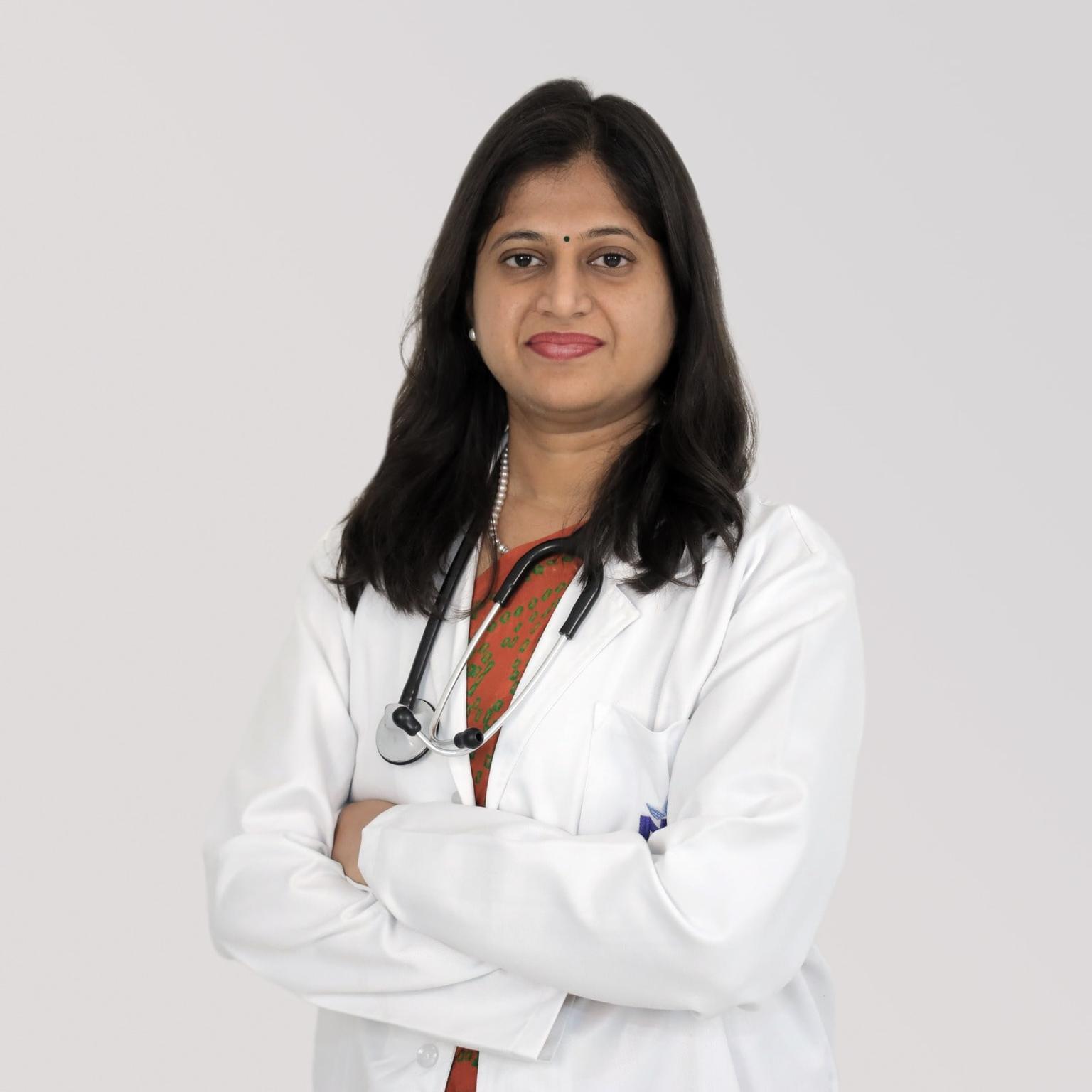
Dr Shweta Bansal
Unit Head & Sr. Consultant - Respiratory Disease & Sleep Medicine (Unit II)
Pulmonology (Chest & Lungs)
New Delhi
13+ Years
Experience
Artemis Hospital
Hospital
1500
Fees

Dr. Kanika Singh
Director & Chief of Service - Respiratory, Critical Care & Sleep Medicine
Pulmonology
New Delhi
12+ Years
Experience
Artemis Hospital
Hospital
1500
Fees
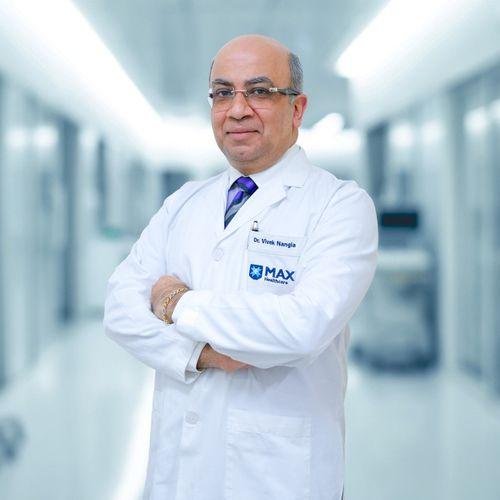
Dr. Vivek Nangia
Vice Chairman & Head, Pulmonology
Pulmonology
New Delhi
29+ Years
Experience
Max Hospital,Gurgaon
Hospital
1500
Fees
Dr. Rajeev Rathi
Director - Pulmonology
Pulmonology
New Delhi
34+ Years
Experience
Apolo Delhi
Hospital
1500
Fees
Related Links
Other Treatment related Information
- Lung Transplant cost in Mumbai
- Lung Transplant cost in Bengaluru
- Lung Transplant cost in Chennai
- Lung Transplant cost in India
- Lung Transplant cost in Pune
- Lung Transplant cost in New Delhi
- Lung Transplant cost in Hyderabad
- Lung Transplant cost in Haryana
- Lung Transplant Success Rate in Pune
- Lung Transplant Success Rate in Bengaluru
- Lung Transplant Success Rate in New Delhi
- Lung Transplant Success Rate in India
- Lung Transplant Success Rate in Mumbai
- Lung Transplant Success Rate in Hyderabad
- Lung Transplant Success Rate in Haryana
- Lung Transplant Success Rate in Chennai
- Best Lung Transplant Doctors in Chennai
- Best Lung Transplant Doctors in India
- Best Lung Transplant Doctors in Hyderabad
- Best Lung Transplant Doctors in Mumbai
Ready To Start Your Healing Journey?
Get Personalized Medical Treatment Options From India's Top Hospitals. Our Medical Experts Are Ready To Assist You Every Step Of The Way.