Paediatric Neurology Treatment in India for Nigeria
Need Personalized Advice?
Our medical experts are ready to answer your questions and guide you through your treatment options.
About
Paediatric Neurology Treatment in India for Nigerian Children
Navigating paediatric neurological conditions for your child can be deeply concerning, especially when local care options feel limited. Families in Nigeria often face challenges in finding advanced diagnostics and specialized treatments that offer the best hope for their children's future. This search for specialized care is a profound worry for many parents.
Many parents begin looking abroad for solutions, seeking countries with established medical tourism infrastructures. India has emerged as a preferred destination, offering comprehensive paediatric neurology services across its major cities, known for affordability and expertise. Its wide network of hospitals provides varied treatment options.
India's healthcare system boasts world-class hospitals and highly qualified paediatric neurologists, equipped with cutting-edge technology. These facilities provide holistic care, from diagnosis to advanced interventions and long-term management, ensuring a trustworthy environment. The medical infrastructure is built on decades of experience.
Is India the right choice for your child's paediatric neurology needs?
What is Paediatric Neurology Treatment?
Paediatric neurology focuses on diagnosing and treating disorders of the brain, spinal cord, nerves, and muscles in children, from birth through adolescence. These conditions can range from epilepsy and developmental delays to cerebral palsy and genetic disorders. Treatment aims to manage symptoms, improve quality of life, and support the child’s development and functional abilities as they grow.
What Are the Types of Paediatric Neurology Treatments?
- Medication Management: Prescribing and monitoring drugs for conditions like epilepsy or neuromuscular disorders.
- Rehabilitation Therapies: Including physical, occupational, and speech therapy to enhance motor skills, daily function, and communication.
- Dietary Therapies: Specialized diets, such as the ketogenic diet, for managing certain types of intractable epilepsy.
- Neurosurgical Interventions: Procedures for conditions like hydrocephalus, brain tumors, or severe, medication-resistant epilepsy.
- Advanced Neuromodulation: Techniques like Vagus Nerve Stimulation (VNS) or Deep Brain Stimulation (DBS) for intractable conditions.
- Immunotherapy: For autoimmune neurological disorders where the immune system attacks brain or nerve tissue.
When is Paediatric Neurology Treatment Necessary?
- Recurrent seizures or diagnosed epilepsy.
- Significant developmental delays in motor skills, speech, or cognitive functions.
- Diagnosis of cerebral palsy or other motor disorders affecting movement and coordination.
- Neuromuscular diseases such as muscular dystrophy or spinal muscular atrophy.
- Chronic or severe headaches, including migraines, in children.
- Autism spectrum disorders with associated neurological symptoms.
- Disorders of the spinal cord or peripheral nerves impacting sensation or movement.
- Genetic neurological conditions identified through diagnostic testing.
- Hydrocephalus or other structural brain abnormalities.
What Evaluations Are Needed Before Treatment?
- A detailed medical history, including birth history and developmental milestones, along with a comprehensive physical and neurological examination.
- Blood tests, including genetic screening, metabolic panels, and specific markers, if indicated by the child's symptoms.
- Neuroimaging studies such as MRI or CT scans of the brain and spine to visualize structures and identify abnormalities.
- Electroencephalogram (EEG) to assess brain electrical activity, particularly for seizure disorders.
- Electromyography (EMG) and Nerve Conduction Studies (NCS) to evaluate muscle and nerve function for neuromuscular conditions.
- Developmental assessments and psychological evaluations to understand cognitive and behavioral profiles.
- Lumbar puncture for cerebrospinal fluid analysis in certain inflammatory or infectious neurological conditions.
How is Paediatric Neurology Treatment Performed?
The approach to paediatric neurology treatment is highly personalized, depending on the child’s specific condition, age, and overall health. A multidisciplinary team of specialists, including neurologists, neurosurgeons, therapists, and dietitians, works together to create an integrated care plan.
Medical Management and Monitoring
This involves prescribing and carefully monitoring medications to control symptoms such as seizures, muscle spasticity, or neurological pain. Dosage adjustments are crucial for growing children, requiring ongoing oversight to optimize efficacy and minimize side effects.
Therapeutic Interventions
Physical, occupational, and speech therapies are fundamental components of care. These help children improve motor skills, daily living activities, communication abilities, and cognitive functions. Therapy plans are tailored to individual needs and focus on achieving developmental milestones.
Nutritional and Dietary Approaches
For conditions like intractable epilepsy, specific diets such as the ketogenic diet are often supervised by specialist dietitians. These diets are meticulously planned to manage seizure activity by altering the body's metabolism and require careful monitoring.
Surgical Options
In select cases, neurosurgery may be recommended. This could involve procedures to treat hydrocephalus by shunting excess fluid, removing brain tumors, or performing epilepsy surgery (like focal resections or hemispherectomy) to control severe, medication-resistant seizures.
Advanced Neuromodulation
Techniques such as Vagus Nerve Stimulation (VNS) involve implanting a small device that sends electrical impulses to the brain via the vagus nerve. This is used for certain types of epilepsy that do not respond to medication, helping to reduce seizure frequency and severity.
What Does the Recovery Process Involve?
Recovery in paediatric neurology is often a long-term journey focused on ongoing management and developmental support. It typically involves regular follow-up appointments with the neurologist, continued therapy sessions, and strict medication adherence. Parents receive comprehensive guidance on home-based exercises, symptom monitoring, and emergency protocols. The specific recovery timeline depends significantly on the condition and treatment chosen, with an emphasis on maximizing the child's functional independence, cognitive development, and overall quality of life. Consistent, dedicated care is vital for sustained progress.
What Are the Risks and Success Rates of Paediatric Neurology Treatments?
- Potential for medication side effects, including drowsiness, mood changes, gastrointestinal issues, or, rarely, organ toxicity.
- Surgical complications such as infection at the surgical site, bleeding, adverse reactions to anesthesia, or injury to surrounding brain tissue.
- Limited improvement or, in some cases, progression of the underlying neurological condition despite intervention.
- Ongoing developmental challenges, requiring continuous therapeutic support and adjustments to care plans.
- Potential for recurrence of symptoms post-treatment, especially in chronic conditions like epilepsy.
- The need for lifelong management and periodic adjustments to treatment protocols as the child grows and their condition evolves.
Success rates in paediatric neurology vary significantly based on the specific condition, its severity, the child's age, and their individual response to treatment. For some conditions, such as well-controlled epilepsy, outcomes can be excellent, with many children achieving seizure freedom. For complex developmental disorders or progressive conditions, success is often measured by improved functional abilities, enhanced communication skills, better integration into daily life, and a reduction in symptom burden. Early diagnosis, a tailored and consistent multidisciplinary care approach, and active parental involvement are key factors in achieving the best possible long-term outcomes for children.
What is the Cost of Paediatric Neurology Treatment in India?
The cost of paediatric neurology treatment in India is notably more affordable than in many Western countries, yet it still provides access to advanced medical technology and highly skilled specialists. The total cost can vary based on several factors: the specific neurological condition being treated, the type of treatment required (e.g., medication management, extensive therapy, or complex surgery), the hospital chosen (private vs. public, luxury vs. standard), the duration of hospital stay, and the need for specialized diagnostics or long-term rehabilitation.
Generally, the cost for comprehensive paediatric neurology treatment in India can range from INR 2,00,000 to INR 15,00,000 or more, depending on the complexity of the case.
Paediatric Neurology Treatment Cost Across Indian Cities (INR)
| City | Cost Range (INR) |
|---|---|
| Chennai | 2,50,000 - 12,00,000 |
| Delhi | 2,80,000 - 13,50,000 |
| Mumbai | 3,00,000 - 15,00,000 |
| Bengaluru | 2,70,000 - 12,50,000 |
| Hyderabad | 2,30,000 - 11,00,000 |
| Kolkata | 2,20,000 - 10,00,000 |
| Pune | 2,60,000 - 11,50,000 |
Paediatric Neurology Treatment Cost: India vs. Global
| Country | Approximate Cost Range (INR) |
|---|---|
| India | 2,00,000 - 15,00,000 |
| United States | 40,00,000 - 1,00,00,000 |
| United Kingdom | 35,00,000 - 90,00,000 |
| Singapore | 25,00,000 - 75,00,000 |
| Nigeria | 10,00,000 - 30,00,000 |
Get a Personalized Treatment Plan
Receive a detailed consultation and cost estimate from leading paediatric neurologists in India. Contact us today.
What Support Services Are Available for Nigerian Patients?
- Comprehensive visa assistance and guidance for smooth travel arrangements.
- Arrangement of airport transfers and local transportation within India.
- Professional language interpretation services to ensure clear communication.
- Assistance with finding suitable accommodation options for families during their stay.
- Dedicated international patient coordinators providing support from arrival to departure.
- Facilitation of teleconsultation services for initial assessments and follow-ups.
Which Documents Are Needed for Your Medical Visit to India?
- The child’s complete medical records, including all diagnostic reports, treatment summaries, and current prescriptions.
- A referral letter from the child’s local doctor or specialist in Nigeria, if available.
- Valid passport copies for the child and all accompanying parents or legal guardians.
- A valid medical visa for India, obtained from the Indian embassy or consulate in Nigeria.
- Proof of financial capability to cover treatment expenses and living costs during the stay.
- Up-to-date vaccination records for the child.
How to Prepare for Your Child's Treatment in India?
- Thoroughly gather and organize all relevant medical documents, ensuring they are translated into English.
- Confirm travel dates, book flights, and arrange for suitable accommodation in advance.
- Initiate and complete the process for obtaining a medical visa through the Indian embassy in Nigeria.
- Communicate regularly with the hospital's international patient coordinator for pre-arrival guidance and support.
- Plan and secure the necessary finances for both medical treatment and daily living expenses.
- Pack essential personal items for the child, including familiar toys, books, or comfort items to ease their transition.
What About Post-Treatment Care and Follow-up?
- Adhere strictly to all prescribed medications and ongoing therapy schedules as advised by the medical team.
- Engage in regular virtual follow-up consultations with the Indian medical specialists to monitor progress.
- Continue local rehabilitation and developmental therapies upon returning to Nigeria, maintaining consistency.
- Diligently monitor for any new symptoms, changes in the child's condition, or potential side effects.
- Maintain open and continuous communication with the healthcare providers for any questions or emerging concerns.
- Ensure a supportive and nurturing home environment conducive to the child's ongoing healing and development.
Ready to Explore Paediatric Neurology Options in India?
Take the first step towards a brighter future for your child. Our dedicated team is here to guide you through every stage.
Connect with a Paediatric Neurologist Today
Start your child's journey to better health. Reach out for expert medical advice and support.
Hospitals Offering this treatment
India offers premium medical procedures at affordable prices. Discover our most popular treatments, delivered by the country's finest doctors.
Meet Our Doctors
Meet our team of highly qualified and experienced medical professionals dedicated to providing the best healthcare services.

Dr. Ajit Singh Baghela
Consultant
Paediatric Neurology
Haryana
9+ Years
Experience
Artemis Hospital
Hospital
1500
Fees
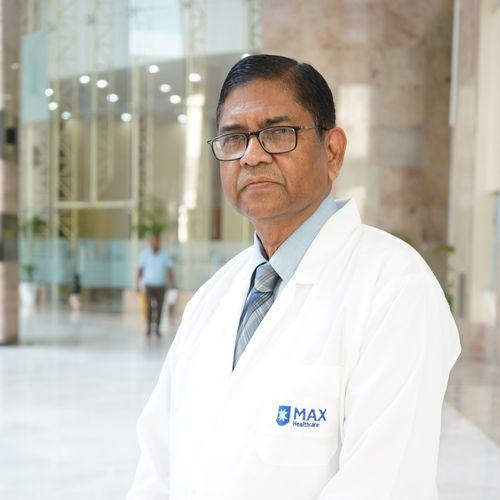
Dr. Nakul Sinha
Chairman - Cardiology
Cardiology
New Delhi
41+ Years
Experience
Max Hospital,Gurgaon
Hospital
1500
Fees
Related Links
Recent Blogs
Other Treatment related Information
Ready To Start Your Healing Journey?
Get Personalized Medical Treatment Options From India's Top Hospitals. Our Medical Experts Are Ready To Assist You Every Step Of The Way.