Stem Cell Therapy in India 2026: Neurological Disorders, Costs & Regenerative Medicine Guide for Australian & UK Patients
⚠️ Important medical disclaimer: Stem cell therapy for neurological conditions (Parkinson’s disease, ALS, MS, stroke, cerebral palsy, spinal cord injury) is still being studied in India and globally. It is NOT a standard approved treatment for these conditions. It is available only within ICMR-registered clinical trials or compassionate use programmes. Bone marrow transplant (BMT) for blood cancers and disorders is an established standard treatment. All treatment decisions must be made with a qualified neurologist or haematologist who has reviewed your individual case.
India has some of Asia’s busiest stem cell and BMT centres. These hospitals are NABH and JCI-accredited. Their specialists have trained internationally. For Australian and UK patients, India offers access to these procedures at 60–80% lower cost than equivalent private programmes in the UK or Australia.
This guide makes it very clear to distinguish between the currently proven stem cell therapies and the investigational therapies. The complete cost analysis is provided in both AUD and GBP, and the regulation in India for stem cells is explained.
Understanding Stem Cell Therapy and Regenerative Medicine
What Are Stem Cells and How Do They Work?
Stem cells are basic cells that can grow into more specialised cell types. They act as the body’s natural repair system. They replace damaged cells and release growth factors that help with healing. Regenerative medicine uses stem cells and related therapies to repair, replace, or rebuild damaged tissues and organs.
Stem cell therapy treatments can be divided broadly into two types in their clinical practice. The first type is already well-established: bone marrow transplants (HSCT/BMT) in the treatment of blood-related diseases. There is much supporting evidence available for this category along with approval from relevant authorities. The other type consists of the clinical use of stem cells in other diseases.
Established vs Investigational: The Critical Distinction
Understanding this difference is essential before making any decision about stem cell treatment:
Established (approved) stem cell therapy: Haematopoietic stem cell transplant (BMT) for leukaemia, lymphoma, myeloma, aplastic anaemia, and certain immune disorders. This has decades of clinical evidence, is regulated and approved under Indian and international guidelines, and is performed routinely at NABH/JCI-accredited hospitals.
Investigational stem cell therapy: Applications for neurological conditions (Parkinson’s, ALS, MS, stroke, cerebral palsy, spinal cord injury) and other non-haematological conditions. These are in clinical trial or compassionate use phases. India’s ICMR (Indian Council of Medical Research) regulates these under clinical trial frameworks — they are NOT commercially approved treatments in India. Patients joining these programmes are enrolled in research.
⚠️ Warning: If you come across a clinic advertising 'stem cell therapy for neurologic disorders,' please be cautious as these services are often promoted commercially and are not part of any clinical trials. It is important to note that marketing in India without registering your study with ICMR is not considered within regulatory guidelines.
How Stem Cells Target Neurological Conditions: The Science
For neurological conditions, stem cell research focuses on three main mechanisms. The first is replacing damaged or lost neurons (neuroregeneration). The second is reducing the inflammatory response in the nervous system (immunomodulation). The third is releasing growth factors that help existing neurons survive and function.
Delivery methods being studied include intravenous infusion and intrathecal injection (directly into spinal fluid). Some experimental protocols use targeted injection into affected brain regions.
Different stem cell types are being studied. These include mesenchymal stem cells (MSCs) from bone marrow or fat. They also include haematopoietic stem cells from bone marrow or peripheral blood. In early lab research, induced pluripotent stem cells (iPSCs) are also being explored. Each type has different traits, risks, and evidence levels.
Conditions and Evidence Status: A Practical Guide
The table below gives an honest overview of the evidence status for conditions that Australian and UK patients most often ask about:
Condition | Evidence Status | Stem Cell Role |
Leukaemia, lymphoma, myeloma (blood cancers) | ESTABLISHED | Haematopoietic stem cell transplant (BMT) — standard of care for many haematological malignancies; conducted under NABH/JCI-accredited protocols |
Aplastic anaemia | ESTABLISHED | Allogeneic BMT — well-established; 80–90% long-term survival with matched sibling donor in younger patients. |
Multiple sclerosis (MS) | INVESTIGATIONAL | Haematopoietic stem cell transplantation (HSCT) for MS shows clinical trial evidence; approved in some countries for specific aggressive cases; under ICMR review in India. |
Parkinson’s disease | EXPERIMENTAL | Dopamine-producing cell replacement and growth factor support — promising in early-phase trials; not yet approved anywhere as standard treatment. |
ALS / Motor Neurone Disease | EXPERIMENTAL | Intrathecal mesenchymal stem cell delivery — limited phase 1/2 trial evidence; palliative intent (slowing progression) not cure; under ICMR clinical trial framework in India. |
Spinal cord injury | INVESTIGATIONAL | Cell-based therapies showing partial improvement in some trials; depends heavily on injury level and timing; not standard care |
Cerebral palsy | INVESTIGATIONAL | Autologous cord blood or bone marrow. infusion shows functional improvements in paediatric trials; not yet standard of care |
Stroke rehabilitation | EXPERIMENTAL | Mesenchymal stem cells targeting post-stroke neuroinflammation; early-phase evidence only; investigational in India. |
Liver cirrhosis | INVESTIGATIONAL | Autologous stem cell infusion to support liver regeneration; positive preliminary trial data; ICMR clinical trial framework applies. |
Classification of evidence: Established = accepted standard of treatment with strong clinical evidence. Investigational = clinical evidence from trials is available; can be accessed through clinical trials in certain countries. Experimental = evidence from initial stages is available; cannot be obtained outside clinical settings except through credible research centers. Whether you qualify for a particular program depends on your stage, duration, and general condition.
Stem Cell Therapy Cost in India vs Australia vs UK (2026)
The cost comparison below covers both established BMT and investigational neurological stem cell programmes. Note that investigational programme costs vary greatly. They are not standardised commercial treatments.
Treatment Context | India (approx.) | Australia (AUD) | UK (GBP) |
Haematopoietic stem cell transplant / BMT (established — for blood disorders) | ₹15,00,000–₹25,00,000 ($18,000–$30,000; AUD 23,800–83,500; £8,300–£35,000) | AUD 150,000–400,000+ | £35,000–£250,000+ (private) |
Investigational stem cell therapy — neurological conditions (clinical trial / compassionate use) | ₹3,15,000–₹15,00,000+ ($4,100–$15,000; AUD 7,500–28,200; £3,800–£20,000) | AUD 50,000–1,50,000 (private research programmes) | £20,000–£40,000 (private research) |
Autologous stem cell infusion — investigational (own cells, e.g. adipose or bone marrow) | ₹4,15,000–₹15,00,000 ($5,000–$18,000; AUD 7,300–27,500; £3,900–£12,000) | AUD 25,000–60,000 | £15,000–£45,000 |
Sources: Apollo Hospitals Chennai, Fortis Noida, Medanta Gurgaon, MAX Hospitals, Artemis Gurgaon, Paras Hospitals (India partner hospital direct pricing). Australia and UK: private research programme and private hospital estimates 2024–25. Currency conversions at Q1 2026 rates. Neurological stem cell therapy costs are highly variable — they depend on condition, number of sessions, cell type, and protocol complexity. These are illustrative ranges. All individual costs must be confirmed with the treating specialist.
What Influences the Cost of Stem Cell Therapy in India?
Key cost drivers for stem cell treatment in India:
Treatment type — established BMT for blood disorders has predictable costs. Investigational neurological protocols vary greatly. The condition, number of infusion sessions, and cell preparation method all affect price.
Cell source — autologous (own cells: bone marrow or fat) programmes cost differently to allogeneic (donor) programmes. Allogeneic involves donor search and matching costs.
Number of sessions — some protocols involve a single infusion. Others are multi-session programmes over weeks or months.
Hospital tier — JCI-certified centres with dedicated stem cell processing labs charge more than NABH-only centres. Lab quality is a critical safety variable.
Protocol complexity — conditions needing intrathecal or direct injection involve more complex procedures than intravenous infusion.
Post-treatment monitoring — ICMR-registered programmes include follow-up assessments. These are part of the research protocol. They may be included in the cost or charged separately.
Is the Cost Difference Between India and Australia/UK About Lower Quality?
No. The cost gap reflects lower operating costs, not lower clinical standards. The same cell processing equipment works at India’s JCI-accredited partner hospitals as at Australian and UK private research programmes. The same safety protocols are used. The same internationally trained specialists work there. Some commercial stem cell programmes globally do not operate within regulatory frameworks. This is a real concern. Choosing ICMR-registered centres addresses it.
Safety, Risks, and What to Expect
What Are the Risks of Stem Cell Therapy?
The risk profile varies greatly by treatment type:
Established BMT (for blood disorders): The main risks are GvHD (Graft-versus-Host Disease) in allogeneic transplants. Around 30–50% of recipients experience some degree of it. Other risks include infection during the neutropenic phase and primary graft failure (2–5%). These risks are well-known. They are managed at NABH/JCI-accredited partner hospitals following international protocols.
Investigational neurological stem cell therapy: Risks include infection at the injection site and short-term inflammatory responses (temporary fever, headache, fatigue). Rare immune reactions can also occur. The main risk specific to investigational treatments is the unknown: long-term safety data are limited, as these are research-stage therapies. Unintended tumour formation (teratoma risk) is a theoretical concern with certain stem cell types, particularly iPSCs. Well-designed clinical protocols use cell types with minimal this risk.
Risks of NOT being in a regulated programme: The biggest risk is receiving an unproven treatment outside a regulated clinical trial. In that case, cell quality, safety monitoring, and follow-up are not guaranteed. Always verify ICMR registration or ethics board approval before enrolling in any stem cell programme in India.
Success Rates and Realistic Outcomes
For mature BMT (blood disorders): 5-year survival rates are reported in the literature through data from the CIBMTR and EBMT registries. For AML patients who are in their first remission period: 50-65%. For aplastic anaemia patients with a matched sibling donor: 80-90%.
For investigational neurological applications: there are no standard ‘success rate’ statistics. These are research programmes, not standardised treatments. Individual published studies report a range of functional improvements in specific patient groups. But these results cannot be applied to all patients with a given condition. The key measure is whether the patient’s functional status improves relative to their pre-treatment baseline over 6–12 months of follow-up.
Watch out for clinics that offer guaranteed results from neurological stem cell therapy. They must provide scientific evidence from peer-reviewed articles or from ICMR trials. Hospitals affiliated with Divinheal do not offer guarantees for investigational treatments.
How to Evaluate a Stem Cell Programme in India
Before enrolling in any stem cell programme for neurological conditions, ask:
Is this procedure part of an ICMR-registered clinical trial? Can you provide the trial registration number? (CTRI — Clinical Trials Registry of India numbers are publicly verifiable)
What cell type is used, what is the source, and what peer-reviewed publications support this approach for my specific condition?
What is the full protocol — number of sessions, delivery method, pre-treatment assessment, and follow-up schedule?
What does the cost include and exclude? Are any follow-up sessions included?
What happens if I do not show improvement — is there any protocol for that outcome?
Can I speak with a previous patient (with their consent) who has undergone this programme at your centre?
Reputable NABH/JCI-accredited partner hospitals will answer all of these questions openly. Programmes that avoid these questions or make unqualified outcome guarantees should be avoided.
Setting Realistic Expectations for Stem Cell Therapy
What Stem Cell Therapy Can and Cannot Achieve for Neurological Conditions
For neurological conditions, stem cell therapy is best seen as a potential tool. It may slow progression, reduce inflammation, and support partial functional recovery. It is NOT a cure or complete restoration of lost neurological function. The biological processes involved — nerve regeneration, immune changes, growth factor expression — are inherently slow and highly individual.
Most patients who show improvement report gradual functional gains over 3–12 months following treatment. These are not immediate dramatic changes. For conditions like ALS, the goal is to slow the progression rate rather than reverse existing damage. For conditions like cerebral palsy or stroke, stem cell therapy aims to improve function from the existing baseline — not restore the pre-injury state.
The Timeline of Recovery and What to Monitor
Month 1-3: Post-treatment observational period. Patients monitor for any unwanted side effects such as infection or fever. Additionally, some patients have reported slight improvement in certain aspects such as fatigue, spasticity, or mood.
Month 3–6: The main assessment window for initial functional changes. Standardised neurological assessments are used to measure any objective change. These are specific to each condition — for example, UPDRS for Parkinson’s, ALSFRS-R for ALS, EDSS for MS. Physiotherapy and rehabilitation during this period are critical. They help turn any cellular-level changes into functional gains.
Month 6–12: Longer-term assessment. Most ICMR-registered trials include assessment points at 6 and 12 months. This data builds the trial’s evidence base and informs decisions about further treatment.
After the initial procedure in India, patients return to Australia or the UK. They continue rehabilitation with their local neurology and physiotherapy teams. Divinheal coordinates a written follow-up protocol for the patient’s home-country neurologist before departure from India.
The Biggest Challenge in Regenerative Medicine
Regenerative medicine for neurological conditions faces four significant challenges.
The first is the gap between lab promise and clinical evidence. Many therapies that work in animal models do not translate to humans at the same scale.
The second one is the variable response that occurs within each patient.
The third one is the threat of exploitation. Clinics worldwide offering untested ‘stem cell therapy’ charge patients hefty amounts without evidence.
Fourth, there are no long-term safety data available for novel cell types and delivery mechanisms.
However, India's regulatory system (ICMR trial approval, DCGI licenses for cell manufacturing, and NABH/JCI certification of hospitals) offers substantial safeguards in comparison to non-regulated countries. Selecting an authorized hospital under the Indian Council of Medical Research scheme will provide patients with maximum security while undergoing experimental stem cell treatment in India.
Divinheal’s Partner Hospitals for Stem Cell Therapy in India
Divinheal’s partner hospitals for stem cell programmes are NABH and JCI-accredited institutions in Delhi NCR and Chennai. All partner hospitals have dedicated haematology-oncology and BMT departments for established BMT (blood disorders). For investigational neurological programmes, Divinheal refers patients only to centres in ICMR-registered research frameworks. They do not refer to commercial clinics operating outside regulated programmes.
Hospital | City | Accreditation | Stem Cell / Haematology Strengths |
Apollo Hospitals Chennai | Chennai | JCI, NABH | Haematopoietic stem cell transplant (BMT) for blood disorders; oncology; international patient centre; research participation. |
Fortis Hospital Noida | Delhi NCR | NABH | BMT and haematology-oncology; stem cell procedures for blood cancers; neurology department for patient assessment. |
Medanta Gurgaon | Gurgaon (Delhi NCR) | JCI, NABH | Haematology and BMT; neurosciences; dedicated research programmes; comprehensive diagnostics for neurological conditions. |
MAX Hospitals | Delhi NCR | NABH | Stem cell procedures; haematology-oncology; neurology; ICMR-registered research programme participation. |
Artemis Gurgaon | Gurgaon (Delhi NCR) | JCI, NABH | Oncology, BMT, neurosciences; integrated clinical trial participation; international patient coordination. |
Paras Hospitals | Gurgaon (Delhi NCR) | NABH | Haematology and stem cell procedures; NABH-accredited; accessible pricing for international patients. |
Note: For investigational neurological stem cell programmes, availability depends on current ICMR clinical trial enrolment status at each centre. Divinheal confirms trial availability and patient eligibility criteria before any patient travel commitment. Not all partner hospitals currently enrol patients in neurological stem cell programmes — Divinheal’s medical team confirms current programme status at the time of patient enquiry.
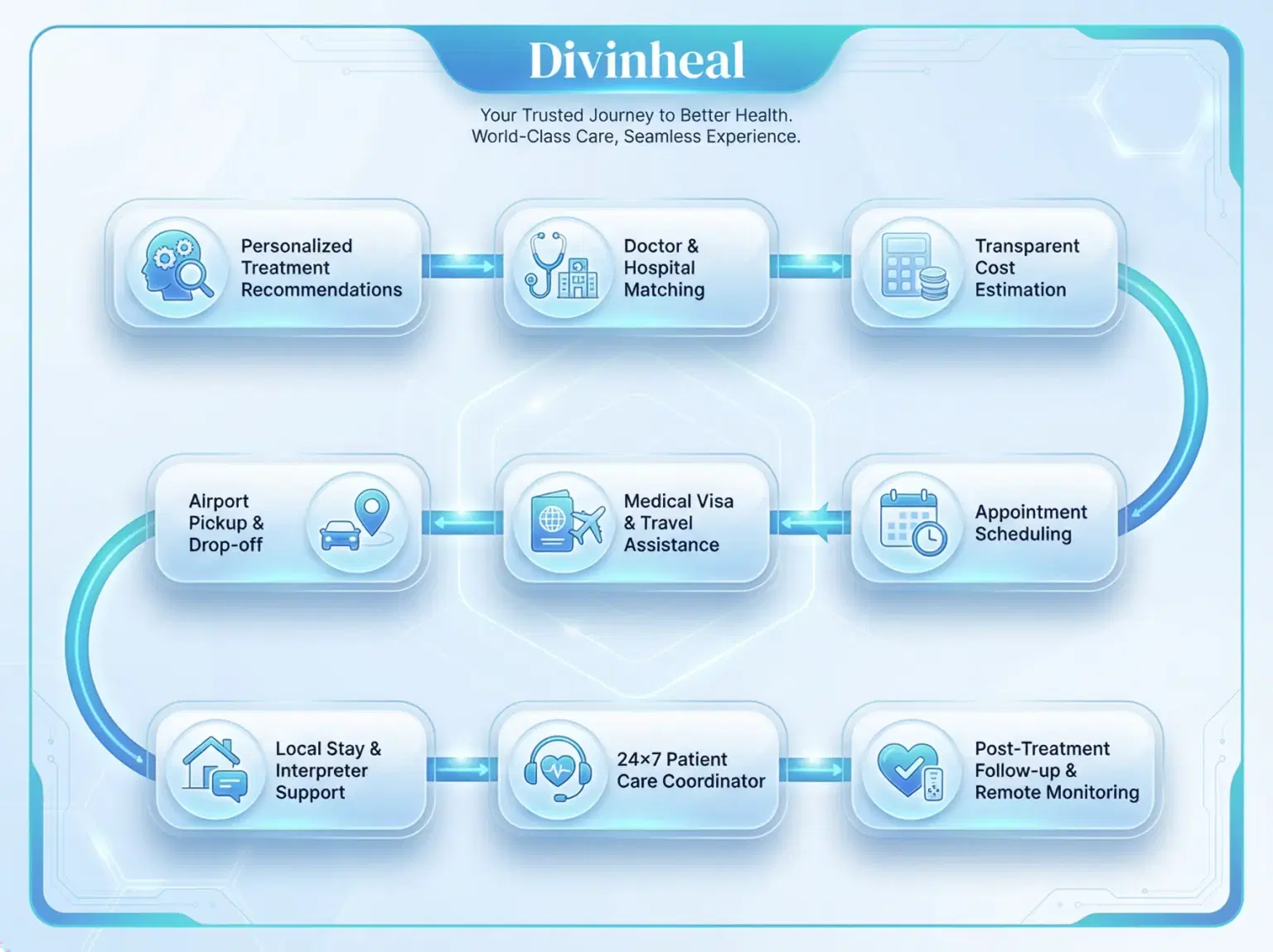
How Divinheal Supports Australian & UK Stem Cell Therapy Patients
Divinheal coordinates both established BMT patients (for haematological conditions) and patients seeking investigational neurological stem cell programmes. All coordination stays within India’s regulatory framework. The process starts with a thorough clinical review before any travel commitment. This is to make sure the patient is a realistic candidate for the available programme.
Pre-travel clinical review — a named specialist at the partner hospital reviews your medical records (neurological assessments, imaging, specialist reports). They provide a written assessment of programme eligibility and realistic outcome expectations before travel.
Programme matching — specifically to ICMR-registered or ethically approved programmes based on the patient’s diagnosis, disease stage, and functional status.
Hospital appointment booking within 2–4 weeks (for trial-enrolled patients; BMT patients typically 1–2 weeks)
Indian Medical Visa invitation letter from the partner hospital
Accommodation near the hospital for the treatment period
Airport transfers and in-city transport
A WhatsApp-accessible patient coordinator throughout the stay
Post-return follow-up coordination — written discharge summary and follow-up protocol for the patient’s home-country neurologist or haematologist
Telemedicine follow-up scheduling with the India treating team
Divinheal does not charge a placement fee. Partner hospital rates are direct patient pricing. Written cost estimates in AUD or GBP are provided before any commitment to travel.
Travel and Visa Logistics
For Australian citizens, application is made for an Indian Medical Visa through VFS Global in Sydney, Melbourne, Brisbane, Perth, or Adelaide (5 to 10 working days; please submit at least 3 weeks prior to travel). For UK citizens, application should be done through VFS Global in London, Manchester, Birmingham, or Edinburgh (10 to 15 working days).
Typical in-India stay: 10–14 days for the initial procedure and immediate post-treatment monitoring, regardless of treatment type. Patients receiving multi-session neurological stem cell programmes may require multiple visits. Divinheal helps structure a travel plan that minimises the total number of trips while accommodating the treatment protocol requirements.
Final Thoughts
Stem cell therapy in India covers two very different areas. The first is established, evidence-based treatment — bone marrow transplant for blood disorders, with CIBMTR-verified 5-year survival data. The second is investigational neurological applications, available within ICMR-registered research frameworks. For Australian and UK patients, India’s NABH/JCI-accredited partner hospitals offer access to these programmes at 60–80% lower cost than equivalent private programmes in the UK or Australia. The quality and safety frameworks are the same.
The most important step before any commitment is an honest assessment of eligibility and realistic outcomes. Divinheal’s process begins with a pre-travel clinical review by a named specialist. This happens before any flight booking or financial commitment. It gives patients a clear picture of what is available, what is realistic, and what the full cost will be. Contact Divinheal for a free case evaluation.
⚠️ Medical disclaimer: Stem cell therapy for neurological conditions is investigational. All information in this is for educational purposes only and should not be taken as a substitute for professional medical advice. All treatment choices should be made by qualified specialists after reviewing each case individually. The evidence review presents the current state of clinical research as of April 2026. Estimated costs are for the period of 2025-2026 and are approximate. Exchange rates used for currency conversion are as of Q1 2026. Only NABH/JCI-accredited partner hospitals working under the ICMR regulations will be recommended.
Related Links
Other Treatment related Information
- neuro
- paediatric neurology
- Paediatric Neurology Treatment in India
- Neuro Treatment in India
- Neuro Treatment in Chennai
- Paediatric Neurology Treatment in Bengaluru
- Paediatric Neurology Treatment in Pune
- Neuro Treatment in Haryana
- Neuro Treatment in Hyderabad
- Paediatric Neurology Treatment in Haryana
- Neuro Treatment in Mumbai
- Paediatric Neurology Treatment in New Delhi
- Best Paediatric Neurology Hospitals in India
- Best Neuro Hospitals in India
- Best Paediatric Neurology Hospitals in Pune
- Best Paediatric Neurology Hospitals in Mumbai
- Best Paediatric Neurology Hospitals in New Delhi
- Best Neuro Hospitals in Bengaluru
- Best Neuro Hospitals in Gurugram
- Best Neuro Hospitals in Mumbai
Booking With DIVINHEAL
Get a free consultation to understand your treatment options
Related Links
Other Treatment related Information
- neuro
- paediatric neurology
- Paediatric Neurology Treatment in India
- Neuro Treatment in India
- Neuro Treatment in Chennai
- Paediatric Neurology Treatment in Bengaluru
- Paediatric Neurology Treatment in Pune
- Neuro Treatment in Haryana
- Neuro Treatment in Hyderabad
- Paediatric Neurology Treatment in Haryana
- Neuro Treatment in Mumbai
- Paediatric Neurology Treatment in New Delhi
- Best Paediatric Neurology Hospitals in India
- Best Neuro Hospitals in India
- Best Paediatric Neurology Hospitals in Pune
- Best Paediatric Neurology Hospitals in Mumbai
- Best Paediatric Neurology Hospitals in New Delhi
- Best Neuro Hospitals in Bengaluru
- Best Neuro Hospitals in Gurugram
- Best Neuro Hospitals in Mumbai
Meet Our Doctors
Meet our team of highly qualified and experienced medical professionals dedicated to providing the best healthcare services.
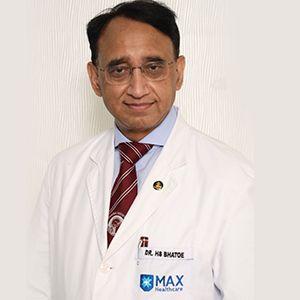
Brig. Dr. H.S. Bhatoe
Director - Neuro Surgery, Max Hospital, Saket & Patparganj
Neuro Surgery
New Delhi
50+ Years
Experience
Apolo Delhi
Hospital
1500
Fees
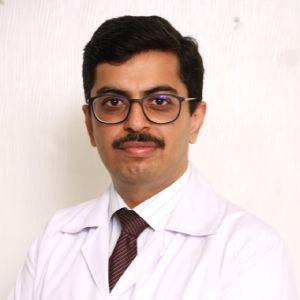
Dr. Abhideep Chaudhary
Chairman & HOD, HPB Surgery and Liver Transplantation
HPB Surgery, Liver Transplantation, Surgical Gastroenterology, Robotic Surgery, Biliary Sciences
New Delhi
20+ Years
Experience
Max Hospital,Gurgaon
Hospital
1500
Fees
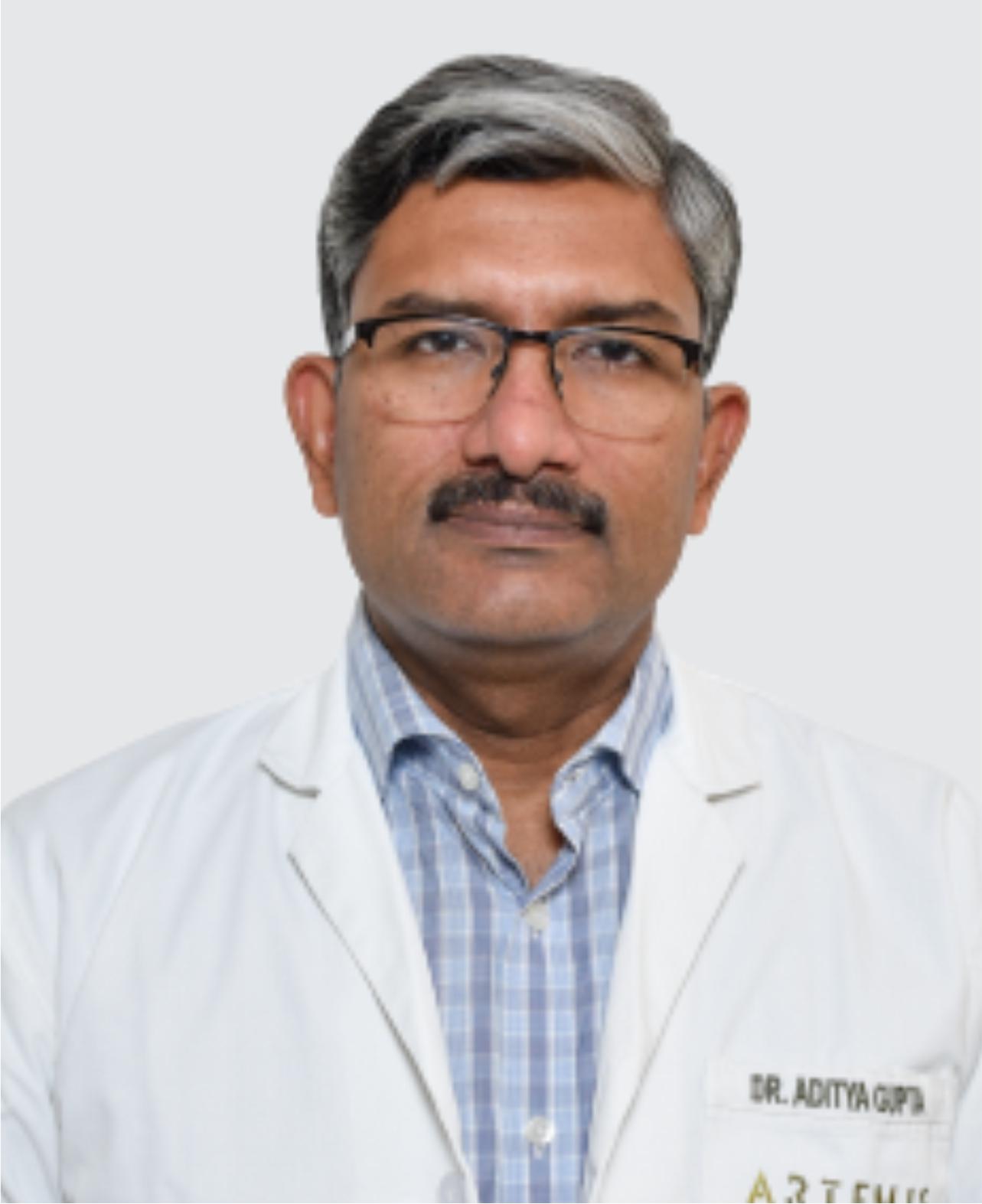
Dr. Aditya Gupta
Chairperson - Neurosurgery & CNS Radiosurgery & Co-Chief - Cyberknife Centre, Artemis Hospitals, Gurgaon
Neurosurgeon
Haryana
32+ Years
Experience
Artemis Hospital
Hospital
1500
Fees
Dr. Ajay Lall
Principal Director - Pulmonology
Pulmonology
New Delhi
40+ Years
Experience
Max Hospital,Gurgaon
Hospital
1500
Fees
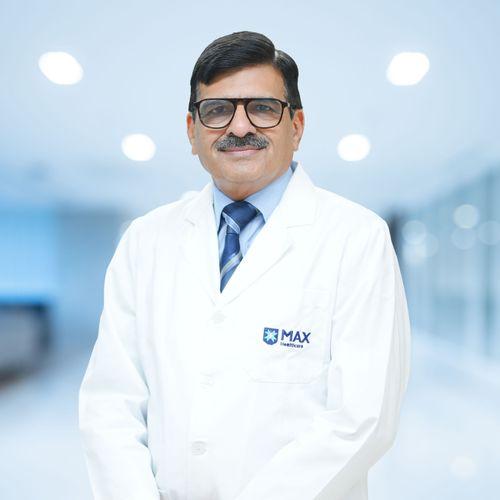
Dr. Alok Joshi
Director
Neurosciences
New Delhi
14+ Years
Experience
Apolo Delhi
Hospital
1500
Fees
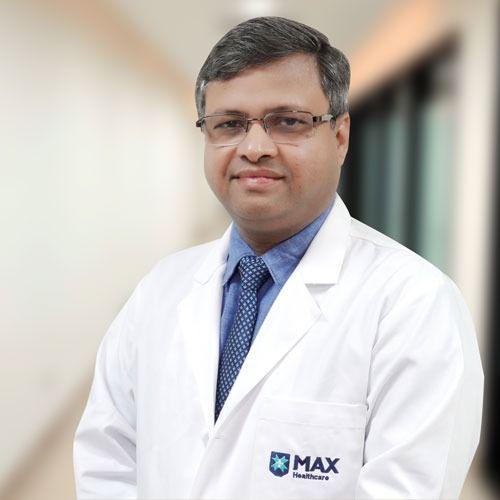
Dr. Amit Shrivastava
Director
Neurology
New Delhi
20+ Years
Experience
Apolo Delhi
Hospital
1500
Fees
Dr. Anil Sharma
Director
Neurology
New Delhi
30+ Years
Experience
Apolo Delhi
Hospital
1500
Fees
Dr. Anita Sethi
Director
Neurology
New Delhi
28+ Years
Experience
Apolo Delhi
Hospital
1500
Fees
Dr. Anjali Vaish
Consultant - Physiotherapy and Rehabilitation Centre
Physiotherapy and Rehabilitation Centre
New Delhi
10+ Years
Experience
Artemis Hospital
Hospital
1500
Fees
Dr. Arun Saroha
Director & HOD
Neurosurgery
New Delhi
30+ Years
Experience
Apolo Delhi
Hospital
1500
Fees
DivinHeal's Journey
Latest Articles




Hospitals Offering this treatment
India offers premium medical procedures at affordable prices. Discover our most popular treatments, delivered by the country's finest doctors.
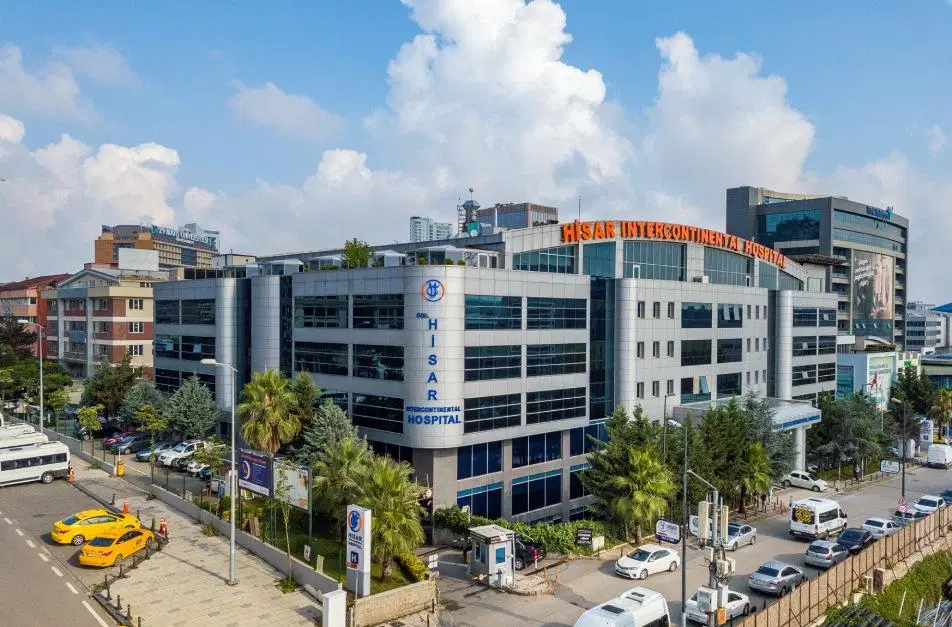
Hisar Intercontinental Hospital
Saray Mah. Siteyolu Cad. No:7, Umraniye, 34768, Istanbul, Turkey
Hisar Intercontinental Hospital
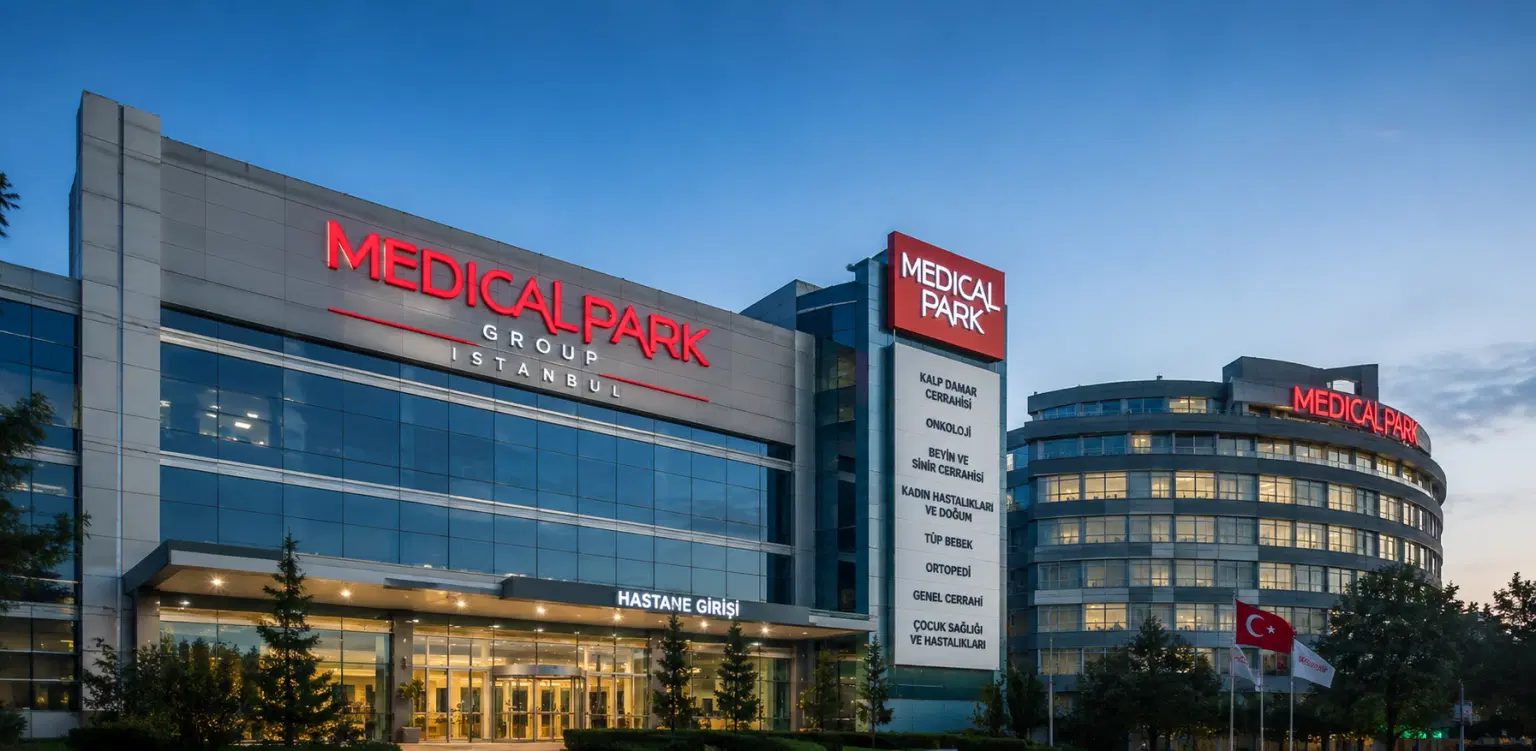
Medical Park Group, Istanbul
Fahrettin Kerim Gokay Cad. Tıbbiye Cd., Kadikoy, Istanbul, Turkey
Medical Park Group, Istanbul
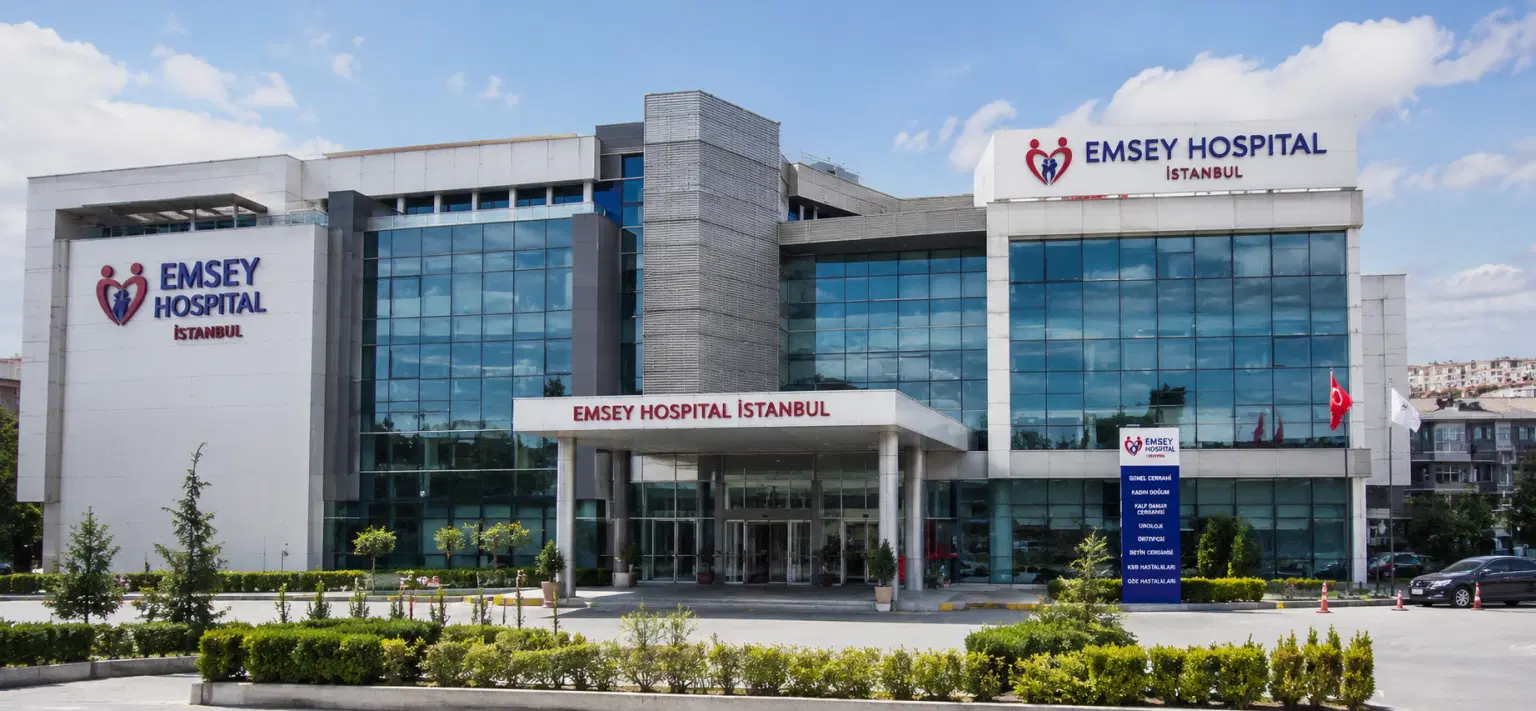
Emsey Hospital, Pendik, Istanbul
Çamlık, Selçuklu Cd. No:22, 34912 Pendik/İstanbul, Türkiye
Emsey Hospital, Pendik, Istanbul
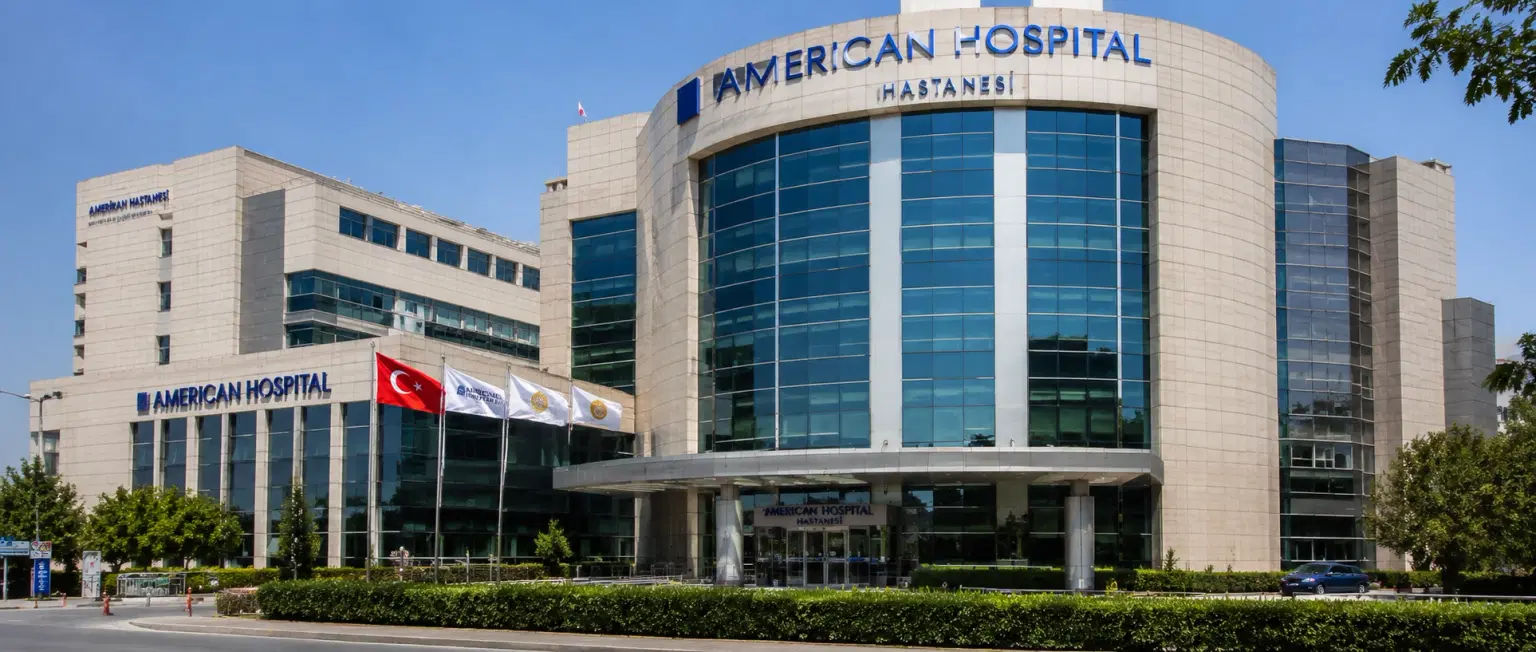
American Hospital, Istanbul
Guzelbahce Sk. No:20, 34365, Nisantasi, Istanbul, Turkey
American Hospital, Istanbul
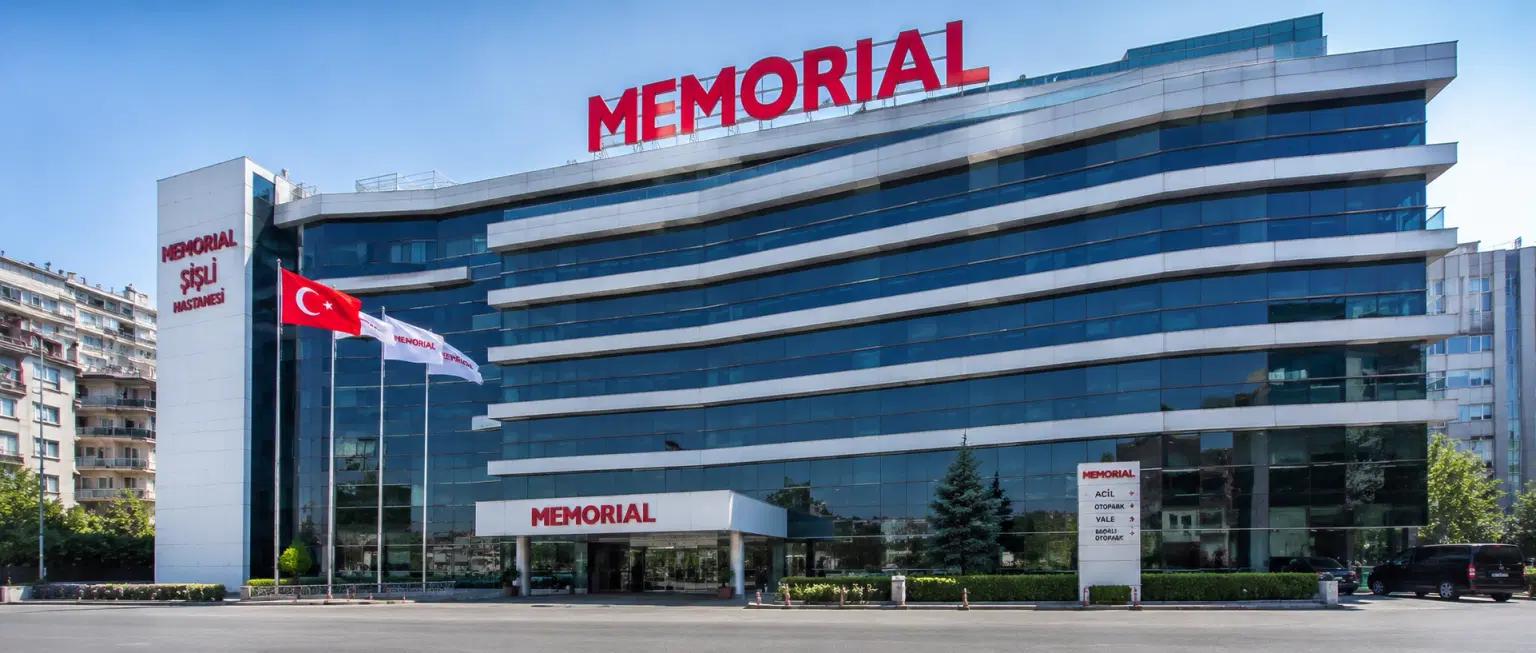
Memorial Hospitals Group
Burhaniye, Nagehan Sokağı No:4/A D:1, 34676 Üsküdar/İstanbul, Türkiye
Memorial Hospitals Group
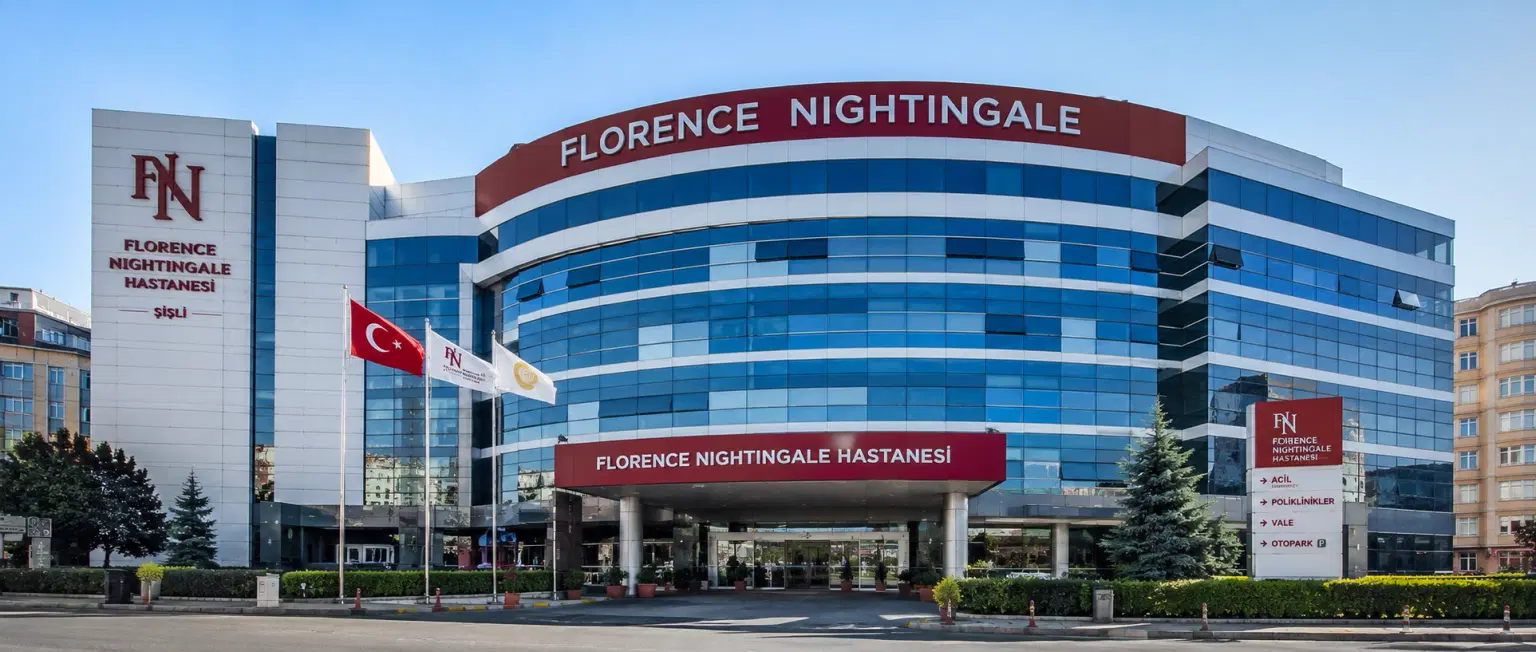
Florence Nightingale Hospital Istanbul
Abide-i Hürriyet Cd No:166, 34381 Sisli, Istanbul
Florence Nightingale Hospital Istanbul
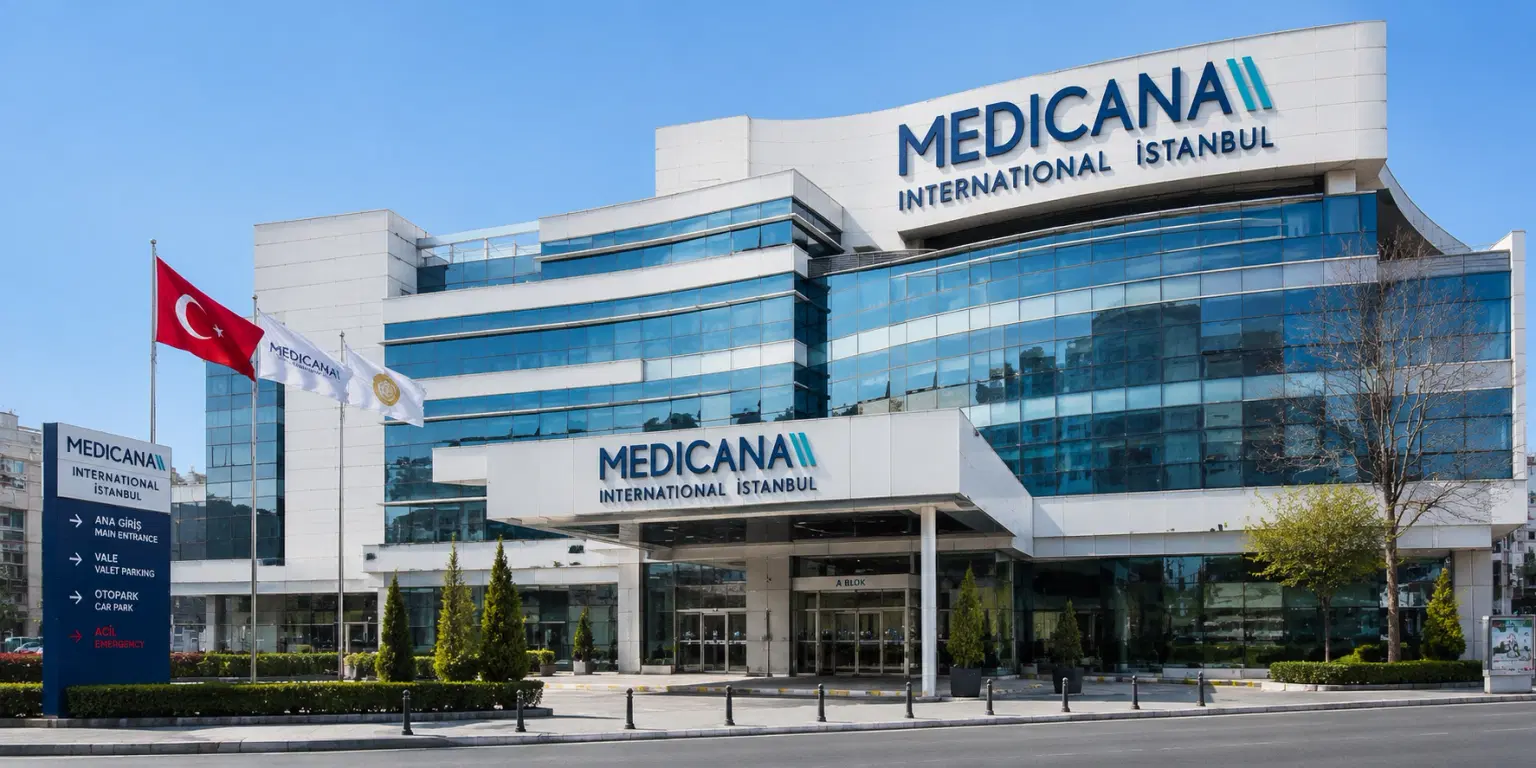
Medicana International Hospital, Istanbul
Halit Ziya Turkkani Mah. Medikal Park Cd. No:1, Beylikdüzü, İstanbul
Medicana International Hospital, Istanbul
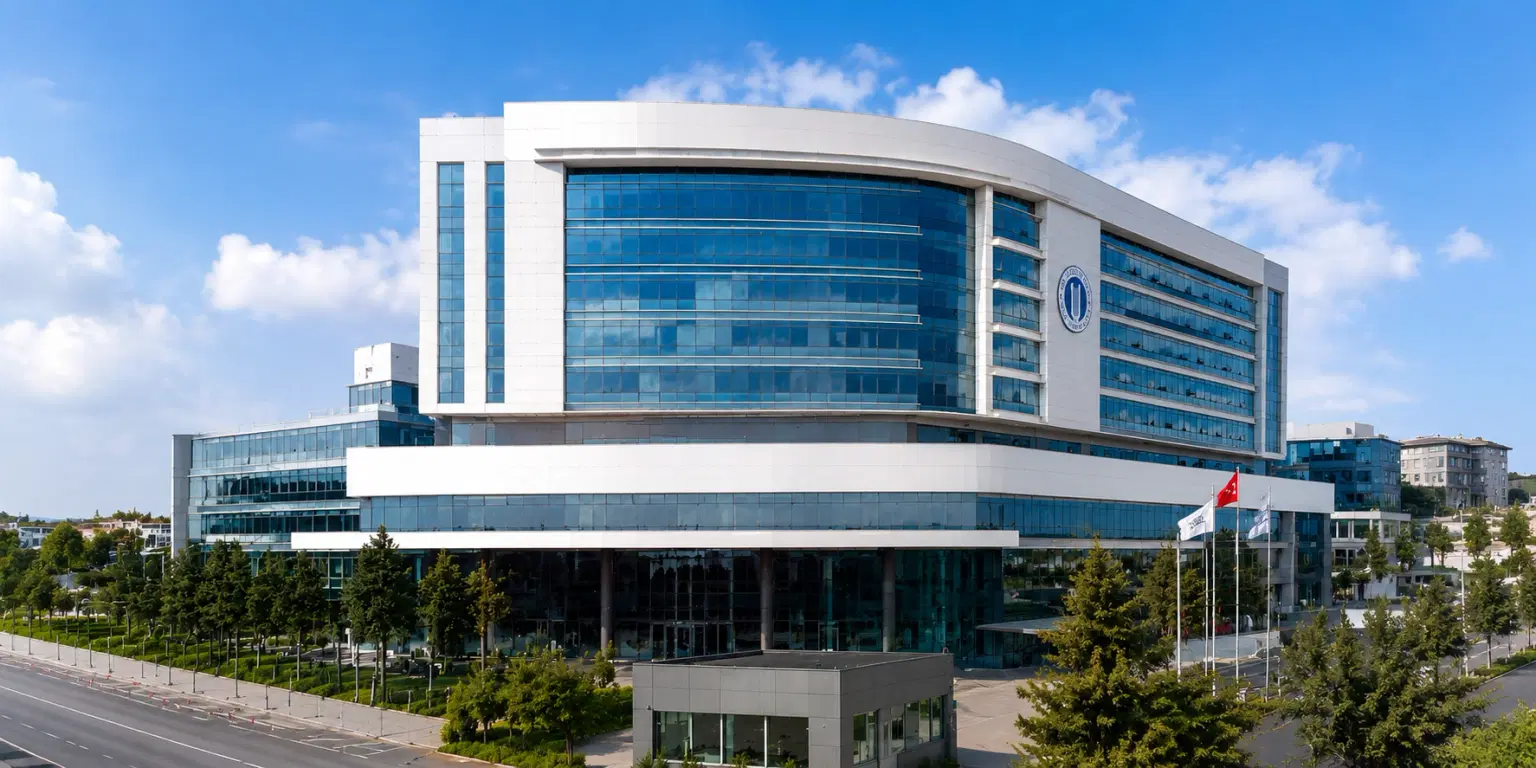
Okan University Hospital Istanbul
Icmeler Mah. Aydınlıyolu Cd. No:2, 34947 Icmeler-Tuzla, Istanbul
Okan University Hospital Istanbul
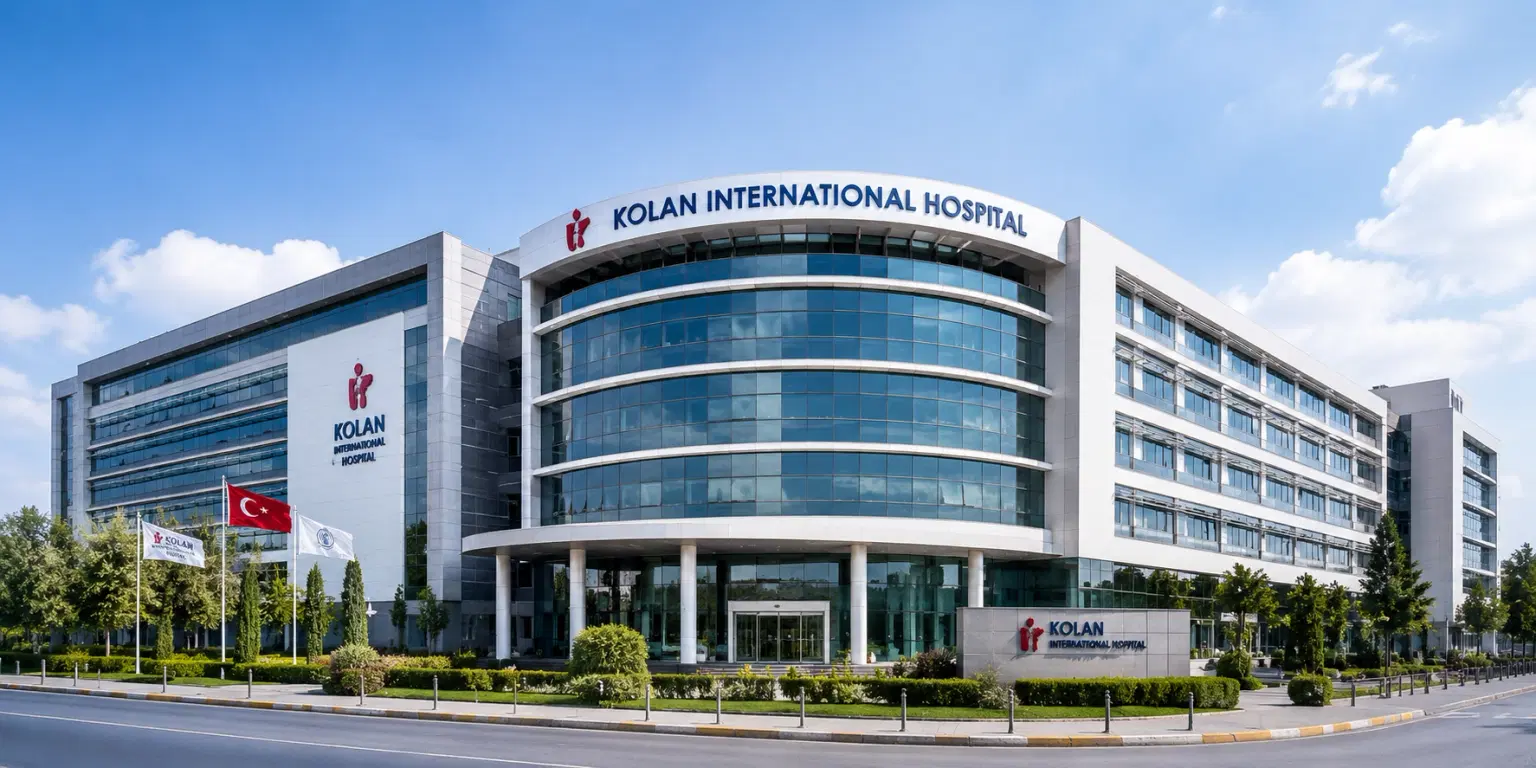
Kolan International Hospital, Istanbul
Kaptanpasa Mah. Okmeydan Kavsagi, Darulaceze Cd. No:14, 34384 Sisli, Istanbul
Kolan International Hospital, Istanbul
Frequently Asked Questions
Get answers to common questions about medical tourism, treatment procedures, and our comprehensive healthcare services.
Ready To Start Your Healing Journey?
Get Personalized Medical Treatment Options From India's Top Hospitals. Our Medical Experts Are Ready To Assist You Every Step Of The Way.