Centres Of Excellence
Our Centres of Excellence bring together multidisciplinary teams to deliver precise diagnosis, advanced treatments, and superior outcomes across a wide spectrum of medical specialties.
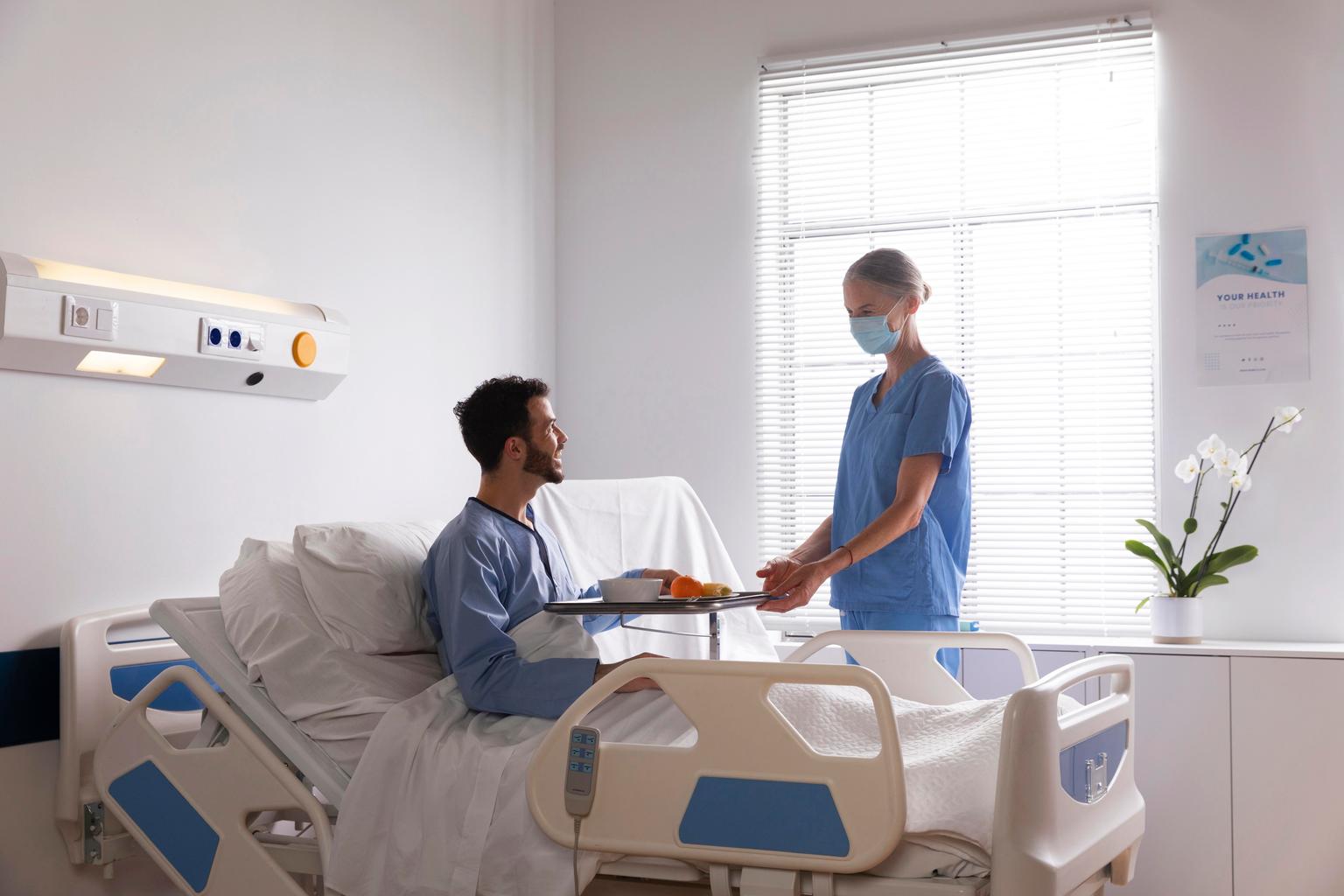
OVERVIEW
Paediatric Neurology treatment aims to accurately diagnose neurological disorders in children, implement effective management strategies, and provide long-term care to improve their quality of life. Techniques include advanced diagnostic imaging, genetic testing, medication management, specialized therapies (physical, occupational, speech), and lifestyle interventions, often within a multidisciplinary team approach.
PROCEDURE
Paediatric Neurology treatment typically involves a thorough clinical evaluation, including detailed medical history and neurological examination. Diagnostic procedures may include MRI or CT scans of the brain/spine, Electroencephalogram (EEG) for seizure disorders, Electromyography (EMG) and Nerve Conduction Studies (NCS) for neuromuscular conditions, and genetic testing. Based on the diagnosis, a treatment plan is formulated, which can involve antiepileptic drugs, immunomodulators, neuro-rehabilitation programs (physical, occupational, speech therapy), dietary interventions, and sometimes neurosurgical consultations for specific conditions like hydrocephalus or intractable epilepsy. The approach is highly individualized, focusing on optimizing neurological function and developmental potential.
BENEFITS
Benefits of Expert Paediatric Neurology Care
Accurate and Timely Diagnosis
Leveraging advanced diagnostic tools and expert interpretation to identify complex neurological conditions early.
Personalized Treatment Plans
Tailored medical management, therapies, and interventions designed for the child's specific condition and developmental stage.
Improved Developmental Outcomes
Therapeutic interventions aimed at maximizing a child's physical, cognitive, and social development.
Enhanced Quality of Life
Effective symptom management, seizure control, and reduction of neurological deficits lead to a better quality of life for the child and family.
Access to Multidisciplinary Teams
Holistic care involving neurologists, neurosurgeons, therapists, geneticists, and psychologists for comprehensive support.
Hope and Reassurance for Families
Compassionate care and clear communication provide families with support and understanding throughout their child's journey.
RECOVERY
Recovery and Long-Term Management in Paediatric Neurology
Recovery in Paediatric Neurology is often a journey of ongoing management, rehabilitation, and developmental support rather than a single 'cure.' For conditions like epilepsy, recovery involves achieving seizure control and minimizing medication side effects. For developmental disorders, recovery focuses on achieving developmental milestones through intensive therapies.
Ongoing Medical Management
Regular follow-ups, medication adjustments, and monitoring of the child's neurological status are essential.
Rehabilitation Therapies
Physical therapy, occupational therapy, and speech therapy are crucial for improving motor skills, daily living activities, and communication.
Educational and Behavioral Support
Specialized educational programs and behavioral interventions may be necessary to support learning and social development.
Family Support and Counselling
Providing resources, support groups, and psychological counseling for families navigating the challenges of a child's neurological condition.
Lifestyle Modifications
Implementing dietary changes (e.g., ketogenic diet for epilepsy) and promoting healthy sleep patterns and physical activity.
DivinHeal's comprehensive care extends to coordinating post-treatment follow-ups and connecting families with long-term rehabilitation and support networks, ensuring sustained progress and well-being.
WHAT WE TREAT
Conditions Treated in Paediatric Neurology
Epilepsy and Seizure Disorders
Cerebral Palsy and Movement Disorders
Developmental Delays and Autism Spectrum Disorders
Headaches and Migraines in Children
Neuromuscular Disorders (e.g., Muscular Dystrophy)
Neuro-metabolic and Genetic Disorders
Neuro-inflammatory Conditions (e.g., Multiple Sclerosis)
Brain and Spinal Cord Tumours (in conjunction with oncology)
Hydrocephalus
Spina Bifida and other Congenital Malformations
PREPARATION
Parents preparing for a Paediatric Neurology consultation should gather all relevant medical records, including previous test results, immunization history, and a detailed account of the child's symptoms, developmental milestones, and any current medications. Be prepared to discuss family medical history. It's helpful to write down questions or concerns beforehand. Ensuring the child is well-rested and comfortable can facilitate a smoother examination.
RISKS
Risks associated with Paediatric Neurology treatment largely depend on the specific condition and chosen therapies. These can include side effects from medications (e.g., drowsiness, gastrointestinal upset, allergic reactions), potential risks associated with diagnostic procedures like sedation for MRI, and the challenges of managing chronic neurological conditions. It's important to discuss all potential risks and benefits with the medical team. For certain interventions like Vagus Nerve Stimulation (VNS) or Deep Brain Stimulation (DBS), surgical risks apply.
JOURNEY
The patient journey in Paediatric Neurology typically begins with initial symptoms, leading to a specialist consultation and comprehensive diagnostic workup. This often includes imaging (MRI, CT), EEG, genetic tests, and detailed neurological exams. Following diagnosis, a personalized treatment plan is developed, encompassing medication, therapy, and ongoing monitoring. DivinHeal guides families through every step, from initial inquiry and visa assistance to hospital admission, treatment coordination, and post-treatment follow-up, ensuring a seamless and supportive experience.
OUTCOMES
Expected outcomes include improved symptom control, enhanced developmental progress, better quality of life, and reduced disability progression. Early intervention in Paediatric Neurology often leads to significant long-term benefits for the child's well-being.
Related Links
Doctors For Treatment in Similar Locations
- Best Paediatric Neurology Doctors in Bengaluru
- Best Paediatric Neurology Doctors in Chennai
- Best Paediatric Neurology Doctors in Gurugram
- Best Paediatric Neurology Doctors in Hyderabad
- Best Paediatric Neurology Doctors in India
- Best Paediatric Neurology Doctors in Mumbai
- Best Paediatric Neurology Doctors in New Delhi
- Best Paediatric Neurology Doctors in Pune
Best Hospital Near by for treatment
- Best Paediatric Neurology Hospitals in Bengaluru
- Best Paediatric Neurology Hospitals in Chennai
- Best Paediatric Neurology Hospitals in Gurugram
- Best Paediatric Neurology Hospitals in Hyderabad
- Best Paediatric Neurology Hospitals in India
- Best Paediatric Neurology Hospitals in Mumbai
- Best Paediatric Neurology Hospitals in New Delhi
- Best Paediatric Neurology Hospitals in Pune
Related Treatments
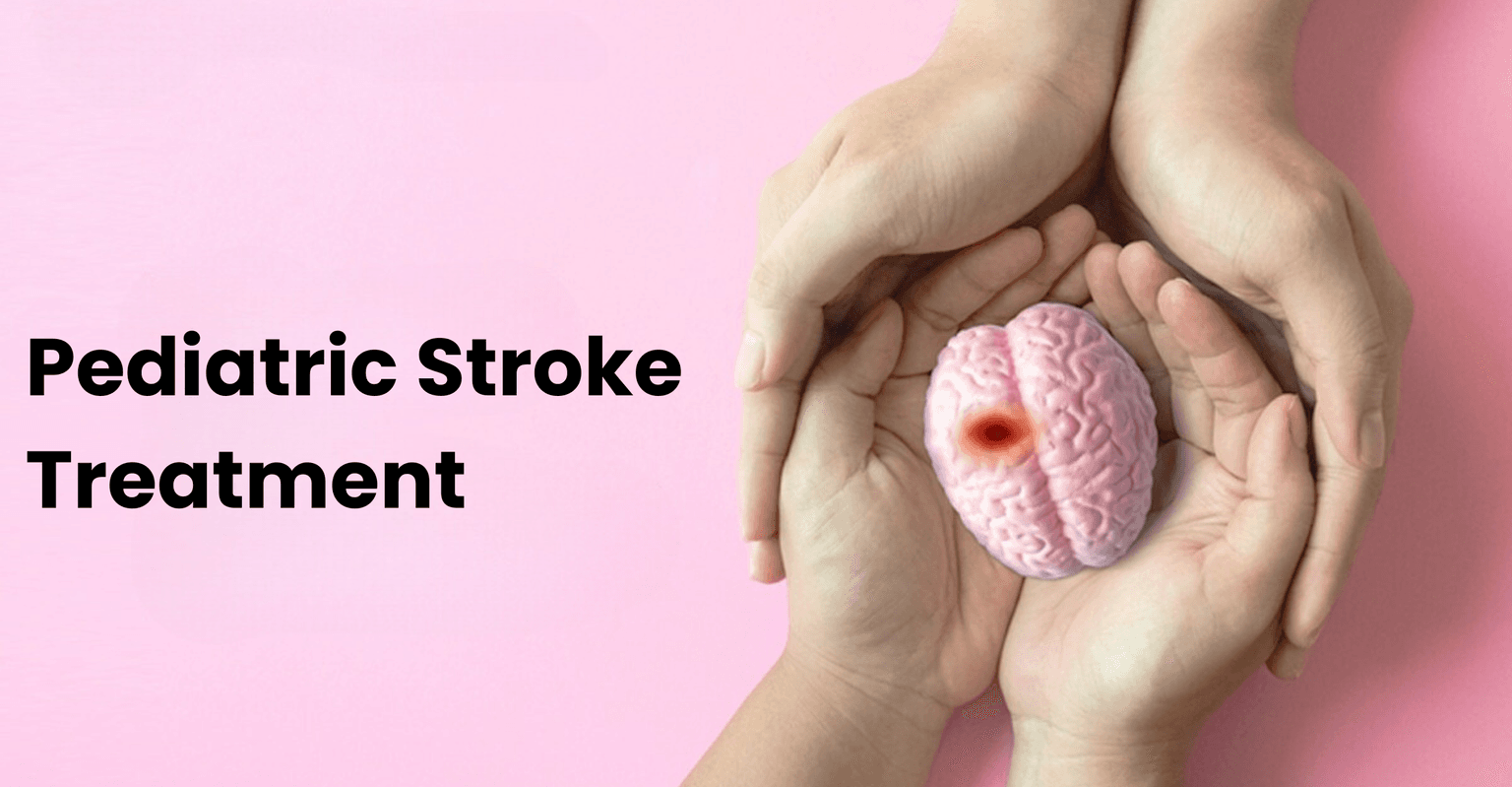
Pediatric Stroke Treatment
Treatment Price
$8000.00 USDThe primary goals of pediatric stroke treatment are rapid diagnosis and acute intervention to restore blood flow or control bleeding, followed by comprehensive rehabilitation to support neurological recovery and adaptation.
Treatment Overview
The primary goals of pediatric stroke treatment are rapid diagnosis and acute intervention to restore blood flow or control bleeding, followed by comprehensive rehabilitation to support neurological recovery and adaptation.
Procedures
Pediatric stroke treatment typically begins with an immediate medical assessment upon suspicion of stroke, including neurological exams and advanced imaging (MRI, CT scans). For ischemic strokes, acute interventions may include clot-busting medications (thrombolytics) or mechanical thrombectomy to remove a clot, if applicable and within the therapeutic window. For hemorrhagic strokes, management focuses on controlling bleeding, reducing intracranial pressure, and surgical intervention (e.g., aneurysm clipping, AVM embolization) if necessary. Following acute care, the child transitions to a comprehensive rehabilitation program, tailored to their specific deficits. This involves intensive physical, occupational, and speech therapy, often complemented by medication management for seizure control, blood pressure regulation, or prevention of future strokes. Long-term follow-up and neuropsychological support are integral parts of the ongoing care plan.
Benefits
<h2>Benefits of Advanced Pediatric Stroke Treatment</h2><ul><li><strong>Minimized Brain Damage:</strong> Timely intervention can significantly limit the extent of neurological injury.</li><li><strong>Enhanced Recovery:</strong> Comprehensive rehabilitation maximizes the child's potential for functional recovery in motor, cognitive, and speech domains.</li><li><strong>Improved Quality of Life:</strong> Tailored therapies help children regain independence and participate in daily activities.</li><li><strong>Prevention of Recurrence:</strong> Addressing underlying causes and ongoing management reduces the risk of future strokes.</li><li><strong>Emotional Support:</strong> Integrated psychological and family counseling supports both the child and caregivers through the challenging journey.</li></ul>
Recovery Information
<h2>Pediatric Stroke Recovery: A Journey of Resilience</h2><p>Recovery from pediatric stroke is a highly individualized and often prolonged process, differing significantly from adults due to the developing brain's plasticity. Acute recovery typically involves stabilization in an intensive care unit (NICU/PICU) for days to weeks, followed by inpatient rehabilitation. Full functional recovery can take months to years, with ongoing outpatient therapies essential.</p><h3>Key Aspects of Recovery:</h3><ul><li><strong>Physical Therapy:</strong> To improve muscle strength, coordination, and mobility.</li><li><strong>Occupational Therapy:</strong> To enhance fine motor skills, daily living activities, and cognitive functions.</li><li><strong>Speech and Language Therapy:</strong> To address difficulties with speaking, understanding, and swallowing.</li><li><strong>Neuropsychological Support:</strong> To manage cognitive deficits, emotional challenges, and behavioral changes.</li><li><strong>Long-term Follow-up:</strong> Regular monitoring by pediatric neurologists to assess progress, adjust medications, and identify potential complications.</li></ul><p>DivinHeal provides resources and support for families navigating the recovery phase, connecting them with expert rehabilitation centers and care providers.</p>

Pediatric Movement Disorders
Treatment Price
$0.00 USDNo overview available
Treatment Overview
No overview available
Procedures
No procedure details available
Benefits
No benefits information available
Recovery Information
No recovery information available
Autism Spectrum Disorder Evaluation
Treatment Price
$0.00 USDNo overview available
Treatment Overview
No overview available
Procedures
No procedure details available
Benefits
No benefits information available
Recovery Information
No recovery information available
Developmental Delay Evaluation
Treatment Price
$0.00 USDNo overview available
Treatment Overview
No overview available
Procedures
No procedure details available
Benefits
No benefits information available
Recovery Information
No recovery information available
Neuromuscular Disorders (DMD, SMA)
Treatment Price
$0.00 USDNo overview available
Treatment Overview
No overview available
Procedures
No procedure details available
Benefits
No benefits information available
Recovery Information
No recovery information available
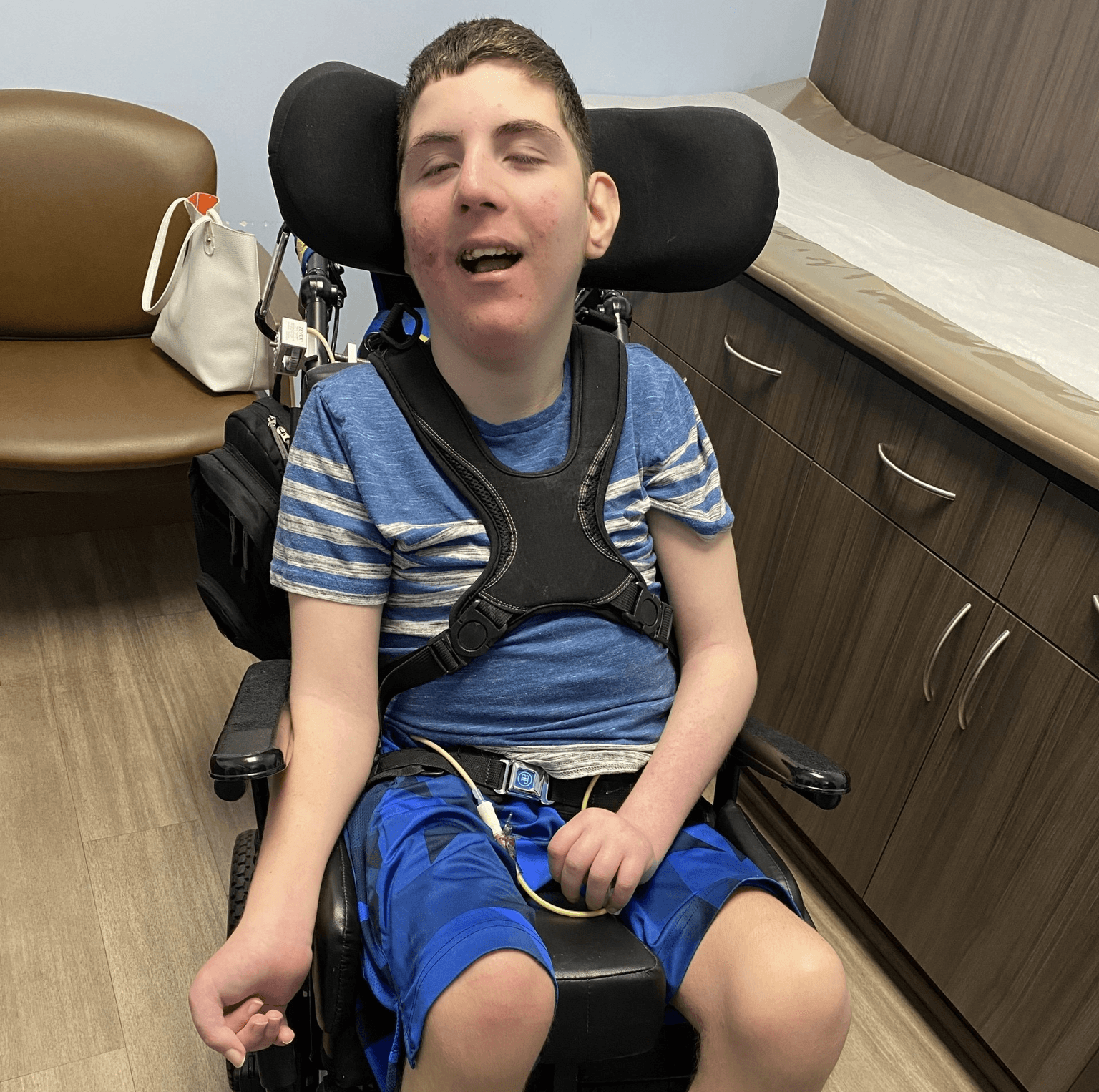
Cerebral Palsy
Treatment Price
$6000.00 USDCerebral Palsy (CP) treatment aims to optimize physical abilities, prevent complications, and foster independence. Our approach at DivinHeal emphasizes early intervention, comprehensive rehabilitation, and access to advanced medical and surgical options. We connect patients with leading pediatric neurologists, rehabilitation specialists, and orthopedic surgeons in India, ensuring a holistic care strategy tailored to each patient's unique needs.
Treatment Overview
Cerebral Palsy (CP) treatment aims to optimize physical abilities, prevent complications, and foster independence. Our approach at DivinHeal emphasizes early intervention, comprehensive rehabilitation, and access to advanced medical and surgical options. We connect patients with leading pediatric neurologists, rehabilitation specialists, and orthopedic surgeons in India, ensuring a holistic care strategy tailored to each patient's unique needs.
Procedures
Cerebral Palsy treatment is a multifaceted approach, typically involving a combination of therapies, medications, and sometimes surgery. <br/><b>Non-Surgical Procedures:</b><br/>1. <b>Physical Therapy (PT):</b> Focuses on improving muscle strength, flexibility, balance, posture, and gross motor skills through exercises, stretching, and specialized techniques.<br/>2. <b>Occupational Therapy (OT):</b> Aims to enhance fine motor skills, coordination, and activities of daily living (ADLs) such as eating, dressing, and writing.<br/>3. <b>Speech and Language Therapy (SLT):</b> Addresses communication difficulties, feeding, and swallowing issues.<br/>4. <b>Medication Management:</b> Oral medications (e.g., muscle relaxants like baclofen, diazepam) or injections (e.g., Botulinum toxin type A) are used to reduce spasticity, control seizures, or manage pain.<br/>5. <b>Orthotics and Assistive Devices:</b> Use of braces, splints, walkers, wheelchairs, and communication aids to support mobility and independence.<br/><br/><b>Surgical Procedures (if indicated):</b><br/>1. <b>Selective Dorsal Rhizotomy (SDR):</b> A neurosurgical procedure that involves selectively cutting sensory nerve rootlets in the spinal cord to reduce severe spasticity in the legs.<br/>2. <b>Orthopedic Surgery:</b> Procedures such as tendon lengthening, osteotomies (bone cutting/reshaping), or joint fusions to correct musculoskeletal deformities, improve joint alignment, and enhance mobility.<br/>3. <b>Baclofen Pump Implantation:</b> A small pump is surgically implanted under the skin, delivering baclofen directly into the spinal fluid to control severe generalized spasticity.
Benefits
<h2>Benefits of Comprehensive Cerebral Palsy Treatment</h2><ul><li><h3>Improved Motor Function and Mobility</h3><p>Targeted physical and occupational therapies significantly enhance strength, coordination, balance, and gait, leading to greater independence.</p></li><li><h3>Reduced Spasticity and Pain</h3><p>Medications, injections (like Botox), and surgical options (e.g., Selective Dorsal Rhizotomy) can effectively reduce muscle stiffness, spasms, and associated pain, improving comfort and movement.</p></li><li><h3>Enhanced Communication Skills</h3><p>Speech and language therapy helps individuals with Cerebral Palsy develop clearer communication, improve feeding abilities, and use augmentative and alternative communication (AAC) devices.</p></li><li><h3>Better Quality of Life</h3><p>By addressing physical, communication, and daily living challenges, treatment aims to improve overall well-being, participation in social activities, and educational/vocational prospects.</p></li><li><h3>Prevention of Secondary Complications</h3><p>Proactive management helps prevent issues like contractures, bone deformities, pressure sores, and other complications associated with limited mobility.</p></li><li><h3>Increased Independence</h3><p>Through a combination of therapies, assistive devices, and surgical interventions, many individuals achieve greater autonomy in daily activities, fostering self-reliance.</p></li></ul>
Recovery Information
<h2>Cerebral Palsy Recovery: A Lifelong Journey of Progress and Support</h2><p>For individuals with Cerebral Palsy, 'recovery' is often understood as a continuous journey of progress, adaptation, and functional improvement rather than a complete cure. The recovery timeline and process are highly individualized, depending on the severity of CP, the specific treatments received, and the patient's commitment to rehabilitation.</p><h3>Immediate Post-Treatment Phase (e.g., Post-Surgery or Intensive Therapy)</h3><ul><li><strong>Hospital Stay:</strong> Varies from a few days for minor procedures or initial assessment to 2-4 weeks for complex surgeries like Selective Dorsal Rhizotomy (SDR), involving initial physical therapy.</li><li><strong>Pain Management:</strong> Essential after surgical interventions, managed with prescribed medications.</li><li><strong>Early Mobilization:</strong> Begins as soon as medically appropriate, focusing on gentle movements and exercises.</li></ul><h3>Short-Term Recovery (Weeks to Months)</h3><ul><li><strong>Intensive Rehabilitation:</strong> A critical phase involving daily or frequent physical, occupational, and sometimes speech therapy sessions. This helps rebuild strength, improve range of motion, and retrain motor patterns.</li><li><strong>Home Exercise Programs:</strong> Patients and caregivers are taught specific exercises and stretches to continue at home, reinforcing gains made in therapy.</li><li><strong>Monitoring and Adjustments:</strong> Regular follow-ups with the medical team to assess progress, adjust medication, and modify therapy plans as needed.</li></ul><h3>Long-Term Management and Wellness</h3><ul><li><strong>Ongoing Therapy:</strong> Many individuals with Cerebral Palsy benefit from continued therapy throughout their lives, adapting to new challenges and maintaining functional abilities.</li><li><strong>Lifestyle Modifications:</strong> Incorporating regular physical activity, a balanced diet, and sufficient rest to support overall health.</li><li><strong>Assistive Devices:</strong> Learning to effectively use orthotics, walkers, wheelchairs, or communication devices to enhance independence.</li><li><strong>Emotional and Psychological Support:</strong> Access to counseling or support groups for patients and families is crucial for coping with the challenges of CP and fostering resilience.</li></ul><p>DivinHeal provides comprehensive support throughout this journey, from coordinating post-treatment rehabilitation plans to facilitating access to long-term care resources. We believe in empowering individuals with Cerebral Palsy to achieve their fullest potential and lead fulfilling lives.</p>
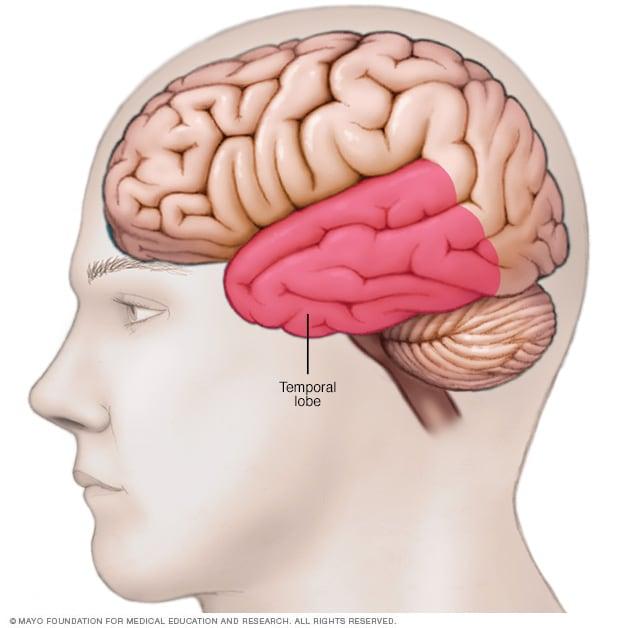
Pediatric Epilepsy Surgery
Treatment Price
$10000.00 USDPediatric Epilepsy Surgery involves advanced diagnostic mapping to identify the seizure-generating zone in the brain. The primary goal is to achieve lasting seizure freedom, improve neurodevelopmental outcomes, and reduce reliance on anti-epileptic medications. Techniques range from focal resections and hemispherectomies to corpus callosotomies, tailored meticulously to each child's unique neurological profile.
Treatment Overview
Pediatric Epilepsy Surgery involves advanced diagnostic mapping to identify the seizure-generating zone in the brain. The primary goal is to achieve lasting seizure freedom, improve neurodevelopmental outcomes, and reduce reliance on anti-epileptic medications. Techniques range from focal resections and hemispherectomies to corpus callosotomies, tailored meticulously to each child's unique neurological profile.
Procedures
Pediatric Epilepsy Surgery begins with a meticulous pre-surgical evaluation phase, which includes extensive diagnostic tests like prolonged video-EEG monitoring, high-resolution brain MRI, and possibly PET or SPECT scans to precisely identify the seizure-generating zone. During surgery, the child is placed under general anesthesia. A craniotomy is performed to access the brain. Depending on the planned procedure, intraoperative electrocorticography (ECoG) may be used to confirm the epileptogenic zone, and functional mapping might be performed to spare critical areas. The identified brain tissue is then either carefully resected, or critical nerve pathways are disconnected. The bone flap is replaced, and the scalp is closed. The entire process is guided by advanced neuro-navigation systems to ensure precision and safety.
Benefits
<h2>Benefits of Pediatric Epilepsy Surgery</h2><ul><li><strong>Seizure Freedom:</strong> The primary benefit is a high chance of achieving complete seizure freedom or significantly reducing seizure frequency and severity.</li><li><strong>Improved Cognitive and Developmental Outcomes:</strong> By eliminating seizures, children often experience better cognitive function, speech development, and motor skills, directly addressing developmental delays caused by uncontrolled epilepsy.</li><li><strong>Reduced Medication Burden:</strong> Many children can reduce or even discontinue anti-epileptic medications, mitigating their associated side effects and improving overall well-being.</li><li><strong>Enhanced Quality of Life:</strong> Seizure control leads to greater independence, participation in school, and improved social interaction, offering a more normal and fulfilling childhood.</li><li><strong>Hope for the Future:</strong> Offers a profound sense of hope and a clear path towards a healthier, seizure-free future, significantly impacting the child's and family's long-term outlook.</li></ul>
Recovery Information
<h2>Recovery and Life After Pediatric Epilepsy Surgery</h2><h3>Immediate Post-Operative Care</h3><p>After Pediatric Epilepsy Surgery, children typically spend a few days in the intensive care unit (ICU) for close monitoring, followed by a stay on a regular ward for approximately 7-10 days. During this time, effective pain management is a priority, and neurological function is closely observed. Early mobilization and gentle activities are encouraged as tolerated to aid recovery.</p><h3>Recovery Timeline</h3><ul><li><strong>Hospital Stay:</strong> 7-10 days, depending on the complexity of the surgery and the child's individual recovery progress.</li><li><strong>Initial Home Recovery:</strong> The first few weeks at home involve rest, careful wound care, and gradual return to light activities. Monitoring for any changes in behavior or seizure patterns is important.</li><li><strong>Full Recovery:</strong> It can take several months for the brain to fully heal and adapt. Seizure outcomes are typically assessed over 6-12 months post-surgery, with ongoing adjustments to medication if necessary.</li></ul><h3>Rehabilitation and Long-Term Wellness</h3><p>Many children benefit from comprehensive rehabilitation, including physical therapy, occupational therapy, and speech therapy, to maximize their developmental potential and address any post-surgical deficits. Ongoing follow-up with a pediatric neurologist and neuropsychologist is crucial to monitor seizure control, adjust medications, and support the child's overall well-being and academic integration. DivinHeal's care coordinators assist families in navigating these crucial post-operative phases, connecting them with expert rehabilitation services and ongoing support networks, ensuring a smooth Pediatric Epilepsy Surgery recovery time and tips are readily available.</p>
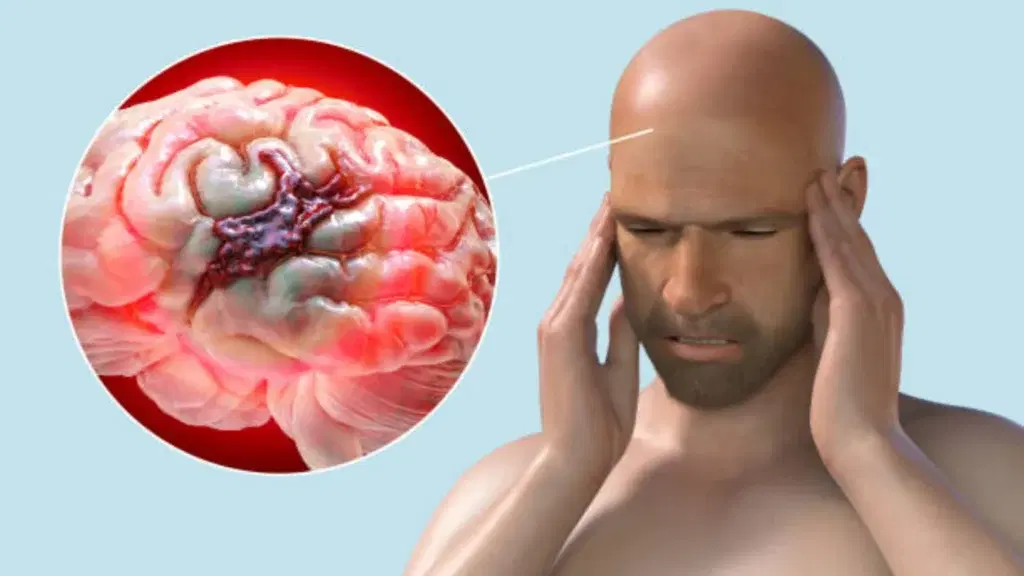
Brain Tumor Surgery in Children
Treatment Price
$10500.00 USDThis procedure involves replacing diseased or damaged bone and cartilage in the knee with prosthetic implants, significantly improving function and reducing chronic pain.
Treatment Overview
<p>This procedure involves replacing diseased or damaged bone and cartilage in the knee with prosthetic implants, significantly improving function and reducing chronic pain.</p>
Procedures
<h2>How Total Knee Replacement is Performed</h2><p>The surgeon makes an incision over the knee to expose the joint. The damaged surfaces of the thigh bone (femur) and shin bone (tibia) are precisely removed. Metal components are then cemented onto these prepared bone surfaces. A plastic spacer is inserted between the metal components to create a smooth gliding surface. If necessary, the kneecap (patella) underside is also resurfaced with a plastic button. The joint is then tested for alignment and stability before the incision is closed.</p>
Benefits
<p>Key benefits include profound pain reduction, restoration of mobility, and the ability to resume everyday activities, dramatically improving overall quality of life and independence.</p>
Recovery Information
<p>Recovery involves immediate physical therapy, progressing from walking with assistance to independent mobility over weeks. Full recovery, with significant strength and flexibility gains, typically spans 3-6 months.</p>
Hospitals Offering this treatment
India offers premium medical procedures at affordable prices. Discover our most popular treatments, delivered by the country's finest doctors.
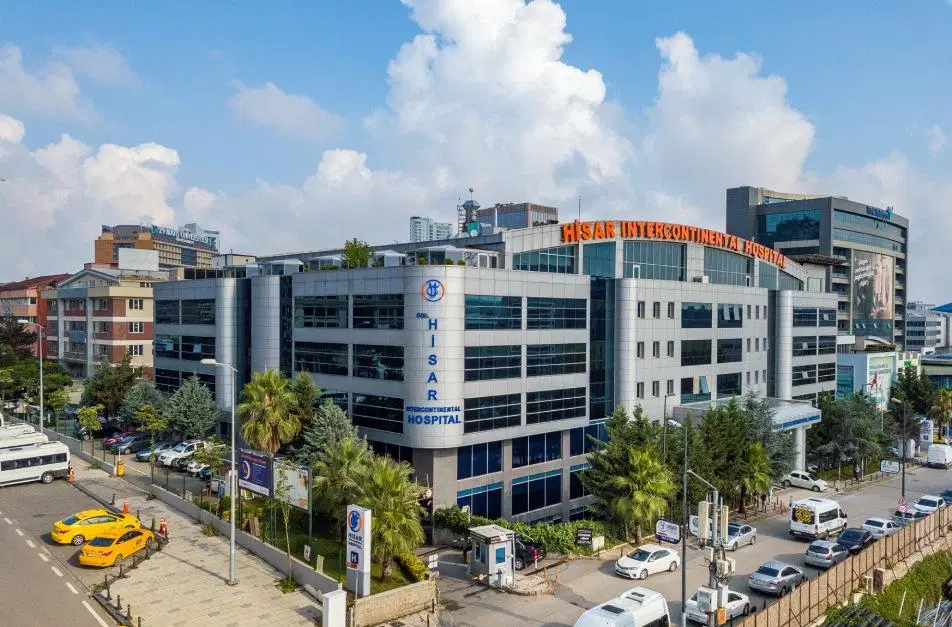
Hisar Intercontinental Hospital
Saray Mah. Siteyolu Cad. No:7, Umraniye, 34768, Istanbul, Turkey
Hisar Intercontinental Hospital
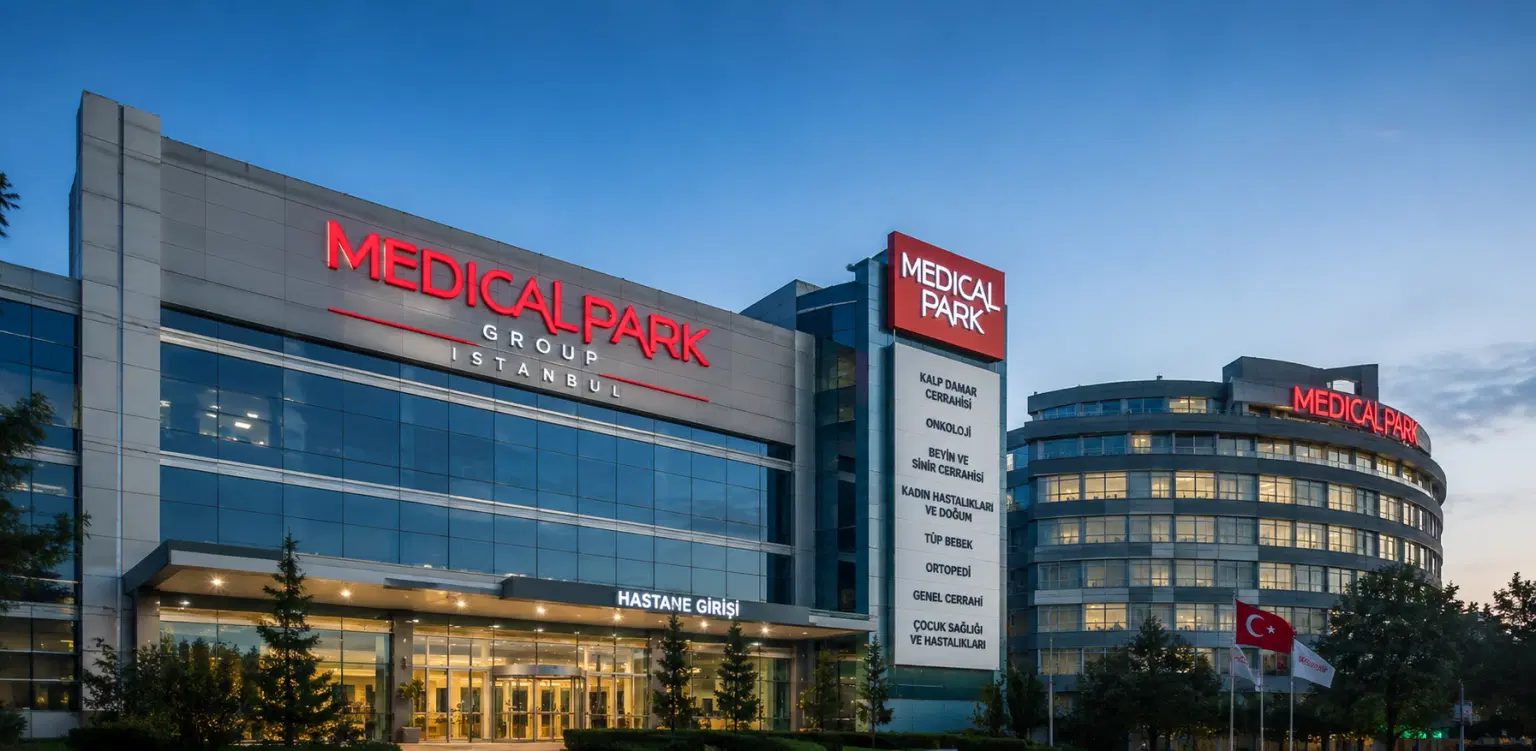
Medical Park Group, Istanbul
Fahrettin Kerim Gokay Cad. Tıbbiye Cd., Kadikoy, Istanbul, Turkey
Medical Park Group, Istanbul
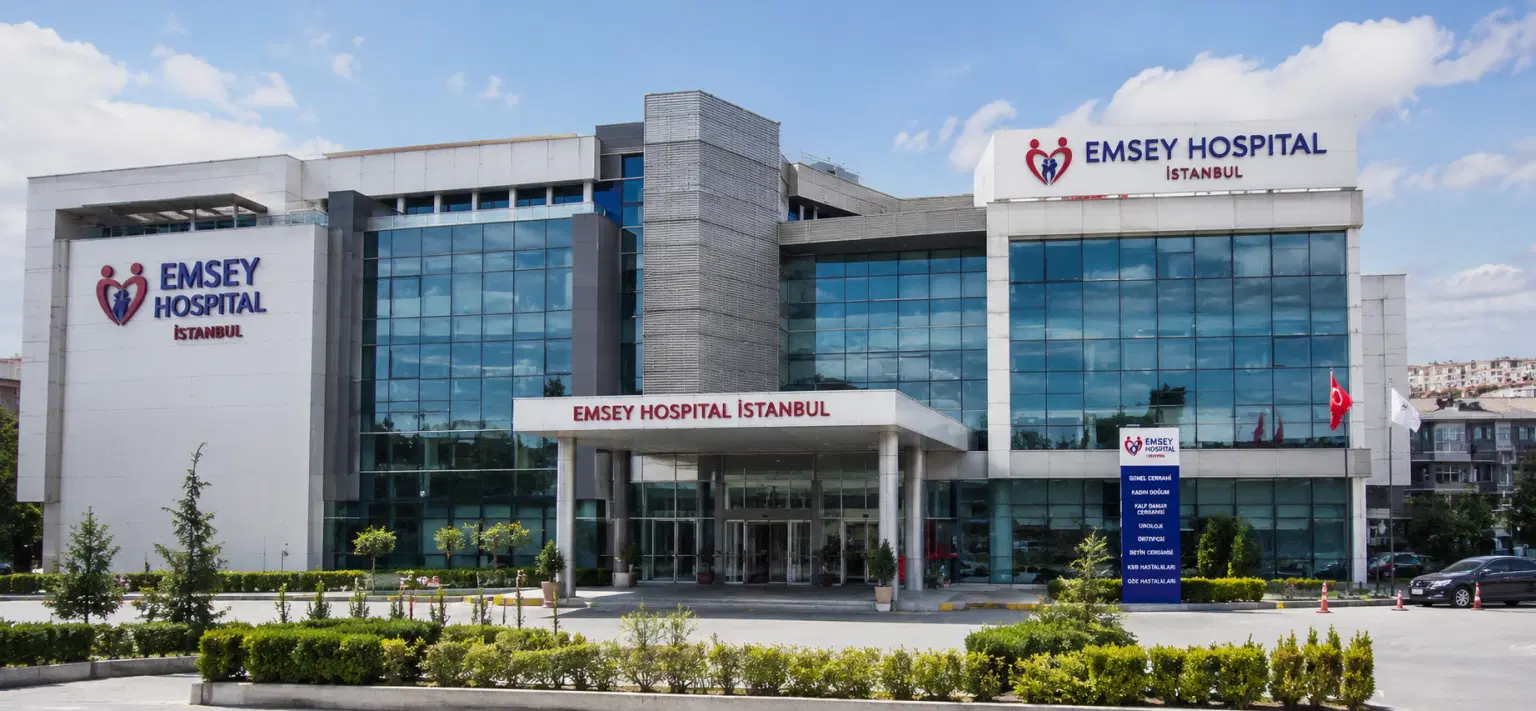
Emsey Hospital, Pendik, Istanbul
Çamlık, Selçuklu Cd. No:22, 34912 Pendik/İstanbul, Türkiye
Emsey Hospital, Pendik, Istanbul
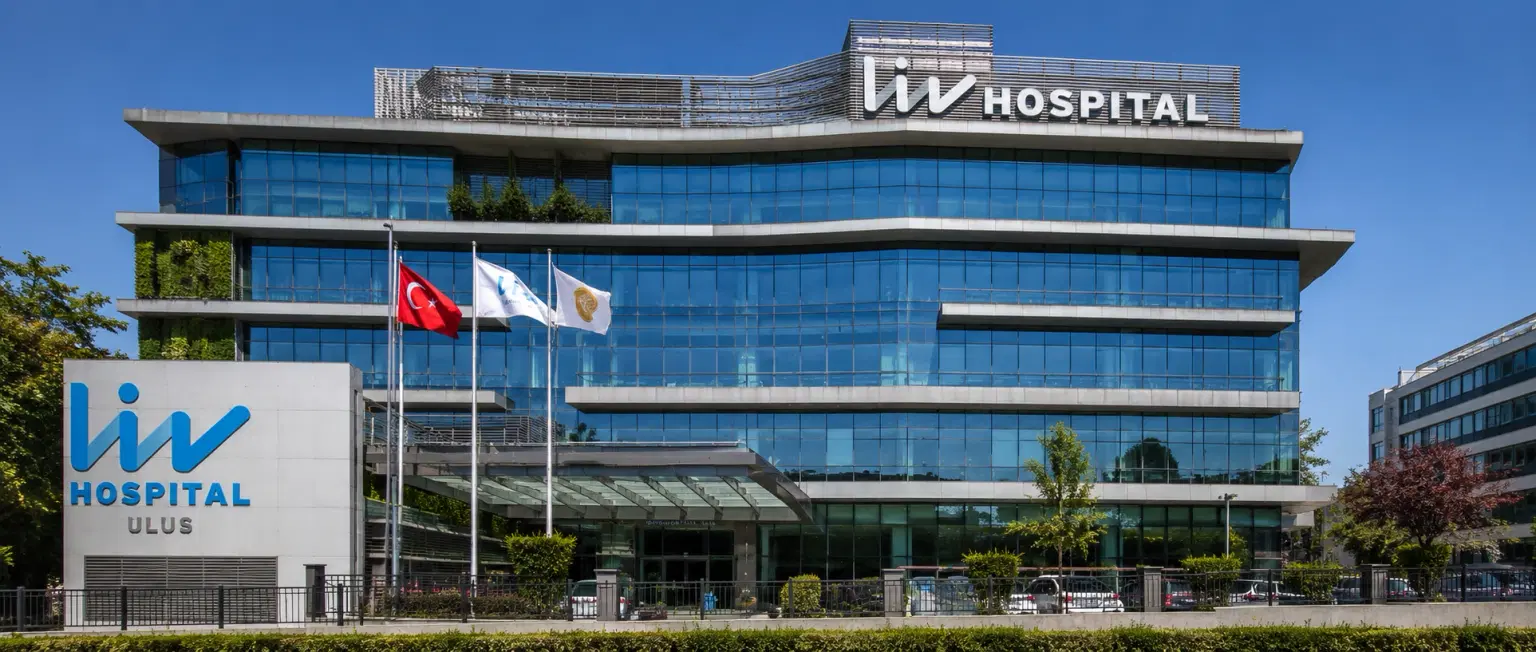
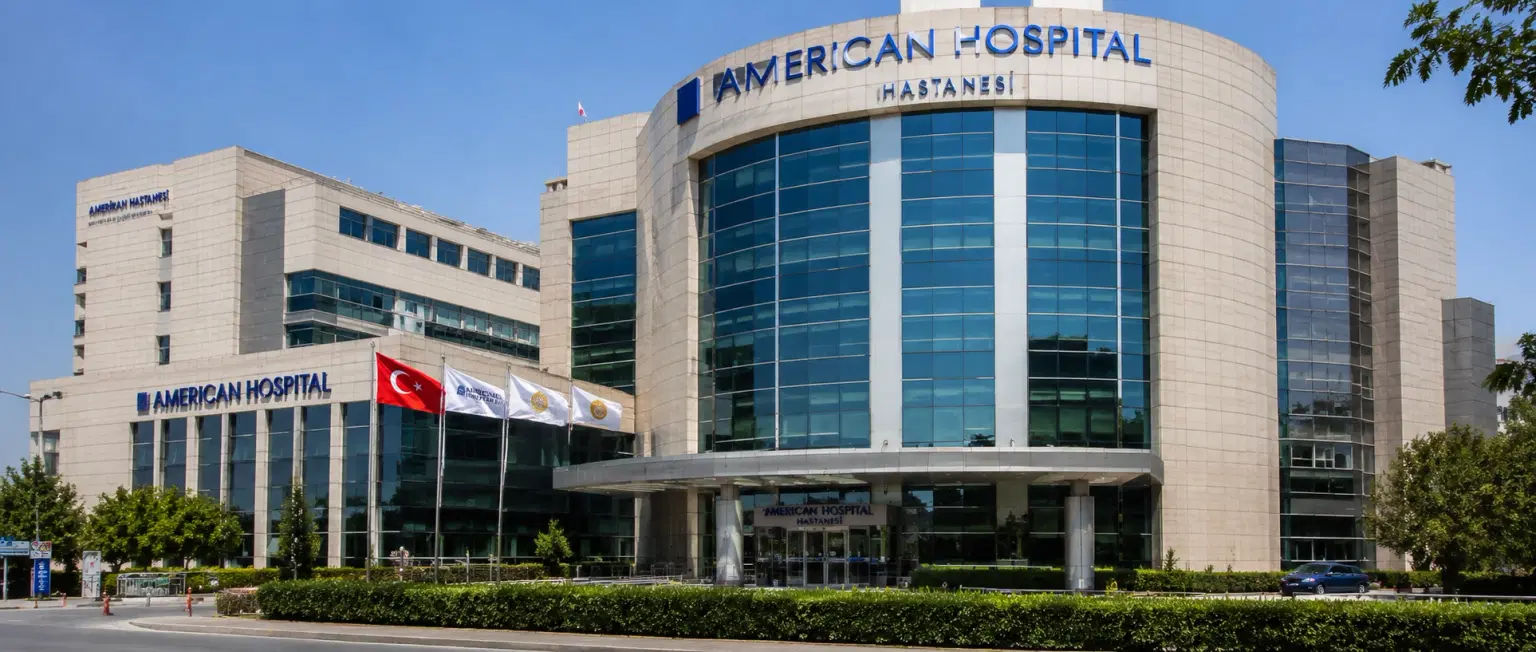
American Hospital, Istanbul
Guzelbahce Sk. No:20, 34365, Nisantasi, Istanbul, Turkey
American Hospital, Istanbul
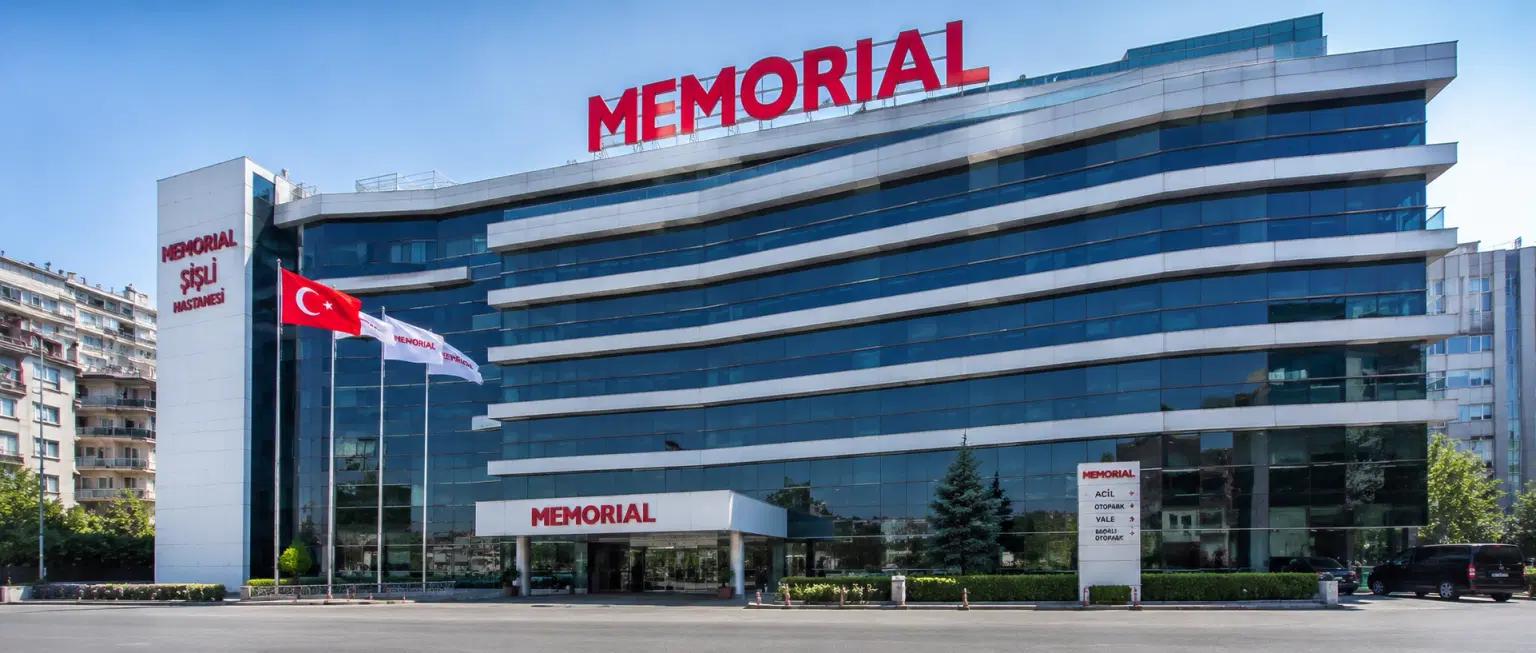
Memorial Hospitals Group
Burhaniye, Nagehan Sokağı No:4/A D:1, 34676 Üsküdar/İstanbul, Türkiye
Memorial Hospitals Group
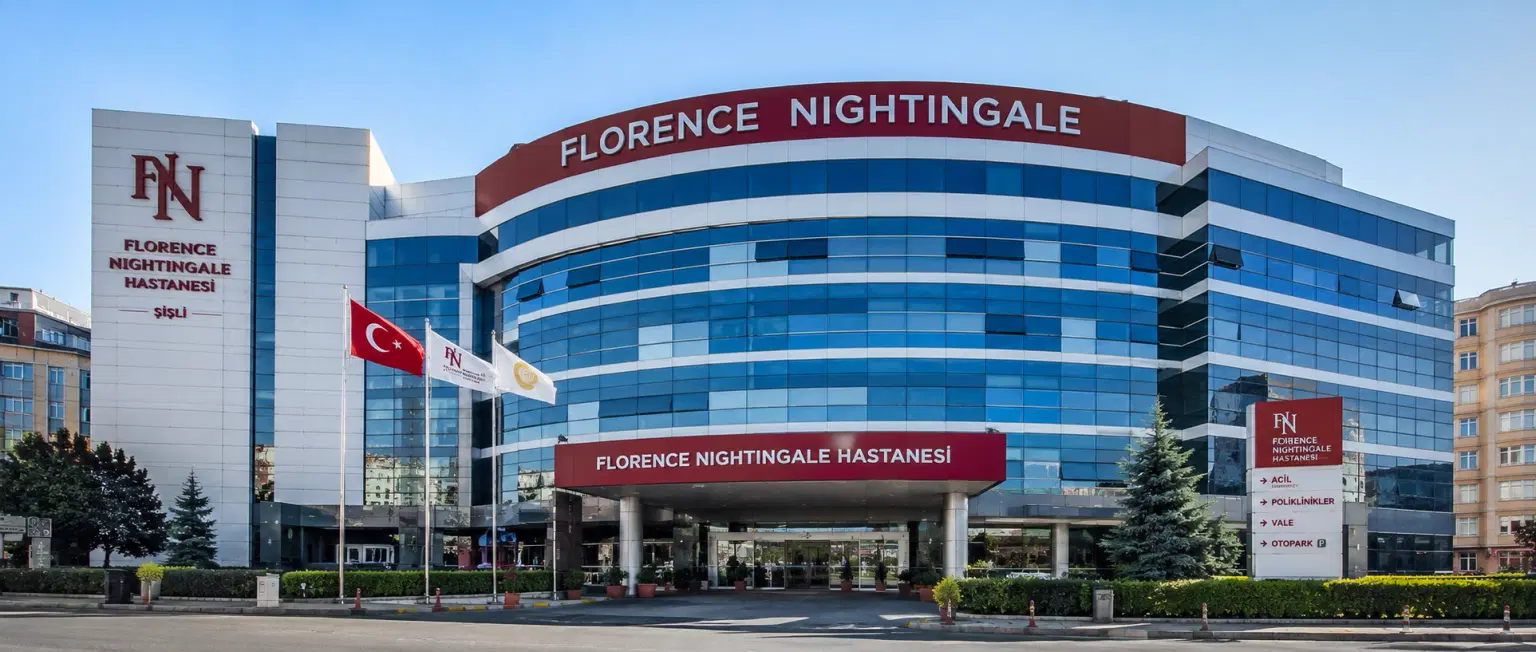
Florence Nightingale Hospital Istanbul
Abide-i Hürriyet Cd No:166, 34381 Sisli, Istanbul
Florence Nightingale Hospital Istanbul
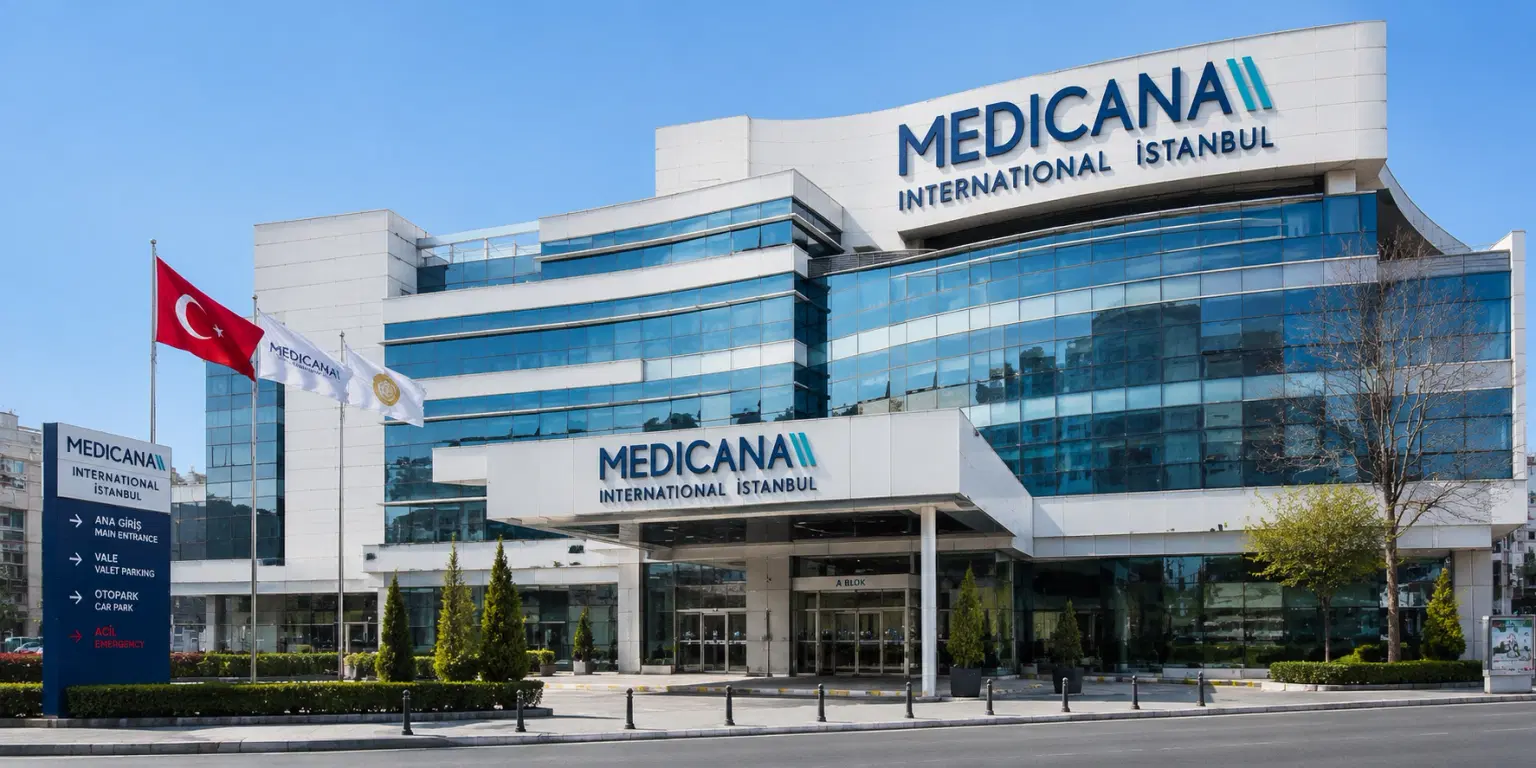
Medicana International Hospital, Istanbul
Halit Ziya Turkkani Mah. Medikal Park Cd. No:1, Beylikdüzü, İstanbul
Medicana International Hospital, Istanbul
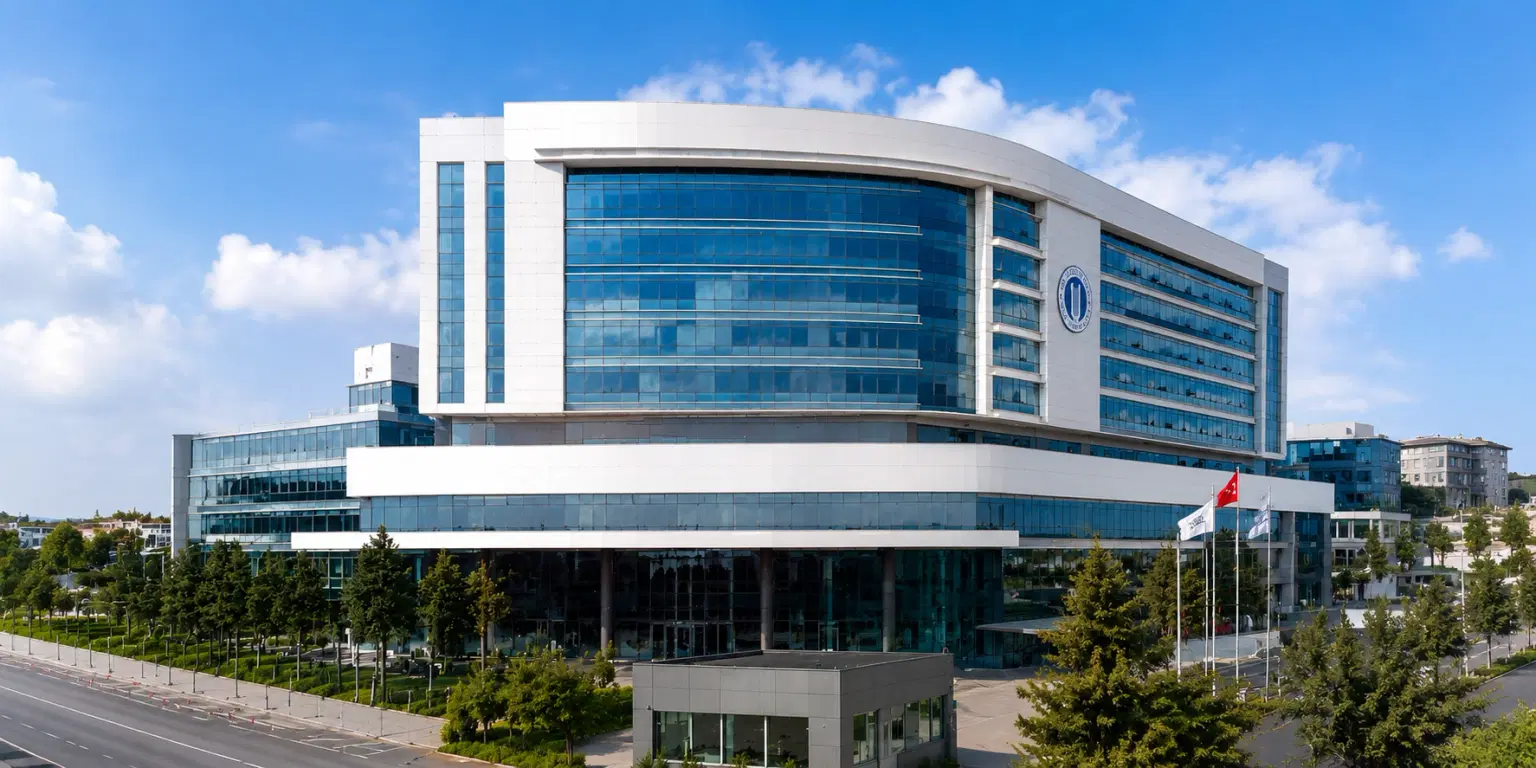
Okan University Hospital Istanbul
Icmeler Mah. Aydınlıyolu Cd. No:2, 34947 Icmeler-Tuzla, Istanbul
Okan University Hospital Istanbul
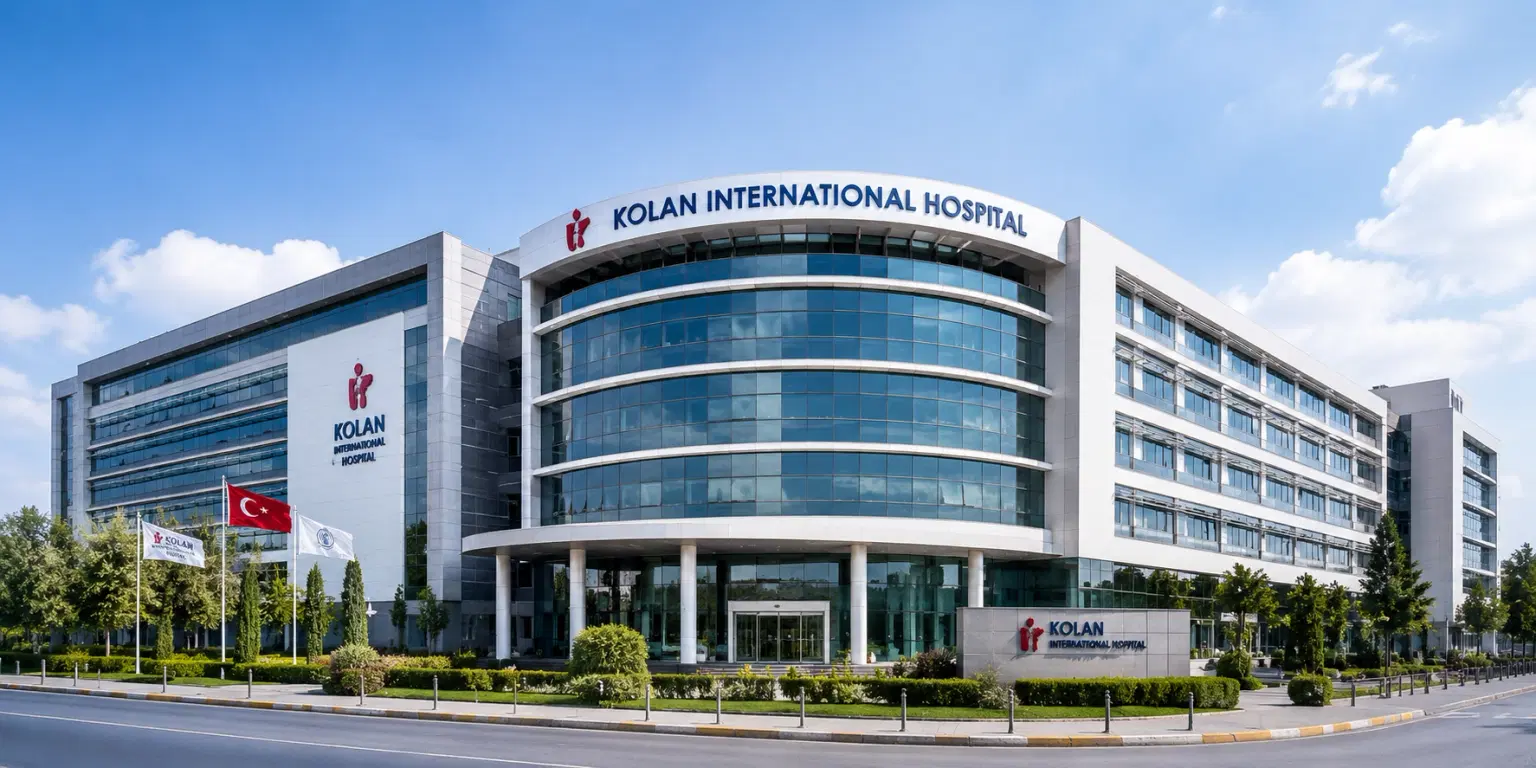
Kolan International Hospital, Istanbul
Kaptanpasa Mah. Okmeydan Kavsagi, Darulaceze Cd. No:14, 34384 Sisli, Istanbul
Kolan International Hospital, Istanbul
Meet Our Doctors
Meet our team of highly qualified and experienced medical professionals dedicated to providing the best healthcare services.

Dr. Ajit Singh Baghela
Consultant
Paediatric Neurology
Haryana
9+ Years
Experience
Artemis Hospital
Hospital
1500
Fees
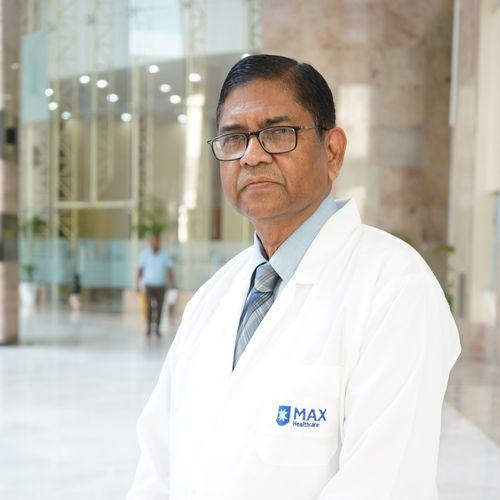
Dr. Nakul Sinha
Chairman - Cardiology
Cardiology
New Delhi
41+ Years
Experience
Max Hospital,Gurgaon
Hospital
1500
Fees
Booking With DIVINHEAL
Get a free consultation to understand your treatment options