Robotic Prostatectomy Treatment in Bengaluru for UAE
Need Personalized Advice?
Our medical experts are ready to answer your questions and guide you through your treatment options.
About
Robotic Prostatectomy in Bengaluru for UAE Patients | Hospitals & Costs
For patients in the UAE facing a prostate cancer diagnosis, the prospect of treatment can bring a mix of emotions and critical questions. Concerns often revolve around accessing the most advanced surgical techniques, ensuring highly skilled specialists, and achieving the best possible outcomes, all while managing costs and logistics.
Many patients seeking cutting-edge solutions for prostatectomy are now exploring options beyond their immediate vicinity. Bengaluru, recognized globally as a hub for medical innovation, stands out for those who prioritize state-of-the-art facilities and a coordinated care environment for complex procedures like robotic surgery.
The city’s medical landscape boasts internationally accredited hospitals and a deep pool of experienced urological surgeons specializing in robotic techniques. Patients can find reassurance in Bengaluru's integrated approach to healthcare, which includes comprehensive pre-operative evaluations and structured post-operative care within the same city.
Could Bengaluru be the ideal choice for your prostatectomy journey?
What is Robotic Prostatectomy?
Robotic Prostatectomy is a minimally invasive surgical procedure used primarily to remove the prostate gland and surrounding tissues affected by prostate cancer. This advanced technique employs a sophisticated robotic system, guided by a surgeon, to perform the operation through small incisions. The robotic platform provides the surgeon with a magnified, 3D view of the surgical field and instruments that can articulate with greater range of motion than the human hand, leading to enhanced precision, reduced blood loss, quicker recovery, and often better preservation of nerve bundles crucial for urinary control and sexual function.
Approaches to Prostate Cancer Treatment
Treatment for prostate cancer depends on many factors, including the stage of cancer, overall health, and patient preferences. While Robotic Prostatectomy is a specific surgical approach, here are broader treatment types often considered:
- Active Surveillance: Closely monitoring slow-growing, localized cancers without immediate treatment.
- Radical Prostatectomy: Surgical removal of the prostate gland, which can be performed via open, laparoscopic, or robotic-assisted methods.
- Radiation Therapy: Using high-energy beams to kill cancer cells, delivered externally (external beam radiation) or internally (brachytherapy).
- Hormone Therapy: Medications to stop the body from producing testosterone, which can fuel prostate cancer growth.
- Chemotherapy: Drugs administered intravenously or orally to kill rapidly growing cancer cells throughout the body, typically for advanced cases.
- Targeted Therapy: Drugs that target specific genes or proteins involved in cancer cell growth and survival.
When is Robotic Prostatectomy Required?
- Diagnosis of localized prostate cancer confined to the prostate gland.
- Elevated Prostate-Specific Antigen (PSA) levels, indicative of prostate issues.
- Abnormal findings during a Digital Rectal Exam (DRE).
- Biopsy results confirming prostate cancer with a Gleason score suggesting the need for intervention.
- Cancer that has not spread beyond the prostate (non-metastatic).
- Good overall health of the patient, suitable for major surgery.
- Patient preference for a definitive treatment option with the potential for better functional outcomes.
Pre-Treatment Evaluation Process
- Detailed medical history review and physical examination.
- Blood tests including complete blood count, kidney function, liver function, and coagulation profile.
- Repeat PSA test to confirm levels and trends.
- Urine analysis to rule out infections.
- Magnetic Resonance Imaging (MRI) of the prostate for precise staging.
- Biopsy review and pathology consultation to confirm cancer grade.
- Computed Tomography (CT) scan or bone scan if there's a risk of cancer spread.
- Cardiovascular evaluation (ECG, echocardiogram) to assess surgical fitness.
- Consultation with the urological surgeon to discuss surgical plan and potential outcomes.
How the Treatment is Performed
The Robotic Prostatectomy procedure is tailored to each patient's specific condition and health plan, always prioritizing optimal outcomes and recovery.
Anesthesia and Incisions
The patient receives general anesthesia. Several small incisions, typically 5-7, are made in the lower abdomen. Carbon dioxide gas is inflated into the abdomen to create space for surgical instruments and better visualization.
Robot Docking and Prostate Removal
The robotic system is carefully positioned and docked to the patient. The surgeon sits at a console, controlling the robotic arms that hold specialized instruments and a high-definition camera. The prostate gland, along with seminal vesicles and sometimes nearby lymph nodes, is meticulously dissected and removed. The robotic precision allows for delicate nerve-sparing techniques when appropriate, aiming to preserve urinary and erectile function.
Reconstruction and Closure
After the prostate is removed, the bladder is reconnected to the urethra. A urinary catheter is inserted to drain urine and allow healing of the newly connected area. The robotic instruments are removed, the CO2 gas is released, and the small incisions are closed with sutures or surgical glue. The catheter typically stays in place for about 7-14 days.
Recovery Process After Robotic Prostatectomy
Recovery from Robotic Prostatectomy typically involves a hospital stay of 2-4 days. Patients will have a urinary catheter for approximately one to two weeks post-surgery. Pain management is provided to ensure comfort during the initial healing phase. Patients are encouraged to walk short distances soon after surgery to aid recovery and prevent complications. Restrictions on heavy lifting and strenuous activities are advised for several weeks. Follow-up appointments are crucial to monitor healing, remove the catheter, and assess urinary function and PSA levels. Pelvic floor exercises are often recommended to help regain bladder control. Full recovery, including the return of normal bladder and sexual function, can take several months to a year, varying from person to person.
Potential Risks and Success Rates
- Urinary Leakage: Temporary or, less commonly, persistent incontinence.
- Erectile Dysfunction: Difficulty achieving or maintaining an erection, which may improve over time.
- Bleeding: Though less common with robotic surgery, some blood loss can occur.
- Infection: Risk of infection at incision sites or urinary tract.
- Rectal Injury: A rare complication due to the prostate's proximity to the rectum.
- Anesthesia Risks: Standard risks associated with general anesthesia.
Robotic Prostatectomy boasts high success rates, particularly for localized prostate cancer, with many studies showing excellent long-term cancer control. The success of the procedure in achieving a cure and preserving quality of life can vary significantly based on the cancer stage, the surgeon's experience, the patient's overall health, and their response to recovery efforts. Long-term outcomes for cancer control are generally very positive, with ongoing monitoring of PSA levels remaining a key part of post-treatment care.
Cost of Robotic Prostatectomy in Bengaluru
The cost of Robotic Prostatectomy in Bengaluru is influenced by several factors, including the chosen hospital's reputation, the expertise of the urological surgeon, the specific robotic system used, the duration of hospital stay, and any additional medical services required during recovery. Patients from the UAE often find Bengaluru offers a significant cost advantage without compromising on advanced medical care.
A Robotic Prostatectomy in Bengaluru typically ranges from INR 4,50,000 to INR 8,00,000.
Bengaluru vs. Global Robotic Prostatectomy Costs
Bengaluru offers highly competitive pricing for Robotic Prostatectomy when compared to many other international medical destinations, making it an attractive option for value and quality.
| Location | Average Cost (USD) |
|---|---|
| Bengaluru, India | $5,500 - $10,000 |
| United States | $25,000 - $50,000 |
| United Kingdom | $18,000 - $35,000 |
| Singapore | $15,000 - $30,000 |
| Thailand | $10,000 - $20,000 |
Ready to get a personalized cost estimate for your Robotic Prostatectomy in Bengaluru? Our team can provide detailed information and help you plan your medical journey.
Dedicated Support for Your Medical Journey
- Assistance with medical visa application and necessary documentation.
- Arrangement of airport pickup and drop-off services upon arrival and departure.
- Guidance on suitable accommodation options for patients and accompanying family.
- Provision of interpreters for seamless communication during consultations and treatment.
- Support with local transportation arrangements during your stay in Bengaluru.
- Coordination of post-treatment follow-up appointments and necessary reports.
Essential Documents for Your Medical Visit
- Valid passport and medical visa for entry into India.
- All relevant past medical reports, biopsy results, and imaging scans.
- A referral letter from your local physician in the UAE, if applicable.
- Identification documents for any accompanying family members or guardians.
- Details of any international health insurance policy you may hold.
- A list of all current medications and known allergies.
Preparing for Your Robotic Prostatectomy
- Undergo all pre-operative medical tests and evaluations as advised by your surgeon.
- Follow any dietary restrictions or fasting instructions given prior to surgery.
- Discuss all current medications with your doctor, including supplements, as some may need to be stopped.
- Cease smoking and alcohol consumption well in advance of the procedure for better outcomes.
- Arrange for comfortable, loose-fitting clothing for your hospital stay and recovery.
- Organize your travel plans to allow ample time for pre-operative consultations and initial recovery.
Guidance for a Smooth Recovery After Surgery
- Adhere strictly to all medication schedules, especially for pain management and antibiotics.
- Care for your surgical incisions as instructed to prevent infection.
- Follow guidelines for catheter care and removal, usually performed by medical staff.
- Gradually increase your physical activity as tolerated, avoiding heavy lifting or strenuous exercise.
- Maintain a balanced diet and adequate hydration to support healing.
- Attend all scheduled follow-up appointments with your urologist in Bengaluru.
Ready to Explore Your Options in Bengaluru?
Take the first step towards advanced prostate cancer care with our expert team.
Connect with our patient care coordinators today to discuss your Robotic Prostatectomy needs and receive personalized guidance for your treatment in Bengaluru.
Hospitals Offering this treatment
India offers premium medical procedures at affordable prices. Discover our most popular treatments, delivered by the country's finest doctors.

Al Zahra Hospital, Dubai
Sheikh Zayed Road, Al Barsha 1, Dubai, UAE
Al Zahra Hospital, Dubai
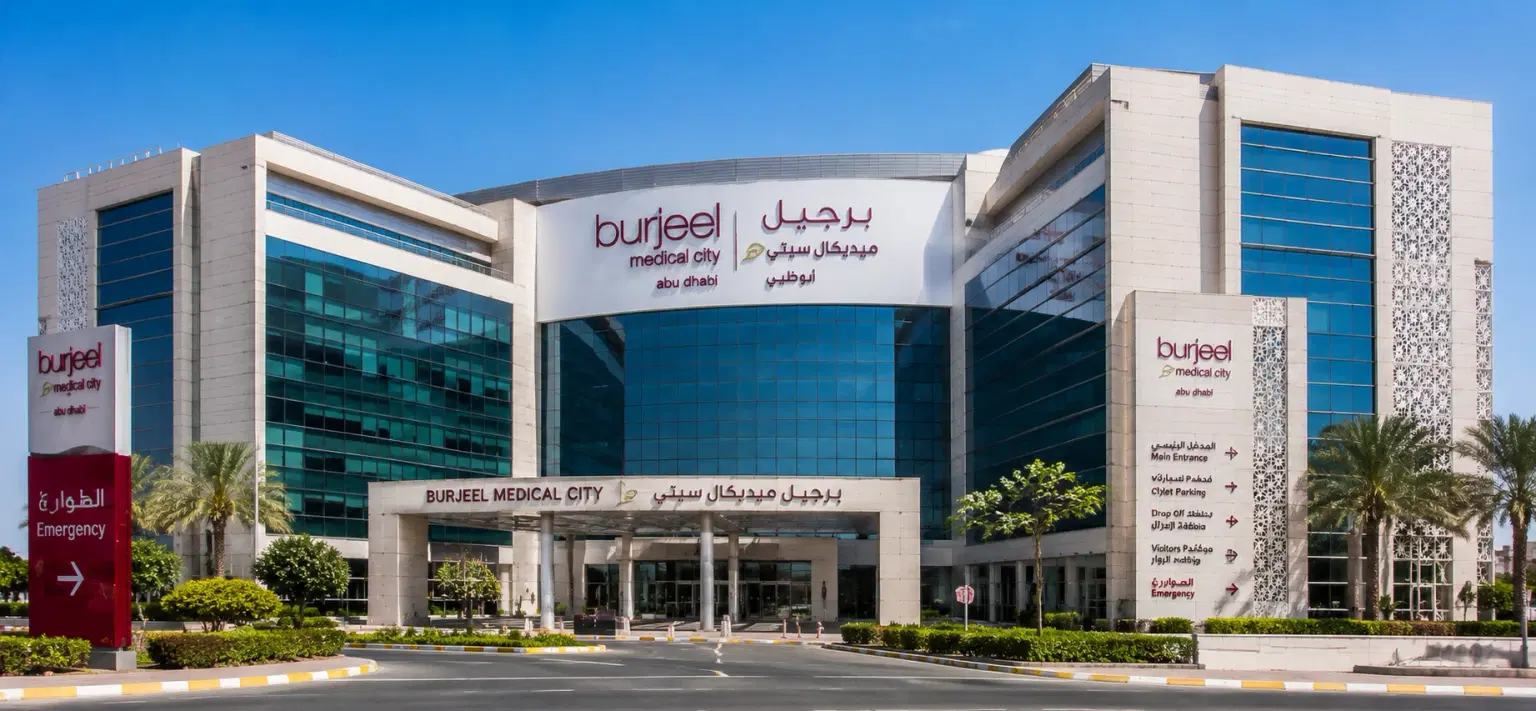
Burjeel Medical City, Abu Dhabi
28th Street, Mohammed Bin Zayed City, Abu Dhabi, UAE
Burjeel Medical City, Abu Dhabi

Burjeel Hospital, Dubai
Dubai, UAE (part of Burjeel Holdings network)
Burjeel Hospital, Dubai
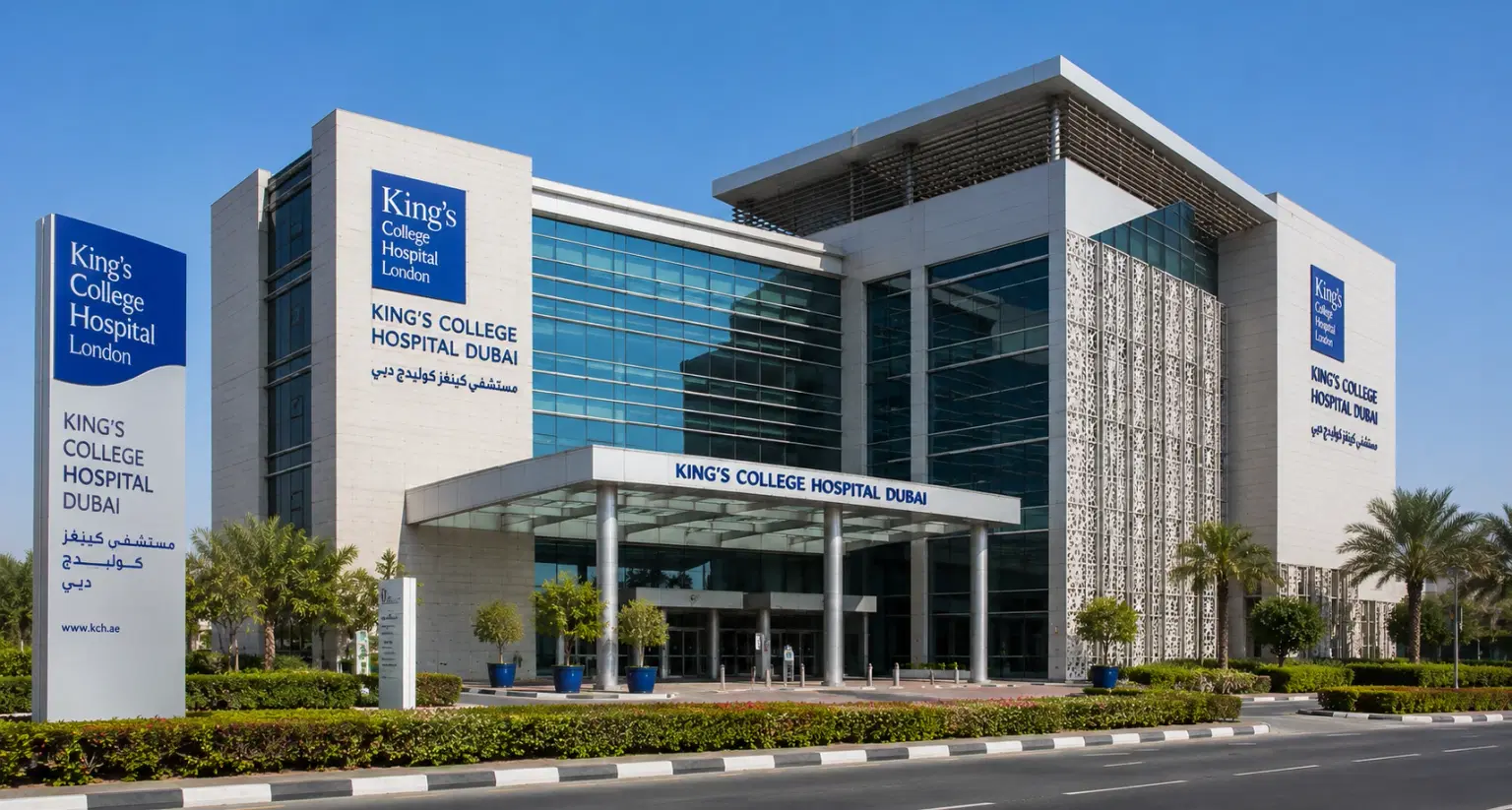
King's College Hospital, Dubai
Dubai Hills, Mohammed Bin Rashid City, Dubai, UAE
King's College Hospital, Dubai
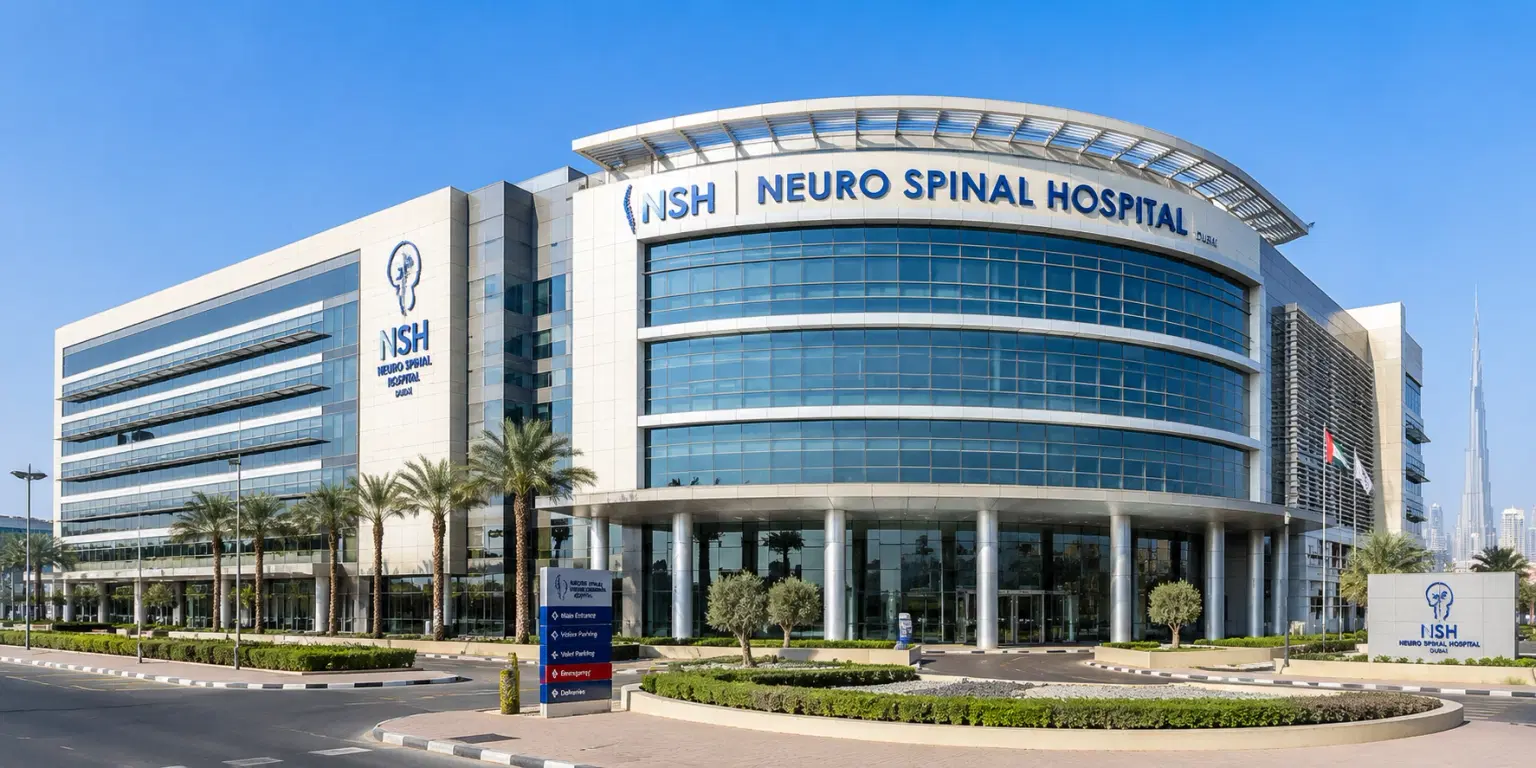
Neuro Spinal Hospital (NSH), Dubai
Dubai Science Park, Umm Suqeim St, Al Barsha South, Dubai, UAE
Neuro Spinal Hospital (NSH), Dubai
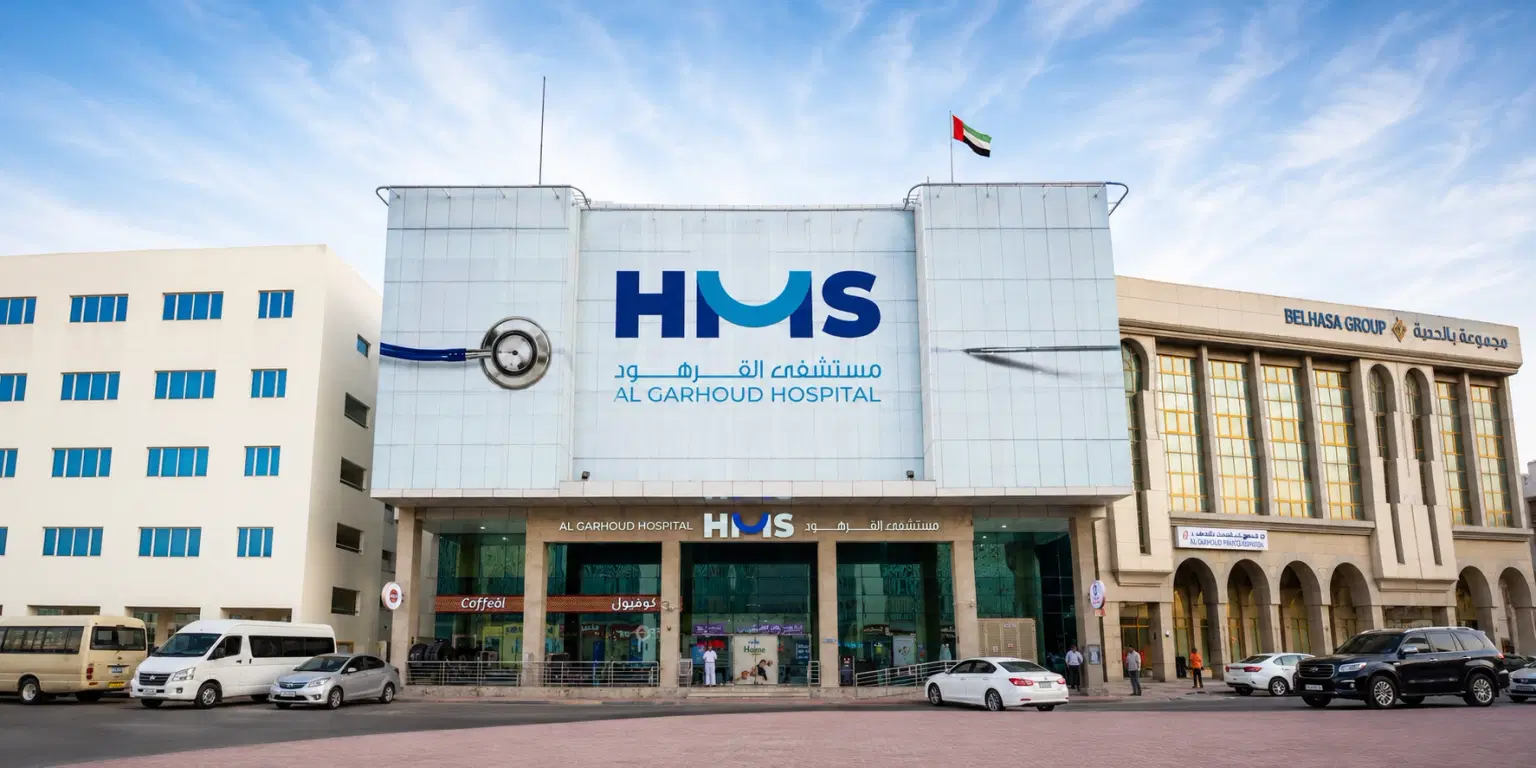
HMS Al Garhoud Hospital, Dubai
Al Garhoud Street, Al Garhoud, Dubai, UAE
HMS Al Garhoud Hospital, Dubai
Meet Our Doctors
Meet our team of highly qualified and experienced medical professionals dedicated to providing the best healthcare services.

Dr. Abhinandan Mukhopadhyay
Sr. Consultant - Urology & Kidney Transplant Program (Unit I)
Urology, Kidney Transplant, Urological Cancers
Haryana
8+ Years
Experience
Artemis Hospital
Hospital
1500
Fees

Dr. Varun Mittal
Head - Kidney Transplant & Associate Chief - Uro-Oncology & Robotic Surgery (Unit I)
Nephrology, Organ Transplant, Robotic Surgery, Urology
New Delhi
15+ Years
Experience
Artemis Hospital
Hospital
1500
Fees

Dr. Asit Arora
Senior Director, Head of Department - Urology, Uro-Oncology, Robotics and Renal Transplant
Urology, Uro-Oncology, Robotics and Renal Transplant
New Delhi
25+ Years
Experience
Apolo Delhi
Hospital
1500
Fees

Dr. Avtar Singh Bath
Associate Director - Urology and Renal Transplant
Urology
New Delhi
27+ Years
Experience
Apolo Delhi
Hospital
1500
Fees
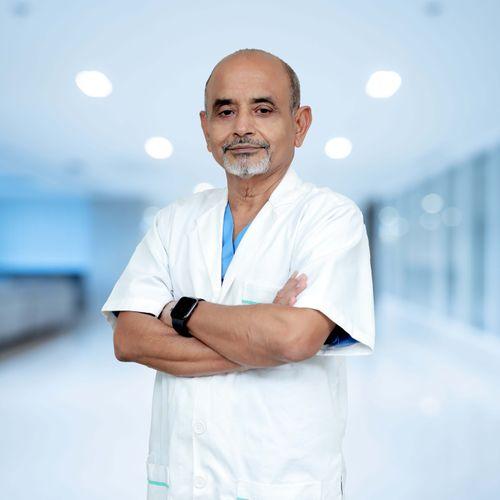
Dr. A. J. Chitkara
Senior Director - Urology, Uro-Oncology, Robotics & Kidney Transplant
Urology
New Delhi
30+ Years
Experience
Apolo Delhi
Hospital
1500
Fees

Dr. Amit K Devra
Senior Director - Urology & Kidney Transplant
Urology, Kidney Transplant
New Delhi
24+ Years
Experience
Apolo Delhi
Hospital
1500
Fees
Related Links
Other Treatment related Information
- Robotic Prostatectomy cost in Chennai
- Robotic Prostatectomy cost in India
- Robotic Prostatectomy cost in Mumbai
- Robotic Prostatectomy cost in Hyderabad
- Robotic Prostatectomy cost in New Delhi
- Robotic Prostatectomy cost in Bengaluru
- Robotic Prostatectomy cost in Haryana
- Robotic Prostatectomy cost in Pune
- Robotic Prostatectomy Success Rate in Haryana
- Robotic Prostatectomy Success Rate in Hyderabad
- Robotic Prostatectomy Success Rate in Pune
- Robotic Prostatectomy Success Rate in New Delhi
- Robotic Prostatectomy Success Rate in India
- Robotic Prostatectomy Success Rate in Chennai
- Robotic Prostatectomy Success Rate in Mumbai
- Robotic Prostatectomy Success Rate in Bengaluru
- Best Robotic Prostatectomy Doctors in Hyderabad
- Best Robotic Prostatectomy Doctors in New Delhi
- Best Robotic Prostatectomy Doctors in Bengaluru
- Best Robotic Prostatectomy Doctors in Pune
Ready To Start Your Healing Journey?
Get Personalized Medical Treatment Options From India's Top Hospitals. Our Medical Experts Are Ready To Assist You Every Step Of The Way.