Robotic Prostatectomy Treatment in New Delhi for UAE
Need Personalized Advice?
Our medical experts are ready to answer your questions and guide you through your treatment options.
About
Robotic Prostatectomy for UAE Patients in New Delhi | Hospitals & Cost
For men in the UAE facing prostate cancer, the decision for Robotic Prostatectomy often comes with many questions. Concerns about advanced care quality and finding experienced specialists can be significant. Ensuring access to cutting-edge treatment is a primary consideration for many.
Many UAE patients are now choosing New Delhi for specialized procedures due to its robust medical infrastructure. The city offers a well-coordinated healthcare environment and access to globally recognized hospitals. This makes New Delhi a favored destination for complex surgeries.
New Delhi’s medical institutions are known for their advanced technology and highly skilled surgeons, especially in robotic surgery. Patients find comfort in the comprehensive care and seamless follow-up options available within the city. Specialist teams ensure continuous support throughout the journey.
Is New Delhi the right choice for your Robotic Prostatectomy journey?
What is Robotic Prostatectomy?
Robotic prostatectomy is a minimally invasive surgical procedure designed to remove the prostate gland when it is affected by cancer. This advanced technique employs a robotic system, which is precisely controlled by a surgeon from a console. It offers enhanced precision, greater flexibility, and superior control compared to traditional open surgery. The procedure typically involves several small incisions, leading to benefits such as reduced blood loss, minimized post-operative pain, and a generally quicker recovery time for patients. The primary goal is to effectively excise cancerous tissue while meticulously working to preserve critical surrounding nerves and structures vital for urinary and sexual function whenever medically appropriate.
What Are the Approaches to Prostate Cancer Treatment?
Treatment for prostate cancer varies based on the stage and aggressiveness of the cancer, as well as the patient's overall health. Options include:
- Robotic Prostatectomy: A minimally invasive surgical removal of the prostate using robotic assistance.
- Open Radical Prostatectomy: Traditional surgical removal of the prostate through a single larger incision.
- Radiation Therapy: Can be external beam radiation (EBRT) or brachytherapy (internal radiation).
- Active Surveillance: For low-risk cancers, involving regular monitoring without immediate treatment.
- Hormone Therapy: Medications to reduce testosterone levels, which fuel prostate cancer growth.
- Chemotherapy: Used for advanced or aggressive prostate cancers that have spread.
- High-Intensity Focused Ultrasound (HIFU): A newer, less invasive option that uses sound waves to destroy cancer cells.
When is Robotic Prostatectomy Recommended?
- Diagnosis of localized prostate cancer confined to the prostate gland.
- Persistently elevated Prostate-Specific Antigen (PSA) levels, indicating potential cancer.
- Abnormal findings during a digital rectal exam (DRE).
- Biopsy results confirming adenocarcinoma of the prostate.
- Gleason score suggesting a moderately aggressive to aggressive cancer that warrants intervention.
- Patients in good overall health with a reasonable life expectancy.
- Patient preference for a curative surgical option with potential for quicker recovery.
What Evaluations Precede Robotic Prostatectomy?
- A detailed review of medical history and a comprehensive physical examination.
- Blood tests including complete blood count, kidney and liver function tests, and updated PSA levels.
- Urine tests to check for any infections or other abnormalities.
- Advanced imaging studies such as a multiparametric MRI of the prostate, and sometimes CT scans or bone scans to assess cancer stage.
- Cardiac evaluation, including an ECG and consultation with a cardiologist, if deemed necessary.
- A thorough anesthesia consultation to determine the patient’s fitness for general anesthesia.
- In-depth discussions regarding the potential benefits, risks, and alternatives to the procedure.
How is a Robotic Prostatectomy Procedure Performed?
The specific steps of a Robotic Prostatectomy may vary slightly based on the surgeon's technique and the patient's individual condition and cancer stage.
The procedure typically involves the following phases:
- Anesthesia and Incisions: The patient is placed under general anesthesia. Several small incisions, usually about 1-2 centimeters in length, are made in the abdomen. These openings allow for the insertion of a high-definition camera and specialized surgical instruments.
- Robot Docking: The robotic arms are carefully connected to these instruments. The surgeon then moves to a separate console, where they view a magnified, three-dimensional image of the surgical area. The robotic arms are manipulated with extreme precision using hand controls, translating the surgeon's movements into fine, accurate actions inside the patient’s body.
- Prostate Removal: The surgeon meticulously dissects and removes the prostate gland. Depending on the cancer's extent, the seminal vesicles and sometimes nearby lymph nodes may also be removed. Great care is taken to preserve the delicate nerves essential for erectile function, whenever this is surgically feasible.
- Reconnection and Closure: After the prostate is removed, the bladder is reconnected to the urethra. A urinary catheter is typically inserted to facilitate urine drainage during the initial healing period. Finally, the small incisions are closed, and the patient is transferred to the recovery room.
What Does Recovery From Robotic Prostatectomy Involve?
Following a Robotic Prostatectomy, patients typically remain in the hospital for approximately 2 to 3 days. A urinary catheter is usually kept in place for 1 to 2 weeks to allow the surgical site to heal. The complete recovery period can span several weeks to a few months, with a gradual return to normal daily activities. It is important to avoid heavy lifting and strenuous physical activities during this time. Regular follow-up appointments are essential for monitoring healing, tracking PSA levels, and addressing any concerns. Pelvic floor exercises are often recommended to help improve bladder control. Patients also receive guidance on dietary adjustments and lifestyle considerations to support their long-term health.
What Are the Risks and Success Rates of Robotic Prostatectomy?
- Potential for bleeding during or after the surgical procedure.
- Risk of infection at the incision sites or within the urinary tract.
- Urinary incontinence, which can be temporary or, in rare cases, persistent.
- Erectile dysfunction (impotence), which may gradually improve over an extended period.
- Minor injury to adjacent organs such as the bladder or rectum, though uncommon.
- Complications related to general anesthesia, similar to any major surgery.
- Rare possibility of urethral stricture, a narrowing of the urethra, requiring further intervention.
The success rate for Robotic Prostatectomy in achieving cancer control for localized prostate cancer is generally very high, providing excellent long-term outcomes. The ultimate success rate can vary based on factors such as the stage and aggressiveness of the cancer, the patient's overall health, and crucially, the experience and skill of the surgical team. Most patients can expect to be cancer-free post-surgery. However, the recovery of urinary and sexual function can take time and individual results in these areas may vary significantly. Consistent follow-up and adherence to rehabilitation protocols can optimize long-term results.
Considering Robotic Prostatectomy?
Connect with top specialists in New Delhi for a personalized treatment plan.
Reach out today for a consultation!
What is the Cost of Robotic Prostatectomy in New Delhi?
The cost of Robotic Prostatectomy in New Delhi is influenced by several factors. These include the specific hospital chosen for the procedure, the experience and reputation of the specialist surgeon, the brand and sophistication of the robotic system utilized, and the total length of the hospital stay required. Additionally, pre-operative diagnostic tests, post-operative care, and any necessary rehabilitation services also contribute to the final expense.
Generally, the cost for Robotic Prostatectomy in New Delhi can range approximately from INR 4,50,000 to INR 8,00,000.
New Delhi vs. Other Global Locations
New Delhi offers a cost-effective option for Robotic Prostatectomy without compromising on quality or advanced technology. Below is a comparison of average costs in USD:
| Location | Average Cost (USD) |
|---|---|
| New Delhi, India | $5,500 - $10,000 |
| USA | $25,000 - $40,000 |
| UK | $20,000 - $35,000 |
| Singapore | $18,000 - $28,000 |
| Germany | $22,000 - $38,000 |
What Support Services Are Available for UAE Patients?
- Assistance with medical visa application and travel logistics.
- Arrangements for airport pick-up and drop-off to ensure seamless arrival and departure.
- Guidance and bookings for accommodation options for patients and accompanying family members.
- Provision of professional language interpretation services, particularly Arabic to English/Hindi.
- Dedicated patient care managers to streamline the entire hospital experience and coordination.
- Help with understanding financial estimates and navigating medical insurance paperwork.
- Facilitation of post-treatment follow-up consultations, including remote options when appropriate.
Which Documents Are Needed for Your Medical Visit?
- A valid passport from your country of origin and a valid medical visa for India.
- All relevant medical reports, including biopsy results, pathology reports, and any imaging scans.
- A referral letter from your local physician or urologist, if one has been provided.
- Proof of financial capacity or comprehensive details of your medical insurance coverage.
- A complete list of all current medications, including dosages, and any known allergies.
- Emergency contact information for family members or close relatives.
How Should You Prepare Before Treatment in New Delhi?
- Adhere strictly to all pre-operative dietary and medication instructions provided by your surgeon.
- Make arrangements for a family member or trusted companion to accompany you and provide support.
- Ensure all necessary pre-operative diagnostic tests and evaluations are completed well in advance.
- Inform your medical team immediately about any recent illnesses, fever, or changes in your health status.
- Pack comfortable clothing, essential toiletries, and personal items for your hospital stay and recovery.
- Double-check all travel itineraries and accommodation reservations to avoid last-minute complications.
What Aftercare Instructions Will You Receive?
- Detailed instructions for proper care and eventual removal of the urinary catheter.
- Guidance on managing the surgical incision sites and promoting optimal wound healing.
- Prescriptions for pain management medication and any other necessary post-operative drugs.
- Recommendations for beginning pelvic floor exercises and other rehabilitation activities.
- A clear schedule for follow-up appointments and continued PSA level monitoring.
- Advice on gradually resuming physical activities, work, and other daily routines.
Ready to Take the Next Step?
Contact us to begin your journey towards better health with expert care in New Delhi.
Get a free treatment estimate today!
Ready to Explore Your Treatment Options in New Delhi?
Our team is here to provide personalized guidance and connect you with leading specialists for your Robotic Prostatectomy.
Hospitals Offering this treatment
India offers premium medical procedures at affordable prices. Discover our most popular treatments, delivered by the country's finest doctors.
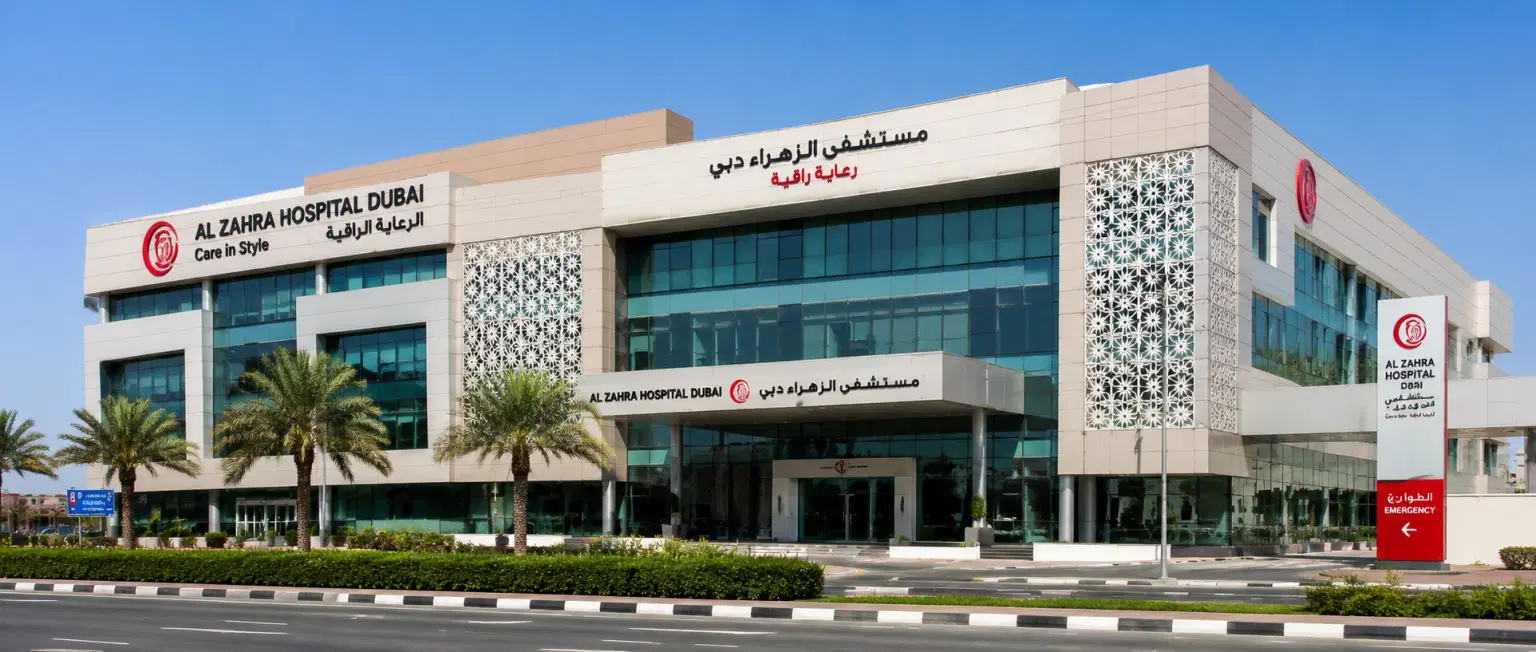
Al Zahra Hospital, Dubai
Sheikh Zayed Road, Al Barsha 1, Dubai, UAE
Al Zahra Hospital, Dubai
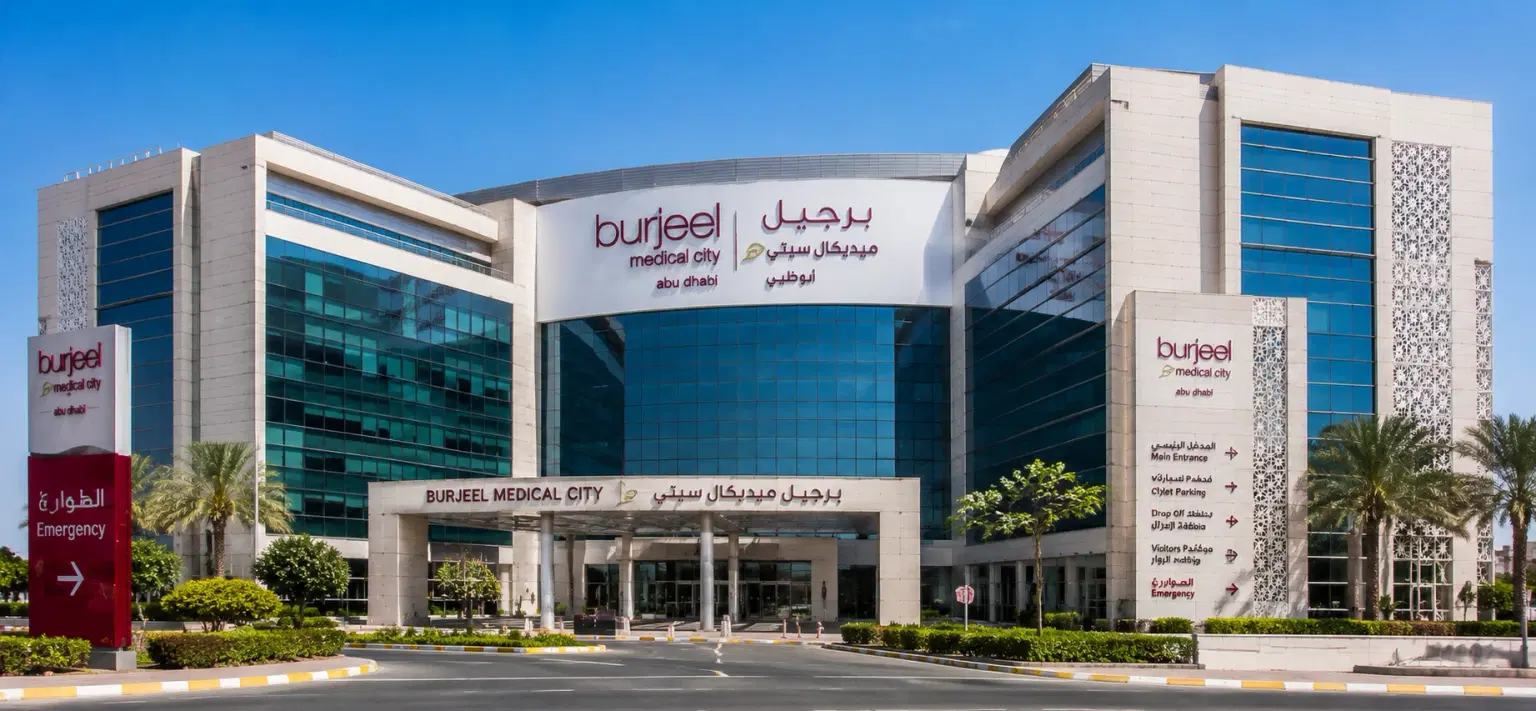
Burjeel Medical City, Abu Dhabi
28th Street, Mohammed Bin Zayed City, Abu Dhabi, UAE
Burjeel Medical City, Abu Dhabi
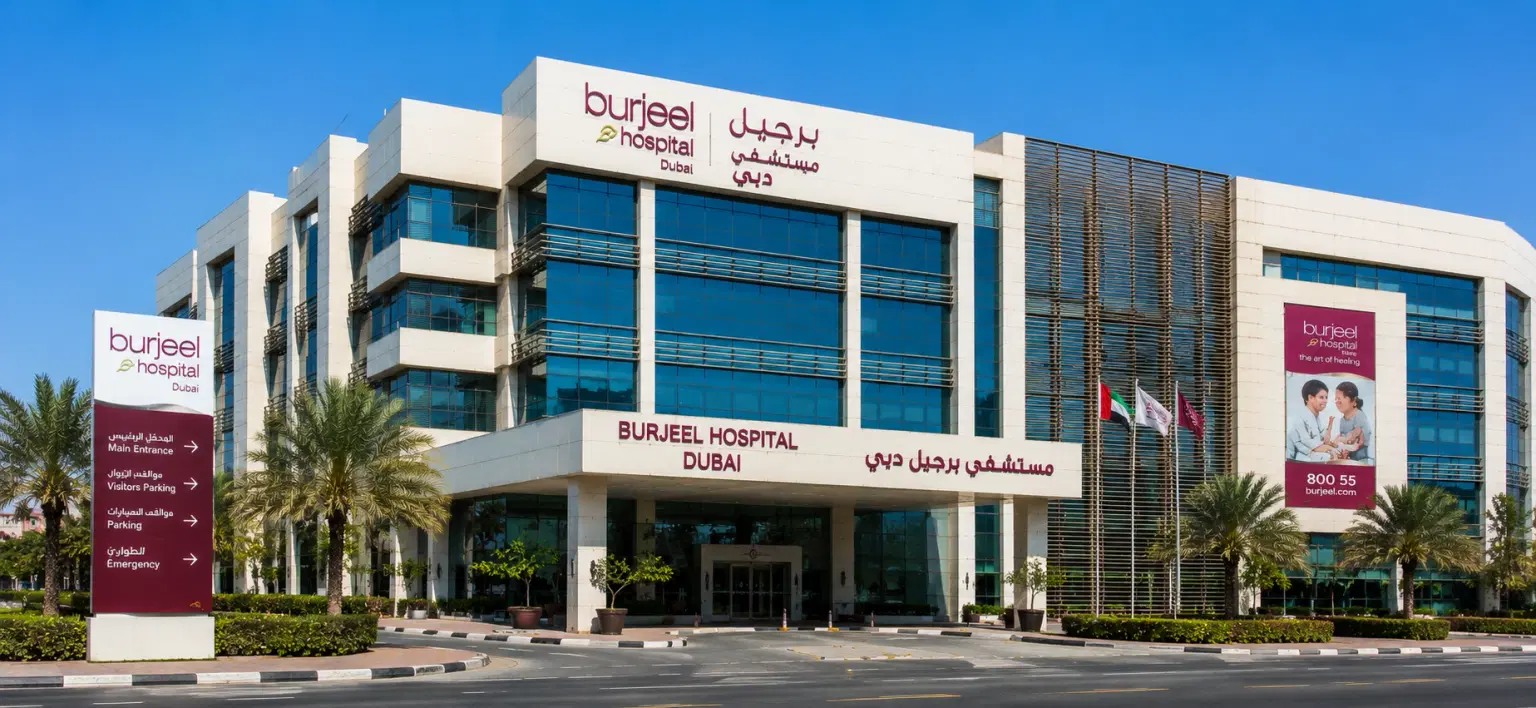
Burjeel Hospital, Dubai
Dubai, UAE (part of Burjeel Holdings network)
Burjeel Hospital, Dubai
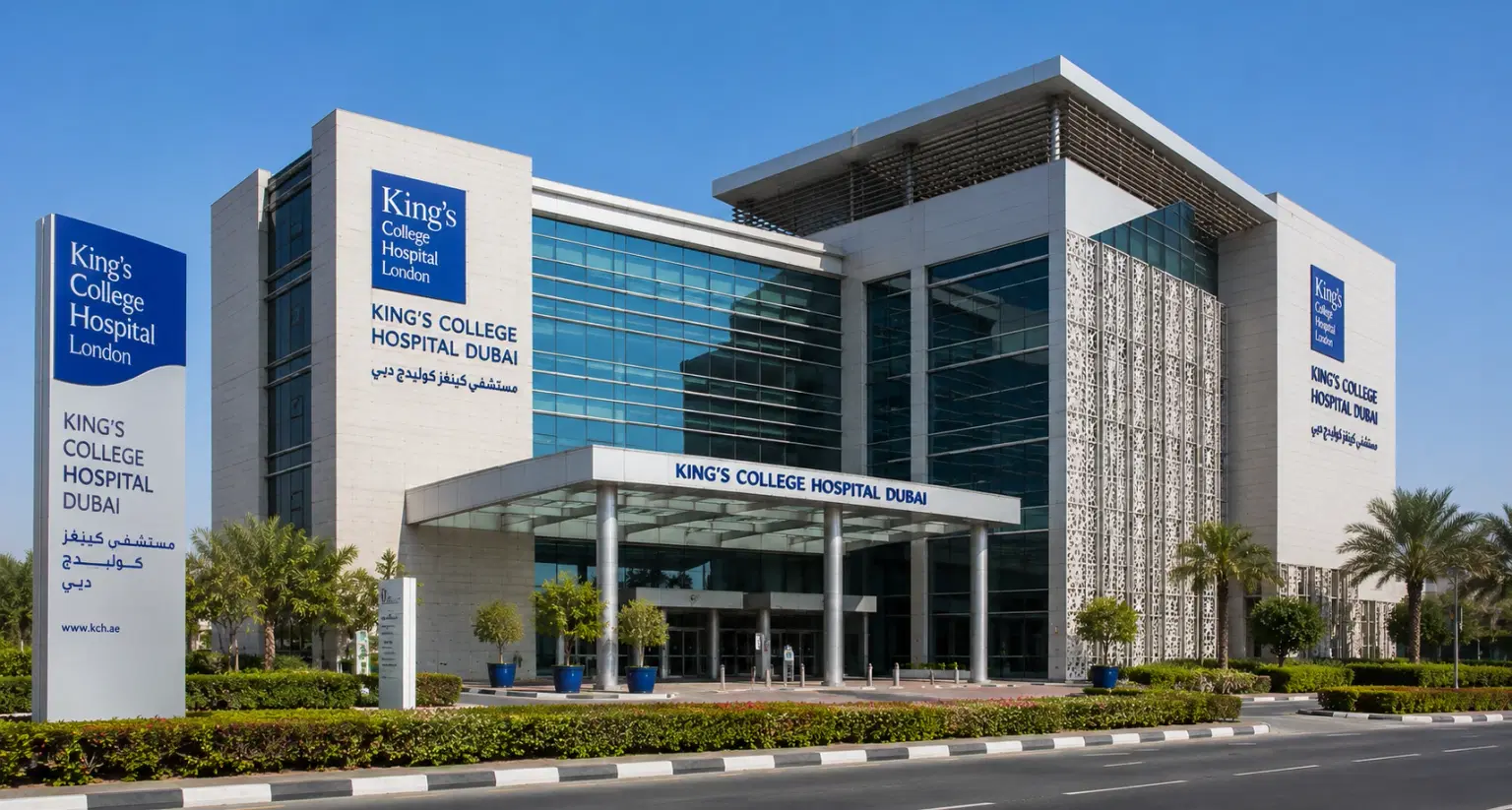
King's College Hospital, Dubai
Dubai Hills, Mohammed Bin Rashid City, Dubai, UAE
King's College Hospital, Dubai
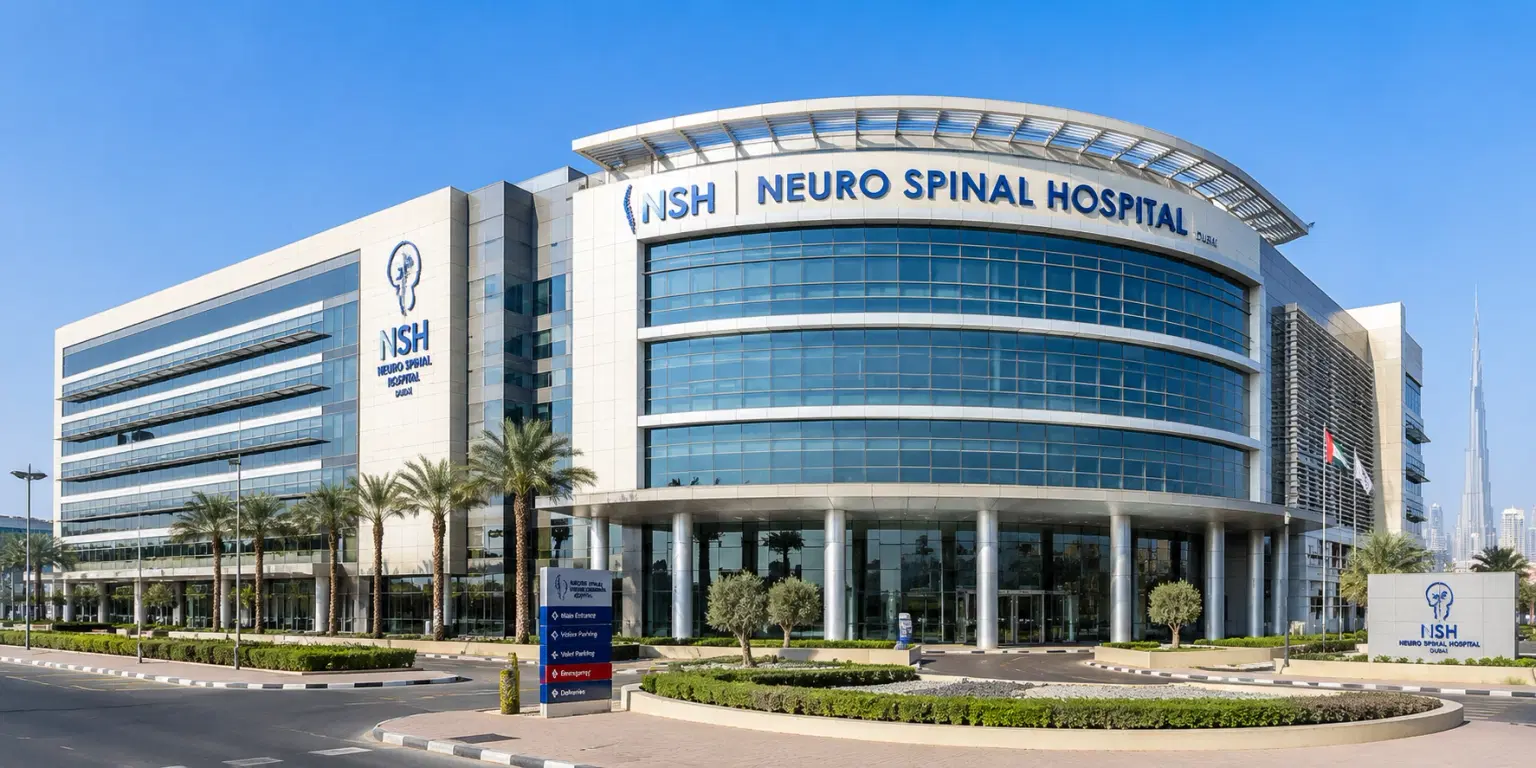
Neuro Spinal Hospital (NSH), Dubai
Dubai Science Park, Umm Suqeim St, Al Barsha South, Dubai, UAE
Neuro Spinal Hospital (NSH), Dubai
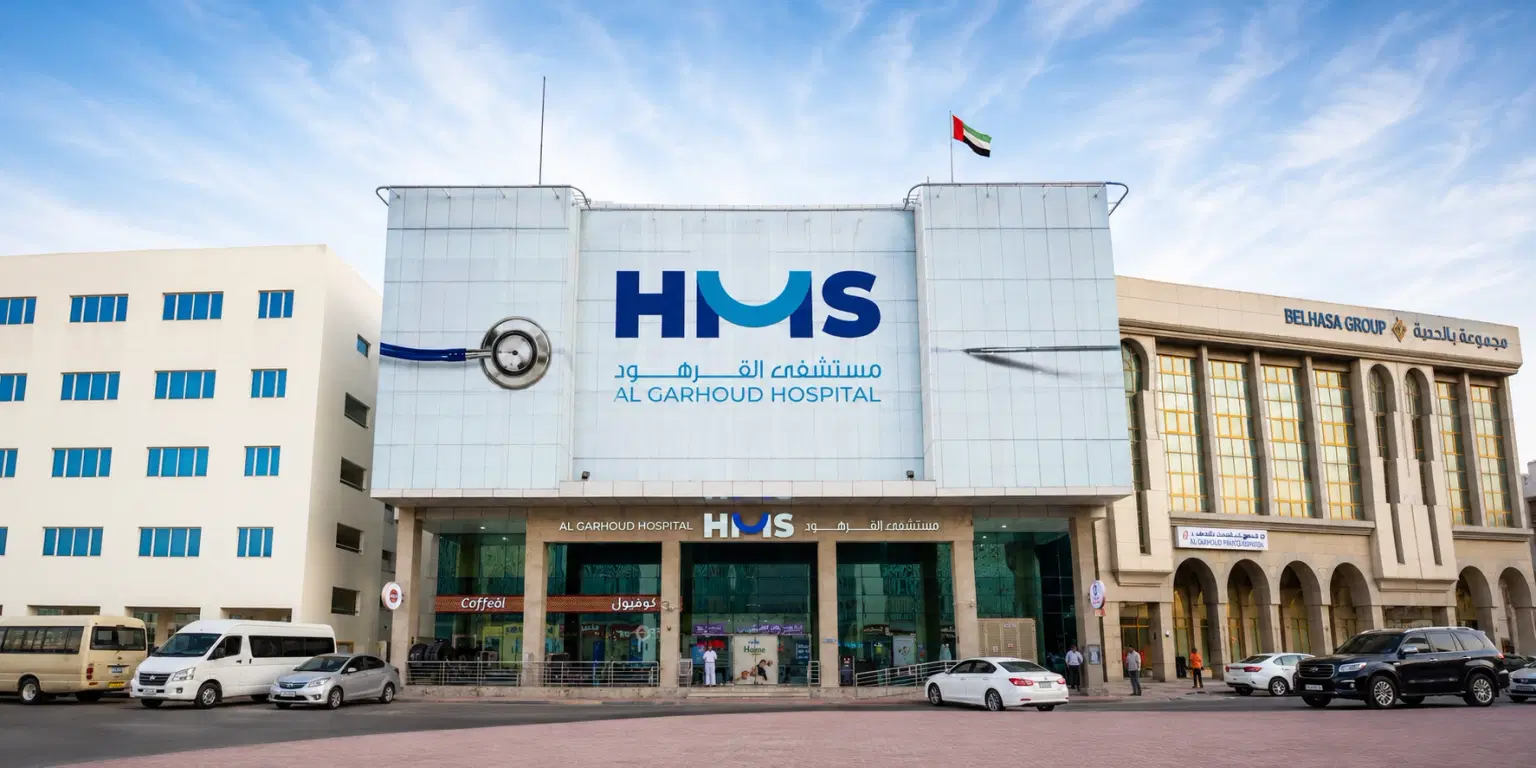
HMS Al Garhoud Hospital, Dubai
Al Garhoud Street, Al Garhoud, Dubai, UAE
HMS Al Garhoud Hospital, Dubai
Meet Our Doctors
Meet our team of highly qualified and experienced medical professionals dedicated to providing the best healthcare services.

Dr. Abhinandan Mukhopadhyay
Sr. Consultant - Urology & Kidney Transplant Program (Unit I)
Urology, Kidney Transplant, Urological Cancers
Haryana
8+ Years
Experience
Artemis Hospital
Hospital
1500
Fees

Dr. Varun Mittal
Head - Kidney Transplant & Associate Chief - Uro-Oncology & Robotic Surgery (Unit I)
Nephrology, Organ Transplant, Robotic Surgery, Urology
New Delhi
15+ Years
Experience
Artemis Hospital
Hospital
1500
Fees

Dr. Asit Arora
Senior Director, Head of Department - Urology, Uro-Oncology, Robotics and Renal Transplant
Urology, Uro-Oncology, Robotics and Renal Transplant
New Delhi
25+ Years
Experience
Apolo Delhi
Hospital
1500
Fees
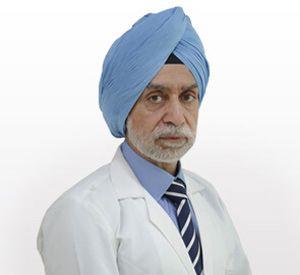
Dr. Avtar Singh Bath
Associate Director - Urology and Renal Transplant
Urology
New Delhi
27+ Years
Experience
Apolo Delhi
Hospital
1500
Fees

Dr. A. J. Chitkara
Senior Director - Urology, Uro-Oncology, Robotics & Kidney Transplant
Urology
New Delhi
30+ Years
Experience
Apolo Delhi
Hospital
1500
Fees

Dr. Amit K Devra
Senior Director - Urology & Kidney Transplant
Urology, Kidney Transplant
New Delhi
24+ Years
Experience
Apolo Delhi
Hospital
1500
Fees
Related Links
Other Treatment related Information
- Robotic Prostatectomy cost in Chennai
- Robotic Prostatectomy cost in India
- Robotic Prostatectomy cost in Mumbai
- Robotic Prostatectomy cost in Hyderabad
- Robotic Prostatectomy cost in New Delhi
- Robotic Prostatectomy cost in Bengaluru
- Robotic Prostatectomy cost in Haryana
- Robotic Prostatectomy cost in Pune
- Robotic Prostatectomy Success Rate in Haryana
- Robotic Prostatectomy Success Rate in Hyderabad
- Robotic Prostatectomy Success Rate in Pune
- Robotic Prostatectomy Success Rate in New Delhi
- Robotic Prostatectomy Success Rate in India
- Robotic Prostatectomy Success Rate in Chennai
- Robotic Prostatectomy Success Rate in Mumbai
- Robotic Prostatectomy Success Rate in Bengaluru
- Best Robotic Prostatectomy Doctors in Hyderabad
- Best Robotic Prostatectomy Doctors in New Delhi
- Best Robotic Prostatectomy Doctors in Bengaluru
- Best Robotic Prostatectomy Doctors in Pune
Ready To Start Your Healing Journey?
Get Personalized Medical Treatment Options From India's Top Hospitals. Our Medical Experts Are Ready To Assist You Every Step Of The Way.