
Endovascular Thrombectomy for Stroke Treatment in India for Ethiopia
Need Personalized Advice?
Our medical experts are ready to answer your questions and guide you through your treatment options.
About
Endovascular Thrombectomy for Stroke in India for Ethiopia Patients
Patients in Ethiopia facing a stroke diagnosis often worry about rapid access to specialized emergency care. The urgent nature of a stroke means every minute counts for effective intervention, and the availability of advanced treatments like endovascular thrombectomy can be a significant concern.
Seeking timely and expert medical care beyond local borders becomes a clear option for many. India stands out as a destination offering state-of-the-art neurological services for stroke across numerous cities. The country’s widespread medical infrastructure provides diverse choices for international patients.
India’s medical system is recognized globally for its high standards in complex procedures. Many hospitals across the nation house specialized stroke units staffed by experienced neuro-interventionalists and neurologists. This collective expertise builds confidence in the quality of care available.
Is India the right choice for advanced stroke treatment from Ethiopia?
What is Endovascular Thrombectomy for Stroke?
Endovascular thrombectomy is a minimally invasive procedure designed to remove blood clots from large arteries in the brain, restoring blood flow during an acute ischemic stroke. It uses specialized devices guided through a catheter inserted in an artery, typically in the groin, to reach and retrieve the clot. This treatment aims to minimize brain damage and improve patient outcomes by quickly re-establishing circulation.
Different Approaches in Stroke Intervention
While Endovascular Thrombectomy (ET) is a specific procedure, it exists within a broader spectrum of acute stroke care. Different techniques and related interventions can be considered depending on the patient's condition:
- Mechanical Thrombectomy: This is the primary method of ET, involving various devices like stent retrievers or aspiration catheters to directly remove the clot.
- Intravenous Thrombolysis (IV tPA): Often used as an initial treatment, this medication dissolves blood clots. It can be administered before or in conjunction with ET, if the patient meets criteria.
- Combination Therapy: For some patients, both IV thrombolysis and endovascular thrombectomy are used to achieve the best possible revascularization.
- Supportive Medical Management: Crucial before, during, and after ET, this includes blood pressure control, blood sugar management, and prevention of complications.
When is Endovascular Thrombectomy Necessary?
- Acute ischemic stroke caused by a large vessel occlusion in the brain.
- Symptoms typically appearing within a specific time window, often up to 6 or 24 hours from stroke onset, depending on imaging findings.
- Presence of significant neurological deficits, such as sudden weakness or numbness on one side, difficulty speaking, or vision loss.
- Confirmation of a large artery blockage through imaging like CT angiography or MR angiography.
- When initial intravenous thrombolysis is contraindicated or unsuccessful.
Pre-Treatment Evaluation Process
- Neurological Examination: A comprehensive assessment of neurological function and stroke severity.
- CT Scan of the Brain: To rule out hemorrhage and identify early signs of ischemic stroke.
- CT Angiography (CTA) or MR Angiography (MRA): To visualize blood vessels and confirm large vessel occlusion.
- CT Perfusion or MR Perfusion: To assess the amount of salvageable brain tissue (penumbra).
- Blood Tests: Including complete blood count, coagulation profile, kidney function, and blood glucose levels.
- Electrocardiogram (ECG): To check heart rhythm and rule out cardiac causes of stroke.
How Endovascular Thrombectomy is Performed
The precise method for endovascular thrombectomy depends on the patient's specific anatomy, the location of the clot, and the neuro-interventionalist's chosen technique.
Initial Access: The procedure begins with the insertion of a catheter, usually into an artery in the groin. This entry point is under local anesthesia, sometimes with conscious sedation or general anesthesia.
Navigating to the Brain: Using advanced imaging guidance, the neuro-interventionalist guides the catheter through the body's arterial system up to the blocked blood vessel in the brain.
Clot Retrieval: Once at the site of the clot, a specialized device, such as a stent retriever or an aspiration catheter, is deployed. A stent retriever expands within the clot to capture it, while an aspiration catheter suctions the clot directly. The device, with the captured clot, is then carefully withdrawn.
Confirmation: Angiography is performed again to confirm that blood flow has been successfully restored to the affected brain area.
Closure: After the clot is removed and blood flow is re-established, the catheters are removed, and the access site in the groin is closed.
The Recovery Process
Recovery after endovascular thrombectomy is a critical phase that requires close monitoring. Patients are typically observed in an intensive care unit or a specialized stroke unit immediately after the procedure. The healing journey includes ongoing neurological assessments, managing blood pressure, and preventing complications. Rehabilitation, involving physical, occupational, and speech therapy, often begins early to help patients regain lost functions and maximize recovery over several weeks to months. Follow-up appointments with neurologists are essential to monitor progress and adjust long-term stroke prevention strategies.
Potential Risks and Success Rates
- Further brain hemorrhage at the treatment site or in other brain areas.
- Damage to blood vessels during catheter navigation, potentially causing dissection or rupture.
- Fragmenting of the clot, leading to new blockages in smaller vessels.
- Stroke recurrence or other neurological complications.
- Reactions to contrast dye or anesthesia.
- Access site complications, such as bleeding or infection.
The success rates for endovascular thrombectomy in restoring blood flow can be high, often exceeding 80% to 90% for significant revascularization. Functional outcomes, such as reduced disability, vary widely among patients. Results depend on factors like the time from stroke onset to treatment, the size of the brain area affected, and the patient's overall health before the stroke. Early intervention significantly improves the chances of a better recovery and long-term independence, though full recovery is not always guaranteed.
Cost of Endovascular Thrombectomy in India
The cost of Endovascular Thrombectomy for Stroke in India can vary based on several factors. These include the hospital's reputation and facilities, the specific neuro-interventionalist's fees, the complexity of the stroke, the type of devices used, and the duration of the hospital stay, especially in an intensive care unit. Additional costs may arise from pre-procedure diagnostics, post-procedure medication, and rehabilitation services.
In India, the estimated cost for Endovascular Thrombectomy for Stroke typically ranges from INR 6,50,000 to INR 16,00,000.
Endovascular Thrombectomy Costs Across Major Indian Cities
| City | Estimated Cost (INR) |
|---|---|
| Delhi | 7,00,000 - 15,00,000 |
| Mumbai | 7,50,000 - 16,00,000 |
| Bengaluru | 6,80,000 - 14,50,000 |
| Chennai | 6,50,000 - 14,00,000 |
| Hyderabad | 6,70,000 - 13,80,000 |
| Kolkata | 6,20,000 - 12,50,000 |
| Ahmedabad | 6,00,000 - 12,00,000 |
Comparing Global Endovascular Thrombectomy Costs
| Country | Estimated Cost (USD) |
|---|---|
| India | 8,000 - 20,000 |
| United States | 40,000 - 100,000+ |
| United Kingdom | 30,000 - 60,000 |
| Singapore | 25,000 - 55,000 |
| Thailand | 18,000 - 38,000 |
| Turkey | 15,000 - 30,000 |
Need a precise cost estimate for Endovascular Thrombectomy? Contact our patient support team for personalized information and hospital options.
Comprehensive Support Services for International Patients
- Assistance with medical visa applications and necessary invitations.
- Arrangements for airport transfers and local transportation.
- Guidance on selecting suitable hospitals and specialist neuro-interventionalists.
- Support for accommodation planning for patients and accompanying family.
- Language interpretation services to ensure clear communication.
- Post-treatment follow-up coordination and teleconsultations.
Key Documents for Your Medical Journey to India
- A valid passport with sufficient validity for your stay.
- A medical visa for India, specifically for treatment purposes.
- Medical reports, diagnostic images (CT, MRI), and previous treatment history.
- A referral letter from your local doctor, if available.
- Proof of funds to cover medical expenses and living costs.
- Any other identification documents required by Indian authorities.
Important Steps to Prepare Before Arrival
- Ensure all necessary medical documents are translated into English.
- Arrange for a medical visa well in advance of your travel date.
- Confirm hospital admission details and appointment schedules.
- Discuss travel insurance options that cover medical emergencies abroad.
- Pack essential personal items and any prescribed medications you are currently taking.
- Inform the medical facility about any specific dietary needs or allergies.
Guidance for Your Post-Treatment Care and Recovery
- Adhere strictly to all prescribed medications and follow-up instructions.
- Participate actively in recommended rehabilitation therapies.
- Monitor for any new symptoms or complications and report them immediately.
- Maintain regular contact with your medical team for progress updates.
- Plan for a safe return journey after clearance from your doctors.
- Continue long-term lifestyle adjustments to prevent future stroke risks.
Ready to explore advanced stroke treatment options in India? Let us guide you through every step of your medical journey.
Take Your Next Step Toward Recovery
Choosing Endovascular Thrombectomy for Stroke in India can provide access to world-class care and a renewed path to health. We are here to assist you in making an informed decision.
Hospitals Offering this treatment
India offers premium medical procedures at affordable prices. Discover our most popular treatments, delivered by the country's finest doctors.
Meet Our Doctors
Meet our team of highly qualified and experienced medical professionals dedicated to providing the best healthcare services.
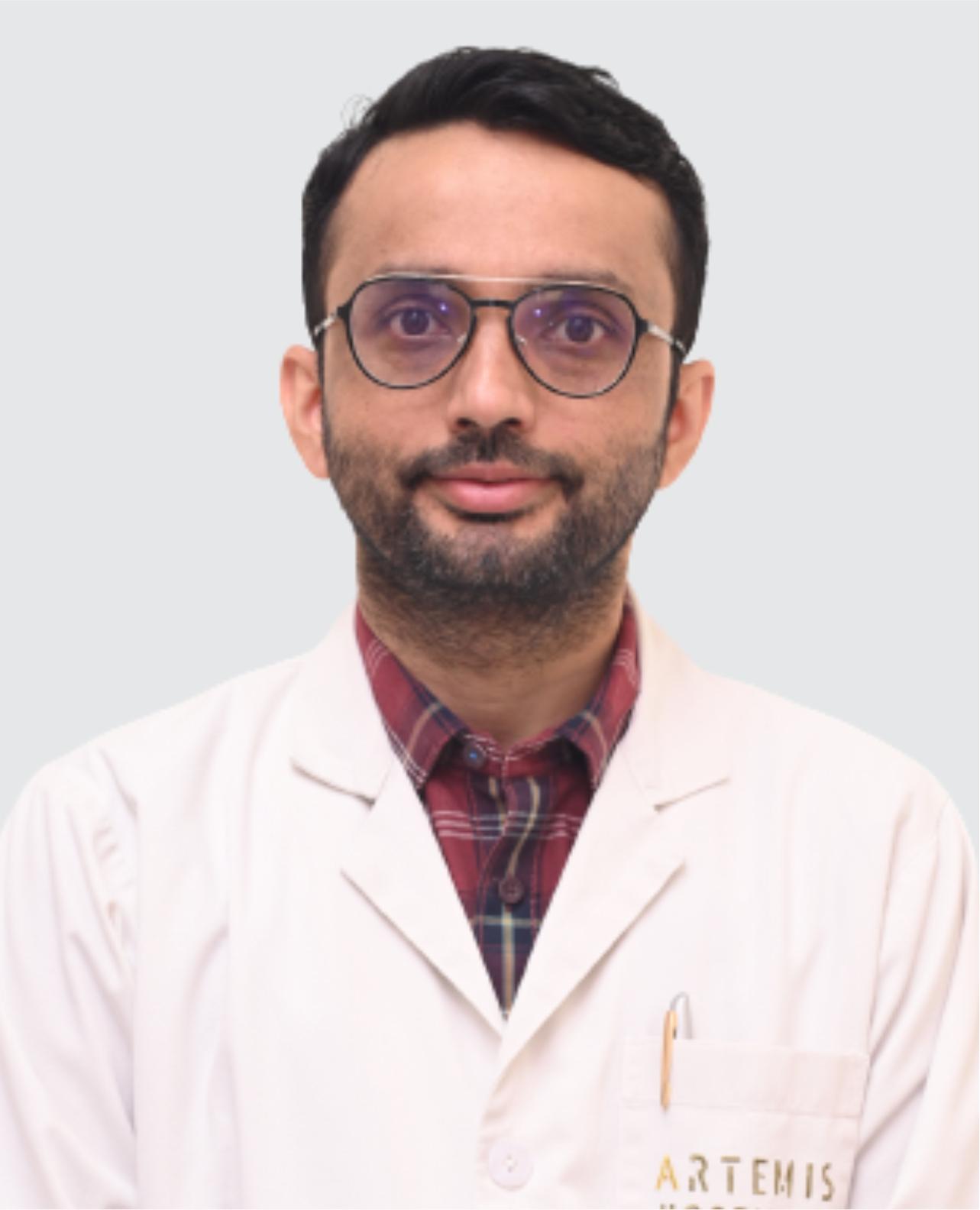
Dr. Vivek Barun
Sr. Consultant-Neurology & Epilepsy
Neurology & Epilepsy
New Delhi
15+ Years
Experience
Artemis Hospital
Hospital
1500
Fees
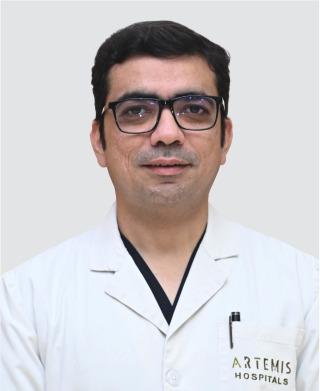
Dr. Tariq Matin
Director & Chief
Neurointerventional Surgery
New Delhi
15+ Years
Experience
Artemis Hospital
Hospital
1500
Fees
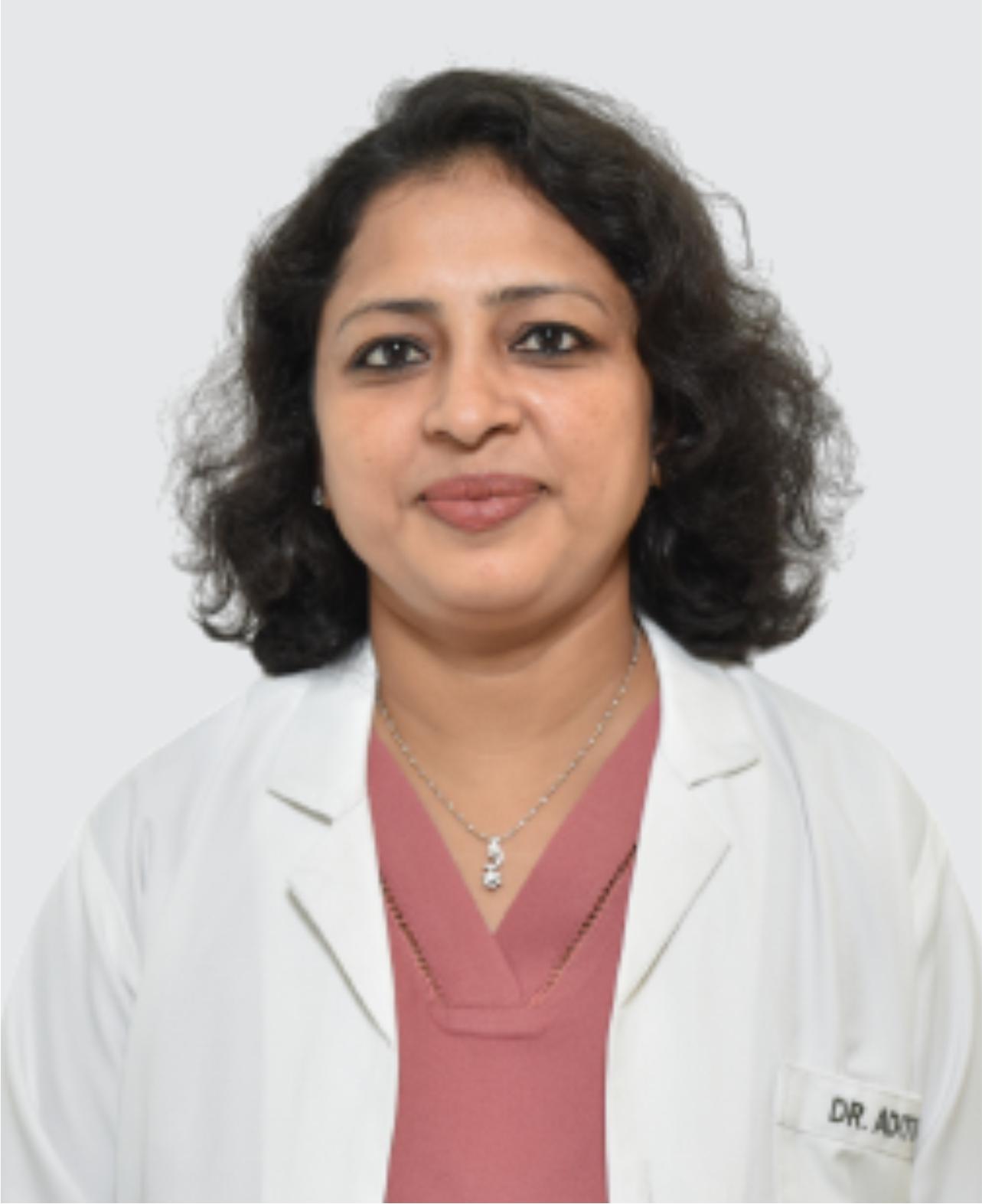
Dr Aditi Dixit
Sr. Consultant – Women Imaging
Radiology
New Delhi
15+ Years
Experience
Artemis Hospital
Hospital
1500
Fees

Dr Chandrima Misra M
Co-Head Psychological Services
Mental Health and Behavioural Sciences
New Delhi
15+ Years
Experience
Artemis Hospital
Hospital
1500
Fees
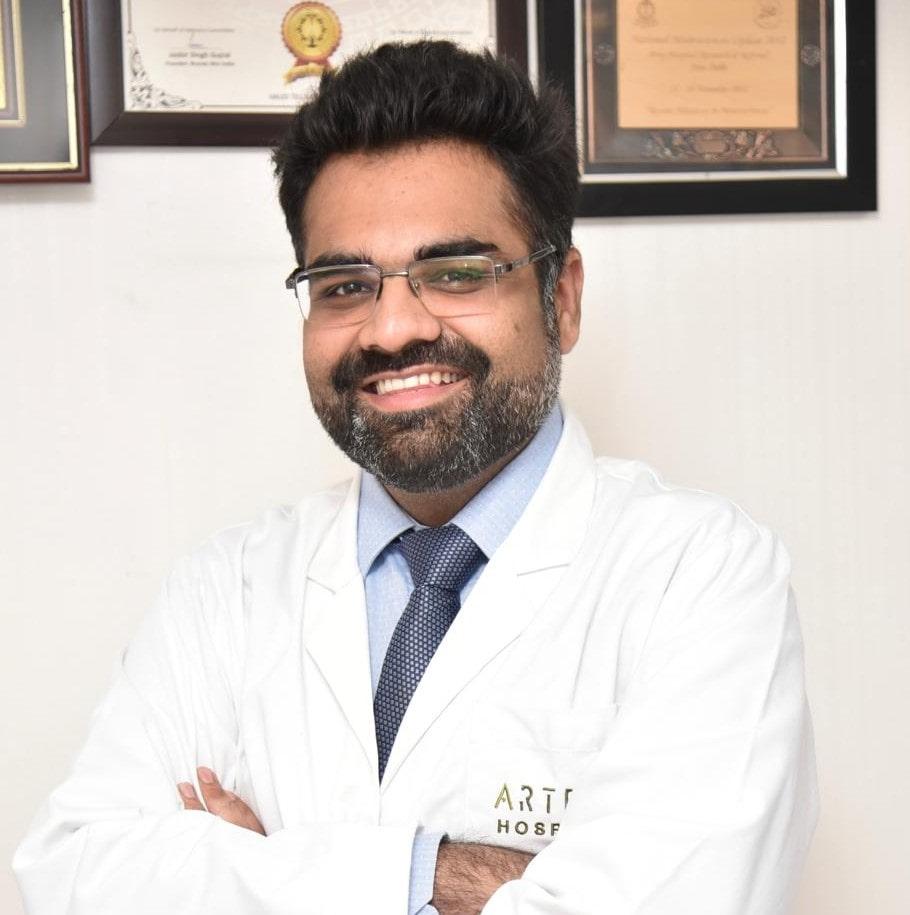
Dr. Mohit Anand
Consultant - Neurology & Movement Disorders
Neurology
New Delhi
15+ Years
Experience
Artemis Hospital
Hospital
1500
Fees
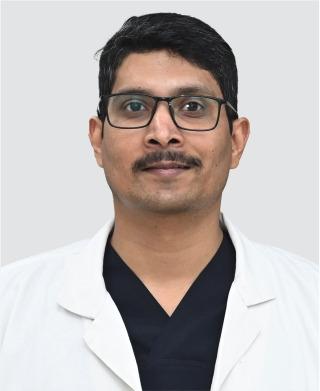
Dr. Mukesh Kumar
Additional Consultant - Neuro Interventional Surgery
Neurointerventional Surgery
New Delhi
20+ Years
Experience
Artemis Hospital
Hospital
1500
Fees
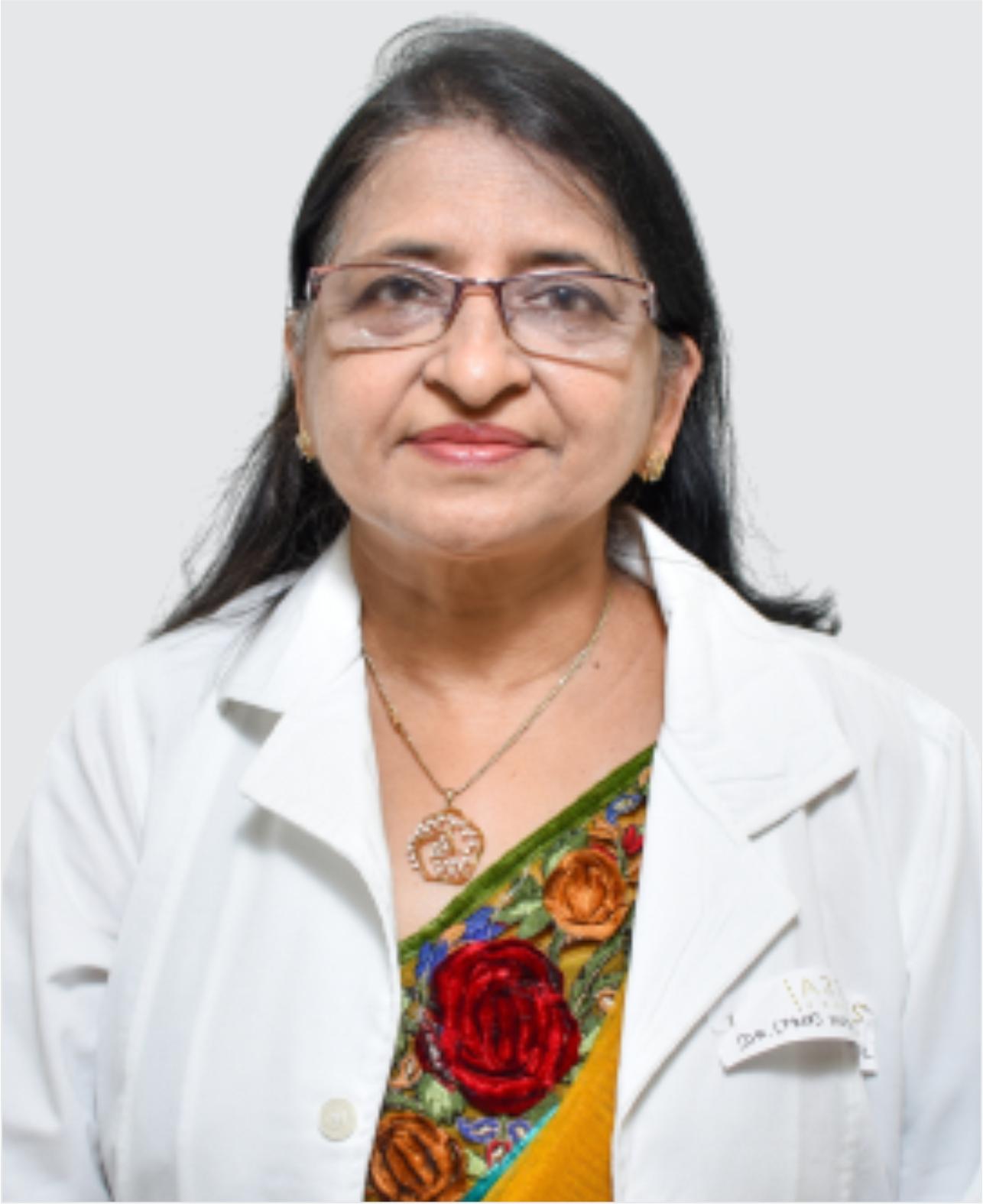
Dr. Nutan Agarwal
Head of Department - Gynae Endocrinology & DNB Program Director - Obs & Gynae
Gynaecological Endocrinology, Maternity, Obstetrics & Gynaecology
New Delhi
35+ Years
Experience
Artemis Hospital
Hospital
1500
Fees
Dr. Poonam Gautam
Senior Consultant - ENT
ENT and Head & Neck Surgery
New Delhi
24+ Years
Experience
Artemis Hospital
Hospital
1500
Fees
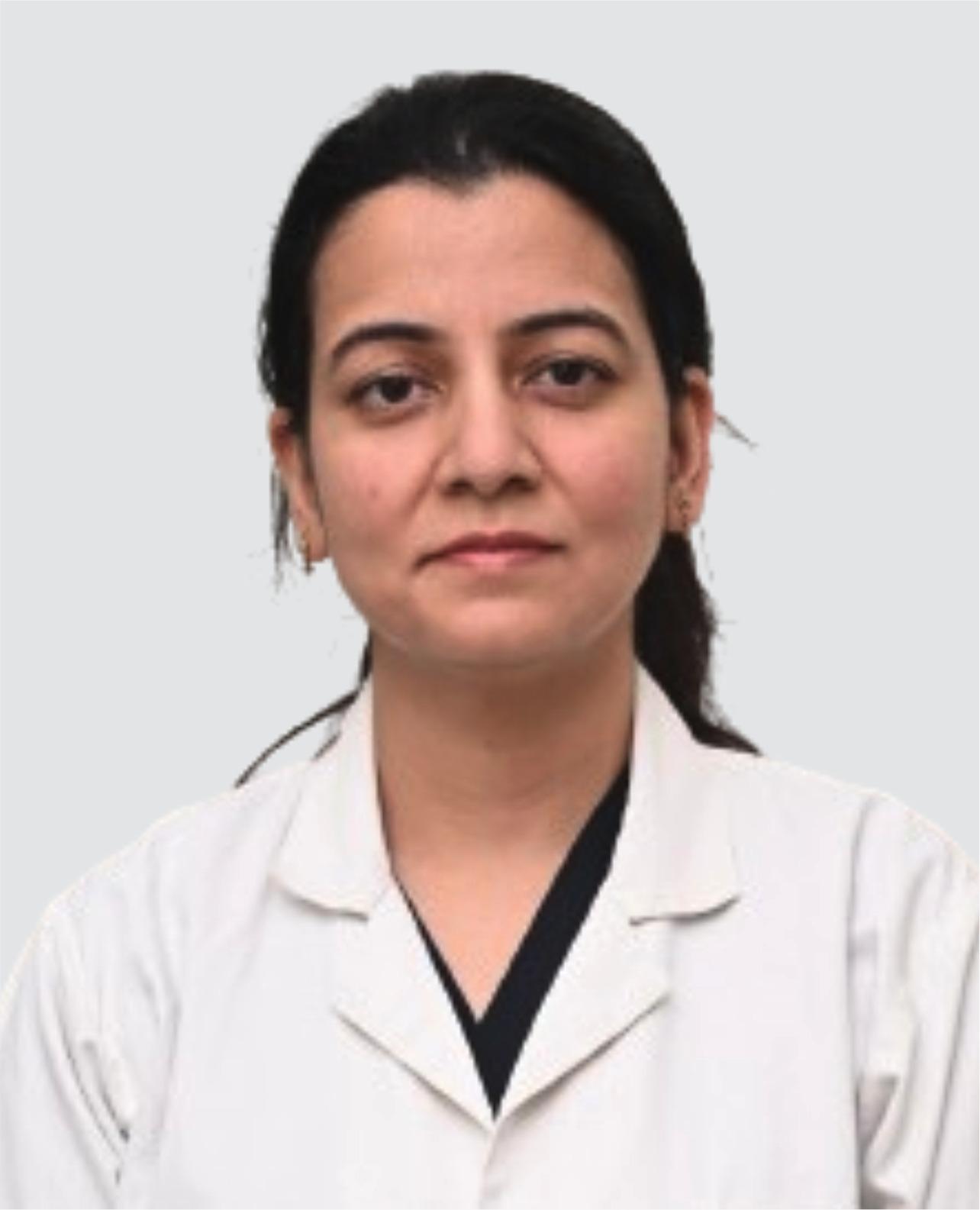
Dr. Priyanka Raina
Consultant (Head & Neck Surgery) - Surgical Oncology
Head and Neck Surgical Oncology
New Delhi
10+ Years
Experience
Artemis Hospital
Hospital
1500
Fees
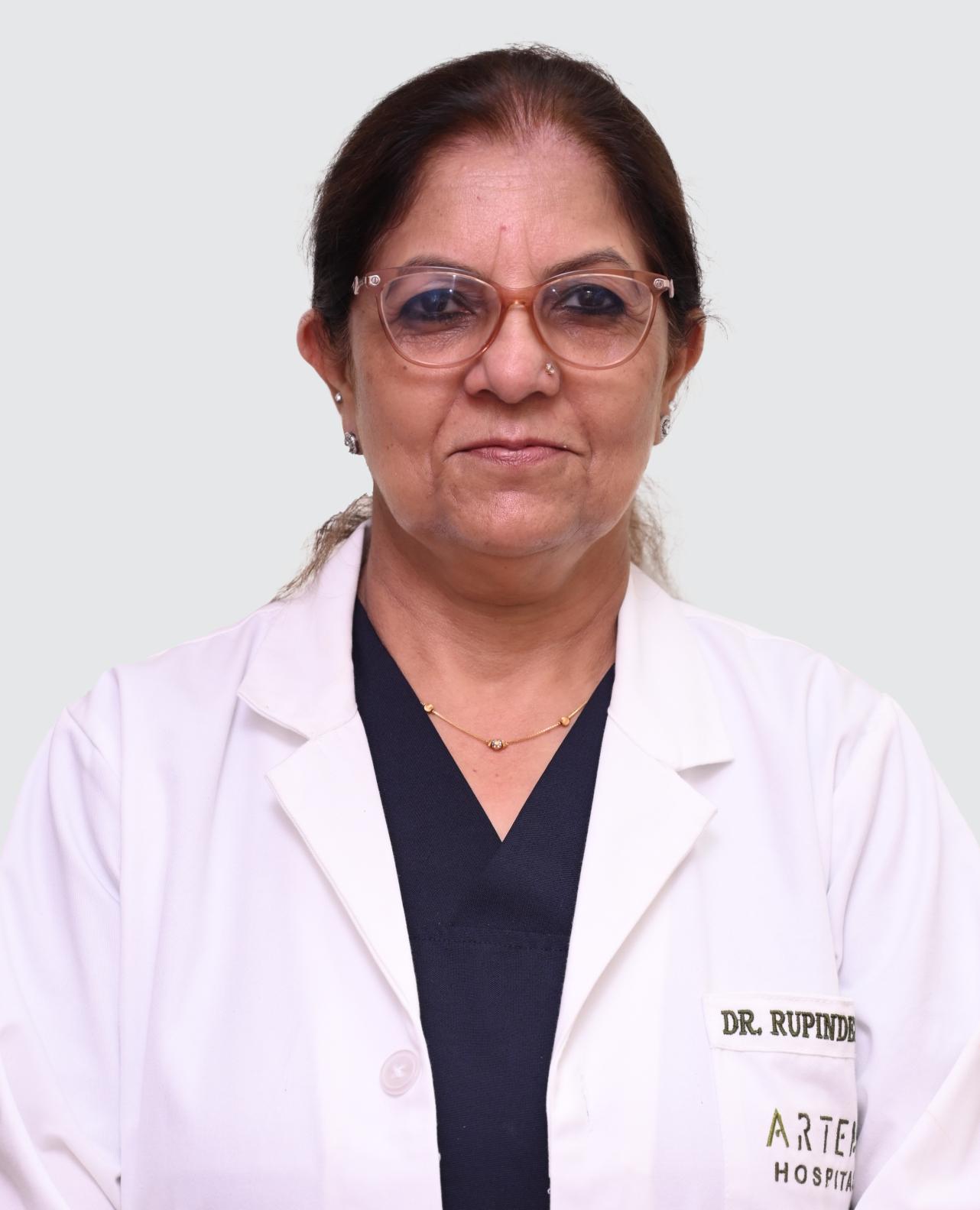
Dr. Rupinder Sekhon
Chairperson - Gynae Oncology
Gynaecological Oncology
New Delhi
16+ Years
Experience
Artemis Hospital
Hospital
1500
Fees
Related Links
Other Treatment related Information
- Endovascular Thrombectomy for Stroke cost in Hyderabad
- Endovascular Thrombectomy for Stroke cost in Bengaluru
- Endovascular Thrombectomy for Stroke cost in India
- Endovascular Thrombectomy for Stroke cost in Pune
- Endovascular Thrombectomy for Stroke cost in New Delhi
- Endovascular Thrombectomy for Stroke cost in Haryana
- Endovascular Thrombectomy for Stroke cost in Chennai
- Endovascular Thrombectomy for Stroke cost in Mumbai
- Endovascular Thrombectomy for Stroke Success Rate in Mumbai
- Endovascular Thrombectomy for Stroke Success Rate in Pune
- Endovascular Thrombectomy for Stroke Success Rate in Hyderabad
- Endovascular Thrombectomy for Stroke Success Rate in Bengaluru
- Endovascular Thrombectomy for Stroke Success Rate in India
- Endovascular Thrombectomy for Stroke Success Rate in New Delhi
- Endovascular Thrombectomy for Stroke Success Rate in Haryana
- Endovascular Thrombectomy for Stroke Success Rate in Chennai
- Best Endovascular Thrombectomy for Stroke Doctors in Hyderabad
- Best Endovascular Thrombectomy for Stroke Doctors in Mumbai
- Best Endovascular Thrombectomy for Stroke Doctors in Pune
- Best Endovascular Thrombectomy for Stroke Doctors in India
Ready To Start Your Healing Journey?
Get Personalized Medical Treatment Options From India's Top Hospitals. Our Medical Experts Are Ready To Assist You Every Step Of The Way.