
TAVR (Transcatheter Aortic Valve Replacement) Treatment in India for Bangladesh
Need Personalized Advice?
Our medical experts are ready to answer your questions and guide you through your treatment options.
About
TAVR Treatment in India for Bangladesh Patients: Cost & Hospitals
For many patients in Bangladesh facing severe aortic stenosis, the prospect of TAVR can bring both hope and significant questions. Concerns about treatment quality, specialist availability, and overall cost often arise when considering advanced cardiac procedures. Finding a trusted medical destination is a primary worry for families seeking the best care.
This is why a growing number of patients look to India. Our country offers a unique blend of world class medical expertise and cost efficiency. Hospitals across major Indian cities are well equipped to provide advanced cardiac interventions, including TAVR, ensuring broad accessibility for international visitors.
India’s nationwide medical system is built on a foundation of highly skilled cardiologists and surgeons. Many have international training and extensive experience with complex heart conditions. Indian hospitals maintain high standards of care, making them reliable choices for specialized treatments like TAVR.
India stands as a leading destination for advanced cardiac care.
What is TAVR (Transcatheter Aortic Valve Replacement)?
TAVR, or Transcatheter Aortic Valve Replacement, is a minimally invasive procedure designed to replace a diseased aortic valve. It involves inserting a new valve through a catheter, typically from an artery in the leg, without open chest surgery. This advanced technique helps restore proper blood flow from the heart, alleviating symptoms of severe aortic stenosis and improving heart function. It is often recommended for patients who may be at high risk for traditional open heart surgery.
Understanding Aortic Valve Treatment Options
When facing aortic valve disease, various treatment paths are considered:
- Transcatheter Aortic Valve Replacement (TAVR): A key minimally invasive option where a new valve is delivered via catheter. It is suitable for patients with severe aortic stenosis who might not tolerate open surgery well.
- Surgical Aortic Valve Replacement (SAVR): The traditional open heart surgery method to replace the aortic valve. This approach involves opening the chest and temporarily stopping the heart.
- Medical Management: For some patients, particularly in early stages or those unsuitable for intervention, medication and lifestyle adjustments are used to manage symptoms and slow disease progression.
- Balloon Valvuloplasty: A temporary procedure to widen a narrowed aortic valve using a balloon catheter. It is rarely a definitive solution but can be used as a bridge to TAVR or SAVR.
When is TAVR Treatment Required?
- Severe aortic stenosis, especially with symptoms.
- Symptoms like chest pain, shortness of breath, fainting.
- Risk factors making open heart surgery difficult.
- Advanced age with significant heart valve narrowing.
- Specific heart anatomy suitable for catheter access.
Pre-Treatment Evaluation for TAVR
- Detailed physical examination and medical history review.
- Echocardiogram (ultrasound of the heart) to assess valve function.
- CT scan of the chest, abdomen, and pelvis to map arteries.
- Coronary angiogram to check for blockages in heart arteries.
- Blood tests, including kidney function and clotting profiles.
- Pulmonary function tests to evaluate lung health.
How is TAVR Performed?
The TAVR procedure is carefully planned and performed by a specialized cardiac team. The approach can vary based on the patient's condition and specific anatomical considerations.
Access and Anesthesia
The patient receives local or general anesthesia. A small incision is made, most commonly in the groin, to access the femoral artery. Other access points, such as through the chest or subclavian artery, may be used if the femoral artery is unsuitable.
Catheter Insertion
A catheter carrying the new artificial heart valve is carefully guided through the blood vessels to the heart. Imaging techniques, such as fluoroscopy (X-ray guidance), are used to ensure precise placement of the catheter.
Valve Placement
Once the catheter reaches the diseased aortic valve, the new valve, which is usually collapsible, is deployed. It expands and pushes aside the old, damaged valve, taking over its function. The new valve immediately begins to regulate blood flow.
Completion
After successful placement, the catheter is withdrawn, and the access site is closed. The entire procedure typically takes between one to three hours, with patients often remaining conscious during the process.
TAVR Recovery Process
Recovery from TAVR is generally faster than open heart surgery. Most patients spend 2-5 days in the hospital. Post-procedure, patients are encouraged to mobilize quickly. Home recovery involves light activity for a few weeks, avoiding heavy lifting. Regular follow-up appointments with cardiologists are essential to monitor valve function and overall heart health. Cardiac rehabilitation might be recommended to help regain strength and endurance.
TAVR Risks and Success Rates
- Potential for stroke or transient ischemic attack.
- Risk of bleeding or vascular complications at the access site.
- Need for a permanent pacemaker due to electrical conduction issues.
- Kidney problems or acute kidney injury.
- Rarely, a leak around the new valve.
- Infection, although uncommon with modern techniques.
TAVR has demonstrated high success rates, significantly improving quality of life and survival for suitable patients. The outcome can vary based on individual patient health, the severity of their condition, and the experience of the medical team. Long-term results continue to be promising, with ongoing research enhancing valve durability and procedural safety. Many patients experience immediate relief from symptoms and return to an active lifestyle.
Cost of TAVR Treatment in India
The cost of TAVR in India is a significant factor for international patients, offering a compelling advantage compared to many Western countries. Several elements influence the final cost, including the specific hospital chosen, the experience of the treating specialist, the type of valve used, and the duration of hospital stay and recovery care. India’s robust healthcare infrastructure allows for competitive pricing without compromising on quality.
Generally, TAVR treatment in India can range from ₹18,00,000 to ₹28,00,000.
TAVR Cost Across Major Indian Cities (INR)
| City | Estimated Cost Range (INR) |
|---|---|
| Delhi NCR | ₹20,00,000 - ₹26,00,000 |
| Mumbai | ₹21,00,000 - ₹27,00,000 |
| Chennai | ₹19,00,000 - ₹25,00,000 |
| Bengaluru | ₹20,00,000 - ₹26,00,000 |
| Hyderabad | ₹18,00,000 - ₹24,00,000 |
| Kolkata | ₹18,00,000 - ₹24,00,000 |
| Ahmedabad | ₹19,00,000 - ₹25,00,000 |
Global TAVR Cost Comparison (USD)
| Country | Estimated Cost Range (USD) |
|---|---|
| USA | $55,000 - $75,000 |
| UK | $48,000 - $65,000 |
| Singapore | $45,000 - $60,000 |
| Turkey | $35,000 - $48,000 |
| India | $22,000 - $34,000 |
Considering TAVR in India?
Reach out to us for a personalized treatment plan and cost estimate tailored to your needs. Our team is ready to assist you.
Comprehensive Support Services for Your Medical Journey
- Expert coordination of all medical appointments and consultations.
- Assistance with travel logistics, including visa and flight guidance.
- Arrangement of comfortable accommodation for patients and companions.
- Provision of language support and translation services.
- Facilitation of post-treatment follow-up and recovery planning.
- Dedicated patient support for any queries throughout your stay.
Essential Documents for Medical Travel to India
- Valid passport and medical visa for India.
- Comprehensive medical reports and diagnostic test results.
- Referral letters from your primary care physician or cardiologist.
- Proof of adequate funds for treatment and stay.
- Copies of all previous cardiac evaluations and surgical notes.
Preparing for Your TAVR Procedure
- Discuss all medications with your medical team, especially blood thinners.
- Follow any dietary restrictions advised before the procedure.
- Arrange for a companion to assist you during your visit.
- Understand the procedural details and recovery expectations.
- Ensure all required tests are completed before admission.
Guidelines for Recovery and Aftercare
- Adhere strictly to prescribed medications and dosages.
- Attend all scheduled follow-up appointments with your cardiologist.
- Gradually increase physical activity as advised by your doctor.
- Monitor incision sites for any signs of infection.
- Maintain a heart healthy diet and lifestyle changes.
- Avoid heavy lifting and strenuous activities for the initial weeks.
Ready to Explore TAVR Options in India?
Connect with our patient care team today to begin your journey toward better heart health. We are here to guide you every step of the way.
Take a Confident Step Towards Better Heart Health
Choosing TAVR in India offers an opportunity for advanced care with dedicated support.
Hospitals Offering this treatment
India offers premium medical procedures at affordable prices. Discover our most popular treatments, delivered by the country's finest doctors.
Meet Our Doctors
Meet our team of highly qualified and experienced medical professionals dedicated to providing the best healthcare services.
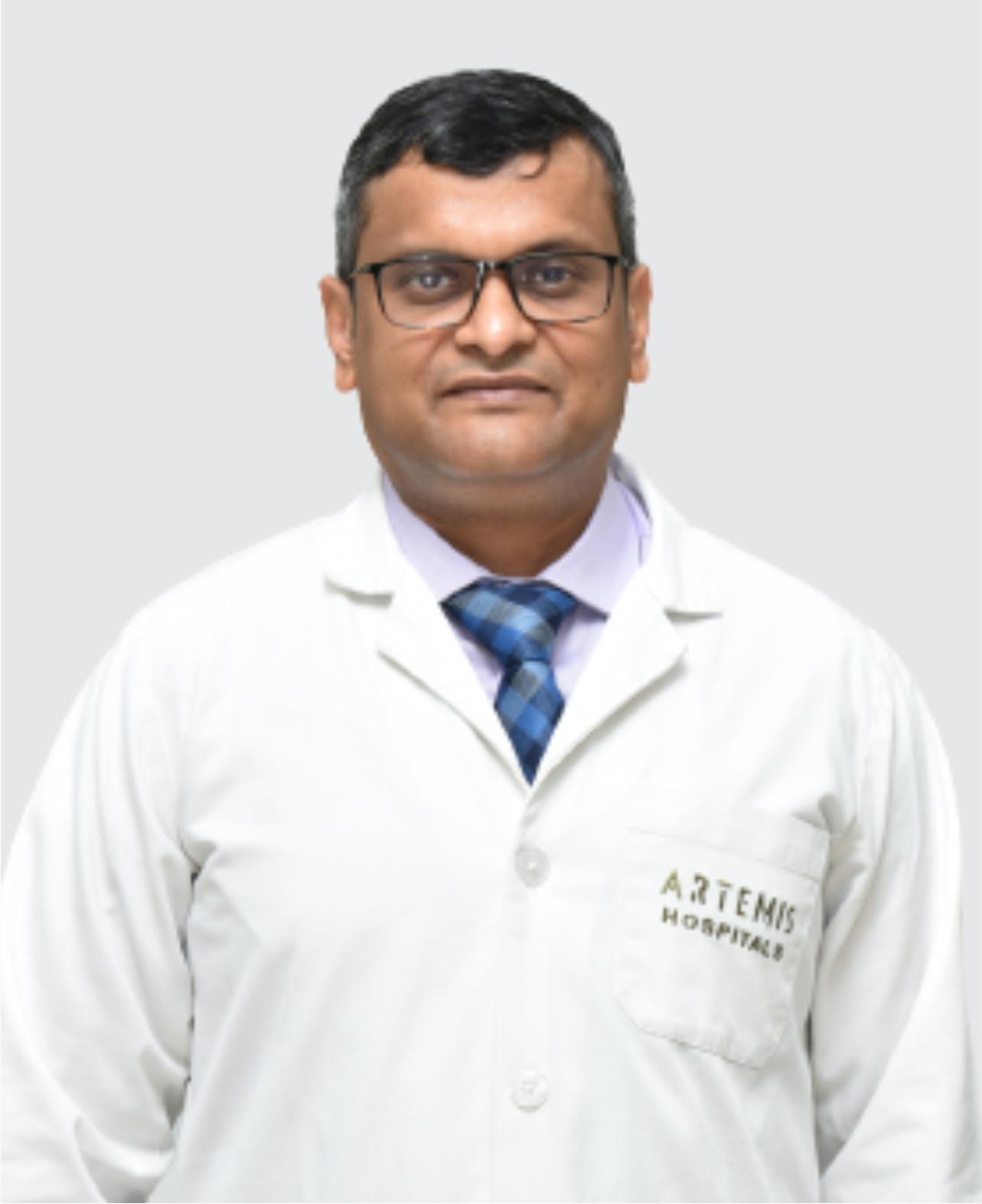
Dr. Amit Kumar Chaurasia
Chief Cath Lab & TAVI (Unit I), Director TAVI/TAVR and Structural Heart Disease and Senior Consultant Cardiology
Cardiology, Interventional Cardiology, TAVI / TAVR & Structural Heart Diseases
New Delhi
16+ Years
Experience
Artemis Hospital
Hospital
1500
Fees

Dr. D.K. Jhamb
Chief Cardiology (Unit IV)
Cardiology
New Delhi
30+ Years
Experience
Artemis Hospital
Hospital
1500
Fees
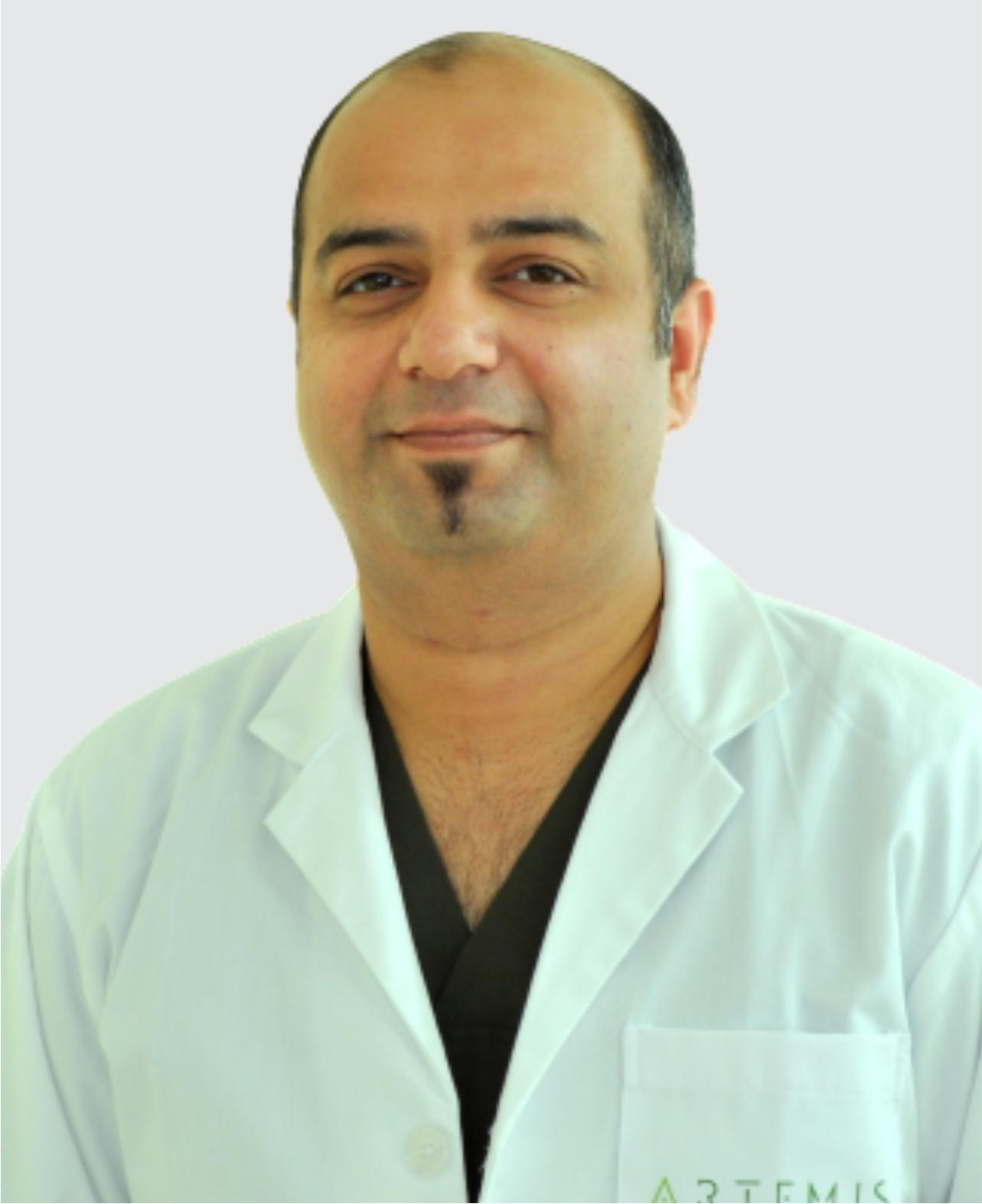
Dr Amit Jassal
Principal Consultant - Anaesthesia
Anaesthesia
New Delhi
15+ Years
Experience
Artemis Hospital
Hospital
1500
Fees
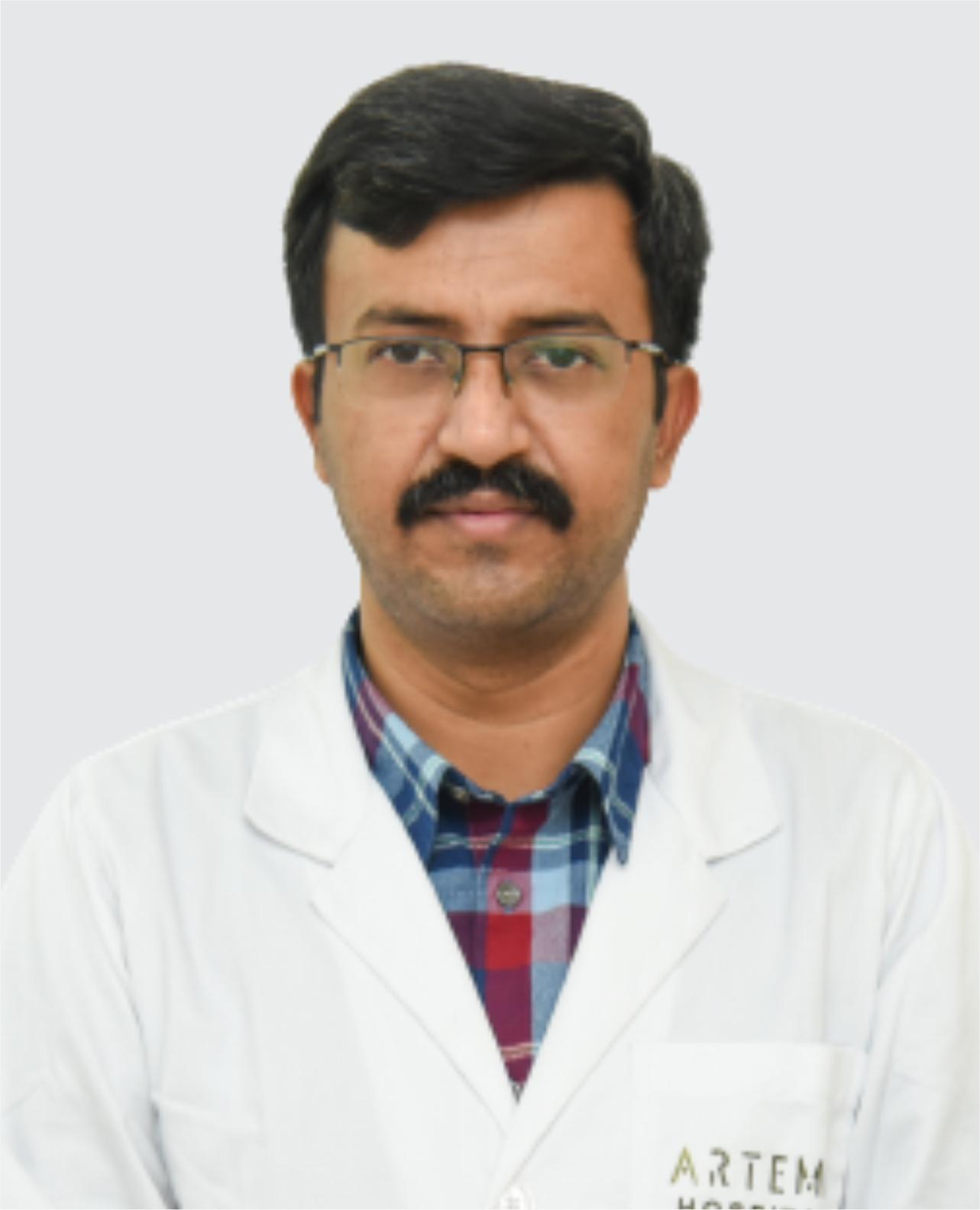
Dr. Abhinandan
Sr. Consultant - Urology & Kidney Transplant Program (Unit I)
Organ Transplant, Urology
New Delhi
8+ Years
Experience
Artemis Hospital
Hospital
1500
Fees
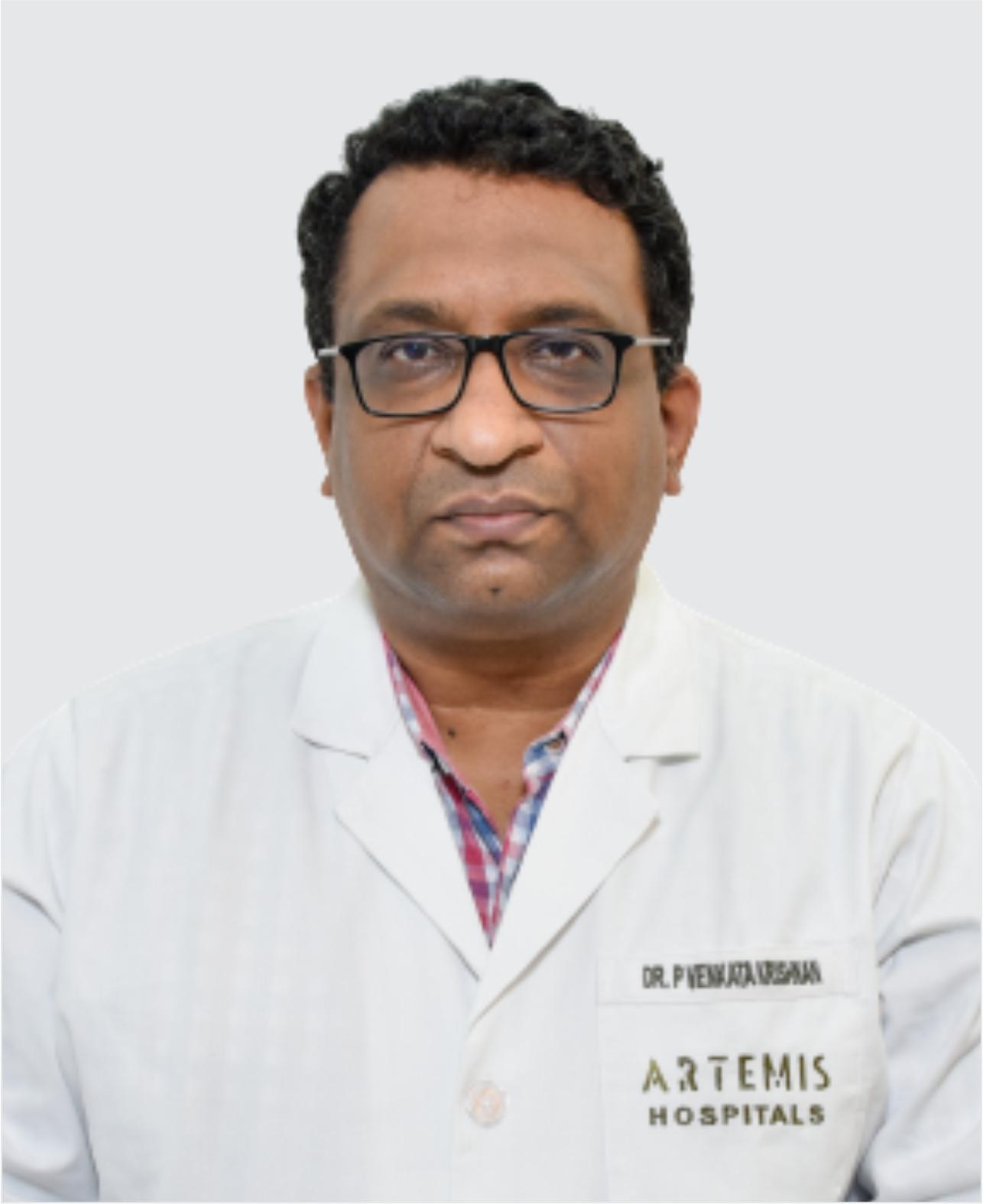
Dr. P. Venkata Krishnan
Sr. Consultant
Internal Medicine
New Delhi
12+ Years
Experience
Artemis Hospital
Hospital
1500
Fees
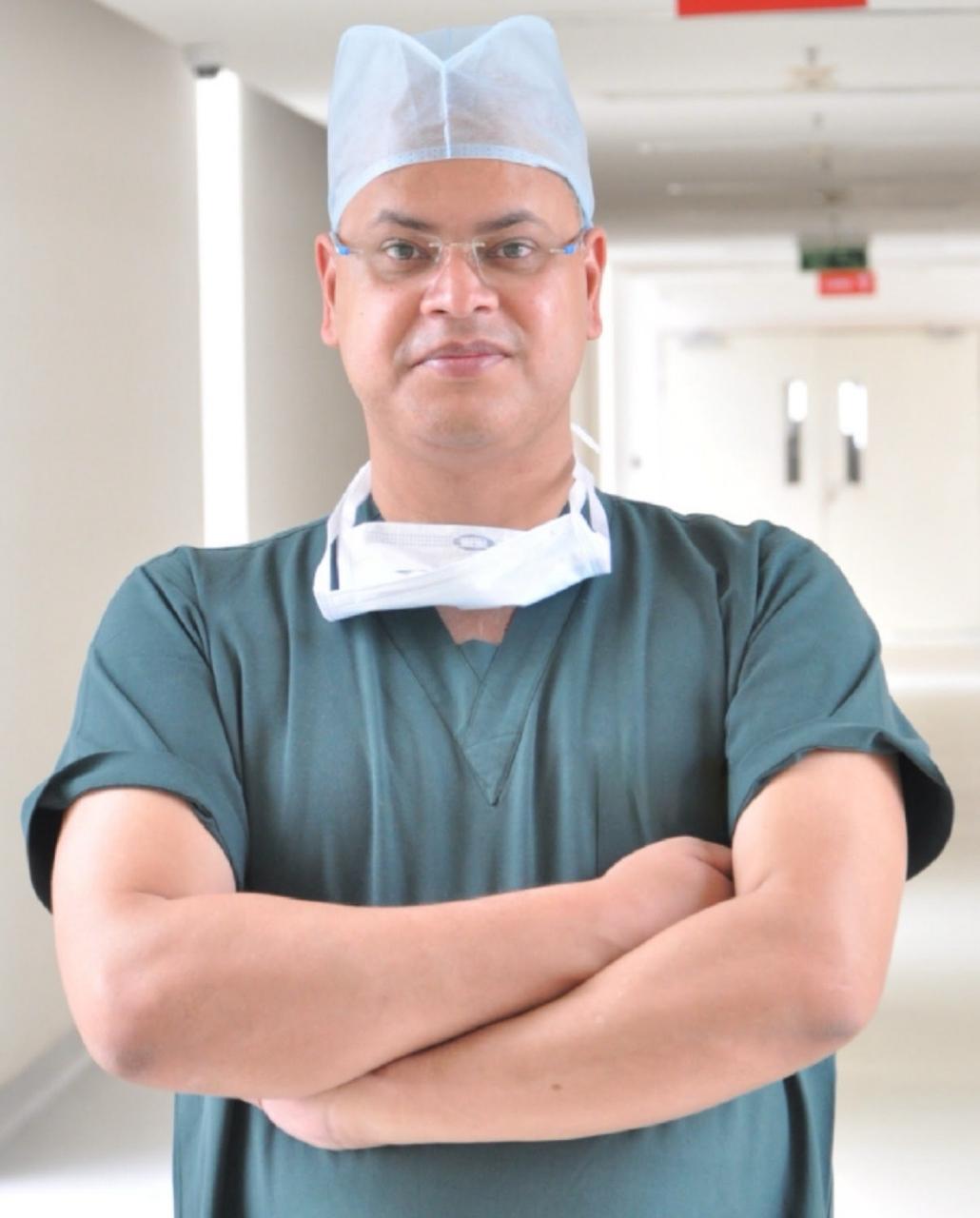
Dr. Ramkinkar Jha
Chief and Unit Head - Orthopaedics (Unit III)
Orthopaedic Surgery, Orthopaedics, Robotic Surgery
New Delhi
20+ Years
Experience
Artemis Hospital
Hospital
1500
Fees
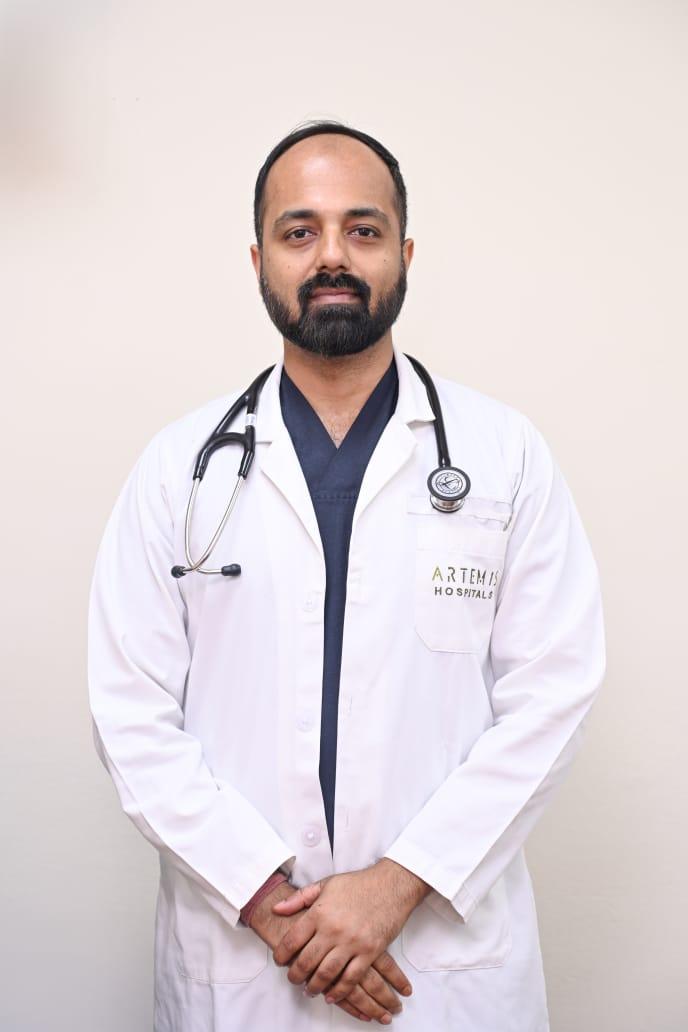
Dr. Sushant Mishra
Consultant
Cardiology, Interventional Cardiology
New Delhi
15+ Years
Experience
Artemis Hospital
Hospital
1500
Fees

Dr. M.A. Mir
Head - Gastroenterology - Liver & Digestive Diseases (Unit III)
Gastroenterology, Gastrointestinal Surgery
New Delhi
17+ Years
Experience
Artemis Hospital
Hospital
1500
Fees
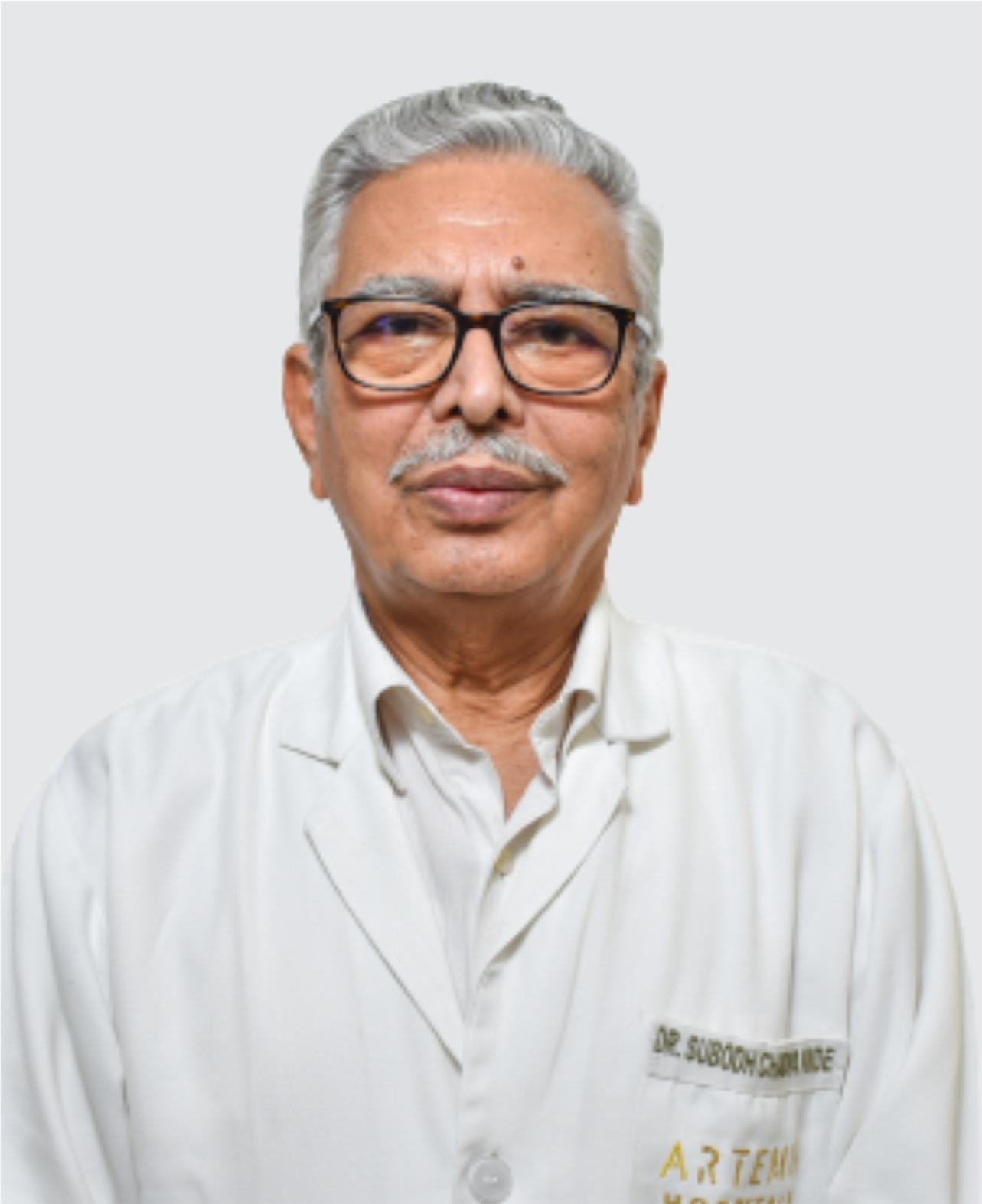
Dr. Subodh Pande
Chief - Radiation Oncology & Co-Chief - Cyberknife Centre
Oncology
New Delhi
15+ Years
Experience
Artemis Hospital
Hospital
1500
Fees
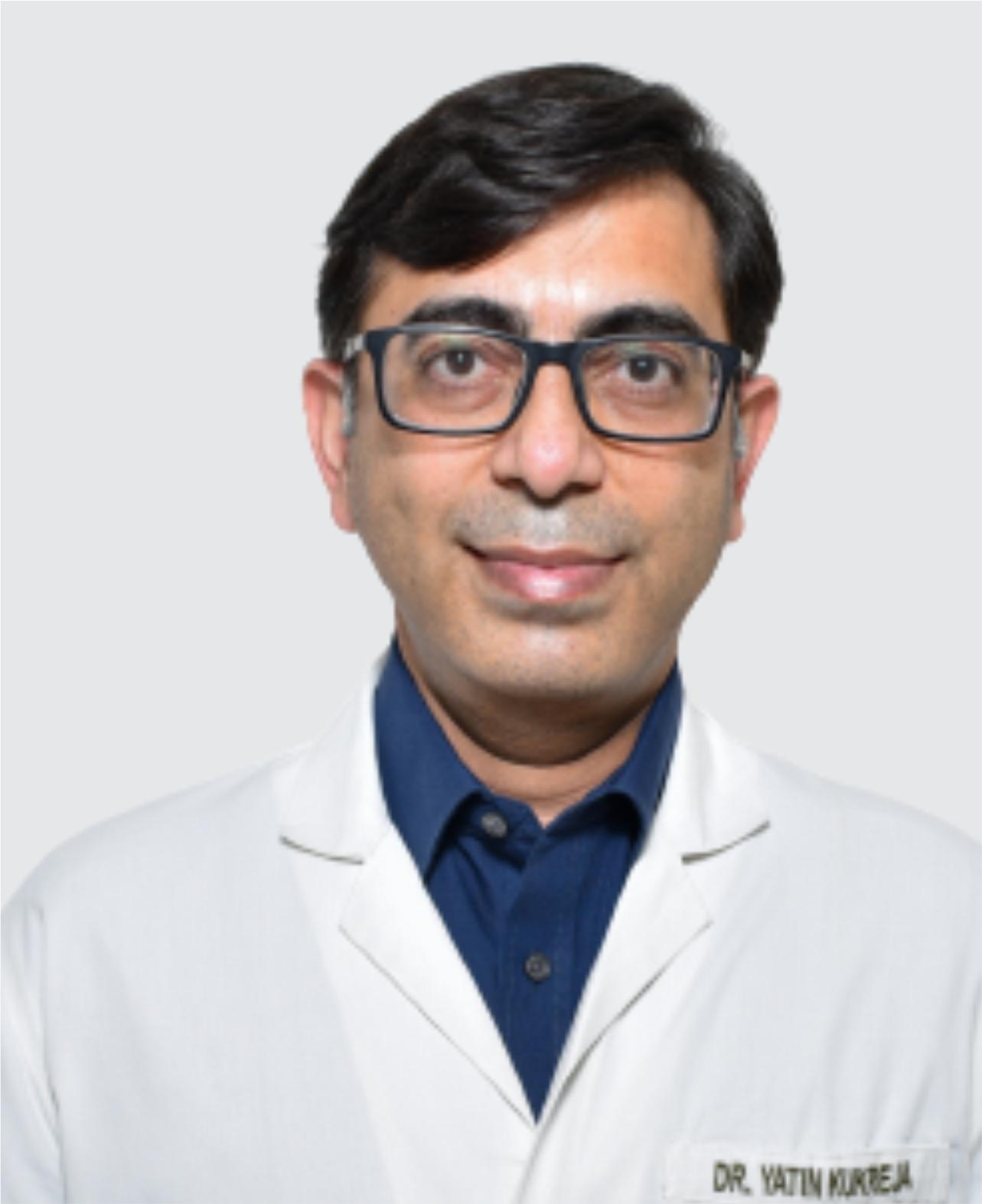
Dr. Yatin Kukreja
Director
Cardiology
New Delhi
14+ Years
Experience
Artemis Hospital
Hospital
1500
Fees
Related Links
Other Treatment related Information
- TAVR (Transcatheter Aortic Valve Replacement) cost in Bengaluru
- TAVR (Transcatheter Aortic Valve Replacement) cost in Pune
- TAVR (Transcatheter Aortic Valve Replacement) cost in Mumbai
- TAVR (Transcatheter Aortic Valve Replacement) cost in Haryana
- TAVR (Transcatheter Aortic Valve Replacement) cost in Hyderabad
- TAVR (Transcatheter Aortic Valve Replacement) cost in India
- TAVR (Transcatheter Aortic Valve Replacement) cost in Chennai
- TAVR (Transcatheter Aortic Valve Replacement) cost in New Delhi
- TAVR (Transcatheter Aortic Valve Replacement) Success Rate in Pune
- TAVR (Transcatheter Aortic Valve Replacement) Success Rate in New Delhi
- TAVR (Transcatheter Aortic Valve Replacement) Success Rate in Hyderabad
- TAVR (Transcatheter Aortic Valve Replacement) Success Rate in Mumbai
- TAVR (Transcatheter Aortic Valve Replacement) Success Rate in Haryana
- TAVR (Transcatheter Aortic Valve Replacement) Success Rate in Chennai
- TAVR (Transcatheter Aortic Valve Replacement) Success Rate in Bengaluru
- TAVR (Transcatheter Aortic Valve Replacement) Success Rate in India
- Best TAVR (Transcatheter Aortic Valve Replacement) Doctors in India
- Best TAVR (Transcatheter Aortic Valve Replacement) Doctors in Bengaluru
- Best TAVR (Transcatheter Aortic Valve Replacement) Doctors in New Delhi
- Best TAVR (Transcatheter Aortic Valve Replacement) Doctors in Gurugram
Ready To Start Your Healing Journey?
Get Personalized Medical Treatment Options From India's Top Hospitals. Our Medical Experts Are Ready To Assist You Every Step Of The Way.