
TAVR (Transcatheter Aortic Valve Replacement) Treatment in India for Ethiopia
Need Personalized Advice?
Our medical experts are ready to answer your questions and guide you through your treatment options.
About
TAVR in India for Ethiopian Patients | Cost, Hospitals, Recovery
Ethiopian patients with severe aortic stenosis often seek advanced solutions globally. Accessing high-quality, specialized heart treatment can be daunting. Finding a reliable medical destination for TAVR is a key concern.
India stands out as a premier destination for international cardiac care. Its nationwide network offers advanced TAVR procedures. This widespread availability ensures access to world-class treatment facilities across major cities.
India's medical system is internationally recognized for its high standards and skilled cardiologists. Hospitals countrywide provide state-of-the-art facilities and experienced specialists. This fosters confidence in a safe and effective treatment journey.
Is India the optimal choice for your TAVR and comprehensive heart recovery?
What is TAVR?
TAVR is a minimally invasive procedure replacing a narrowed aortic valve (aortic stenosis). Unlike open-heart surgery, a new valve is delivered via a catheter, usually through a leg artery. This avoids large chest incisions, leading to faster recovery. It restores proper blood flow, alleviating symptoms like chest pain and shortness of breath.
TAVR Procedure Approaches
Transfemoral: Most common, catheter inserted via a groin artery. Minimally invasive.
Transapical: Small chest incision, catheter through heart apex. Used when transfemoral unsuitable.
Transaortic: Catheter inserted directly into aorta via upper chest/neck incision.
Choice depends on patient anatomy, decided by a heart team.
When is TAVR Needed?
- Severe aortic stenosis, especially for high-risk surgical patients.
- Symptoms: chest pain, shortness of breath, fainting.
- Heart failure due to aortic valve dysfunction.
- Confirmed significant valve narrowing via imaging.
Pre-TAVR Assessment
- Medical history, physical exam.
- Echocardiogram (valve & heart function).
- CT scan (arterial mapping).
- Coronary angiogram (blockages).
- Blood tests (kidney, liver).
- Heart team consultation.
How is TAVR Performed?
TAVR is a planned procedure by a specialized cardiac team, tailored to patient needs and chosen access route.
Preparation: Anesthesia (local/general) is administered. Vital signs continuously monitored.
Catheter Insertion: A small incision, typically groin, guides a catheter with the new valve to the heart.
Valve Placement: New valve deployed precisely within the diseased aortic valve, expanded to restore function.
Completion: Catheter removed, incision closed. Procedure typically 1-2 hours.
TAVR Recovery & Aftercare
Recovery is quicker than open-heart surgery. Hospital stay usually a few days, often with initial ICU monitoring. Early walking encouraged. Discharge instructions cover medication, wound care, activity limits. Regular cardiologist follow-ups are crucial. Cardiac rehabilitation may be recommended.
TAVR Risks & Outcomes
- Bleeding or vascular complications.
- Stroke; temporary heart rhythm issues.
- Kidney injury; infection.
- Rarely, valve leakage or displacement.
TAVR shows high success, especially for high-risk patients, significantly improving symptoms and quality of life. Long-term valve durability is promising. Outcomes depend on patient health and medical team expertise. Your doctor provides personalized expectations.
TAVR Cost in India
India offers TAVR at significantly lower costs than many Western countries, without compromising quality. Factors influencing expense include hospital, valve type, surgeon's experience, hospital stay, and additional treatments.
TAVR procedures in India generally range from INR 1,800,000 to INR 3,500,000 (approx. USD 21,500 - 42,000).
TAVR Cost Across Major Indian Cities (INR)
| City | Cost Range (INR) |
|---|---|
| Delhi | 1,900,000 - 3,300,000 |
| Mumbai | 2,000,000 - 3,500,000 |
| Chennai | 1,800,000 - 3,200,000 |
| Bangalore | 1,950,000 - 3,400,000 |
| Hyderabad | 1,850,000 - 3,100,000 |
| Kolkata | 1,800,000 - 3,000,000 |
| Ahmedabad | 1,900,000 - 3,250,000 |
TAVR Cost: India vs. International Comparison (USD)
| Country | Average Cost (USD) |
|---|---|
| India | 25,000 - 45,000 |
| United States | 55,000 - 80,000 |
| United Kingdom | 45,000 - 70,000 |
| Thailand | 35,000 - 60,000 |
| Singapore | 40,000 - 65,000 |
| Turkey | 30,000 - 50,000 |
Dedicated Patient Support
- Medical visa, travel assistance.
- Hospital appointment coordination.
- Language interpretation.
- Personalized guidance for Ethiopian patients.
- Post-treatment follow-up.
Required Documents
- Valid passport, medical visa.
- Previous medical reports, diagnostic scans.
- Current medication list.
- Proof of funds.
Pre-Procedure Preparation
- Follow diet/medication instructions.
- Arrange for a companion.
- Disclose health conditions.
- Review treatment/recovery plan.
- Pack hospital essentials.
Aftercare Instructions
- Adhere to medications, lifestyle changes.
- Attend all follow-up appointments.
- Avoid strenuous activities.
- Monitor incision site.
- Report new symptoms promptly.
Start Your Heart Health Journey
Choosing India for TAVR offers leading cardiac care and a supportive environment. We are committed to guiding you towards a healthier future.
Hospitals Offering this treatment
India offers premium medical procedures at affordable prices. Discover our most popular treatments, delivered by the country's finest doctors.
Meet Our Doctors
Meet our team of highly qualified and experienced medical professionals dedicated to providing the best healthcare services.
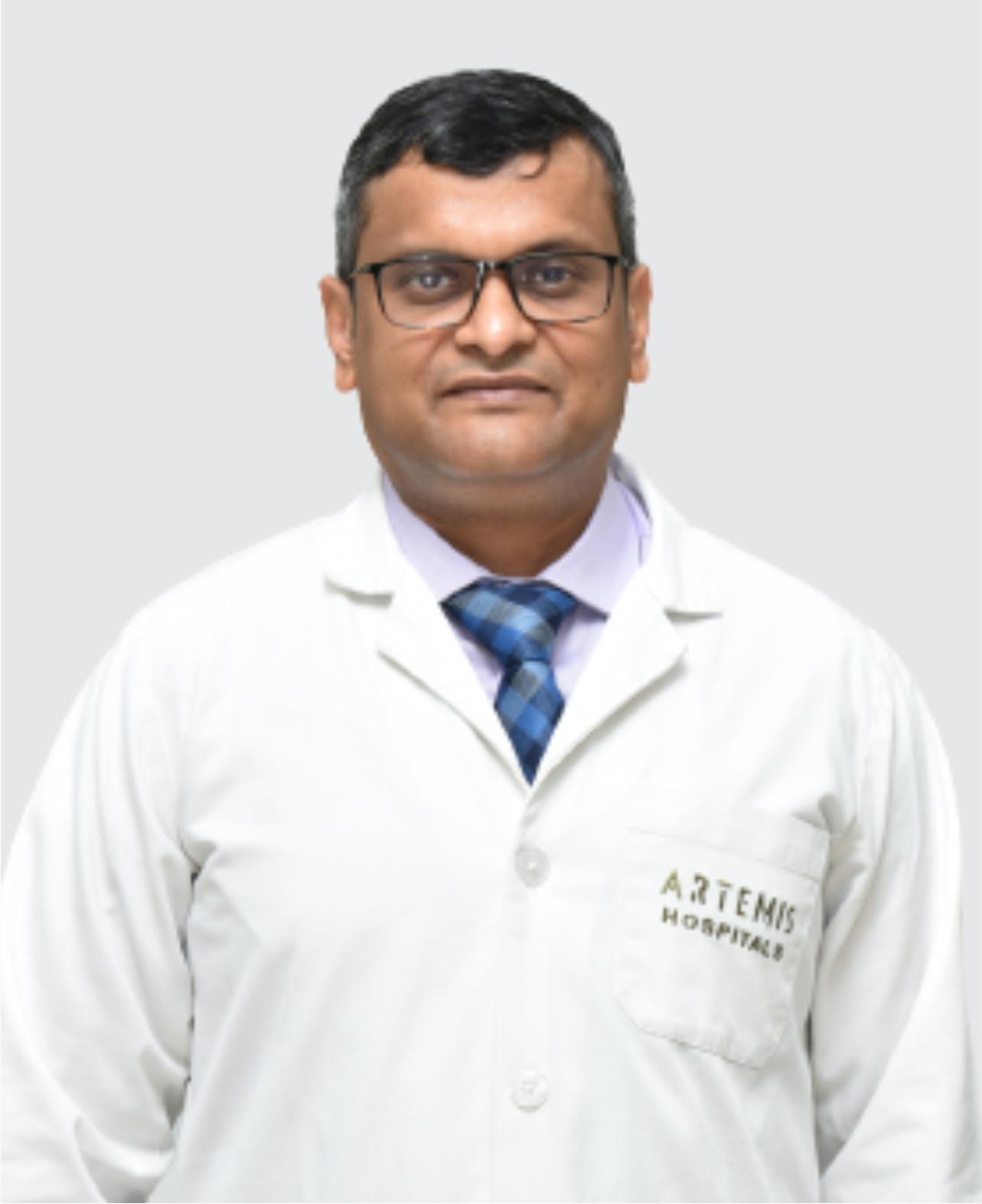
Dr. Amit Kumar Chaurasia
Chief Cath Lab & TAVI (Unit I), Director TAVI/TAVR and Structural Heart Disease and Senior Consultant Cardiology
Cardiology, Interventional Cardiology, TAVI / TAVR & Structural Heart Diseases
New Delhi
16+ Years
Experience
Artemis Hospital
Hospital
1500
Fees
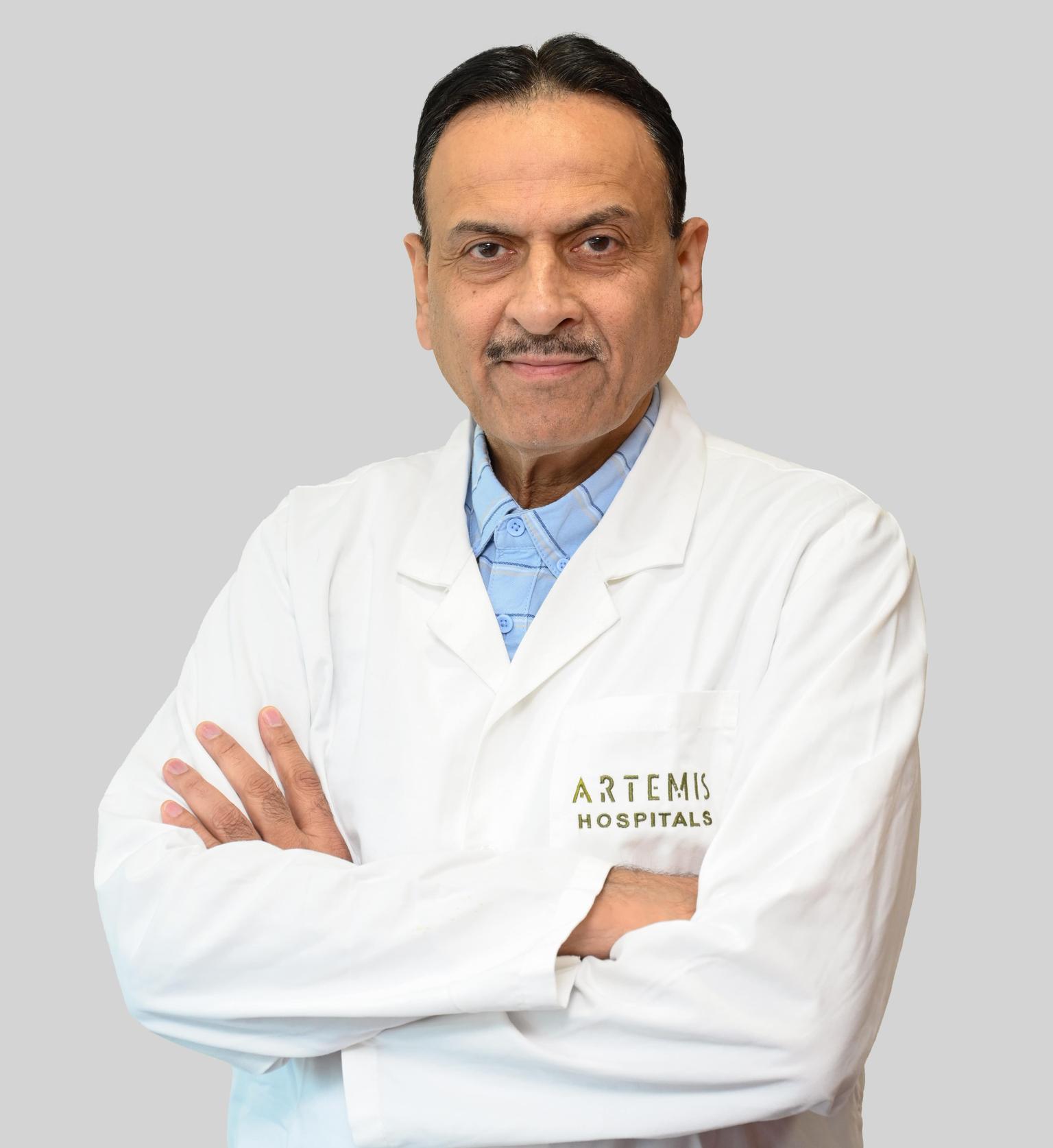
Dr. D.K. Jhamb
Chief Cardiology (Unit IV)
Cardiology
New Delhi
30+ Years
Experience
Artemis Hospital
Hospital
1500
Fees
Dr Aditi Dixit
Sr. Consultant – Women Imaging
Radiology
New Delhi
15+ Years
Experience
Artemis Hospital
Hospital
1500
Fees
Dr Amit Jassal
Principal Consultant - Anaesthesia
Anaesthesia
New Delhi
15+ Years
Experience
Artemis Hospital
Hospital
1500
Fees
Dr. Abhinandan
Sr. Consultant - Urology & Kidney Transplant Program (Unit I)
Organ Transplant, Urology
New Delhi
8+ Years
Experience
Artemis Hospital
Hospital
1500
Fees

Dr Chandrima Misra M
Co-Head Psychological Services
Mental Health and Behavioural Sciences
New Delhi
15+ Years
Experience
Artemis Hospital
Hospital
1500
Fees
Dr. Nutan Agarwal
Head of Department - Gynae Endocrinology & DNB Program Director - Obs & Gynae
Gynaecological Endocrinology, Maternity, Obstetrics & Gynaecology
New Delhi
35+ Years
Experience
Artemis Hospital
Hospital
1500
Fees
Dr. P. Venkata Krishnan
Sr. Consultant
Internal Medicine
New Delhi
12+ Years
Experience
Artemis Hospital
Hospital
1500
Fees
Dr. Poonam Gautam
Senior Consultant - ENT
ENT and Head & Neck Surgery
New Delhi
24+ Years
Experience
Artemis Hospital
Hospital
1500
Fees
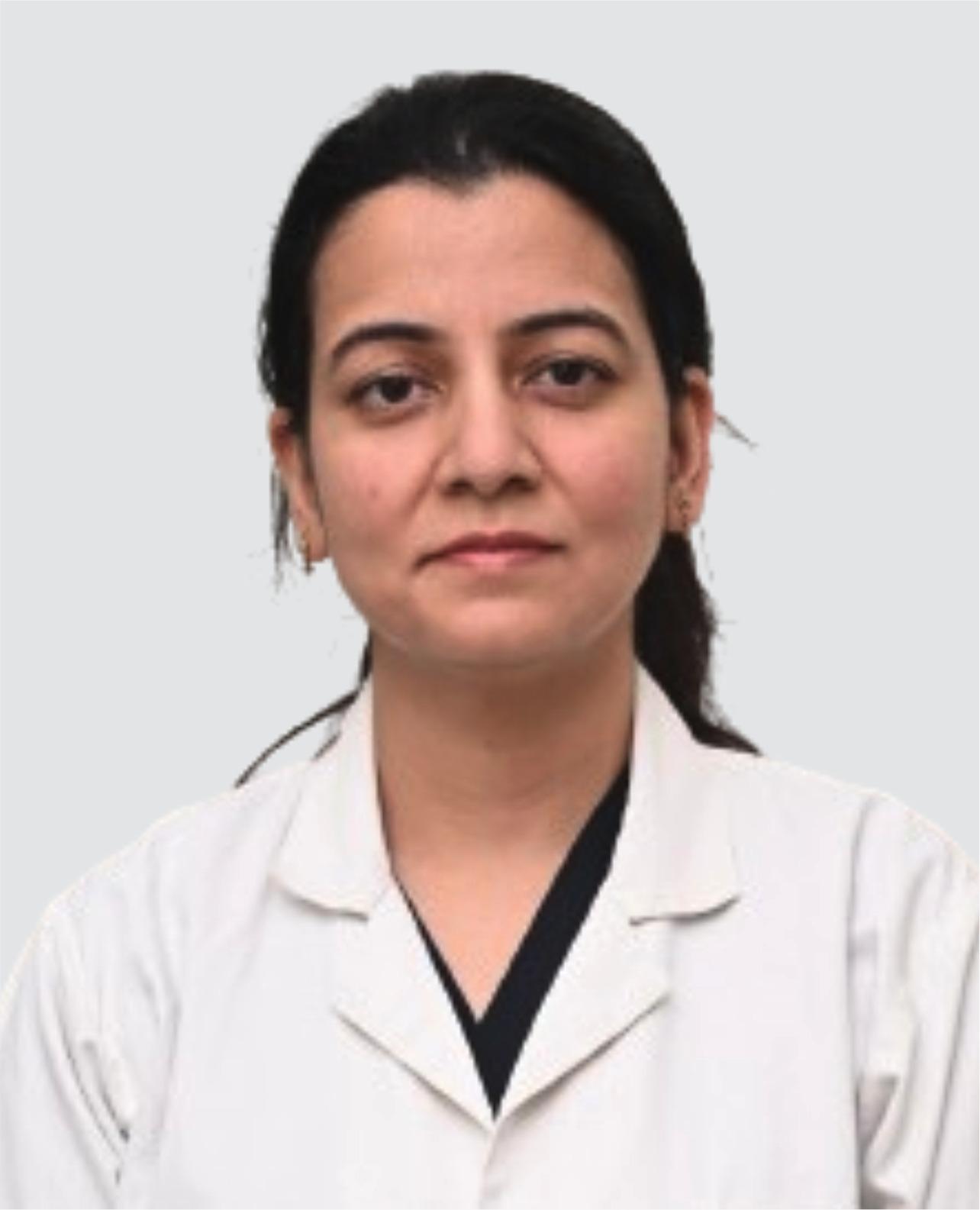
Dr. Priyanka Raina
Consultant (Head & Neck Surgery) - Surgical Oncology
Head and Neck Surgical Oncology
New Delhi
10+ Years
Experience
Artemis Hospital
Hospital
1500
Fees
Related Links
Other Treatment related Information
- TAVR (Transcatheter Aortic Valve Replacement) cost in Bengaluru
- TAVR (Transcatheter Aortic Valve Replacement) cost in Pune
- TAVR (Transcatheter Aortic Valve Replacement) cost in Mumbai
- TAVR (Transcatheter Aortic Valve Replacement) cost in Haryana
- TAVR (Transcatheter Aortic Valve Replacement) cost in Hyderabad
- TAVR (Transcatheter Aortic Valve Replacement) cost in India
- TAVR (Transcatheter Aortic Valve Replacement) cost in Chennai
- TAVR (Transcatheter Aortic Valve Replacement) cost in New Delhi
- TAVR (Transcatheter Aortic Valve Replacement) Success Rate in Pune
- TAVR (Transcatheter Aortic Valve Replacement) Success Rate in New Delhi
- TAVR (Transcatheter Aortic Valve Replacement) Success Rate in Hyderabad
- TAVR (Transcatheter Aortic Valve Replacement) Success Rate in Mumbai
- TAVR (Transcatheter Aortic Valve Replacement) Success Rate in Haryana
- TAVR (Transcatheter Aortic Valve Replacement) Success Rate in Chennai
- TAVR (Transcatheter Aortic Valve Replacement) Success Rate in Bengaluru
- TAVR (Transcatheter Aortic Valve Replacement) Success Rate in India
- Best TAVR (Transcatheter Aortic Valve Replacement) Doctors in India
- Best TAVR (Transcatheter Aortic Valve Replacement) Doctors in Bengaluru
- Best TAVR (Transcatheter Aortic Valve Replacement) Doctors in New Delhi
- Best TAVR (Transcatheter Aortic Valve Replacement) Doctors in Gurugram
Ready To Start Your Healing Journey?
Get Personalized Medical Treatment Options From India's Top Hospitals. Our Medical Experts Are Ready To Assist You Every Step Of The Way.