
TAVR (Transcatheter Aortic Valve Replacement) Treatment in Mumbai for Bangladesh
Need Personalized Advice?
Our medical experts are ready to answer your questions and guide you through your treatment options.
About
TAVR (Transcatheter Aortic Valve Replacement) in Mumbai for Bangladesh Patients
Many patients from Bangladesh facing severe aortic stenosis often worry about advanced treatment options, like TAVR, and the journey involved. The thought of finding specialized cardiac care abroad can feel overwhelming and uncertain, bringing concerns about quality and accessibility.
For those seeking expert cardiac care beyond their borders, Mumbai stands out as a preferred destination. This vibrant city offers a well-established medical infrastructure, complemented by a focus on comprehensive patient coordination and support for international visitors.
Mumbai's leading hospitals house internationally trained cardiac specialists and utilize cutting-edge technology for procedures like TAVR. The city’s medical ecosystem ensures seamless care pathways, from initial consultation to follow-up, simplifying the patient experience.
Mumbai provides a reliable and accessible option for TAVR treatment.
What is TAVR (Transcatheter Aortic Valve Replacement)?
TAVR, or Transcatheter Aortic Valve Replacement, is a minimally invasive surgical procedure designed to replace a narrowed aortic valve that fails to open properly (aortic stenosis). Instead of traditional open-heart surgery, TAVR involves inserting a new valve through a catheter, typically from an artery in the leg, and guiding it to the heart. This new valve expands and takes over the function of the diseased valve, improving blood flow and reducing symptoms. It offers an alternative for patients who may be at high risk for conventional open-heart valve replacement surgery.
TAVR: A Minimally Invasive Cardiac Intervention
TAVR itself is an advanced, non-surgical approach to treating severe aortic stenosis. While it's a specific procedure, its application falls under modern cardiac interventions that prioritize minimal invasiveness. Unlike open-heart surgery, which requires a large incision and direct access to the heart, TAVR offers a less invasive route.
- Transfemoral TAVR: The most common approach, where the catheter is inserted through an artery in the groin.
- Transapical TAVR: Involves a small incision in the chest to access the heart through the apex (tip).
- Transaortic TAVR: The catheter is inserted through an artery in the upper chest.
- Subclavian TAVR: Access is gained through an artery beneath the collarbone.
The choice of access point depends on the patient's individual anatomy and medical condition, ensuring the safest and most effective delivery of the new aortic valve.
When Is TAVR Treatment Required?
- Severe aortic stenosis, particularly in patients at high or intermediate risk for open-heart surgery.
- Symptoms like chest pain (angina), shortness of breath, fatigue, or fainting spells (syncope) due to the narrowed valve.
- Progressive heart failure symptoms related to aortic valve dysfunction.
- Significant impact on daily life due to severe aortic stenosis symptoms.
- Echocardiogram results confirming severe narrowing of the aortic valve.
Pre-Treatment Evaluation for TAVR
- Comprehensive medical history review and physical examination.
- Echocardiogram to assess valve function, heart size, and overall heart health.
- Cardiac CT scan to precisely measure the aortic valve, aorta, and assess access vessels.
- Coronary angiogram to check for blockages in the coronary arteries.
- Blood tests including kidney function, liver function, complete blood count, and coagulation profile.
- Pulmonary function tests to assess lung health.
- Consultations with a multidisciplinary heart team, including cardiologists and cardiac surgeons.
How the TAVR Procedure Is Performed
The TAVR procedure is a sophisticated intervention, with the specific approach often tailored to each patient's condition and anatomical considerations.
Preparation: Patients receive local anesthesia with sedation or general anesthesia. A small incision is made, typically in the groin, to access the femoral artery. For other access routes, a different entry point is prepared.
Catheter Insertion: A specialized catheter, carrying the new collapsible aortic valve, is carefully threaded through the artery and guided up to the heart. Imaging techniques, such as fluoroscopy, provide real-time guidance during this process.
Valve Placement: Once the catheter reaches the diseased aortic valve, the new valve is precisely positioned. It is then expanded, either by inflating a balloon or by self-expansion, within the old valve. The new valve immediately begins to function, restoring proper blood flow.
Completion: The catheter is withdrawn, and the access site is closed. The entire procedure usually takes one to three hours.
Recovery Process After TAVR
Recovery after TAVR is typically faster than traditional open-heart surgery. Patients usually stay in the hospital for a few days for monitoring. Most individuals can return to light activities within a week or two, with full recovery taking several weeks to a few months. Restrictions on heavy lifting or strenuous activities will be advised for a period. Regular follow-up appointments with cardiologists are crucial to monitor valve function and overall heart health, along with a tailored rehabilitation program to optimize healing and strength.
Risks and Success Rates of TAVR
- Potential for minor bleeding or bruising at the catheter insertion site.
- Risk of stroke, though infrequent, remains a serious consideration.
- Temporary or permanent need for a pacemaker due to changes in heart rhythm.
- Complications related to kidney function or blood vessel injury.
- Very rare instances of valve leakage or displacement requiring further intervention.
The success rates for TAVR are very encouraging, especially in high-risk patients for whom it was initially designed. Studies show excellent outcomes with significant improvement in symptoms and quality of life for the majority of patients. While individual results vary based on age, overall health, and specific heart condition, TAVR generally offers a strong long-term outlook. Regular follow-up and adherence to medical advice are key to maintaining the benefits of the procedure.
Cost of TAVR Treatment in Mumbai
The cost of TAVR treatment in Mumbai is influenced by several factors, including the chosen hospital's reputation and facilities, the specific type of transcatheter valve used, the experience of the cardiac specialist team, and the length of hospital stay. Additional costs may arise from pre-operative diagnostics, post-operative care, and any necessary rehabilitation.
While precise figures can vary, TAVR treatment in Mumbai typically ranges from INR 1,800,000 to INR 3,000,000, offering a significant value proposition compared to many Western countries.
Comparing TAVR Costs: Mumbai vs. Global Destinations
Mumbai presents a competitive cost advantage for TAVR without compromising on quality or advanced medical technology. Here is a general comparison:
| Location | Estimated TAVR Cost (USD) |
|---|---|
| Mumbai, India | $22,000 - $36,000 |
| United States | $50,000 - $80,000+ |
| United Kingdom | $45,000 - $70,000 |
| Singapore | $40,000 - $65,000 |
| Germany | $38,000 - $55,000 |
Essential Support Services for Your Medical Journey
- Assistance with medical visa applications and extensions for Bangladesh patients.
- Airport pickup and drop-off arrangements upon arrival and departure in Mumbai.
- Dedicated patient care coordinators to assist with hospital admissions and appointments.
- Language interpretation services to ensure clear communication with medical staff.
- Guidance on local accommodation options for patients and accompanying family.
- Facilitation of post-treatment follow-up appointments and ongoing support.
Important Papers Required for Your Treatment Visit
- Current passport with at least six months validity.
- Valid medical visa for India (if applicable).
- Referral letter from your local doctor in Bangladesh.
- All relevant medical reports, test results, and imaging scans (CT, MRI, Echo).
- A list of all current medications, including dosages.
- Proof of financial capability for treatment and travel expenses.
Preparing for Your Procedure: Key Steps Before Arrival
- Ensure all necessary medical documents are organized and easily accessible.
- Consult with your local physician about fitness for travel and any pre-travel medications.
- Inform your medical coordinator in Mumbai about your travel itinerary.
- Arrange for comfortable, loose-fitting clothing suitable for hospital stays.
- Disclose all current health conditions, allergies, and medications to your medical team.
- Plan for a companion to travel with you for support during your stay.
Guidance for Recovery and Post-Treatment Care
- Adhere strictly to all medication instructions provided by your cardiologist.
- Attend all scheduled follow-up appointments and rehabilitation sessions.
- Monitor your incision site for any signs of infection or unusual swelling.
- Gradually increase physical activity as advised by your medical team.
- Maintain a heart-healthy diet and avoid smoking or excessive alcohol consumption.
- Be aware of any warning signs requiring immediate medical attention and know who to contact.
Take Your Next Step Toward Better Heart Health
Embarking on a journey for advanced cardiac care can be a life-changing decision. We are here to support every step of your TAVR treatment in Mumbai, ensuring a comfortable and effective experience.
Hospitals Offering this treatment
India offers premium medical procedures at affordable prices. Discover our most popular treatments, delivered by the country's finest doctors.
Meet Our Doctors
Meet our team of highly qualified and experienced medical professionals dedicated to providing the best healthcare services.

Dr. Amit Kumar Chaurasia
Chief Cath Lab & TAVI (Unit I), Director TAVI/TAVR and Structural Heart Disease and Senior Consultant Cardiology
Cardiology, Interventional Cardiology, TAVI / TAVR & Structural Heart Diseases
New Delhi
16+ Years
Experience
Artemis Hospital
Hospital
1500
Fees

Dr. D.K. Jhamb
Chief Cardiology (Unit IV)
Cardiology
New Delhi
30+ Years
Experience
Artemis Hospital
Hospital
1500
Fees
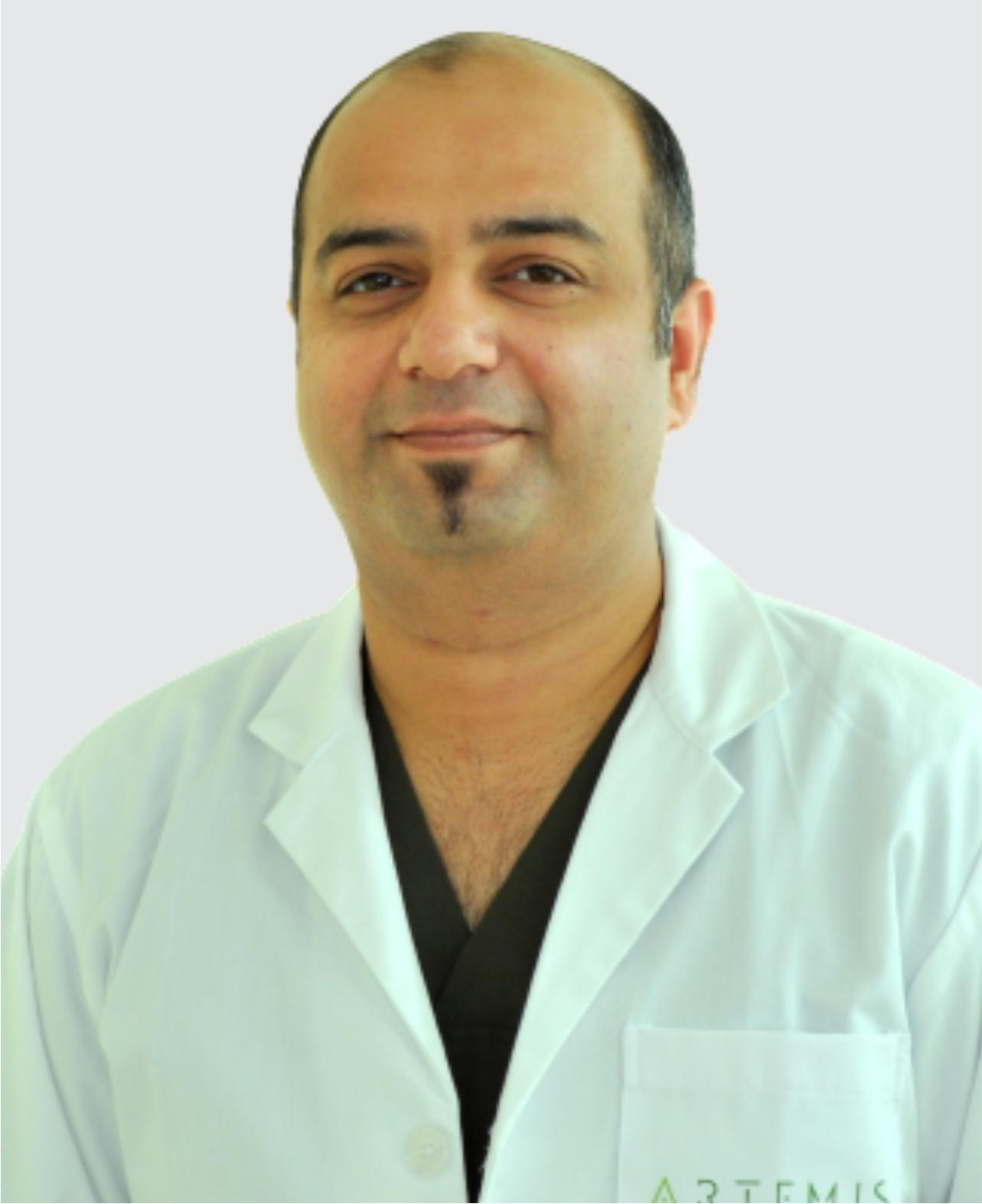
Dr Amit Jassal
Principal Consultant - Anaesthesia
Anaesthesia
New Delhi
15+ Years
Experience
Artemis Hospital
Hospital
1500
Fees
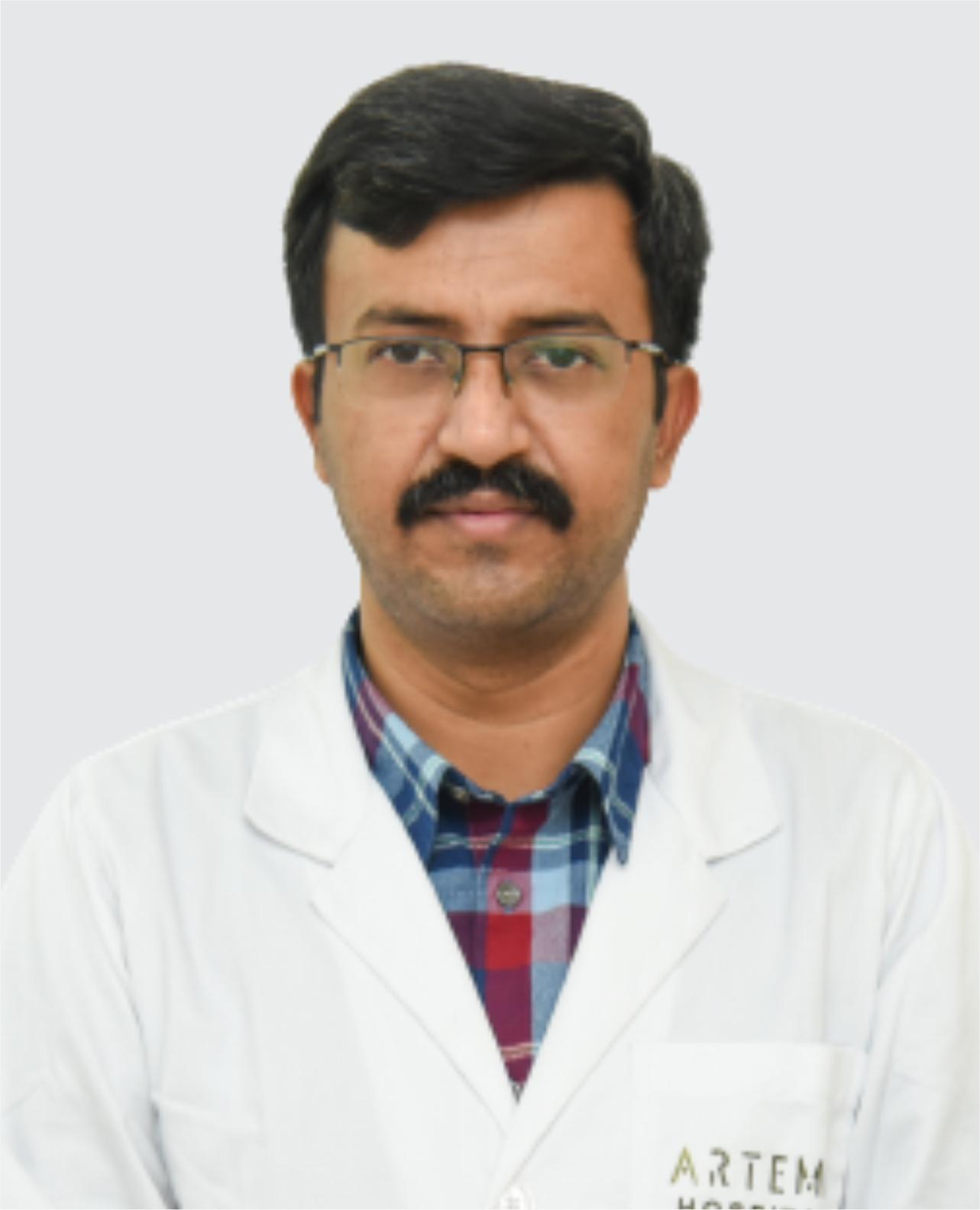
Dr. Abhinandan
Sr. Consultant - Urology & Kidney Transplant Program (Unit I)
Organ Transplant, Urology
New Delhi
8+ Years
Experience
Artemis Hospital
Hospital
1500
Fees
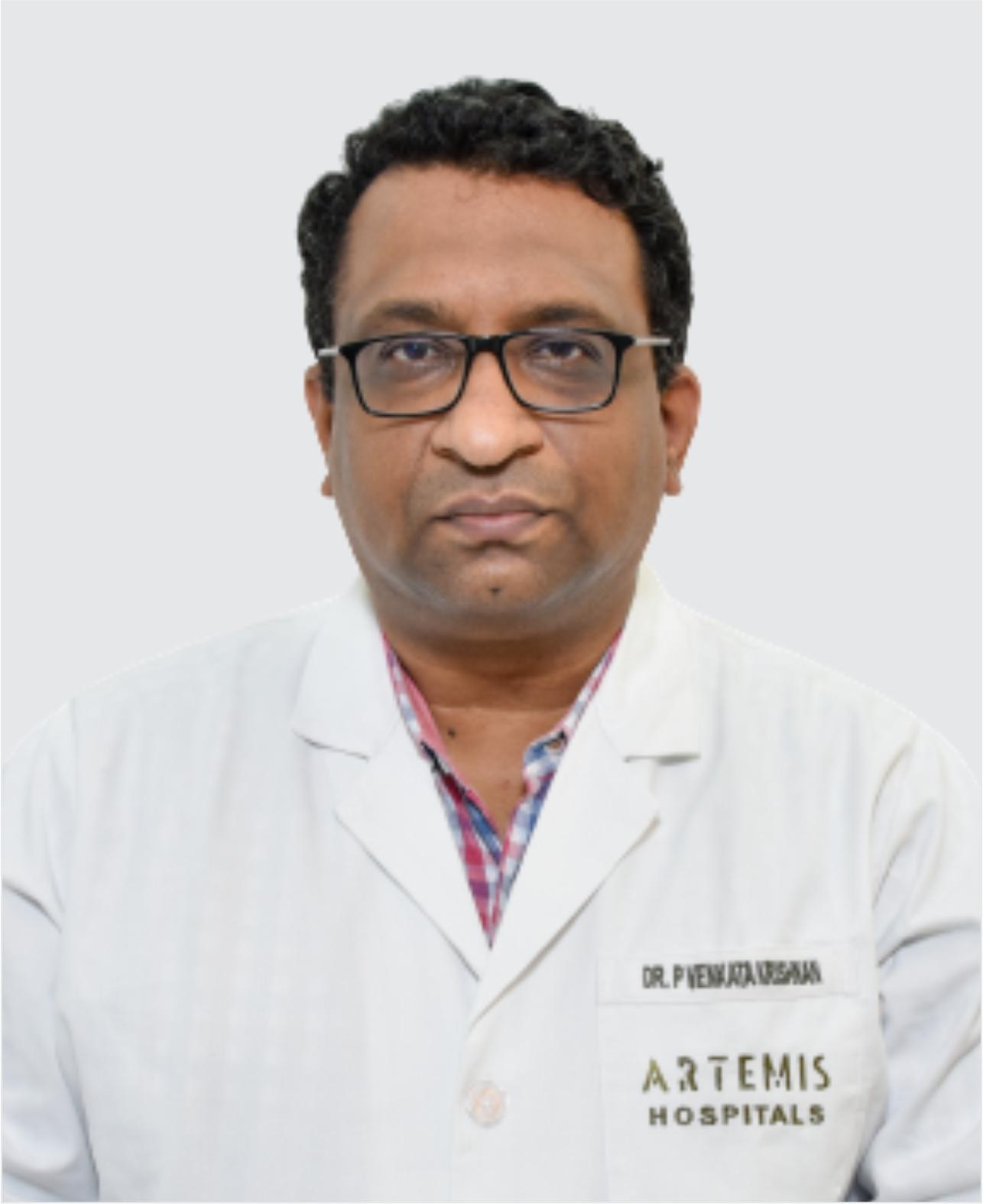
Dr. P. Venkata Krishnan
Sr. Consultant
Internal Medicine
New Delhi
12+ Years
Experience
Artemis Hospital
Hospital
1500
Fees
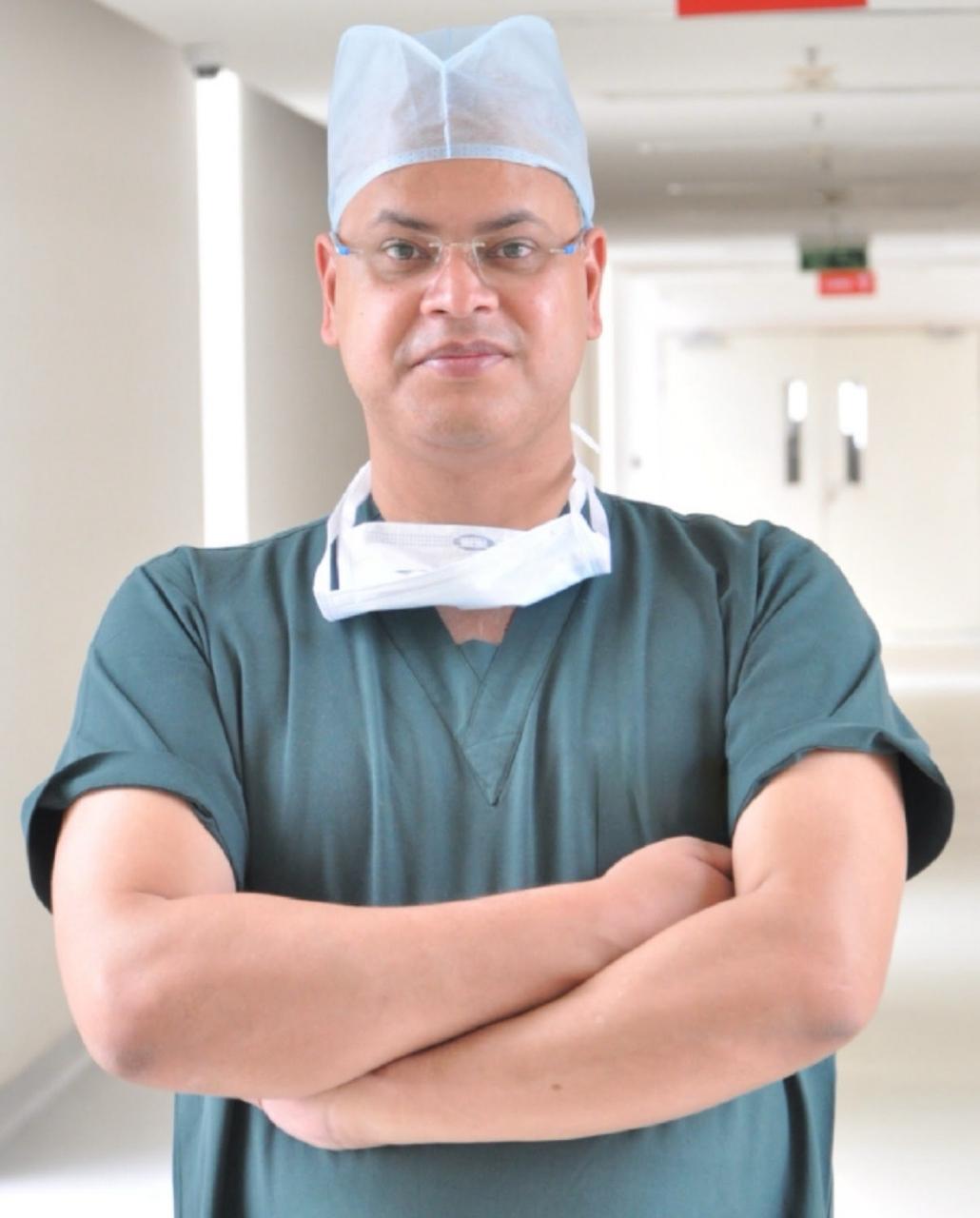
Dr. Ramkinkar Jha
Chief and Unit Head - Orthopaedics (Unit III)
Orthopaedic Surgery, Orthopaedics, Robotic Surgery
New Delhi
20+ Years
Experience
Artemis Hospital
Hospital
1500
Fees

Dr. Sushant Mishra
Consultant
Cardiology, Interventional Cardiology
New Delhi
15+ Years
Experience
Artemis Hospital
Hospital
1500
Fees

Dr. M.A. Mir
Head - Gastroenterology - Liver & Digestive Diseases (Unit III)
Gastroenterology, Gastrointestinal Surgery
New Delhi
17+ Years
Experience
Artemis Hospital
Hospital
1500
Fees
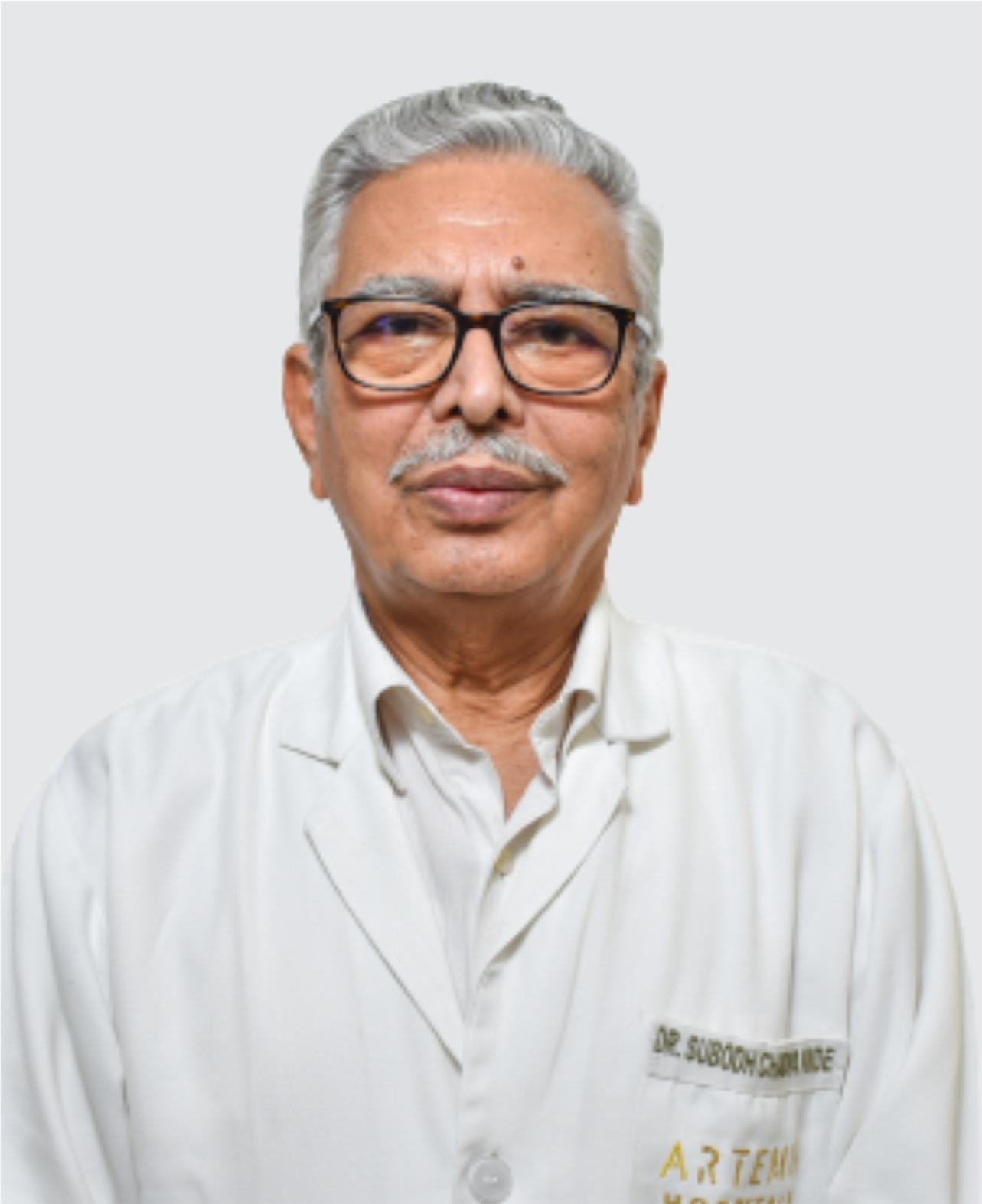
Dr. Subodh Pande
Chief - Radiation Oncology & Co-Chief - Cyberknife Centre
Oncology
New Delhi
15+ Years
Experience
Artemis Hospital
Hospital
1500
Fees
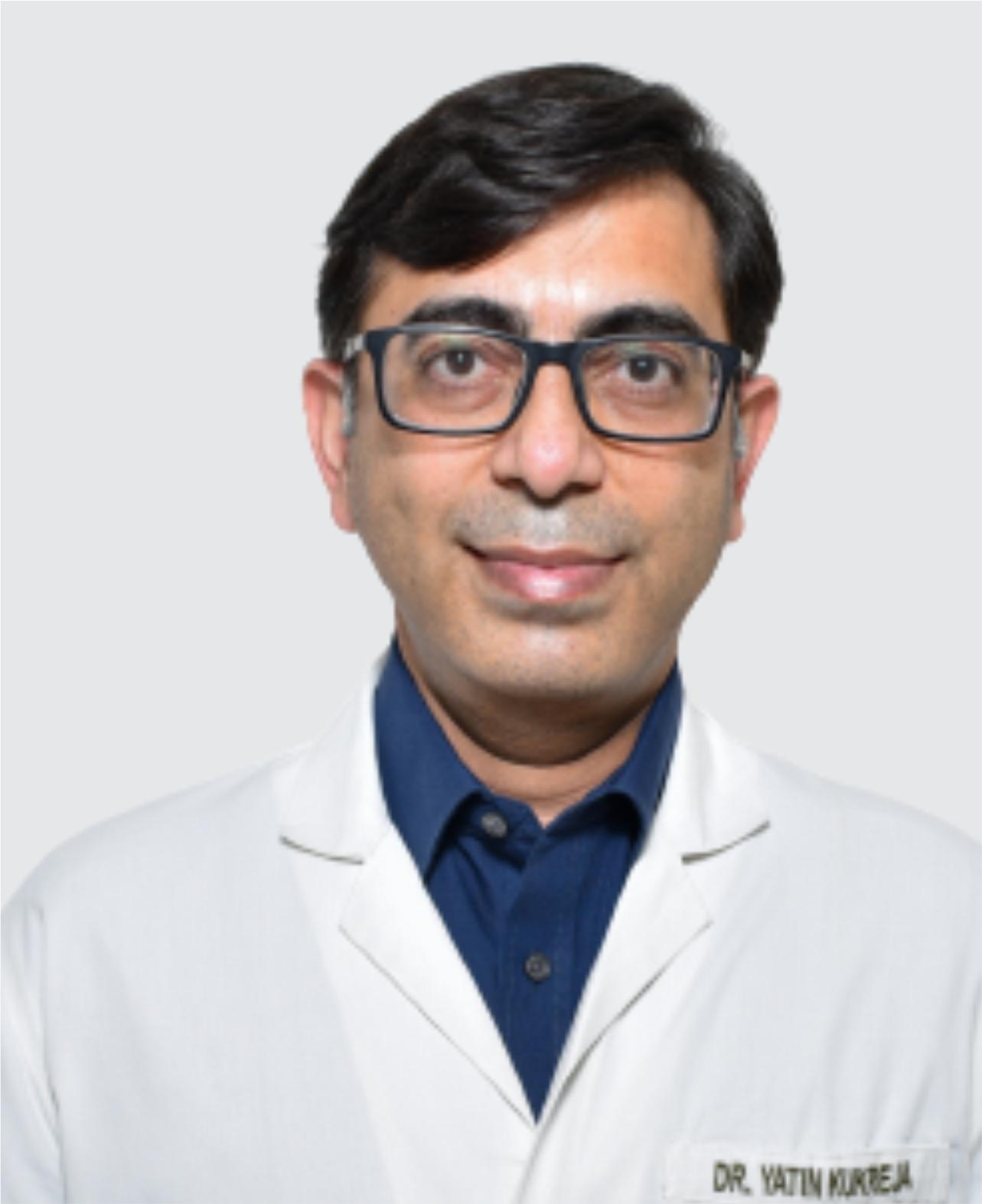
Dr. Yatin Kukreja
Director
Cardiology
New Delhi
14+ Years
Experience
Artemis Hospital
Hospital
1500
Fees
Related Links
Other Treatment related Information
- TAVR (Transcatheter Aortic Valve Replacement) cost in Bengaluru
- TAVR (Transcatheter Aortic Valve Replacement) cost in Pune
- TAVR (Transcatheter Aortic Valve Replacement) cost in Mumbai
- TAVR (Transcatheter Aortic Valve Replacement) cost in Haryana
- TAVR (Transcatheter Aortic Valve Replacement) cost in Hyderabad
- TAVR (Transcatheter Aortic Valve Replacement) cost in India
- TAVR (Transcatheter Aortic Valve Replacement) cost in Chennai
- TAVR (Transcatheter Aortic Valve Replacement) cost in New Delhi
- TAVR (Transcatheter Aortic Valve Replacement) Success Rate in Pune
- TAVR (Transcatheter Aortic Valve Replacement) Success Rate in New Delhi
- TAVR (Transcatheter Aortic Valve Replacement) Success Rate in Hyderabad
- TAVR (Transcatheter Aortic Valve Replacement) Success Rate in Mumbai
- TAVR (Transcatheter Aortic Valve Replacement) Success Rate in Haryana
- TAVR (Transcatheter Aortic Valve Replacement) Success Rate in Chennai
- TAVR (Transcatheter Aortic Valve Replacement) Success Rate in Bengaluru
- TAVR (Transcatheter Aortic Valve Replacement) Success Rate in India
- Best TAVR (Transcatheter Aortic Valve Replacement) Doctors in India
- Best TAVR (Transcatheter Aortic Valve Replacement) Doctors in Bengaluru
- Best TAVR (Transcatheter Aortic Valve Replacement) Doctors in New Delhi
- Best TAVR (Transcatheter Aortic Valve Replacement) Doctors in Gurugram
Ready To Start Your Healing Journey?
Get Personalized Medical Treatment Options From India's Top Hospitals. Our Medical Experts Are Ready To Assist You Every Step Of The Way.