
TAVR (Transcatheter Aortic Valve Replacement) Treatment in Mumbai for Ethiopia
Need Personalized Advice?
Our medical experts are ready to answer your questions and guide you through your treatment options.
About
TAVR (Transcatheter Aortic Valve Replacement) in Mumbai for Ethiopia
For patients in Ethiopia facing severe aortic stenosis, the prospect of TAVR can bring significant concern. Questions about surgical safety, advanced medical technology, and the overall patient journey often create uncertainty during this critical time. Finding a trusted and accessible treatment option is paramount.
Many individuals considering TAVR look to Mumbai due to its established reputation in cardiac care. The city offers a well-developed healthcare infrastructure, ensuring a coordinated and supportive environment for international patients. This focused approach provides clarity and peace of mind for those navigating complex medical decisions.
Mumbai's hospitals are home to highly skilled cardiologists and cardiac surgeons specializing in TAVR procedures. These medical professionals work within facilities equipped with cutting-edge technology, ensuring high standards of care. Patients can expect consistent medical oversight and dedicated follow-up services within the city.
Mumbai stands as a reliable destination for advanced TAVR treatment.
What is TAVR (Transcatheter Aortic Valve Replacement)?
TAVR, or Transcatheter Aortic Valve Replacement, is a minimally invasive procedure designed to replace a diseased aortic valve. It involves implanting a new valve without the need for traditional open-heart surgery. This treatment is primarily for patients with severe aortic stenosis, a condition where the heart's aortic valve narrows, restricting blood flow. TAVR helps restore proper blood circulation, significantly improving quality of life and prognosis for eligible patients.
Approaches to Aortic Valve Replacement
While TAVR itself is a specific procedure, the approach to replacing an aortic valve can vary based on patient factors and clinical assessment. Key considerations include:
- Transcatheter Aortic Valve Replacement (TAVR): This is a less invasive option. A new valve is delivered through a catheter, usually inserted via an artery in the leg (transfemoral approach), or sometimes through other access points.
- Surgical Aortic Valve Replacement (SAVR): This is traditional open-heart surgery where the chest is opened to directly replace the diseased valve. It is often considered for younger patients or those with other heart conditions requiring concurrent surgical repair.
- Hybrid Procedures: In some complex cases, a combination of surgical and transcatheter techniques may be employed to optimize outcomes.
- Medical Management: For patients who are not candidates for either TAVR or SAVR, ongoing medication may be used to manage symptoms, though it does not address the underlying valve problem.
When is TAVR Required?
- Severe aortic stenosis (narrowing of the aortic valve).
- Symptoms like chest pain, shortness of breath, fainting, or fatigue.
- High surgical risk for traditional open-heart surgery.
- Age considerations, typically for older adult patients.
- Evidence of left ventricular dysfunction caused by the valve condition.
Pre-TAVR Evaluation in Mumbai
- Detailed medical history and physical examination.
- Echocardiogram to assess valve function and heart structure.
- CT scan (Computed Tomography) of the chest, abdomen, and pelvis to plan access routes.
- Coronary angiogram to check for blockages in the heart arteries.
- Blood tests and kidney function assessment.
- Consultations with a multidisciplinary heart team, including cardiologists and cardiac surgeons.
How TAVR is Performed
The TAVR procedure is carefully planned and executed by a specialized heart team. The exact method depends on the patient's anatomy and medical condition.
Procedure Steps:
- Anesthesia and Access: Patients receive either local anesthesia with sedation or general anesthesia. A small incision is made, usually in the groin, to access a large artery (transfemoral approach). Other access points, such as through the chest or subclavian artery, may be used if the femoral artery is unsuitable.
- Catheter Insertion: A thin, flexible catheter containing the new artificial valve is guided through the artery up to the heart. Imaging techniques like fluoroscopy help the team navigate the catheter precisely.
- Valve Deployment: Once positioned within the diseased aortic valve, the new valve is carefully deployed. It can be balloon-expanded or self-expanding, pushing aside the old, narrowed valve leaflets.
- Verification and Closure: The team confirms the new valve is functioning correctly and then removes the catheter. The access site is closed using sutures or special devices.
Considering TAVR in Mumbai?
Connect with our expert medical team for personalized guidance on your treatment options and to understand the next steps.
TAVR Recovery Process
Following TAVR, patients typically spend a few days in the hospital, often with initial observation in an intensive care unit. Recovery is generally faster than open-heart surgery due to the minimally invasive nature. Patients are encouraged to mobilize early. Post-discharge, specific instructions are provided for wound care, medication management, and activity restrictions. Regular follow-up appointments with a cardiologist are essential to monitor valve function and overall heart health. Most patients experience significant symptom improvement within weeks.
Risks and Success Rates of TAVR
- Vascular complications at the access site.
- Stroke or transient ischemic attack (TIA).
- New need for a permanent pacemaker.
- Kidney injury.
- Valve leakage (paravalvular leak) or dysfunction.
- Infection or bleeding.
TAVR has demonstrated high success rates, especially in suitable patients, offering significant relief from severe aortic stenosis symptoms. Success is measured by successful valve implantation, symptom improvement, and enhanced survival rates. Outcomes can vary based on individual patient health, the severity of the condition, and the expertise of the medical team. Long-term expectations for valve durability are continually improving with newer generation valves and refined techniques.
Cost of TAVR in Mumbai
The cost of TAVR in Mumbai is influenced by several factors, including the chosen hospital's accreditation, the specific type of TAVR valve used, the experience of the specialist team, and any additional medical conditions requiring management. Pre-operative evaluations and post-operative care also contribute to the overall expense.
A TAVR procedure in Mumbai can range approximately from INR 1,800,000 to INR 3,500,000.
Mumbai TAVR Cost Comparison
Mumbai provides a highly competitive cost for TAVR while maintaining international standards of clinical excellence.
| Location | Estimated TAVR Cost (USD) |
|---|---|
| Mumbai, India | $22,000 - $42,000 |
| United States | $50,000 - $80,000 |
| United Kingdom | $45,000 - $70,000 |
| Singapore | $35,000 - $60,000 |
Support Services for International Patients in Mumbai
- Assistance with medical visa applications and extensions.
- Airport transfers and local transportation arrangements.
- Accommodation options near hospitals, suitable for recovery.
- Language interpretation services for clear communication.
- Dedicated patient care coordinators for seamless logistics.
- Post-treatment follow-up scheduling and remote consultations.
Required Documents for TAVR Treatment
- Valid passport and visa for medical travel.
- All relevant medical reports, imaging scans, and diagnostic tests.
- Physician referral letter outlining the diagnosis and treatment recommendation.
- A list of current medications and allergies.
- Emergency contact information.
Preparing for Your TAVR Procedure in Mumbai
- Discuss all health concerns and medications with your Mumbai medical team.
- Follow specific dietary and activity guidelines provided before admission.
- Arrange for a companion to travel and stay with you during the treatment period.
- Understand the financial aspects and payment procedures beforehand.
- Keep all important documents organized and easily accessible.
Aftercare and Follow-Up After TAVR
- Adhere strictly to prescribed medication regimens.
- Engage in light physical activity as advised, gradually increasing intensity.
- Attend all scheduled follow-up appointments and diagnostic tests.
- Monitor for any unusual symptoms or signs of complications.
- Maintain a heart-healthy diet and lifestyle for long-term well-being.
Ready to Explore Your TAVR Options?
Our team is here to provide comprehensive information and help you plan your treatment journey in Mumbai.
Take Your Next Step Toward Better Heart Health
Choosing the right path for TAVR is a significant decision. Mumbai's advanced medical facilities and expert specialists offer a reliable option for patients seeking quality care.
Hospitals Offering this treatment
India offers premium medical procedures at affordable prices. Discover our most popular treatments, delivered by the country's finest doctors.
Meet Our Doctors
Meet our team of highly qualified and experienced medical professionals dedicated to providing the best healthcare services.

Dr. Amit Kumar Chaurasia
Chief Cath Lab & TAVI (Unit I), Director TAVI/TAVR and Structural Heart Disease and Senior Consultant Cardiology
Cardiology, Interventional Cardiology, TAVI / TAVR & Structural Heart Diseases
New Delhi
16+ Years
Experience
Artemis Hospital
Hospital
1500
Fees

Dr. D.K. Jhamb
Chief Cardiology (Unit IV)
Cardiology
New Delhi
30+ Years
Experience
Artemis Hospital
Hospital
1500
Fees

Dr Aditi Dixit
Sr. Consultant – Women Imaging
Radiology
New Delhi
15+ Years
Experience
Artemis Hospital
Hospital
1500
Fees
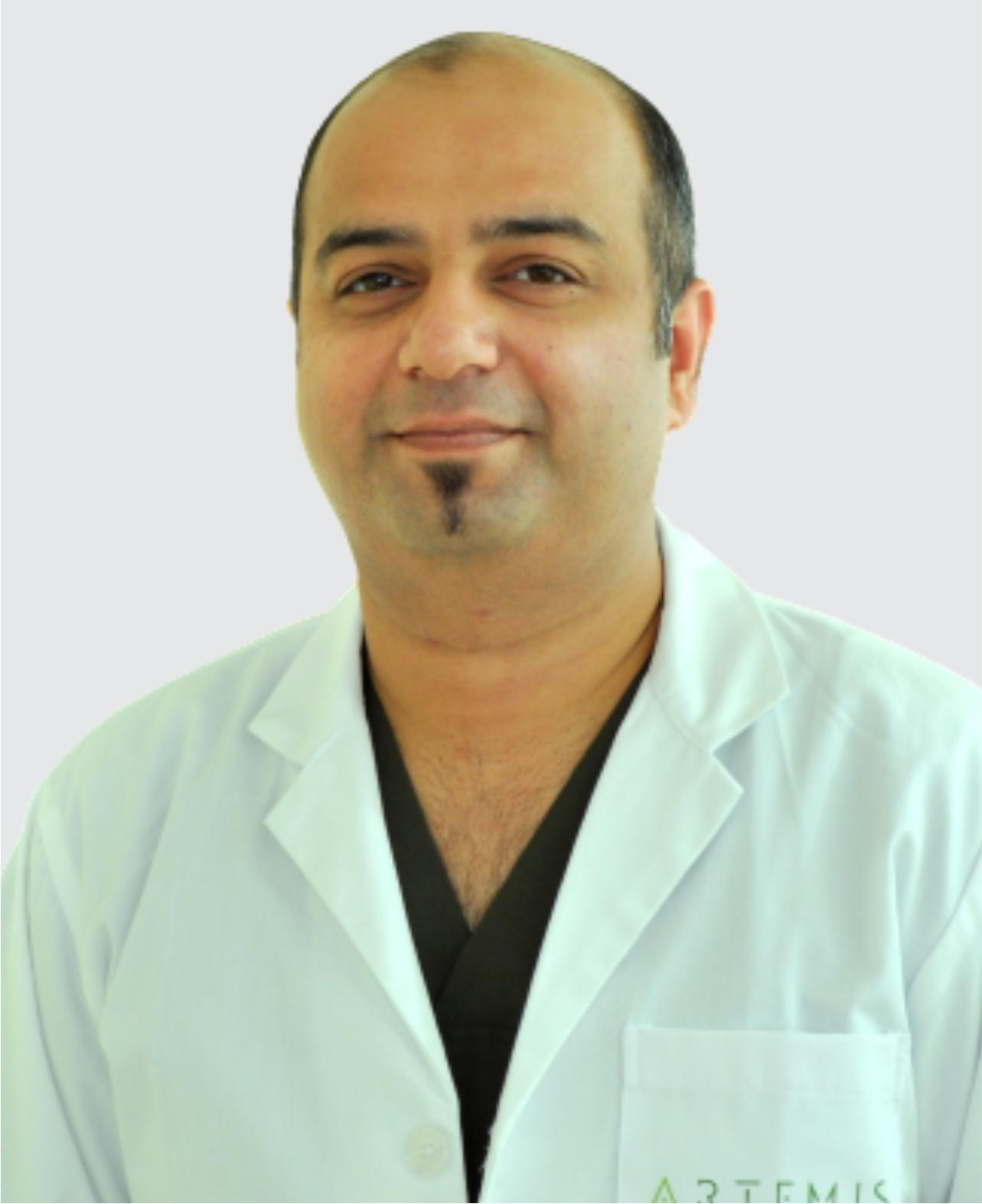
Dr Amit Jassal
Principal Consultant - Anaesthesia
Anaesthesia
New Delhi
15+ Years
Experience
Artemis Hospital
Hospital
1500
Fees
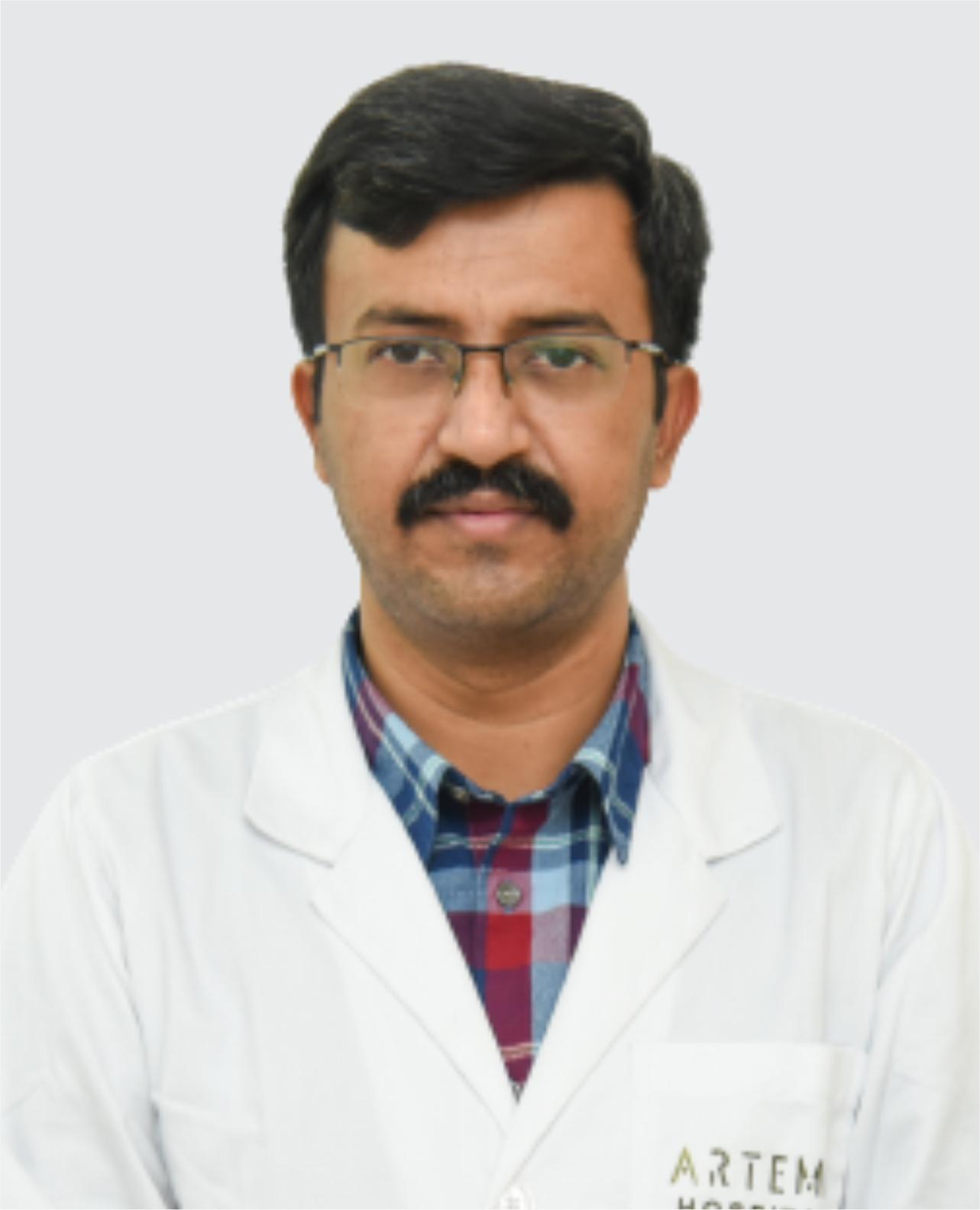
Dr. Abhinandan
Sr. Consultant - Urology & Kidney Transplant Program (Unit I)
Organ Transplant, Urology
New Delhi
8+ Years
Experience
Artemis Hospital
Hospital
1500
Fees

Dr Chandrima Misra M
Co-Head Psychological Services
Mental Health and Behavioural Sciences
New Delhi
15+ Years
Experience
Artemis Hospital
Hospital
1500
Fees

Dr. Nutan Agarwal
Head of Department - Gynae Endocrinology & DNB Program Director - Obs & Gynae
Gynaecological Endocrinology, Maternity, Obstetrics & Gynaecology
New Delhi
35+ Years
Experience
Artemis Hospital
Hospital
1500
Fees
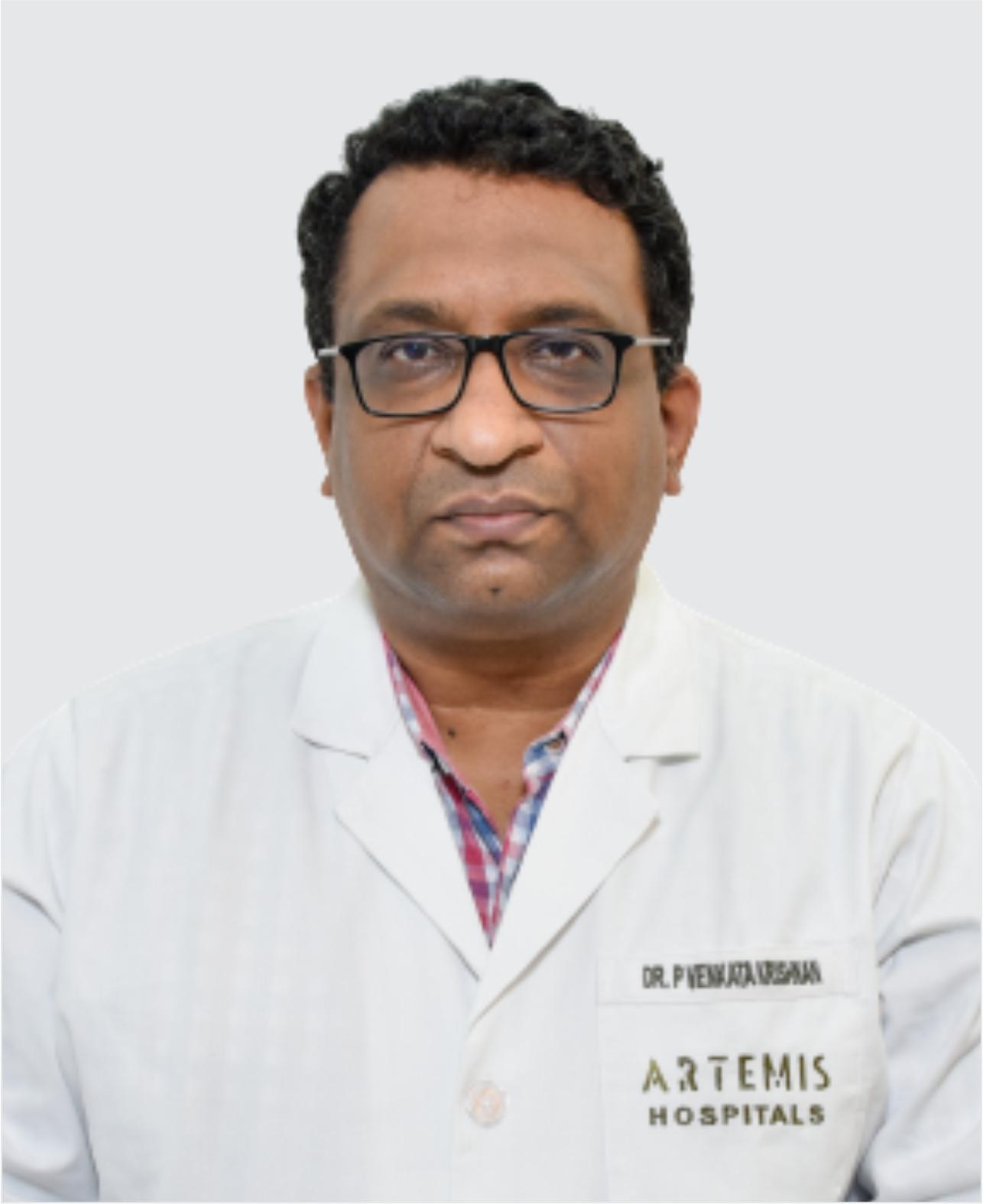
Dr. P. Venkata Krishnan
Sr. Consultant
Internal Medicine
New Delhi
12+ Years
Experience
Artemis Hospital
Hospital
1500
Fees

Dr. Poonam Gautam
Senior Consultant - ENT
ENT and Head & Neck Surgery
New Delhi
24+ Years
Experience
Artemis Hospital
Hospital
1500
Fees
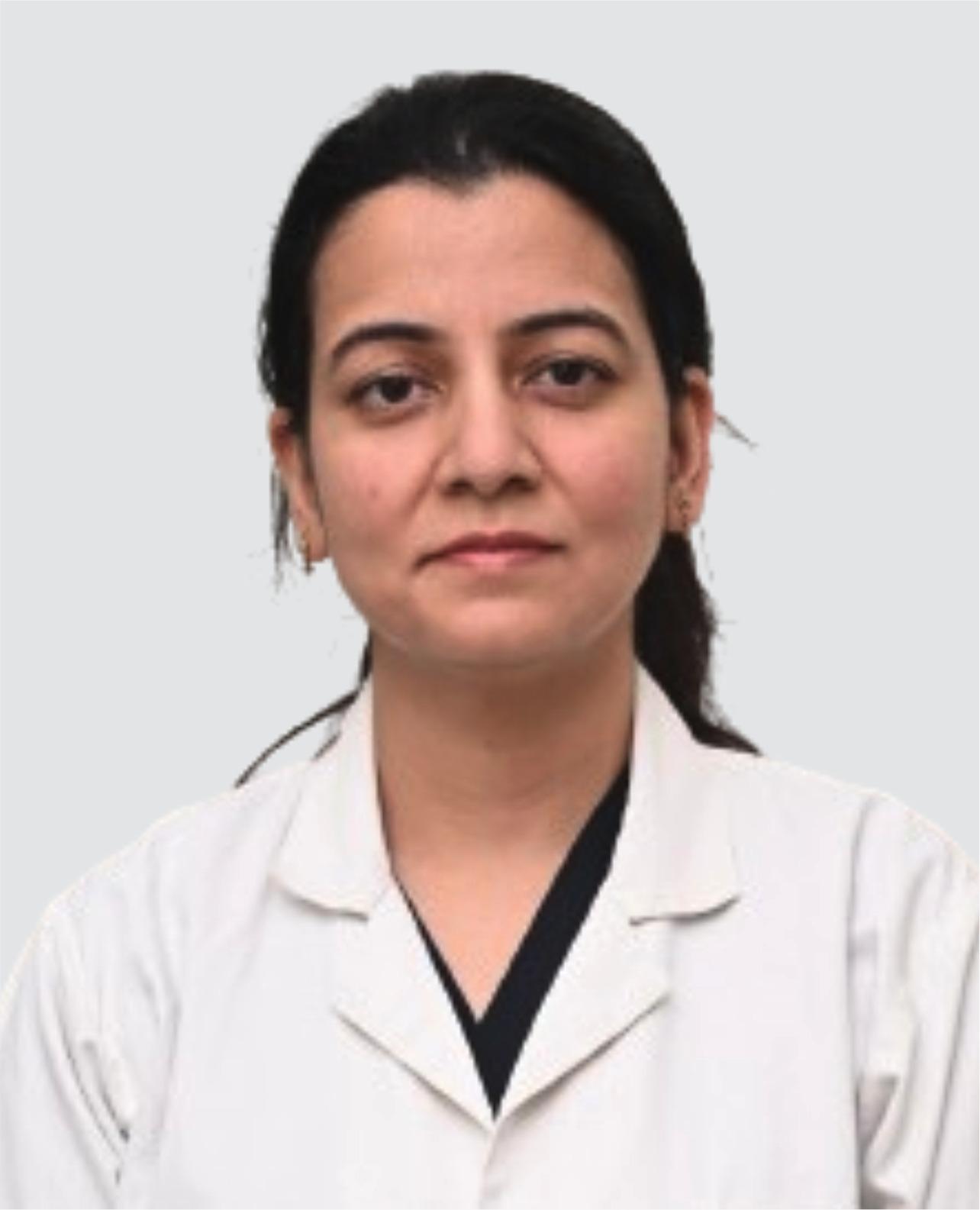
Dr. Priyanka Raina
Consultant (Head & Neck Surgery) - Surgical Oncology
Head and Neck Surgical Oncology
New Delhi
10+ Years
Experience
Artemis Hospital
Hospital
1500
Fees
Related Links
Other Treatment related Information
- TAVR (Transcatheter Aortic Valve Replacement) cost in Bengaluru
- TAVR (Transcatheter Aortic Valve Replacement) cost in Pune
- TAVR (Transcatheter Aortic Valve Replacement) cost in Mumbai
- TAVR (Transcatheter Aortic Valve Replacement) cost in Haryana
- TAVR (Transcatheter Aortic Valve Replacement) cost in Hyderabad
- TAVR (Transcatheter Aortic Valve Replacement) cost in India
- TAVR (Transcatheter Aortic Valve Replacement) cost in Chennai
- TAVR (Transcatheter Aortic Valve Replacement) cost in New Delhi
- TAVR (Transcatheter Aortic Valve Replacement) Success Rate in Pune
- TAVR (Transcatheter Aortic Valve Replacement) Success Rate in New Delhi
- TAVR (Transcatheter Aortic Valve Replacement) Success Rate in Hyderabad
- TAVR (Transcatheter Aortic Valve Replacement) Success Rate in Mumbai
- TAVR (Transcatheter Aortic Valve Replacement) Success Rate in Haryana
- TAVR (Transcatheter Aortic Valve Replacement) Success Rate in Chennai
- TAVR (Transcatheter Aortic Valve Replacement) Success Rate in Bengaluru
- TAVR (Transcatheter Aortic Valve Replacement) Success Rate in India
- Best TAVR (Transcatheter Aortic Valve Replacement) Doctors in India
- Best TAVR (Transcatheter Aortic Valve Replacement) Doctors in Bengaluru
- Best TAVR (Transcatheter Aortic Valve Replacement) Doctors in New Delhi
- Best TAVR (Transcatheter Aortic Valve Replacement) Doctors in Gurugram
Ready To Start Your Healing Journey?
Get Personalized Medical Treatment Options From India's Top Hospitals. Our Medical Experts Are Ready To Assist You Every Step Of The Way.