


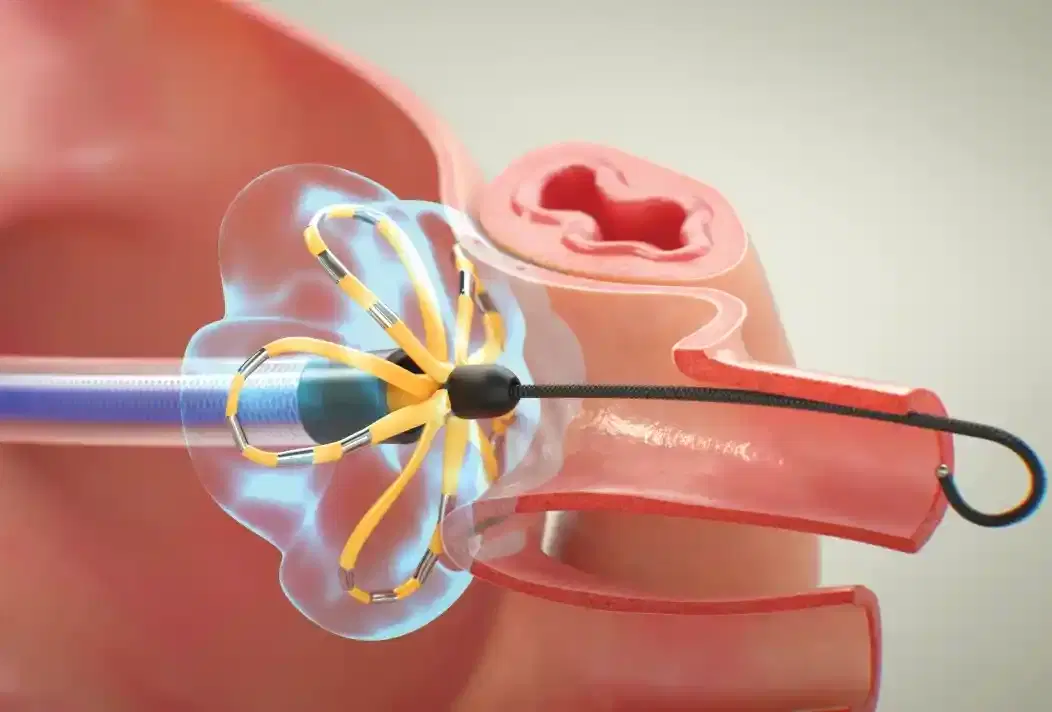
atrial fibrillation ablation
5K+ International Patients Treated
40+ Source Countries Served
500+ Accredited Partner Hospitals
98% Patient Satisfaction
80% Average Savings vs USA
10K+ Doctors
NABH, JCI Accredited Hospitals
Free Treatment Plan
Free Consultation with Doctor
5+ Destinations Covered
About atrial fibrillation ablation
Atrial Fibrillation Ablation Treatment: Procedures, Cost & Recovery
Understanding Atrial Fibrillation Ablation (AFib)
Atrial Fibrillation (AFib) is the most common heart rhythm disorder, characterized by a rapid, irregular heartbeat that can lead to symptoms like palpitations, shortness of breath, fatigue, and a significantly increased risk of stroke and heart failure. When medications don't adequately control AFib or cause intolerable side effects, Atrial Fibrillation Ablation becomes a highly effective interventional treatment. This procedure aims to restore a normal heart rhythm by precisely targeting and neutralizing the aberrant electrical signals in the heart's upper chambers (atria). DivinHeal ensures access to globally accredited hospitals with leading electrophysiologists specializing in advanced AFib therapies.
Types of Atrial Fibrillation Ablation Procedures
Catheter Ablation Techniques
Catheter ablation is the primary method for AFib. It involves inserting thin, flexible catheters into the heart to deliver energy and create scar tissue. This blocks abnormal electrical pathways causing the arrhythmia.
- Radiofrequency Ablation (RFA): Uses heat energy to create small, precise lesions (scars) in the heart tissue, typically focusing on isolating the pulmonary veins, which are frequent sources of AFib triggers.
- Cryoablation: Employs extreme cold to freeze and destroy problematic heart tissue, often using a balloon catheter to isolate pulmonary veins. It's known for its efficiency and safety profile.
- Pulmonary Vein Isolation (PVI): The cornerstone of most AFib ablations, regardless of energy source. This technique electrically isolates the pulmonary veins from the rest of the left atrium to prevent them from triggering AFib episodes.
Surgical and Hybrid Approaches
For more complex or long-standing persistent AFib, or when open-heart surgery is already planned for another condition, surgical ablation or a hybrid approach may be considered.
- Surgical Maze Procedure: A traditional open-heart surgery where the surgeon creates a pattern of incisions (or uses ablation energy) to form scar tissue that blocks abnormal electrical signals.
- Mini-Maze Procedure: A less invasive surgical approach, often performed thoracoscopically (through small incisions in the chest), creating similar ablation lines without opening the chest widely.
- Hybrid Ablation: Combines a minimally invasive surgical approach (e.g., mini-maze) with a catheter ablation performed by an electrophysiologist, often done in stages or concurrently, to tackle more challenging AFib cases.
Cost Comparison: Why Patients Choose India for AFib Ablation
India has emerged as a premier global destination for high-quality, affordable atrial fibrillation ablation treatment. Patients from around the world choose India for its world-class cardiac hospitals, highly experienced electrophysiologists, and state-of-the-art technology, all at a fraction of the cost found in Western countries. DivinHeal offers transparent, AI-driven cost breakdowns and comprehensive care packages, ensuring you receive exceptional care without financial burden. Our estimates below highlight the significant savings, often up to 70%, achievable in India compared to other leading medical tourism destinations.
| Country | Average Atrial Fibrillation Ablation Cost (USD) |
|---|---|
| India | $7,000 - $12,000 |
| United States | $30,000 - $60,000 |
| United Kingdom | $25,000 - $45,000 |
| Singapore | $20,000 - $35,000 |
| UAE | $18,000 - $30,000 |
DivinHeal’s Comprehensive Support for Your Atrial Fibrillation Ablation Journey
At DivinHeal, we understand the complexities of seeking medical treatment abroad. Our commitment is to provide seamless, end-to-end care coordination, ensuring peace of mind throughout your atrial fibrillation ablation journey. We offer:
- AI-Driven Hospital & Doctor Matching: Access to a curated network of NABH/JCI accredited cardiac hospitals and top-tier electrophysiologists in India, matched to your specific medical needs and preferences.
- Transparent Cost Breakdowns: Detailed, all-inclusive estimates for your atrial fibrillation ablation treatment, with no hidden fees, enabling informed financial decisions.
- Visa & Travel Assistance: Comprehensive support for medical visa applications, flight bookings, accommodation, and local transportation.
- Dedicated Care Coordination: A personal care manager guiding you from initial consultation, through pre-operative assessments, hospital admission, procedure, recovery, and post-discharge follow-ups.
- Language Interpretation: Ensuring clear communication between you, your family, and the medical team.
- Post-Procedure Support: Assistance with medication management, follow-up appointments, and access to rehabilitation services if needed.
With DivinHeal, you gain a trusted partner committed to your health, safety, and a successful recovery.
Recovery and Life After Atrial Fibrillation Ablation
The recovery from atrial fibrillation ablation is a crucial phase, and DivinHeal provides extensive guidance for a smooth return to health. Patients typically stay in the hospital for 1-3 days for observation after the procedure. It's common to experience mild chest discomfort, fatigue, and occasional palpitations for a few weeks as the heart heals. Most patients can return to light daily activities within a week and full normal activities, including work and moderate exercise, within 4-6 weeks. It's important to understand that the full benefits of ablation may take 2-3 months to manifest as the scar tissue matures.
Key Recovery Tips:
- Adhere to Medication Regimen: Continue all prescribed medications, especially blood thinners, as directed by your cardiologist to prevent blood clots.
- Limit Physical Activity: Avoid heavy lifting, strenuous exercise, and prolonged standing for the first few weeks to allow the groin puncture site to heal and reduce the risk of bleeding.
- Monitor Symptoms: Keep track of any persistent symptoms like fever, severe pain, swelling, or unusual bleeding, and report them to your medical team.
- Hydration and Nutrition: Maintain good hydration and a balanced diet to support healing.
- Avoid Triggers: Your doctor may advise limiting caffeine, alcohol, and other potential AFib triggers.
- Regular Follow-ups: Attend all scheduled post-ablation appointments and cardiac rehabilitation sessions to monitor your heart's progress and adjust therapies as needed.
- Emotional Well-being: It's normal to feel anxious; seeking support from family, friends, or a healthcare professional can be beneficial.
With DivinHeal's comprehensive support, you'll be empowered with the knowledge and resources to navigate your recovery successfully, leading to a healthier, rhythm-controlled life after atrial fibrillation ablation.
Booking With DIVINHEAL
Get a free consultation to understand your treatment options
Cost Calculator
I know my treatment - show me cost from 3 hospitals
Plan My Journey
Tell us your condition and budget - our AI matches the right destination, hospital and doctor and visa pathway
Recommended Article

Booking With DIVINHEAL
Get a free consultation to understand your treatment options
Cost Calculator
I know my treatment - show me cost from 3 hospitals
Plan My Journey
Tell us your condition and budget - our AI matches the right destination, hospital and doctor and visa pathway
Recommended Article
Our Speciality and Treatments
oculoplastic surgery
Macular Degeneration Treatment (AMD)
Pediatric Ophthalmology
Squint / Strabismus Surgery (Adult)
ICL / Phakic IOL Implantation
LASIK / SMILE / PRK (Refractive Surgery)
Keratoconus Treatment (CXL / Rings)
Corneal Transplant (Keratoplasty)
Pediatric Squint Surgery
Diabetic Retinopathy Laser / Anti-VEGF Injections
Vitrectomy
Retinal Detachment Repair
Pterygium Surgery
Glaucoma Surgery (Trabeculectomy / MIGS)
Cataract Surgery (Phaco with IOL)


Meet Our Medical Specialists
Hospitals
NABH & JCI Accredited Hospitals in India,Turkey, Thailand & UAE.
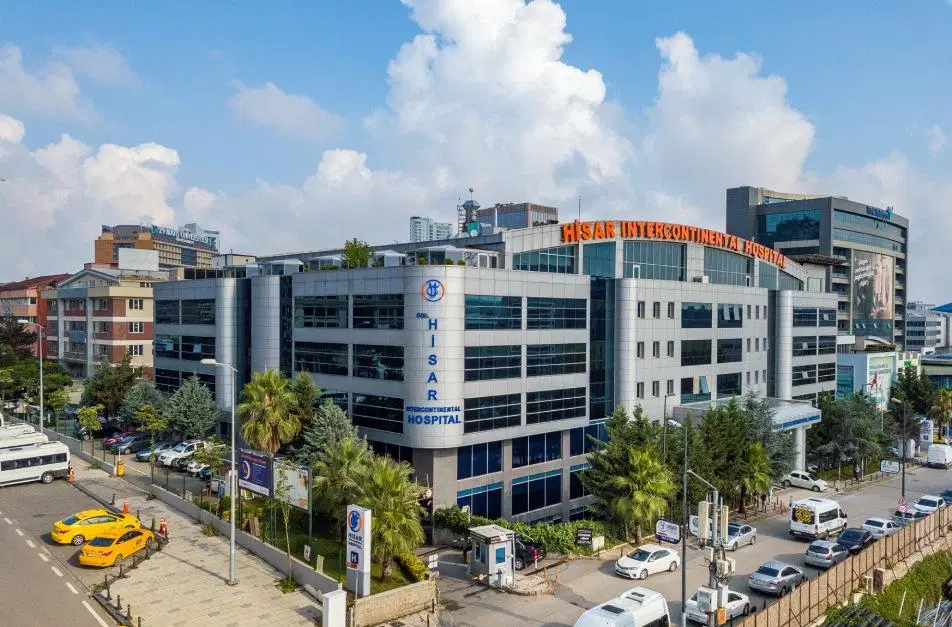
Hisar Intercontinental Hospital
Saray Mah. Siteyolu Cad. No:7, Umraniye, 34768, Istanbul, Turkey
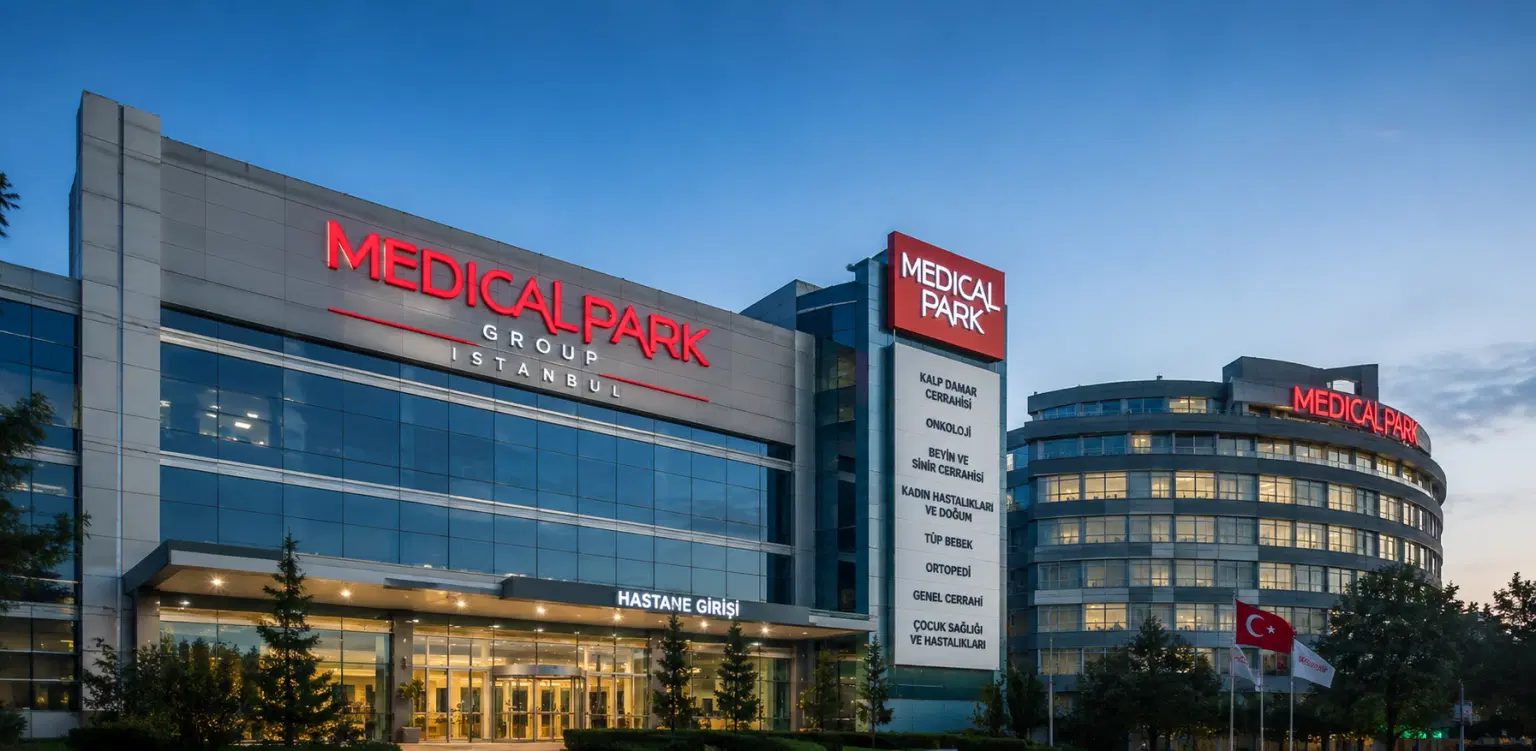
Medical Park Group, Istanbul
Fahrettin Kerim Gokay Cad. Tıbbiye Cd., Kadikoy, Istanbul, Turkey
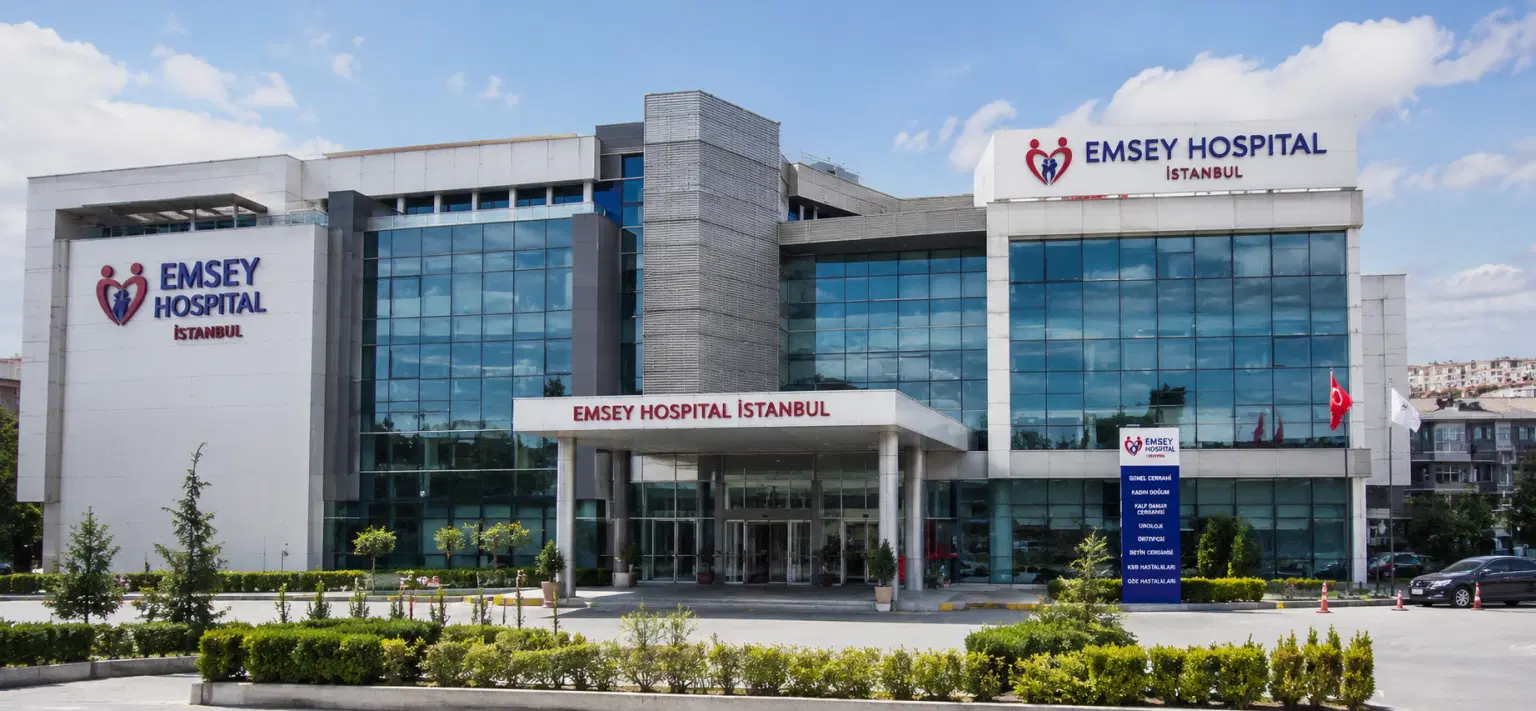
Emsey Hospital, Pendik, Istanbul
Çamlık, Selçuklu Cd. No:22, 34912 Pendik/İstanbul, Türkiye
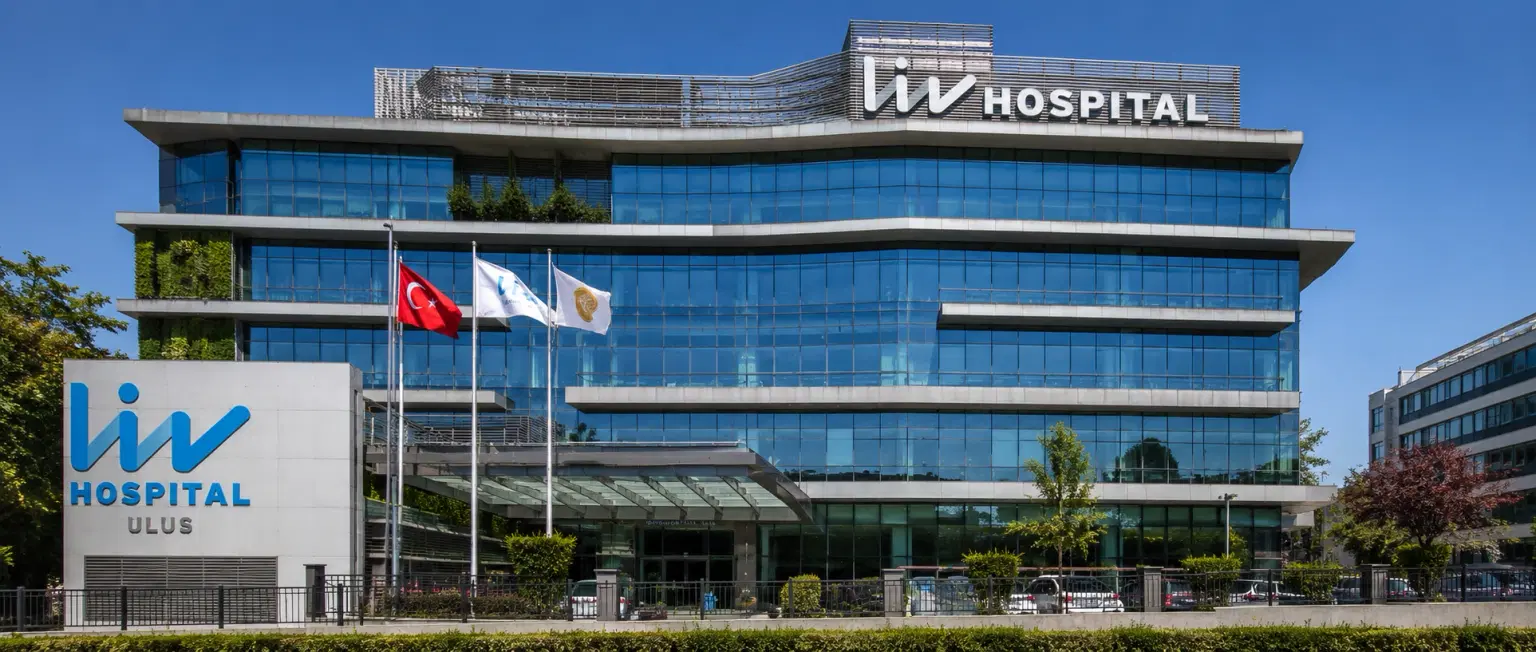
LIV Hospital, Istanbul
How DivinHeal Helps
We simplify your medical journey by providing comprehensive support and access to world-class healthcare.
Expert Specialist Matching
Connecting you with the world's top-rated medical experts.
Accredited Hospital Network
Access to JCI & NABH certified healthcare facilities.
Complete Travel Coordination
Hassle-free visa, stay, and local transport assistance.
24/7 Personal Care
Dedicated patient advisors supporting you at every step.
Journey Guidance
Full guidance from start to end of the patient treatment journey.
Expert Specialist Matching
Connecting you with the world's top-rated medical experts.
Everything you
need to know today
Browse through these common inquiries to better understand our patient-focused medical platform.
Yes, we work with a variety of insurance providers. Contact our team to verify your coverage.
Yes, we provide secure online consultations with experienced specialists.
Our care coordinators help match you with the most suitable specialist.
Absolutely. Your medical information is protected according to healthcare privacy standards.
Look at six things: accreditation (JCI or NABH), specialty depth, doctor credentials and experience, procedure-specific success rates, international patient support, and technology. DivinHeal's AI-driven matching evaluates every hospital in our accredited partner network on these dimensions and shortlists the best-fit options for your condition, budget, and country.
JCI (Joint Commission International) is the US-based global gold standard for hospital quality, recognised worldwide. NABH is India's national accreditation — accredited by ISQua, the same body that accredits JCI. Both signal independently verified safety and quality. Most of India's leading hospitals hold both.
Yes. All three welcome international patients through structured medical visa programs. India is the most established, treating patients from Africa, the Middle East, and South Asia at 60–80% lower cost. Thailand leads in cosmetic and dental care. The UAE is emerging in oncology and reproductive medicine.
Most patients save 50–80% on treatment costs. Heart bypass costs US $7,000–9,000 in India compared to $70,000–150,000 in the US. IVF costs $3,000–4,500 compared to $12,000–20,000 in the UK. Even after flights, visa, and accommodation, total savings remain 60–70%.
DivinHeal manages your entire non-medical journey: visa invitation letters, medical visa guidance, doctor appointments, teleconsultations, airport pickup, hospital-vetted accommodation for you and your attendant, language interpreters, local transport, cuisine preferences, and post-treatment follow-up — one dedicated coordinator from first enquiry to final follow-up.
You need a valid passport (6+ months validity), a medical visa (M-Visa for India — DivinHeal provides the hospital invitation letter), return flight tickets, recent medical reports and a doctor's referral, current prescription list, and proof of financial means. Any accompanying attendant needs their own passport and MX-Visa.
Still have more questions?
Book a call with our friendly team to learn how DivineHeal simplifies your healthcare journey.