Centres Of Excellence
Our Centres of Excellence bring together multidisciplinary teams to deliver precise diagnosis, advanced treatments, and superior outcomes across a wide spectrum of medical specialties.
OVERVIEW
This procedure involves inserting a flexible tube with a camera (colonoscope) to visualize the colon's inner lining. If polyps are found, they are removed during the same procedure (polypectomy). It's a cornerstone for early detection and prevention of colorectal cancer, offering both diagnostic clarity and immediate therapeutic intervention.
PROCEDURE
BENEFITS
Key Benefits of Colonoscopy with Polypectomy
Colorectal Cancer Prevention
The most significant benefit is the ability to remove precancerous polyps, effectively preventing the development of colorectal cancer.
Early Detection of Cancer
Allows for the detection of colorectal cancer at its earliest, most treatable stages, leading to higher Colonoscopy with Polypectomy success rates.
Diagnostic Accuracy
Provides a direct visual examination of the entire colon, offering superior diagnostic accuracy compared to other screening methods.
Relief of Symptoms
Can identify and sometimes treat sources of symptoms like rectal bleeding, abdominal pain, or changes in bowel habits.
Minimally Invasive Treatment
Polypectomy is performed endoscopically, avoiding open surgery and its associated longer recovery times.
RECOVERY
Recovery Time and Tips After Colonoscopy with Polypectomy
Immediate Post-Procedure
Most patients recover quickly from a Colonoscopy with Polypectomy. You will typically spend an hour or two in a recovery area while the sedation wears off. You might experience mild cramping, bloating, or gas, which usually resolves within a few hours. Due to the sedation, it's mandatory to have someone drive you home.
First 24 Hours
Avoid driving, operating heavy machinery, making important decisions, and consuming alcohol for at least 24 hours post-procedure. You can generally resume light activities and a normal diet. Some may be advised to avoid fibrous foods initially if multiple or large polyps were removed.
Long-Term Recovery & Follow-up
Full recovery is usually within 24-48 hours. Your gastroenterologist will discuss the findings, including the pathology results of any removed polyps, and provide recommendations for your next screening or follow-up. Adhering to these recommendations is crucial for continued colorectal health.
DivinHeal ensures you receive clear, comprehensive post-procedure instructions and facilitates any necessary follow-up consultations with your top gastroenterologists for Colonoscopy with Polypectomy.
WHAT WE TREAT
Conditions Treated by Colonoscopy with Polypectomy
Colorectal Polyps
The primary target of a polypectomy, these growths can be benign but have the potential to become cancerous over time.
Early Detection of Colorectal Cancer
A colonoscopy is the gold standard for identifying precancerous lesions and early-stage colorectal cancer, significantly improving treatment outcomes.
Unexplained Rectal Bleeding or Changes in Bowel Habits
Investigating the cause of symptoms like blood in stool, chronic diarrhea, constipation, or abdominal pain.
Inflammatory Bowel Disease (IBD) Management
Monitoring and evaluating conditions such as Crohn's disease and ulcerative colitis.
PREPARATION
RISKS
JOURNEY
Your Journey to Colorectal Health with DivinHeal
Pre-Procedure Consultation & Planning
Our AI-driven platform connects you with top gastroenterologists for a preliminary assessment. We coordinate all necessary pre-procedure tests and bowel preparation instructions, ensuring you are fully prepared.
The Colonoscopy with Polypectomy Procedure
Performed in world-class hospitals, the procedure involves careful examination of your colon. Any identified polyps are safely removed. You'll be under sedation for comfort, making the experience as stress-free as possible.
Immediate Post-Procedure Care & Recovery
After the procedure, you'll be monitored briefly before being discharged. Our team ensures you receive clear post-procedure instructions for a smooth recovery at home or your accommodation.
Follow-up & Long-Term Wellness
DivinHeal facilitates post-procedure follow-ups, including pathology results for removed polyps and recommendations for future screening. We emphasize long-term digestive health and prevention.
OUTCOMES
Expected Outcomes and Benefits
- Significant Pain Relief: Alleviation of chronic knee pain, dramatically improving comfort.
- Restored Mobility: Enhanced ability to walk, bend, and engage in daily activities.
- Improved Quality of Life: A return to more active, independent living with greater comfort and confidence.
- Long-Term Functionality: Durable prosthetic implants designed for years of reliable use, supported by proper rehabilitation.
Related Links
Doctors For Treatment in Similar Locations
- Best Colonoscopy with Polypectomy Doctors in Bengaluru
- Best Colonoscopy with Polypectomy Doctors in Chennai
- Best Colonoscopy with Polypectomy Doctors in Gurugram
- Best Colonoscopy with Polypectomy Doctors in Hyderabad
- Best Colonoscopy with Polypectomy Doctors in India
- Best Colonoscopy with Polypectomy Doctors in Mumbai
- Best Colonoscopy with Polypectomy Doctors in New Delhi
- Best Colonoscopy with Polypectomy Doctors in Pune
Best Hospital Near by for treatment
- Best Colonoscopy with Polypectomy Hospitals in Bengaluru
- Best Colonoscopy with Polypectomy Hospitals in Chennai
- Best Colonoscopy with Polypectomy Hospitals in Gurugram
- Best Colonoscopy with Polypectomy Hospitals in Hyderabad
- Best Colonoscopy with Polypectomy Hospitals in India
- Best Colonoscopy with Polypectomy Hospitals in Mumbai
- Best Colonoscopy with Polypectomy Hospitals in New Delhi
- Best Colonoscopy with Polypectomy Hospitals in Pune
Hospitals Offering this treatment
India offers premium medical procedures at affordable prices. Discover our most popular treatments, delivered by the country's finest doctors.
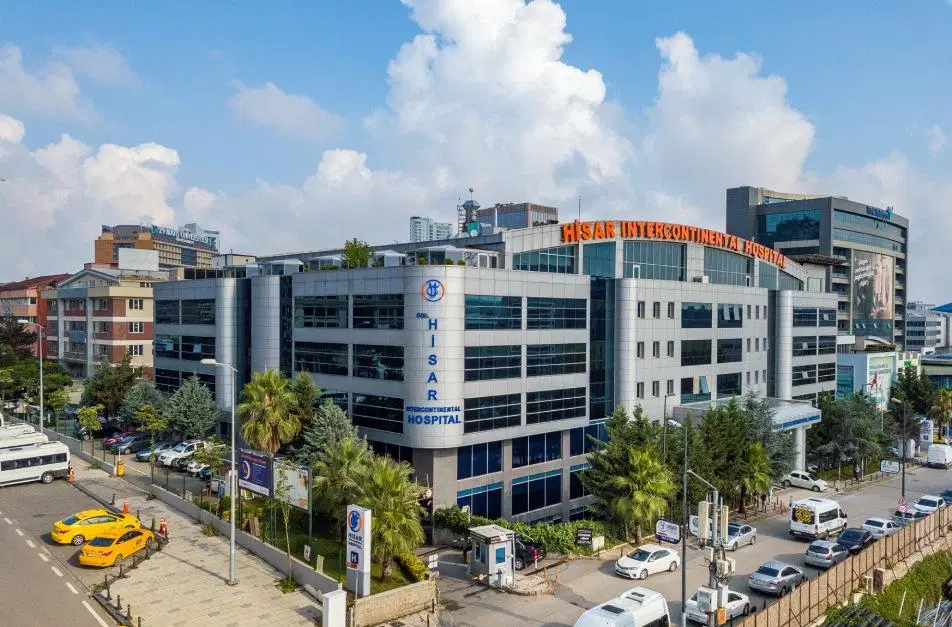
Hisar Intercontinental Hospital
Saray Mah. Siteyolu Cad. No:7, Umraniye, 34768, Istanbul, Turkey
Hisar Intercontinental Hospital
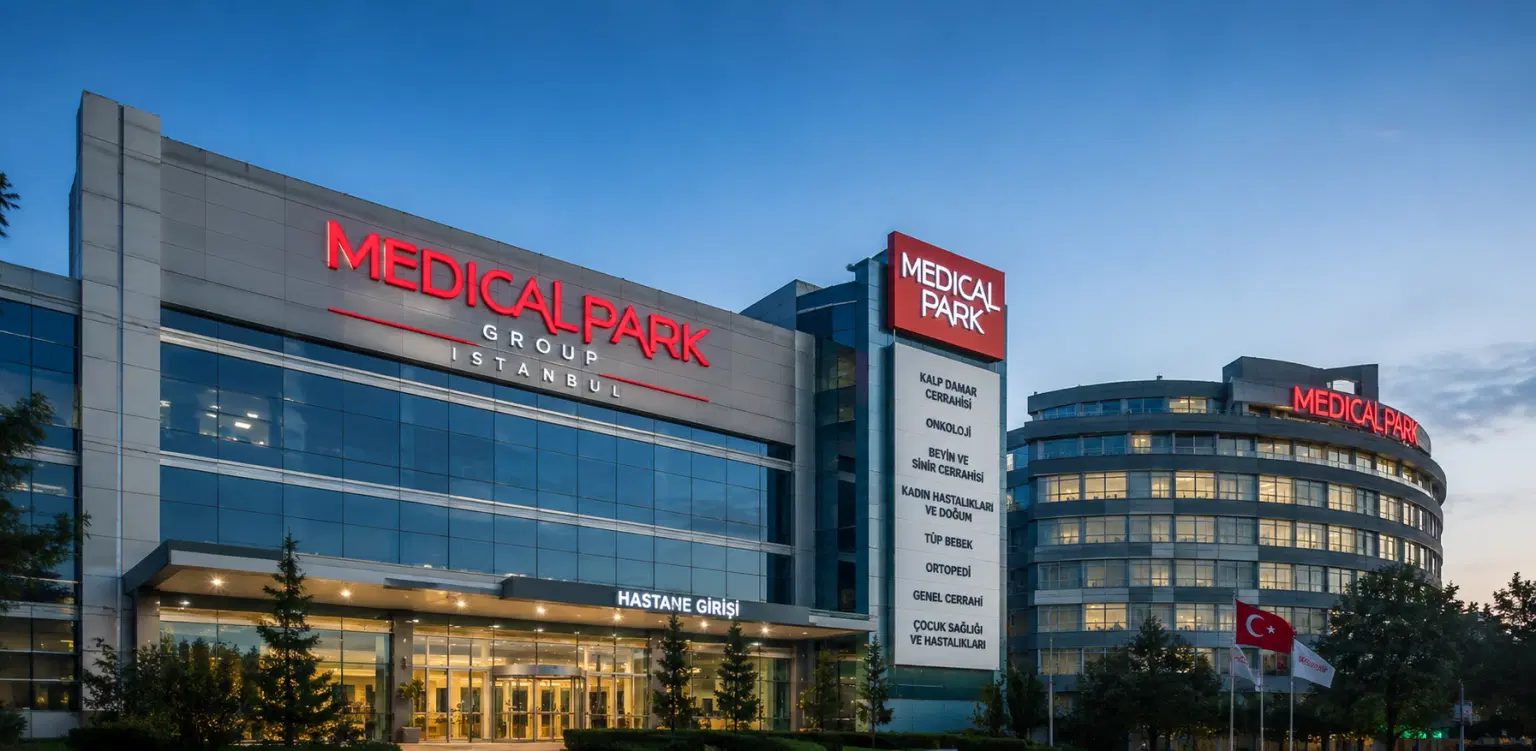
Medical Park Group, Istanbul
Fahrettin Kerim Gokay Cad. Tıbbiye Cd., Kadikoy, Istanbul, Turkey
Medical Park Group, Istanbul
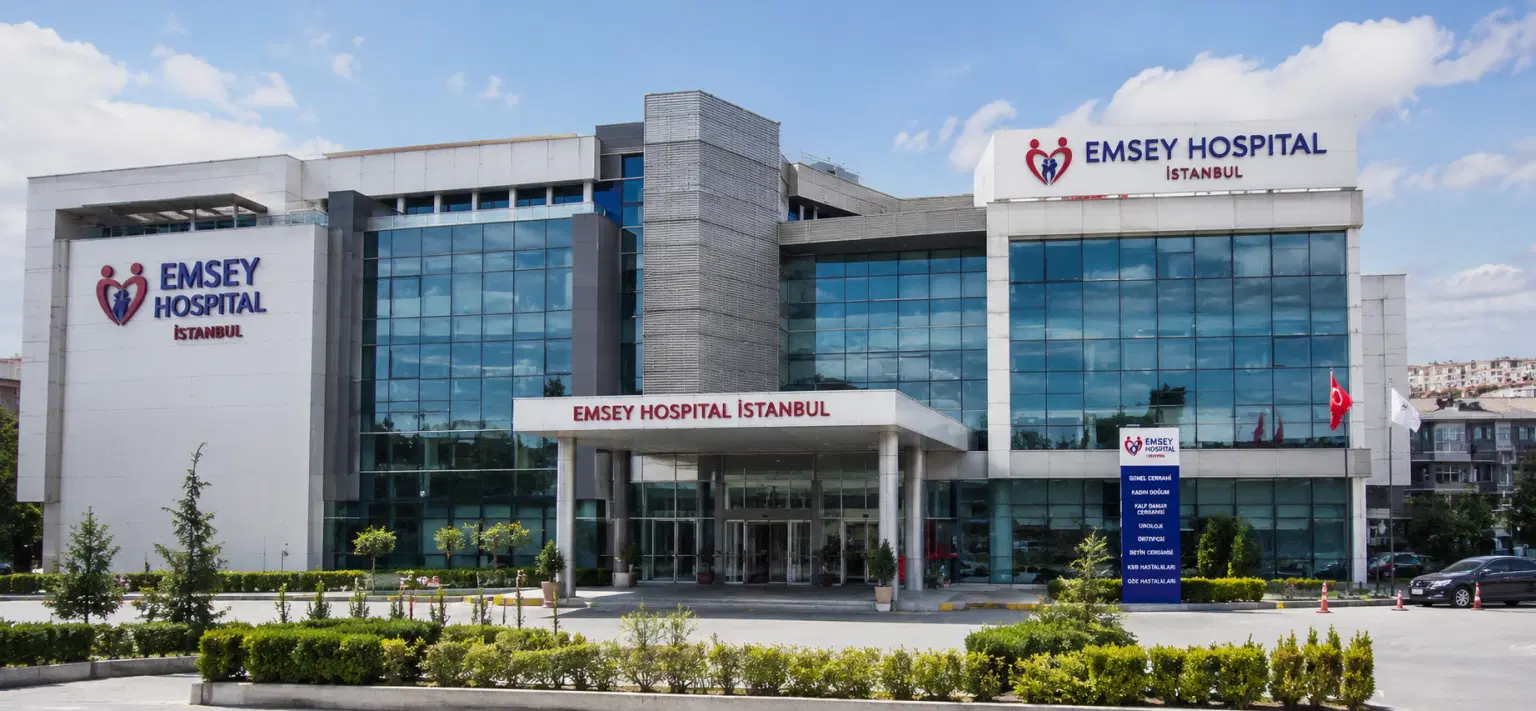
Emsey Hospital, Pendik, Istanbul
Çamlık, Selçuklu Cd. No:22, 34912 Pendik/İstanbul, Türkiye
Emsey Hospital, Pendik, Istanbul
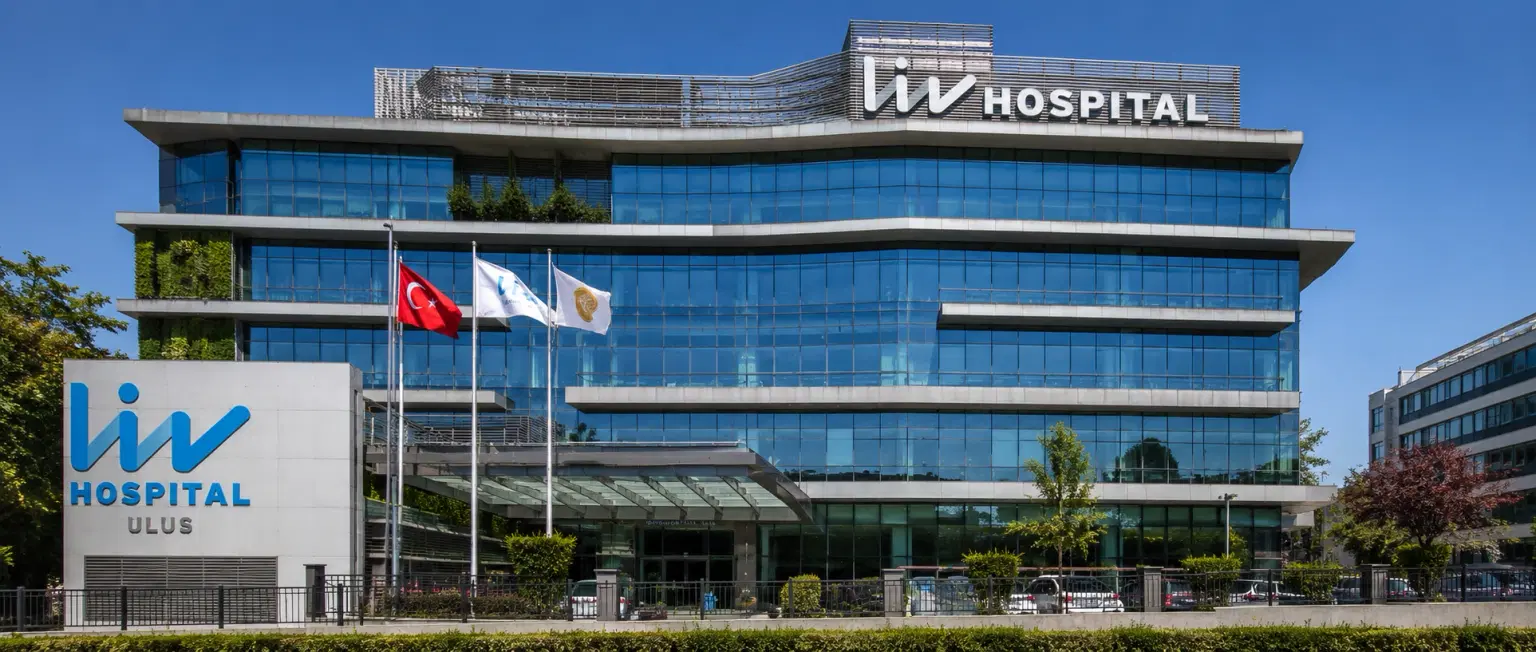
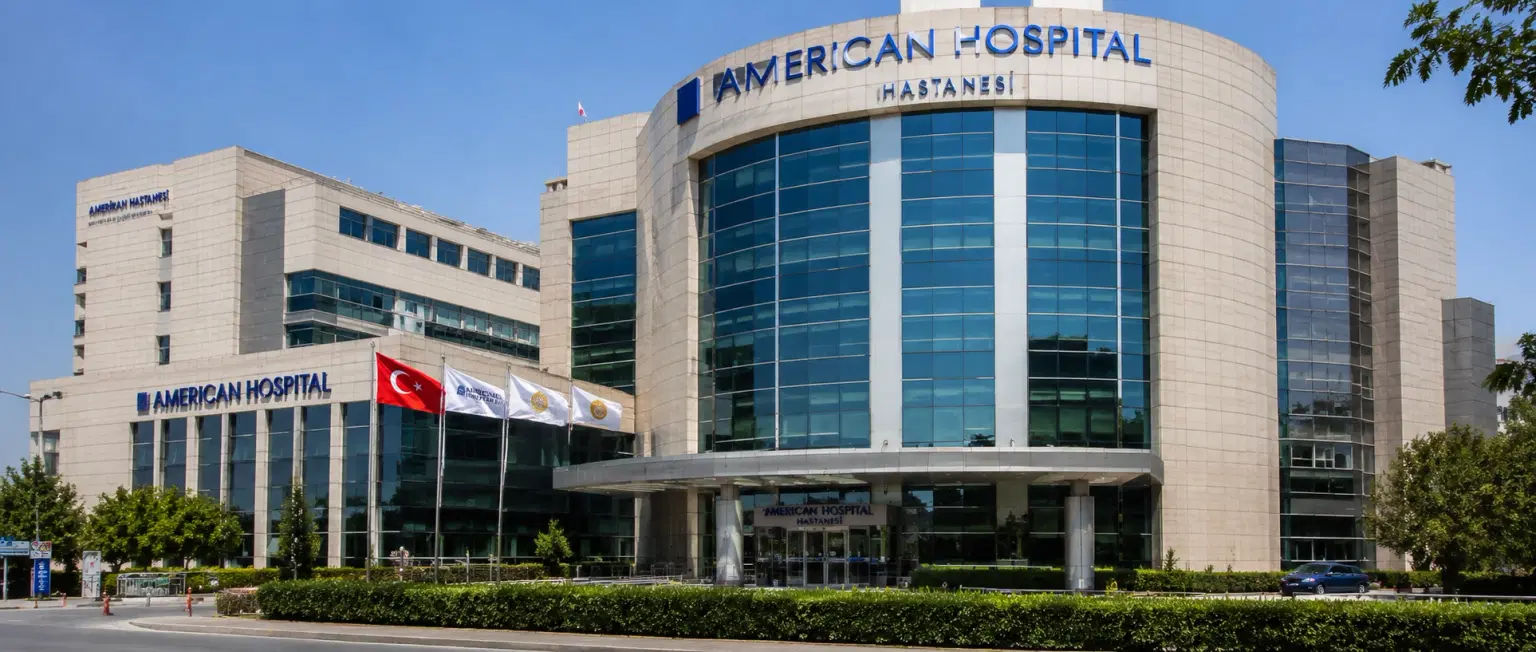
American Hospital, Istanbul
Guzelbahce Sk. No:20, 34365, Nisantasi, Istanbul, Turkey
American Hospital, Istanbul
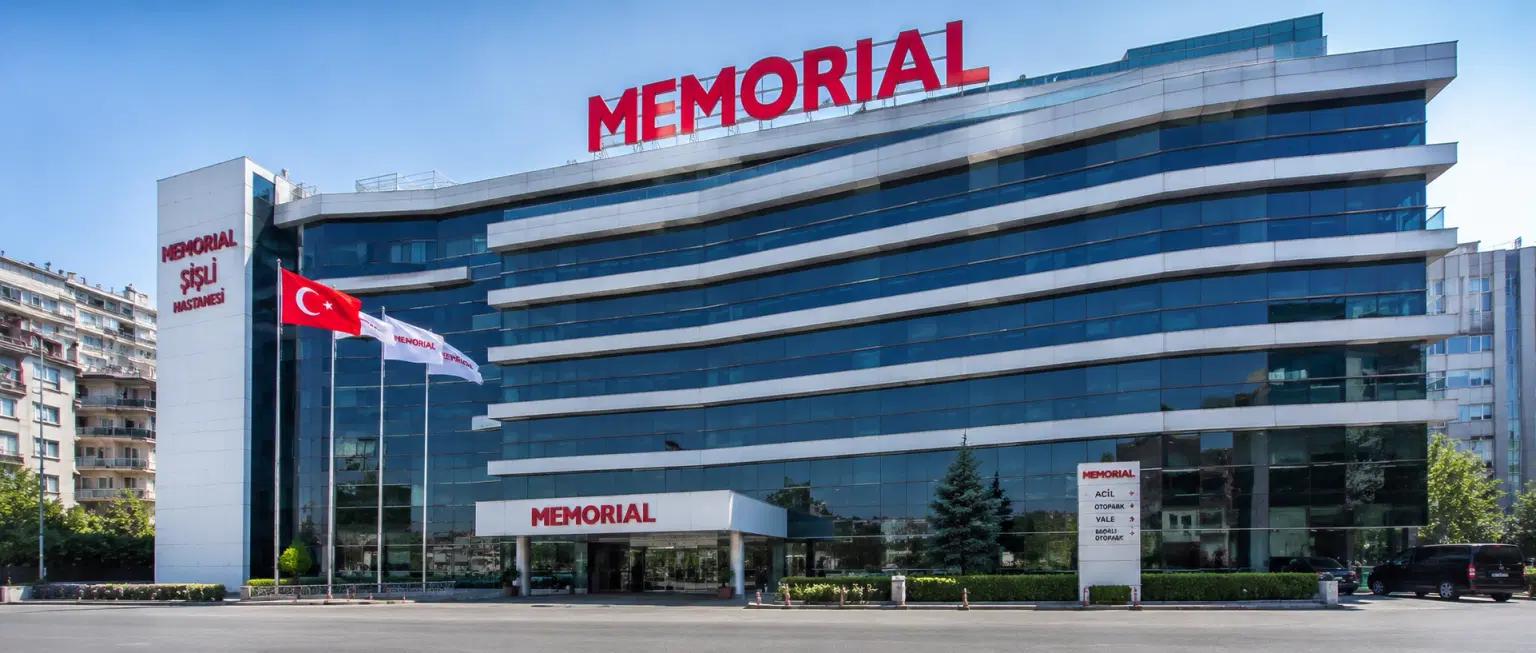
Memorial Hospitals Group
Burhaniye, Nagehan Sokağı No:4/A D:1, 34676 Üsküdar/İstanbul, Türkiye
Memorial Hospitals Group
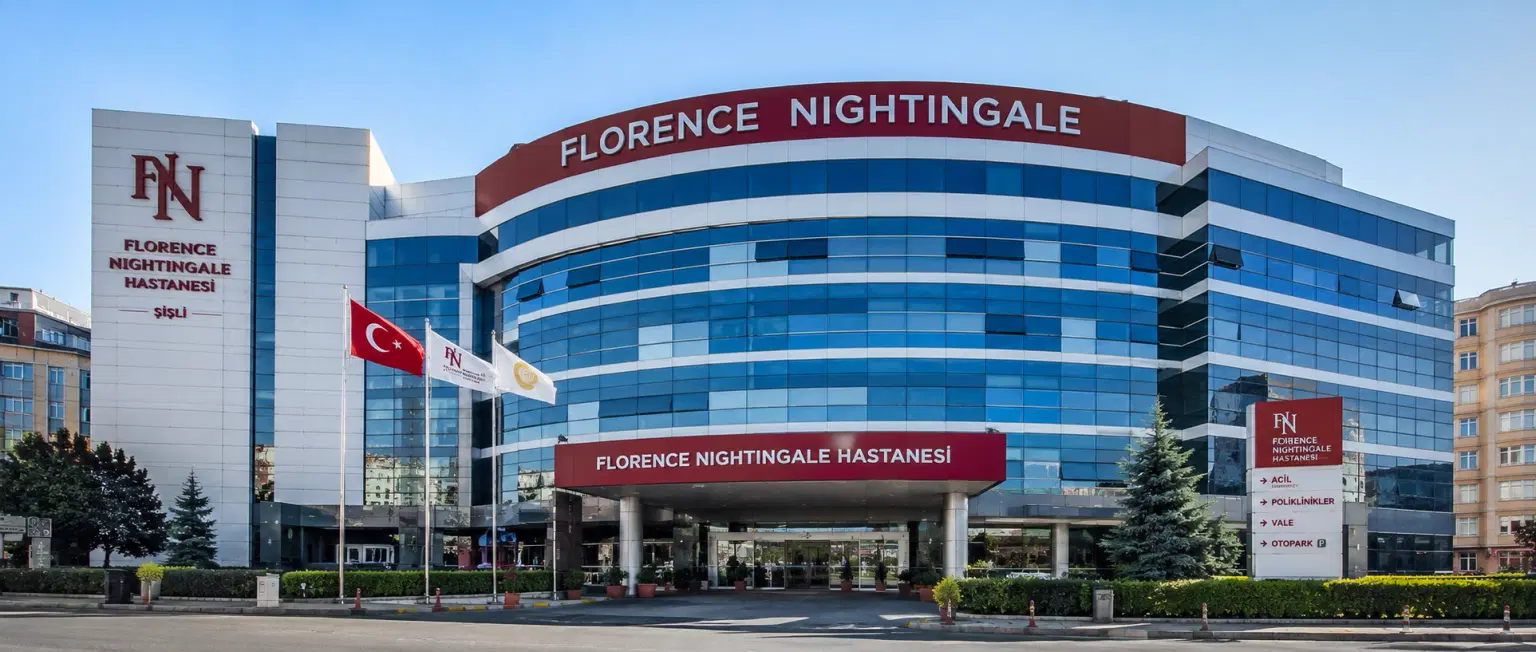
Florence Nightingale Hospital Istanbul
Abide-i Hürriyet Cd No:166, 34381 Sisli, Istanbul
Florence Nightingale Hospital Istanbul
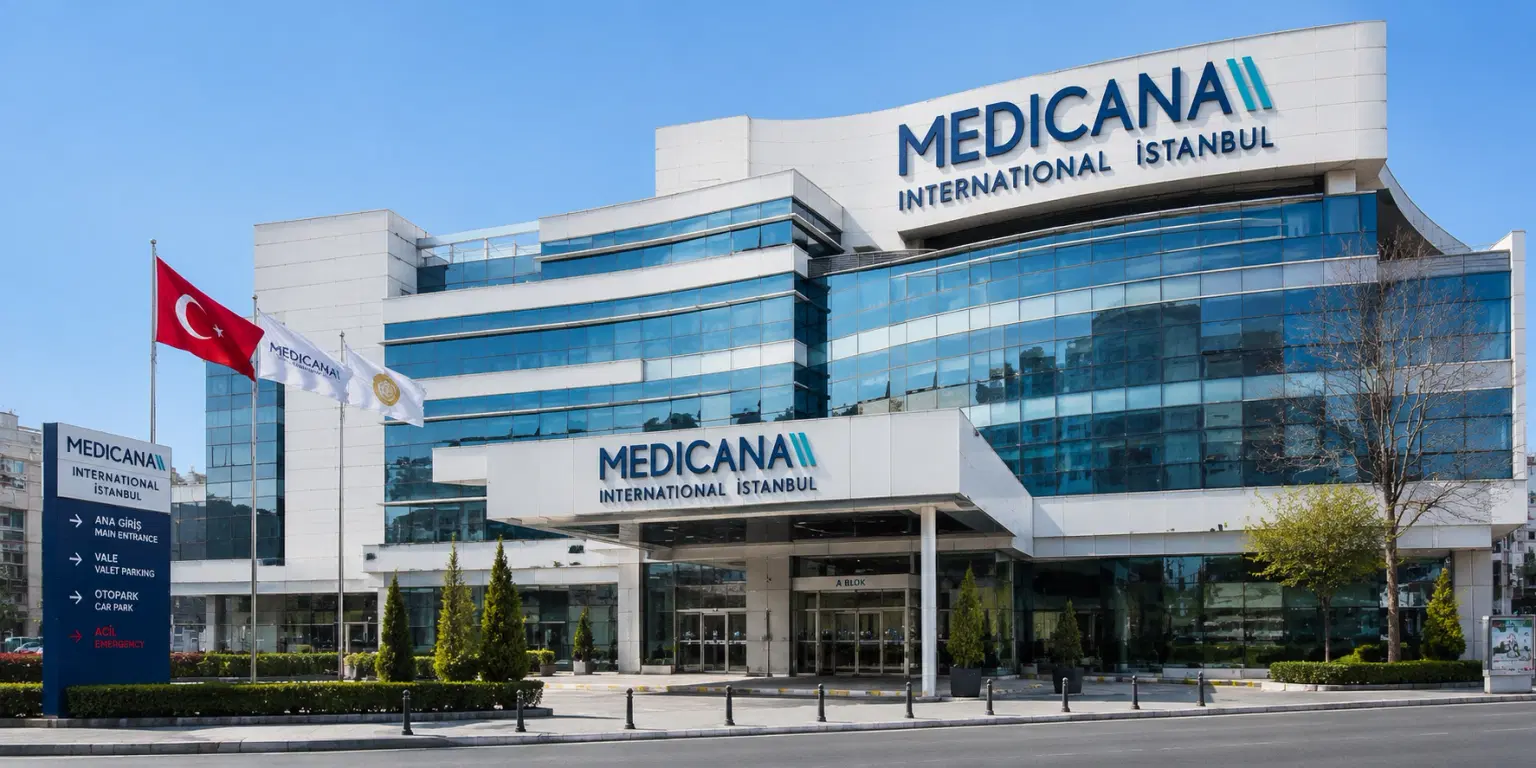
Medicana International Hospital, Istanbul
Halit Ziya Turkkani Mah. Medikal Park Cd. No:1, Beylikdüzü, İstanbul
Medicana International Hospital, Istanbul
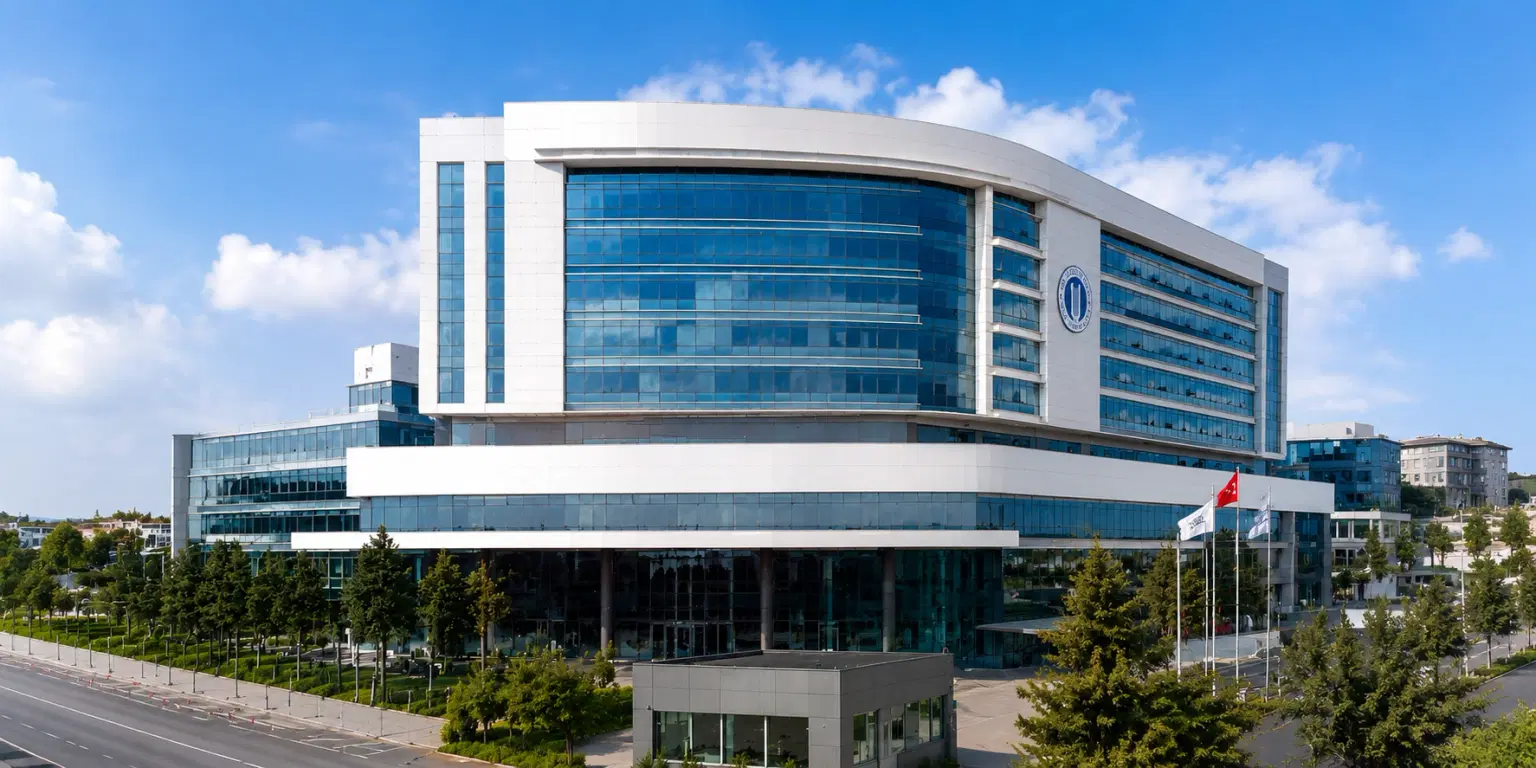
Okan University Hospital Istanbul
Icmeler Mah. Aydınlıyolu Cd. No:2, 34947 Icmeler-Tuzla, Istanbul
Okan University Hospital Istanbul
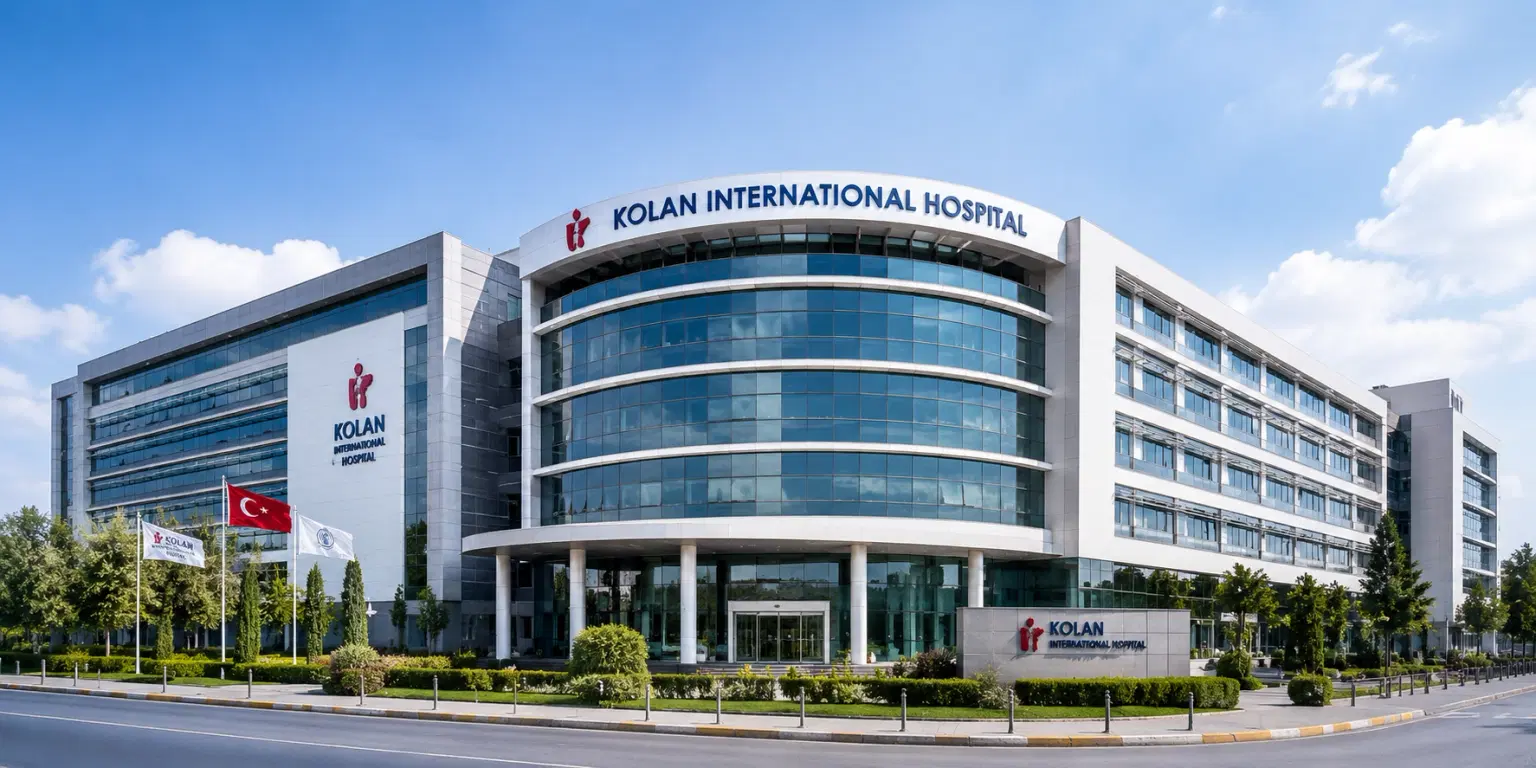
Kolan International Hospital, Istanbul
Kaptanpasa Mah. Okmeydan Kavsagi, Darulaceze Cd. No:14, 34384 Sisli, Istanbul
Kolan International Hospital, Istanbul
Meet Our Doctors
Meet our team of highly qualified and experienced medical professionals dedicated to providing the best healthcare services.
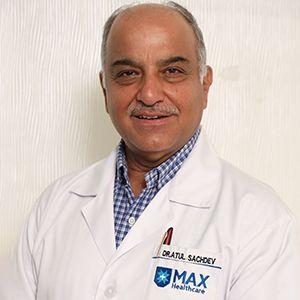
Dr. Atul Sachdev
Principal Consultant
Gastroenterology
New Delhi
25+ Years
Experience
Apolo Delhi
Hospital
1500
Fees
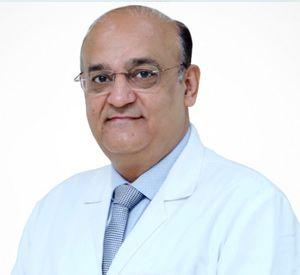
Dr. Neeraj Bhalla
Senior Director, Cardiology Department
Interventional Cardiology
New Delhi
15+ Years
Experience
Max Hospital,Gurgaon
Hospital
1500
Fees
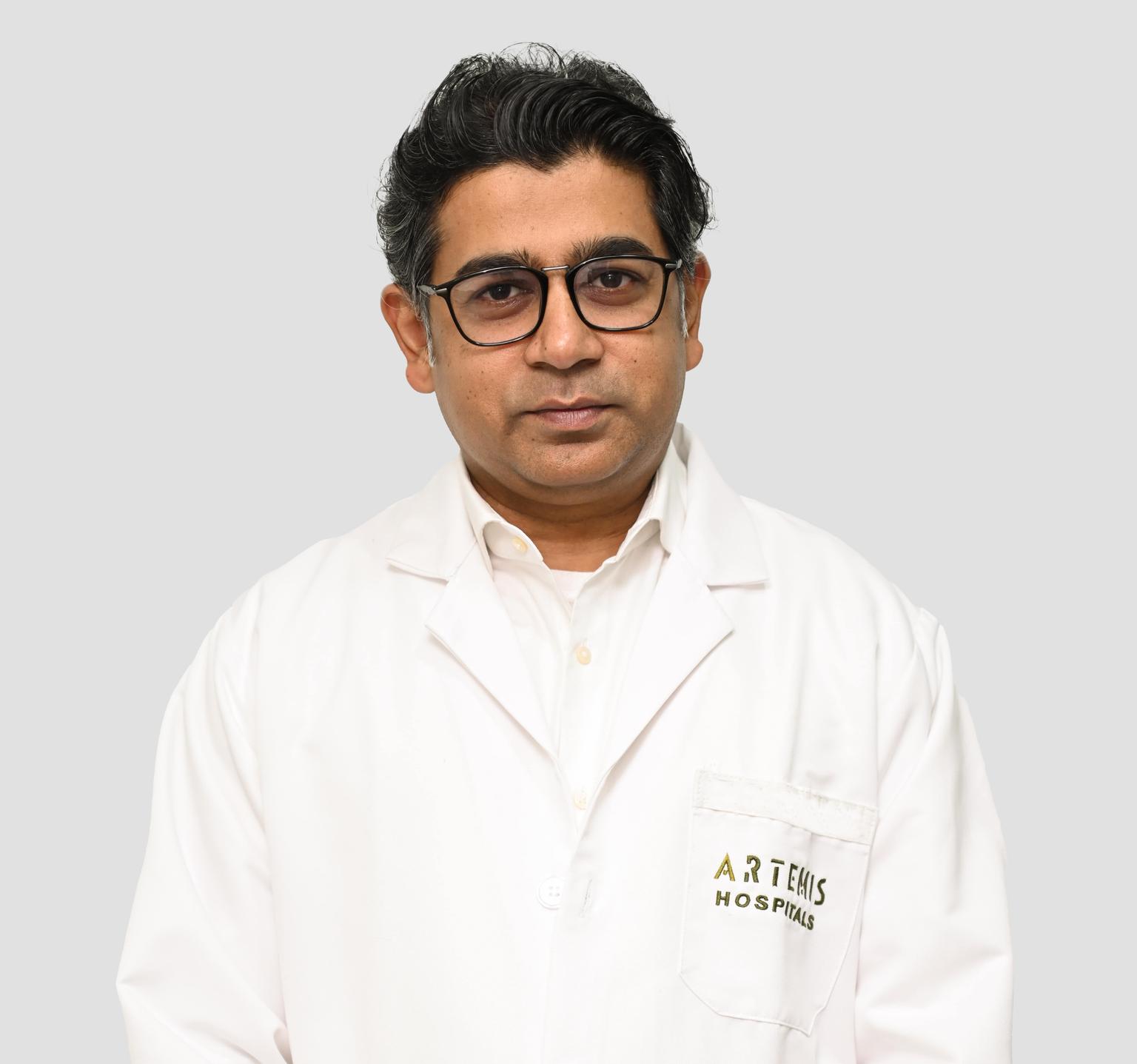
Dr. Pradeep Kumar Singh
Head - Cosmetic & Plastic Surgery
Cosmetic & Plastic Surgery
New Delhi
17+ Years
Experience
Artemis Hospital
Hospital
1500
Fees
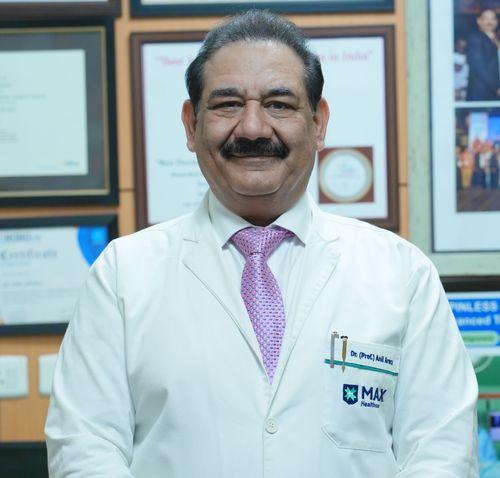
Dr. (Prof.) Anil Arora
Professor & Robotic Joint Replacement Surgeon
Orthopaedic & Robotic Joint Replacement Surgery
New Delhi
33+ Years
Experience
Max Hospital,Gurgaon
Hospital
1500
Fees
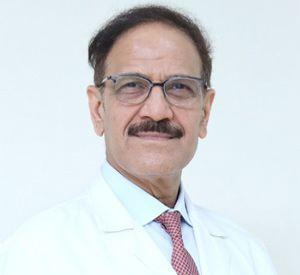
Dr. Subhash Chandra
Chairman - Interventional Cardiology - Cardiology & Structural Heart Disease
Cardiac Sciences, Cardiology, Interventional Cardiology, Cardiac Electrophysiology-Pacemaker
New Delhi
15+ Years
Experience
Max Hospital,Gurgaon
Hospital
1500
Fees
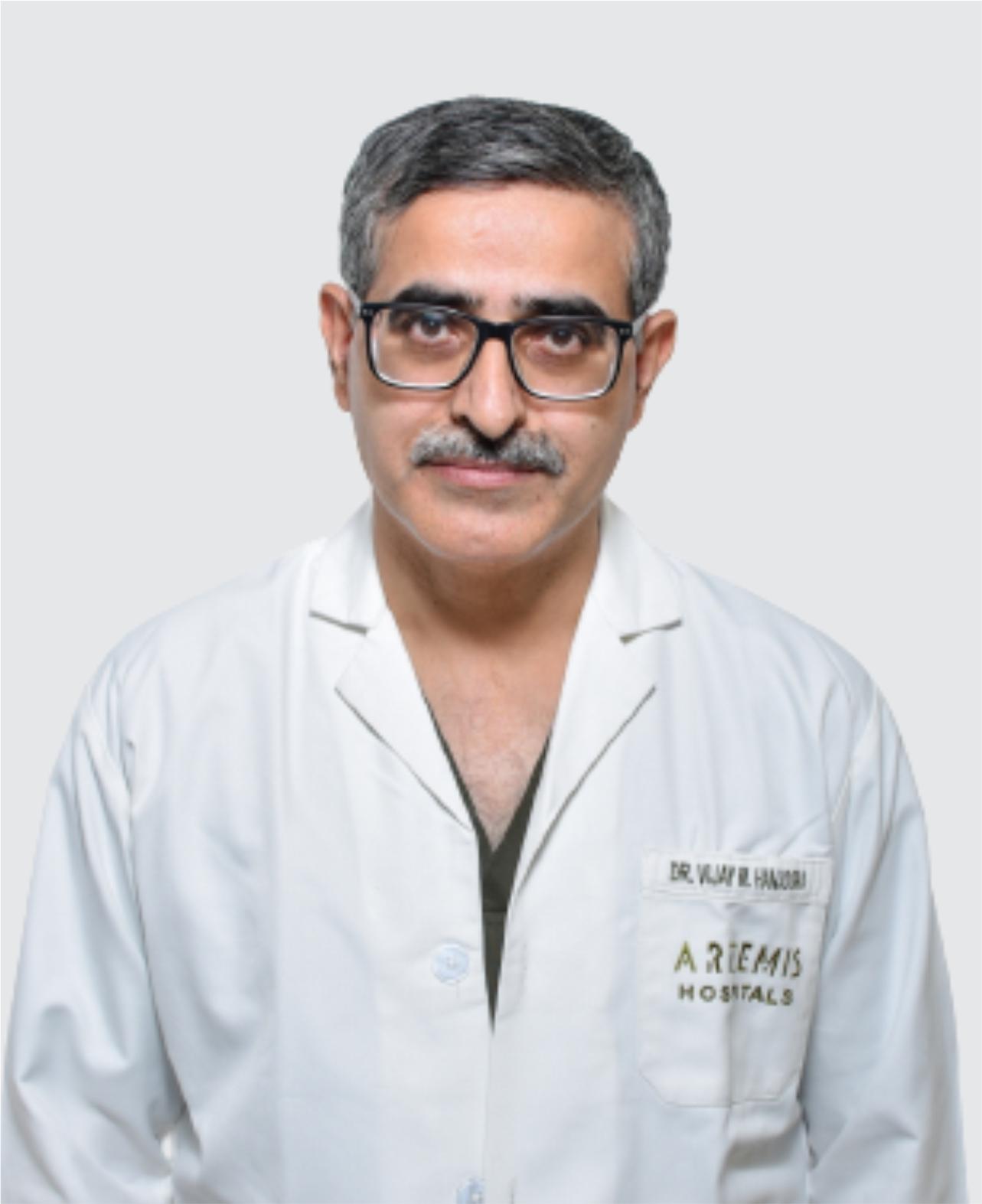
Dr. Vijay Mohan Hanjoora
Director
Gastroenterology
New Delhi
19+ Years
Experience
Artemis Hospital
Hospital
1500
Fees
Dr. Vivek Saxena
Director
Gastroenterology & Therapeutic Endoscopy
New Delhi
20+ Years
Experience
Apolo Delhi
Hospital
1500
Fees
Booking With DIVINHEAL
Get a free consultation to understand your treatment options