



lung cancer surgery
5K+ International Patients Treated
40+ Source Countries Served
500+ Accredited Partner Hospitals
98% Patient Satisfaction
80% Average Savings vs USA
10K+ Doctors
NABH, JCI Accredited Hospitals
Free Treatment Plan
Free Consultation with Doctor
5+ Destinations Covered
About lung cancer surgery
Lung Cancer Surgery Treatment: Procedures, Cost & Recovery
Understanding Lung Cancer Surgery
Lung cancer is one of the most common and serious types of cancer, often diagnosed at advanced stages. However, for many patients, especially those with early-stage disease, lung cancer surgery offers the best chance for a cure and long-term survival. This critical intervention involves removing cancerous portions of the lung, a complex procedure demanding exceptional surgical skill and advanced medical facilities. DivinHeal connects you with globally accredited oncology hospitals and top-tier thoracic surgeons, providing access to state-of-the-art therapeutic options including advanced surgical techniques, chemotherapy, radiation therapy, targeted therapy, and immunotherapy, ensuring a comprehensive approach to your care.
Types of Lung Cancer Surgery Procedures
Surgical Approaches for Lung Cancer
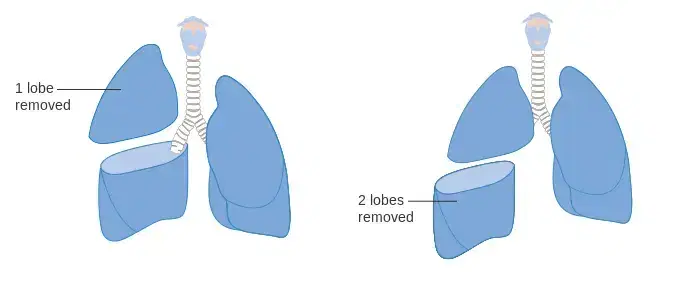
- Lobectomy: The most common type of lung cancer surgery, involving the removal of an entire lobe of the lung where the tumor is located. This procedure aims for complete removal of the cancer while preserving as much healthy lung tissue as possible.
- Pneumonectomy: Reserved for larger or centrally located tumors, this involves removing an entire lung. This is a major surgery, and patient suitability is carefully assessed based on lung function.
- Segmentectomy/Wedge Resection: For smaller, early-stage tumors, or in patients with compromised lung function, only a segment or a wedge-shaped piece of the lung is removed.
- Sleeve Resection: A segment of a major airway (bronchus) is removed, and the remaining ends are reconnected, allowing for lung preservation while effectively removing the tumor.
- Minimally Invasive Techniques: Many lung cancer surgeries are now performed using advanced minimally invasive approaches like Video-Assisted Thoracoscopic Surgery (VATS) or Robotic-Assisted Thoracoscopic Surgery (RATS). These techniques involve smaller incisions, less pain, shorter hospital stays, and quicker recovery times compared to traditional open thoracotomy.
Non-Surgical Therapies for Lung Cancer
Beyond surgery, comprehensive lung cancer treatment often includes non-surgical modalities:
- Chemotherapy: Uses powerful drugs to kill cancer cells, often administered before (neoadjuvant) or after (adjuvant) surgery to reduce tumor size or eliminate remaining cancer cells.
- Radiation Therapy: Uses high-energy rays to target and destroy cancer cells, either as a primary treatment, pre-operatively, post-operatively, or for symptom palliation.
- Targeted Therapy: Drugs that specifically target genetic mutations or proteins unique to cancer cells, minimizing harm to healthy cells. These are often used for specific types of Non-Small Cell Lung Cancer (NSCLC) with identified biomarkers.
- Immunotherapy: Utilizes the body's own immune system to fight cancer, often effective in advanced lung cancer by blocking checkpoints that cancer cells use to evade immune detection.
Cost Comparison: Why Patients Choose India for Lung Cancer Surgery
The quest for high-quality, affordable healthcare leads many international patients to India for lung cancer surgery treatment. India offers unparalleled medical expertise, world-class infrastructure, and advanced surgical capabilities at a fraction of the cost found in Western nations, often without compromising on quality or success rates. DivinHeal provides transparent, AI-driven care coordination, connecting you with top hospitals and surgeons while ensuring significant cost savings. Choosing India through DivinHeal means accessing advanced treatment, comprehensive care, and affordable lung cancer surgery packages, with potential savings of up to 70%.
| Country | Average Lung Cancer Surgery Cost (USD) |
|---|---|
| India | $7,000 - $15,000 |
| United States | $50,000 - $150,000 |
| United Kingdom | $40,000 - $100,000 |
| Singapore | $30,000 - $80,000 |
| UAE | $25,000 - $70,000 |
DivinHeal’s Comprehensive Support for Your Lung Cancer Journey
Navigating a lung cancer diagnosis and treatment can be daunting. DivinHeal simplifies this journey by providing end-to-end care coordination, ensuring a seamless and stress-free experience:
- AI-Driven Hospital & Doctor Matching: We connect you with best hospitals for lung cancer surgery and top oncologists for lung cancer surgery, tailored to your specific needs and preferences.
- Transparent Cost Breakdowns: Receive clear, upfront estimates for your lung cancer surgery treatment cost and lung cancer surgery cost comparison, with no hidden fees.
- Travel & Visa Assistance: Our dedicated team handles all logistics, including medical visas, flight bookings, and accommodation, for you and your accompanying family.
- Dedicated Care Coordination: From your initial consultation to post-recovery follow-ups, a personal care coordinator supports you at every step, managing appointments, interpretations, and ensuring your comfort.
- Second Opinions & Treatment Plans: We facilitate access to multiple expert opinions for your lung cancer diagnosis and therapy options, empowering you to make informed decisions.
Recovery and Life After Lung Cancer Surgery
Understanding the lung cancer surgery recovery time and tips is crucial for optimal healing. The recovery process varies, but with proper care and adherence to medical advice, most patients experience significant improvement. Typically, initial hospital stay ranges from 5-10 days. Full recovery, allowing a return to normal activities, usually takes 2-3 months.
- Physical Therapy & Rehabilitation: Pulmonary rehabilitation and breathing exercises are vital to restore lung function and strength.
- Pain Management: Effective pain control is prioritized to ensure comfort and facilitate mobility.
- Lifestyle Modifications: Adopting a healthy lifestyle, including nutrition and complete smoking cessation, is paramount for long-term well-being and preventing recurrence.
- Emotional & Psychological Support: Dealing with cancer can be emotionally challenging. DivinHeal can connect you with counseling services and support groups to help you cope.
- Follow-up Care: Regular check-ups with your oncology team are essential to monitor recovery, detect any potential recurrence, and manage long-term side effects, contributing to a high lung cancer surgery success rate.
Booking With DIVINHEAL
Get a free consultation to understand your treatment options
Cost Calculator
I know my treatment - show me cost from 3 hospitals
Plan My Journey
Tell us your condition and budget - our AI matches the right destination, hospital and doctor and visa pathway
Recommended Article

Booking With DIVINHEAL
Get a free consultation to understand your treatment options
Cost Calculator
I know my treatment - show me cost from 3 hospitals
Plan My Journey
Tell us your condition and budget - our AI matches the right destination, hospital and doctor and visa pathway
Recommended Article
Meet Our Medical Specialists
Hospitals
NABH & JCI Accredited Hospitals in India,Turkey, Thailand & UAE.
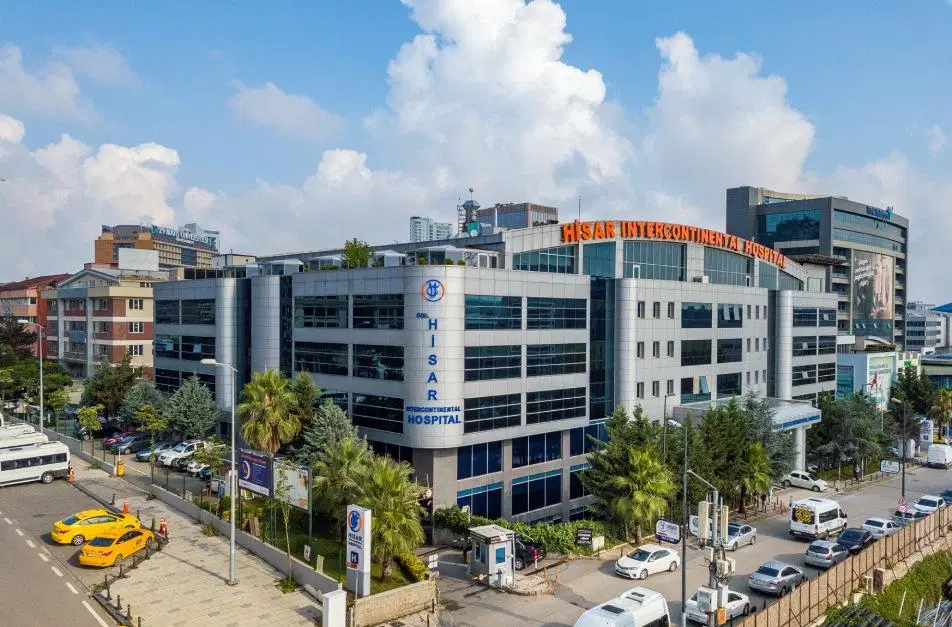

Hisar Intercontinental Hospital
Saray Mah. Siteyolu Cad. No:7, Umraniye, 34768, Istanbul, Turkey
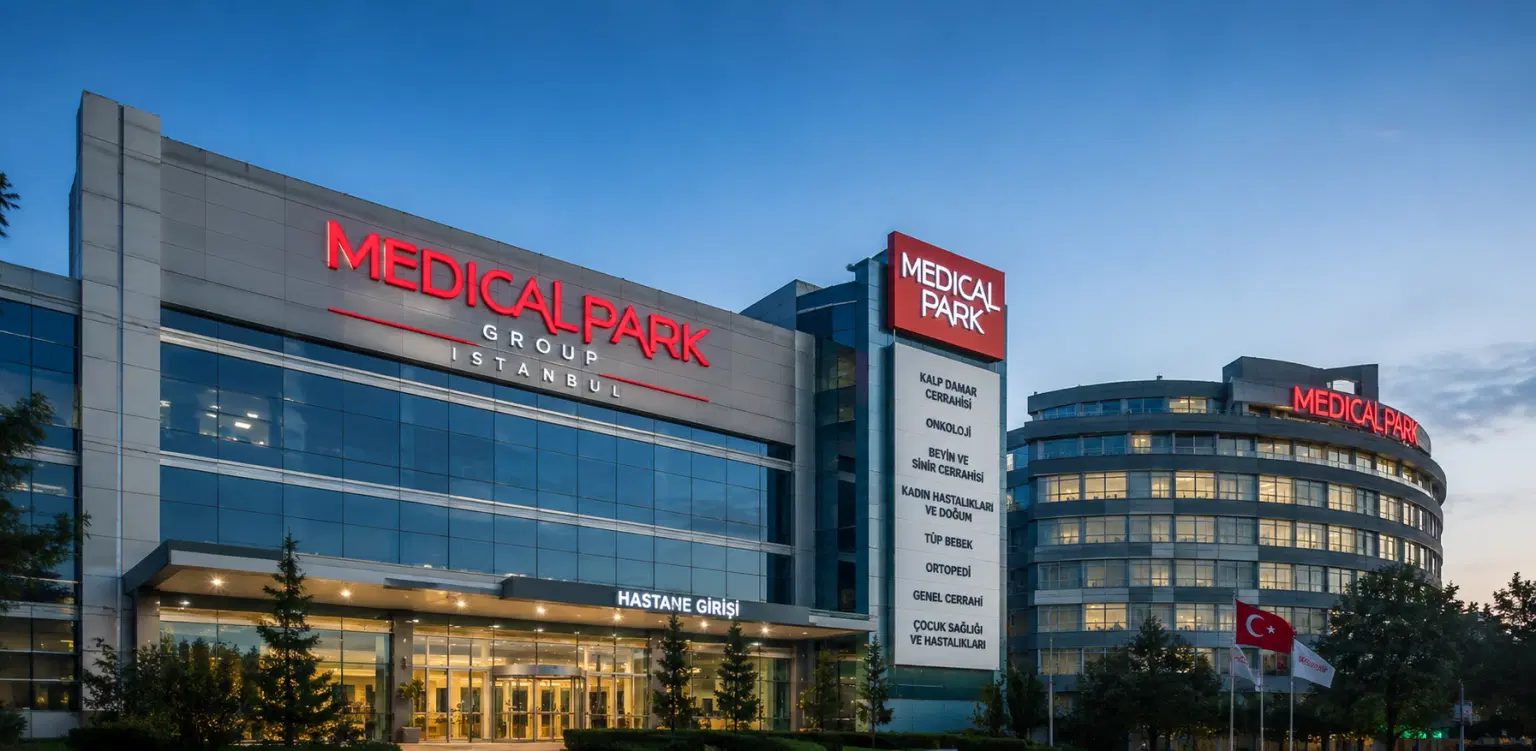
Medical Park Group, Istanbul
Fahrettin Kerim Gokay Cad. Tıbbiye Cd., Kadikoy, Istanbul, Turkey
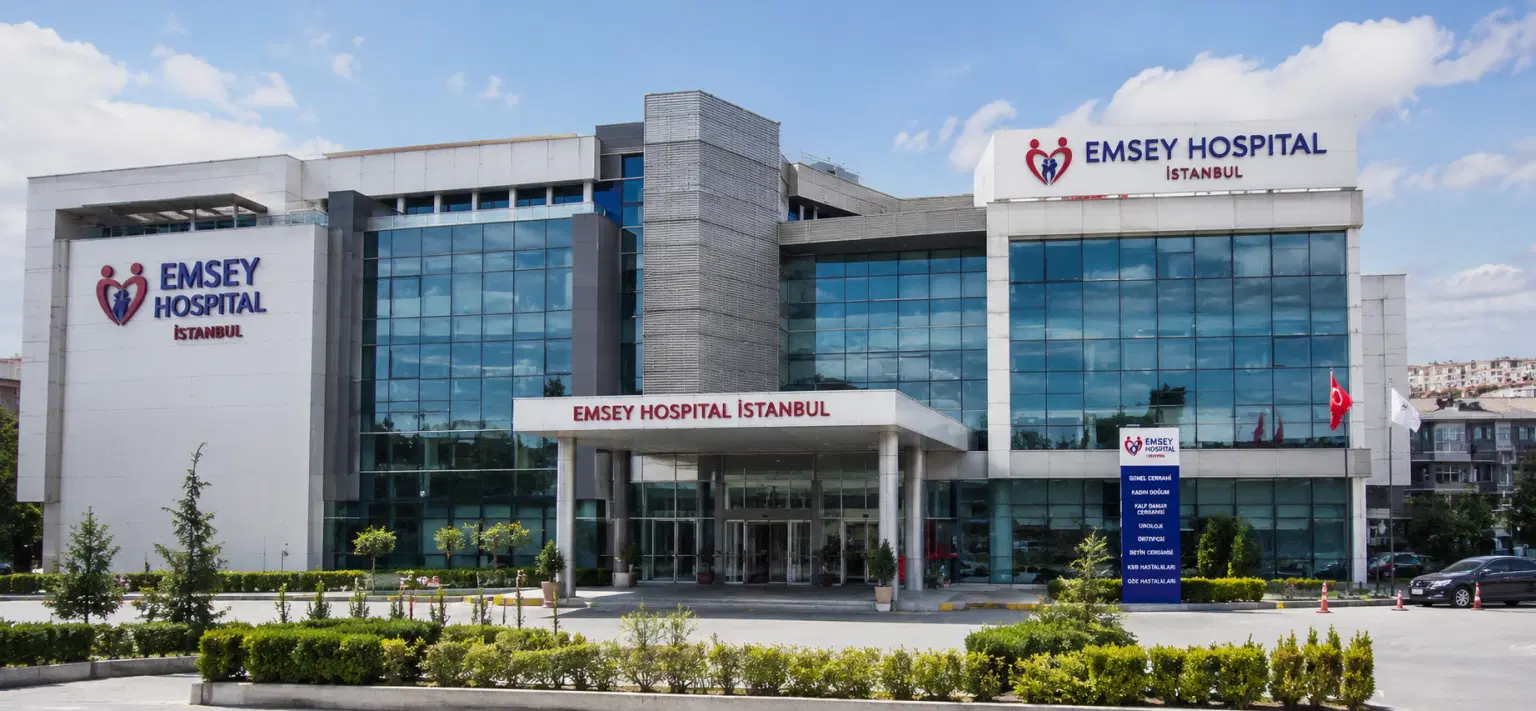
Emsey Hospital, Pendik, Istanbul
Çamlık, Selçuklu Cd. No:22, 34912 Pendik/İstanbul, Türkiye
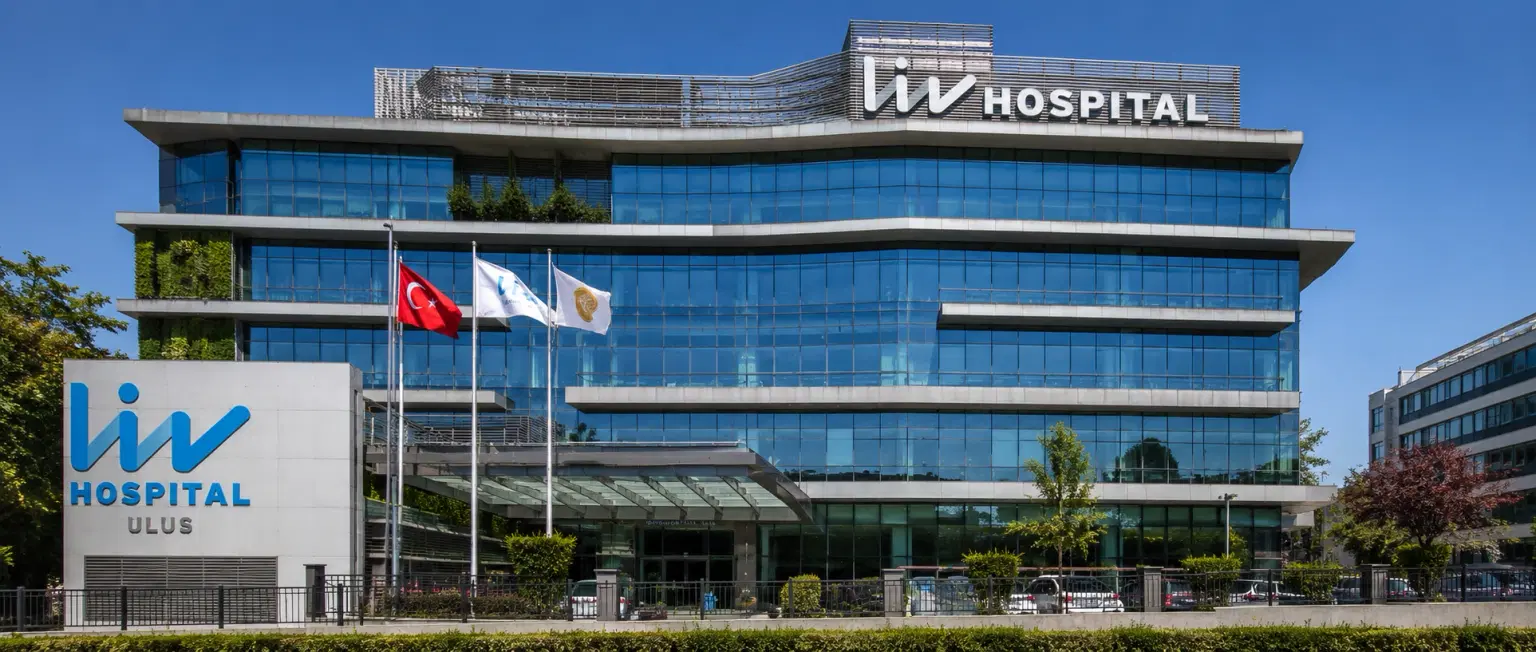
LIV Hospital, Istanbul
How DivinHeal Helps
We simplify your medical journey by providing comprehensive support and access to world-class healthcare.
Expert Specialist Matching
Connecting you with the world's top-rated medical experts.
Accredited Hospital Network
Access to JCI & NABH certified healthcare facilities.
Complete Travel Coordination
Hassle-free visa, stay, and local transport assistance.
24/7 Personal Care
Dedicated patient advisors supporting you at every step.
Journey Guidance
Full guidance from start to end of the patient treatment journey.
Expert Specialist Matching
Connecting you with the world's top-rated medical experts.
Everything you
need to know today
Browse through these common inquiries to better understand our patient-focused medical platform.
Yes, we work with a variety of insurance providers. Contact our team to verify your coverage.
Yes, we provide secure online consultations with experienced specialists.
Our care coordinators help match you with the most suitable specialist.
Absolutely. Your medical information is protected according to healthcare privacy standards.
Look at six things: accreditation (JCI or NABH), specialty depth, doctor credentials and experience, procedure-specific success rates, international patient support, and technology. DivinHeal's AI-driven matching evaluates every hospital in our accredited partner network on these dimensions and shortlists the best-fit options for your condition, budget, and country.
JCI (Joint Commission International) is the US-based global gold standard for hospital quality, recognised worldwide. NABH is India's national accreditation — accredited by ISQua, the same body that accredits JCI. Both signal independently verified safety and quality. Most of India's leading hospitals hold both.
Yes. All three welcome international patients through structured medical visa programs. India is the most established, treating patients from Africa, the Middle East, and South Asia at 60–80% lower cost. Thailand leads in cosmetic and dental care. The UAE is emerging in oncology and reproductive medicine.
Most patients save 50–80% on treatment costs. Heart bypass costs US $7,000–9,000 in India compared to $70,000–150,000 in the US. IVF costs $3,000–4,500 compared to $12,000–20,000 in the UK. Even after flights, visa, and accommodation, total savings remain 60–70%.
DivinHeal manages your entire non-medical journey: visa invitation letters, medical visa guidance, doctor appointments, teleconsultations, airport pickup, hospital-vetted accommodation for you and your attendant, language interpreters, local transport, cuisine preferences, and post-treatment follow-up — one dedicated coordinator from first enquiry to final follow-up.
You need a valid passport (6+ months validity), a medical visa (M-Visa for India — DivinHeal provides the hospital invitation letter), return flight tickets, recent medical reports and a doctor's referral, current prescription list, and proof of financial means. Any accompanying attendant needs their own passport and MX-Visa.
Still have more questions?
Book a call with our friendly team to learn how DivineHeal simplifies your healthcare journey.