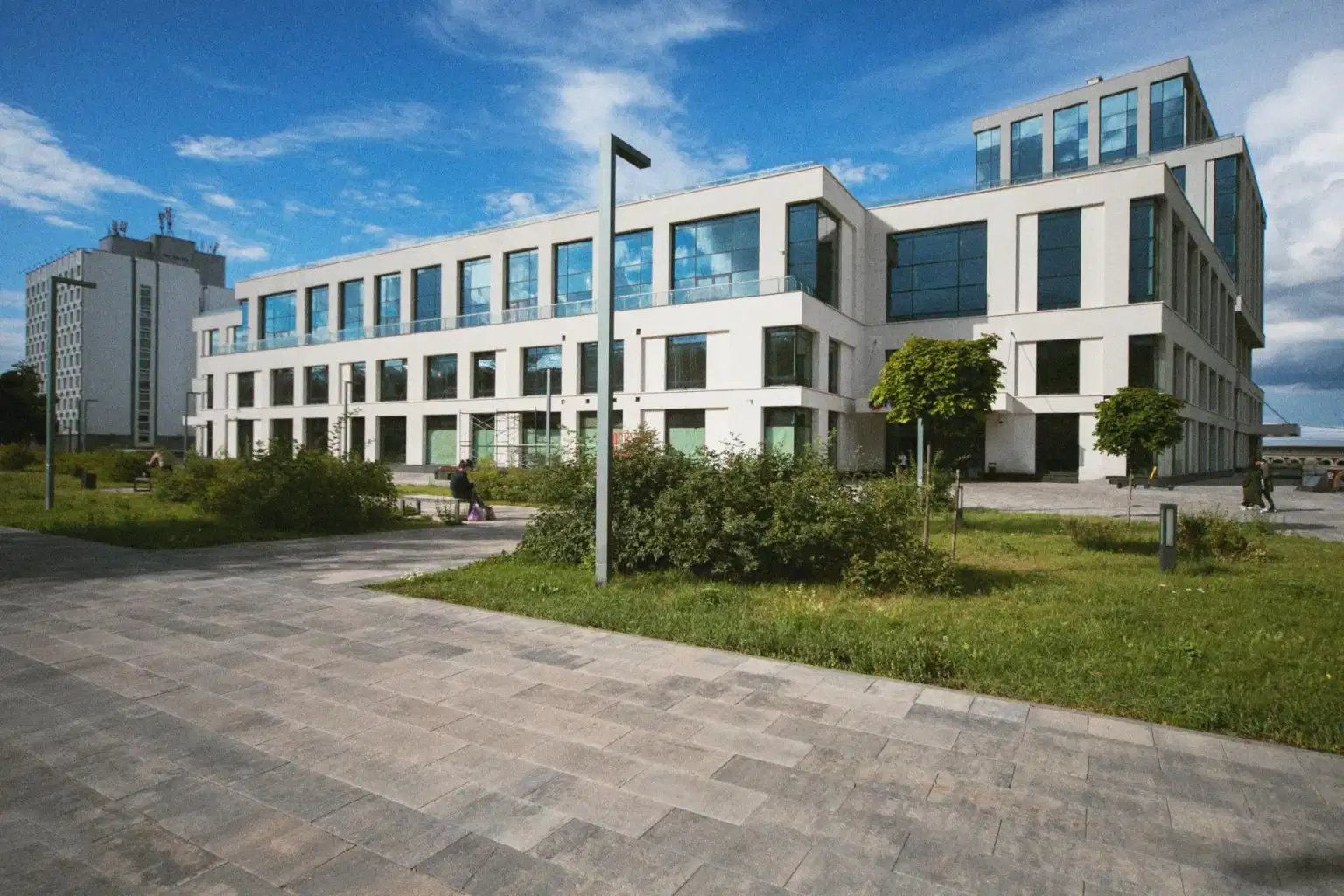
Urology Treatment in Pune for Bangladesh
Need Personalized Advice?
Our medical experts are ready to answer your questions and guide you through your treatment options.
About
Urology Treatment in Pune for Bangladesh Patients | Hospitals
For many patients from Bangladesh experiencing urological concerns, the path to effective treatment can feel uncertain. Questions about finding expert care, modern facilities, and comprehensive support in a new country are common. Securing reliable and advanced care is often a top priority.
Patients often look to Pune as a medical destination due to its established healthcare infrastructure and specialized services. The city offers a well-coordinated care environment, focusing on patient comfort and efficient treatment pathways from initial consultation to recovery.
Pune is home to reputable hospitals and highly skilled urology specialists known for their experience with international patients. The ease of access to follow-up care and local support within the city provides a reassuring framework for managing your health journey effectively.
Pune provides a considered choice for advanced urological care for patients seeking solutions.
What is Urology Treatment?
Urology treatment addresses conditions affecting the male and female urinary tract, as well as the male reproductive system. This medical specialty encompasses a broad range of diagnoses and interventions, from managing kidney stones and bladder issues to prostate health and male infertility. Treatments aim to restore normal function, alleviate discomfort, and improve overall quality of life by employing medical therapies, minimally invasive procedures, or complex surgical techniques tailored to each patient's specific needs.
What Types of Urology Treatments Are Available?
Urology covers various conditions, and the approach to treatment can differ significantly:
- Medical Management: Involves medication for conditions such as urinary tract infections, overactive bladder, erectile dysfunction, and some prostate issues.
- Minimally Invasive Procedures: Techniques like lithotripsy for kidney stones, transurethral resection of the prostate (TURP) for benign prostatic hyperplasia, and laparoscopic surgeries for various conditions.
- Surgical Interventions: Open surgeries for complex cases, including cancer removal (prostatectomy, nephrectomy), reconstructive surgery for congenital abnormalities, or severe prolapse.
- Urethral Procedures: Addressing strictures or blockages through dilation, stent placement, or urethroplasty.
- Pelvic Floor Therapy: Non-surgical rehabilitation to strengthen muscles, often used for incontinence or pelvic pain.
- Advanced Therapies: Including robotic-assisted surgery for precision and faster recovery, or specialized implantations like penile prostheses.
When Is Urology Treatment Required?
- Persistent urinary tract infections (UTIs) or recurrent bladder infections.
- Difficulty urinating, frequent urination, or painful urination.
- Presence of kidney stones or bladder stones causing pain or obstruction.
- Blood in the urine (hematuria).
- Pain in the lower back, groin, or pelvic area indicating kidney or bladder issues.
- Incontinence or involuntary leakage of urine.
- Enlarged prostate symptoms in men (Benign Prostatic Hyperplasia).
- Elevated PSA levels or concerns for prostate cancer.
- Erectile dysfunction or male infertility issues.
- Congenital abnormalities of the urinary or reproductive system.
What is the Pre-Treatment Evaluation Process?
- Detailed medical history review and physical examination.
- Urine tests including urinalysis and urine culture to detect infections or abnormalities.
- Blood tests such as complete blood count, kidney function tests (creatinine, BUN), and Prostate Specific Antigen (PSA) for men.
- Imaging studies like ultrasound of the kidneys, bladder, or prostate.
- CT scans or MRI for detailed visualization of urinary organs.
- Cystoscopy, a procedure where a thin scope is inserted into the bladder to visualize its lining.
- Urodynamic studies to assess bladder function and urine flow.
- Biopsies of the prostate or bladder if cancer is suspected.
How Is Urology Treatment Performed?
The precise method of urology treatment depends entirely on the specific condition being addressed, its severity, and the patient's overall health.
Most urological interventions fall into a few broad categories:
Medical Management
For many conditions, treatment begins with medication. This can include antibiotics for infections, alpha-blockers or 5-alpha reductase inhibitors for an enlarged prostate, anticholinergics for overactive bladder, or phosphodiesterase-5 inhibitors for erectile dysfunction. These are often managed with regular follow-ups to monitor effectiveness and side effects.
Minimally Invasive Procedures
Modern urology heavily utilizes minimally invasive techniques to reduce recovery time and discomfort. Examples include:
- Endoscopic procedures: Using thin, flexible scopes inserted through natural openings (like the urethra) to treat kidney stones (ureteroscopy, lithotripsy), remove bladder tumors, or address prostate enlargement (TURP).
- Laparoscopic or Robotic surgery: Performed through small incisions using specialized instruments and cameras. This is common for removing kidneys (nephrectomy), prostates (prostatectomy), or repairing urinary tract blockages.
Open Surgery
In cases of large tumors, complex anatomical issues, or when minimally invasive options are not suitable, traditional open surgery may be necessary. This involves a larger incision to access the affected organs directly. This approach is sometimes used for extensive cancer removal or intricate reconstructive procedures.
What Does the Recovery Process Entail?
Recovery from urology treatment varies significantly based on the procedure. For minor medical treatments, recovery is swift, focusing on medication adherence and symptom resolution. Minimally invasive surgeries typically involve a shorter hospital stay (1-3 days) and a recovery period of 2-4 weeks, during which patients gradually resume normal activities. Restrictions often include avoiding heavy lifting and strenuous exercise. Open surgeries require a longer hospital stay (5-7 days) and a more extended recovery, often 6-8 weeks, with careful management of pain and activity limitations. All procedures involve post-treatment follow-up appointments, and some may necessitate physical therapy or rehabilitation to aid healing and restore function, especially for pelvic floor issues.
What Are the Risks and Success Rates of Urology Treatment?
- Potential for infection at the surgical site or in the urinary tract.
- Risk of bleeding during or after the procedure.
- Temporary discomfort or pain in the treated area.
- Possible adverse reactions to anesthesia.
- In rare instances, damage to surrounding organs or tissues.
- Risk of recurrence of the original condition, depending on its nature.
- Long-term issues such as incontinence or erectile dysfunction in specific prostate procedures.
The success rates for urology treatments are generally high, particularly with advancements in technology and surgical techniques. For common conditions like kidney stones or benign prostatic hyperplasia, success rates often exceed 85-90%. Cancer treatments also show favorable outcomes, especially when detected early. However, results can vary based on the specific condition, its stage, the patient's overall health, and adherence to post-treatment care. Long-term expectations are typically positive, aiming for significant improvement in symptoms and quality of life.
What is the Cost of Urology Treatment in Pune?
The cost of urology treatment in Pune is influenced by several factors, including the specific condition being treated, the complexity of the procedure, the type of hospital (private or corporate), the specialist's fees, and the technology used. Additional costs may arise from diagnostic tests, duration of hospital stay, and post-operative care.
Generally, urology treatments in Pune can range from INR 75,000 for minor procedures to INR 5,00,000 or more for complex surgeries.
Comparing Urology Treatment Costs: Pune vs. Global Averages
Patients from Bangladesh often find Pune offers a financially accessible option for high-quality urological care when compared to many Western countries. The following table provides a general comparison for various common urological procedures.
| Procedure Type | Pune (INR) | USA (USD) | UK (GBP) | Thailand (USD) |
|---|---|---|---|---|
| Kidney Stone Removal (ESWL/URSL) | 75,000 - 1,50,000 | 5,000 - 15,000 | 4,000 - 10,000 | 3,000 - 8,000 |
| Transurethral Resection of Prostate (TURP) | 1,20,000 - 2,80,000 | 8,000 - 20,000 | 7,000 - 15,000 | 5,000 - 12,000 |
| Laparoscopic Nephrectomy | 2,50,000 - 4,50,000 | 15,000 - 35,000 | 12,000 - 25,000 | 10,000 - 20,000 |
| Radical Prostatectomy (Open/Robotic) | 3,00,000 - 5,50,000+ | 20,000 - 45,000+ | 18,000 - 35,000+ | 15,000 - 30,000+ |
| Cystoscopy | 40,000 - 80,000 | 2,500 - 6,000 | 2,000 - 5,000 | 1,500 - 4,000 |
Considering urology treatment in Pune? Reach out for a personalized cost estimate and treatment plan tailored to your needs.
Support Services for International Patients in Pune
- Assistance with medical visa applications and necessary documentation.
- Coordination of airport transfers and local transportation.
- Help with accommodation arrangements near the hospital.
- Access to interpreter services for effective communication.
- Dedicated patient care coordinators for guidance throughout your stay.
- Assistance with local SIM cards and connectivity.
- Follow-up care scheduling and recovery support.
Essential Documents for Your Urology Visit to Pune
- Valid passport and medical visa.
- Copies of all relevant medical records, including diagnostic reports and previous treatment summaries.
- Referral letter from your local physician, if applicable.
- Proof of financial capacity for treatment and stay.
- Copies of any previous discharge summaries or operation notes.
- A list of current medications with dosages.
Preparing for Your Urology Procedure in Pune
- Ensure all necessary diagnostic tests are completed as advised by your Pune specialist.
- Discuss any pre-existing medical conditions and current medications thoroughly.
- Arrange for a companion to accompany you, especially for surgical procedures.
- Understand the specific dietary or activity restrictions before your treatment.
- Confirm all appointment schedules and travel logistics in advance.
- Prepare questions for your medical team regarding the procedure and recovery.
Aftercare Instructions for Your Healing Journey
- Follow all medication schedules diligently, including pain relief and antibiotics.
- Adhere to activity restrictions and avoid strenuous activities as advised.
- Maintain good hydration and a balanced diet to support healing.
- Attend all scheduled follow-up appointments with your urologist.
- Monitor for any signs of complications such as fever, excessive pain, or unusual discharge.
- Gradually reintroduce normal activities based on your recovery progress.
- Understand when it is safe to travel back to Bangladesh after clearance from your medical team.
Ready to explore your treatment options? Connect with our team to discuss your urology care plan in Pune.
Take Your Next Step Toward Better Urological Health
Pune provides a supportive environment for those seeking expert urology treatment, combining advanced medical care with comprehensive patient support.
Hospitals Offering this treatment
India offers premium medical procedures at affordable prices. Discover our most popular treatments, delivered by the country's finest doctors.
Meet Our Doctors
Meet our team of highly qualified and experienced medical professionals dedicated to providing the best healthcare services.

Dr. Abhinandan Mukhopadhyay
Sr. Consultant - Urology & Kidney Transplant Program (Unit I)
Urology, Kidney Transplant, Urological Cancers
Haryana
8+ Years
Experience
Artemis Hospital
Hospital
1500
Fees
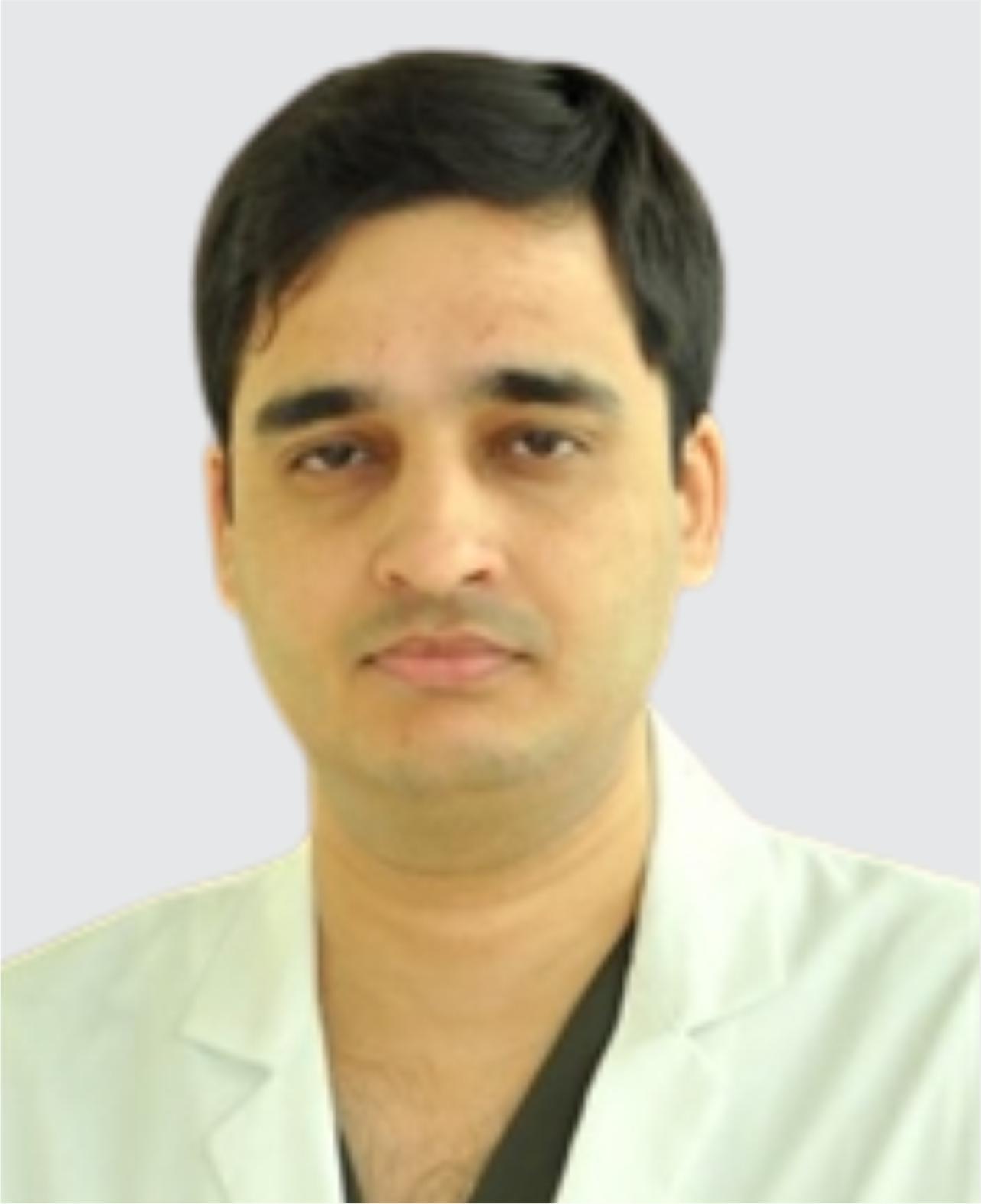
Dr. Amit Kalsotra
Sr. Consultant - Anaesthesia, Critical Care & Pain Management
Anaesthesia, Critical Care, Pain Management
New Delhi
15+ Years
Experience
Artemis Hospital
Hospital
1500
Fees
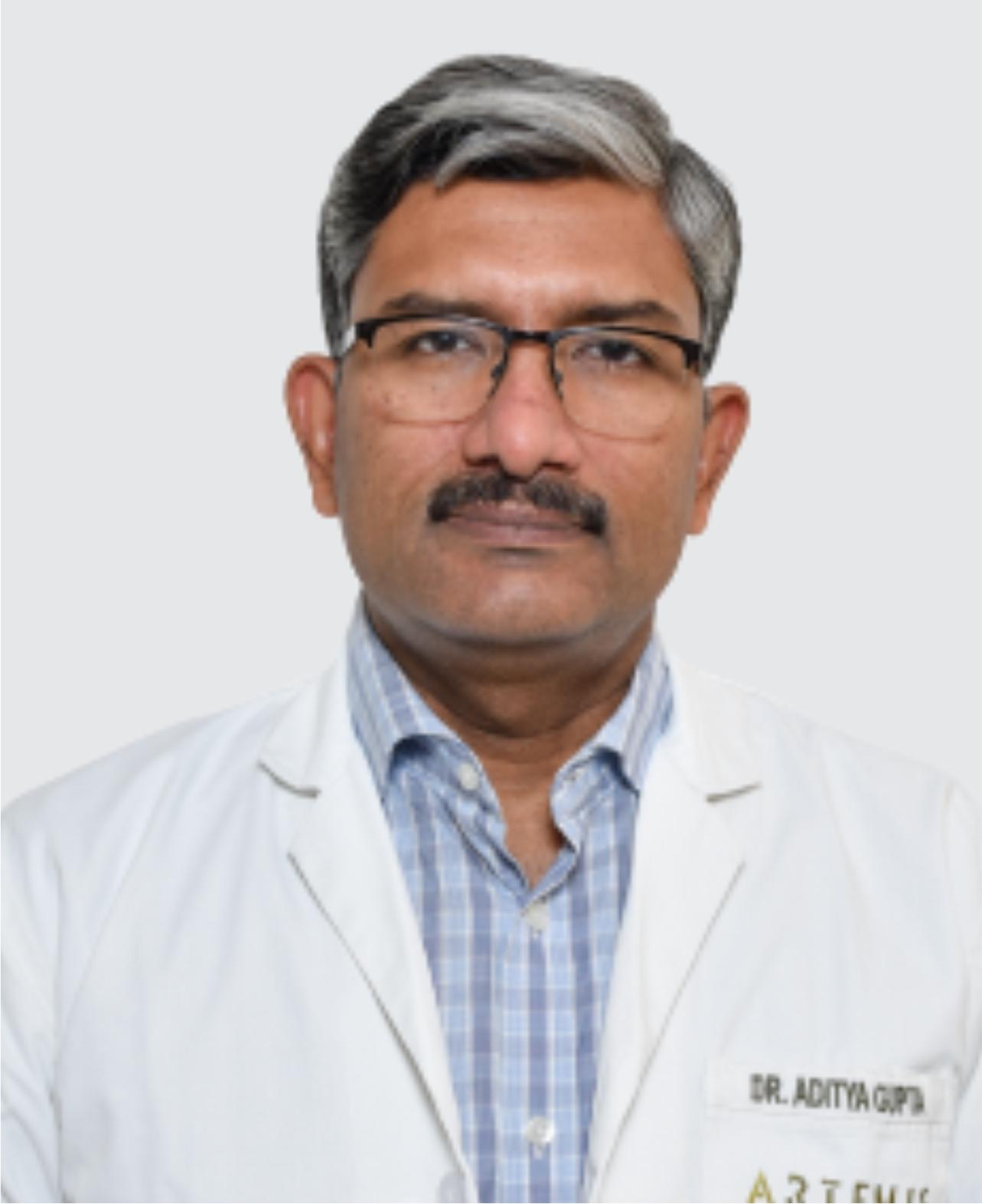
Dr. Aditya Gupta
Chairperson - Neurosurgery & CNS Radiosurgery & Co-Chief - Cyberknife Centre
Neurosurgery
New Delhi
32+ Years
Experience
Artemis Hospital
Hospital
1500
Fees
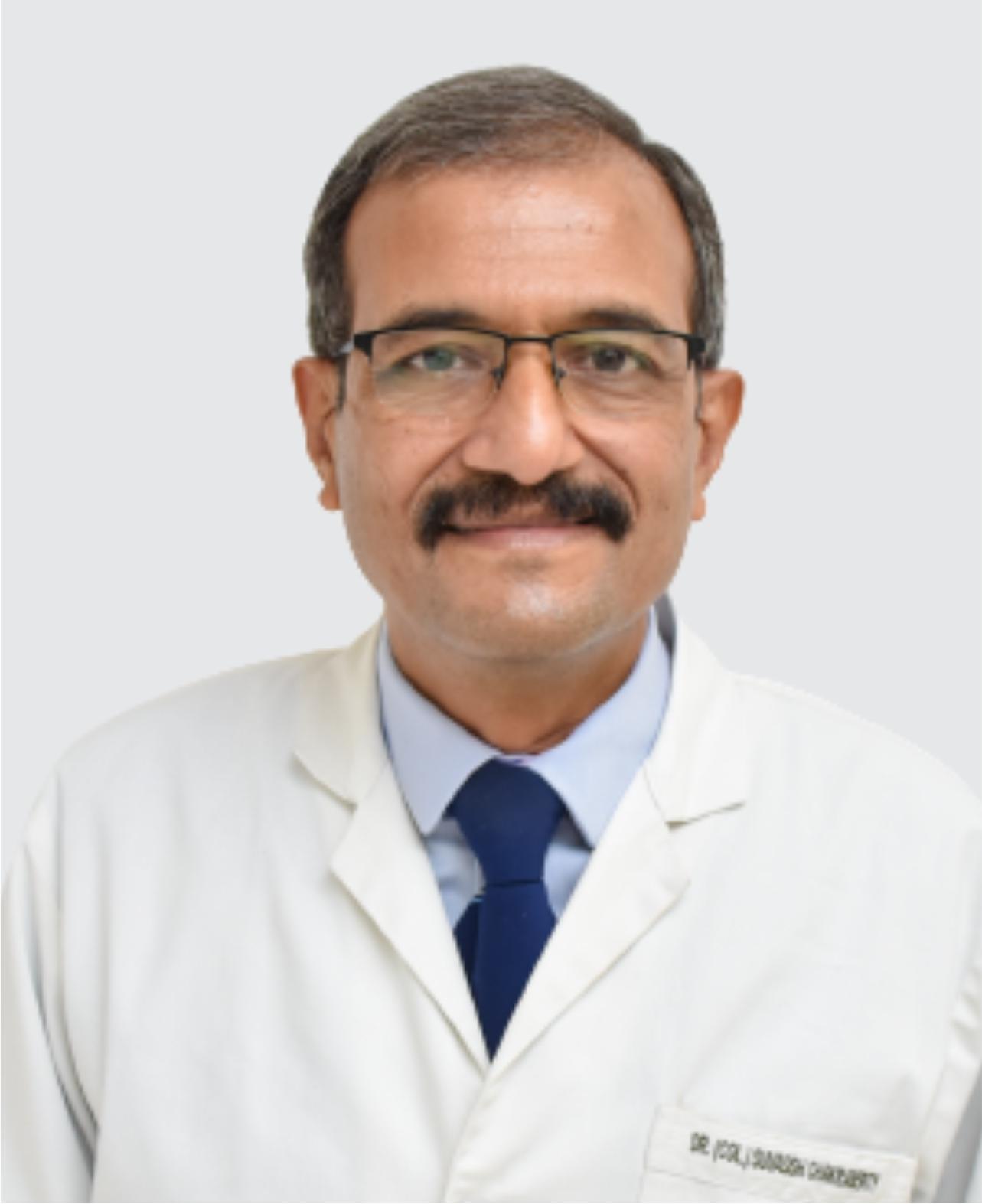
Dr. Chakraberty
Chief - Emergency
Emergency & Trauma Services
New Delhi
25+ Years
Experience
Artemis Hospital
Hospital
1500
Fees
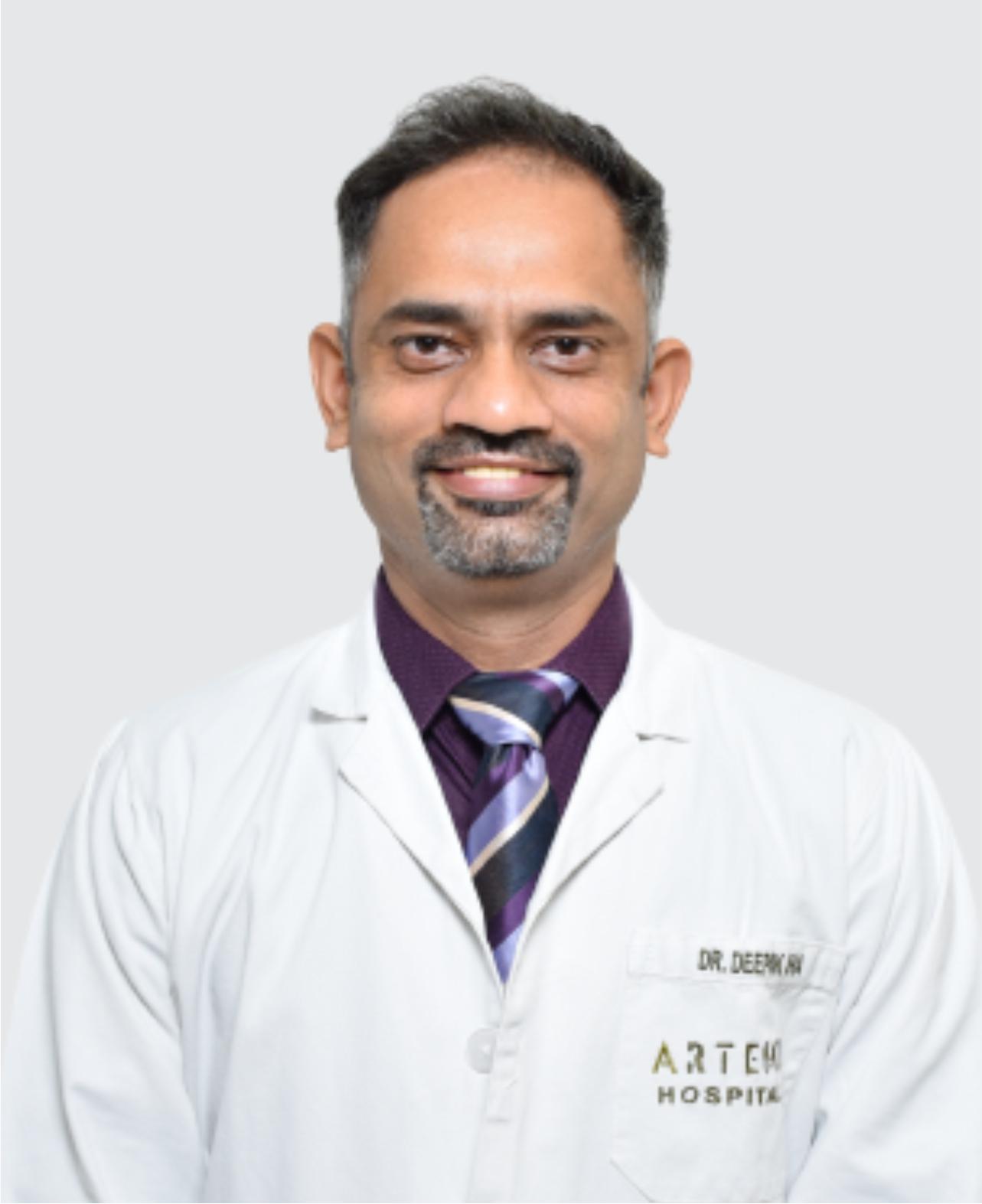
Dr. Deepak Jha
Chief - Breast Surgery & Sr. Consultant : Surgical Oncology
Breast Surgery, Oncology
New Delhi
15+ Years
Experience
Artemis Hospital
Hospital
1500
Fees

Dr. Meenal Thakral
Attending Consultant – Geriatric Medicine
Geriatric Medicine, Geriatric Surgery
New Delhi
3+ Years
Experience
Artemis Hospital
Hospital
1500
Fees
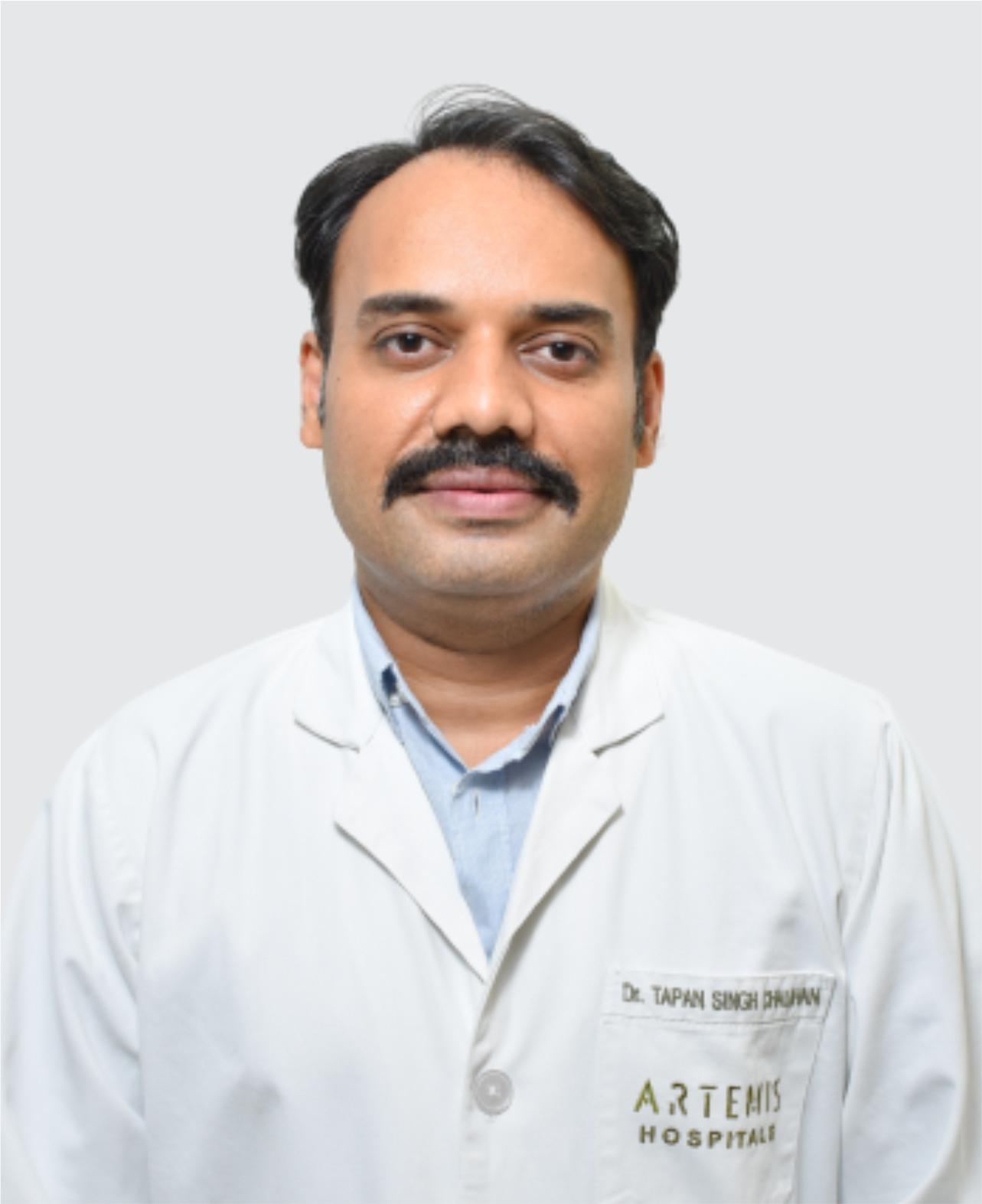
Dr. Tapan Singh Chauhan
Sr. Consultant - Surgical Oncology, Robotics, GI & HPB, Gynae & Peritoneal Surface Oncology
Oncology, Robotic Surgery
New Delhi
15+ Years
Experience
Artemis Hospital
Hospital
1500
Fees
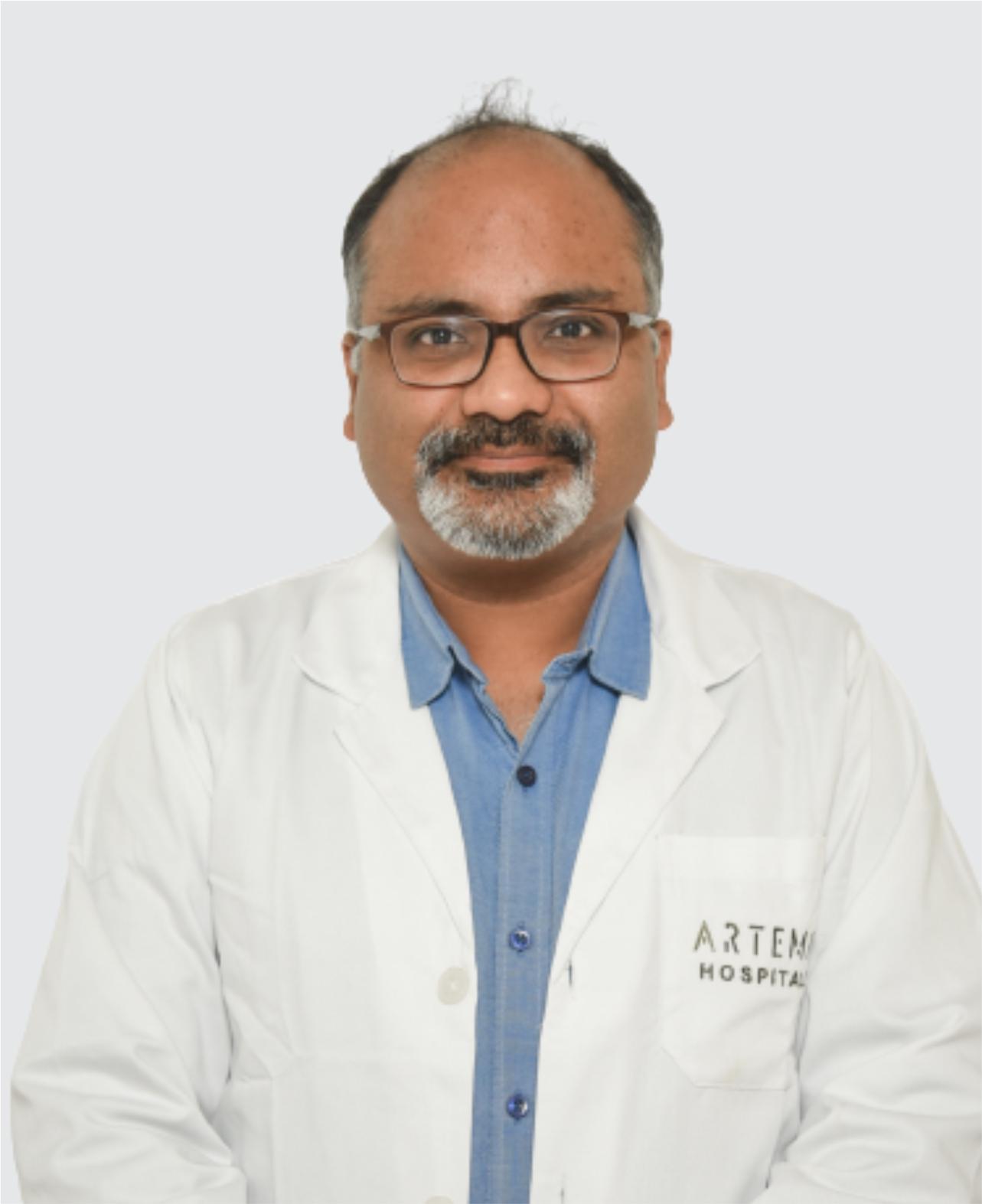
Dr. Varun Mittal
Head - Kidney Transplant & Associate Chief - Uro-Oncology & Robotic Surgery (Unit I)
Nephrology, Organ Transplant, Robotic Surgery, Urology
New Delhi
15+ Years
Experience
Artemis Hospital
Hospital
1500
Fees
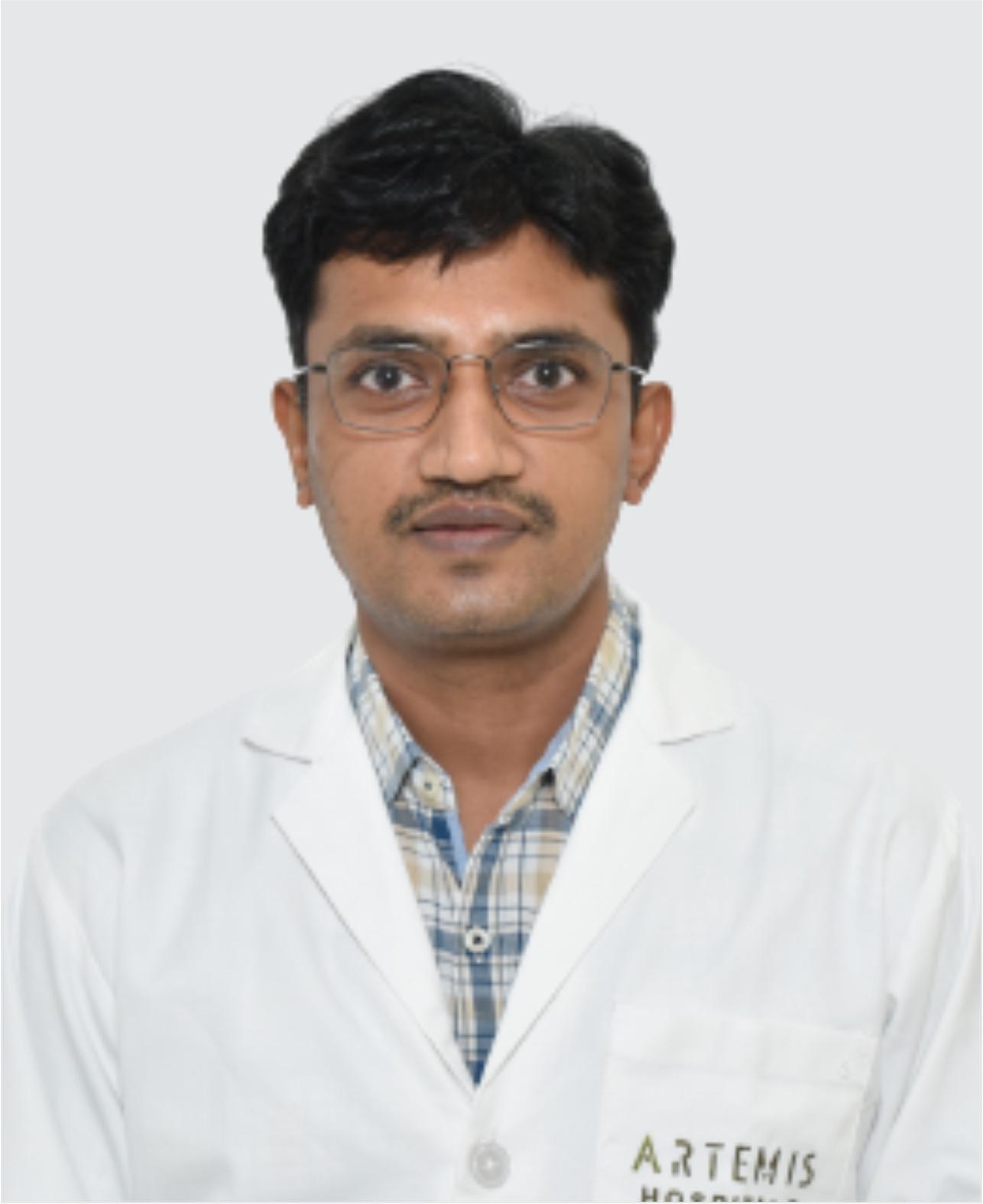
Dr. Nitin Goel
Sr. Consultant
Paediatric Surgery
New Delhi
10+ Years
Experience
Artemis Hospital
Hospital
1500
Fees
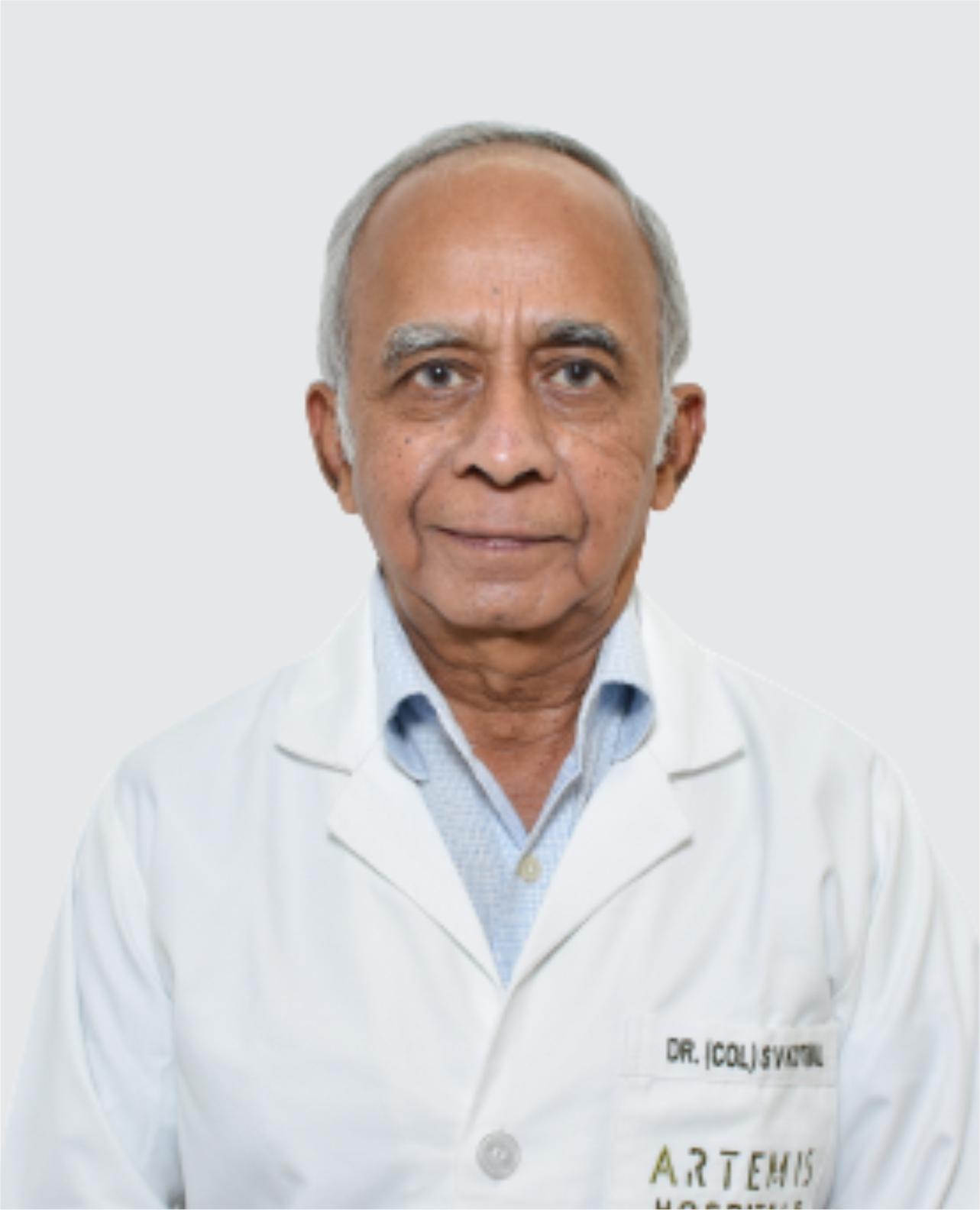
Dr. S. V. Kotwal
Chairperson Emeritus and DNB Teacher - Urology
Urology
New Delhi
15+ Years
Experience
Artemis Hospital
Hospital
1500
Fees
Related Links
Recent Blogs
Other Treatment related Information
- Urology cost in Haryana
- Urology cost in New Delhi
- Urology cost in India
- Urology cost in Pune
- Urology cost in Bengaluru
- Urology cost in Hyderabad
- Urology cost in Mumbai
- Urology cost in Chennai
- Urology Success Rate in Pune
- Urology Success Rate in Bengaluru
- Urology Success Rate in New Delhi
- Urology Success Rate in Haryana
- Urology Success Rate in Mumbai
- Urology Success Rate in India
- Urology Success Rate in Chennai
- Urology Success Rate in Hyderabad
Ready To Start Your Healing Journey?
Get Personalized Medical Treatment Options From India's Top Hospitals. Our Medical Experts Are Ready To Assist You Every Step Of The Way.