
Dental Implants Treatment in India for UAE
Need Personalized Advice?
Our medical experts are ready to answer your questions and guide you through your treatment options.
About
Dental Implants in India for UAE Patients | Costs & Hospitals
UAE patients often face high costs or limited immediate options when considering dental implants. The prospect of restoring a confident smile can feel distant if local treatment is financially out of reach or involves long waiting periods. Many find themselves questioning where to turn for advanced, yet accessible, dental care without compromising on quality.
This is precisely why a growing number of individuals from the UAE are exploring medical travel. India stands out as a preferred destination, offering state-of-the-art dental facilities across major cities like Delhi, Mumbai, and Bangalore. Patients can find a wide range of choices, allowing them to select care that aligns with their specific dental needs and budget.
India's medical infrastructure is renowned for its accredited hospitals and highly skilled dental specialists, particularly in implantology. The country's commitment to adopting global standards in patient care and advanced technology builds significant trust. Patients benefit from comprehensive treatment plans and a supportive environment nationwide.
Are dental implants in India the right choice for your needs?
What Are Dental Implants?
Dental implants are advanced prosthetic solutions designed to replace missing tooth roots. They consist of small, screw-shaped posts, typically made of titanium, which are surgically placed into the jawbone beneath the gum line. Once integrated with the bone, these implants provide a stable foundation for artificial teeth, such as crowns, bridges, or dentures. This treatment offers a durable and natural-looking way to restore chewing function and aesthetics, making them a popular choice for long-term tooth replacement.
What Kinds of Dental Implants Are Available?
Endosteal Implants: These are the most common type, surgically placed directly into the jawbone. They are typically titanium and shaped like small screws, cylinders, or blades.
Subperiosteal Implants: Placed on top of the jawbone but under the gum tissue. This option is used for patients who cannot wear conventional dentures or have minimal bone height.
Single Tooth Implants: Used to replace a single missing tooth without affecting adjacent healthy teeth.
Multiple Implants / Implant-Supported Bridges: When several teeth are missing in a row, two or more implants can support a bridge, eliminating the need for partial dentures.
All-on-4 / All-on-6 Implants: These techniques use four or six strategically placed implants to support a full arch of prosthetic teeth, offering a complete smile restoration often in a single visit.
Zygomatic Implants: A more complex option used when there is insufficient jawbone for conventional implants, anchoring into the cheekbone (zygoma) instead.
When Are Dental Implants Needed?
- When one or more teeth are missing due to decay, injury, or gum disease.
- To replace ill-fitting or uncomfortable removable dentures with a stable, permanent solution.
- For individuals with failing dental bridges that need replacement.
- When preserving adjacent healthy teeth by avoiding conventional bridge preparations is desired.
- To improve chewing ability and speech clarity affected by missing teeth.
- If you seek a long-term, natural-looking solution for tooth replacement.
What Evaluation is Needed Before Dental Implant Surgery?
- Comprehensive oral examination and review of your complete medical history.
- Dental X-rays, including panoramic views and potentially 3D cone-beam computed tomography (CBCT) scans, to assess bone structure.
- Creation of dental impressions or digital scans to plan implant placement and custom crown design.
- Blood tests to check overall health, clotting factors, and identify any underlying conditions.
- Consultation with a dental implant specialist to discuss treatment goals and suitability.
How Are Dental Implants Placed?
The dental implant procedure is typically performed in stages, depending on the individual patient's condition and treatment plan.
Initial Assessment and Planning
Your dentist will conduct a thorough examination, including imaging, to determine bone quality and quantity, and plan the precise location for each implant.
Implant Placement Surgery
Under local anesthesia, a small incision is made in the gum to expose the jawbone. A special drill is used to create a space, and the titanium implant post is carefully placed into the bone. The gum tissue is then closed over the implant.
Osseointegration (Healing Phase)
This critical phase allows the implant to fuse with the surrounding jawbone. This process, called osseointegration, typically takes 3 to 6 months. During this time, a temporary prosthetic might be worn.
Abutment Placement
Once osseointegration is complete, a minor surgical procedure is performed to expose the top of the implant. An abutment, a small connector post, is then attached to the implant, extending through the gum line.
Crown or Prosthetic Attachment
After the gums heal around the abutment, impressions are taken to create your custom-made crown, bridge, or denture. This prosthetic is then securely attached to the abutment, completing your smile restoration.
What Does Dental Implant Recovery Involve?
Recovery from dental implant surgery involves managing initial discomfort with prescribed pain medication and following dietary restrictions, usually soft foods, for a few days. Maintaining excellent oral hygiene is crucial, typically with gentle brushing and antiseptic rinses. The most significant part of recovery is the osseointegration period, where the implant fuses with your jawbone, which can take several months. Regular follow-up appointments are essential to monitor healing and ensure proper integration before the final prosthetic is placed.
What Are the Risks and Success Rates of Dental Implants?
- Infection at the implant site requiring antibiotics or removal.
- Damage to surrounding natural teeth, blood vessels, or nerves.
- Sinus problems if implants in the upper jaw protrude into the sinus cavity.
- Implant failure, where the implant does not properly fuse with the jawbone.
- Peri-implantitis, an inflammatory condition affecting the tissues around the implant.
Dental implants boast a high success rate, often exceeding 95% over 10 years, particularly when performed by experienced specialists. The outcome can vary based on factors like the patient's overall health, bone quality, oral hygiene practices, and the skill of the surgical team. With proper care and regular check-ups, dental implants can last a lifetime, providing excellent long-term function and aesthetics.
What is the Cost of Dental Implants in India?
The cost of dental implants in India is influenced by several factors, including the type of implant chosen, the number of implants required, the hospital or clinic's reputation, the specialist's experience, and any additional procedures like bone grafting or sinus lifts. India offers a highly competitive pricing structure without compromising on quality or technology.
For a single standard dental implant, including the crown, patients can expect costs to range approximately from INR 30,000 to INR 80,000. More complex cases or full-arch restorations will incur higher costs.
Estimated Cost of a Single Dental Implant in Major Indian Cities (INR)
| City | Cost Range (INR) |
|---|---|
| Delhi | 35,000 - 70,000 |
| Mumbai | 40,000 - 75,000 |
| Bangalore | 35,000 - 70,000 |
| Chennai | 30,000 - 65,000 |
| Hyderabad | 30,000 - 65,000 |
| Pune | 32,000 - 68,000 |
| Kolkata | 28,000 - 60,000 |
| Ahmedabad | 28,000 - 60,000 |
Global Comparison of Single Dental Implant Costs (USD)
| Country | Estimated Cost (USD) |
|---|---|
| India | 400 - 900 |
| UAE | 1,500 - 3,000 |
| USA | 3,000 - 6,000 |
| UK | 2,500 - 5,000 |
| Singapore | 2,000 - 4,500 |
| Thailand | 800 - 1,800 |
What Support Services are Available for International Patients?
- Assistance with visa applications and travel arrangements for your medical journey.
- Coordination for airport transfers and comfortable accommodation near your chosen facility.
- Dedicated patient managers to guide you through appointments and procedures.
- Language interpretation services to ensure clear communication with medical staff.
- Help with local sightseeing and extended stay arrangements, if desired.
- Guidance for post-treatment follow-up and remote consultations.
What Essential Documents Will You Need?
- Valid passport and a medical visa obtained from the Indian embassy in the UAE.
- Comprehensive dental and medical reports, including X-rays and any specialist referrals.
- Proof of your return ticket and accommodation details in India.
- Any relevant medical insurance documents.
- A list of current medications and allergies.
How Can You Prepare Before Your Dental Implant Procedure?
- Undergo a thorough dental check-up and cleaning to ensure optimal oral health.
- Discuss any medications, especially blood thinners, with your doctor well in advance.
- Follow any specific dietary restrictions or fasting instructions given by your dental team.
- Arrange for a companion to accompany you for support during and after the procedure.
- Ensure all travel and accommodation logistics are confirmed before departure.
What to Expect for Aftercare Following Your Dental Implants?
- Adhere strictly to oral hygiene instructions, including gentle brushing and rinsing with prescribed mouthwash.
- Maintain a soft diet initially, gradually reintroducing solid foods as recommended.
- Take all prescribed medications, such as pain relievers and antibiotics, as directed.
- Avoid smoking and alcohol during the healing period to prevent complications.
- Attend all scheduled follow-up appointments to monitor the implant's integration and overall healing.
- Report any unusual pain, swelling, or signs of infection to your dental specialist immediately.
Ready to Restore Your Smile?
Embark on your journey to a healthier, more confident smile with world-class dental implant solutions in India. Expert care is within reach.
Hospitals Offering this treatment
India offers premium medical procedures at affordable prices. Discover our most popular treatments, delivered by the country's finest doctors.

Al Zahra Hospital, Dubai
Sheikh Zayed Road, Al Barsha 1, Dubai, UAE
Al Zahra Hospital, Dubai

Burjeel Medical City, Abu Dhabi
28th Street, Mohammed Bin Zayed City, Abu Dhabi, UAE
Burjeel Medical City, Abu Dhabi

Burjeel Hospital, Dubai
Dubai, UAE (part of Burjeel Holdings network)
Burjeel Hospital, Dubai
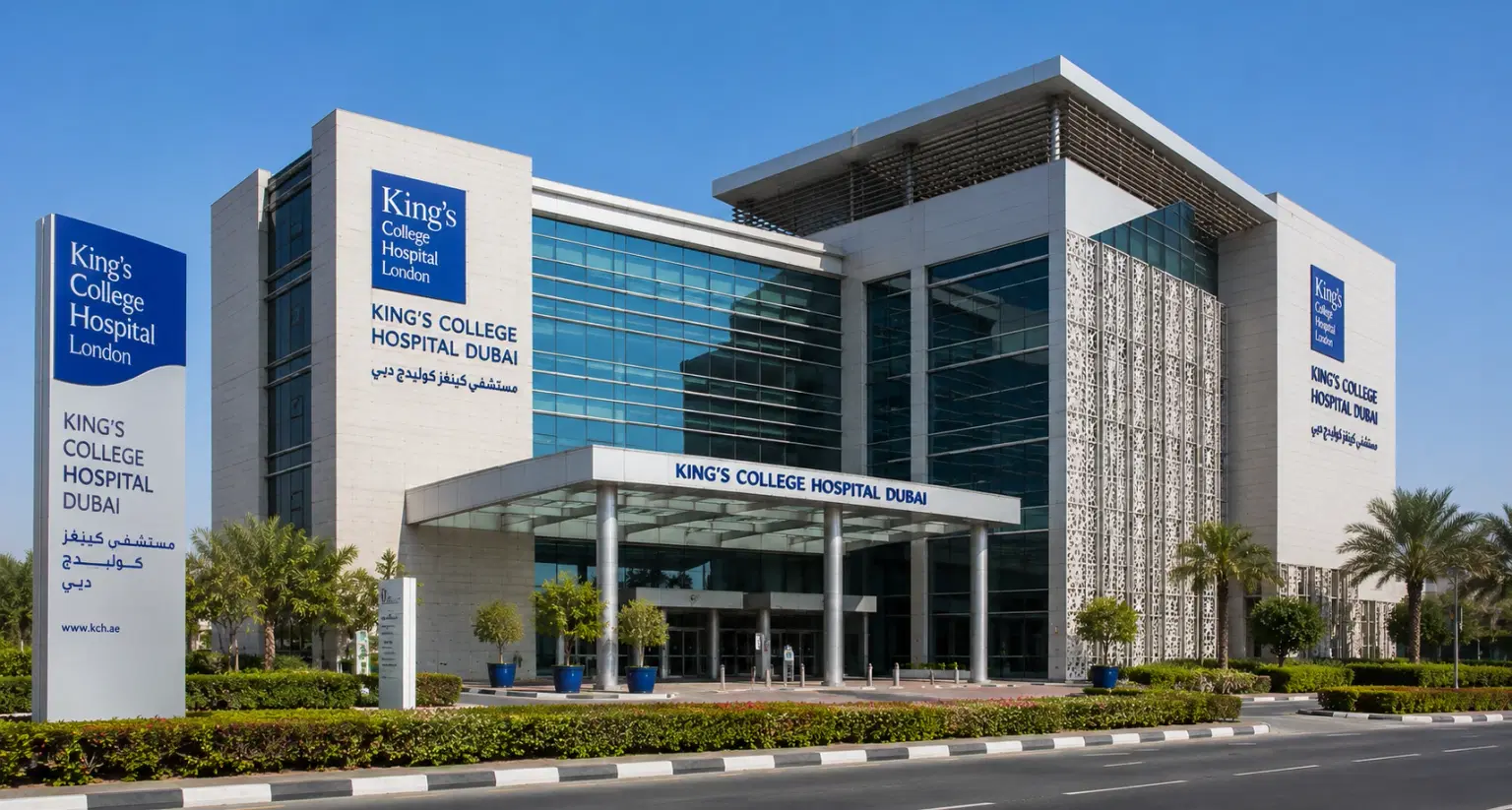
King's College Hospital, Dubai
Dubai Hills, Mohammed Bin Rashid City, Dubai, UAE
King's College Hospital, Dubai
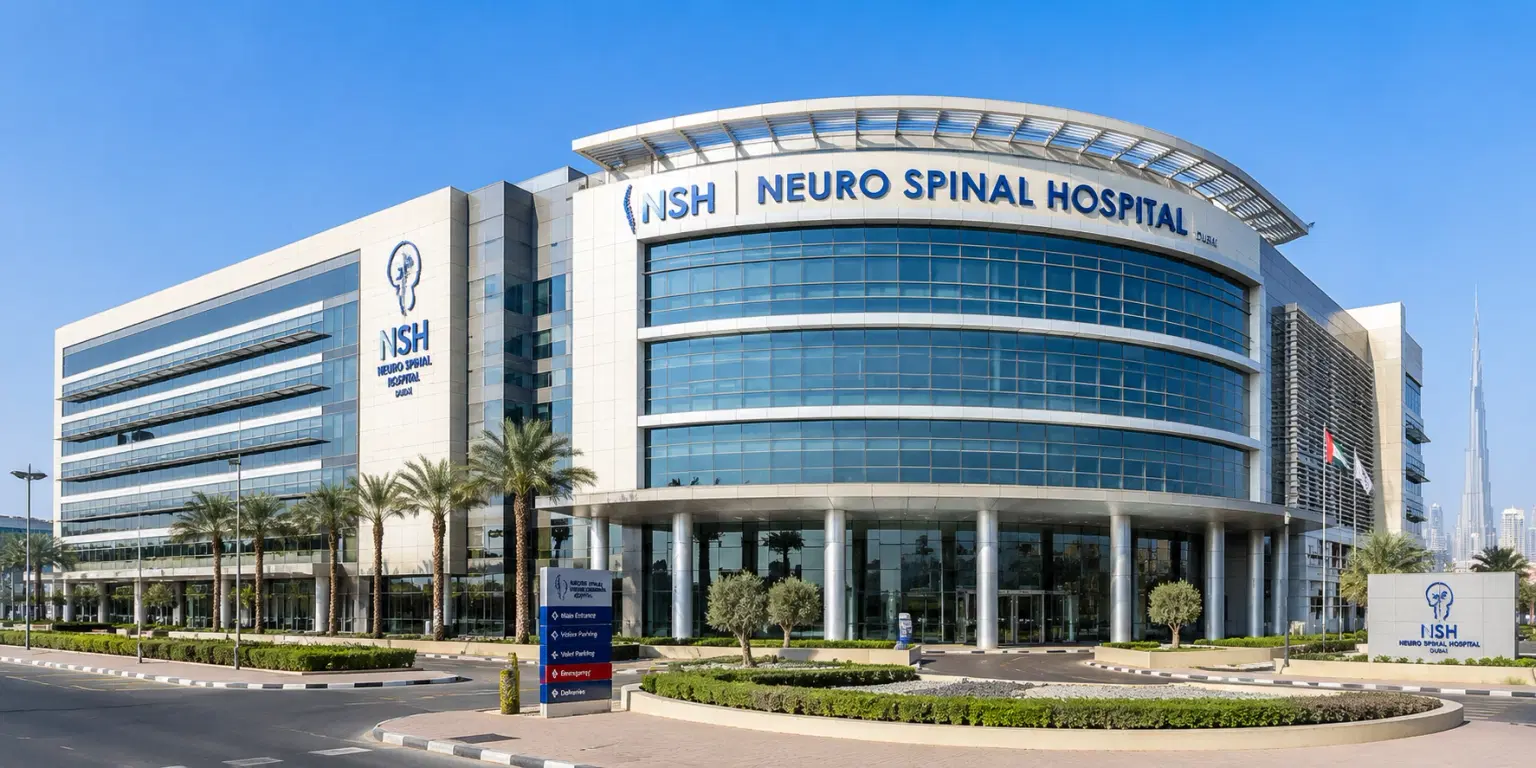
Neuro Spinal Hospital (NSH), Dubai
Dubai Science Park, Umm Suqeim St, Al Barsha South, Dubai, UAE
Neuro Spinal Hospital (NSH), Dubai

HMS Al Garhoud Hospital, Dubai
Al Garhoud Street, Al Garhoud, Dubai, UAE
HMS Al Garhoud Hospital, Dubai
Meet Our Doctors
Meet our team of highly qualified and experienced medical professionals dedicated to providing the best healthcare services.

Dr. Anjana Satyajit
Head - Dentistry
Dentistry
New Delhi
20+ Years
Experience
Artemis Hospital
Hospital
1500
Fees
Related Links
Recent Blogs
Other Treatment related Information
- Dental Implants cost in Hyderabad
- Dental Implants cost in India
- Dental Implants cost in Chennai
- Dental Implants cost in Haryana
- Dental Implants cost in Pune
- Dental Implants cost in Mumbai
- Dental Implants cost in New Delhi
- Dental Implants cost in Bengaluru
- Dental Implants Success Rate in Hyderabad
- Dental Implants Success Rate in Pune
- Dental Implants Success Rate in Chennai
- Dental Implants Success Rate in Bengaluru
- Dental Implants Success Rate in Mumbai
- Dental Implants Success Rate in New Delhi
- Dental Implants Success Rate in India
- Dental Implants Success Rate in Haryana
- Best Dental Implants Doctors in Hyderabad
- Best Dental Implants Doctors in Mumbai
Ready To Start Your Healing Journey?
Get Personalized Medical Treatment Options From India's Top Hospitals. Our Medical Experts Are Ready To Assist You Every Step Of The Way.