
Preimplantation Genetic Testing (PGT) Treatment in Mumbai for Nigeria
व्यक्तिगत सलाह की आवश्यकता है?
हमारे चिकित्सा विशेषज्ञ आपके प्रश्नों का उत्तर देने और आपके उपचार विकल्पों के माध्यम से आपका मार्गदर्शन करने के लिए तैयार हैं।
हमारे चिकित्सा विशेषज्ञ आपके प्रश्नों का उत्तर देने और आपके उपचार विकल्पों के माध्यम से आपका मार्गदर्शन करने के लिए तैयार हैं।
For many couples in Nigeria hoping to start a family, the possibility of genetic conditions affecting their child can be a significant source of worry. The search for advanced solutions like Preimplantation Genetic Testing, or PGT, often leads them to explore options beyond their home country. Understanding the complexities of PGT and finding reliable medical expertise is a crucial first step in their journey.
When considering PGT, patients from Nigeria frequently look towards international destinations known for their medical advancements. Mumbai stands out as a preferred choice, recognized for its specialized fertility clinics and highly skilled genetic experts. The city offers a well-coordinated environment for international patients seeking sophisticated reproductive technologies.
Trust in Mumbai's healthcare system for PGT is built upon its state-of-the-art hospitals and experienced fertility specialists. These facilities are equipped with the latest diagnostic and genetic screening technologies, ensuring comprehensive care. Patients can expect seamless communication, organized treatment plans, and thorough follow-ups within the city.
Could Mumbai be the ideal location for your PGT treatment?
Preimplantation Genetic Testing, or PGT, is an advanced genetic screening procedure used in conjunction with In Vitro Fertilization (IVF). It involves testing embryos created through IVF for specific genetic conditions before they are implanted into the uterus. This helps identify embryos free from chromosomal abnormalities or known genetic disorders, significantly improving the chances of a healthy pregnancy and reducing the risk of passing on inherited diseases to the child. It offers prospective parents valuable information, allowing them to make informed decisions about their reproductive journey.
PGT primarily includes three main types, each targeting different genetic concerns:
The PGT procedure is an integral part of the IVF journey and involves several distinct stages, carefully managed by a team of fertility and genetic specialists.
The female partner undergoes controlled ovarian stimulation to produce multiple eggs. These eggs are then retrieved during a minor surgical procedure under sedation.
The retrieved eggs are fertilized with sperm in a laboratory using Intracytoplasmic Sperm Injection (ICSI). The resulting embryos are then cultured for several days, typically until they reach the blastocyst stage.
At the blastocyst stage, a few cells are carefully removed from the trophectoderm (the part that will become the placenta) of each embryo. This is a delicate procedure performed by highly skilled embryologists.
The biopsied cells are sent to a specialized genetic laboratory for analysis based on the specific type of PGT (PGT-A, PGT-M, or PGT-SR). This analysis determines the genetic health of each embryo.
Once the genetic test results are available, genetically healthy embryos are selected for transfer into the female partner's uterus. Any suitable remaining healthy embryos can be cryopreserved for future use.
The "recovery" phase for PGT primarily relates to the IVF cycle. After egg retrieval, patients typically recover within a day or two, managing minor discomfort with rest. Following embryo transfer, a waiting period is necessary before a pregnancy test. If the transfer is successful, ongoing prenatal care is essential, just like any other pregnancy. Regular follow-up appointments with the fertility specialist are crucial to monitor progress and address any concerns. Genetic counseling may continue throughout the process to provide support and clarity.
The success rates for PGT are generally high in terms of identifying genetically healthy embryos. However, the overall success leading to a live birth depends on several factors, including the woman's age, ovarian reserve, embryo quality, and underlying fertility issues. While PGT significantly improves the chances of implanting a healthy embryo, it does not guarantee a pregnancy or a live birth. Outcomes vary widely among individuals, and a detailed discussion with your fertility specialist about personalized success rates is always recommended.
The cost of Preimplantation Genetic Testing in Mumbai is influenced by several factors. These include the specific fertility clinic and its reputation, the type of PGT required (PGT-A, PGT-M, PGT-SR), the number of embryos to be tested, and the technology used. Additional IVF cycle costs, medications, and any supplementary procedures also contribute to the overall expense.
Typically, the cost for PGT in Mumbai can range from INR 2,00,000 to INR 4,50,000, excluding the IVF cycle.
Mumbai offers a competitive cost advantage for PGT compared to many developed nations, without compromising on quality or technology.
| Location | Estimated PGT Cost (USD) |
|---|---|
| Mumbai, India | $2,500 - $5,500 |
| United States | $5,000 - $10,000 |
| United Kingdom | $4,000 - $8,000 |
| Australia | $4,500 - $9,000 |
| Canada | $4,000 - $7,500 |
Connect with our expert team to receive a personalized cost estimate and discuss your treatment plan.
Embarking on the PGT journey requires careful consideration and expert guidance. Mumbai offers a world-class environment for this specialized treatment, helping patients from Nigeria achieve their dream of a healthy pregnancy.
Our team is here to assist you with every detail, from initial inquiry to your return home. Start your conversation today.
India offers premium medical procedures at affordable prices. Discover our most popular treatments, delivered by the country's finest doctors.
Meet our team of highly qualified and experienced medical professionals dedicated to providing the best healthcare services.

Consultant
Paediatric Neurology
Haryana
9+ Years
Experience
Artemis Hospital
Hospital
1500
Fees

Sr. Consultant – Women Imaging
Radiology
New Delhi
15+ Years
Experience
Artemis Hospital
Hospital
1500
Fees

Head - Reproductive Medicine (IVF)
IVF, Reproductive Medicine, Obstetrics and Gynaecology
New Delhi
20+ Years
Experience
Artemis Hospital
Hospital
1500
Fees

Senior Consultant - ENT
ENT and Head & Neck Surgery
New Delhi
24+ Years
Experience
Artemis Hospital
Hospital
1500
Fees

Consultant (Head & Neck Surgery) - Surgical Oncology
Head and Neck Surgical Oncology
New Delhi
10+ Years
Experience
Artemis Hospital
Hospital
1500
Fees

Chairperson - Gynae Oncology
Gynaecological Oncology
New Delhi
16+ Years
Experience
Artemis Hospital
Hospital
1500
Fees

Unit Head - Reproductive Medicine (Unit II)
IVF, Reproductive Medicine, Obstetrics & Gynecology
New Delhi
20+ Years
Experience
Artemis Hospital
Hospital
1500
Fees

Director
Obstetrics and Gynaecology
New Delhi
19+ Years
Experience
Artemis Hospital
Hospital
1500
Fees

Head - Radiation Oncology & CyberKnife Centre (Unit II)
Oncology
New Delhi
23+ Years
Experience
Artemis Hospital
Hospital
1500
Fees

Unit Head & Sr. Consultant - Internal Medicine
Internal Medicine
New Delhi
14+ Years
Experience
Artemis Hospital
Hospital
1500
Fees

Director
Obstetrics & Gynaecology
New Delhi
15+ Years
Experience
Artemis Hospital
Hospital
1500
Fees
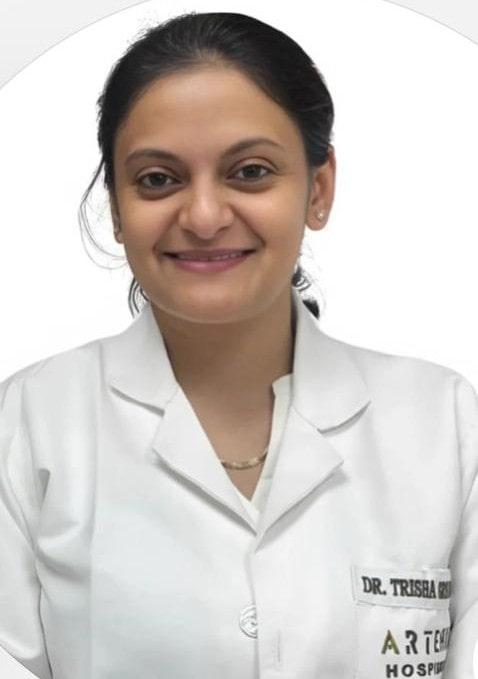
Consultant
Obstetrics & Gynaecology
New Delhi
8+ Years
Experience
Artemis Hospital
Hospital
1500
Fees

Chairman - Cardiology
Cardiology
New Delhi
41+ Years
Experience
Max Hospital,Gurgaon
Hospital
1500
Fees

Director, Medical Oncology
Medical Oncology and Haematology
New Delhi
26+ Years
Experience
Max Hospital,Gurgaon
Hospital
1500
Fees
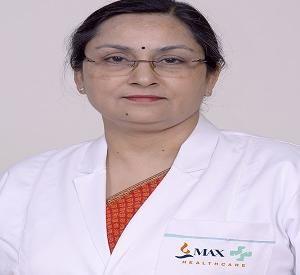
Vice Chairman - Nephrology
Nephrology & Renal Transplant Medicine
New Delhi
17+ Years
Experience
Max Hospital,Gurgaon
Hospital
1500
Fees
Principal Director - Max Lab & Blood Bank Services
Laboratory Medicine, Transfusion Medicine, Pathology
New Delhi
32+ Years
Experience
Max Hospital,Gurgaon
Hospital
1500
Fees

Principal Director – Surgical Oncology (Gynae & Robotic Surgery)
Gynecologic Oncology, Robotic & Laparoscopic Surgery, Gynae Cancer Care, Surgical Oncology
New Delhi
39+ Years
Experience
Max Hospital,Gurgaon
Hospital
1500
Fees

Principal Director & HOD
Paediatrics (Ped)
New Delhi
30+ Years
Experience
Max Hospital,Gurgaon
Hospital
1500
Fees

Principal Director - Obstetrics & Gynaecology
Obstetrics And Gynaecology, Robotic Surgery, Gynaecologic Laparoscopy
New Delhi
33+ Years
Experience
Max Hospital,Gurgaon
Hospital
1500
Fees

Sr. Consultant
Obstetrics And Gynaecology
New Delhi
15+ Years
Experience
Apolo Delhi
Hospital
1500
Fees

Senior Consultant - Obstetrics and Gynaecology
Obstetrics and Gynaecology
New Delhi
24+ Years
Experience
Apolo Delhi
Hospital
1500
Fees

Director - Obstetrics & Gynaecology
Obstetrics & Gynaecology
New Delhi
18+ Years
Experience
Apolo Delhi
Hospital
1500
Fees

Senior Consultant
Obstetrics & Gynaecology
New Delhi
22+ Years
Experience
Apolo Delhi
Hospital
1500
Fees

Senior Consultant - Obstetrics & Gynaecology
Obstetrics & Gynaecology
New Delhi
23+ Years
Experience
Apolo Delhi
Hospital
1500
Fees

Senior Consultant
Obstetrics and Gynaecology
New Delhi
24+ Years
Experience
Apolo Delhi
Hospital
1500
Fees

Director
Obstetrics & Gynaecology
New Delhi
20+ Years
Experience
Apolo Delhi
Hospital
1500
Fees

Director
Obstetrics & Gynaecology
New Delhi
22+ Years
Experience
Apolo Delhi
Hospital
1500
Fees

Senior Consultant
Obstetrics and Gynaecology
New Delhi
15+ Years
Experience
Apolo Delhi
Hospital
1500
Fees

Director
Obstetrics & Gynaecology
New Delhi
18+ Years
Experience
Apolo Delhi
Hospital
1500
Fees

Director
Obstetrics & Gynaecology
New Delhi
18+ Years
Experience
Apolo Delhi
Hospital
1500
Fees
भारत के शीर्ष अस्पतालों से व्यक्तिगत चिकित्सा उपचार विकल्प प्राप्त करें। हमारे चिकित्सा विशेषज्ञ हर कदम पर आपकी सहायता करने के लिए तैयार हैं।