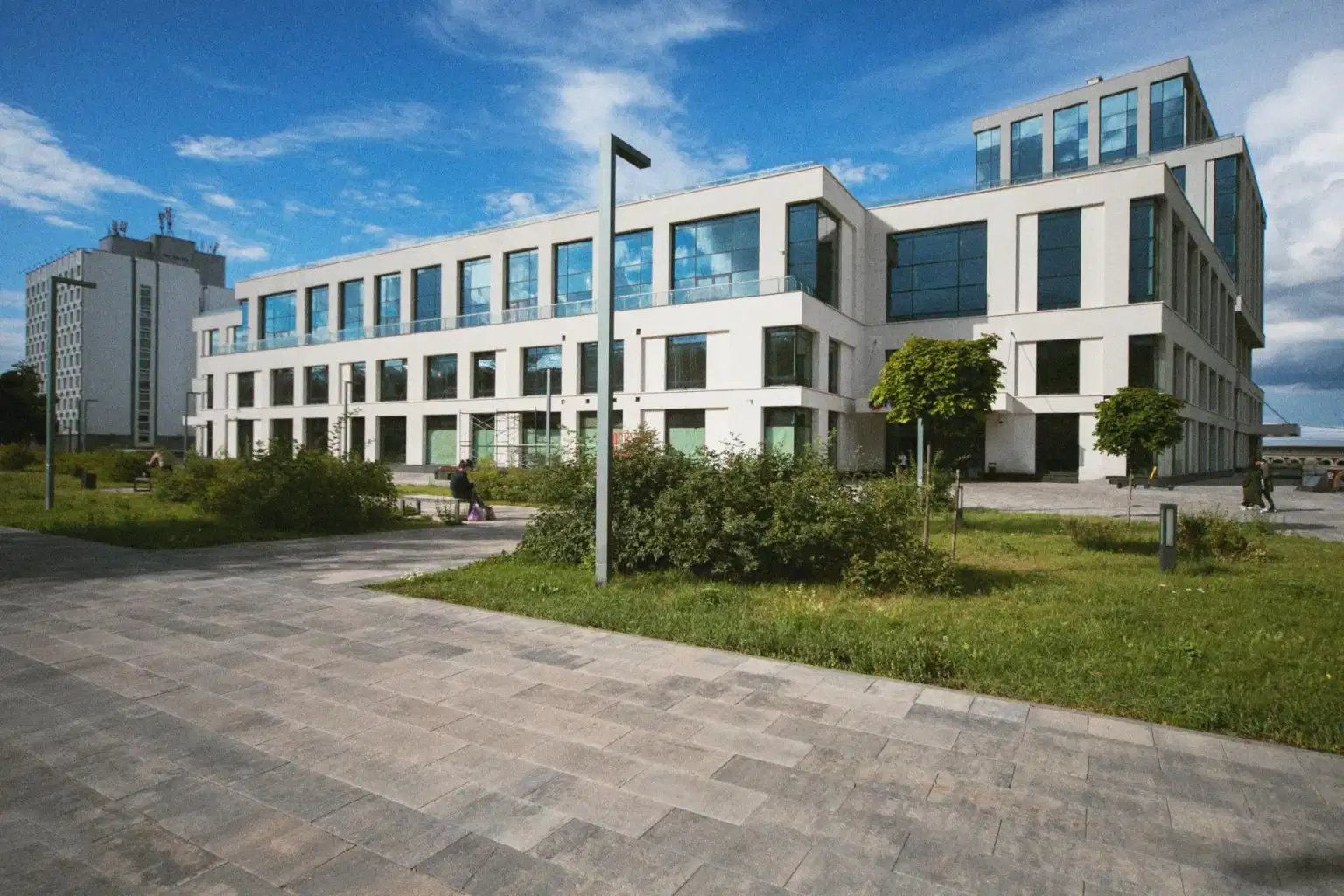
Robotic Knee Replacement Surgery Treatment in Gurugram for Nigeria
Need Personalized Advice?
Our medical experts are ready to answer your questions and guide you through your treatment options.
About
Robotic Knee Replacement in Gurugram for Nigerian Patients
Many Nigerian patients experiencing persistent knee pain often worry about the limited availability of advanced treatment options or the high costs of specialized surgeries back home. The thought of undergoing a complex procedure like robotic knee replacement can bring uncertainty about where to find the most optimal and affordable care.
This concern often leads individuals to seek cutting-edge medical solutions abroad. Gurugram, India, stands out as a preferred destination, offering state-of-the-art robotic knee replacement surgery within a well-established medical tourism ecosystem focused on international patient needs and seamless coordination.
Patients from Nigeria can confidently trust Gurugram's top-tier hospitals and highly skilled orthopedic surgeons. The city provides a comprehensive care environment, ensuring smooth coordination from the initial consultation to post-operative follow-ups within its advanced medical facilities, all designed for patient comfort and successful outcomes.
Considering Gurugram for your robotic knee replacement journey?
What is Robotic Knee Replacement Surgery?
Robotic knee replacement surgery is an advanced form of knee arthroplasty that uses robotic assistance to enhance the precision and accuracy of the procedure. Unlike traditional surgery, where instruments are guided manually, a robotic arm or system assists the surgeon in making exact bone cuts and positioning the knee implant. This technology creates a 3D virtual model of your knee, allowing the surgeon to plan the surgery with unparalleled detail before any cuts are made. The robotic system then provides real-time guidance during the operation, ensuring the implant is placed perfectly according to the personalized surgical plan. This leads to improved alignment, better balance of the soft tissues around the knee, and often a more natural-feeling knee post-surgery.
Approaches to Robotic Knee Replacement
Different robotic platforms offer varied approaches to knee replacement:
- Total Robotic Knee Replacement: Replaces the entire knee joint, often using systems like Mako, ROSA, or NAVIO for enhanced precision.
- Partial Robotic Knee Replacement (Unicompartmental): Replaces only the damaged part of the knee, preserving healthy bone and ligaments. Robotic assistance ensures accurate resurfacing.
- Robotic-Arm Assisted Surgery: Systems where the surgeon guides a robotic arm, which provides haptic feedback to prevent cutting outside the planned area.
- Robotic Navigation Systems: These systems use optical trackers and real-time data to guide the surgeon's instruments without a physical robotic arm.
- Image-Based Robotic Systems: Utilize pre-operative CT scans to create a detailed 3D model, allowing for precise planning and execution.
When is Robotic Knee Replacement Required?
- Severe, chronic knee pain that significantly limits daily activities and quality of life.
- Advanced osteoarthritis, rheumatoid arthritis, or post-traumatic arthritis causing extensive cartilage damage.
- Non-surgical treatments such as medication, injections, and physical therapy have failed to provide adequate relief.
- Significant deformity of the knee joint, such as bow-legs or knock-knees, affecting mobility.
- Persistent stiffness or instability in the knee that impacts walking or standing.
- Bone-on-bone knee arthritis causing grinding sensations and severe discomfort.
Pre-Treatment Evaluation for Knee Surgery
- A thorough physical examination and detailed review of your medical history, including any previous knee injuries or surgeries.
- X-rays of the knee from multiple angles to assess the extent of joint damage, bone alignment, and identify any bone spurs.
- MRI or CT scans to get a detailed 3D image of the bone structure, soft tissues, and cartilage for precise surgical planning.
- Comprehensive blood tests, including complete blood count, blood clotting profile, kidney and liver function tests, and blood sugar levels.
- Cardiac evaluation, typically an electrocardiogram (ECG) and sometimes an echocardiogram, to ensure your heart can withstand surgery.
- Urine analysis to rule out any urinary tract infections before the procedure.
- Consultation with an anesthesiologist to discuss anesthesia options and address any concerns.
How Robotic Knee Replacement is Performed
The specific procedure for robotic knee replacement depends on the robotic system used and your individual condition, but generally follows a set of precise steps.
Pre-operative Planning and Imaging:
Before surgery, a CT scan or MRI of your knee is performed. This imaging data is used to create a detailed 3D virtual model of your unique knee anatomy on the robotic system's software. Your surgeon then uses this model to meticulously plan the precise bone cuts and the optimal size and positioning of your knee implant, ensuring perfect alignment and balance specific to your body.
Anesthesia and Incision:
You will receive either general anesthesia or regional anesthesia combined with sedation. Once comfortable, a small incision is made over your knee to allow access to the joint without extensive tissue disruption.
Robotic-Assisted Bone Preparation:
During the surgery, the robotic system provides real-time visual and tactile feedback. The surgeon guides the robotic arm, which is programmed with your personalized surgical plan. This arm ensures that bone cuts are made with sub-millimeter accuracy, precisely removing only the damaged bone while preserving healthy tissue. The robotic guidance helps to prevent deviations from the pre-planned cuts.
Implant Placement:
After the precise bone preparation, the knee implant components (femoral, tibial, and sometimes patellar) are carefully positioned and secured. The robotic system helps confirm the implant's exact orientation and fit, optimizing knee mechanics and stability.
Closure and Recovery:
Once the implant is in place and stability is confirmed, the incision is closed with sutures or staples. A sterile dressing is applied, and you are transferred to the recovery area to begin the healing process, often starting physical therapy within hours of the surgery.
The Recovery Process After Robotic Knee Replacement
Recovery from robotic knee replacement surgery typically involves a structured program designed to restore strength and mobility. You will usually begin physical therapy on the same day or the day after surgery, focusing on gentle range-of-motion exercises. Most patients can stand and walk with assistance within 24 hours. Pain management will be provided through medication. Hospital stays are generally short, often 3-5 days. Upon discharge, you will continue with an intensive rehabilitation program, either outpatient or at home, for several weeks. It is crucial to follow all physical therapy instructions, including exercises, wound care, and medication schedules. Full recovery, including the ability to return to most activities, can take anywhere from 3 to 6 months, with continuous improvement over a year. Regular follow-up appointments with your surgeon are essential to monitor your progress and ensure optimal healing.
Potential Risks and Success Rates
- Infection: Though rare, there is a risk of infection at the surgical site or around the implant.
- Blood Clots: Deep vein thrombosis (DVT) in the leg or pulmonary embolism (blood clot in the lung) can occur.
- Nerve or Blood Vessel Damage: Injury to surrounding nerves or blood vessels, though uncommon due to precise robotic guidance.
- Implant Loosening or Wear: Over time, the artificial joint may loosen or components might wear out, potentially requiring revision surgery.
- Stiffness or Limited Range of Motion: Despite therapy, some patients may experience persistent stiffness.
- Continued Pain: A small percentage of patients may still experience some level of discomfort.
- Allergic Reaction: To materials in the implant or medications.
Robotic knee replacement surgery boasts high success rates, with studies often reporting over 90-95% of patients experiencing significant pain relief, improved mobility, and overall satisfaction. The enhanced precision offered by robotic assistance is believed to contribute to better implant alignment, potentially leading to longer implant survival and a more natural feel for the patient. However, individual outcomes can vary based on factors like the patient's age, overall health, adherence to post-operative rehabilitation, and the severity of the initial knee condition. Long-term expectations generally include a significant improvement in quality of life, allowing a return to most daily activities without severe pain.
Cost of Robotic Knee Replacement in Gurugram
The cost of robotic knee replacement surgery in Gurugram is significantly more affordable compared to Western countries, without compromising on quality or technology. Several factors influence the final cost, including the reputation and accreditation of the hospital, the experience and expertise of the orthopedic surgeon, the specific robotic system utilized (e.g., Mako, ROSA), the type of knee implant chosen, the length of your hospital stay, and any additional medical services or complications that may arise.
For Nigerian patients considering Gurugram, the price range for a single robotic knee replacement typically falls between 4,500 USD and 8,000 USD. This estimation covers the surgery itself, hospital stay, surgeon's fees, and basic post-operative care, offering a substantial saving while accessing world-class medical facilities.
Gurugram vs. Global Cost Comparison
Gurugram provides a distinct cost advantage for robotic knee replacement compared to many other international medical hubs, making advanced treatment accessible.
| Location | Estimated Cost (USD) |
|---|---|
| Gurugram, India | 4,500 - 8,000 |
| United States | 35,000 - 60,000 |
| United Kingdom | 20,000 - 30,000 |
| Singapore | 18,000 - 25,000 |
| Germany | 15,000 - 22,000 |
Ready to explore advanced knee solutions? Contact us for a personalized consultation regarding robotic knee replacement in Gurugram.
Comprehensive Support Services for International Patients
- Assistance with medical visa application and necessary documentation.
- Arrangements for comfortable accommodation for you and your accompanying family.
- Seamless airport transfers and local transportation during your stay in Gurugram.
- Dedicated patient coordinators to guide you through every step of your medical journey.
- Language interpretation services to ensure clear communication with medical staff.
- Help with scheduling follow-up appointments and post-treatment care planning.
Essential Papers Required for Your Medical Visit
- A valid passport with at least six months validity.
- Your medical visa for India, specifically obtained for treatment purposes.
- All relevant medical reports, X-rays, MRI/CT scans, and diagnostic results.
- Referral letters from your primary care physician or specialist in Nigeria.
- Proof of financial solvency to cover your medical treatment and stay.
- Any previous surgical reports or medication prescriptions.
Preparing for Your Robotic Knee Surgery
- Disclose all current medications, including supplements, to your surgeon, as some may need to be stopped before surgery.
- Follow specific dietary guidelines and fasting instructions given by your medical team leading up to the procedure.
- Arrange for a companion to travel with you and assist during your recovery period.
- Prepare your home environment for post-surgery recovery, ensuring easy access and removing potential hazards.
- Understand the expected recovery timeline and arrange for adequate time off from work or daily responsibilities.
- Cease smoking and reduce alcohol consumption, as these can impact healing.
Guidance for Recovery and Aftercare
- Adhere strictly to the prescribed physical therapy regimen to regain strength and mobility in your knee.
- Follow all wound care instructions diligently to prevent infection and promote proper healing.
- Take all prescribed medications, including pain relievers and antibiotics, as directed by your doctor.
- Maintain a healthy diet and stay well-hydrated to support your body's healing process.
- Avoid strenuous activities, heavy lifting, and sudden movements as advised by your surgeon.
- Attend all scheduled follow-up appointments in Gurugram to monitor your progress and implant stability.
- Be mindful of any signs of complications, such as increased pain, swelling, fever, or redness around the incision, and report them immediately.
Ready to Move Forward to Better Health?
Taking the step towards robotic knee replacement is a significant decision. Gurugram offers an ideal combination of advanced medical technology, expert surgeons, and supportive patient care, providing a clear path to regaining your mobility and living a life free from chronic knee pain.
Have questions about robotic knee replacement surgery or need help planning your trip to Gurugram? Reach out to our patient care team today!
Hospitals Offering this treatment
India offers premium medical procedures at affordable prices. Discover our most popular treatments, delivered by the country's finest doctors.
Meet Our Doctors
Meet our team of highly qualified and experienced medical professionals dedicated to providing the best healthcare services.

Dr. Ajit Singh Baghela
Consultant
Paediatric Neurology
Haryana
9+ Years
Experience
Artemis Hospital
Hospital
1500
Fees

Dr. Anjali Vaish
Consultant - Physiotherapy and Rehabilitation Centre
Physiotherapy and Rehabilitation Centre
New Delhi
10+ Years
Experience
Artemis Hospital
Hospital
1500
Fees

Dr. Ajit Singh Baghela
Sr. Consultant - Paediatric Neurology
Paediatric Neurology
New Delhi
9+ Years
Experience
Artemis Hospital
Hospital
1500
Fees
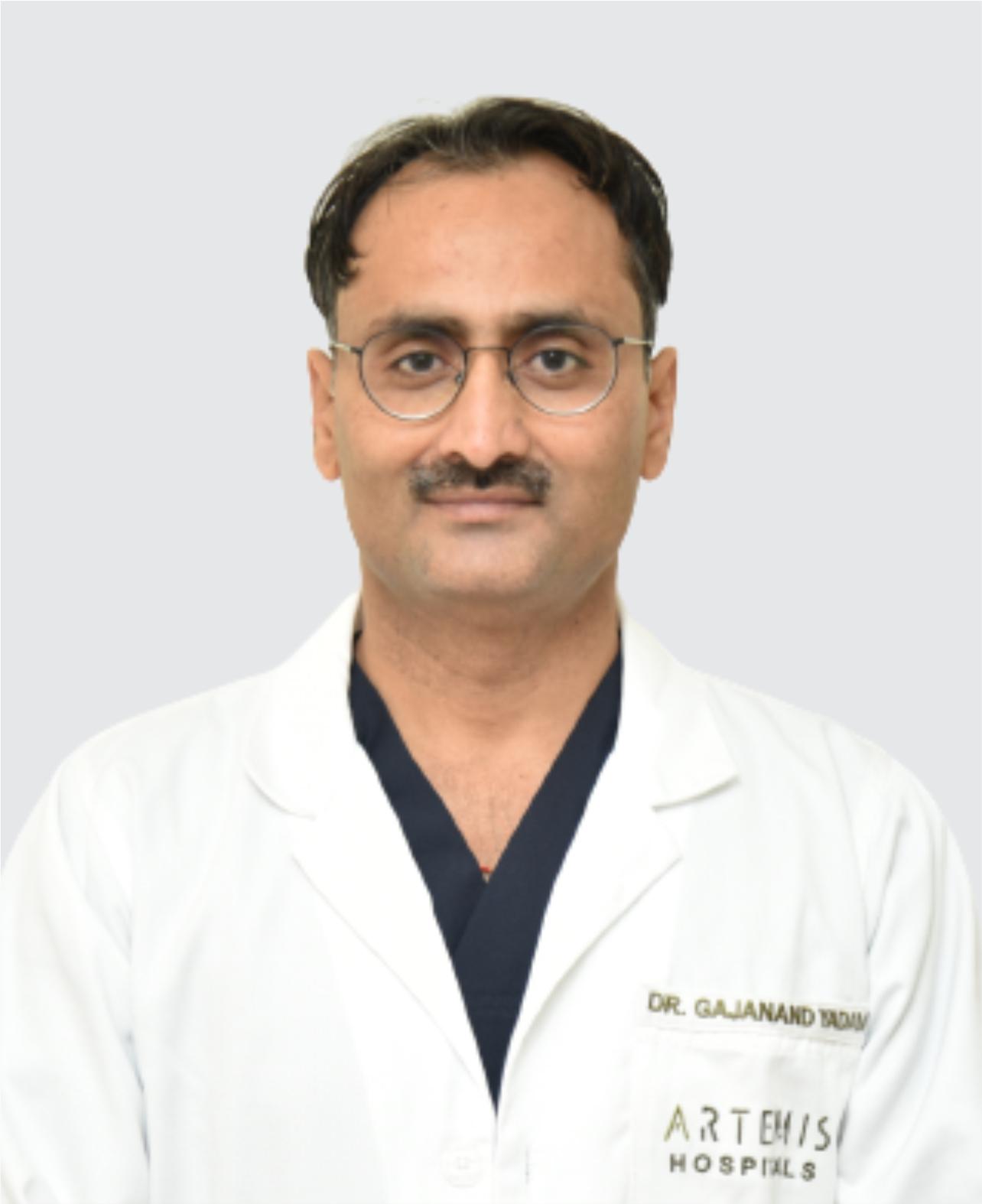
Dr. Gajanand Yadav
Consultant - Orthopaedics and Hip and Knee Arthroplasty
Orthopaedics, Hip and Knee Arthroplasty, Joint Replacement, Sports Medicine
New Delhi
12+ Years
Experience
Artemis Hospital
Hospital
1500
Fees

Dr. Rahul Naithani
Chief - Hematology, Oncology & Bone Marrow Transplant
Clinical Hematology, Hematologic Oncology, Bone Marrow Transplantation
New Delhi
15+ Years
Experience
Artemis Hospital
Hospital
1500
Fees

Dr. Rajiv Chhabra
Chief
Paediatric
New Delhi
15+ Years
Experience
Artemis Hospital
Hospital
1500
Fees

Dr. Rakesh Durkhure
Head - General, MI & Bariatric Surgery (Unit IV)
General & Minimally Invasive Surgery
New Delhi
25+ Years
Experience
Artemis Hospital
Hospital
1500
Fees
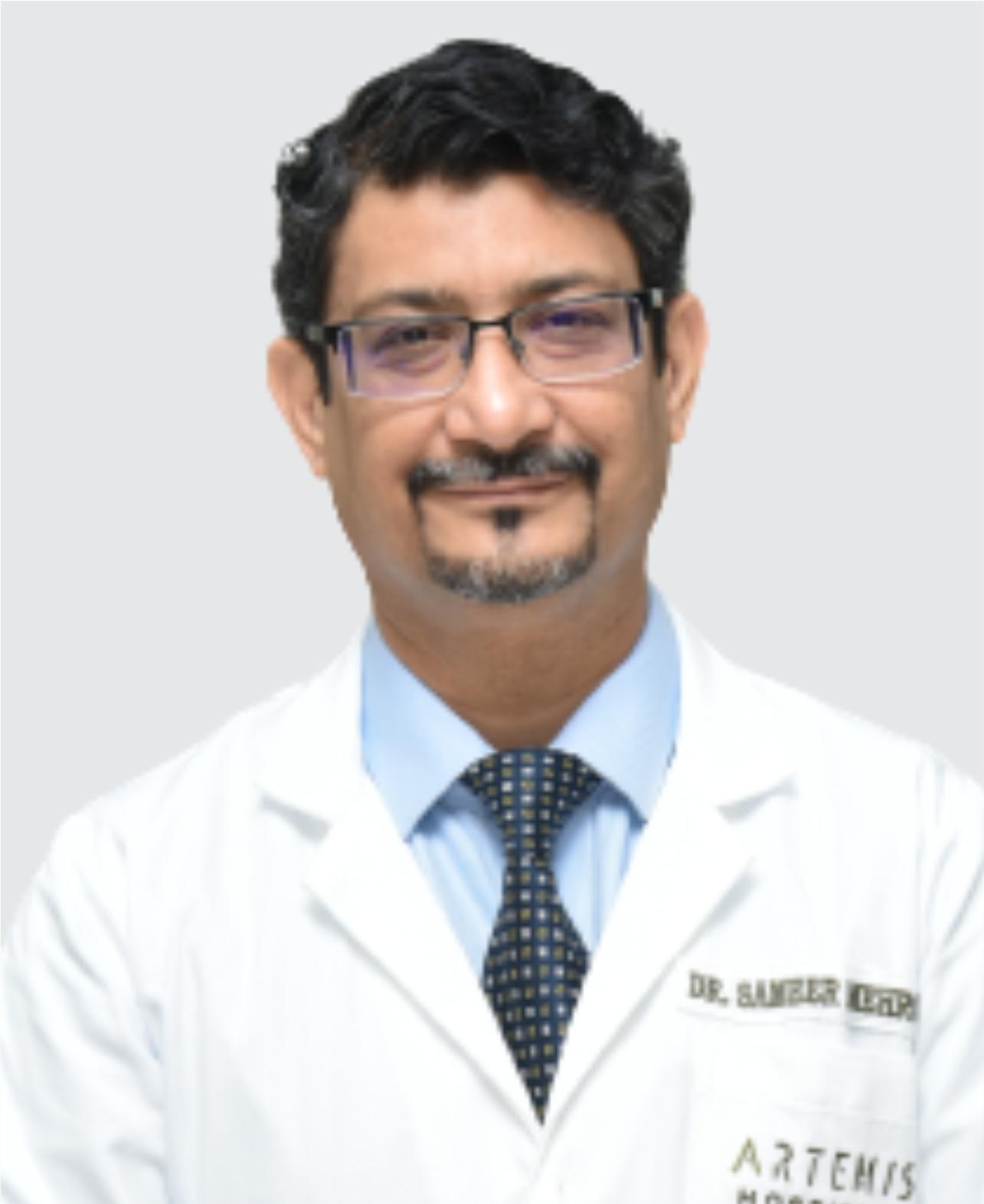
Dr. Sameer Mehrotra
Unit Chief - Interventional Cardiology & Electrophysiology
Cardiology, Electrophysiology, Interventional Cardiology
New Delhi
15+ Years
Experience
Artemis Hospital
Hospital
1500
Fees

Dr. Sanjay Mehta
Chairperson
Radiology
New Delhi
28+ Years
Experience
Artemis Hospital
Hospital
1500
Fees
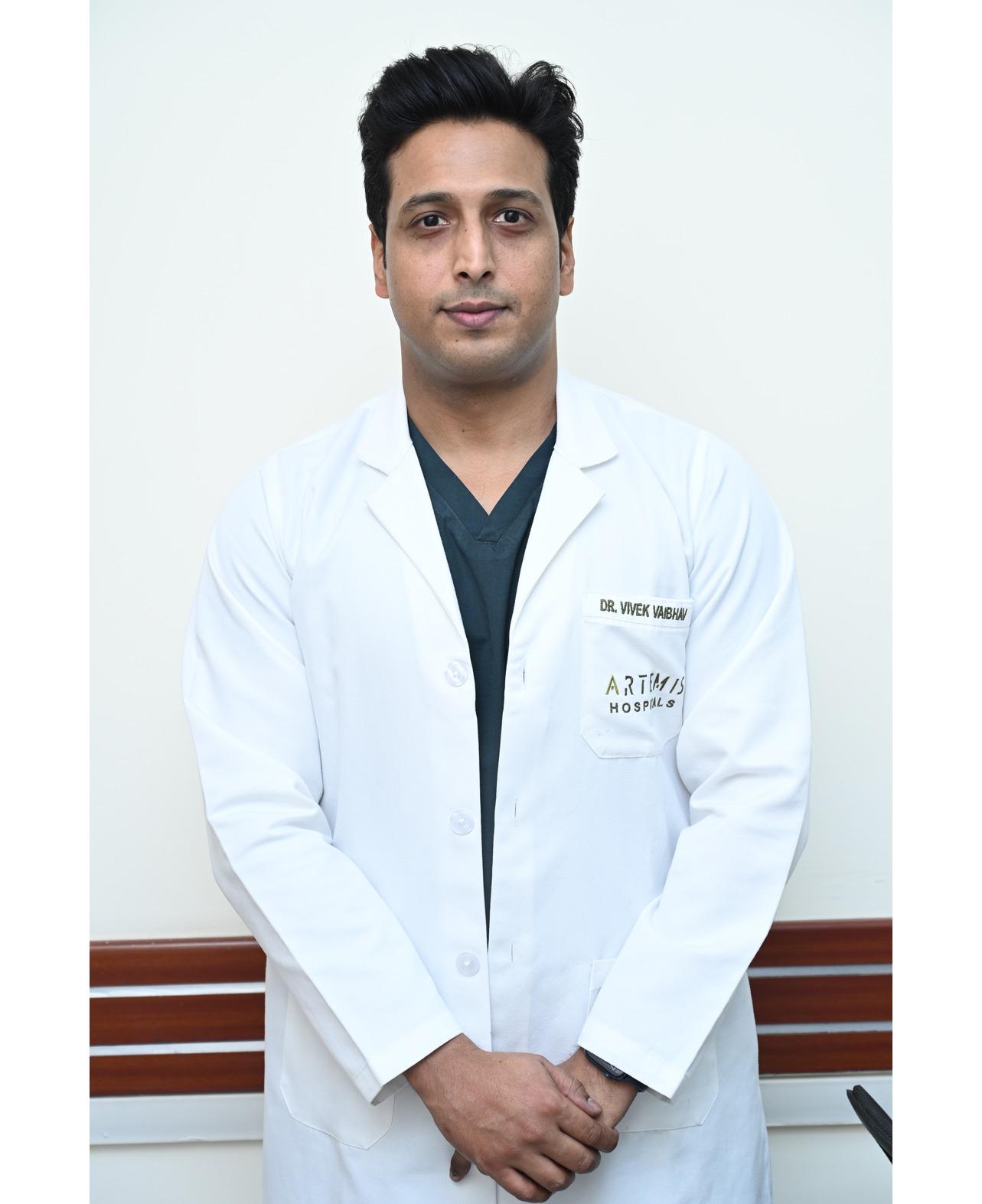
Dr. Vivek Vaibhav
Consultant
Orthopaedic Surgery, Orthopaedics
New Delhi
10+ Years
Experience
Artemis Hospital
Hospital
1500
Fees
Related Links
Recent Blogs
- How DivinHeal Helps You Find the Best Hospital in India
- Travel, Stay & Food Tips for Medical Tourists in India
- Robotic Knee Replacement Surgery Cost in India 2026: Complete Guide for Australian & UK Patients
- Knee Replacement Surgery Cost in India 2026: Complete Guide for UAE & Nigerian Patients
- How Much Does Knee Replacement Surgery Cost in India?
Other Treatment related Information
Ready To Start Your Healing Journey?
Get Personalized Medical Treatment Options From India's Top Hospitals. Our Medical Experts Are Ready To Assist You Every Step Of The Way.