Minimally Invasive Spine Surgery Treatment in India
Need Personalized Advice?
Our medical experts are ready to answer your questions and guide you through your treatment options.
About
Minimally Invasive Spine Surgery Treatment in India | Medical Scope & Care
Minimally Invasive Spine Surgery (MISS) offers an advanced approach to treating various spinal conditions. This surgical technique uses smaller incisions and specialized instruments. It aims to reduce muscle damage, lessen blood loss, and shorten recovery times compared to traditional open surgery. MISS effectively addresses issues like herniated discs, spinal stenosis, and instability, restoring function and alleviating chronic back pain.
Patients from around the globe seek Minimally Invasive Spine Surgery Treatment in India. Many individuals from countries like Bangladesh, Nepal, Iraq, Nigeria, and Kenya travel for this specialized care. They choose India due to its highly competitive pricing and access to world-class medical expertise. India provides a blend of affordability and advanced surgical outcomes, making it a preferred destination for complex spinal procedures.
India boasts a robust healthcare infrastructure equipped with state-of-the-art technology. Leading hospitals house dedicated spine centers staffed by highly skilled surgeons and multidisciplinary teams. These centers are renowned for their high patient care standards and clinical excellence. The availability of advanced diagnostics and post-operative rehabilitation services further enhances the overall treatment experience.
Indications for Minimally Invasive Spine Surgery
- Herniated disc causing persistent nerve pain.
- Spinal stenosis leading to leg pain and numbness.
- Degenerative disc disease with chronic back pain.
- Spinal instability requiring fusion.
- Spondylolisthesis causing nerve compression.
- Vertebral compression fractures.
- Certain spinal tumors or infections.
Approaches to Minimally Invasive Spine Surgery
Minimally Invasive Spine Surgery encompasses several techniques tailored to specific conditions. Each approach prioritizes smaller incisions and reduced tissue disruption. Common methods include:
- Microdiscectomy: Removal of a herniated disc fragment.
- Laminectomy/Laminotomy: Decompression of nerve roots by removing part of the lamina.
- Transforaminal Lumbar Interbody Fusion (TLIF): Stabilizing the spine by fusing vertebrae.
- Posterior Lumbar Interbody Fusion (PLIF): Another fusion technique performed through a posterior approach.
- Vertebroplasty/Kyphoplasty: Treatment for compression fractures, injecting bone cement.
The choice of technique depends on the patient's specific diagnosis and spinal anatomy. Surgeons utilize specialized retractors, endoscopes, or microscopes for precise visualization.
Diagnostic and Clinical Evaluation
- Detailed medical history and physical examination.
- Neurological assessment to check nerve function.
- Magnetic Resonance Imaging (MRI) for soft tissue visualization.
- Computed Tomography (CT) scan for bone structure assessment.
- X-rays, including dynamic views, to assess spinal stability.
- Nerve conduction studies or electromyography (EMG) if nerve damage is suspected.
- Diagnostic injections to pinpoint the source of pain.
Understanding the Minimally Invasive Procedure
Minimally Invasive Spine Surgery involves making one or more small incisions, typically less than an inch. Through these incisions, specialized tubular retractors create a tunnel to the spine. Surgeons use a microscope or endoscope to visualize the surgical area with high precision. Small instruments are then inserted through the tubes to perform the necessary repairs, such as removing disc material, decompressing nerves, or fusing vertebrae. This approach minimizes damage to surrounding muscles and tissues.
Recovery Expectations
Recovery from Minimally Invasive Spine Surgery is generally faster than traditional open surgery. Patients often experience less post-operative pain and require shorter hospital stays. Many are discharged within one to three days. Physical therapy usually begins soon after surgery to restore strength and flexibility. Most patients can return to light activities within a few weeks. Full recovery and return to normal activities typically take several months, depending on the specific procedure and individual healing.
Potential Medical Risks
- Infection at the surgical site.
- Bleeding during or after the procedure.
- Nerve damage or persistent pain.
- Complications from anesthesia.
- Dural tear (leakage of cerebrospinal fluid).
- Failure of spinal fusion (non-union).
- Recurrence of the original spinal problem.
- Blood clots (deep vein thrombosis).
Minimally Invasive Spine Surgery Success Rate in India
The Minimally Invasive Spine Surgery success rate in India is notably high, often exceeding 90% for appropriate candidates. Outcomes depend on several factors, including the patient's overall health, the specific spinal condition treated, and adherence to post-operative rehabilitation. Experienced specialists for Minimally Invasive Spine Surgery in India contribute significantly to these favorable results. Patients generally experience substantial pain relief and improved functional mobility.
Cost of Minimally Invasive Spine Surgery in India
The cost of Minimally Invasive Spine Surgery in India is a major advantage for international patients. Prices are significantly lower compared to Western countries, without compromising quality. The overall cost varies based on the specific procedure, hospital choice, surgeon's fees, duration of hospital stay, and necessary rehabilitation.
| Procedure Type | Cost in India (USD) | Cost in USA (USD) | Cost in UK (USD) |
|---|---|---|---|
| Microdiscectomy | $4,000 - $7,000 | $20,000 - $50,000 | $15,000 - $35,000 |
| Laminectomy/Laminotomy | $5,000 - $8,000 | $25,000 - $60,000 | $18,000 - $40,000 |
| Minimally Invasive Spinal Fusion | $8,000 - $15,000 | $40,000 - $90,000 | $30,000 - $70,000 |
These figures are estimates and can fluctuate. India provides transparent pricing structures, making quality care accessible.
For patients seeking effective and affordable spinal solutions, Minimally Invasive Spine Surgery Treatment in India offers an excellent choice. The country's medical infrastructure, coupled with the expertise of its spine surgeons, ensures high-quality care and positive outcomes. Considering India provides access to advanced techniques and compassionate patient-focused services, making it a leading global destination for spine health.
Hospitals Offering this treatment
India offers premium medical procedures at affordable prices. Discover our most popular treatments, delivered by the country's finest doctors.
Meet Our Doctors
Meet our team of highly qualified and experienced medical professionals dedicated to providing the best healthcare services.
Dr. Aditya Gupta
Chairperson - Neurosurgery & CNS Radiosurgery & Co-Chief - Cyberknife Centre, Artemis Hospitals, Gurgaon
Neurosurgeon
Haryana
32+ Years
Experience
Artemis Hospital
Hospital
1500
Fees
Dr. Amit Kalsotra
Sr. Consultant - Anaesthesia, Critical Care & Pain Management
Anaesthesia, Critical Care, Pain Management
New Delhi
15+ Years
Experience
Artemis Hospital
Hospital
1500
Fees
Dr. Anju Singh
Consultant - Pediatric Rheumatology
Pediatric Rheumatology
New Delhi
13+ Years
Experience
Artemis Hospital
Hospital
1500
Fees

Dr. (Brig.) Anil Khetarpal
Deputy Chief - Medical Services & Chairperson -Department of Blood Centre and Transfusion medicine
Blood Centre & Transfusion Medicine
New Delhi
33+ Years
Experience
Artemis Hospital
Hospital
1500
Fees

Dr. Deepa Maheshwari
Unit Head
Maternity, Obstetrics & Gynaecology
New Delhi
20+ Years
Experience
Artemis Hospital
Hospital
1500
Fees
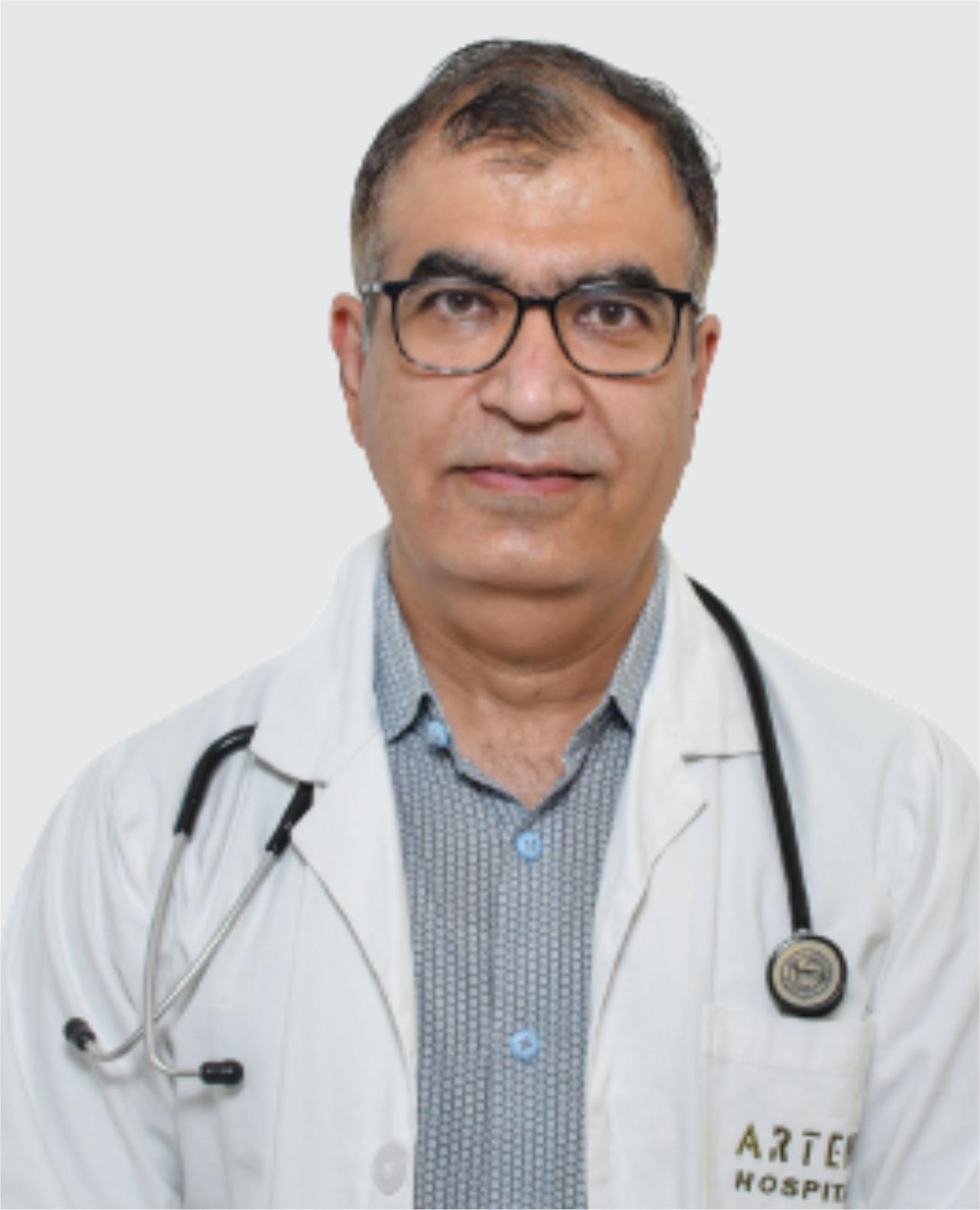
Dr. Rajiv Chhabra
Chief
Paediatric
New Delhi
15+ Years
Experience
Artemis Hospital
Hospital
1500
Fees
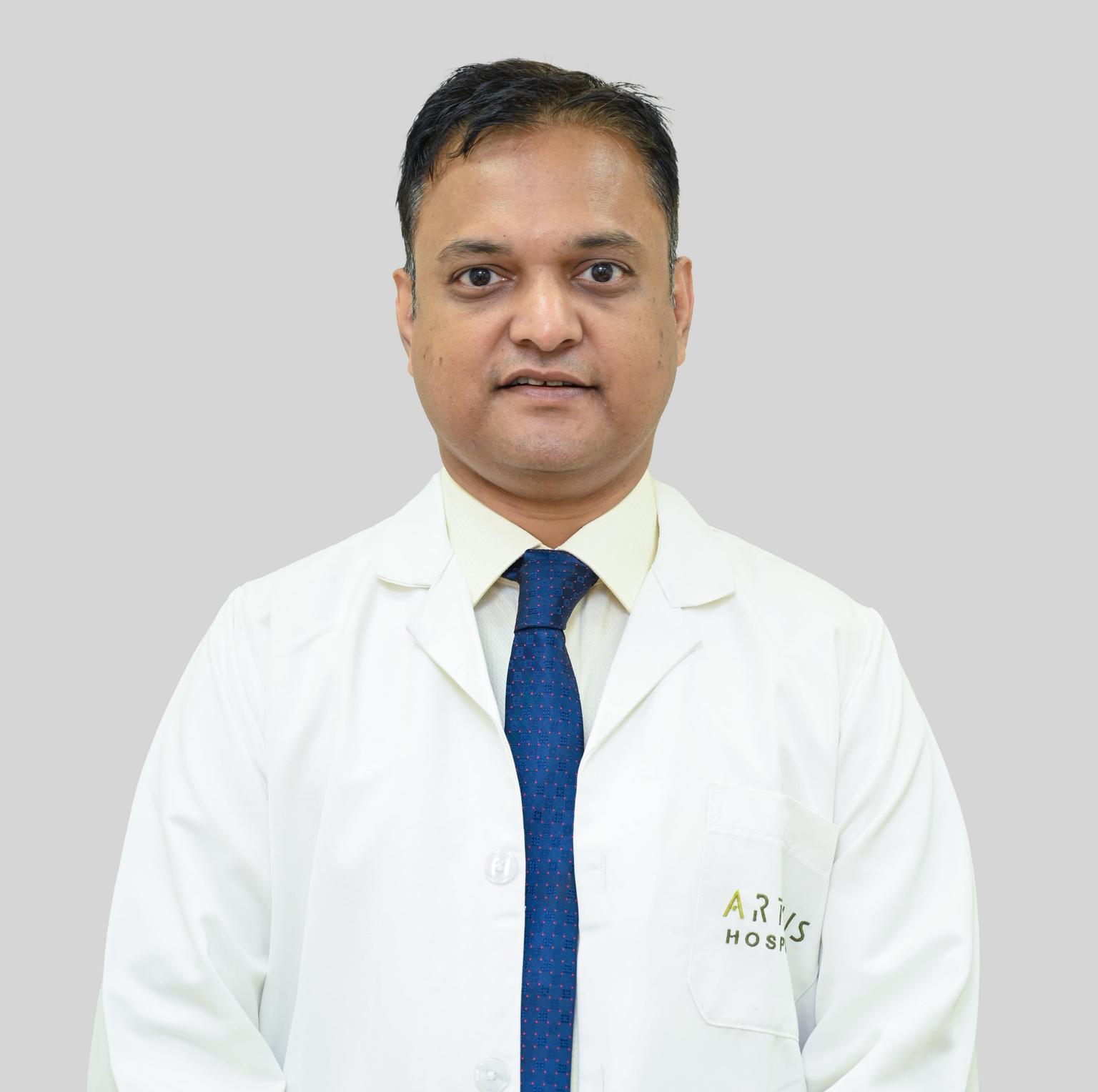
Dr. Rakesh Durkhure
Head - General, MI & Bariatric Surgery (Unit IV)
General & Minimally Invasive Surgery
New Delhi
25+ Years
Experience
Artemis Hospital
Hospital
1500
Fees
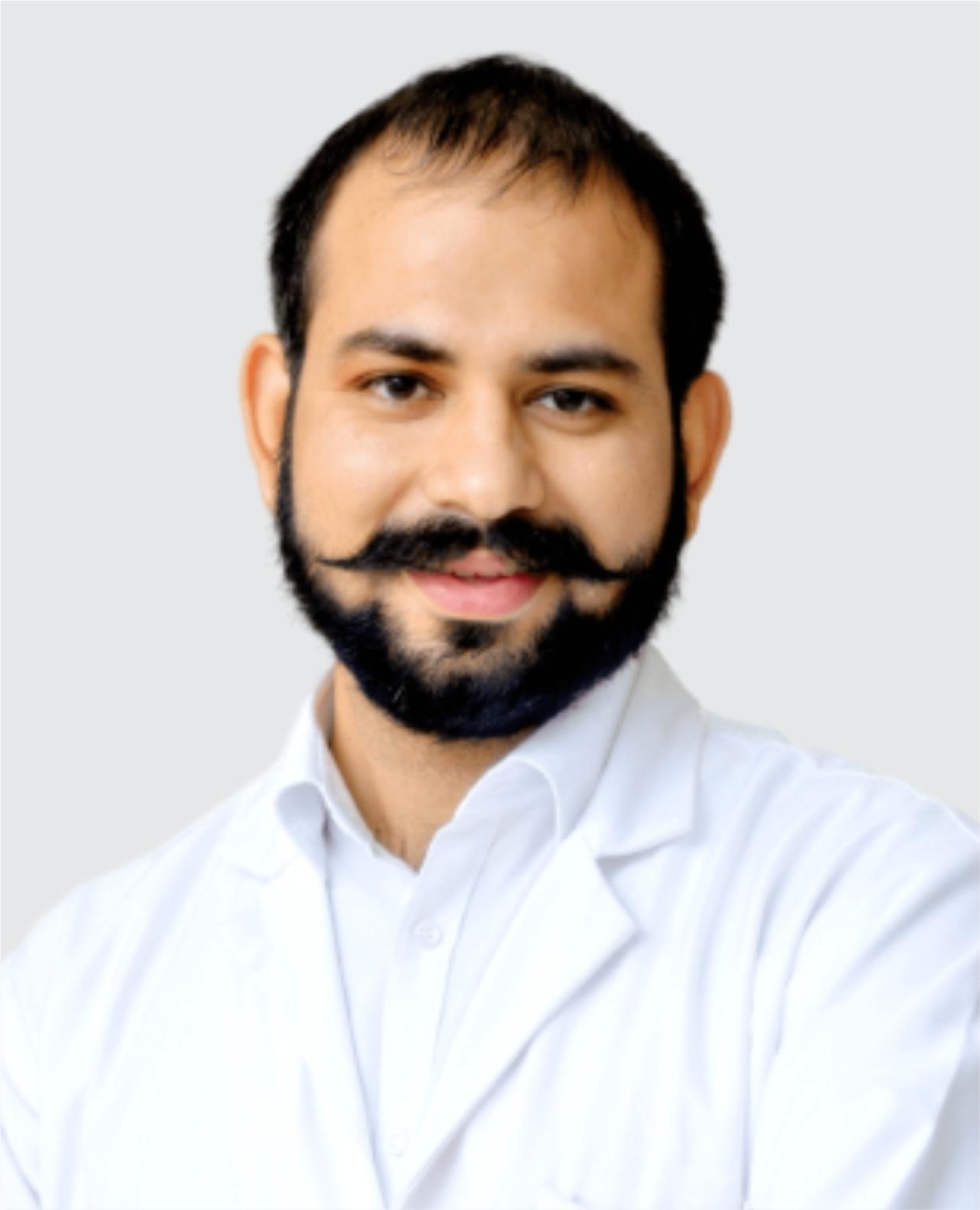
Dr. Sachin Sethi
Principal Lead - Physiotherapy
Physiotherapy and Rehabilitation
New Delhi
13+ Years
Experience
Artemis Hospital
Hospital
1500
Fees
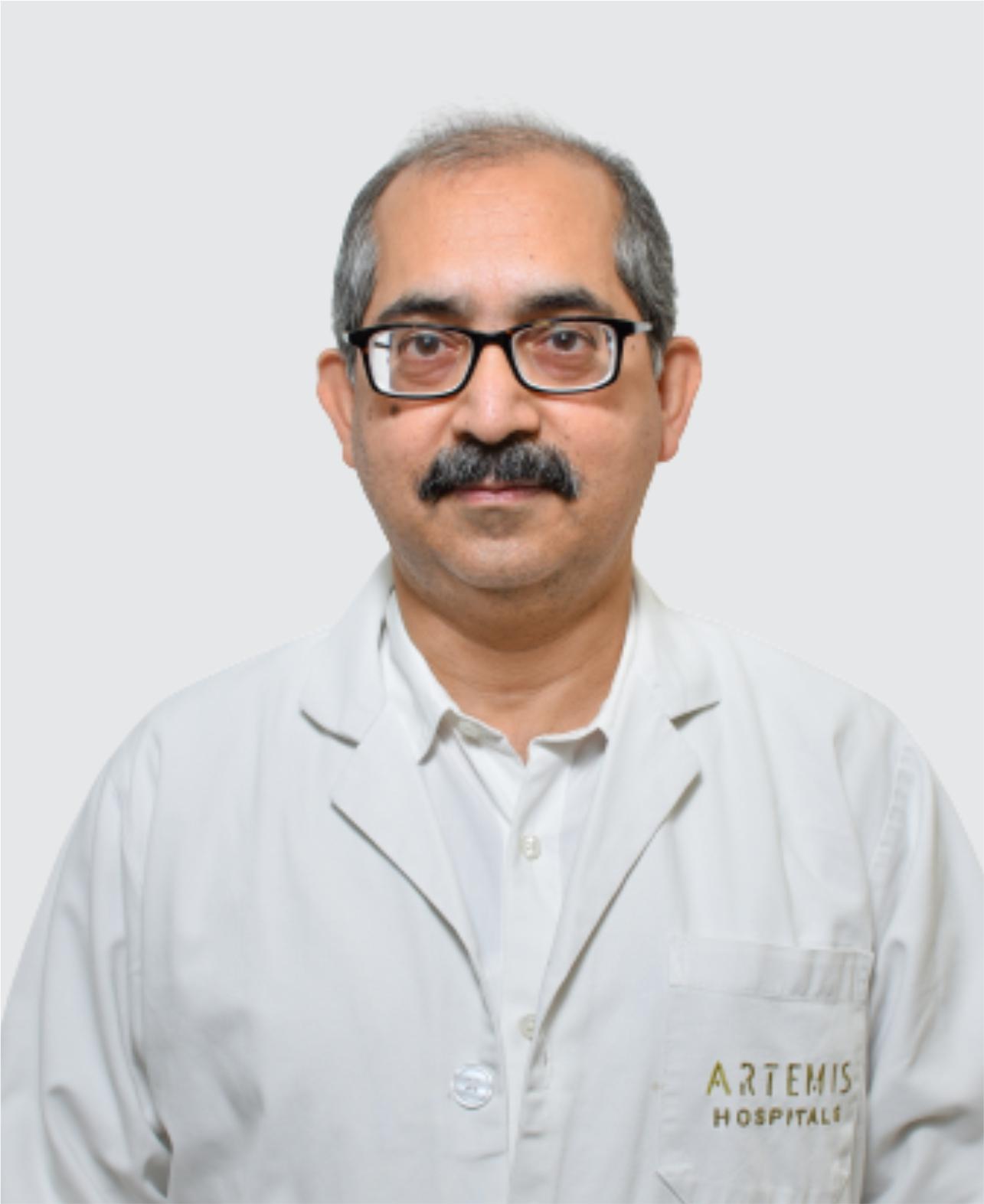
Dr. Sanjay Mehta
Chairperson
Radiology
New Delhi
28+ Years
Experience
Artemis Hospital
Hospital
1500
Fees
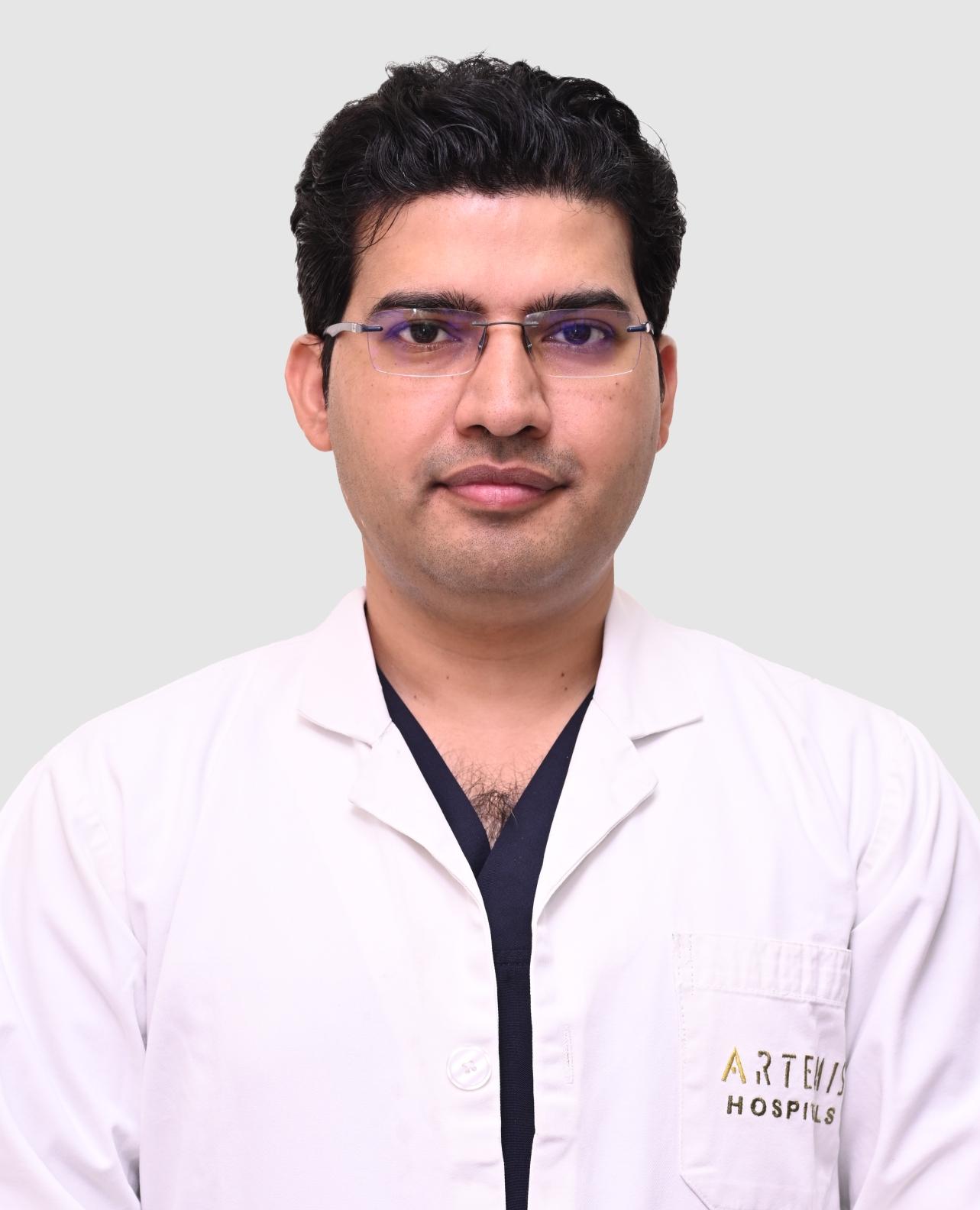
Dr. Sumit Kumar
Consultant - Orthopaedics & Spine Surgery
Orthopaedic & Spine Surgery
New Delhi
10+ Years
Experience
Artemis Hospital
Hospital
1500
Fees
Related Links
Recent Blogs
Other Treatment related Information
International Patient Visiting India
- Minimally Invasive Spine Surgery Treatment in India for Iraq
- Minimally Invasive Spine Surgery Treatment in India for UAE
- Minimally Invasive Spine Surgery Treatment in India for Ethiopia
- Minimally Invasive Spine Surgery Treatment in India for Bangladesh
- Minimally Invasive Spine Surgery Treatment in India for Nigeria
Ready To Start Your Healing Journey?
Get Personalized Medical Treatment Options From India's Top Hospitals. Our Medical Experts Are Ready To Assist You Every Step Of The Way.