
TAVR (Transcatheter Aortic Valve Replacement) Success Rate in India
Need Personalized Advice?
Our medical experts are ready to answer your questions and guide you through your treatment options.
Our medical experts are ready to answer your questions and guide you through your treatment options.
Understanding the success rate for TAVR (Transcatheter Aortic Valve Replacement) is crucial for patients considering this vital procedure. Success varies based on the individual’s health, the severity of their condition, and the specific approach used. India is increasingly recognized for its advanced cardiac care, with outcomes reviewed through aggregated clinical data and robust evaluations.
The assessment of TAVR outcomes in India involves comprehensive data from multiple institutions, allowing for a clear picture of procedural effectiveness. These rates are evaluated against national and international benchmarks, highlighting how patient profiles, procedural techniques, and post-operative care collectively influence results. The transparency in reporting helps patients make informed healthcare decisions.
For TAVR, "success" typically encompasses several key outcomes, including the effective replacement of the aortic valve, significant improvement in heart function, and resolution of symptoms like shortness of breath or chest pain. This procedure aims for a higher quality of life and improved longevity. The TAVR recovery rate in India also considers both immediate post-procedure stability and sustained long-term well-being, differentiating between short-term procedural success and extended patient survival.
Success rates vary depending on treatment approach and patient factors.
| Patient Risk Category | Typical Use Case | Success Rate Range (%) | What Success Indicates |
|---|---|---|---|
| Low-Risk Patients | Younger patients with severe aortic stenosis, few comorbidities | 95%–98% | Successful valve implantation, minimal complications, excellent functional improvement |
| Intermediate-Risk Patients | Patients with moderate comorbidities or specific anatomical challenges | 90%–94% | Effective valve function, good symptom relief, manageable complication rates |
| High-Risk Patients | Elderly, frail patients with multiple severe comorbidities, high surgical risk | 85%–89% | Procedural success, significant quality of life improvement, extended survival benefit |
| Immediate Procedural Success | Technical success of valve deployment without acute complications | 97%–99% | Valve correctly positioned, proper function observed immediately post-procedure |
TAVR outcomes are often stratified by patient demographics, reflecting the intricate relationship between age, existing health conditions, and procedural resilience. The TAVR survival rate by age in India mirrors global trends, showing that while older patients benefit significantly, their baseline health can influence long-term results. Indian medical centers align with international clinical data indicating that younger, healthier patients generally experience more robust long-term survival, similar to observations in leading cardiac centers worldwide. Considerations for stage wise TAVR survival rate in India also depend on the severity of aortic stenosis and the presence of other heart conditions.
| Age Group / Patient Category | Typical Patient Profile | One-Year Survival Rate Range (%) |
|---|---|---|
| Under 70 Years | Generally healthier, fewer comorbidities | 90%–94% |
| 70-80 Years | Moderate comorbidities, active lifestyle | 85%–89% |
| Over 80 Years | Higher burden of comorbidities, increased frailty | 80%–84% |
| Patients with Severe Comorbidities | Advanced heart failure, chronic kidney disease | 75%–79% |
Success rates for TAVR in India are largely comparable with international standards, particularly in facilities that adhere to similar protocols, utilize cutting-edge technology, and apply rigorous patient selection criteria. This alignment highlights India's growing expertise in advanced cardiovascular interventions.
| Country | TAVR Success Rate Range (%) |
|---|---|
| India | 90%–95% |
| United States | 91%–96% |
| Germany | 90%–95% |
| United Kingdom | 89%–94% |
| Canada | 90%–95% |
| Australia | 89%–94% |
| Japan | 90%–95% |
These figures are indicative of broad clinical outcomes and should not be considered guarantees. Individual success can significantly vary based on patient-specific health conditions and the tailored treatment approach chosen by their medical team.
Understanding TAVR outcomes, including the TAVR success rate in India and TAVR survival rate in India, empowers patients. This information aids in making confident, data-backed decisions about their cardiovascular health, ensuring clarity throughout their treatment journey.
India offers premium medical procedures at affordable prices. Discover our most popular treatments, delivered by the country's finest doctors.
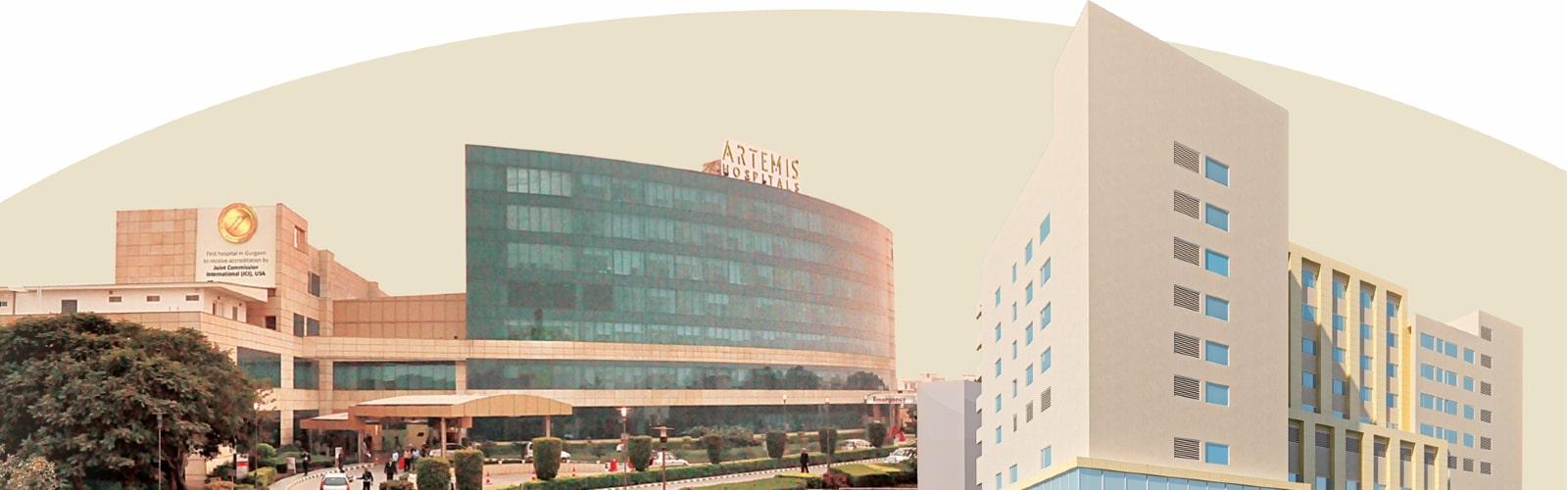
Sector 51, Gurugram, Haryana, India
Artemis Hospital
Meet our team of highly qualified and experienced medical professionals dedicated to providing the best healthcare services.
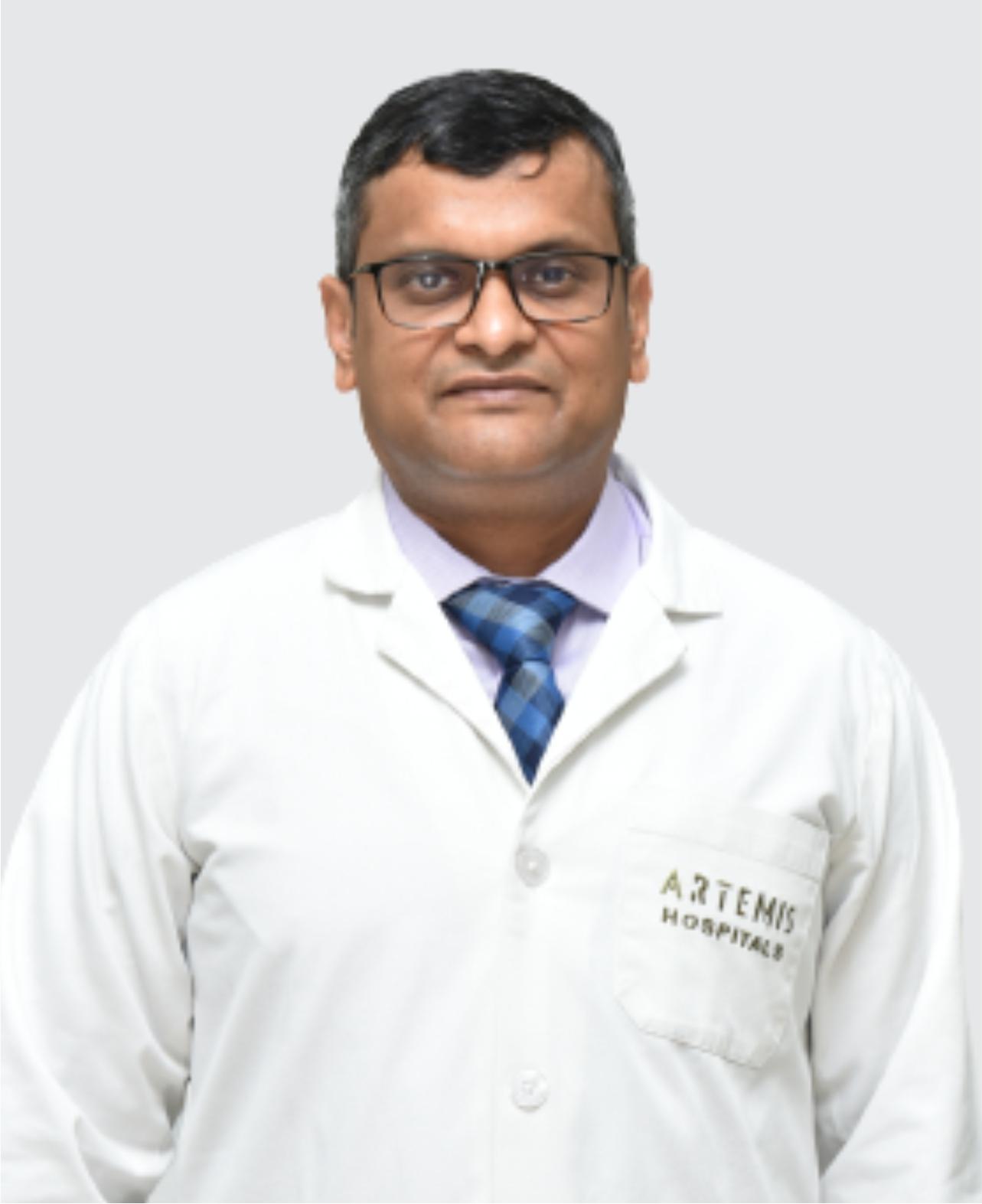
Chief Cath Lab & TAVI (Unit I), Director TAVI/TAVR and Structural Heart Disease and Senior Consultant Cardiology
Cardiology, Interventional Cardiology, TAVI / TAVR & Structural Heart Diseases
New Delhi
16+ Years
Experience
Artemis Hospital
Hospital
1500
Fees

Consultant - Pediatric Rheumatology
Pediatric Rheumatology
New Delhi
13+ Years
Experience
Artemis Hospital
Hospital
1500
Fees
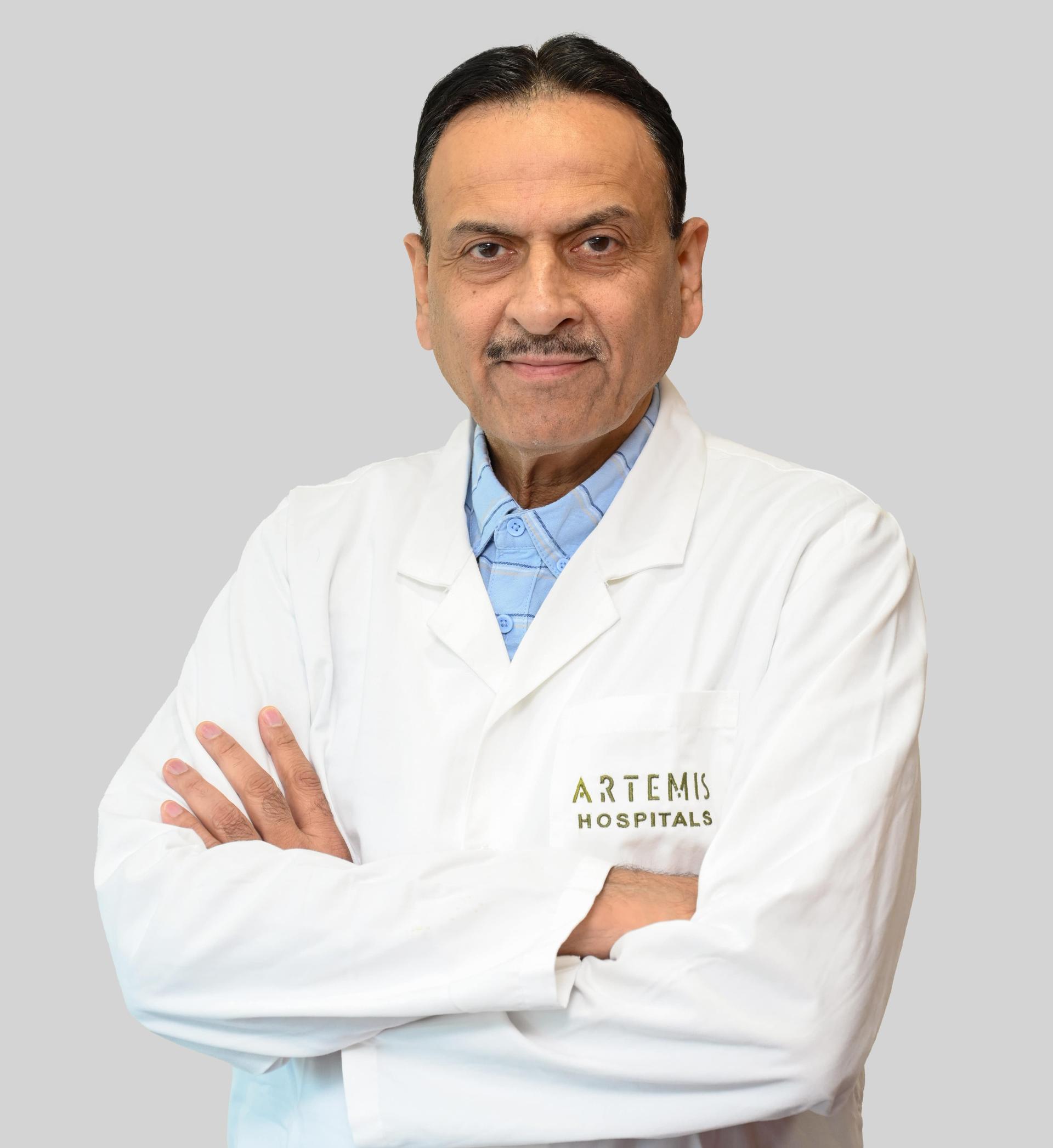
Chief Cardiology (Unit IV)
Cardiology
New Delhi
30+ Years
Experience
Artemis Hospital
Hospital
1500
Fees
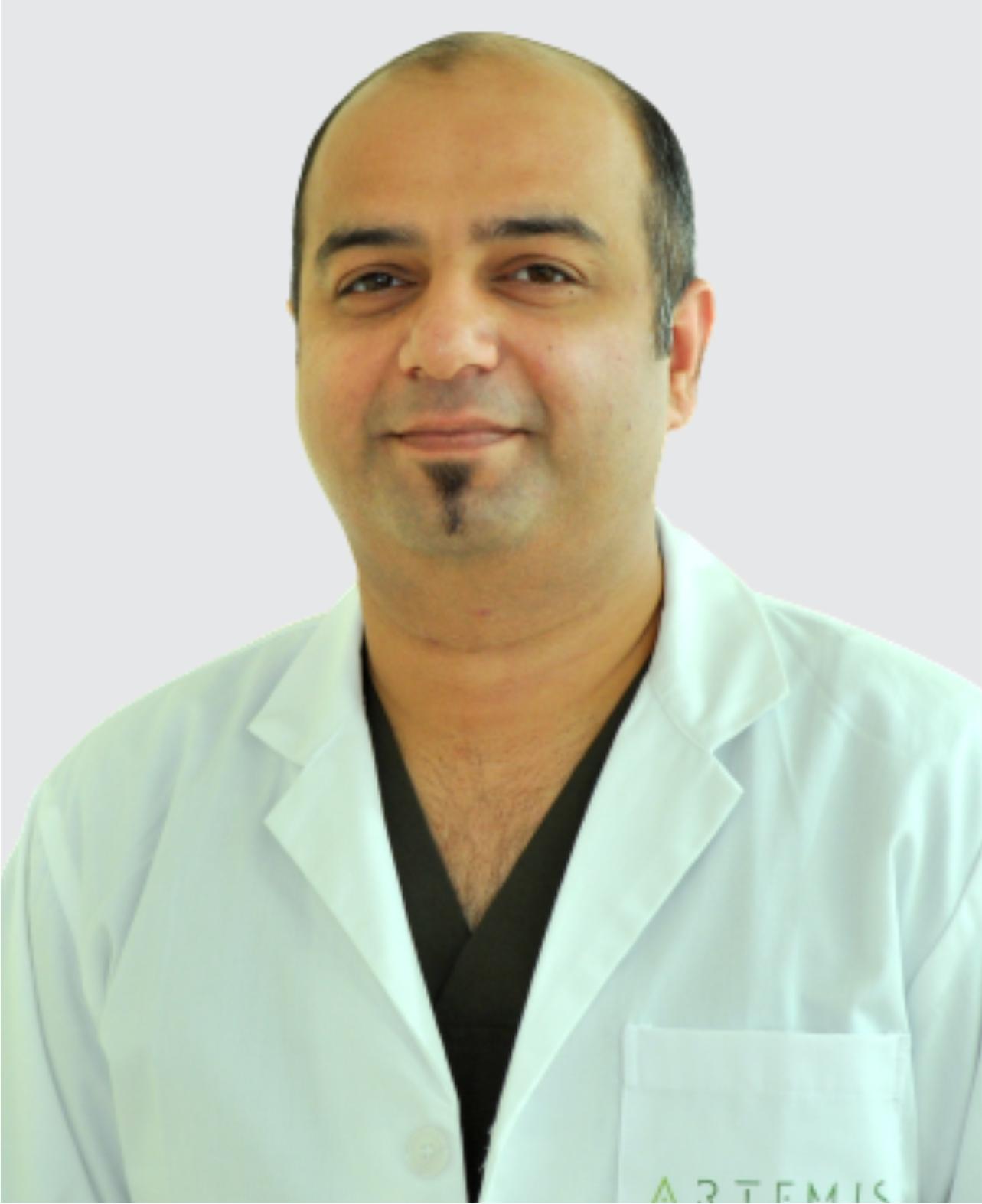
Principal Consultant - Anaesthesia
Anaesthesia
New Delhi
15+ Years
Experience
Artemis Hospital
Hospital
1500
Fees
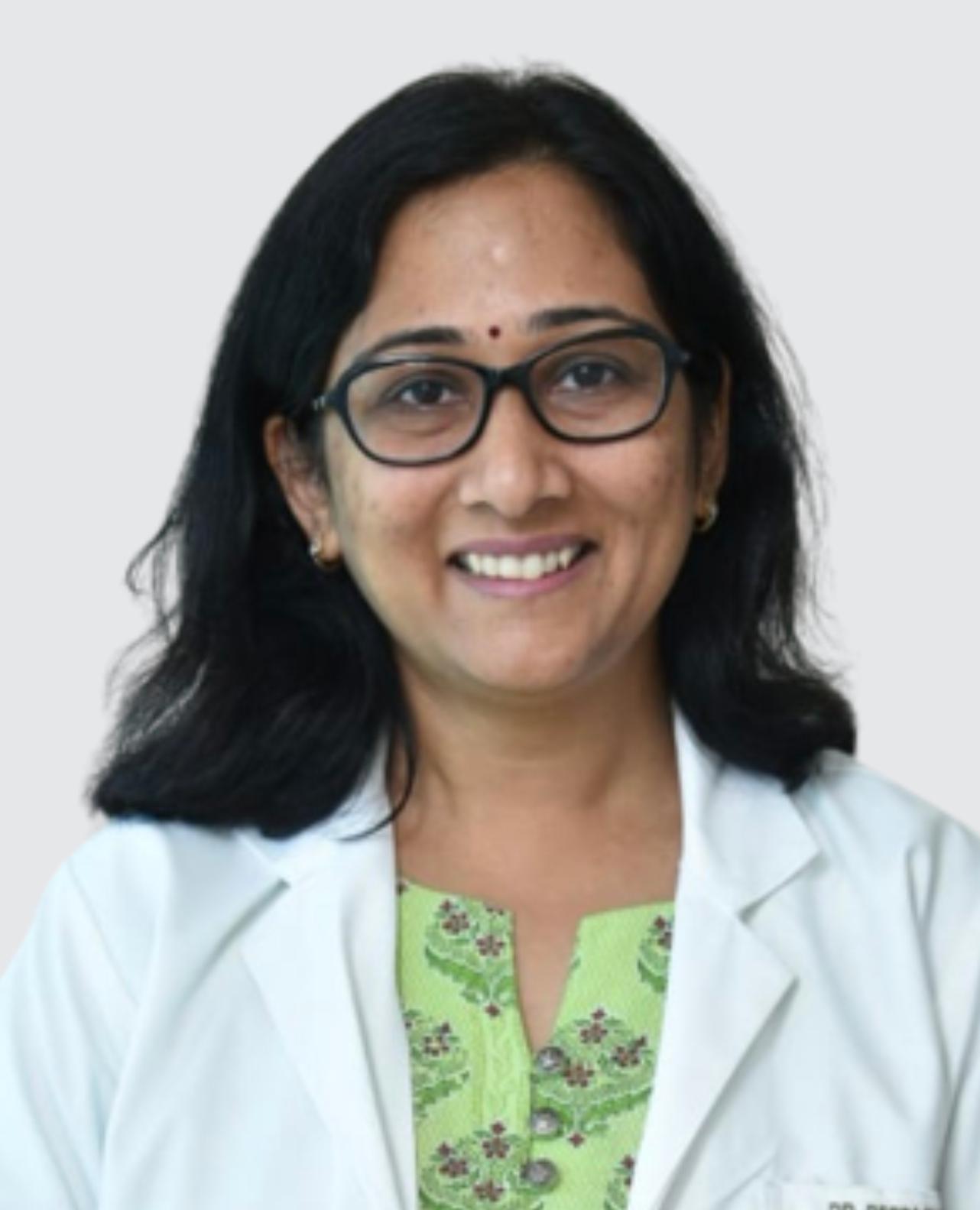
Unit Head
Maternity, Obstetrics & Gynaecology
New Delhi
20+ Years
Experience
Artemis Hospital
Hospital
1500
Fees
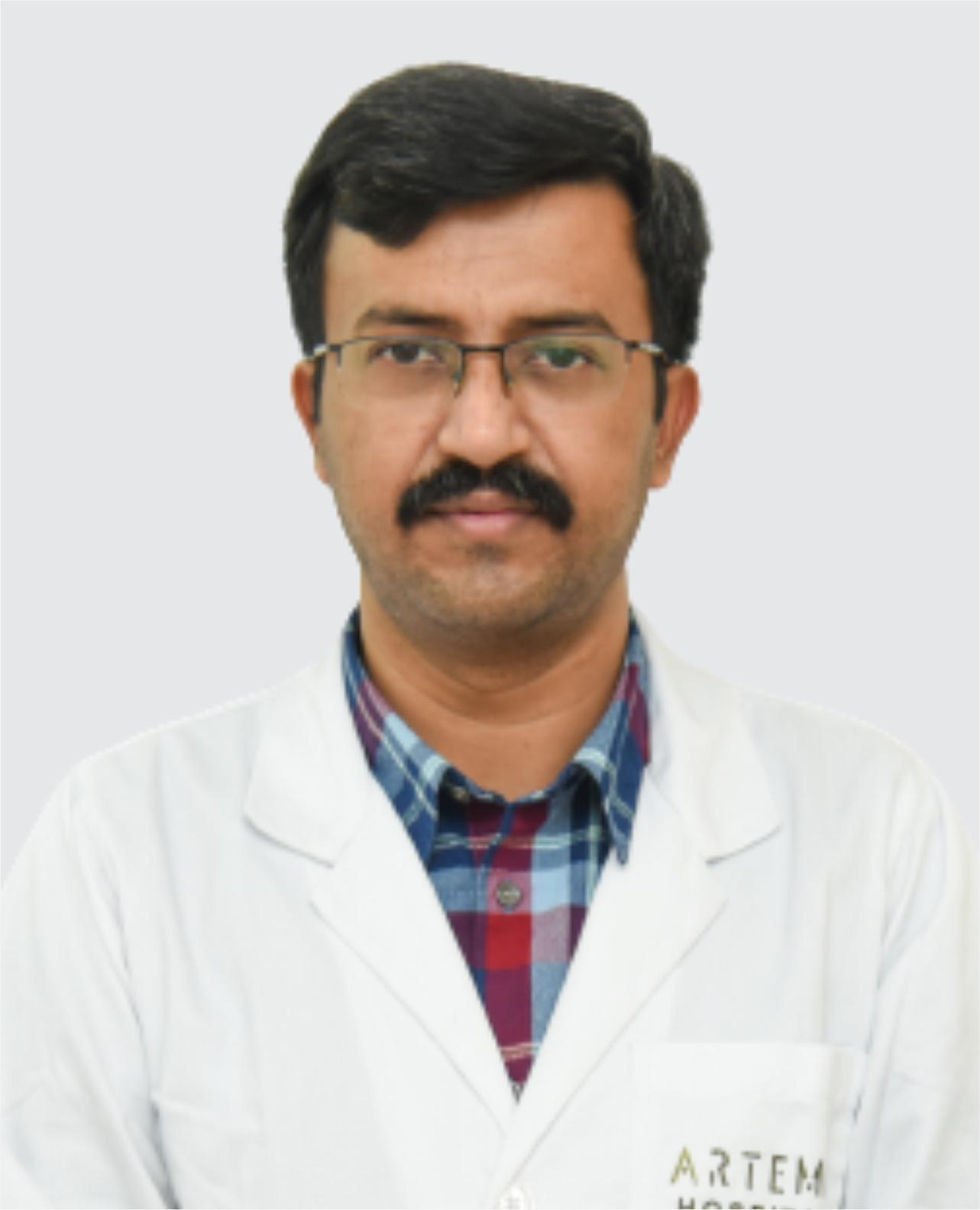
Sr. Consultant - Urology & Kidney Transplant Program (Unit I)
Organ Transplant, Urology
New Delhi
8+ Years
Experience
Artemis Hospital
Hospital
1500
Fees
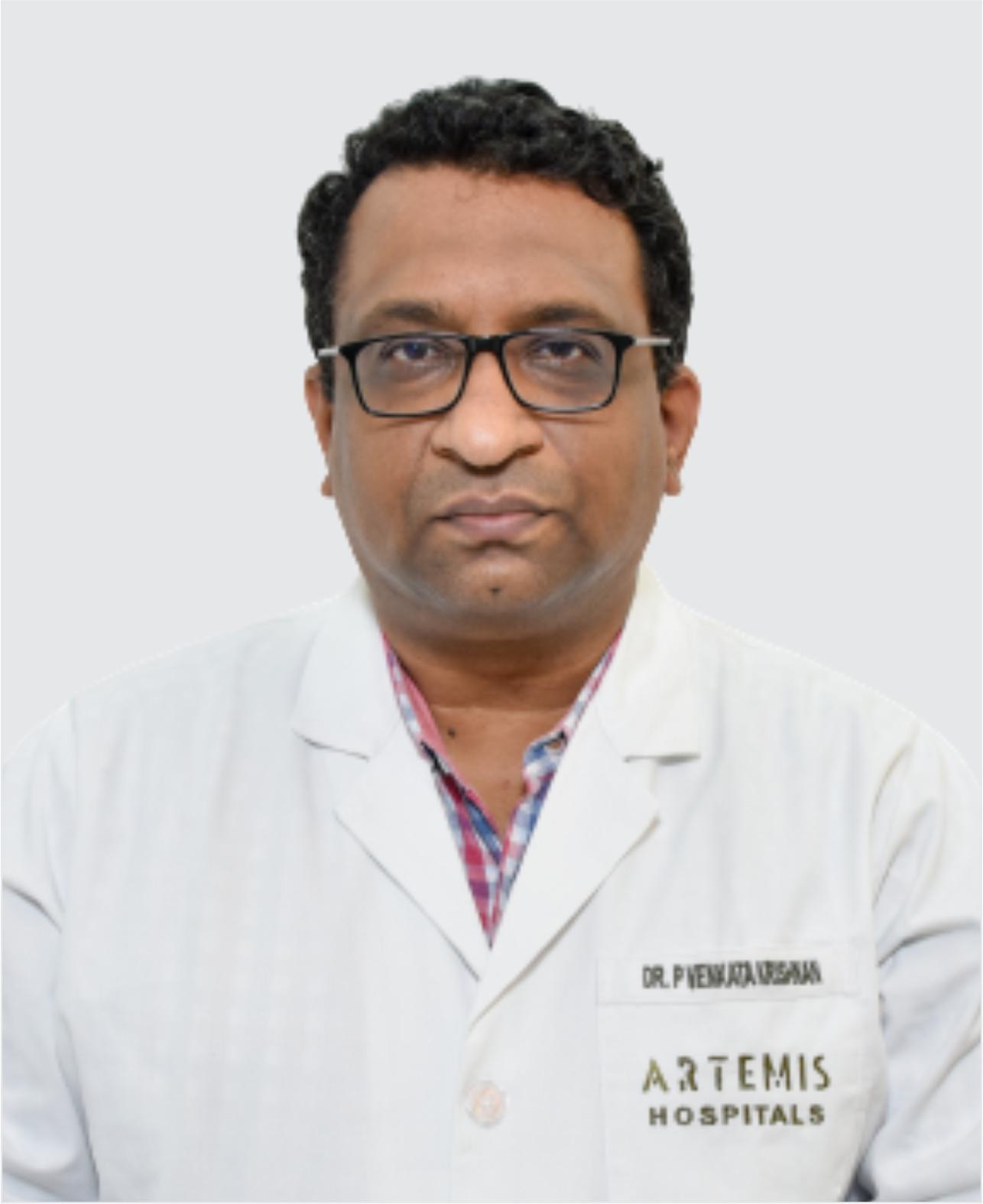
Sr. Consultant
Internal Medicine
New Delhi
12+ Years
Experience
Artemis Hospital
Hospital
1500
Fees
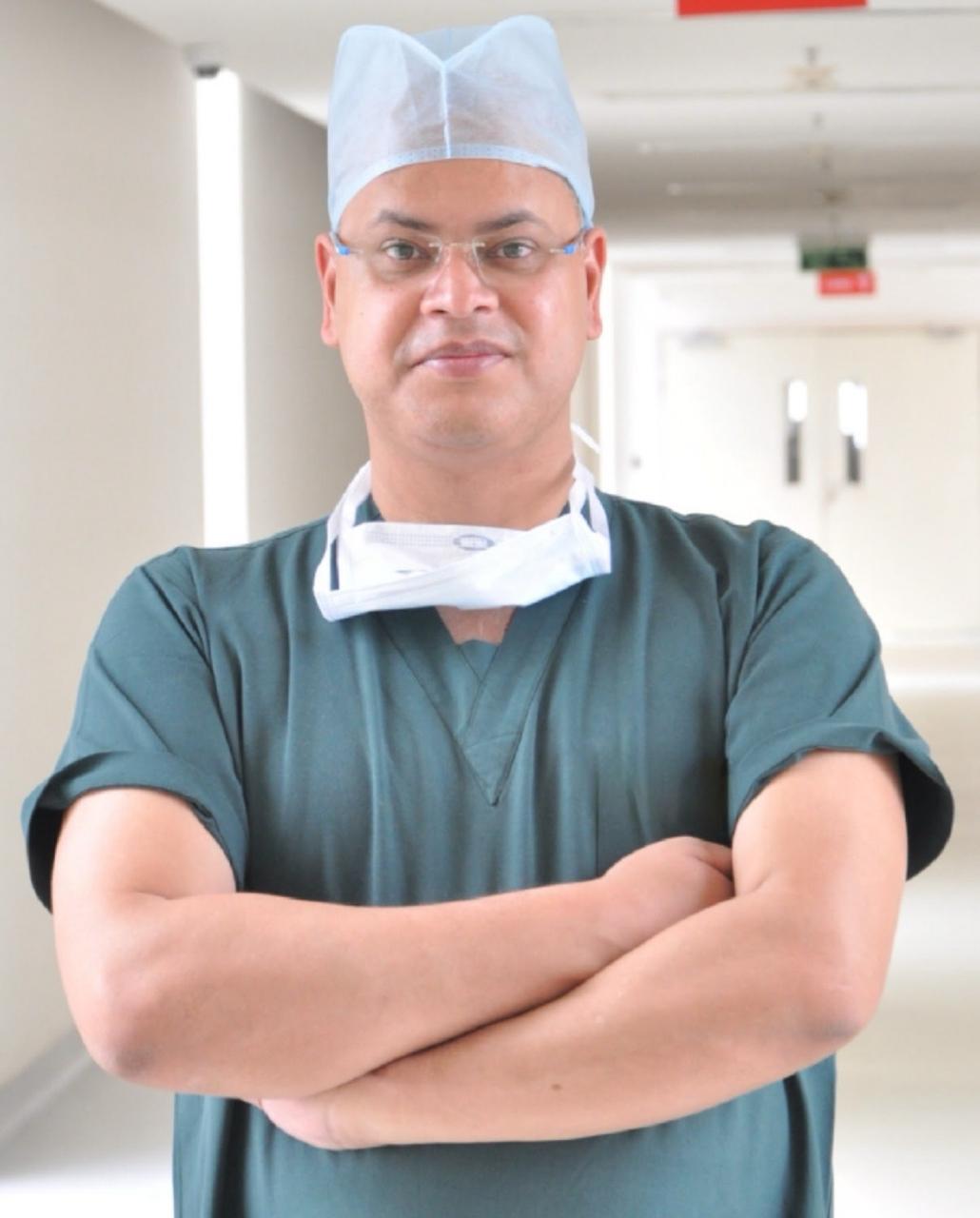
Chief and Unit Head - Orthopaedics (Unit III)
Orthopaedic Surgery, Orthopaedics, Robotic Surgery
New Delhi
20+ Years
Experience
Artemis Hospital
Hospital
1500
Fees

Principal Lead - Physiotherapy
Physiotherapy and Rehabilitation
New Delhi
13+ Years
Experience
Artemis Hospital
Hospital
1500
Fees
Chairperson
Radiology
New Delhi
28+ Years
Experience
Artemis Hospital
Hospital
1500
Fees
Get Personalized Medical Treatment Options From India's Top Hospitals. Our Medical Experts Are Ready To Assist You Every Step Of The Way.