
Organ Transplant Treatment in Gurugram for UAE
Need Personalized Advice?
Our medical experts are ready to answer your questions and guide you through your treatment options.
About
Organ Transplant in Gurugram for UAE Patients | Hospitals & Cost
For patients in the UAE facing the profound need for an organ transplant, the journey can feel overwhelming. Questions about finding the right specialists, navigating complex procedures, and managing significant costs often bring considerable uncertainty. Access to timely and advanced care for such a critical need is a major concern.
Many international patients, including those from the UAE, are now looking towards Gurugram for highly specialized medical care. This city provides a unique environment for complex treatments like organ transplants, combining advanced medical infrastructure with streamlined patient coordination services tailored for international visitors.
Gurugram’s hospitals are known for their dedicated transplant centers and experienced specialists who have successfully performed numerous life-saving procedures. The city’s medical ecosystem supports comprehensive care, from initial consultation to post-transplant follow-ups, ensuring continuity and peace of mind for patients and their families.
Is Gurugram the right choice for your organ transplant journey?
Looking for expert guidance on organ transplant options in Gurugram?
Connect with our patient support team to discuss your treatment plan.
What is an Organ Transplant?
An organ transplant is a medical procedure where a diseased or damaged organ is removed from the body and replaced with a healthy organ from a donor. This life-saving intervention is performed when an organ fails due to illness or injury and all other medical treatments have been exhausted. The goal is to restore the patient's health and improve their quality of life. Organs commonly transplanted include kidneys, liver, heart, lungs, and pancreas.
Types of Organ Transplants
Organ transplants can involve various organs, depending on the patient's medical needs:
- Kidney Transplant: Replaces a failing kidney, often for patients with end-stage renal disease.
- Liver Transplant: Replaces a diseased liver, typically for conditions like cirrhosis or liver cancer.
- Heart Transplant: Replaces a severely diseased heart, for patients with end-stage heart failure.
- Lung Transplant: Replaces diseased lungs, common for conditions like cystic fibrosis or severe emphysema.
- Pancreas Transplant: Replaces a failing pancreas, often done in conjunction with a kidney transplant for diabetes.
- Combined Organ Transplants: Procedures involving multiple organs, such as kidney-pancreas or heart-lung.
When is an Organ Transplant Needed?
- End-stage kidney disease where dialysis is no longer sufficient.
- Chronic liver failure caused by cirrhosis, hepatitis, or liver cancer.
- Severe, irreversible heart failure that does not respond to other treatments.
- End-stage lung diseases like chronic obstructive pulmonary disease (COPD) or pulmonary fibrosis.
- Type 1 diabetes with severe complications, often combined with kidney failure.
- Certain genetic disorders causing progressive organ damage.
- Traumatic injury leading to irreparable organ damage.
Pre-Transplant Evaluation Process
- Comprehensive blood tests, including blood type and tissue matching (HLA typing).
- Detailed imaging studies such as CT scans, MRI, and ultrasounds of the affected organ and surrounding areas.
- Organ-specific function tests, like cardiac stress tests or pulmonary function tests.
- Infectious disease screenings to rule out conditions that could complicate transplantation.
- Psychological evaluation to assess mental preparedness and support systems.
- Nutritional assessment and dietary counseling.
- Financial and social support evaluations to ensure long-term care adherence.
How an Organ Transplant is Performed
The organ transplant procedure is a complex surgical operation, and the exact steps vary significantly based on the organ being transplanted and the patient's specific condition.
Generally, the process involves several critical phases:
- Donor Organ Retrieval: If a deceased donor is involved, the organ is carefully removed and preserved. For living donor transplants, a portion of an organ (like the liver or kidney) is surgically removed from a healthy donor.
- Recipient Preparation: The patient is prepared for surgery, including anesthesia administration and surgical site sterilization.
- Excision of Diseased Organ: The surgeon carefully removes the recipient's failing organ. This step can be particularly challenging due to scar tissue or adhesions.
- Implantation of New Organ: The donor organ is meticulously placed into the recipient's body. The surgical team connects blood vessels and, if applicable, bile ducts or ureters, ensuring proper blood flow and function.
- Closure: Once the new organ is successfully implanted and functioning, the surgical incisions are closed.
Organ Transplant Recovery Journey
Recovery after an organ transplant is a multi-stage process requiring close medical supervision. Immediately after surgery, patients typically spend time in the Intensive Care Unit (ICU) for close monitoring. This is followed by a period in a specialized transplant ward. Long-term recovery involves taking immunosuppressant medications for life to prevent organ rejection, along with regular follow-up appointments, blood tests, and imaging. Physical therapy and dietary adjustments are often crucial to regaining strength and optimizing health. Adherence to all medical instructions is essential for the long-term success of the transplant.
Risks and Success Rates of Organ Transplants
- Organ rejection, where the body’s immune system attacks the new organ.
- Infection due to immunosuppressant medications weakening the immune system.
- Bleeding or blood clots at the surgical site.
- Primary non-function, meaning the transplanted organ does not work immediately.
- Side effects from immunosuppressant drugs, such as kidney damage, high blood pressure, or diabetes.
- Post-transplant complications like cardiovascular issues or new cancers.
The success rate of organ transplants varies by organ type, the patient's overall health, and the quality of post-operative care. While there are inherent risks, advancements in surgical techniques and immunosuppressive therapies have significantly improved outcomes. For instance, kidney and liver transplants generally have high success rates, with many patients enjoying extended, healthy lives. Long-term success relies heavily on strict adherence to medication regimens, regular follow-up care, and a healthy lifestyle. Patients can expect a significant improvement in their quality of life, though ongoing medical management is always necessary.
Cost of Organ Transplant in Gurugram
The cost of an organ transplant in Gurugram is influenced by several factors. These include the specific organ being transplanted, the chosen hospital's facilities and technology, the experience of the surgical team, the length of hospital stay, and any pre- or post-operative complications. Donor evaluation and recovery costs can also impact the final price.
In Gurugram, an organ transplant can range from approximately INR 1,200,000 to INR 6,000,000 or more, depending on the organ and specific patient needs.
Gurugram Organ Transplant Cost Comparison
Gurugram offers a highly competitive cost for organ transplant procedures compared to many Western countries, without compromising on quality or advanced medical care. This makes it an attractive destination for international patients.
| Organ Transplant Type | Gurugram (USD Estimated) | USA (USD Estimated) | UK (USD Estimated) | Singapore (USD Estimated) |
|---|---|---|---|---|
| Kidney Transplant | 15,000 - 22,000 | 200,000 - 500,000+ | 80,000 - 150,000 | 100,000 - 250,000 |
| Liver Transplant | 30,000 - 45,000 | 400,000 - 800,000+ | 150,000 - 300,000 | 200,000 - 400,000 |
| Heart Transplant | 50,000 - 75,000 | 800,000 - 1,500,000+ | 300,000 - 600,000 | 400,000 - 800,000 |
Considering an organ transplant in Gurugram?
Get a personalized cost estimate and connect with leading transplant specialists.
Comprehensive Support for Your Gurugram Transplant Journey
- Assistance with medical visa applications and extensions.
- Arrangement of suitable accommodation for patients and their accompanying family.
- Dedicated language interpretation services for effective communication.
- Coordination of local transportation for hospital visits and appointments.
- Scheduling of all medical appointments, tests, and consultations.
- Guidance on local culture, cuisine, and practicalities for a comfortable stay.
- Support for post-treatment follow-up planning and communication with local doctors.
Essential Documents for Your Transplant Visit
- Valid passport and medical visa for both patient and accompanying family.
- Comprehensive medical reports, diagnostic scans, and physician referrals from your home country.
- Any previous treatment records, medication lists, and allergy information.
- Proof of financial solvency to cover treatment and travel expenses.
- For living donor transplants, full donor evaluation reports and legal consent forms.
- Correspondence from Gurugram hospital confirming admission and treatment plan.
Preparing for Your Organ Transplant in Gurugram
- Complete all necessary pre-departure medical tests as advised by the Gurugram medical team.
- Finalize travel arrangements, including flights and accommodation, well in advance.
- Ensure all required documents are collected, organized, and readily accessible.
- Discuss any current medications with your Gurugram doctor for continuity or adjustment.
- Understand the dietary and lifestyle recommendations to follow before arrival.
- Arrange for a companion to travel with you for support during treatment and recovery.
Life After Your Organ Transplant: Recovery and Follow-up
- Strict adherence to lifelong immunosuppressant medication schedules.
- Regular and timely follow-up appointments with the transplant team in Gurugram or locally.
- Monitoring for any signs of organ rejection or infection.
- Adopting a healthy diet and lifestyle, including regular exercise.
- Avoiding crowded places and contact with sick individuals to minimize infection risk.
- Participating in rehabilitation programs as recommended by your doctors.
- Seeking psychological support to cope with the emotional aspects of transplantation.
Ready for a New Beginning?
Take the first step towards a healthier future with expert organ transplant care in Gurugram.
Hospitals Offering this treatment
India offers premium medical procedures at affordable prices. Discover our most popular treatments, delivered by the country's finest doctors.

Al Zahra Hospital, Dubai
Sheikh Zayed Road, Al Barsha 1, Dubai, UAE
Al Zahra Hospital, Dubai

Burjeel Medical City, Abu Dhabi
28th Street, Mohammed Bin Zayed City, Abu Dhabi, UAE
Burjeel Medical City, Abu Dhabi

Burjeel Hospital, Dubai
Dubai, UAE (part of Burjeel Holdings network)
Burjeel Hospital, Dubai
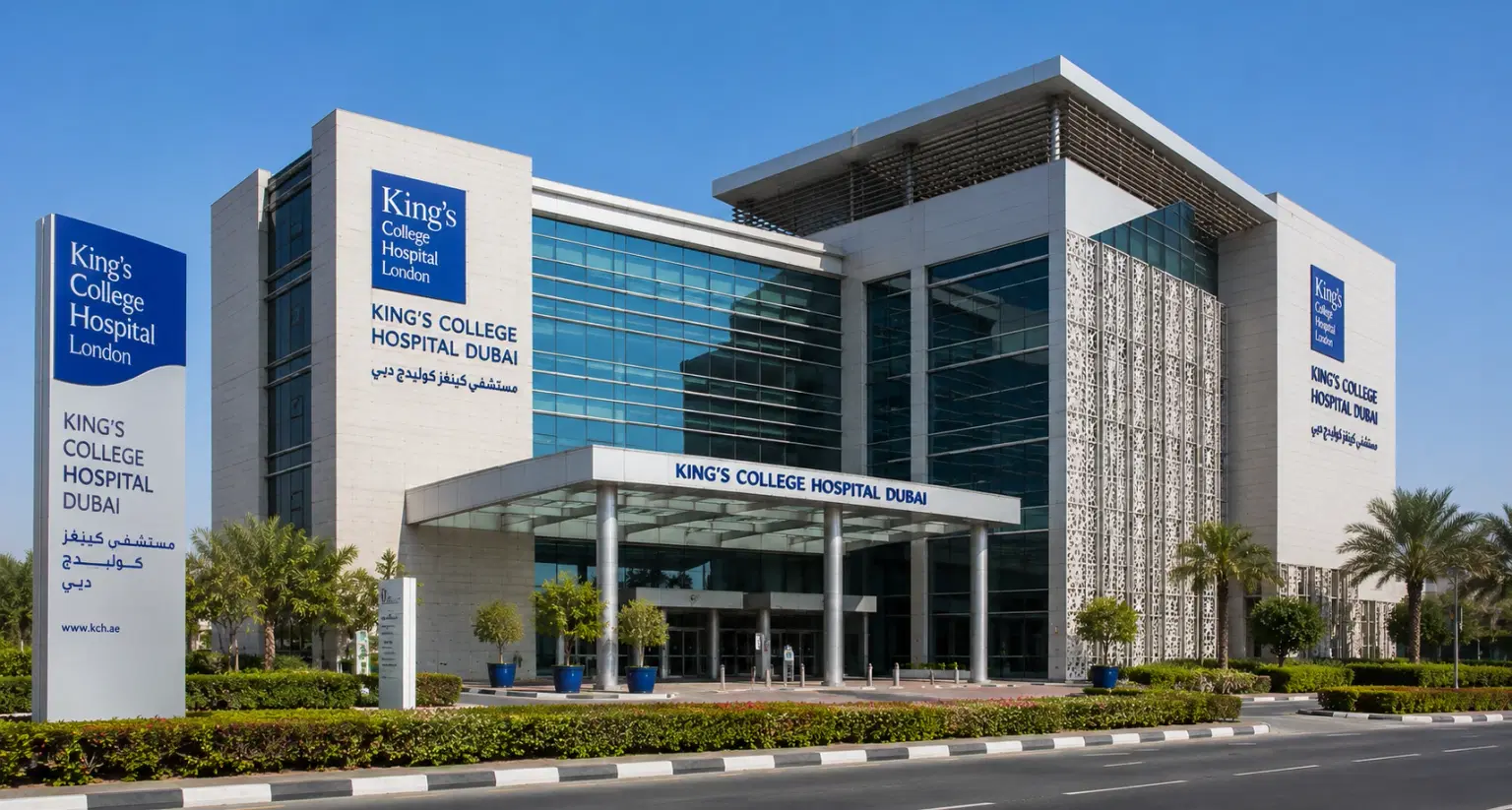
King's College Hospital, Dubai
Dubai Hills, Mohammed Bin Rashid City, Dubai, UAE
King's College Hospital, Dubai
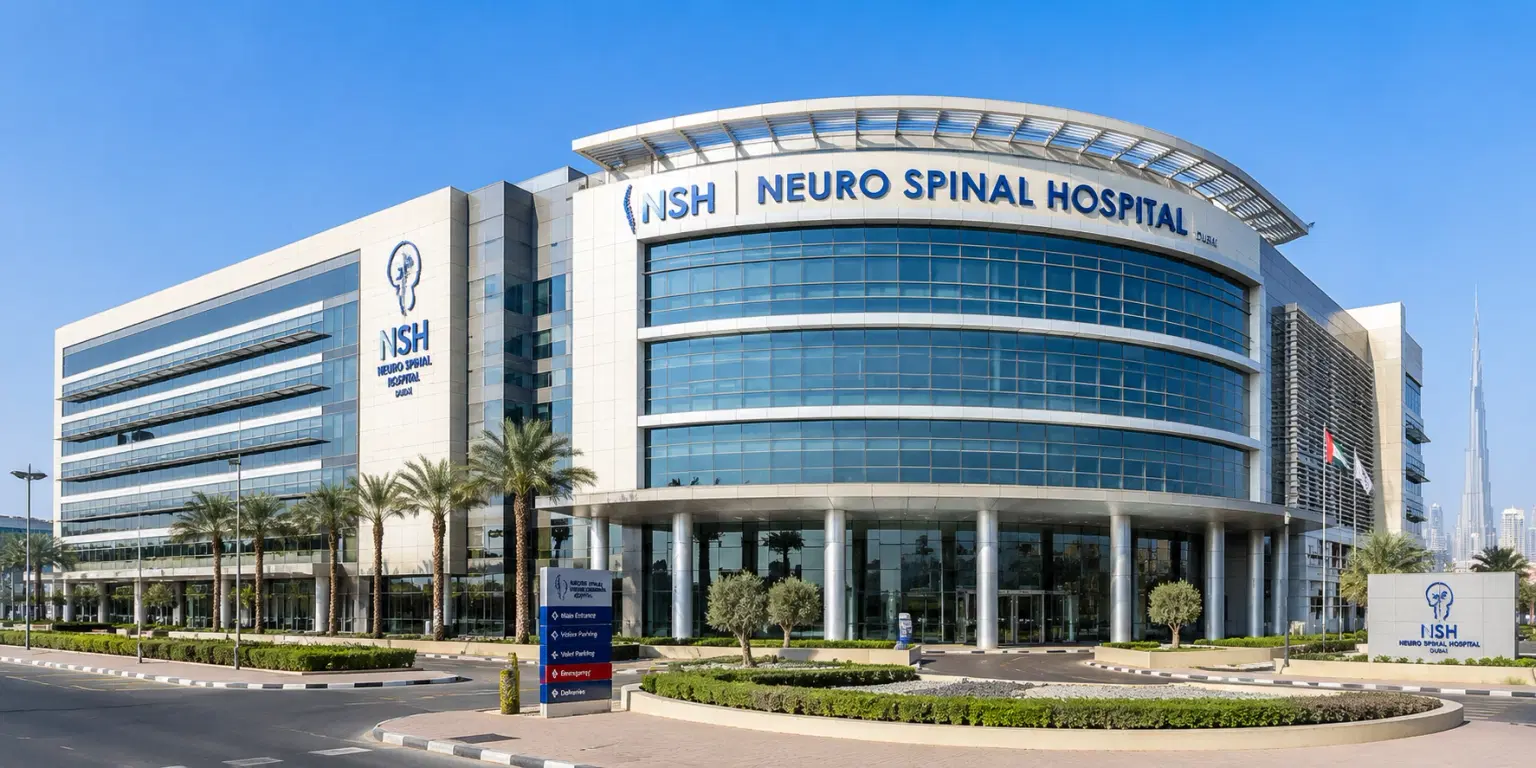
Neuro Spinal Hospital (NSH), Dubai
Dubai Science Park, Umm Suqeim St, Al Barsha South, Dubai, UAE
Neuro Spinal Hospital (NSH), Dubai

HMS Al Garhoud Hospital, Dubai
Al Garhoud Street, Al Garhoud, Dubai, UAE
HMS Al Garhoud Hospital, Dubai
Meet Our Doctors
Meet our team of highly qualified and experienced medical professionals dedicated to providing the best healthcare services.

Dr. (Col) B Kalra
Associate Chief - Cardiology (NIC)
Cardiology
New Delhi
18+ Years
Experience
Artemis Hospital
Hospital
1500
Fees
Dr. Dilpreet Bajwa
Sr. Consultant
ENT, ENT Surgery
New Delhi
10+ Years
Experience
Artemis Hospital
Hospital
1500
Fees

Dr. Ankit Goel
Consultant - Urology & Renal Transplant
Urology, Renal Transplant, Robotic Surgery
New Delhi
15+ Years
Experience
Artemis Hospital
Hospital
1500
Fees
Dr. Dheeraj Batheja
Senior Consultant - Ortho Spine Surgery
Orthopaedic Surgery, Spine Surgery
New Delhi
12+ Years
Experience
Artemis Hospital
Hospital
1500
Fees
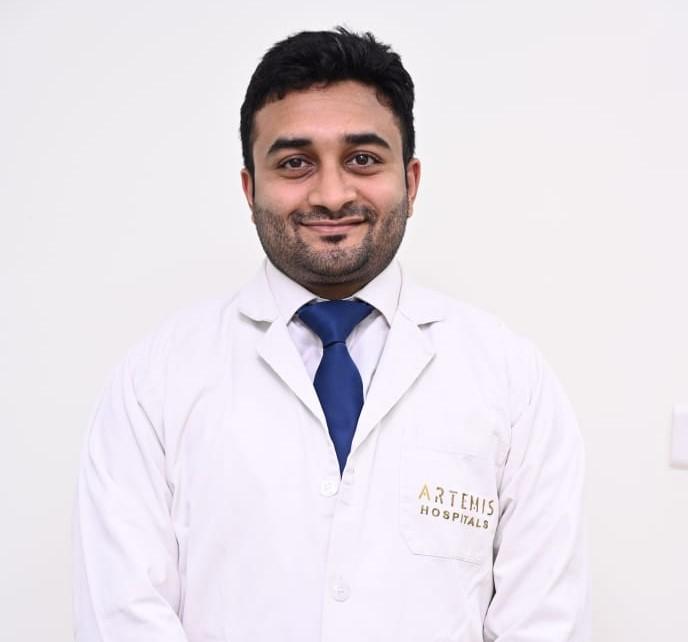
Dr. Gaurav Singhal
Associate Consultant – Department of Nephrology
Nephrology, Kidney Transplant
New Delhi
8+ Years
Experience
Artemis Hospital
Hospital
1500
Fees

Dr. Lalit Kumar
Chairperson - Oncology & BMT
BMT, Oncology
New Delhi
15+ Years
Experience
Artemis Hospital
Hospital
1500
Fees

Dr. Noor Sharma
Associate Consultant
Dermatology & Cosmetology
New Delhi
7+ Years
Experience
Artemis Hospital
Hospital
1500
Fees
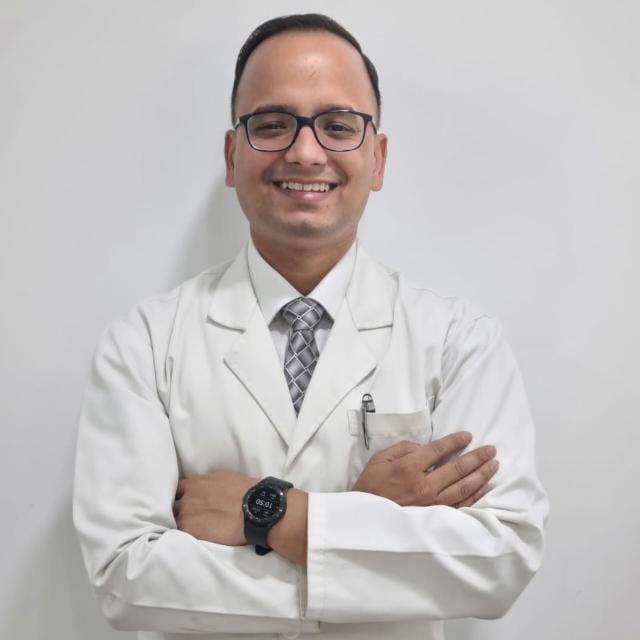
Dr. Piyush Gupta
Senior Consultant Urology and Andrology/ Renal Transplant Surgeon/ Robotic Surgery Specialist
Urology
New Delhi
14+ Years
Experience
Artemis Hospital
Hospital
1500
Fees
Dr. Raman Deep Kaur
Consultant
Neuroanaesthesia and Neuro Critical Care
New Delhi
10+ Years
Experience
Artemis Hospital
Hospital
1500
Fees

Dr Shweta Bansal
Unit Head & Sr. Consultant - Respiratory Disease & Sleep Medicine (Unit II)
Pulmonology (Chest & Lungs)
New Delhi
13+ Years
Experience
Artemis Hospital
Hospital
1500
Fees
Related Links
Recent Blogs
Other Treatment related Information
Ready To Start Your Healing Journey?
Get Personalized Medical Treatment Options From India's Top Hospitals. Our Medical Experts Are Ready To Assist You Every Step Of The Way.