Radiology Treatment in Pune for Bangladesh
Need Personalized Advice?
Our medical experts are ready to answer your questions and guide you through your treatment options.
About
Seeking Radiology Care in Pune for Patients from Bangladesh
Patients from Bangladesh considering advanced medical imaging often face concerns about accessibility and quality. The need for precise diagnostics like radiology can be pressing, and finding reliable options outside one's home country brings uncertainty about standards of care and seamless coordination.
This leads many to explore medical hubs like Pune, a city known for its concentrated medical infrastructure. Pune offers a focused care environment, allowing for easier coordination of appointments and follow-ups within a single, navigable location for diagnostic services.
Trust in Pune's medical capabilities stems from its array of well-established hospitals and experienced radiologists. The city provides a robust support system, ensuring that patients can access timely diagnostic reports and necessary follow-up consultations with confidence.
Pune stands as a dependable choice for international patients seeking quality radiology services.
What is Radiology?
Radiology is a medical specialty utilizing various imaging technologies to diagnose and treat diseases visible within the body. It employs techniques like X-rays, CT scans, MRI, ultrasound, and nuclear medicine to create detailed images of internal structures. These images are crucial for detecting fractures, identifying tumors, assessing organ health, and guiding treatment procedures, providing critical insights without invasive surgery. It forms a fundamental basis for accurate diagnosis across almost all medical fields.
Common Radiology Procedures
X-rays (Radiography): Uses radiation to create images of bones and certain soft tissues, commonly for fractures or chest conditions.
Computed Tomography (CT Scan): Combines multiple X-ray images to produce detailed cross-sectional views, excellent for bones, soft tissues, and blood vessels.
Magnetic Resonance Imaging (MRI): Utilizes powerful magnets and radio waves for highly detailed images of organs and soft tissues, preferred for brain, spine, and joint issues.
Ultrasound: Employs high-frequency sound waves for real-time images, safe for pregnancy, and effective for abdominal organs and soft tissues without radiation.
Nuclear Medicine: Involves radioactive substances to visualize organ function and structure, used for bone scans, heart studies, and detecting cancer spread.
Interventional Radiology: Uses imaging guidance (X-ray, CT, ultrasound) to perform minimally invasive procedures like biopsies or drainages.
When is Radiology Imaging Required?
- Unexplained pain or swelling.
- Evaluation of bone fractures or joint injuries.
- Detection and staging of tumors.
- Assessment of heart and lung conditions.
- Diagnosis of neurological disorders.
- Monitoring chronic diseases or treatment progress.
- Pre-surgical planning and post-surgical evaluation.
- Guidance for biopsies and other procedures.
- Screening for specific conditions like breast cancer.
What Pre-Imaging Evaluation is Needed?
- Medical history and physical examination.
- Blood tests, including kidney function.
- Allergy assessment, especially for contrast agents.
- Review of prior imaging studies.
- Pregnancy test for female patients.
- Discussion of implanted medical devices.
- NPO instructions for certain scans.
How are Radiology Procedures Performed?
The exact method for a radiology procedure depends entirely on the type of imaging required and the specific area of the body being examined.
During the Scan
Patients are positioned on a table, and the imaging device captures necessary images. X-rays involve brief exposure. CT scans require moving through a scanner ring. MRI scans necessitate lying still inside a large machine. Ultrasounds are performed by moving a transducer over the skin. Contrast agents may be given to enhance clarity for specific studies.
Post-Scan
After images are acquired, a radiologist reviews them to generate a diagnostic report. Patients are usually free to leave shortly after, unless a contrast agent requires a brief observation period. Any specific post-procedure instructions, such as hydration, will be provided by medical staff.
What to Expect During Recovery After Radiology?
For most diagnostic radiology procedures, there is no significant recovery period; patients can typically resume normal activities immediately. If a contrast agent was used, it is advisable to drink plenty of fluids to help flush it from the body. For interventional radiology, recovery varies. Patients might experience mild discomfort at the intervention site, with specific instructions provided for activity, wound care, and pain management. Follow-up appointments are usually scheduled to discuss results with the referring physician.
Potential Risks and Expected Outcomes
- Radiation Exposure: Minimal for diagnostic scans, but cumulative exposure considered.
- Allergic Reactions: Rare reactions to contrast agents, typically mild.
- Kidney Issues: Contrast agents can impact kidney function in some patients.
- Claustrophobia: Can occur during MRI scans due to enclosed space.
- Complications: Bleeding or infection from interventional procedures, though rare.
The success of radiology procedures is measured by their ability to provide clear, accurate images vital for diagnosis and treatment planning. Modern radiology boasts high success rates in image acquisition, with diagnostic accuracy depending on the condition and the radiologist's expertise. Outcomes vary based on image clarity, the medical question, and patient health. Precise detection through radiology often leads to more effective treatment and better long-term expectations.
Cost of Radiology Procedures in Pune
The cost of radiology procedures in Pune can vary based on several factors, including the type of scan, the specific technology used, the hospital's reputation, and the radiologist's expertise. More complex imaging like advanced MRI or PET scans will naturally cost more than a standard X-ray or ultrasound.
In Pune, the cost for a typical radiology procedure can range from approximately INR 1,500 for basic scans to INR 25,000 or more for advanced diagnostics, depending on the complexity.
Cost Comparison: Pune vs. Other Global Destinations
Pune offers a competitive pricing structure for high-quality radiology services, making it an attractive option for international patients seeking value without compromising on advanced diagnostic capabilities.
| Destination | Average Cost (USD) for a Diagnostic MRI |
|---|---|
| Pune, India | $150 - $400 |
| United Kingdom | $500 - $1500 |
| United States | $1000 - $4000 |
| Singapore | $400 - $1200 |
| Thailand | $250 - $700 |
Dedicated Support for Your Radiology Journey in Pune
- Visa and travel assistance for medical appointments.
- Airport pick-up and drop-off arrangements.
- Accommodation booking near Pune's diagnostic centers.
- Language interpretation services during consultations.
- Appointment scheduling with top radiologists.
- Post-procedure follow-up coordination.
Essential Documents for Your Radiology Visit to Pune
- Valid passport and medical visa for India.
- Copies of all previous medical reports.
- Referral letter from your local physician.
- Proof of accommodation and return tickets.
- Financial documents or insurance details.
Preparing for Your Radiology Appointment in Pune
- Follow any fasting instructions provided.
- Inform staff about allergies or conditions.
- Remove all metal objects before scans.
- Arrive with ample time before your appointment.
- Arrange for a companion if assistance is needed.
Aftercare and Follow-Up Guidance Post-Radiology
- Understand when and how to collect reports.
- Schedule follow-up with your referring doctor.
- Hydrate well, especially after contrast.
- Report any unusual symptoms or discomfort.
- Keep all original reports for future reference.
Ready for Expert Diagnostic Care in Pune?
Pune offers a seamless and high-quality experience for international patients seeking advanced radiology services. We are here to support your journey towards a clear diagnosis.
Hospitals Offering this treatment
India offers premium medical procedures at affordable prices. Discover our most popular treatments, delivered by the country's finest doctors.
Meet Our Doctors
Meet our team of highly qualified and experienced medical professionals dedicated to providing the best healthcare services.

Aditi Dixit
Sr. Consultant – Women Imaging
Radiology (Specializing in Women's Imaging)
Haryana
15+ Years
Experience
Artemis Hospital
Hospital
1500
Fees
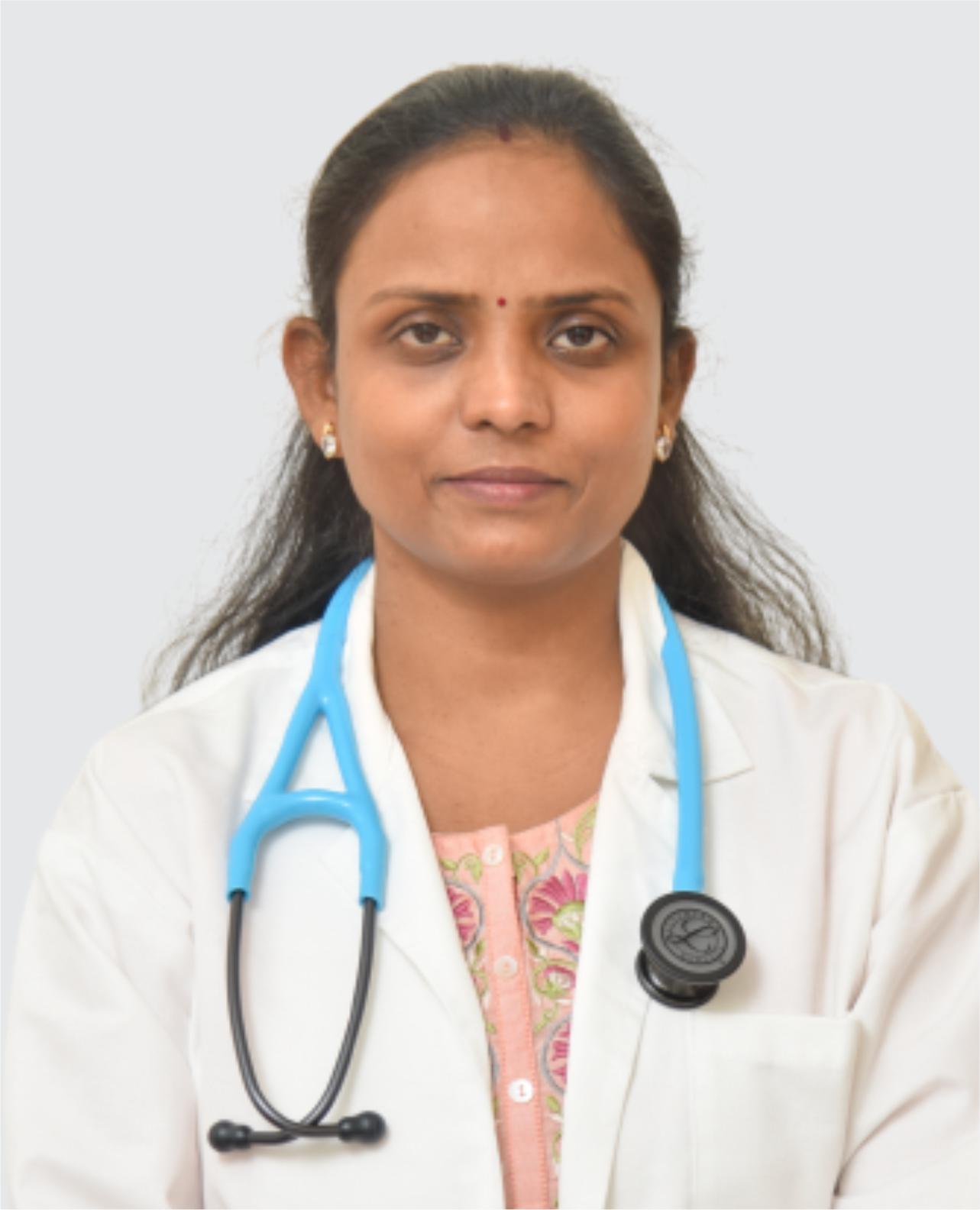
Dr. Anju Singh
Consultant - Pediatric Rheumatology
Pediatric Rheumatology
New Delhi
13+ Years
Experience
Artemis Hospital
Hospital
1500
Fees
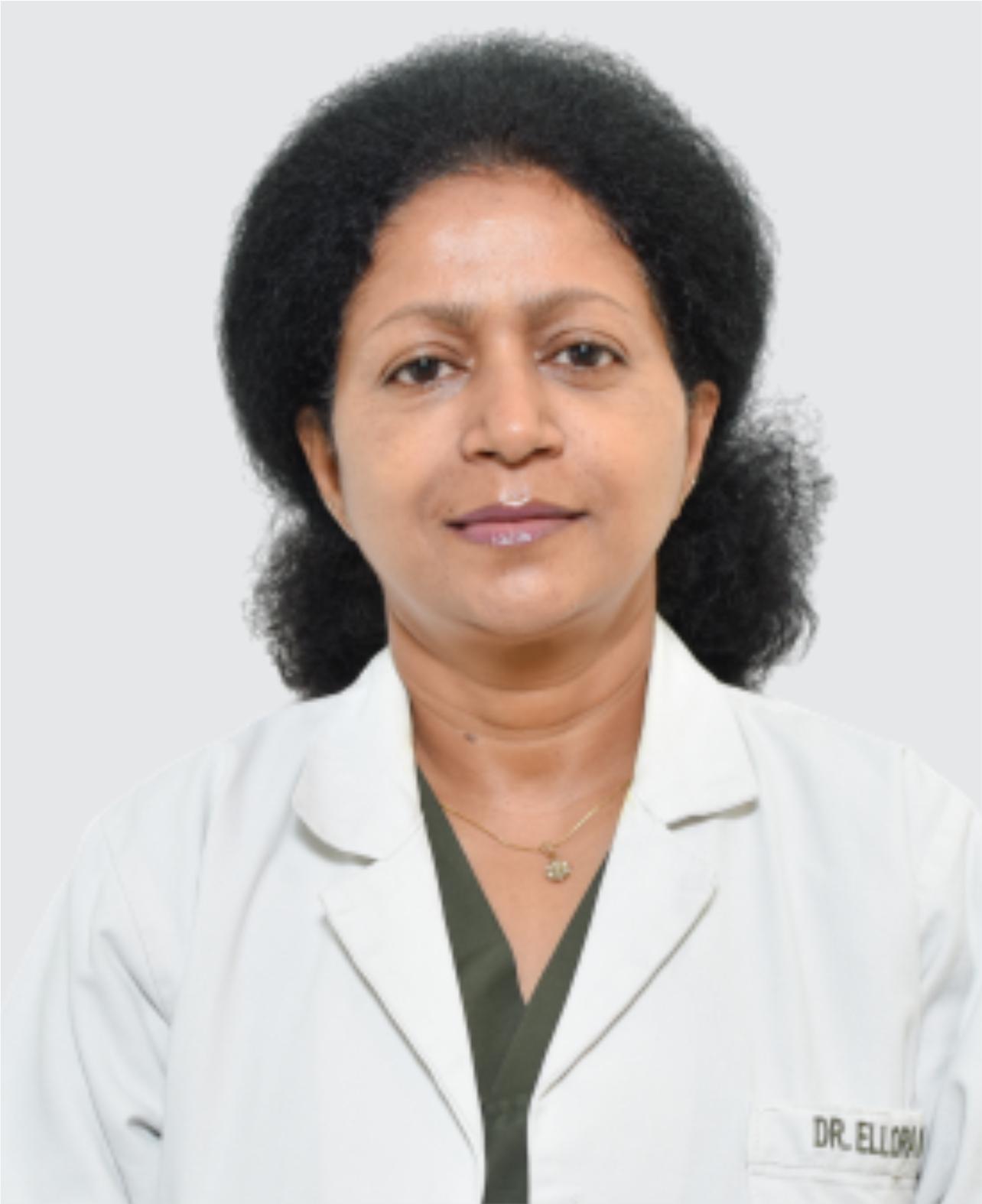
Dr. Ellora Nanda
Admin Head - Emergency
Emergency & Trauma Services
New Delhi
25+ Years
Experience
Artemis Hospital
Hospital
1500
Fees

Gurpreet Makkar
Head Imaging & Chief DNB Program
Radiology
New Delhi
19+ Years
Experience
Artemis Hospital
Hospital
1500
Fees
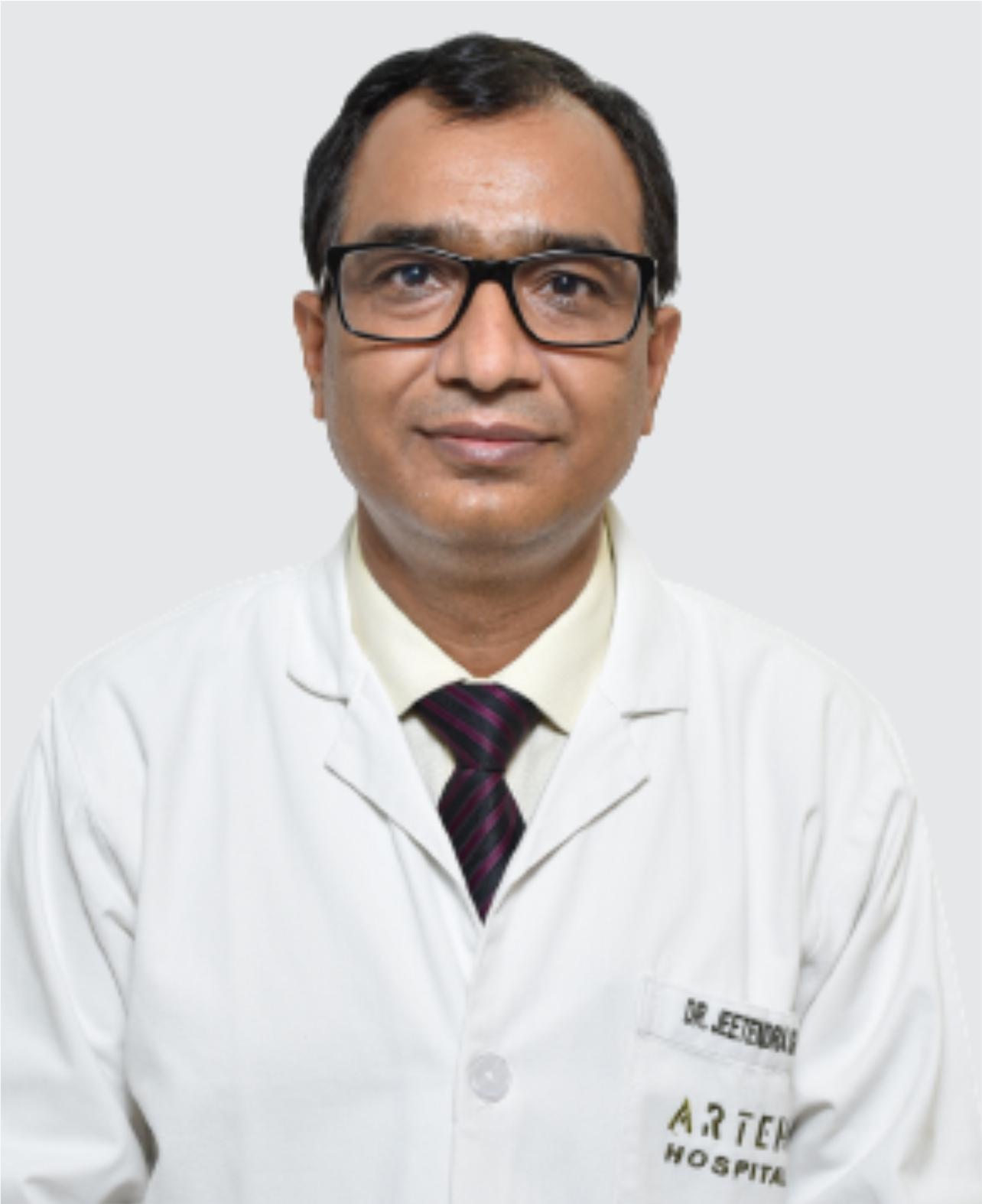
Jeetendra Sharma
Chief - Critical Care (Unit II) & Chief- Medical Quality
Critical Care & ICU
New Delhi
15+ Years
Experience
Artemis Hospital
Hospital
1500
Fees

Dr. Kamal Verma
Sr. Consultant - Radiation Oncology
Radiation Oncology
New Delhi
15+ Years
Experience
Artemis Hospital
Hospital
1500
Fees

Dr Nidhi Rawal
Chief - Paediatric Cardiology
Paediatric Cardiology
New Delhi
18+ Years
Experience
Artemis Hospital
Hospital
1500
Fees

Dr. Noaline Sinha
Chairperson - Nuclear Medicine & Radio-Theranostics
Nuclear Medicine
New Delhi
15+ Years
Experience
Artemis Hospital
Hospital
1500
Fees

Dr. Priya Tiwari
Sr. Consultant
Radiology
New Delhi
12+ Years
Experience
Artemis Hospital
Hospital
1500
Fees
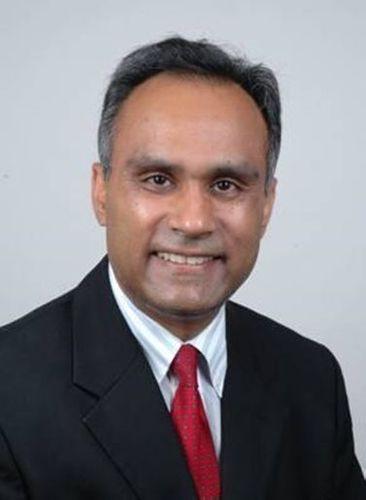
Dr. Vivek Raj
Associate Director
Pulmonology
New Delhi
20+ Years
Experience
Apolo Delhi
Hospital
1500
Fees
Related Links
Recent Blogs
Other Treatment related Information
- Radiology cost in Bengaluru
- Radiology cost in New Delhi
- Radiology cost in Hyderabad
- Radiology cost in India
- Radiology cost in Pune
- Radiology cost in Haryana
- Radiology cost in Mumbai
- Radiology cost in Chennai
- Radiology Success Rate in Haryana
- Radiology Success Rate in Pune
- Radiology Success Rate in New Delhi
- Radiology Success Rate in India
- Radiology Success Rate in Bengaluru
- Radiology Success Rate in Mumbai
- Radiology Success Rate in Hyderabad
- Radiology Success Rate in Chennai
- Best Radiology Doctors in Hyderabad
- Best Radiology Doctors in Gurugram
Ready To Start Your Healing Journey?
Get Personalized Medical Treatment Options From India's Top Hospitals. Our Medical Experts Are Ready To Assist You Every Step Of The Way.