Radiology Treatment in Pune for UAE
Need Personalized Advice?
Our medical experts are ready to answer your questions and guide you through your treatment options.
About
Radiology Services in Pune for UAE Patients | Costs & Care
Patients from the UAE seeking advanced diagnostic imaging often face concerns about access to timely, high-quality, and cost-effective radiology services. The thought of navigating an unfamiliar healthcare system for crucial scans like MRIs or CTs can be daunting, leading to uncertainty about quality and patient comfort.
This is why many individuals from the UAE consider Pune as a leading medical destination. Pune offers a well-established medical infrastructure with modern diagnostic centers, known for their efficient care environment and seamless coordination, which is vital for complex medical imaging procedures.
Trust in Pune’s healthcare system stems from its reputable hospitals and a cadre of highly skilled radiologists and technologists. These facilities are equipped to ensure precise diagnoses, offering peace of mind with the promise of easy follow-ups and comprehensive care within the city.
Could Pune be the ideal choice for your radiology needs?
What is Radiology?
Radiology is a medical specialty that uses imaging techniques to diagnose and sometimes treat diseases. It involves a range of procedures that create detailed pictures of the inside of the body. These images help doctors detect abnormalities, assess the extent of injuries, monitor disease progression, and guide medical treatments without invasive surgery. It is crucial for accurate health assessments across almost all medical disciplines.
Types of Radiology Procedures
Radiology encompasses various methods, each serving different diagnostic purposes:
- X-ray: Quick imaging for bones and certain soft tissues, often used for fractures or chest conditions.
- Computed Tomography (CT) Scan: Detailed cross-sectional images using X-rays, excellent for organs, soft tissues, bone, and blood vessels.
- Magnetic Resonance Imaging (MRI): Uses powerful magnets and radio waves to create highly detailed images of organs and soft tissues without radiation.
- Ultrasound: Uses sound waves to produce real-time images, commonly for abdominal organs, obstetrics, and vascular studies.
- Nuclear Medicine: Involves small amounts of radioactive material to examine organ function and structure at a molecular level.
- Interventional Radiology: Minimally invasive, image-guided procedures used to diagnose and treat conditions in nearly every organ system.
When is Diagnostic Imaging Required?
- Unexplained pain in joints, muscles, or internal organs.
- Suspected fractures, dislocations, or bone abnormalities.
- Evaluation of symptoms related to heart, lung, or digestive issues.
- Screening for certain cancers or monitoring known conditions.
- Assessment of neurological problems like headaches or dizziness.
- Guidance for biopsies or minimally invasive procedures.
- Monitoring the progress of treatment for various diseases.
- Investigating internal injuries after trauma or accidents.
Pre-Imaging Evaluation Steps
- Review of patient’s medical history and current symptoms.
- Physical examination to identify areas of concern.
- Blood tests to check kidney function, especially if contrast agents are used.
- Allergy assessment to contrast materials or medications.
- Pregnancy screening for women of childbearing age due to radiation exposure risks.
- Detailed explanation of the imaging procedure and patient preparation.
- Removal of metallic objects for MRI scans to ensure safety and image quality.
How Radiology Procedures are Performed
The specific way a radiology procedure is performed depends on the type of imaging required and the patient's condition. Each method has distinct steps for capturing clear diagnostic images.
For X-rays and CT Scans:
The patient lies on a table, and the imaging device captures images from various angles. For CT scans, the table moves through a donut-shaped scanner. A contrast agent might be administered orally or intravenously to enhance certain structures.
For MRI Scans:
The patient lies still inside a large tube-shaped scanner. Powerful magnets and radio waves generate detailed images. Patients often hear loud knocking sounds, and earplugs are provided. Some MRIs may also require contrast administration.
For Ultrasounds:
A sonographer applies a gel to the skin over the area to be examined and uses a handheld transducer to send sound waves into the body. The waves bounce back, creating real-time images on a monitor.
For Nuclear Medicine Scans:
A small amount of radioactive tracer is injected, swallowed, or inhaled. The patient waits for the tracer to accumulate in the target organ, then a special camera detects the emitted radiation to create images showing organ function.
Post-Procedure Expectations
Recovery after most diagnostic radiology procedures is immediate, as they are typically non-invasive. Patients can usually resume normal activities right away. If a contrast agent was used, drinking plenty of fluids is often recommended to help flush it from the body. For interventional radiology, there might be a short observation period, and specific aftercare instructions related to the procedure site will be provided, including pain management and activity restrictions. Follow-up appointments might be scheduled to discuss results or further treatment.
Potential Risks and Success Rates
- Radiation Exposure: Minimal for X-rays and CT scans, but cumulative exposure should be considered.
- Allergic Reactions: Rare reactions to contrast agents used in CT, MRI, or nuclear medicine scans.
- Sedation Risks: If sedation is used for claustrophobia or lengthy procedures, standard risks apply.
- Kidney Issues: Contrast agents can impact kidney function in individuals with pre-existing conditions.
- Implant Interference: MRI scans are contraindicated for certain metallic implants or pacemakers.
The success rate of diagnostic radiology in providing accurate information is very high, often exceeding 90-95% when performed correctly with appropriate indications. Outcomes vary based on the specific condition being diagnosed, the clarity of the images, and the expertise of the interpreting radiologist. Long-term expectations depend on the underlying diagnosis and subsequent treatment, as radiology primarily serves as a diagnostic tool.
Cost of Radiology in Pune
The cost of radiology procedures in Pune is generally more affordable than in many Western countries, yet without compromising on quality or technology. The overall cost is influenced by factors such as the type of scan (X-ray, CT, MRI, Ultrasound), whether a contrast agent is needed, the specific hospital or diagnostic center chosen, and the complexity of the imaging required.
For a range of advanced radiology services, patients can expect costs to typically fall between INR 5,000 to INR 25,000, depending on the modality.
Comparing Radiology Costs: Pune vs. Global Averages
Pune offers significant cost savings for high-quality radiology services compared to many developed nations. Here is an approximate comparison for common procedures:
| Radiology Procedure | Approx. Cost in Pune (INR) | Approx. Cost in USA (USD) | Approx. Cost in UK (GBP) |
|---|---|---|---|
| MRI Brain (without contrast) | 7,000 - 10,000 | 1,500 - 3,000 | 500 - 900 |
| CT Abdomen (with contrast) | 6,000 - 9,000 | 1,000 - 2,500 | 400 - 800 |
| Ultrasound Abdomen | 1,500 - 3,000 | 300 - 600 | 150 - 300 |
| Chest X-ray (PA & Lateral) | 500 - 1,000 | 100 - 300 | 50 - 150 |
Considering Radiology in Pune? Let us help you compare top hospitals and get transparent cost estimates.
Request a personalized quote today and begin your journey to clearer diagnosis.
Assistance Available for International Patients
- Dedicated international patient support desk for queries and coordination.
- Assistance with visa application letters and travel arrangements.
- Booking appointments with leading radiologists and diagnostic centers.
- Language interpretation services to ensure clear communication.
- Arrangements for airport transfers and local accommodation.
- Guidance on local transportation and dietary needs.
- Follow-up support and remote consultations post-return to the UAE.
Important Medical Documents for Your Visit
- Current passport and valid Indian medical visa.
- Copies of all previous medical records, including reports and images.
- Referral letter from your local doctor, if applicable.
- List of current medications and known allergies.
- Insurance documents, if using international medical insurance.
- Contact details for your emergency contacts.
Steps to Get Ready for Your Imaging Procedure
- Follow specific dietary instructions (e.g., fasting for certain scans).
- Inform the medical team about any metal implants, pacemakers, or tattoos for MRI.
- Discuss any known allergies, especially to contrast dyes.
- Wear comfortable, loose-fitting clothing, free of metal fasteners.
- Arrange for a companion if sedation is to be administered.
- Hydrate adequately if contrast agents will be used.
Aftercare and Follow-Up for Your Diagnostic Scan
- Review scan results with the radiologist or referring physician.
- Discuss any further diagnostic tests or treatment plans recommended.
- Stay well-hydrated, especially if intravenous contrast was used.
- Monitor for any delayed allergic reactions to contrast agents.
- Adhere to any specific instructions given for interventional radiology procedures.
- Plan for remote follow-up consultations if returning to the UAE.
Take Your Next Step Toward a Clear Diagnosis
Pune offers a blend of advanced radiology services and compassionate care at an accessible cost. Let us connect you with trusted facilities for your diagnostic needs.
Have questions or ready to explore your options for Radiology in Pune?
Reach out to our patient care team for expert guidance and support.
Hospitals Offering this treatment
India offers premium medical procedures at affordable prices. Discover our most popular treatments, delivered by the country's finest doctors.
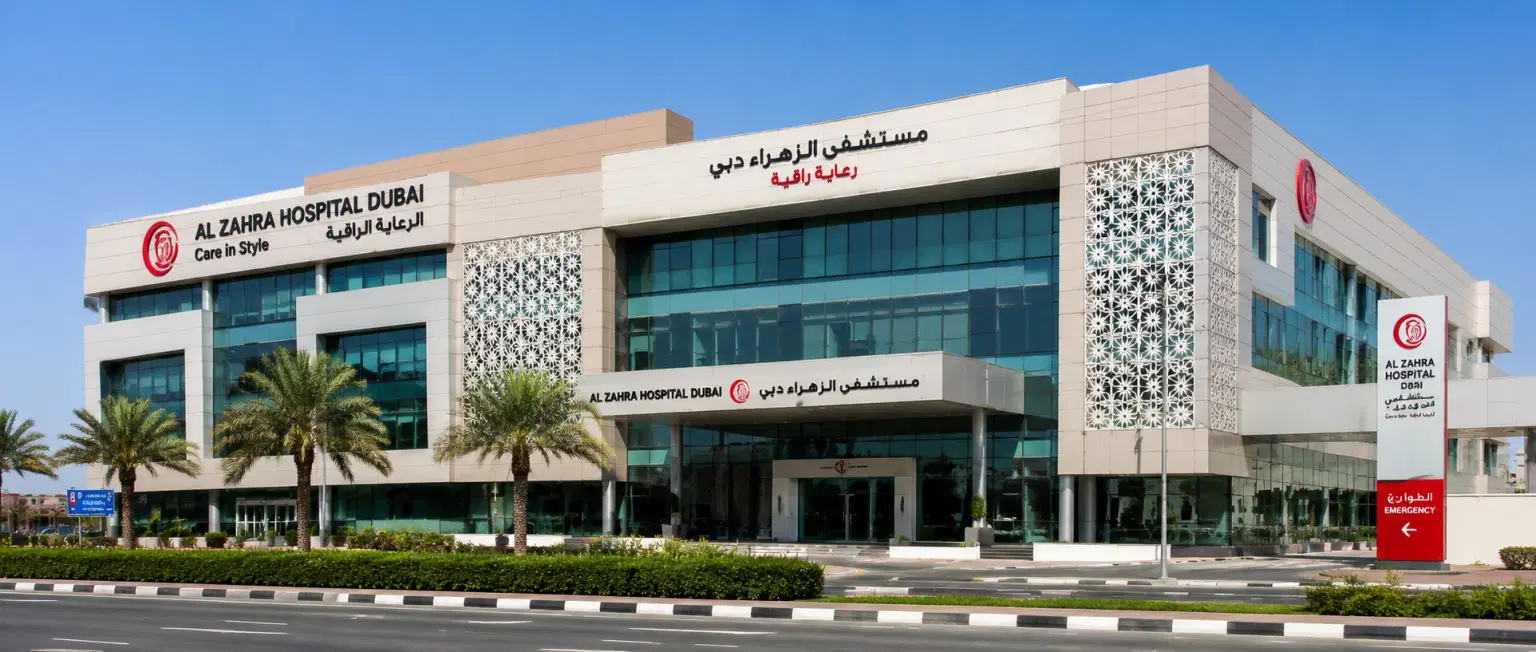
Al Zahra Hospital, Dubai
Sheikh Zayed Road, Al Barsha 1, Dubai, UAE
Al Zahra Hospital, Dubai
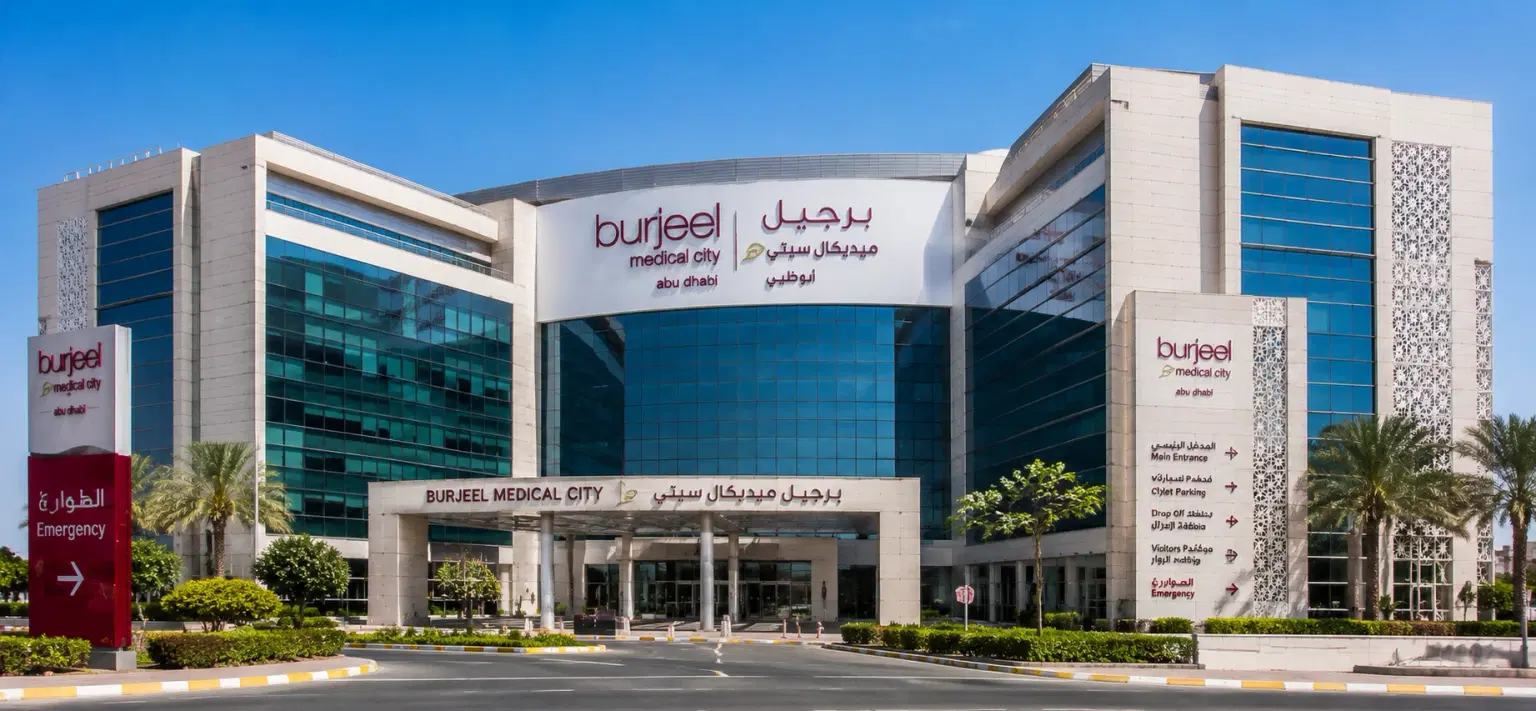
Burjeel Medical City, Abu Dhabi
28th Street, Mohammed Bin Zayed City, Abu Dhabi, UAE
Burjeel Medical City, Abu Dhabi
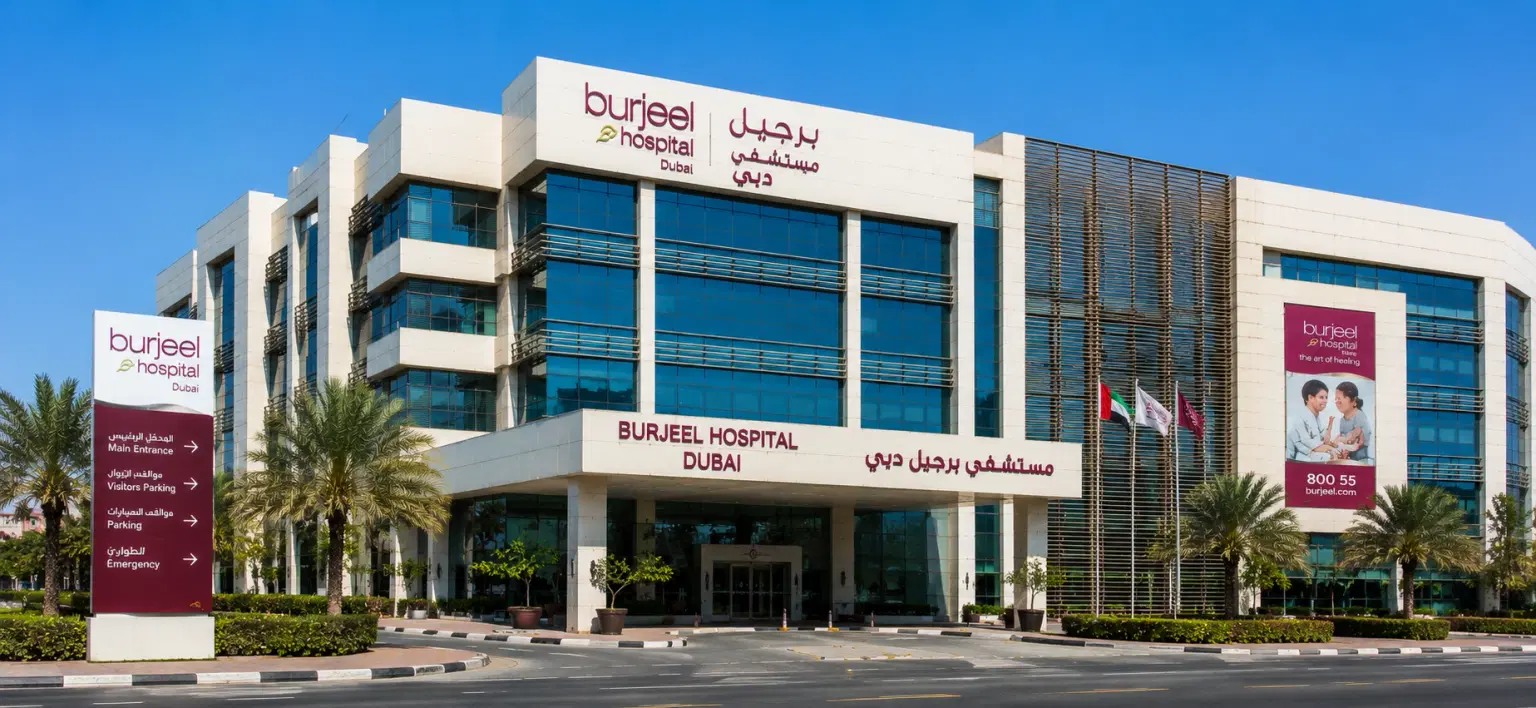
Burjeel Hospital, Dubai
Dubai, UAE (part of Burjeel Holdings network)
Burjeel Hospital, Dubai
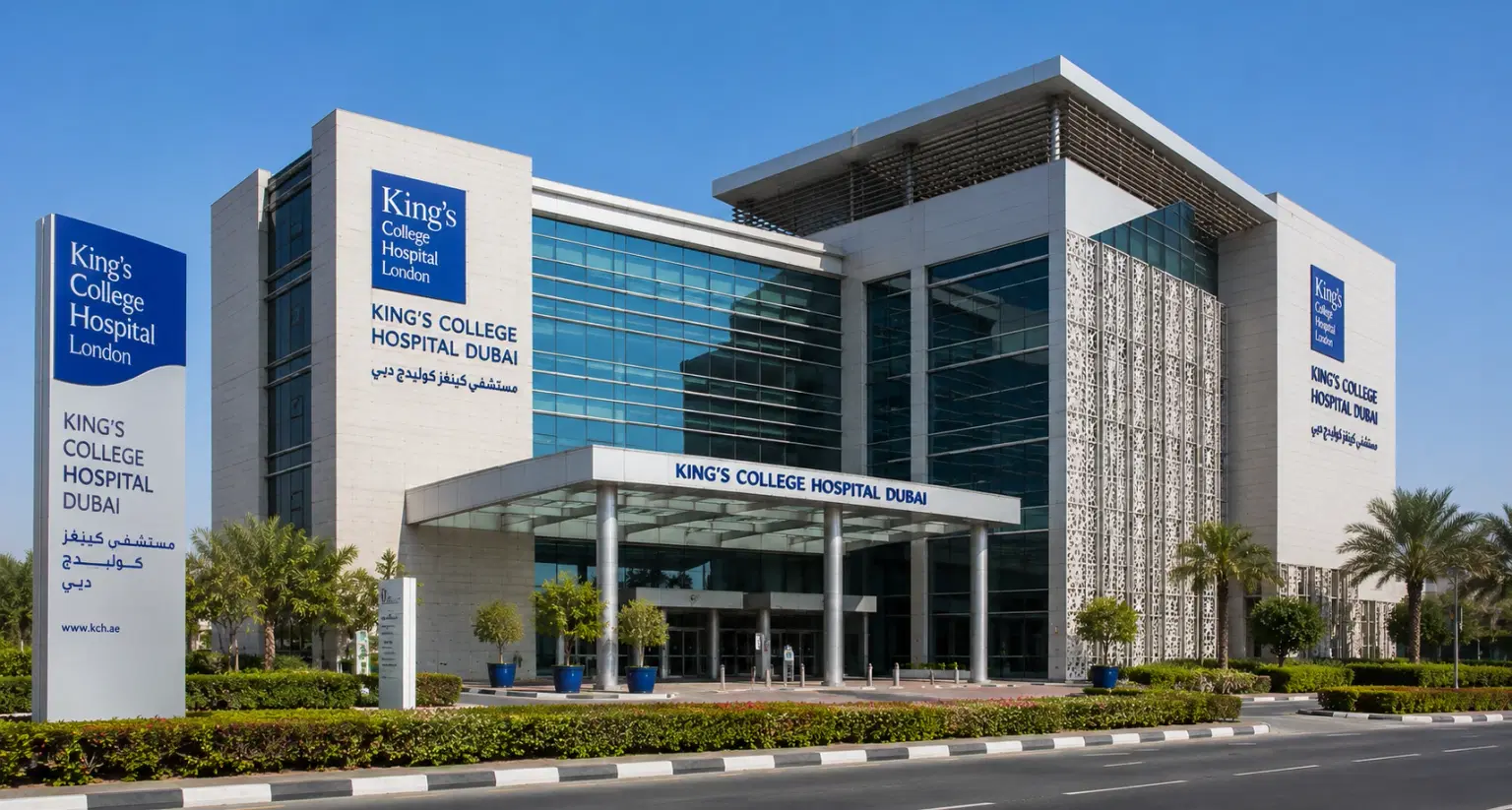
King's College Hospital, Dubai
Dubai Hills, Mohammed Bin Rashid City, Dubai, UAE
King's College Hospital, Dubai
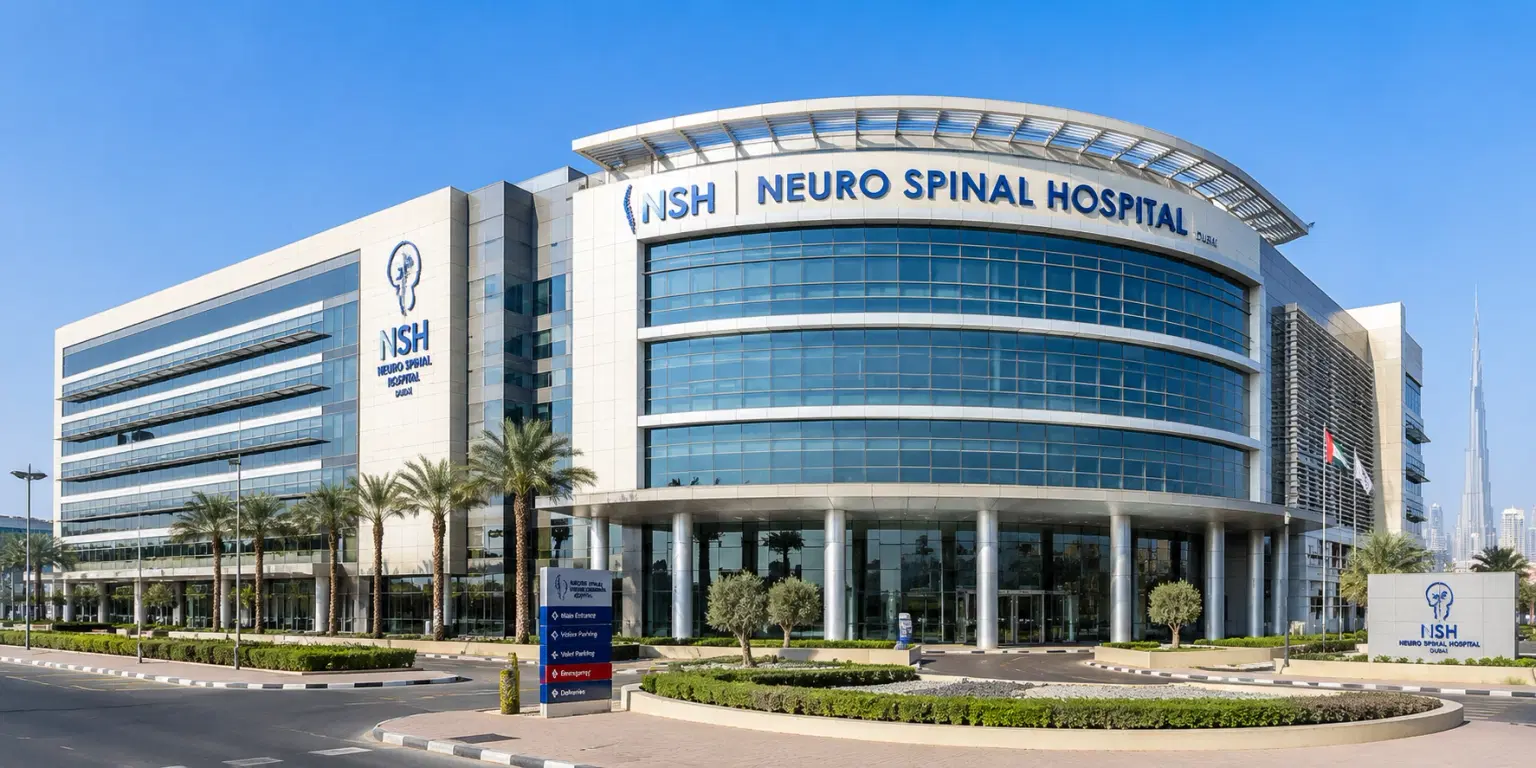
Neuro Spinal Hospital (NSH), Dubai
Dubai Science Park, Umm Suqeim St, Al Barsha South, Dubai, UAE
Neuro Spinal Hospital (NSH), Dubai
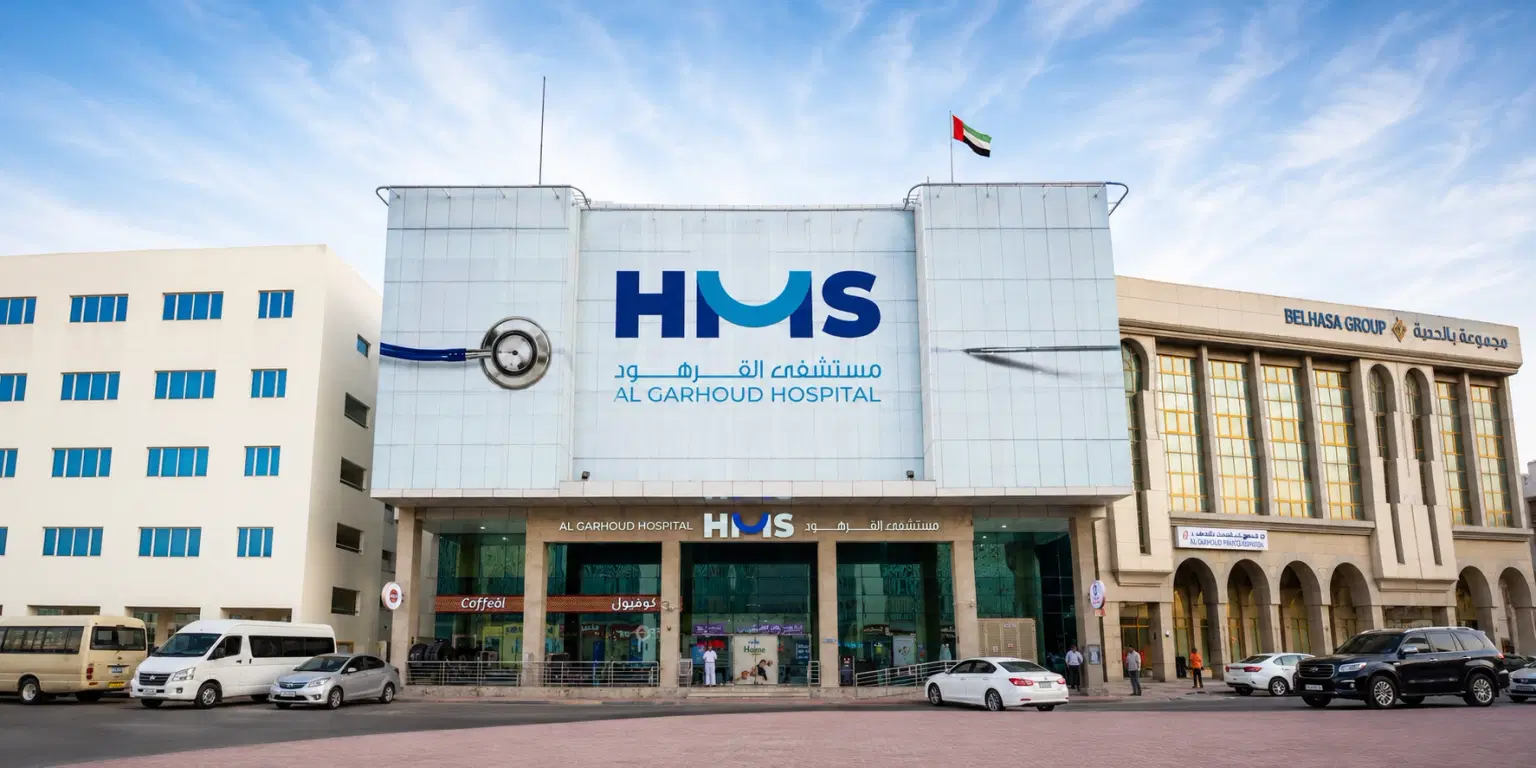
HMS Al Garhoud Hospital, Dubai
Al Garhoud Street, Al Garhoud, Dubai, UAE
HMS Al Garhoud Hospital, Dubai
Meet Our Doctors
Meet our team of highly qualified and experienced medical professionals dedicated to providing the best healthcare services.

Aditi Dixit
Sr. Consultant – Women Imaging
Radiology (Specializing in Women's Imaging)
Haryana
15+ Years
Experience
Artemis Hospital
Hospital
1500
Fees
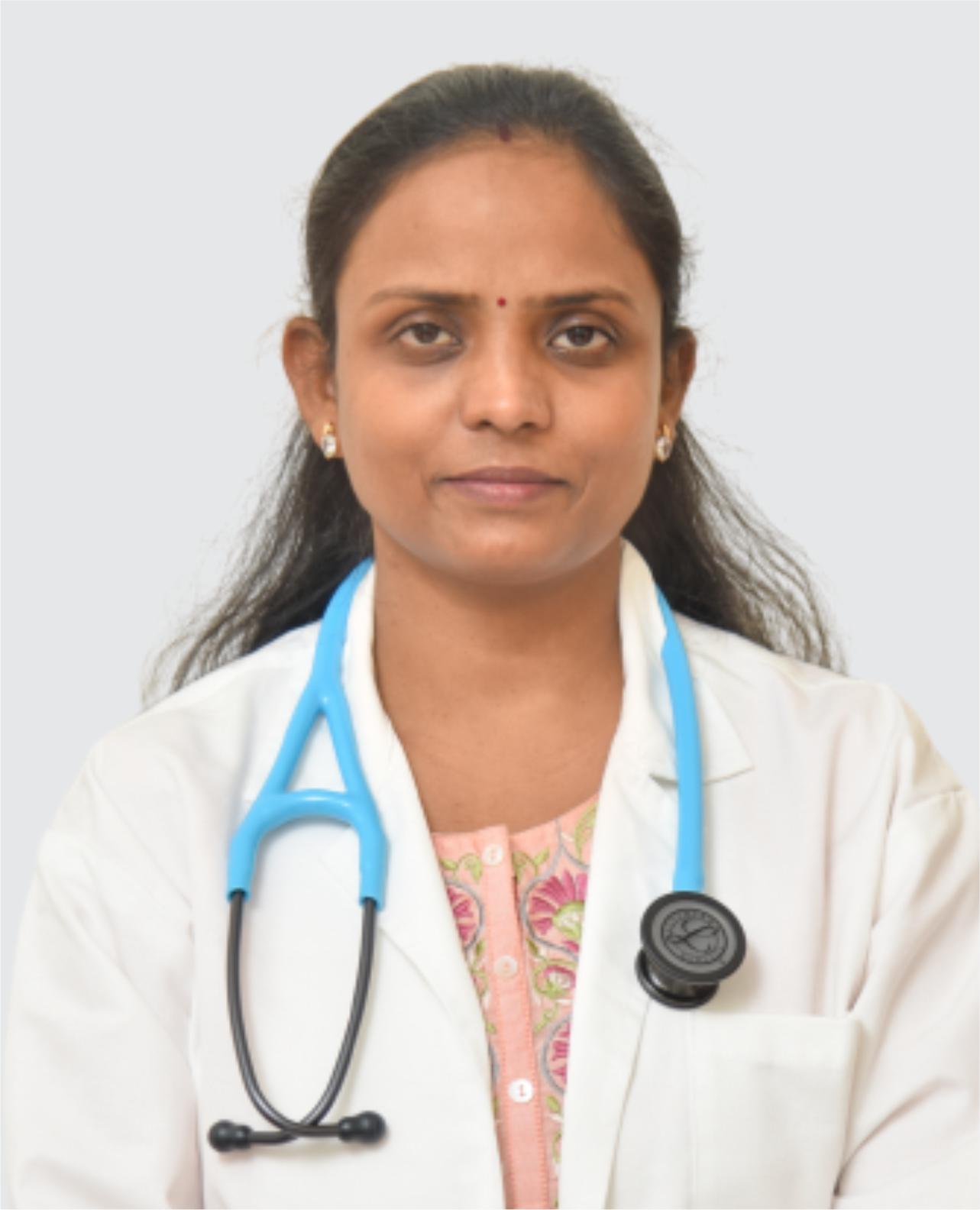
Dr. Anju Singh
Consultant - Pediatric Rheumatology
Pediatric Rheumatology
New Delhi
13+ Years
Experience
Artemis Hospital
Hospital
1500
Fees

Dr. Ellora Nanda
Admin Head - Emergency
Emergency & Trauma Services
New Delhi
25+ Years
Experience
Artemis Hospital
Hospital
1500
Fees

Gurpreet Makkar
Head Imaging & Chief DNB Program
Radiology
New Delhi
19+ Years
Experience
Artemis Hospital
Hospital
1500
Fees
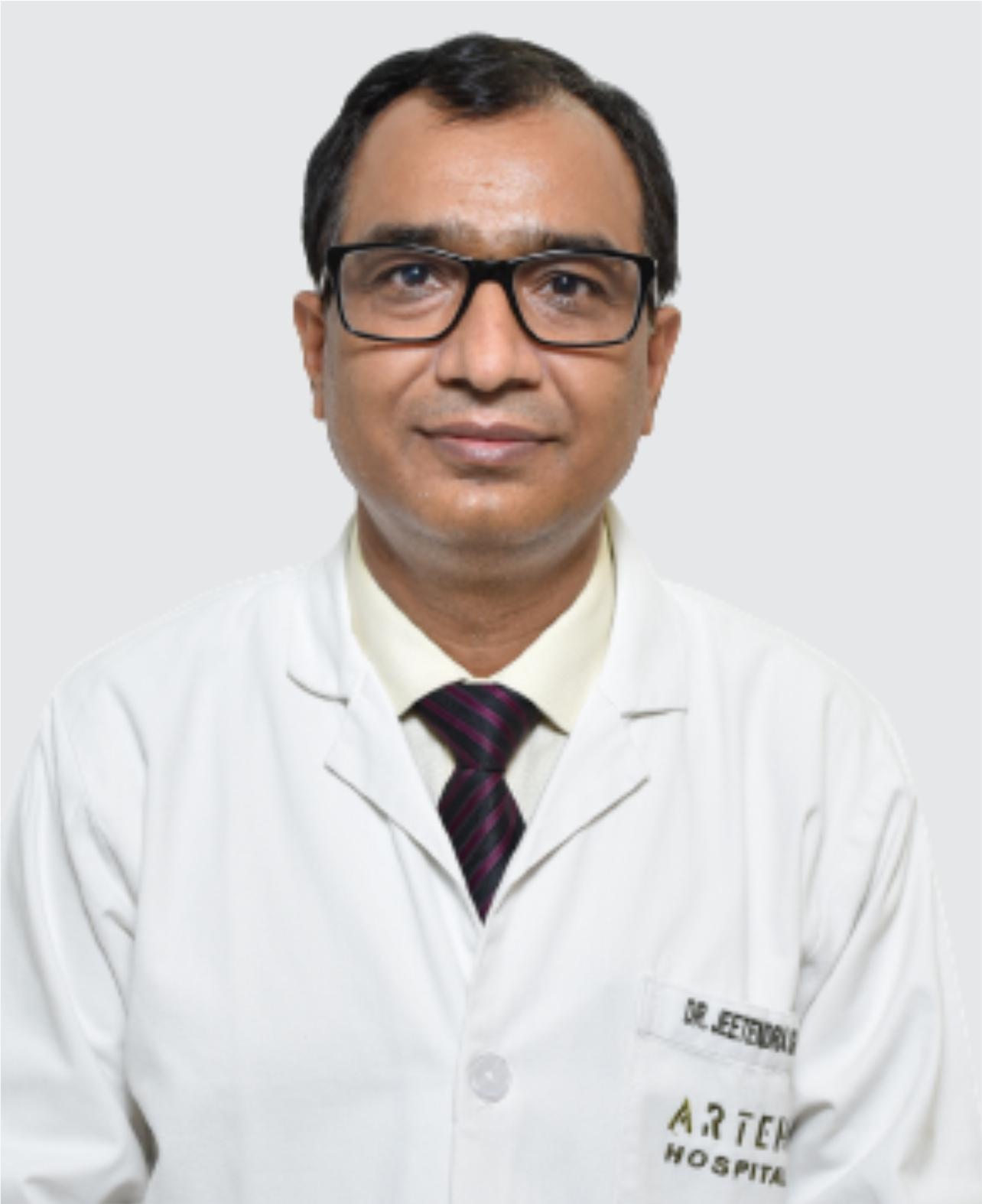
Jeetendra Sharma
Chief - Critical Care (Unit II) & Chief- Medical Quality
Critical Care & ICU
New Delhi
15+ Years
Experience
Artemis Hospital
Hospital
1500
Fees

Dr. Kamal Verma
Sr. Consultant - Radiation Oncology
Radiation Oncology
New Delhi
15+ Years
Experience
Artemis Hospital
Hospital
1500
Fees

Dr Nidhi Rawal
Chief - Paediatric Cardiology
Paediatric Cardiology
New Delhi
18+ Years
Experience
Artemis Hospital
Hospital
1500
Fees

Dr. Noaline Sinha
Chairperson - Nuclear Medicine & Radio-Theranostics
Nuclear Medicine
New Delhi
15+ Years
Experience
Artemis Hospital
Hospital
1500
Fees

Dr. Priya Tiwari
Sr. Consultant
Radiology
New Delhi
12+ Years
Experience
Artemis Hospital
Hospital
1500
Fees

Dr. Vivek Raj
Associate Director
Pulmonology
New Delhi
20+ Years
Experience
Apolo Delhi
Hospital
1500
Fees
Related Links
Recent Blogs
Other Treatment related Information
- Radiology cost in Bengaluru
- Radiology cost in New Delhi
- Radiology cost in Hyderabad
- Radiology cost in India
- Radiology cost in Pune
- Radiology cost in Haryana
- Radiology cost in Mumbai
- Radiology cost in Chennai
- Radiology Success Rate in Haryana
- Radiology Success Rate in Pune
- Radiology Success Rate in New Delhi
- Radiology Success Rate in India
- Radiology Success Rate in Bengaluru
- Radiology Success Rate in Mumbai
- Radiology Success Rate in Hyderabad
- Radiology Success Rate in Chennai
- Best Radiology Doctors in Hyderabad
- Best Radiology Doctors in Gurugram
Ready To Start Your Healing Journey?
Get Personalized Medical Treatment Options From India's Top Hospitals. Our Medical Experts Are Ready To Assist You Every Step Of The Way.