DIVINHEALSimplifying Global Wellbeing
Home
Treatments
Hospitals
Doctors
Page background

About

Endovascular Thrombectomy for Stroke in Chennai for Bangladesh Patients

For many patients in Bangladesh facing a stroke, the urgent need for specialized care like Endovascular Thrombectomy can bring significant worry. The search for effective, timely treatment options often extends beyond local borders, leading to questions about advanced medical facilities and expert opinions.

This is why many families consider destinations like Chennai, known for its established healthcare infrastructure. Patients look for a care environment where sophisticated neurological interventions are readily available, alongside efficient coordination for international visitors seeking critical treatment for stroke.

Chennai's hospitals and neurological specialists offer a strong foundation of trust, built on extensive experience with complex stroke cases. The city provides a comprehensive care pathway, ensuring smooth transitions from initial assessment to treatment and post-procedure follow-ups, which is crucial for conditions like stroke.

Chennai offers a focused and reliable option for Endovascular Thrombectomy for stroke patients.

What is Endovascular Thrombectomy for Stroke?

Endovascular Thrombectomy is an advanced medical procedure used to remove a blood clot from a large artery in the brain, restoring blood flow. This intervention is critical for certain types of acute ischemic stroke, where a clot blocks the supply of oxygen-rich blood to brain tissue. Performed by neuro-interventional specialists, the procedure involves inserting a catheter into an artery, usually in the groin, and navigating it to the clot's location in the brain. Using specialized devices like stent retrievers or aspiration catheters, the clot is carefully removed, aiming to minimize brain damage and improve patient outcomes when performed within a critical time window after stroke onset.

Techniques in Endovascular Thrombectomy

Endovascular Thrombectomy primarily involves mechanical removal of the clot. The main techniques include:

  • Stent Retriever Thrombectomy: This is a widely used method where a self-expanding stent is deployed within the clot. The stent integrates with the clot, which is then retrieved along with the stent into a catheter, pulling it out of the brain.
  • Aspiration Thrombectomy: In this technique, a large-bore catheter is navigated to the clot, and negative pressure (suction) is applied to aspirate the clot directly into the catheter, removing it from the vessel.
  • Combined Techniques: Often, specialists may use a combination of stent retrieval and aspiration in a single procedure to maximize the chances of complete clot removal and restore blood flow.
  • Adjunctive Therapies: While not a primary technique, in some cases, intra-arterial thrombolysis (delivering clot-dissolving medication directly to the clot) might be used in conjunction with mechanical thrombectomy, though mechanical removal is usually primary.
  • Embolic Protection Devices: In specific scenarios, these devices might be employed to prevent fragments of the clot from breaking off and traveling further into smaller vessels during the procedure.

When is Endovascular Thrombectomy Required?

  • Acute ischemic stroke caused by a large vessel occlusion in the anterior circulation (e.g., ICA, M1, M2 segments).
  • Onset of stroke symptoms typically within 6 to 24 hours for selected patients, though earlier intervention is always preferred for better outcomes.
  • Presence of significant neurological deficits, often indicated by a high NIHSS (National Institutes of Health Stroke Scale) score.
  • Imaging confirmation (CT angiography or MRI) of a large vessel occlusion amenable to thrombectomy.
  • Absence of extensive irreversible brain damage in the affected area, as determined by imaging studies.
  • Patients who are not candidates for intravenous thrombolysis, or who have failed intravenous thrombolysis.
  • No contraindications to the procedure, such as severe bleeding disorders or intracranial hemorrhage.

Pre-Treatment Evaluation for Stroke Intervention

  • Neurological Assessment: A rapid and comprehensive neurological exam to determine the severity and location of the stroke.
  • Brain Imaging: Urgent CT scan of the brain, often followed by CT angiography (CTA) to identify the clot location and extent of damage. MRI with diffusion-weighted imaging might also be used.
  • Blood Tests: Complete blood count, coagulation profile (PT, INR, aPTT), blood sugar, kidney function, and liver function tests.
  • Cardiac Evaluation: Electrocardiogram (ECG) and sometimes an echocardiogram to assess heart health and identify potential sources of clots.
  • Blood Pressure Monitoring: Close monitoring and management of blood pressure to ensure it is within a safe range before and during the procedure.
  • Medical History Review: Assessment of past medical conditions, current medications, and allergies, especially to contrast dye.

How Endovascular Thrombectomy is Performed

The Endovascular Thrombectomy procedure is highly specialized and is tailored based on the individual's condition and the specific stroke characteristics.

The general steps involve:

  • Preparation: The patient is positioned on an angiography table. Anesthesia (local or general) is administered. The groin area is prepped and draped to maintain sterility.
  • Access: A small incision is made, usually in the femoral artery in the groin. A catheter is then inserted and guided through the arterial system.
  • Navigation: Using real-time X-ray imaging (fluoroscopy), the neuro-interventionalist carefully navigates the catheter through the aorta and carotid arteries up into the brain's affected vessel where the clot is located.
  • Clot Removal: Once the catheter reaches the clot, a specialized device, such as a stent retriever or an aspiration catheter, is deployed.
    • With a stent retriever, the device is expanded within the clot, allowed to integrate, and then carefully retrieved, pulling the clot out.
    • With an aspiration catheter, strong suction is applied to draw the clot into the catheter.
  • Confirmation: After clot removal, an angiogram is performed to confirm that blood flow has been restored through the previously blocked vessel.
  • Closure: The catheter is removed, and the access site in the groin is closed using a closure device or manual compression.

Recovery Process After Endovascular Thrombectomy

Recovery following Endovascular Thrombectomy varies significantly depending on the stroke's severity, the extent of brain damage, and the patient's overall health. Immediately after the procedure, patients are typically transferred to an intensive care unit (ICU) for close monitoring of neurological status, blood pressure, and vital signs. Early mobilization and rehabilitation are crucial. Physical therapy, occupational therapy, and speech therapy often begin soon after the patient stabilizes, aiming to regain lost functions. The duration of hospital stay can range from a few days to several weeks. Follow-up appointments with neurologists are essential to monitor progress, manage risk factors for future strokes, and adjust medication. Long-term recovery is a continuous process that may involve ongoing rehabilitation at home or in a specialized facility.

Risks and Success Rates of Endovascular Thrombectomy

  • Potential Complications: There is a risk of bleeding at the access site or within the brain.
  • Vessel Damage: Damage or dissection of blood vessels during catheter navigation is a rare but serious risk.
  • Embolism: Fragments of the clot could break off and travel to other parts of the brain, causing new blockages.
  • Infection: As with any invasive procedure, there is a risk of infection at the catheter insertion site.
  • Contrast Reactions: Allergic reactions to the contrast dye used during imaging are possible.
  • Recurrent Stroke: Though the procedure addresses the acute clot, underlying risk factors for future strokes remain.

The success rates of Endovascular Thrombectomy in achieving reperfusion (restoring blood flow) are generally high, often exceeding 80-90% in experienced centers. Clinical outcomes, however, vary widely based on factors such as the time from stroke onset to treatment, the patient's age, the extent of pre-existing brain damage, and the severity of the stroke. Patients treated early within the recommended time windows tend to have better functional outcomes, including reduced disability. Long-term expectations focus on ongoing rehabilitation and secondary stroke prevention strategies to maintain improvements and minimize recurrence risks.

Cost of Endovascular Thrombectomy for Stroke in Chennai

The cost of Endovascular Thrombectomy for stroke in Chennai is influenced by several factors. These include the specific hospital chosen (e.g., multi-specialty corporate hospitals vs. smaller specialized centers), the experience and fees of the neuro-interventional specialist, the complexity of the clot removal, the devices used, and the duration of the hospital stay, particularly in the ICU. Post-operative care, including rehabilitation and medications, also contributes to the overall expenditure.

For Endovascular Thrombectomy in Chennai, the estimated cost typically ranges from INR 6,50,000 to INR 15,00,000.

Chennai vs. Global Cost Comparison for Stroke Thrombectomy

Patients from Bangladesh often find Chennai a more cost-effective option for Endovascular Thrombectomy compared to many Western countries, without compromising on quality or advanced medical technology.

Location Estimated Cost (USD)
Chennai, India $8,000 - $18,000
USA $50,000 - $100,000+
United Kingdom $35,000 - $60,000
Singapore $25,000 - $45,000

Assistance for Your Treatment Journey in Chennai

  • Expert coordination for quick appointments with leading neuro-interventional specialists in Chennai.
  • Personalized guidance on hospital selection based on your specific medical needs and budget.
  • Support with travel arrangements and comfortable accommodation options in Chennai.
  • Assistance with visa application processes and medical travel documentation.
  • Dedicated language support and translation services for seamless communication.
  • Guidance on local transportation and essential services during your stay.

Important Medical Documents for Your Visit

  • All recent medical reports, including CT/MRI scans and angiography reports related to the stroke.
  • A detailed medical history from your referring doctor in Bangladesh.
  • Passport and visa documents for all traveling individuals.
  • Proof of address and contact information for local relatives or emergency contacts.
  • A list of all current medications, including dosages.
  • Any previous discharge summaries or treatment records.

Steps to Prepare Before You Arrive in Chennai

  • Consult with your local doctor to confirm Endovascular Thrombectomy is the recommended path.
  • Collect all necessary medical records and personal identification documents.
  • Arrange for your travel and accommodation logistics in Chennai in advance.
  • Discuss your dietary needs and any specific cultural considerations with our team.
  • Ensure you have sufficient funds or travel insurance for the medical expenses and stay.
  • Understand the pre-procedure instructions provided by the Chennai medical team.

Recovery and Follow-Up Care After Treatment

  • Adherence to all medication schedules and follow-up instructions from your neurologist.
  • Participation in prescribed rehabilitation therapies (physical, occupational, speech) as advised.
  • Regular monitoring of blood pressure and blood sugar levels, if applicable.
  • Careful attention to diet and lifestyle changes to prevent future strokes.
  • Scheduling necessary follow-up scans or consultations, either in Chennai or back home.
  • Avoiding strenuous activities and heavy lifting during the initial recovery period.

Ready to Explore Treatment Options?

Connect with our patient care team today to understand how we can support your journey for Endovascular Thrombectomy in Chennai.

Seek specialized care in Chennai for Endovascular Thrombectomy. Contact us for detailed information on hospitals and costs.

Receive comprehensive medical guidance for stroke treatment. Reach out to our patient support team now.

Hospitals Offering this treatment

India offers premium medical procedures at affordable prices. Discover our most popular treatments, delivered by the country's finest doctors.

Meet Our Doctors

Meet our team of highly qualified and experienced medical professionals dedicated to providing the best healthcare services.
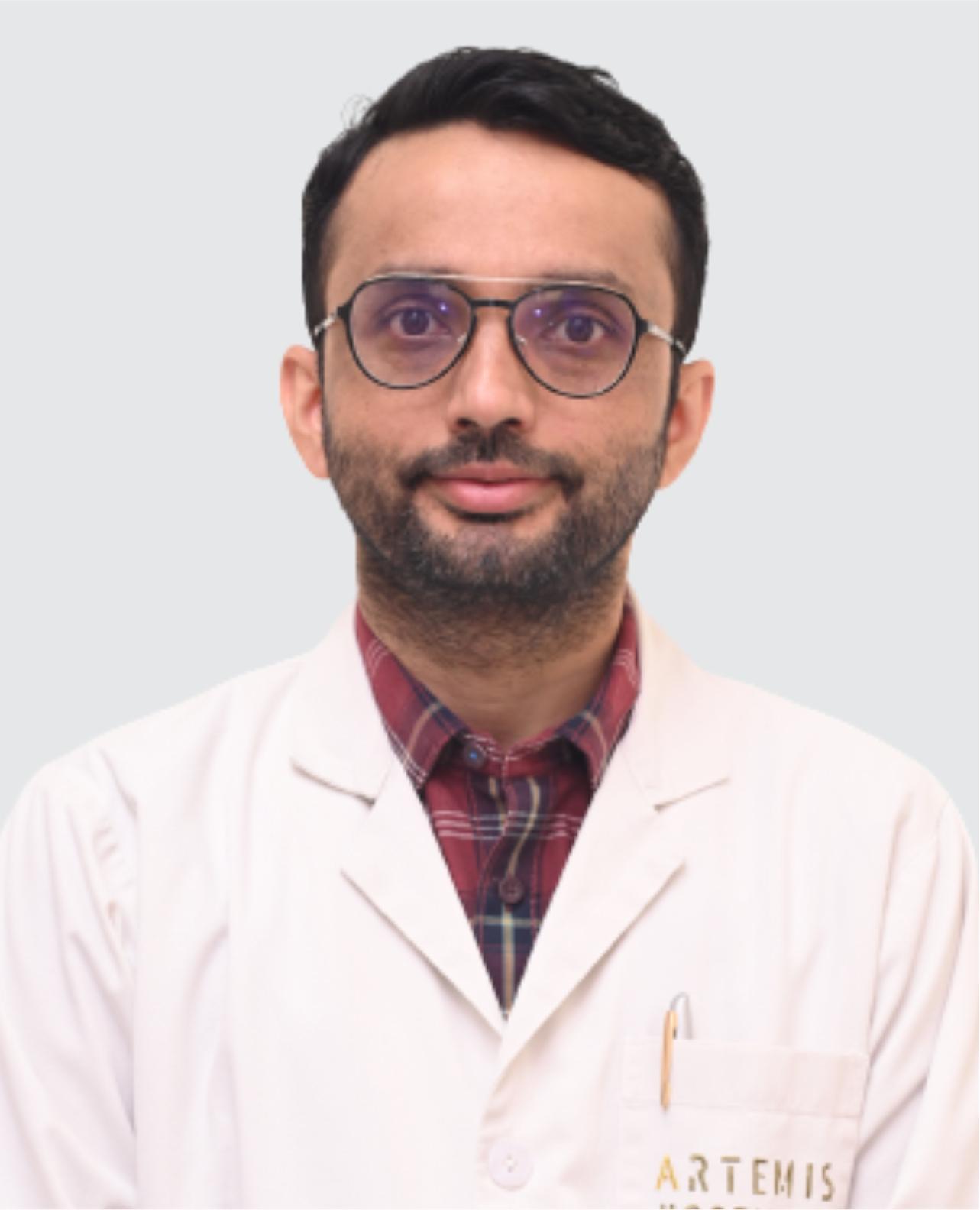
Dr. Vivek Barun

Dr. Vivek Barun

Sr. Consultant-Neurology & Epilepsy

Neurology & Epilepsy

New Delhi

15+ Years

Experience

Artemis Hospital

Hospital

1500

Fees
View Details
Dr. Tariq Matin

Dr. Tariq Matin

Director & Chief

Neurointerventional Surgery

New Delhi

15+ Years

Experience

Artemis Hospital

Hospital

1500

Fees

View Details
Dr. Aditya Dixit

Dr. Aditya Dixit

Director - Neurology

Neurology

New Delhi

18+ Years

Experience

Apolo Delhi

Hospital

1500

Fees

View Details
Dr. Mohit Anand

Dr. Mohit Anand

Consultant - Neurology & Movement Disorders

Neurology

New Delhi

15+ Years

Experience

Artemis Hospital

Hospital

1500

Fees

View Details
Dr. Mukesh Kumar

Dr. Mukesh Kumar

Additional Consultant - Neuro Interventional Surgery

Neurointerventional Surgery

New Delhi

20+ Years

Experience

Artemis Hospital

Hospital

1500

Fees

View Details
Dr. Priya Tiwari

Dr. Priya Tiwari

Sr. Consultant

Radiology

New Delhi

12+ Years

Experience

Artemis Hospital

Hospital

1500

Fees
View Details
Dr. Gopal Sharma

Dr. Gopal Sharma

Senior Medical Oncologist

Medical Oncology, Haemato-medical Oncology

New Delhi

15+ Years

Experience

Max Hospital,Gurgaon

Hospital

1500

Fees
View Details
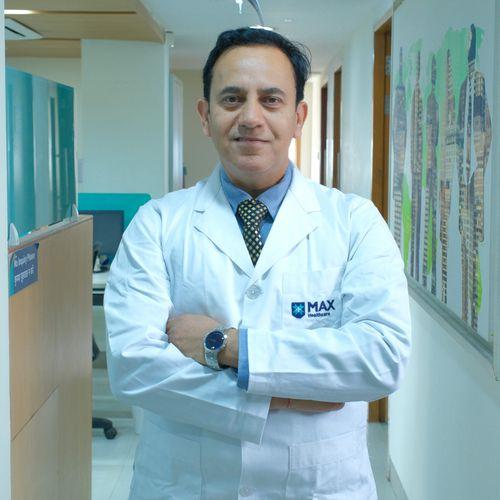
Dr. Ajay Lall

Dr. Ajay Lall

Principal Director - Pulmonology

Pulmonology

New Delhi

40+ Years

Experience

Max Hospital,Gurgaon

Hospital

1500

Fees
View Details
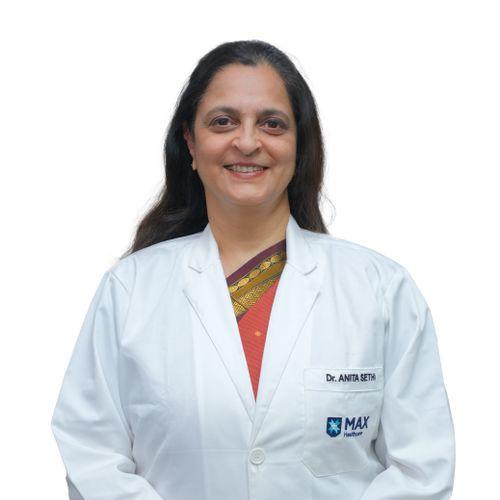
Dr. Keshav Naithani

Dr. Keshav Naithani

Senior Consultant, Neurology

Neurology

New Delhi

12+ Years

Experience

Apolo Delhi

Hospital

1500

Fees
View Details
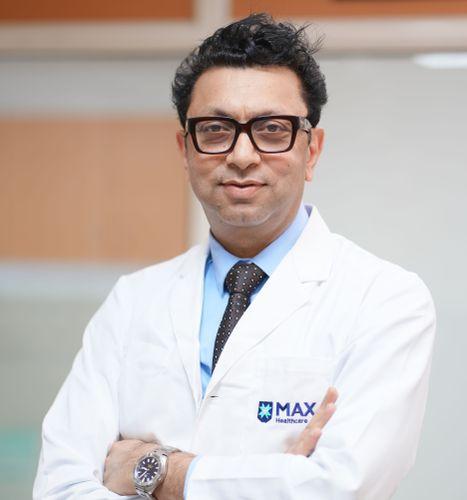
Dr. Anita Sethi

Dr. Anita Sethi

Director

Neurology

New Delhi

28+ Years

Experience

Apolo Delhi

Hospital

1500

Fees
View Details
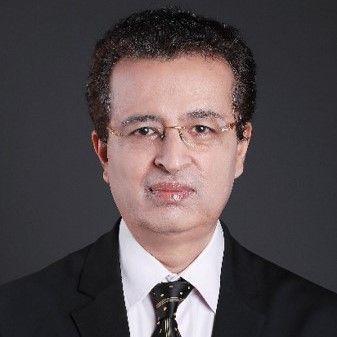
Dr. Vaibhav Mishra

Dr. Vaibhav Mishra

Senior Consultant - Neurology

Neurology

New Delhi

12+ Years

Experience

Apolo Delhi

Hospital

1500

Fees
View Details
Dr. Anil Sharma

Dr. Anil Sharma

Director

Neurology

New Delhi

30+ Years

Experience

Apolo Delhi

Hospital

1500

Fees
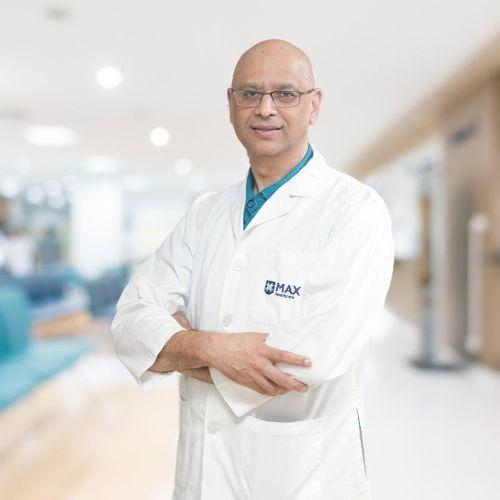
View Details
Dr. Ashish Jain

Dr. Ashish Jain

Director - Neuro Sciences

Neurology

New Delhi

18+ Years

Experience

Apolo Delhi

Hospital

1500

Fees
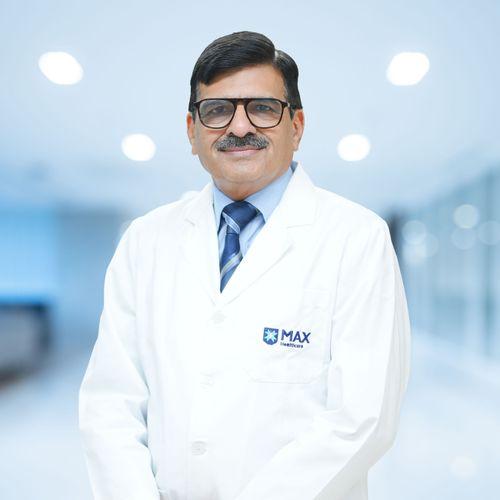
View Details
Dr. Alok Joshi

Dr. Alok Joshi

Director

Neurosciences

New Delhi

14+ Years

Experience

Apolo Delhi

Hospital

1500

Fees
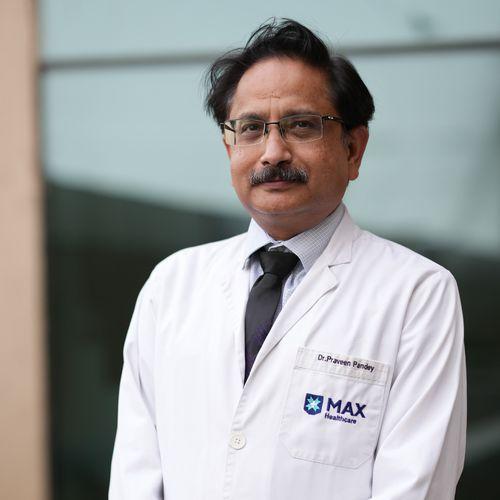
View Details
Dr. Praveen Kumar Pandey

Dr. Praveen Kumar Pandey

Director

Neuroscience

New Delhi

17+ Years

Experience

Apolo Delhi

Hospital

1500

Fees
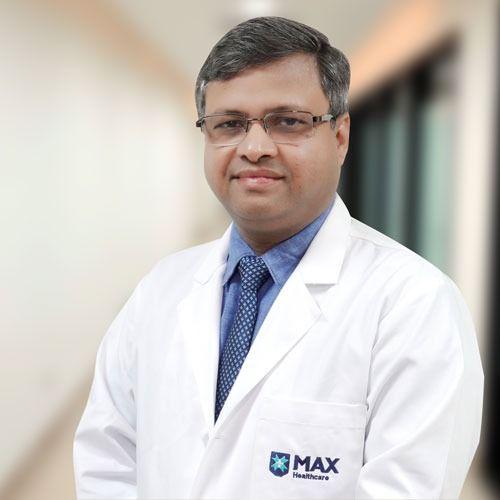
View Details
Dr. Amit Shrivastava

Dr. Amit Shrivastava

Director

Neurology

New Delhi

20+ Years

Experience

Apolo Delhi

Hospital

1500

Fees

View Details

Related Links

የእርስዎን የፈወስ ጉዞ ለመጀመር ዝግጁ ነዎት?

ከህንድ ምርጥ ሆስፒታሎች የግል የህክምና ህክምና አማራጮችን ያግኙ። የእኛ የህክምና ባለሙያዎች በእያንዳንዱ እርምጃ ላይ እርስዎን ለመርዳት ዝግጁ ናቸው።