
ግላዊ ምክር ይፈልጋሉ?
የእኛ የህክምና ባለሙያዎች ጥያቄዎችዎን ለመመለስ እና የህክምና አማራጮችዎን እንዲያውቁ ለመምራት ዝግጁ ናቸው።
የእኛ የህክምና ባለሙያዎች ጥያቄዎችዎን ለመመለስ እና የህክምና አማራጮችዎን እንዲያውቁ ለመምራት ዝግጁ ናቸው።
For many patients from Bangladesh facing an acute stroke, the immediate concern is securing the best possible urgent care. The critical time window for effective intervention often leads to worries about accessing advanced treatment quickly and efficiently. This urgent need for specialized neurological intervention is paramount.
Patients often look beyond their immediate geographical reach when seeking highly specialized procedures like Endovascular Thrombectomy. India offers a nationwide network of advanced medical facilities across various cities, providing accessible options for complex neurological care that might not be readily available elsewhere.
The medical infrastructure in India has earned global trust, featuring a wide array of accredited hospitals and highly skilled neurointerventional specialists. These facilities are equipped with modern technology, ensuring comprehensive and expert care from initial diagnosis through to recovery across the country.
India stands as a reliable destination for advanced stroke interventions.
Endovascular Thrombectomy (EVT) is a minimally invasive medical procedure used to remove a blood clot from a large artery in the brain. This treatment is crucial for patients experiencing an acute ischemic stroke, which occurs when a clot blocks blood flow to part of the brain. By restoring blood flow quickly, EVT aims to minimize brain damage and improve patient outcomes, often within a critical time window after stroke onset. It involves guiding a catheter through blood vessels to the clot and then physically removing it.
Endovascular thrombectomy primarily involves mechanical methods for clot removal. While the core procedure is consistent, techniques and tools may vary:
The procedure for Endovascular Thrombectomy is highly specialized, with specific steps that depend on the individual patient's condition and the medical team's plan.
The procedure typically begins with the patient under local or general anesthesia. A small incision is made, usually in the groin, to access the femoral artery. A thin, flexible tube called a catheter is then inserted.
Using real-time X-ray imaging (fluoroscopy) and contrast dye, the neurointerventional surgeon carefully guides the catheter through the blood vessels, up into the aorta, and into the cerebral arteries until it reaches the site of the blood clot in the brain.
Once at the clot, one of two primary methods is used. A stent retriever can be deployed through the catheter into the clot, allowing the stent to expand and entangle the clot. The stent and clot are then slowly pulled back and removed. Alternatively, an aspiration catheter can be advanced to the clot, and suction is applied to directly remove the clot.
After clot removal, an angiogram is performed to confirm that blood flow has been restored to the affected area of the brain. The catheters are then carefully withdrawn, and the access site in the groin is closed using pressure or a closure device.
Recovery from Endovascular Thrombectomy for stroke begins immediately after the procedure. Patients are typically monitored closely in an intensive care unit for the first 24-48 hours to manage any potential complications and stabilize their condition. The hospital stay usually ranges from a few days to a week, depending on the stroke severity and individual progress. Rehabilitation is a critical component of recovery, often beginning in the hospital and continuing as an outpatient. This can include physical therapy to regain motor skills, occupational therapy for daily activities, and speech therapy for communication or swallowing difficulties. Long-term recovery involves adhering to prescribed medications, attending follow-up appointments, and making lifestyle adjustments to prevent future strokes.
The success rate of Endovascular Thrombectomy for achieving reperfusion (restoring blood flow) is generally high, often ranging from 70% to 90%. However, successful reperfusion does not always translate to complete neurological recovery, as outcomes vary significantly among patients. Factors influencing the overall success and patient outcome include the time from stroke onset to treatment, the initial severity of the stroke, the patient's age and pre-existing health conditions, and the extent of brain tissue already damaged. Long-term expectations focus on maximizing functional independence and preventing future strokes through ongoing medical management and rehabilitation.
The cost of Endovascular Thrombectomy for stroke in India can vary significantly based on several factors. These include the reputation and accreditation of the hospital, the experience of the neurointerventional specialist, the specific technique and technology used for clot removal, the duration of hospital stay, particularly in the ICU, and any additional medical interventions or complications that may arise during recovery. The comprehensive package often covers the procedure, hospital charges, surgeon fees, and initial post-operative care.
Generally, the cost of Endovascular Thrombectomy for stroke in India ranges from approximately ₹8,00,000 to ₹18,00,000.
| City | Cost Range (INR) |
|---|---|
| Delhi | ₹8,50,000 - ₹16,00,000 |
| Mumbai | ₹9,00,000 - ₹17,00,000 |
| Chennai | ₹8,00,000 - ₹15,50,000 |
| Bengaluru | ₹8,80,000 - ₹16,50,000 |
| Hyderabad | ₹8,20,000 - ₹15,80,000 |
| Kolkata | ₹7,80,000 - ₹15,00,000 |
| Ahmedabad | ₹7,50,000 - ₹14,50,000 |
| Country | Cost Range (USD) |
|---|---|
| India | $10,000 - $22,000 |
| USA | $40,000 - $80,000 |
| UK | $35,000 - $65,000 |
| Singapore | $25,000 - $45,000 |
| Thailand | $18,000 - $30,000 |
Need a detailed cost estimate for your treatment? Contact us for personalized information and hospital options.
Begin your path to recovery with leading stroke specialists in India. Reach out to discuss your treatment needs.
Our team is here to guide you through every step of your medical journey, providing clear information and support.
India offers premium medical procedures at affordable prices. Discover our most popular treatments, delivered by the country's finest doctors.
Meet our team of highly qualified and experienced medical professionals dedicated to providing the best healthcare services.
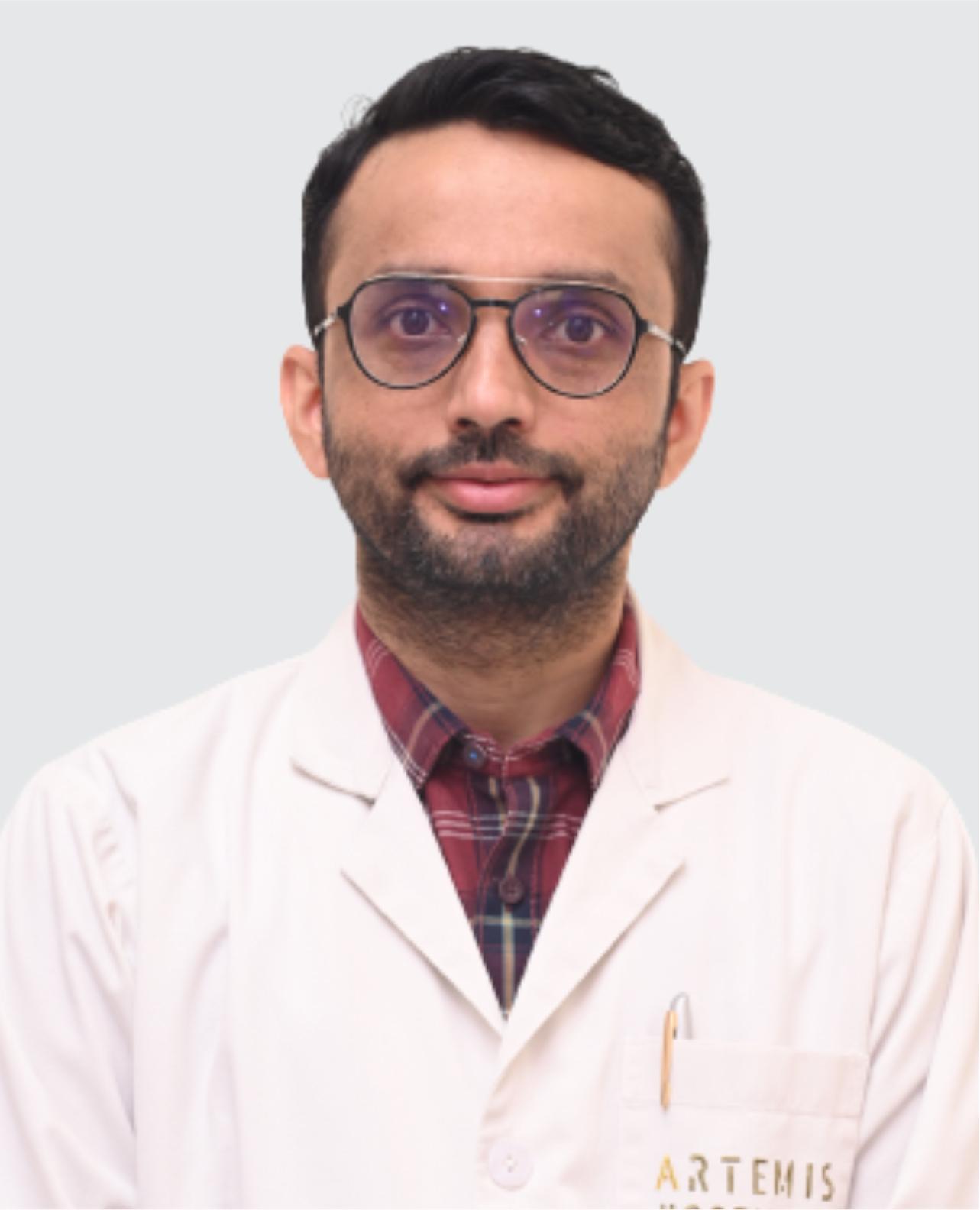
Sr. Consultant-Neurology & Epilepsy
Neurology & Epilepsy
New Delhi
15+ Years
Experience
Artemis Hospital
Hospital
1500
Fees
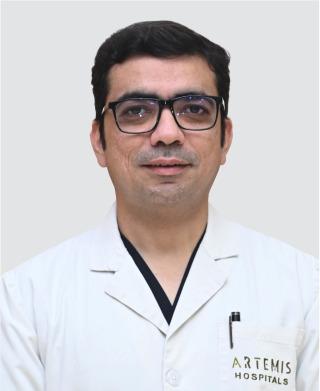
Director & Chief
Neurointerventional Surgery
New Delhi
15+ Years
Experience
Artemis Hospital
Hospital
1500
Fees

Director - Neurology
Neurology
New Delhi
18+ Years
Experience
Apolo Delhi
Hospital
1500
Fees

Consultant - Neurology & Movement Disorders
Neurology
New Delhi
15+ Years
Experience
Artemis Hospital
Hospital
1500
Fees

Additional Consultant - Neuro Interventional Surgery
Neurointerventional Surgery
New Delhi
20+ Years
Experience
Artemis Hospital
Hospital
1500
Fees
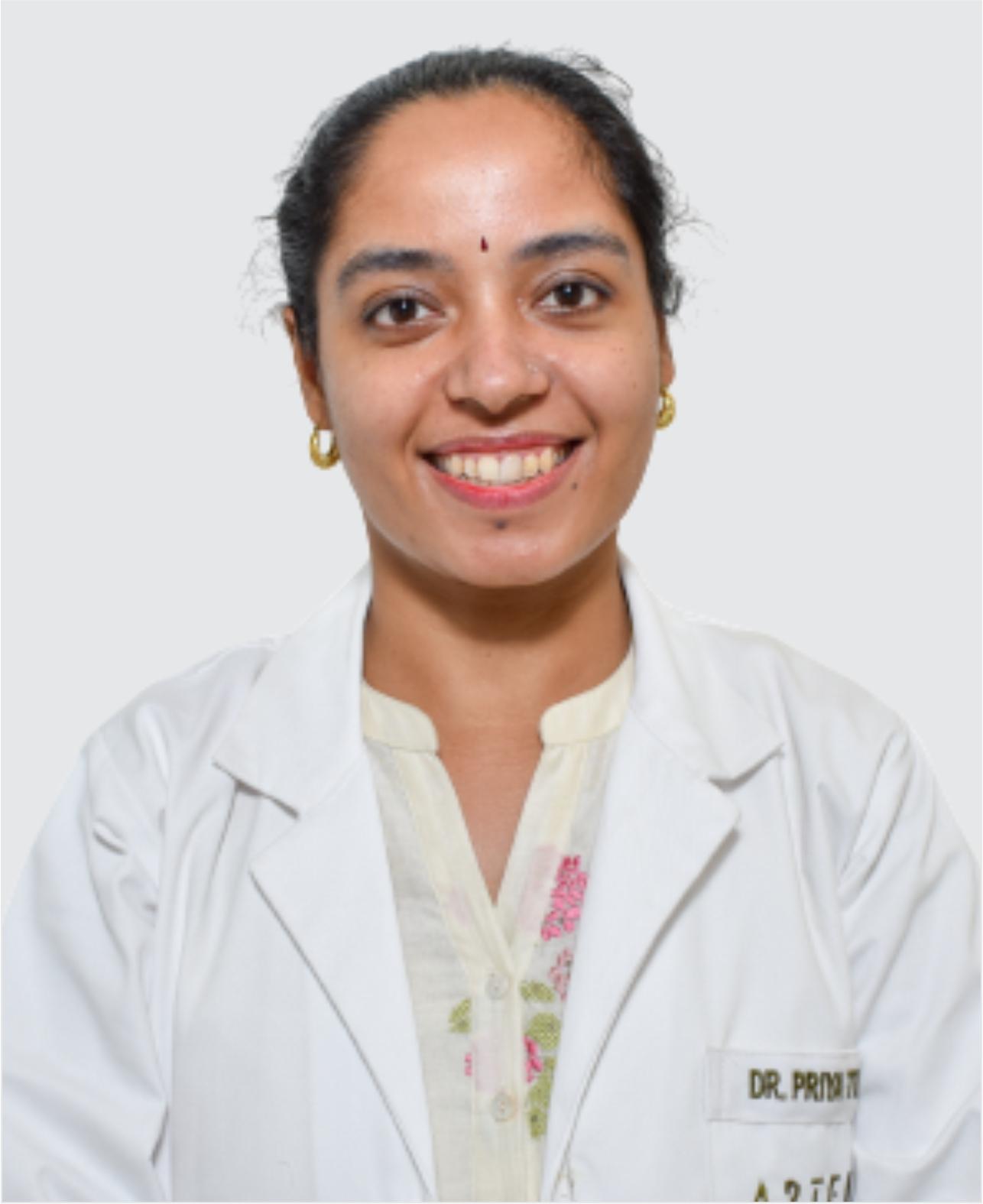
Sr. Consultant
Radiology
New Delhi
12+ Years
Experience
Artemis Hospital
Hospital
1500
Fees
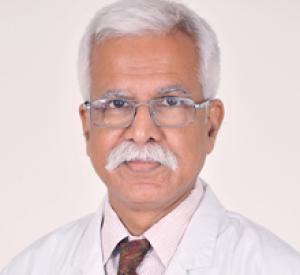
Senior Medical Oncologist
Medical Oncology, Haemato-medical Oncology
New Delhi
15+ Years
Experience
Max Hospital,Gurgaon
Hospital
1500
Fees
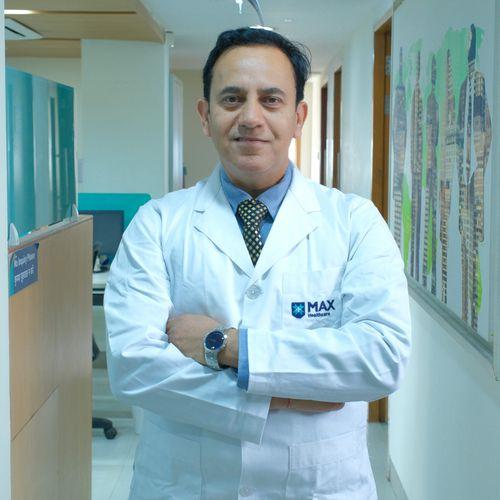
Principal Director - Pulmonology
Pulmonology
New Delhi
40+ Years
Experience
Max Hospital,Gurgaon
Hospital
1500
Fees
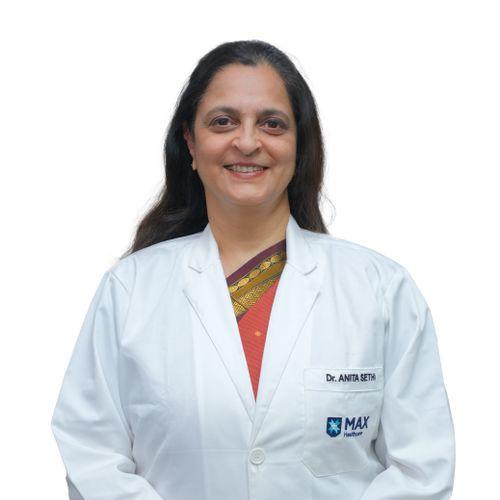
Senior Consultant, Neurology
Neurology
New Delhi
12+ Years
Experience
Apolo Delhi
Hospital
1500
Fees
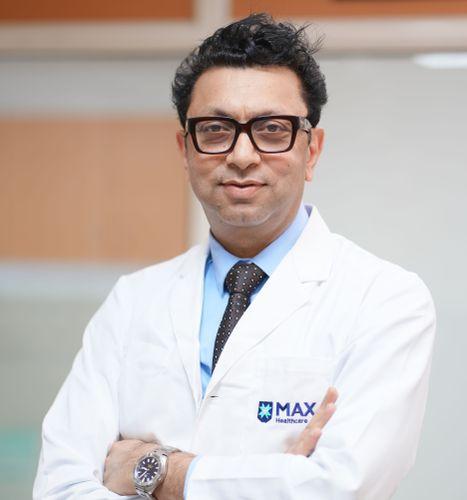
Director
Neurology
New Delhi
28+ Years
Experience
Apolo Delhi
Hospital
1500
Fees
Senior Consultant - Neurology
Neurology
New Delhi
12+ Years
Experience
Apolo Delhi
Hospital
1500
Fees
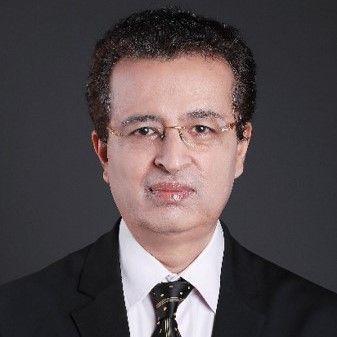
Director
Neurology
New Delhi
30+ Years
Experience
Apolo Delhi
Hospital
1500
Fees
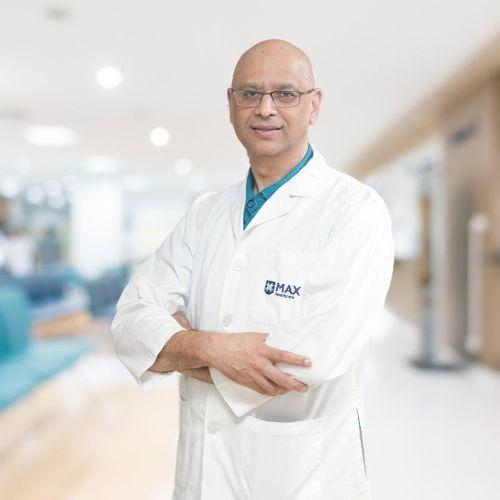
Director - Neuro Sciences
Neurology
New Delhi
18+ Years
Experience
Apolo Delhi
Hospital
1500
Fees
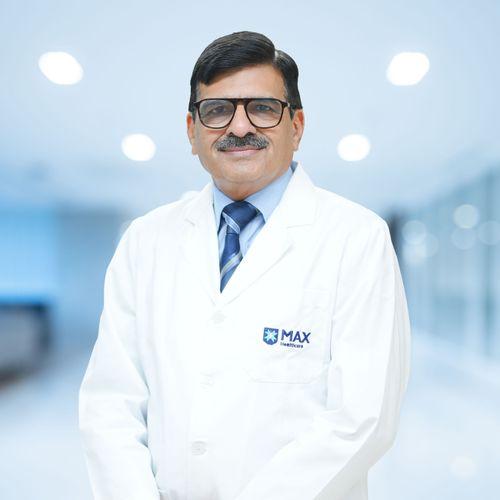
Director
Neurosciences
New Delhi
14+ Years
Experience
Apolo Delhi
Hospital
1500
Fees
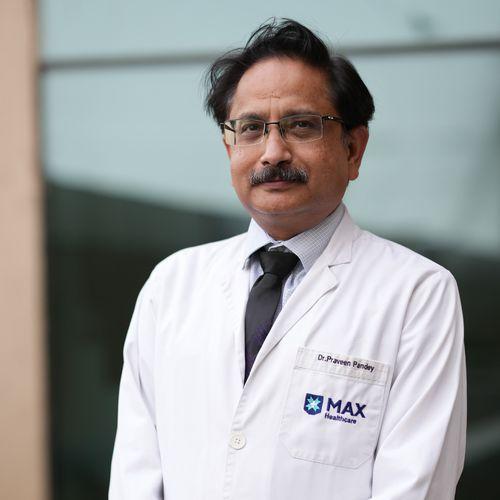
Director
Neuroscience
New Delhi
17+ Years
Experience
Apolo Delhi
Hospital
1500
Fees
Director
Neurology
New Delhi
20+ Years
Experience
Apolo Delhi
Hospital
1500
Fees
ከህንድ ምርጥ ሆስፒታሎች የግል የህክምና ህክምና አማራጮችን ያግኙ። የእኛ የህክምና ባለሙያዎች በእያንዳንዱ እርምጃ ላይ እርስዎን ለመርዳት ዝግጁ ናቸው።