
ግላዊ ምክር ይፈልጋሉ?
የእኛ የህክምና ባለሙያዎች ጥያቄዎችዎን ለመመለስ እና የህክምና አማራጮችዎን እንዲያውቁ ለመምራት ዝግጁ ናቸው።
የእኛ የህክምና ባለሙያዎች ጥያቄዎችዎን ለመመለስ እና የህክምና አማራጮችዎን እንዲያውቁ ለመምራት ዝግጁ ናቸው።
For patients in Bangladesh facing an acute ischemic stroke, the immediate concern often revolves around swift access to advanced treatment options. Uncertainty about where to find high-quality, urgent care for conditions like stroke can add immense stress during a critical time.
Many families exploring medical options beyond their home country specifically consider New Delhi. The city's well-developed medical infrastructure and experienced neurology teams offer a compelling reason to seek care here, especially for time-sensitive interventions.
New Delhi's hospitals are recognized for their commitment to rapid stroke response, housing specialized neuro-intervention units. Patients benefit from a coordinated care environment where specialists work together to ensure effective treatment and follow-up support within the city.
New Delhi provides established pathways for international patients seeking stroke interventions.
Endovascular Thrombectomy is a minimally invasive procedure designed to remove a blood clot from a large artery in the brain, restoring blood flow. This treatment is critical for certain types of acute ischemic stroke, which occurs when a clot blocks blood supply to part of the brain. Performed by neuro-intervention specialists, it involves guiding a catheter through an artery, typically in the groin, up to the brain to retrieve or dissolve the clot. The primary goal is to minimize brain damage and improve patient outcomes by reopening the blocked vessel as quickly as possible.
Endovascular Thrombectomy typically employs one of two main techniques, or a combination:
The procedure for Endovascular Thrombectomy depends on the precise location and nature of the clot, as well as the patient's overall health.
Once a patient is deemed eligible, they are moved to a specialized angiography suite. An IV line is inserted, and often general anesthesia is administered to ensure the patient remains still and comfortable throughout the complex procedure.
The neuro-interventionist makes a small incision, usually in the groin, to access the femoral artery. A thin guidewire and catheter are inserted into the artery and carefully navigated under continuous X-ray guidance through the major blood vessels, up into the neck, and then into the affected artery in the brain. Once the catheter reaches the clot, either a stent retriever is deployed to ensnare the clot, or a suction device is used to aspirate it. The device, along with the captured clot, is then slowly withdrawn from the body.
After successful clot removal, the catheter is taken out, and pressure is applied to the insertion site to prevent bleeding. The patient is then closely monitored in an intensive care unit or stroke unit for several days to observe their neurological status, manage blood pressure, and prevent complications.
Recovery from Endovascular Thrombectomy varies greatly depending on the severity of the stroke, the amount of brain damage, and the patient's overall health. Immediate recovery involves close monitoring in the hospital, often in a specialized stroke unit. Patients may experience some residual weakness or speech difficulties. Rehabilitation is a crucial part of recovery, often beginning within days of the procedure. This includes physical therapy to regain strength and coordination, occupational therapy for daily living skills, and speech therapy for communication issues. Follow-up appointments with neurologists are essential to manage risk factors and monitor progress.
The success rate of Endovascular Thrombectomy in achieving reperfusion (restoring blood flow) is generally high, often ranging from 70% to 90% in experienced centers, especially when performed within the optimal time window. Clinical outcomes, such as significant improvement in neurological function, can vary widely based on individual patient factors, the extent of the stroke, and how quickly the treatment is initiated. Many patients experience substantial recovery, though some may have residual deficits. Long-term outcomes are positively influenced by timely intervention and comprehensive post-procedure rehabilitation.
The cost of Endovascular Thrombectomy in New Delhi can vary significantly due to several factors. These include the choice of hospital (private vs. corporate hospitals), the expertise and fee structure of the treating neuro-interventionist, the specific type of devices used during the procedure, the duration of hospital stay, the need for intensive care, and any required post-procedure rehabilitation. Additional diagnostic tests or management of complications can also influence the overall expenditure.
In New Delhi, the estimated cost for Endovascular Thrombectomy for Stroke typically ranges from INR 9,00,000 to INR 18,00,000.
Comparing the cost of Endovascular Thrombectomy in New Delhi to other major medical hubs around the world highlights the affordability without compromising on quality or advanced medical care. This table provides an approximate overview of the cost ranges.
| Location | Estimated Cost Range (USD) |
|---|---|
| New Delhi | $11,000 - $22,000 |
| United States | $50,000 - $100,000+ |
| United Kingdom | $35,000 - $65,000 |
| Singapore | $28,000 - $45,000 |
| Thailand | $18,000 - $30,000 |
| Turkey | $15,000 - $25,000 |
Choosing the right medical care for Endovascular Thrombectomy is a significant decision. New Delhi offers advanced facilities and skilled professionals dedicated to effective stroke treatment.
India offers premium medical procedures at affordable prices. Discover our most popular treatments, delivered by the country's finest doctors.
Meet our team of highly qualified and experienced medical professionals dedicated to providing the best healthcare services.
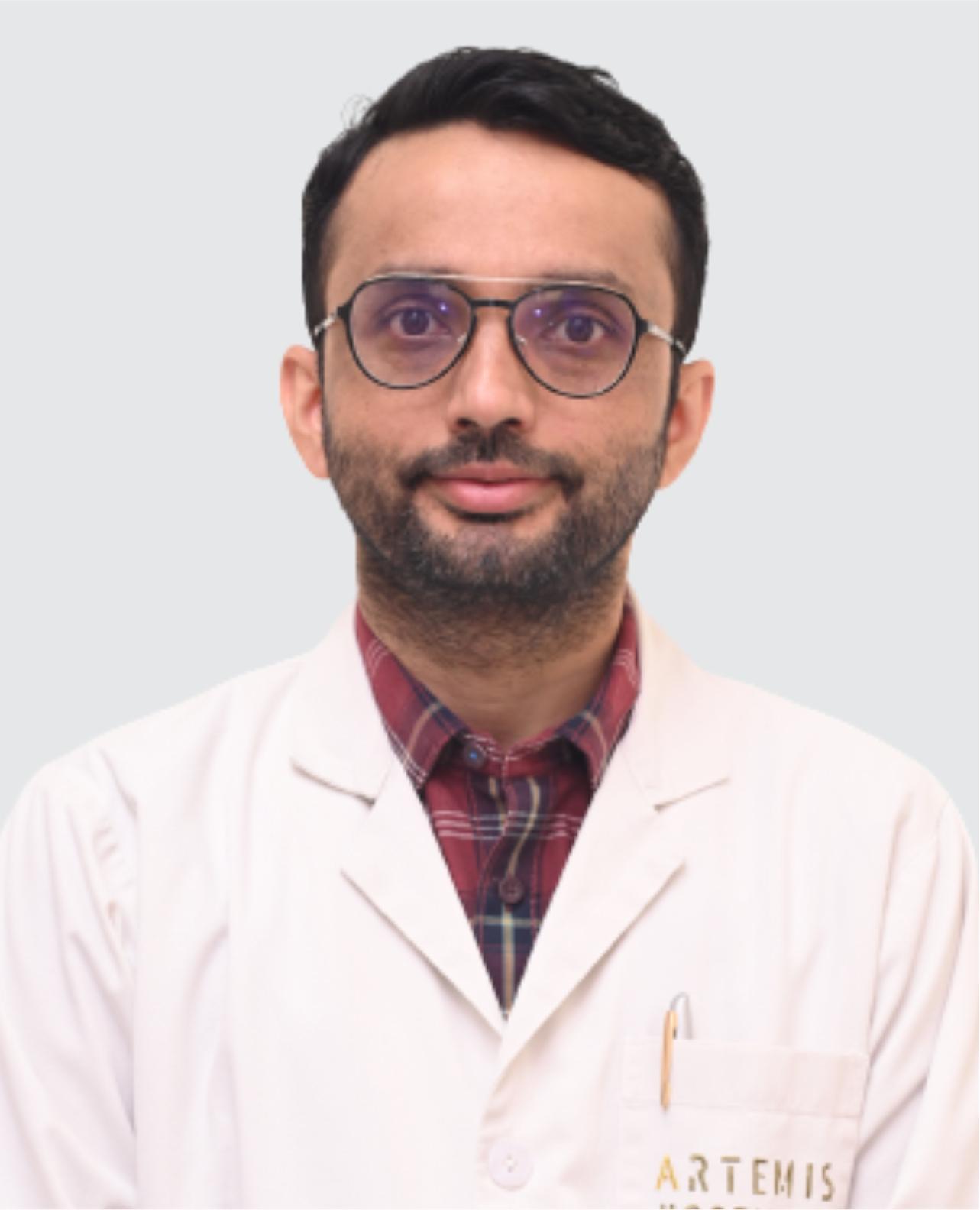
Sr. Consultant-Neurology & Epilepsy
Neurology & Epilepsy
New Delhi
15+ Years
Experience
Artemis Hospital
Hospital
1500
Fees
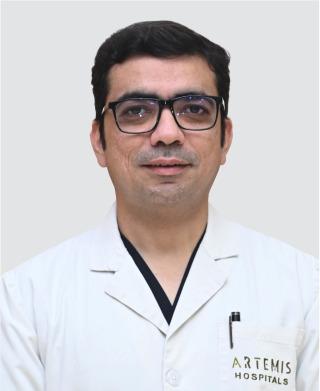
Director & Chief
Neurointerventional Surgery
New Delhi
15+ Years
Experience
Artemis Hospital
Hospital
1500
Fees

Director - Neurology
Neurology
New Delhi
18+ Years
Experience
Apolo Delhi
Hospital
1500
Fees

Consultant - Neurology & Movement Disorders
Neurology
New Delhi
15+ Years
Experience
Artemis Hospital
Hospital
1500
Fees

Additional Consultant - Neuro Interventional Surgery
Neurointerventional Surgery
New Delhi
20+ Years
Experience
Artemis Hospital
Hospital
1500
Fees
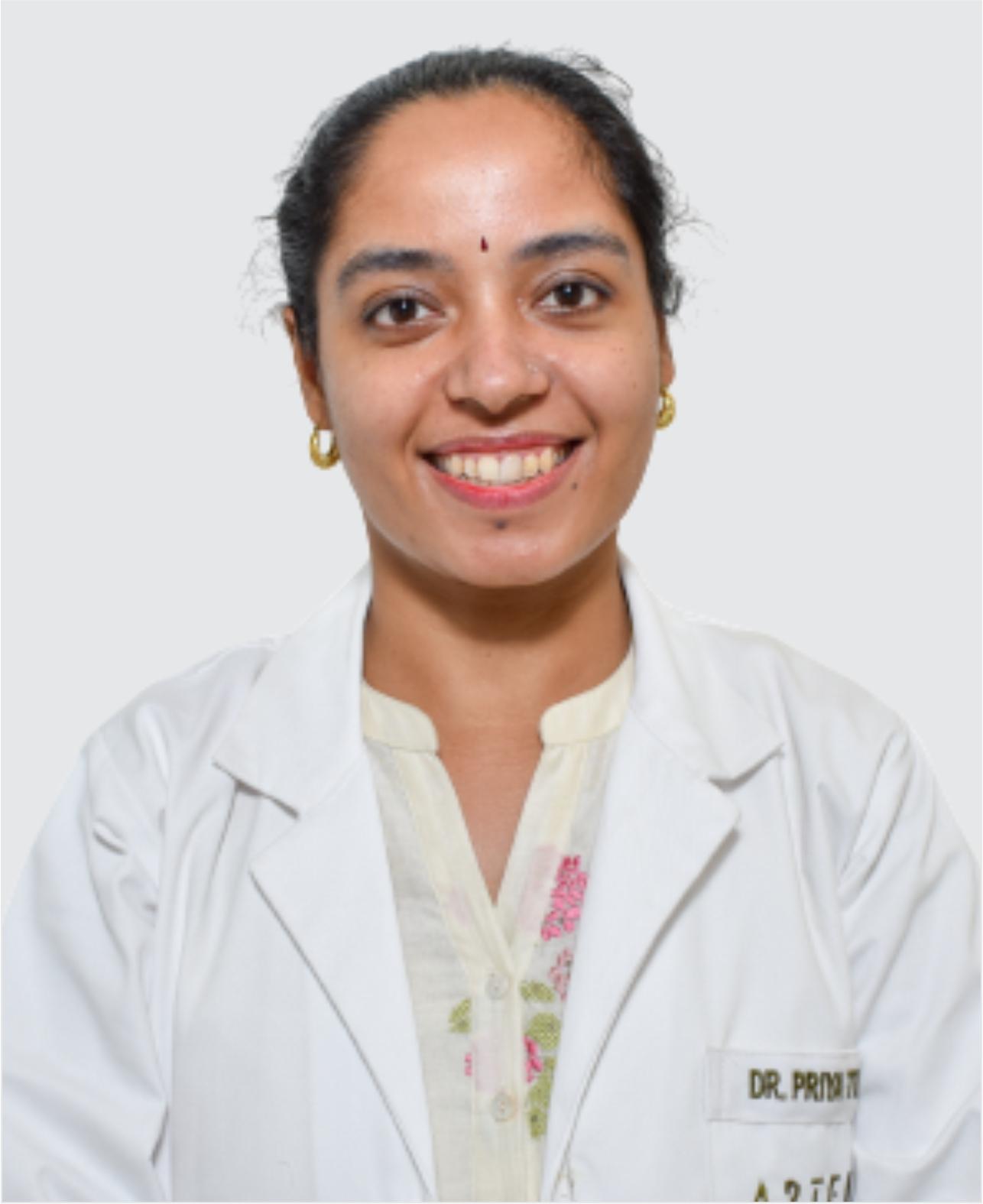
Sr. Consultant
Radiology
New Delhi
12+ Years
Experience
Artemis Hospital
Hospital
1500
Fees
Senior Medical Oncologist
Medical Oncology, Haemato-medical Oncology
New Delhi
15+ Years
Experience
Max Hospital,Gurgaon
Hospital
1500
Fees
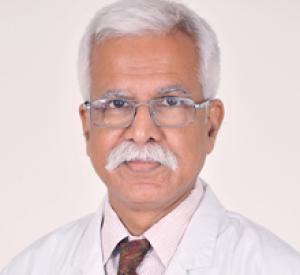
Principal Director - Pulmonology
Pulmonology
New Delhi
40+ Years
Experience
Max Hospital,Gurgaon
Hospital
1500
Fees
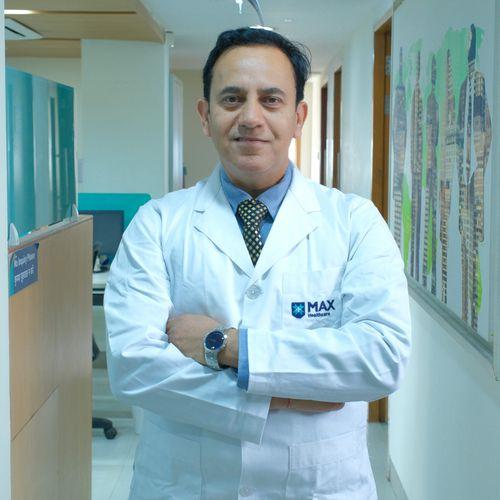
Senior Consultant, Neurology
Neurology
New Delhi
12+ Years
Experience
Apolo Delhi
Hospital
1500
Fees
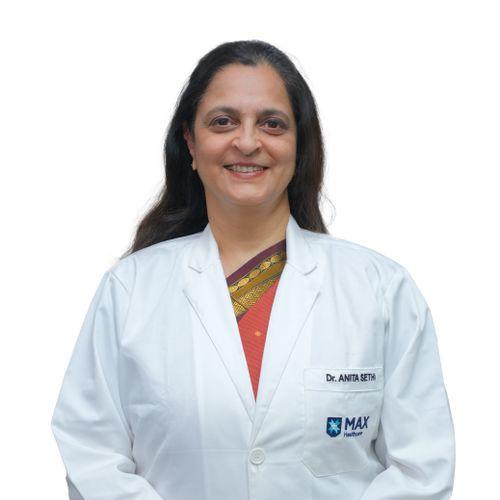
Director
Neurology
New Delhi
28+ Years
Experience
Apolo Delhi
Hospital
1500
Fees
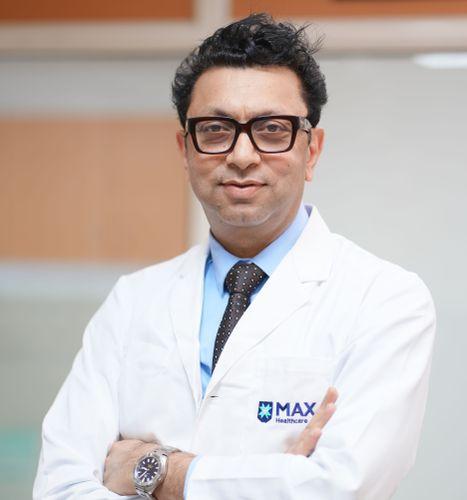
Senior Consultant - Neurology
Neurology
New Delhi
12+ Years
Experience
Apolo Delhi
Hospital
1500
Fees
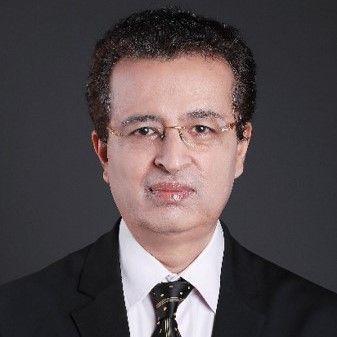
Director
Neurology
New Delhi
30+ Years
Experience
Apolo Delhi
Hospital
1500
Fees
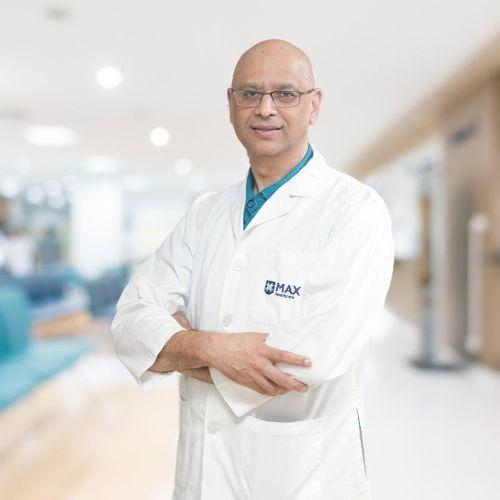
Director - Neuro Sciences
Neurology
New Delhi
18+ Years
Experience
Apolo Delhi
Hospital
1500
Fees
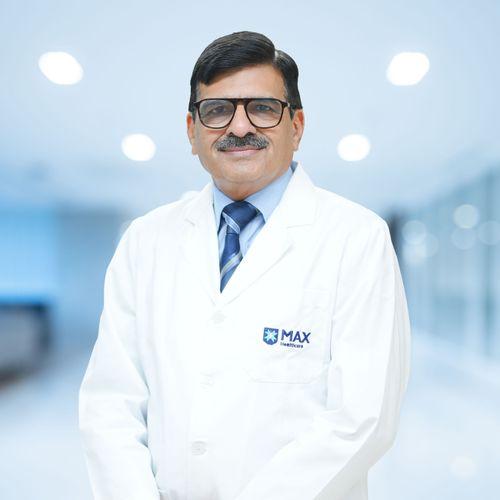
Director
Neurosciences
New Delhi
14+ Years
Experience
Apolo Delhi
Hospital
1500
Fees
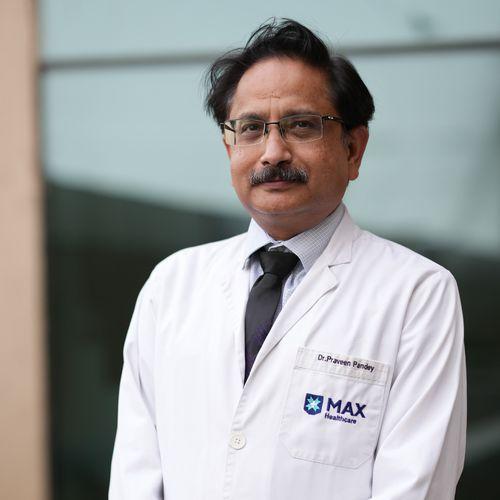
Director
Neuroscience
New Delhi
17+ Years
Experience
Apolo Delhi
Hospital
1500
Fees
Director
Neurology
New Delhi
20+ Years
Experience
Apolo Delhi
Hospital
1500
Fees
ከህንድ ምርጥ ሆስፒታሎች የግል የህክምና ህክምና አማራጮችን ያግኙ። የእኛ የህክምና ባለሙያዎች በእያንዳንዱ እርምጃ ላይ እርስዎን ለመርዳት ዝግጁ ናቸው።