
Radiology Treatment in Pune for Iraq
Need Personalized Advice?
Our medical experts are ready to answer your questions and guide you through your treatment options.
Our medical experts are ready to answer your questions and guide you through your treatment options.
Patients from Iraq often seek clarity and accuracy when facing medical conditions requiring advanced imaging. The uncertainty surrounding diagnostic precision, access to modern technology, and the overall reliability of radiology services can be a significant concern for you and your family as you explore options for care.
Choosing a destination like Pune for your radiology needs brings distinct advantages. This Indian city has emerged as a reliable medical hub, offering a structured and coordinated environment for international patients. Its specific focus on medical infrastructure makes it a compelling choice for those prioritizing ease of access and comprehensive care.
Pune’s healthcare ecosystem is built on a foundation of trust, with many accredited hospitals and highly skilled radiology specialists. The city ensures seamless patient journeys, including initial consultations, advanced imaging, and necessary follow-ups. You can expect coordinated care within Pune's well-established medical facilities.
Why should Pune be your preferred city for medical imaging?
Radiology is a crucial medical specialty that uses various imaging techniques to diagnose and sometimes treat diseases within the body. Radiologists are medical doctors who interpret these images, providing essential information to guide patient care. It helps identify underlying causes of symptoms, monitor disease progression, and evaluate the effectiveness of treatments without invasive procedures. From simple X-rays to complex MRI scans, radiology provides a detailed look inside the body to help physicians make informed decisions about your health.
X-ray Imaging: Fast and non-invasive, used for bone fractures, chest conditions, and detecting foreign objects.
Computed Tomography (CT) Scan: Detailed cross-sectional images of bones, soft tissues, and blood vessels, ideal for trauma, cancer staging, and internal injuries.
Magnetic Resonance Imaging (MRI): Utilizes strong magnetic fields and radio waves to create highly detailed images of organs, soft tissues, bone, and virtually all other internal body structures. Excellent for brain, spine, joints, and abdominal conditions.
Ultrasound: Uses sound waves to visualize organs and structures, often used for abdominal conditions, obstetrics, cardiology, and vascular imaging, and can be real-time.
Nuclear Medicine: Involves small amounts of radioactive material to diagnose and treat diseases, often used for bone scans, heart scans, and thyroid conditions.
Interventional Radiology: Minimally invasive procedures performed under image guidance to diagnose and treat conditions such as biopsies, tumor ablations, and vascular stenting.
The specific procedure for a radiology scan depends on the type of imaging required and the area of the body being examined. Your medical team will provide detailed instructions for your particular scan.
For most diagnostic scans like X-rays, CTs, and MRIs, you will lie on a table that moves into the imaging machine. It is crucial to remain still during the scan to ensure clear images. Depending on the type of scan, a contrast agent might be administered orally or intravenously to enhance image clarity. Interventional radiology procedures involve minor incisions and precise instrument guidance using real-time imaging.
Once the scan is complete, the technologist will assist you off the table. If you received a contrast agent, you might be asked to drink extra fluids to help flush it from your system. The images will then be interpreted by a specialist radiologist, and a report will be prepared for your referring physician.
Recovery from diagnostic radiology procedures is typically immediate, with no downtime. You can usually resume your normal activities right after the scan. If you underwent an interventional radiology procedure, the recovery time would vary based on the specific intervention. You might experience some minor discomfort or bruising at the site, which can be managed with over-the-counter pain relievers. Your doctor will provide specific post-procedure instructions, including any restrictions, wound care if applicable, and when to expect your results and schedule follow-up appointments.
Radiology procedures generally have a high success rate in providing accurate diagnostic information. The success of an imaging scan is measured by its ability to clearly visualize the targeted area and identify any abnormalities. Outcomes can vary depending on the complexity of the condition and the specific imaging modality used. For interventional radiology, success is defined by the effectiveness of the treatment in addressing the underlying medical issue. Long-term expectations are typically positive when accurate diagnoses lead to timely and effective treatment plans.
The cost of radiology services in Pune can vary based on several factors, including the type of scan, the complexity of the procedure, the specific hospital or diagnostic center chosen, the expertise of the radiologist, and whether contrast agents are required. Advanced imaging like MRI and PET-CT scans will naturally be more expensive than standard X-rays or ultrasounds.
For international patients, the average cost for comprehensive radiology services in Pune can range significantly, typically starting from INR 5,000 for basic scans up to INR 50,000 or more for advanced procedures.
Pune offers highly competitive pricing for a full spectrum of radiology services when compared to Western countries, without compromising on technology or quality of care. This makes Pune an attractive option for medical tourists seeking advanced diagnostic imaging.
| Radiology Procedure | Cost in Pune (INR) | Cost in USA (USD) | Cost in UK (GBP) |
|---|---|---|---|
| Chest X-ray | 500 - 1,500 | 50 - 200 | 40 - 150 |
| Abdominal Ultrasound | 1,500 - 3,500 | 150 - 500 | 100 - 350 |
| Brain CT Scan | 3,000 - 7,000 | 300 - 1,200 | 250 - 900 |
| Lumbar Spine MRI | 7,000 - 15,000 | 700 - 3,000 | 600 - 2,500 |
| PET-CT Scan | 18,000 - 35,000 | 1,800 - 6,000 | 1,500 - 5,000 |
Pune offers reliable and accessible radiology services for patients seeking clarity and advanced diagnostics. Begin your path to precise medical insights with expert care.
India offers premium medical procedures at affordable prices. Discover our most popular treatments, delivered by the country's finest doctors.
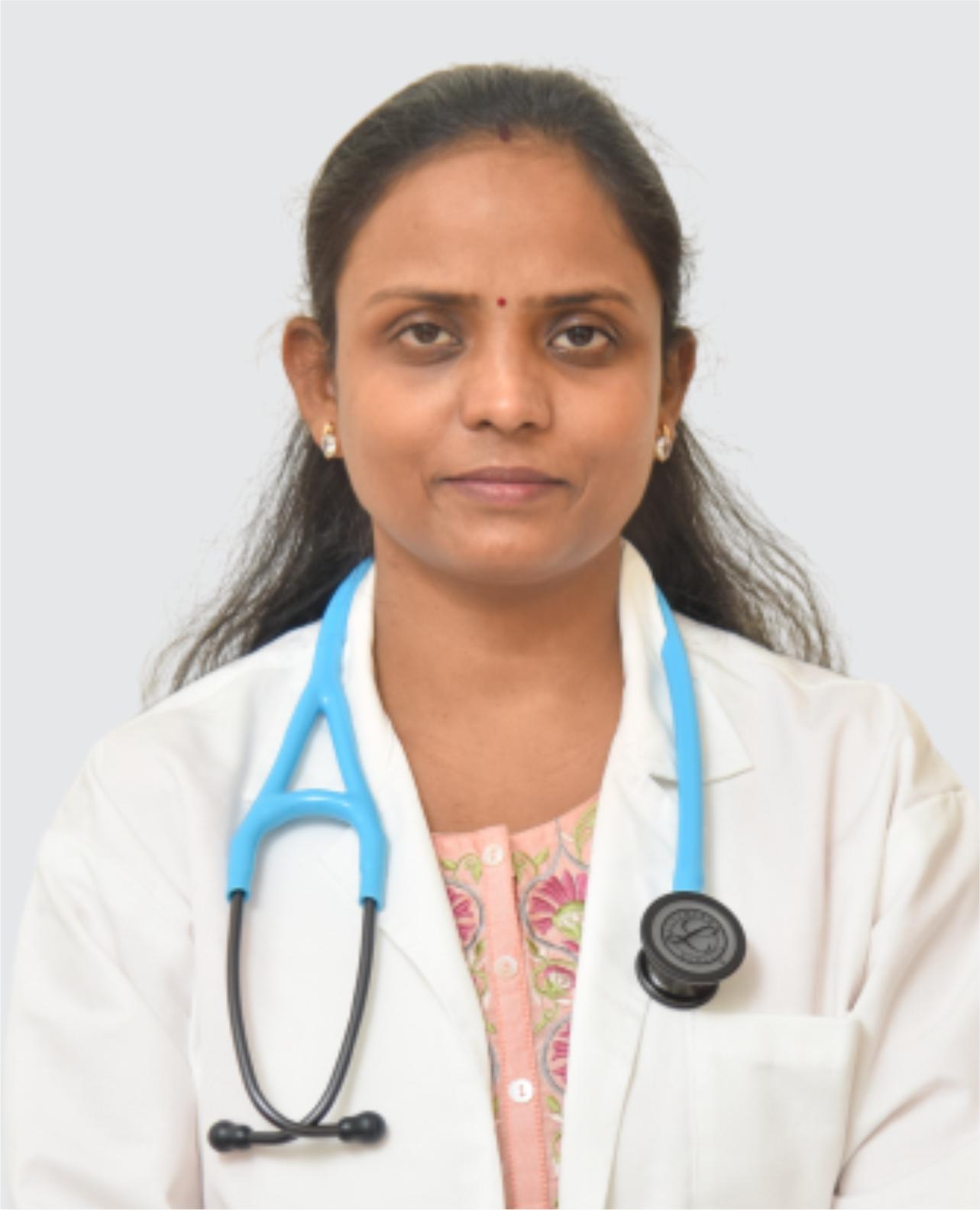
Meet our team of highly qualified and experienced medical professionals dedicated to providing the best healthcare services.

Sr. Consultant – Women Imaging
Radiology (Specializing in Women's Imaging)
Haryana
15+ Years
Experience
Artemis Hospital
Hospital
1500
Fees
Consultant - Pediatric Rheumatology
Pediatric Rheumatology
New Delhi
13+ Years
Experience
Artemis Hospital
Hospital
1500
Fees

Admin Head - Emergency
Emergency & Trauma Services
New Delhi
25+ Years
Experience
Artemis Hospital
Hospital
1500
Fees

Head Imaging & Chief DNB Program
Radiology
New Delhi
19+ Years
Experience
Artemis Hospital
Hospital
1500
Fees

Chief - Critical Care (Unit II) & Chief- Medical Quality
Critical Care & ICU
New Delhi
15+ Years
Experience
Artemis Hospital
Hospital
1500
Fees

Sr. Consultant - Radiation Oncology
Radiation Oncology
New Delhi
15+ Years
Experience
Artemis Hospital
Hospital
1500
Fees

Chief - Paediatric Cardiology
Paediatric Cardiology
New Delhi
18+ Years
Experience
Artemis Hospital
Hospital
1500
Fees

Chairperson - Nuclear Medicine & Radio-Theranostics
Nuclear Medicine
New Delhi
15+ Years
Experience
Artemis Hospital
Hospital
1500
Fees

Sr. Consultant
Radiology
New Delhi
12+ Years
Experience
Artemis Hospital
Hospital
1500
Fees

Associate Director
Pulmonology
New Delhi
20+ Years
Experience
Apolo Delhi
Hospital
1500
Fees
Get Personalized Medical Treatment Options From India's Top Hospitals. Our Medical Experts Are Ready To Assist You Every Step Of The Way.