
Written by DivinHeal Editorial Contributor, Samrat Nilesh, Embryologist | Medically Reviewed by Dr Indu Priya, Gynecologist(MBBS,MD) Published on: 2026-01-29
Fresh vs Frozen Embryo Transfer: Success Rates, Cost & How to Choose
Choosing between fresh vs frozen embryo transfer isn’t just a medical decision - it’s the moment where hope, time and money all collide. A 2019 study in the journal Reproductive BioMedicine Online found that frozen embryo transfers (FET) produced live birth rates of 74.5% compared to 53.7% for fresh transfers when combined with genetic screening.
That's not a small gap. It's the difference between hope and heartbreak for thousands of families every year.
If you're reading this from Melbourne, London or Dubai, you're probably weighing two things at once: which transfer type gives you the best odds and how to afford it. This guide covers both - with real data, transparent pricing from Indian clinics and practical steps to plan your trip.
What Is Fresh vs Frozen Embryo Transfer?
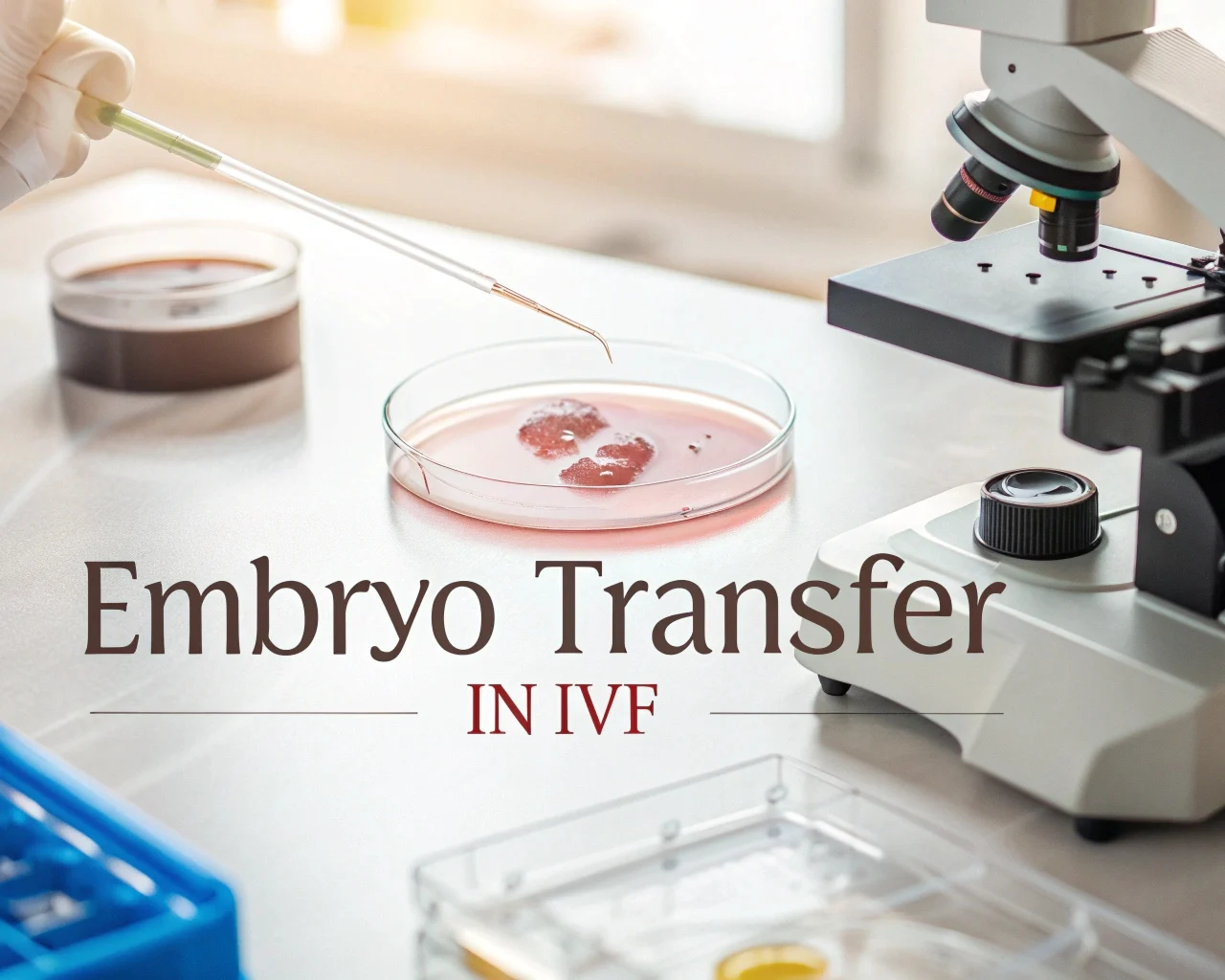
Fresh embryo transfer and frozen embryo transfer are two ways to place an embryo into your uterus during IVF. The core difference is timing - and that timing changes your body's readiness for pregnancy.
What is a fresh embryo transfer?
A fresh embryo transfer places an embryo into your uterus 3–5 days after egg retrieval, during the same IVF cycle. Your eggs are collected, fertilised with sperm in a lab and the best-quality embryo is transferred without freezing.
The advantage is speed - no waiting. But here's the catch: your body is still flooded with hormones from ovarian stimulation (the medications that help you produce multiple eggs). A 2018 study in The New England Journal of Medicine found that these elevated hormone levels can reduce your uterine lining's receptivity, making it harder for the embryo to implant.
What is a frozen embryo transfer (FET)?
A frozen embryo transfer uses embryos that were cryopreserved (frozen using a rapid-freezing technique called vitrification) from a previous IVF cycle. These embryos are thawed and transferred in a later cycle - weeks or even months after egg retrieval.
This matters because your body has time to recover from stimulation medications. Your doctor prepares your uterine lining with oestrogen and progesterone, mimicking a natural cycle. According to ASRM data, vitrification gives embryos a survival rate above 95% after thawing - meaning very few embryos are lost in the process.
FET also opens the door to preimplantation genetic testing (PGT-A) - a lab test that checks embryos for chromosomal abnormalities before transfer. This isn't possible with fresh transfers because the biopsy and testing process takes several days.
Key differences: fresh vs frozen embryo transfer timing
The table below summarises the core differences:
Feature | Fresh embryo transfer | Frozen embryo transfer (FET) |
Timing | 3–5 days after egg retrieval | Weeks to months after retrieval |
Uterine environment | Affected by stimulation hormones | Optimised with controlled preparation |
PGT-A genetic testing | Not possible (no time for results) | Yes - results back before transfer |
OHSS risk | Higher (stimulation still active) | Lower (body has recovered) |
Embryo survival | 100% (no freezing) | >95% with vitrification (ASRM data) |
Embryo grading explained: what do the numbers mean?
When your clinic says you have a "5AA embryo" or "4BB embryo," they're describing two things: the embryo's expansion stage (the number) and cell quality (the letters). The number 1–6 shows how far the blastocyst has expanded. The first letter grades the inner cell mass (the cells that become the baby) - A is best. The second letter grades the trophectoderm (the cells that become the placenta).
So a 5AA embryo is a fully expanded blastocyst with top-quality cells in both layers. A 4AA is slightly less expanded but still excellent quality. Both are considered high-grade and have strong implantation potential. Your embryologist will walk you through your specific embryo grades before transfer.
Is a 4AA or 5AA embryo better for transfer?
A 5AA embryo is slightly more developed than a 4AA - it's more expanded, which means it's closer to hatching and implanting. However, both grades carry excellent pregnancy rates. A 2019 analysis in Human Reproduction found that expansion stage alone doesn't predict live birth once cell quality (the AA grading) is equal. In practice, your doctor will choose the embryo with the overall best morphology, not just the highest number.
Fresh vs Frozen Embryo Transfer Cost: India vs Australia, UK & UAE
Fresh vs frozen embryo transfer cost is the question that brings most international patients to India. A single IVF cycle in Australia can cost AUD 10,000–20,000. In India, the same cycle costs ₹1,00,000–₹2,50,000 (approximately $1,200–$3,000 USD) at NABH-accredited clinics - a saving of 60–70%.
What's included in embryo transfer costs?
IVF costs break into four main parts: ovarian stimulation medications, lab procedures (fertilisation, culture, any genetic testing), the embryo transfer procedure itself and if you choose FET, the freezing and annual storage fee. A fresh cycle bundles everything into one treatment phase. An FET cycle is cheaper per transfer because there's no new egg retrieval - but you'll have paid for the initial IVF cycle and freezing separately.
Cost comparison: fresh vs frozen embryo transfer in India
Procedure | India (₹ / USD) | UAE (USD) | Australia (AUD) | UK (£) |
Full IVF cycle (fresh transfer) | ₹1–2.5L ($1,200–$3,000) | $8,000–$15,000 | $10,000–$20,000 | £4,000–£8,000 |
Frozen embryo transfer (FET cycle) | ₹50K–1L ($600–$1,200) | $2,000–$4,000 | $2,500–$5,000 | £1,500–£3,000 |
Embryo freezing + 1yr storage | ₹15K–40K ($180–$480) | $500–$1,000 | $500–$1,200 | £300–£800 |
PGT-A per embryo | ₹20K–40K ($240–$480) | $3,000–$6,000 | $4,000–$8,000 | £2,000–£4,000 |
Sources: Apollo Fertility (2024 pricing), Fortis La Femme Delhi, NABH hospital rate cards. Ranges are indicative - verify with your clinic.
Hidden costs and how to avoid them
The quote your clinic gives you usually doesn't include everything. Common extras: pre-cycle blood tests and scans (₹5,000–10,000), specific hormonal injections not in the standard protocol and extended medication if your lining takes longer to prepare. Ask for an itemised breakdown before you commit.
One thing that catches people off guard: if your first fresh transfer doesn't work and you didn't freeze spare embryos, you'll need a full new IVF cycle. That's another ₹1–2.5 lakh. Freezing embryos upfront costs ₹15,000–40,000 but could save you lakhs down the line.
Insurance and payment options for international patients
Most insurance policies from the UK, Australia and UAE classify IVF as "elective" and exclude overseas fertility treatment. Check your policy before booking - some UAE plans offer partial coverage for diagnostics. Several Indian clinics offer instalment payment plans or tiered packages. Our patient coordinators can help you understand your specific options and connect you with clinics that offer flexible payment.
Frozen Embryo Transfer Success Rates vs Fresh: What the Data Shows
Frozen embryo transfer success rates are comparable to - and often higher than - fresh transfer rates, according to large-scale studies. The advantage grows with patient age.
Live birth rates: fresh vs frozen by age group
According to a SART/CDC analysis of 435,000+ US cycles published in Fertility and Sterility, women under 35 had similar live birth rates with both methods (around 40%). But from age 38 onward, frozen transfers pulled ahead significantly:
Age group | Fresh ET live birth rate | Frozen ET live birth rate |
Under 35 | ~36–40% | ~38–42% |
35–37 | ~27–39% | ~35–40% |
38–40 | ~16–28% | ~30–36% |
41–42 | ~9–16% | ~23–30% |
43+ | ~3–8% | ~14–24% |
Source: SART/NASS data (2013 cohort, 435,765 cycles), published in Fertility and Sterility 2017. CCRM data (2013 ASRM presentation). Rates vary by clinic - ask for your clinic's specific data.
Factors that affect your embryo transfer success
Three factors matter most, regardless of whether you choose fresh or frozen:
Your age at egg retrieval. Egg quality declines after 35. If you froze embryos at 32, those embryos carry your 32-year-old egg quality even if you transfer them at 38.
Embryo quality and genetics. Higher-grade embryos (4AA, 5AA) have better implantation rates. PGT-A testing filters out chromosomally abnormal embryos, cutting miscarriage risk. According to CCRM data, PGT-A with frozen transfer reduced miscarriage to just 2.8% vs 18.5% with untested fresh transfers.
Uterine receptivity. Your uterine lining needs to be the right thickness (8–10mm) and in the right hormonal window. Some clinics offer an ERA test (endometrial receptivity analysis) to pinpoint the exact best day for transfer.
Is frozen embryo transfer more successful? Here's the evidence
For most patients, yes. A meta-analysis by Roque et al. (2013) in Reproductive BioMedicine Online found higher live birth rates and lower rates of preterm delivery, low birth weight and ectopic pregnancy with frozen transfers. The E-Freeze trial in the UK is still generating data, but early findings align with these results.
However, a 2024 study in Fertility and Sterility found that for women under 35 without PGT-A, live birth rates were comparable between fresh and frozen. The takeaway: if you're young, respond normally to stimulation and aren't doing genetic testing, fresh can work well. For everyone else - especially women over 37, high responders or anyone doing PGT-A - frozen is likely the stronger option.
ERA testing: should you get one before FET?
An endometrial receptivity analysis (ERA) is a biopsy of your uterine lining that identifies the exact window when your endometrium is most receptive to an embryo. According to data from CCRM, about 30% of women have a displaced receptivity window - meaning the standard transfer timing won't work for them. ERA can shift your transfer date by 12–24 hours, which may be enough to make the difference. Indian clinics like ART Fertility Clinics in Delhi offer ERA as an add-on before FET.
Freeze-all IVF: why more clinics recommend it
A freeze-all protocol means every embryo from your IVF cycle is frozen - no fresh transfer attempted. Your doctor then schedules the FET when your body is fully recovered. This approach is increasingly standard at top Indian clinics, especially for patients at risk of OHSS (ovarian hyperstimulation syndrome), those doing PGT-A or women with high oestrogen levels after stimulation. The logic is simple: separating egg retrieval from embryo transfer lets your doctor optimise each step independently.
Pros and Cons: Fresh vs Frozen Embryo Transfer
Neither option is universally better. Here's an honest breakdown to help you discuss with your fertility specialist.
Fresh embryo transfer: pros and cons
Pros: Faster timeline (transfer happens days after retrieval). No freezing or thawing step. Lower upfront cost if you're only doing one cycle. Good option if you have few embryos and want to avoid any thaw risk.
Cons: Your body is still recovering from stimulation hormones - the uterine lining may be less receptive. No time for PGT-A genetic testing. Higher OHSS risk. If it fails, you're back to square one with a full new cycle.
Frozen embryo transfer: pros and cons
Pros: Uterine lining is optimised without stimulation hormones. Allows PGT-A testing to select genetically normal embryos. Lower OHSS risk. Spare embryos available for future attempts without another full cycle. Often higher live birth rates, especially for women over 35.
Cons: Longer timeline (weeks to months between retrieval and transfer). Additional cost for freezing and storage (₹15K–40K/year). Very small thaw risk (<5% with modern vitrification). Requires patience during the waiting period.
When is a fresh transfer the better choice?
Your doctor might recommend a fresh transfer if you had a mild stimulation with few eggs, your oestrogen levels are normal, you don't need genetic testing and you have only 1–2 embryos. In donor egg cycles, fresh transfer outcomes are equivalent to frozen because the recipient's uterus hasn't undergone stimulation.
Why Choose India for Frozen Embryo Transfer?
When considering fertility treatment abroad, cost is often a major factor—but in India’s case, affordability comes with strong clinical excellence. India has become a preferred destination for Frozen Embryo Transfer (FET) due to its combination of advanced technology, experienced specialists, and internationally accredited clinics.
High Clinical Standards at Affordable Costs
Fertility centres in cities like Delhi, Mumbai, and Chennai are equipped with modern reproductive technologies, including vitrification systems and PGT-A (Preimplantation Genetic Testing for Aneuploidy).
These technologies are comparable to those used in leading global healthcare hubs such as London and Sydney—but at a significantly lower cost. Patients can often reduce treatment expenses by up to 70–80% without compromising on quality.
Advanced Technology & Laboratory Standards
Indian IVF labs follow globally accepted protocols for embryo freezing and thawing. Vitrification techniques ensure high embryo survival rates, which directly improves the success rates of frozen embryo transfers.
Additionally, genetic screening methods like PGT-A help in selecting chromosomally normal embryos, increasing the chances of a successful pregnancy while reducing the risk of miscarriage.
Globally Trained Fertility Specialists
Fertility specialists in India often receive training and exposure from international institutions. Many are active in research and have contributed to global medical journals, ensuring they stay aligned with the latest developments in reproductive medicine.
Treatment protocols are guided by the Indian Council of Medical Research, which maintains strict standards for assisted reproductive technologies in the country.
Shorter Waiting Times & Accessibility
Unlike many countries where patients face long waiting periods, India offers quicker access to treatment cycles. This is especially beneficial for patients with time-sensitive fertility concerns.
Additionally, major cities are well-connected internationally, making travel and medical coordination smoother for international patients.
Planning Your Embryo Transfer Trip to India
You don't need to spend months in India. Most frozen embryo transfer patients spend 10–14 days total.
Before you fly: remote preparation
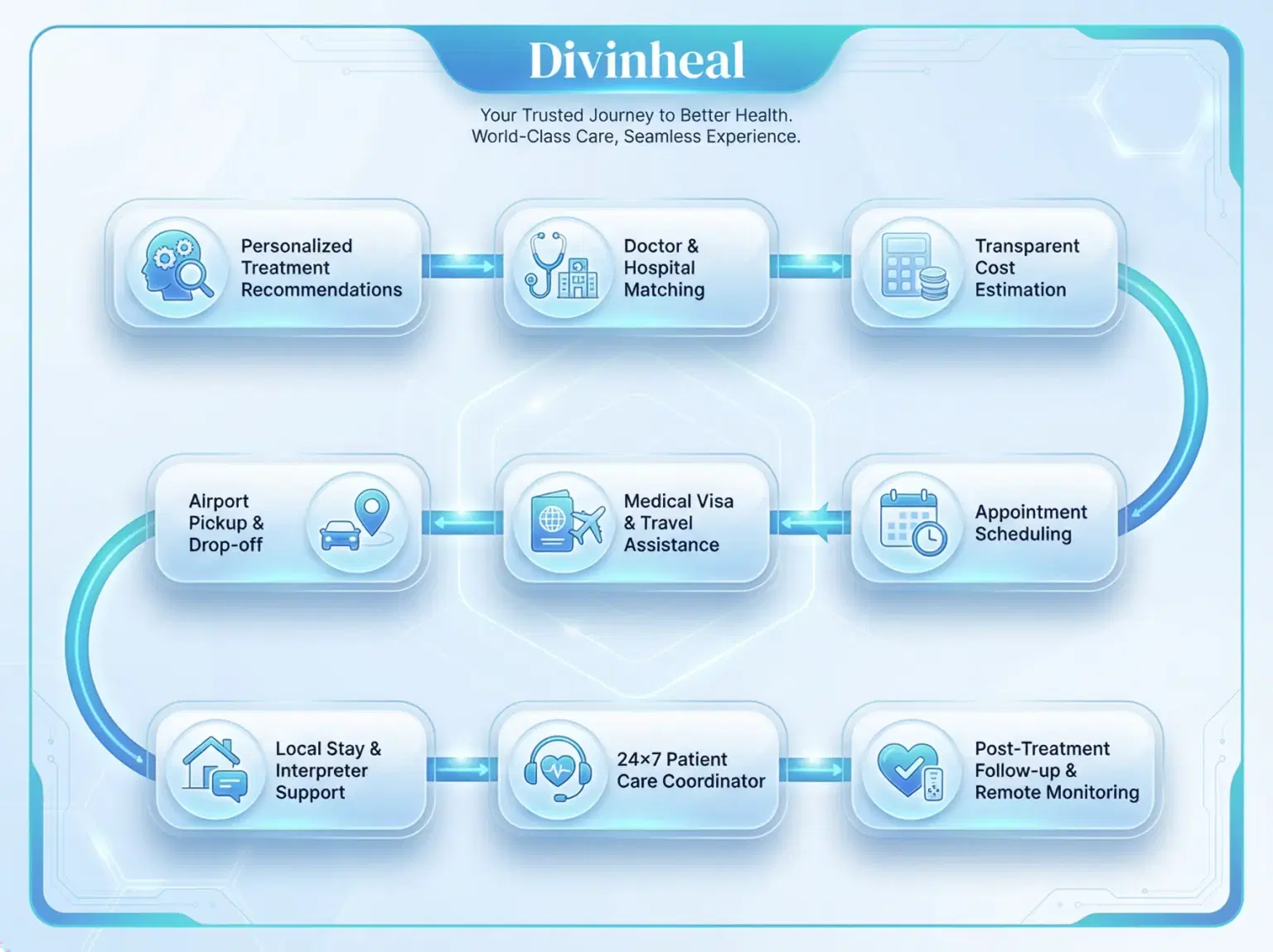
Your Indian clinic coordinates with your local doctor to run blood tests, hormone panels and uterine imaging at home. If you're doing a freeze-all protocol, you may complete stimulation and egg retrieval in your home country, then fly to India only for the FET. Our coordinators manage the paperwork, medical records and appointment scheduling between both clinics.
Medication sourcing tip: most fertility medications are available at pharmacies in Dubai, Sydney and London. Getting them locally avoids customs delays. Your Indian clinic will send a detailed medication list with exact brand names.
Visa, flights and accommodation
India's medical visa is straightforward. UAE patients typically get e-visa approval in 3–5 business days. Australian and UK applicants need 7–10 days. We provide invitation letters and documentation support.
Accommodation near major Delhi fertility centres ranges from ₹2,500/night ($30) for guesthouses to ₹10,000/night ($120) for serviced apartments. Book flexible flights in case your transfer date shifts by a day or two based on your lining check.
James and Claire, 34, from London: "We were nervous about the logistics, but the coordinator met us at Delhi airport and drove us straight to our apartment. Every appointment was pre-scheduled. We spent 12 days total and it felt like a very well-organised holiday - except for the scans."
Stories are illustrative composites based on typical patient journeys. Names changed for privacy.
Post-Transfer Care: How to Support Implantation
After your embryo transfer, you'll rest at the clinic for 15–30 minutes and then return to your accommodation. Most patients fly home 5–7 days after the transfer, once initial blood work confirms stable hormone levels.
The first 48 hours
Gentle activity is fine - walking, light meals, reading. Strict bed rest isn't supported by evidence and isn't recommended by ASRM guidelines. Avoid strenuous exercise, heavy lifting and hot baths for at least a week. Take your progesterone and any other prescribed medications exactly on schedule.
The two-week wait
The wait between transfer and pregnancy test (9–14 days) is the hardest part of IVF for most people. Your body won't give you reliable signals either way - symptoms like cramping and spotting can mean implantation or nothing at all. Stay in touch with our support team during this time. They're available for questions and can connect you with a counsellor if the anxiety feels overwhelming.
What is the hardest stage of IVF?
Most patients say the two-week wait after embryo transfer is the hardest stage of IVF emotionally. Physically, the ovarian stimulation phase (daily injections for 8–12 days) is the most demanding. The transfer itself is quick and usually painless - similar to a cervical smear. If you've been through multiple cycles, the cumulative emotional toll is real. Don't underestimate the value of support - from your partner, a therapist or an online community of people going through the same thing.
Your Next Step
You've done the research. You understand the difference between fresh vs frozen embryo transfer, you've seen the success rates and you know what treatment in India actually costs. That puts you ahead of 90% of patients at this stage.
The next step is a free consultation with a Divinheal fertility coordinator. They'll review your medical history, connect you with an accredited specialist in India and give you a personalised cost estimate - no obligations, no pressure. Patients from Australia, the UK and UAE typically save 60–70% compared to treatment at home.
Start your journey with Divinheal today or message the team directly to take the first step toward your treatment plan.
Related Links
International Patient Visiting India
Other Treatment related Information
Booking With DIVINHEAL
Get a free consultation to understand your treatment options
Related Links
International Patient Visiting India
Other Treatment related Information
DivinHeal's Journey
Latest Articles


Hospitals Offering this treatment
India offers premium medical procedures at affordable prices. Discover our most popular treatments, delivered by the country's finest doctors.

Hisar Intercontinental Hospital
Saray Mah. Siteyolu Cad. No:7, Umraniye, 34768, Istanbul, Turkey
Hisar Intercontinental Hospital

Medical Park Group, Istanbul
Fahrettin Kerim Gokay Cad. Tıbbiye Cd., Kadikoy, Istanbul, Turkey
Medical Park Group, Istanbul
Emsey Hospital, Pendik, Istanbul
Çamlık, Selçuklu Cd. No:22, 34912 Pendik/İstanbul, Türkiye
Emsey Hospital, Pendik, Istanbul

American Hospital, Istanbul
Guzelbahce Sk. No:20, 34365, Nisantasi, Istanbul, Turkey
American Hospital, Istanbul

Memorial Hospitals Group
Burhaniye, Nagehan Sokağı No:4/A D:1, 34676 Üsküdar/İstanbul, Türkiye
Memorial Hospitals Group

Florence Nightingale Hospital Istanbul
Abide-i Hürriyet Cd No:166, 34381 Sisli, Istanbul
Florence Nightingale Hospital Istanbul
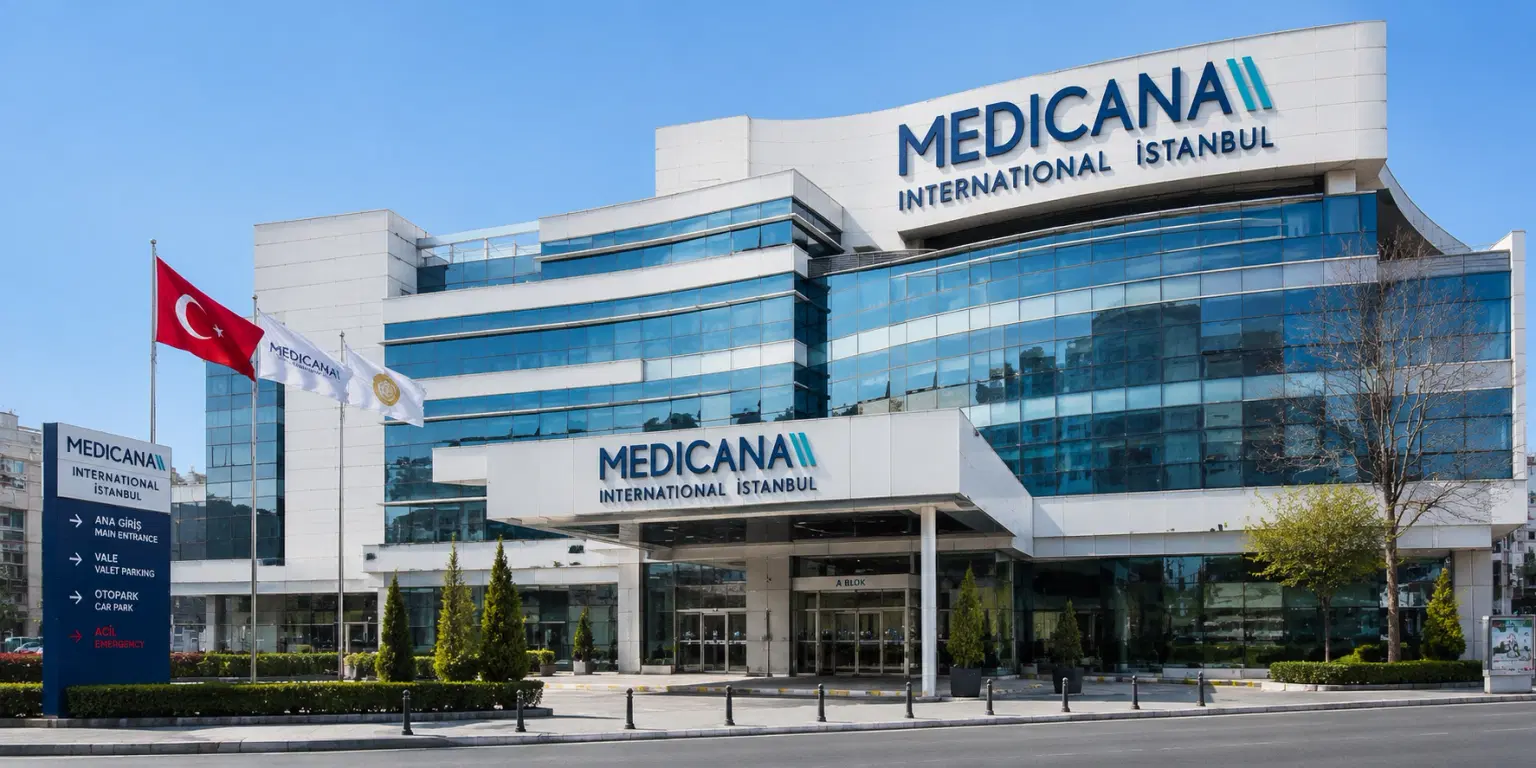
Medicana International Hospital, Istanbul
Halit Ziya Turkkani Mah. Medikal Park Cd. No:1, Beylikdüzü, İstanbul
Medicana International Hospital, Istanbul

Okan University Hospital Istanbul
Icmeler Mah. Aydınlıyolu Cd. No:2, 34947 Icmeler-Tuzla, Istanbul
Okan University Hospital Istanbul

Kolan International Hospital, Istanbul
Kaptanpasa Mah. Okmeydan Kavsagi, Darulaceze Cd. No:14, 34384 Sisli, Istanbul
Kolan International Hospital, Istanbul

Al Zahra Hospital, Dubai
Sheikh Zayed Road, Al Barsha 1, Dubai, UAE
Al Zahra Hospital, Dubai

Burjeel Medical City, Abu Dhabi
28th Street, Mohammed Bin Zayed City, Abu Dhabi, UAE
Burjeel Medical City, Abu Dhabi

Burjeel Hospital, Dubai
Dubai, UAE (part of Burjeel Holdings network)
Burjeel Hospital, Dubai
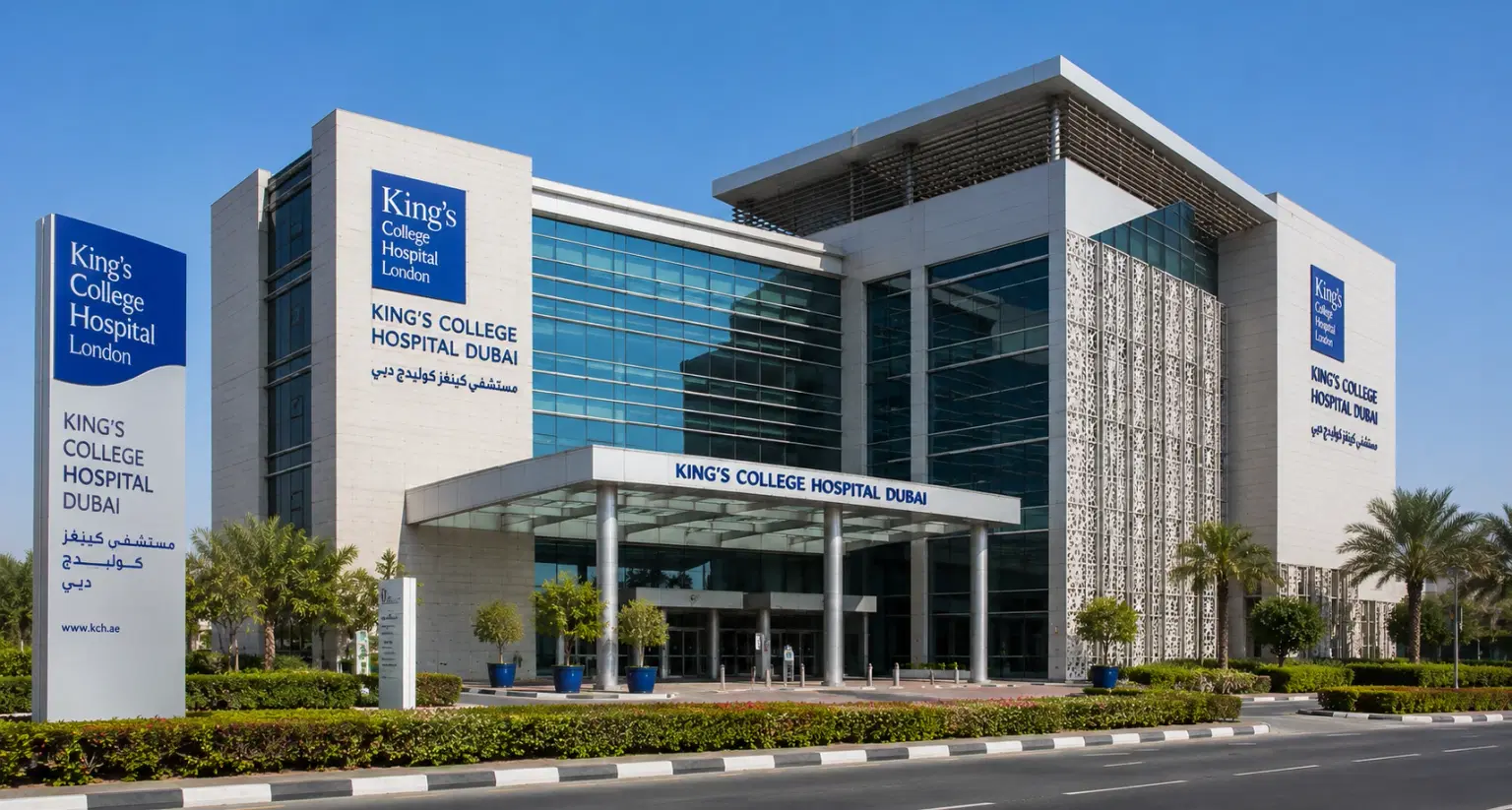
King's College Hospital, Dubai
Dubai Hills, Mohammed Bin Rashid City, Dubai, UAE
King's College Hospital, Dubai

Neuro Spinal Hospital (NSH), Dubai
Dubai Science Park, Umm Suqeim St, Al Barsha South, Dubai, UAE
Neuro Spinal Hospital (NSH), Dubai

HMS Al Garhoud Hospital, Dubai
Al Garhoud Street, Al Garhoud, Dubai, UAE
HMS Al Garhoud Hospital, Dubai

Canadian Specialist Hospital, Dubai
Abu Hail Street 269/1, Canadian Specialist Hospital Building, Hor Al Anz East, Deira, Dubai, UAE
Canadian Specialist Hospital, Dubai

NMC Royal Women's Hospital, Abu Dhabi
Tower B, Mohammed bin Zayed Stadium, Al Jazira Club, Opposite Dusit Thani, Muroor Road, Abu Dhabi, UAE
NMC Royal Women's Hospital, Abu Dhabi

NMC Specialty Hospital, Al Nahda, Dubai
7A St, Al Qusais, Al Nahda 2, next to Bait Al Khair Building, Dubai
NMC Specialty Hospital, Al Nahda, Dubai
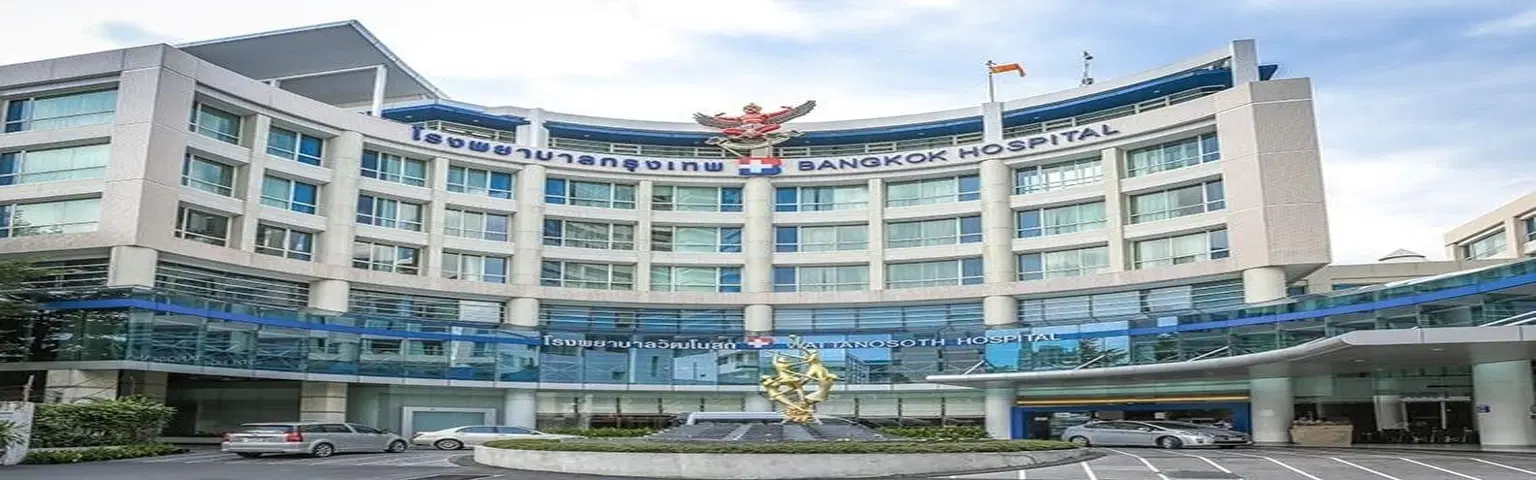
Bangkok Hospital, Thailand
2 Soi Soonvijai 7, New Petchburi Road, Huay Khwang, Bangkok 10310, Thailand
Bangkok Hospital, Thailand
Frequently Asked Questions
Get answers to common questions about medical tourism, treatment procedures, and our comprehensive healthcare services.
Ready To Start Your Healing Journey?
Get Personalized Medical Treatment Options From India's Top Hospitals. Our Medical Experts Are Ready To Assist You Every Step Of The Way.