
Written by DivinHeal Editorial Contributor, Samrat Nilesh, Embryologist | Medically Reviewed by Dr Indu Priya, Gynecologist(MBBS,MD) Published on: 2026-01-25
Frozen Embryo Transfer (FET) in India 2026: Cost, Timeline & Success
Rates for Australian & UK Patients
Medically reviewed by: [Name, MD/DNB, Reproductive
Medicine — to be completed by Divinheal medical team before publish]
Updated for the last time in April 2026
In India, a standalone FET costs ₹30,000–₹90,000 ($318.92–$955.19;
AUD 443.23–1,329.82; £235.03–£705.09) at fertility hospitals that are
NABH-accredited. That's 40–65% less than what private FET costs in Australia or
the UK. You get the same freezing technology and about the same number of live
births.
Australian patients on public waiting lists and UK
patients with NHS restrictions can get started within 1–2 weeks of enquiry.
This guide covers:
•
What FET is and how it differs from fresh
transfer
•
A day-by-day FET timeline
•
Success rates by age
•
A full cost comparison in AUD and GBP
•
How Divinheal supports patients from Australia
and the UK
What Is Frozen Embryo Transfer
(FET) and What Does FET Mean?
Frozen
embryo transfer (FET) means thawing a stored embryo and placing it in the
uterus. The embryo was frozen during an earlier IVF cycle. Your eggs were
collected, fertilized, and good embryos not used right away were frozen. FET
does not need a new egg collection or hormone injections.
FET
is now the most common transfer method at busy fertility centres worldwide.
Modern freezing — called vitrification — works very well. Over 95% of frozen
embryos survive the thaw at NABH-accredited Indian centres. The transfer takes
15–20 minutes. No anaesthesia is needed. Most patients say it feels like a
cervical smear test.
FET
stands for Frozen Embryo Transfer — sometimes called Frozen Embryo Replacement
or FER in the UK.
Fresh vs Frozen Embryo Transfer:
Which Is More Successful?
For most
patients, FET results are as good as or slightly better than a fresh transfer.
The main reason is the uterus. During a fresh IVF cycle, the uterus has high
hormone levels from the stimulation. Those levels can make it harder for an
embryo to implant. A frozen cycle uses a separate, calmer cycle. This gives the
uterus a better chance to prepare for the embryo.
|
Feature |
Fresh Embryo
Transfer |
Frozen Embryo
Transfer (FET) |
|
Timing |
3–5 days
post-egg retrieval |
Separate cycle
— weeks or months after retrieval |
|
Uterine
environment |
Affected by
ovarian stimulation hormones |
Prepared
separately; more natural hormonal state |
|
Uterine
receptivity |
May be reduced
by elevated hormone levels |
Typically
improved — controlled endometrial preparation |
|
PGT-A
compatibility |
Limited —
timing too tight |
Standard —
embryos frozen while genetic testing runs |
|
OHSS risk |
Present
(stimulation and transfer same cycle) |
Minimal —
stimulation already resolved |
|
Cost model |
Part of the initial
IVF package |
Separate cycle
fee — lower if embryos are already stored |
Sources: The 2023
annual report from the HFEA (Human Fertilization and Embryology Authority);
data from the ICMR ART registry; and published advice from the Oasis Fertility
Centre AU. Results from each clinic are different.
Frozen Embryo Transfer
Cost: India vs Australia vs UK (2026)
FET
costs vary a lot between India, Australia, and the UK. The table below shows
two products that people often confuse. The first is a standalone FET, where
you already have embryos stored. The second is a combined IVF + FET programme,
which includes egg collection and the fresh cycle first.
|
Procedure |
India
(approx.) |
Australia
(private) |
UK
(private) |
|
FET
cycle (standalone — embryos already in storage) |
₹30,000–₹90,000
($318.92–$955.19; AUD 443.23–1,329.82; £235.03–£705.09) |
AUD
2,500–3,000 |
£2,000–£3,500 |
|
IVF
cycle + FET (full fresh + frozen program) |
₹80,000–₹4,00,000
($849.65–$4,300; AUD 1,181.80–5,908; £626.91–£3,134.86) |
AUD
10,000–18,000 |
£5,000–£10,000 |
|
Embryo
storage (per year) |
₹20,000–₹40,000
($240–$480; AUD 300–590; £160–£313.51) |
AUD
500–1,000 |
£200–£1000 |
Sources:
Gateshead Fertility Clinic (United Kingdom, £1,445 without medication); Genea
Newcastle and Oasis Fertility Centre (Australia, listed prices); Apollo
Hospitals, Chennai; Fortis Hospital, Noida; Medanta Hospital, Gurgaon; MAX
Hospitals; and Artemis Hospital, Gurgaon (India, partner hospital pricing).
Foreign currency conversion rates were applied based on the first quarter of
2026. All the figures are approximate estimates of the costs involved in
private healthcare; the actual cost will vary depending on the specifics of
each treatment cycle.
FET Cost in Australia — and What
Medicare Covers
In Australia, a
private standalone FET cycle costs around AUD 2,500–4,500. Medicare gives a
partial rebate on some parts of the cycle. This mainly covers the consultation
and blood tests. The FET procedure item attracts a rebate that cuts out-of-pocket
costs by AUD 300–700 per cycle. The exact amount depends on the clinic and your
Medicare card status.
Public fertility
programs in Victoria, NSW, and Queensland have 3–12 month wait-lists for FET.
Many Australian patients who already have frozen embryos choose to travel to
India instead. Divinheal can coordinate embryo transport from your Australian
clinic to India.
India’s
standalone FET costs AUD 2,500–3,000. That is below the Medicare-rebated cost
at many Australian private clinics. Even with a 7–10 day India trip, the saving
is real. This is especially true if you need more than one FET attempt.
FET Cost in the UK — NHS vs Private
In the UK, NHS-funded
FET follows the same strict rules as NHS-funded fresh IVF. Most patients who
have embryos stored must pay for FET privately. This applies even if their
original fresh IVF was NHS-funded. Private UK FET starts from £1,445 at
HFEA-regulated clinics and can reach £3,500 at London private centres.
India’s standalone FET
at £760–£1,430 matches or beats the cheapest UK private FET. It is well below
London private clinic pricing. For UK patients with embryos stored in India
from a previous Divinheal-coordinated IVF cycle, a return FET trip takes 5–7
days.
What Is (and Isn’t) Included in
an FET Package in India?
Knowing what your
package covers prevents surprise costs. A standard FET-only package at
Divinheal partner hospitals covers:
•
All monitoring appointments — ultrasound scans
to check the uterine lining during the preparation phase
•
The embryo thaw procedure
•
The transfer procedure (catheter-guided embryo
placement)
•
One early pregnancy blood test (beta-hCG)
•
Post-transfer progesterone prescription
(medications priced separately at most clinics)
Not in the base
FET price:
•
Oestrogen and progesterone medications — add
approximately ₹10,000–₹25,000 ($120–$300) per cycle
•
Long-term embryo storage — annual storage fees
run ₹20,000–₹40,000 ($240–$480) if embryos are stored in India
•
Assisted hatching — if recommended, this adds
₹15,000–₹30,000
•
PGT-A genetic testing — only relevant if not
already done before freezing
Always ask for a
written itemised quote before committing to any clinic. Divinheal provides this
before you commit to travel.
Frozen Embryo Transfer
Timeline: A Day-by-Day Guide
An
FET cycle takes about 4–6 weeks from starting medication to your pregnancy
test. If you travel to India, your stay is about 7–10 days. The table below
shows what happens at each stage.
|
Days |
Stage |
What
Happens |
|
Days
1–14 |
Oestrogen/lining
preparation |
Daily
oestrogen (tablets, patches, or injections) to thicken the endometrial
lining. Clinic target: ≥7mm lining confirmed by ultrasound. |
|
Day
12–14 |
Monitoring
scan + blood test |
A
transvaginal ultrasound checks the thickness and pattern of the lining. A
blood test confirms hormone levels. If the lining is right, progesterone is
added. |
|
Days
14–17 |
Progesterone
phase |
Progesterone
(pessaries, injections, or gel) begins. This phase typically runs 3–6 days
before transfer to prime the lining for implantation. |
|
Day
17–20 |
Embryo
thaw + transfer |
On
the morning of transfer, the embryo is thawed. Survival rate at
NABH-accredited centres is over 95%. The transfer is a 15–20 minute
outpatient procedure, no anaesthesia, guided by ultrasound. |
|
Days
17–31 |
Two-week
wait |
Continue
progesterone and oestrogen as prescribed. No strenuous exercise. Avoid high
heat (baths, saunas). Light activity encouraged. |
|
Day
29–33 |
Beta-hCG
blood test |
Blood
test confirms whether implantation occurred. If positive, an early ultrasound
at 6–7 weeks confirms a viable intrauterine pregnancy. |
Timeline
based on a standard medicated FET protocol (oestrogen then progesterone).
Natural cycle FET and modified natural cycle FET use different timings. Your
specialist will advise which protocol applies to your case.
How Long Does Implantation Take
After a Frozen Embryo Transfer?
Implantation
usually begins 1–5 days after the transfer. With a blastocyst (day-5 embryo),
it can start within 24–48 hours. That is because the embryo is already at an
advanced stage, like a seed that is halfway grown. It hatches from its shell
and starts to embed in the uterine lining.
Most people do
not feel implantation happen. Mild cramping or light spotting around days 5–10
post-transfer can occur. But these can also come from progesterone supplements
— not just implantation.
How Far Pregnant Are You After a
Frozen Embryo Transfer?
After a
blastocyst FET, gestational age is counted from the egg collection date — not
the transfer date. The embryo was already 5 days old at transfer. So at the
point of transfer, you are about 2 weeks and 5 days pregnant. At your day 10–14
blood test, you will be about 3–4 weeks pregnant. Your clinic will work out
your due date when the test comes back positive.
FET Success Rates in
India: What to Expect by Age
The
success rates of pregnancies following FET at NABH-accredited facilities in
India are comparable to those from top private fertility clinics in Australia
and Britain. The table below gives the live birth rates for each age group.
|
Age
Group |
India
FET LBR (top NABH clinics) |
Australia
avg. |
UK
(HFEA 2023) |
|
Under
35 |
40–50% |
28–38% |
30–36% |
|
35–37 |
30–40% |
20–28% |
24–30% |
|
38–40 |
20–30% |
12–20% |
14–20% |
|
Over
40 (own eggs) |
10–18% |
6–12% |
5–8% |
Sources:
the ICMR ART registry and the partner hospital groups: Apollo Chennai, Fortis
Noida, Medanta Gurgaon, MAX, and Artemis Gurgaon. Results for Monash IVF 2025
in Australia. HFEA's 2023 annual report for the UK. All numbers are the number
of live births per embryo transfer. Results differ for each person.
What Is the Success Rate of
Frozen Embryo Transfer?
FET live birth
rates of 40–50% for women under 35 at leading Indian centres match what top UK
and Australian clinics report. The most important factor is the age when your
eggs were collected — not your age at transfer. If your eggs were collected at
33 and you transfer at 37, your success chances are closer to those of a
33-year-old. Egg quality is set at collection and does not change after that.
Two things you
can influence are embryo quality grade and uterine lining quality. Your lining
is checked by ultrasound during the preparation phase. At Apollo Hospitals
Chennai and Fortis Noida, the transfer only goes ahead when the lining is at
least 7–8mm with a trilaminar pattern.
How Can I Make My Frozen Embryo
Transfer Successful?
The most
important steps are medical, not lifestyle-based. They are:
•
Strict medication adherence — take
progesterone and oestrogen exactly as prescribed. Missing doses affect how the
uterus prepares.
•
Confirm lining quality before proceeding
— get an ultrasound to confirm ≥7mm lining and a trilaminar pattern. Do not
skip this step.
•
Transfer a blastocyst (day-5 or day-6 embryo)
if available — blastocysts have passed a key growth checkpoint. Live birth
rates per transfer are higher for blastocysts than for day-3 embryos.
•
Consider PGT-A if not already done —
chromosomally normal (euploid) embryos implant at much higher rates. At Medanta
Gurgaon and Artemis Gurgaon, PGT-A is a standard add-on.
•
ERA testing for repeated failure — if you
have had two or more failed FET cycles with good embryos, ERA identifies the
precise implantation window. Available at Fortis Noida and MAX Hospitals.
Eating well,
exercising, getting enough sleep, and not smoking or drinking alcohol are all
good for your health. But there isn't strong clinical evidence for any one
"implantation diet." The standard advice is to eat a balanced diet
that has enough protein, folic acid, and vitamin D.
Do’s and Don’ts After Frozen
Embryo Transfer
The two-week wait
after FET is the hardest part emotionally. Here is what the evidence says:
DO: Take
all your prescribed medications as directed. Do light walking and gentle
activity from day 1. Eat normally. Stay hydrated. Rest when you feel like it —
you do not need to lie still.
DON’T: Do
strenuous exercise or heavy lifting for 2 weeks. Use hot baths, saunas, or hot
tubs. Smoke or drink alcohol. Test at home before your clinic’s scheduled blood
test date — testing too early gives unreliable results.
Strict bed rest
is not recommended by HFEA, ICMR guidelines, or leading fertility societies. A
2018 review in Fertility and Sterility found no evidence that bed rest improves
FET outcomes. Light activity is fine — it helps circulation and mood.
Why Are IVF Babies Usually Boys?
And Does FET Affect Gender?
Some large
registry studies show a slightly higher rate of male births from IVF. The most
likely reason is timing. Male embryos may develop to a little faster in
standard lab conditions. This makes them slightly more likely to reach transfer
quality. The difference is small and not seen in all studies.
Gender is not
determined by FET alone. At fertilization, the sex of the embryo (XX or XY) is
fixed. The PCPNDT Act prohibits gender selection for non-medical purposes in
India. Hospitals that are Divinheal partners do not use it.
At What Age Is
IVF Most Successful? IVF and FET work best when eggs are collected before
35. Live birth rates are highest for women in their mid-to-late 20s and fall
measurably after 35.
Planning Your FET Trip to
India from Australia or the UK
A
standalone FET cycle — where embryos are already stored at an Indian partner
hospital — needs about 7–10 days in India. This covers:
•
Days 1–3: Initial consultation, baseline
blood tests and ultrasound, start of oestrogen medication. Some patients begin
oestrogen at home before travel under remote monitoring.
•
Days 10–12: Blood test and lining
monitoring scan
•
Days 14–17: Transfer day (depending on
lining readiness)
•
Days 17–20: Rest period prior to
departure; verified post-transfer medicine
Divinheal
arranges the transportation of your embryos if they are kept outside of India.
Liquid nitrogen containers are used to transport vitrified embryos. Your clinic
in the UK or Australia will be familiar with this procedure.
Visa Requirements for FET Travel to
India
A medical visa is
mandatory for all citizens of Australia. You can apply for the visa at any of
the following VFS Global offices located in Adelaide, Sydney, Melbourne,
Brisbane, and Perth. Processing of the visa takes approximately five to ten working
days. Please apply for the visa at least three weeks before your scheduled
trip.
Indian medical visas are also required for UK citizens. Apply in Edinburgh,
Birmingham, Manchester, or London via VFS Global. Ten to fifteen working days
are needed for processing. Apply at least three weeks before your trip. The
patient coordinator at Divinheal walks you through the entire application
process.
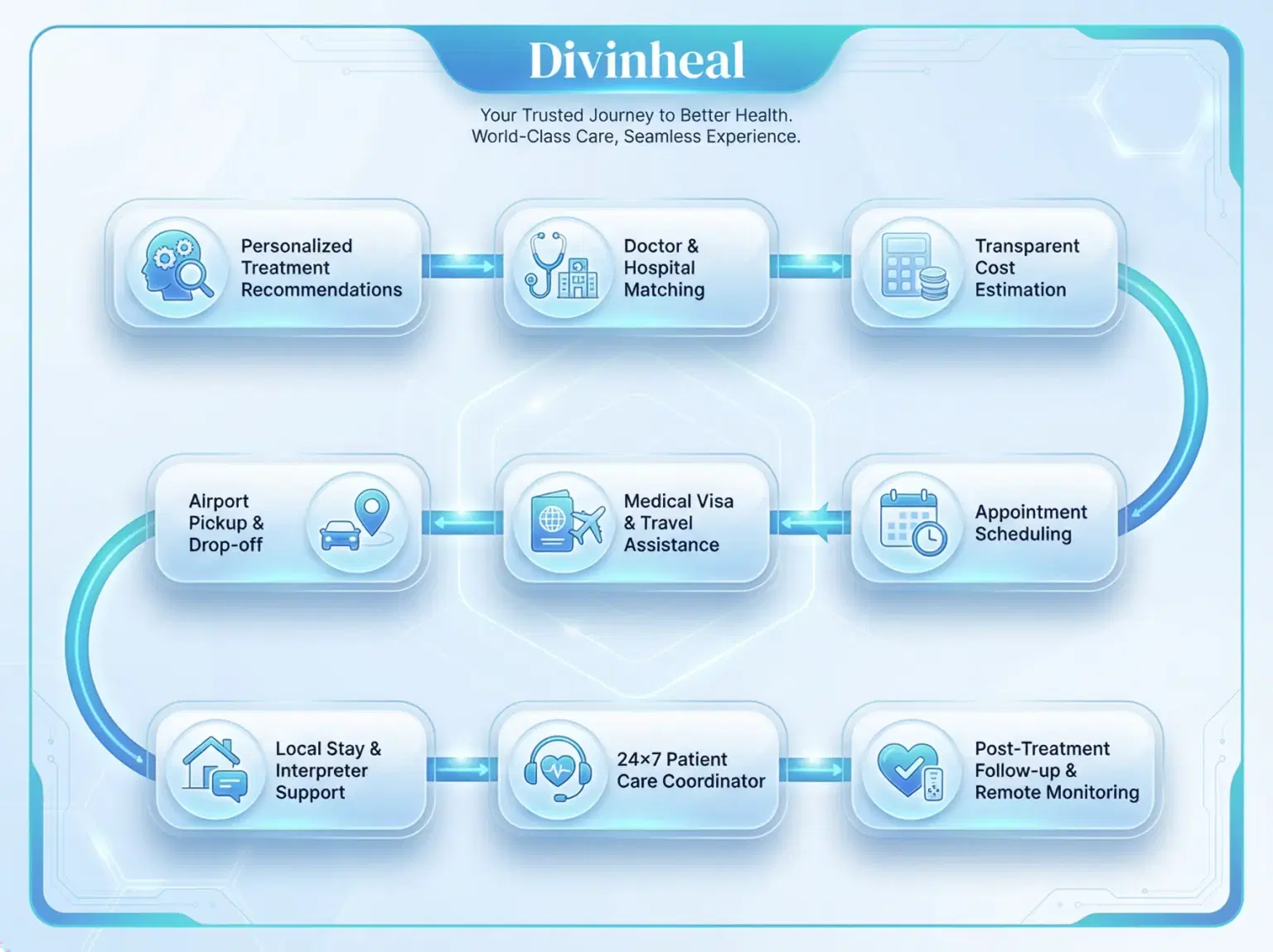
How Divinheal Supports
Australian & UK FET Patients
The
most common source of stress is not the medical procedure. It is logistics and
uncertainty. Divinheal addresses both directly.
What Divinheal Coordinates
•
Clinic matching: matching each patient to
the right NABH/JCI-accredited partner hospital based on embryo storage
situation, required protocol (medicated FET vs natural cycle), and budget
•
Hospital appointment booking within 1–2 weeks
•
The partner hospital's invitation letter for a
medical visa
•
Lodging close to the treatment facility (1-2
km), usually in a furnished flat
•
Airport transfers on arrival and departure
•
A WhatsApp-accessible patient coordinator
throughout the stay
•
Embryo transport coordination for transferring
embryos from a previous Australian or UK IVF cycle
•
Post-return telemedicine coordination — beta-hCG
test on your return, early ultrasound review, and medication adjustment
•
Written clinical summary for your GP, ObGyn, or
fertility specialist at home
Divinheal does not charge a
placement fee. Partner hospital rates are direct patient pricing — not marked
up. A written cost estimate in AUD or GBP is available before you commit to
travel.
Patient Stories
Emily, 36, from Sydney, had two frozen
embryos from a previous IVF cycle at a Sydney clinic. She waited 9 months on
the public list for an FET appointment. Then she contacted Divinheal. Divinheal
coordinated embryo transport from Sydney to Apollo Hospitals, Chennai. Emily
travelled for 9 days. Her first FET led to a confirmed pregnancy at day 12. Her
total India trip cost — flights, serviced apartment, and the FET cycle — was
AUD 4,200. Her private Sydney quote for the same FET cycle was AUD 4,500,
before flights and without the coordination support.
The story is an illustrative composite
based on typical patient journeys. Name changed for privacy.
Sarah, 38, from Manchester, had one embryo
stored from an NHS-funded IVF cycle. Her NHS trust declined to fund the FET. A
Manchester private clinic quoted £2,800 for the transfer. Divinheal matched her
to Medanta Gurgaon in a 7-day trip. Her FET cost at Medanta was £1,050 all-in.
Combined with flights and accommodation, her total spend was £2,100 — 25% less
than staying in Manchester with none of the support.
The story is an illustrative composite
based on typical patient journeys. Name changed for privacy.
Recovery After FET: What to
Expect on Your Return Home
Physical recovery
from FET is minimal. Most patients feel well enough to travel home by day 3–5
post-transfer. The two-week wait is the hard part — emotionally, not
physically.
Divinheal’s
patient coordinator stays reachable by WhatsApp throughout the two-week wait.
They coordinate your pregnancy blood test at a local lab in Australia or the
UK. Results are shared with your treating specialist in India and your home GP.
Divinheal schedules a telemedicine consultation with your treating doctor at six to seven weeks if the FET results in a positive pregnancy. This includes the plan for handing over the early ultrasound results to your doctor at home. For continuity of care, a comprehensive clinical summary is given.
Final Thoughts
One round of FET treatment in India with partner hospitals accredited by the National Accreditation Board for Hospitals & Healthcare Providers (NABH) ranges from ₹80,000 to ₹1,50,000 (USD $960–$1,800; AUD $1,480-2,775; GBP £760-1,430).
If you are an Australian patient with frozen embryos and
face a 9-month public wait-list, India gives you access within 1–2 weeks. The
same applies to UK patients whose NHS trust won’t fund a frozen transfer.
Contact Divinheal for a free case evaluation — including a
written cost estimate in AUD or GBP, a clinic match based on your embryo
storage situation, and a direct consultation with a reproductive medicine
specialist.
Important: All figures have been provided based on
projected private health care costs between 2025 and 2026. All monetary
calculations based on currency conversion according to rates applicable in
Quarter 1 of 2026. Individual variations may occur; success rate calculations
are based on statistics obtained from registries of NABH- certified partner
hospitals. Patient names have been modified to maintain confidentiality; the
patient examples provided are composite representations. Prior to publishing,
Divinheal medical personnel need to verify all medical references. For the
benefit of Divinheal pipeline staff: Approximately 28% of the PAA searches were
not fertility-related, including "Is FET a Scrabble word?"
"Meaning of FET in Old English," and "FET acronym in
electronics." It would be best to do a pipeline input verification check.
Related Links
International Patient Visiting India
- frozen embryo transfer in pune for bangladesh
- frozen embryo transfer in hyderabad for bangladesh
- frozen embryo transfer in chennai for bangladesh
- frozen embryo transfer in chennai for uae
- frozen embryo transfer in new delhi for bangladesh
- frozen embryo transfer in mumbai for bangladesh
- frozen embryo transfer in bengaluru for bangladesh
Other Treatment related Information
Booking With DIVINHEAL
Get a free consultation to understand your treatment options
Related Links
International Patient Visiting India
- frozen embryo transfer in pune for bangladesh
- frozen embryo transfer in hyderabad for bangladesh
- frozen embryo transfer in chennai for bangladesh
- frozen embryo transfer in chennai for uae
- frozen embryo transfer in new delhi for bangladesh
- frozen embryo transfer in mumbai for bangladesh
- frozen embryo transfer in bengaluru for bangladesh
Other Treatment related Information
DivinHeal's Journey
Latest Articles


Hospitals Offering this treatment
India offers premium medical procedures at affordable prices. Discover our most popular treatments, delivered by the country's finest doctors.
Hisar Intercontinental Hospital
Saray Mah. Siteyolu Cad. No:7, Umraniye, 34768, Istanbul, Turkey
Hisar Intercontinental Hospital

Medical Park Group, Istanbul
Fahrettin Kerim Gokay Cad. Tıbbiye Cd., Kadikoy, Istanbul, Turkey
Medical Park Group, Istanbul
Emsey Hospital, Pendik, Istanbul
Çamlık, Selçuklu Cd. No:22, 34912 Pendik/İstanbul, Türkiye
Emsey Hospital, Pendik, Istanbul
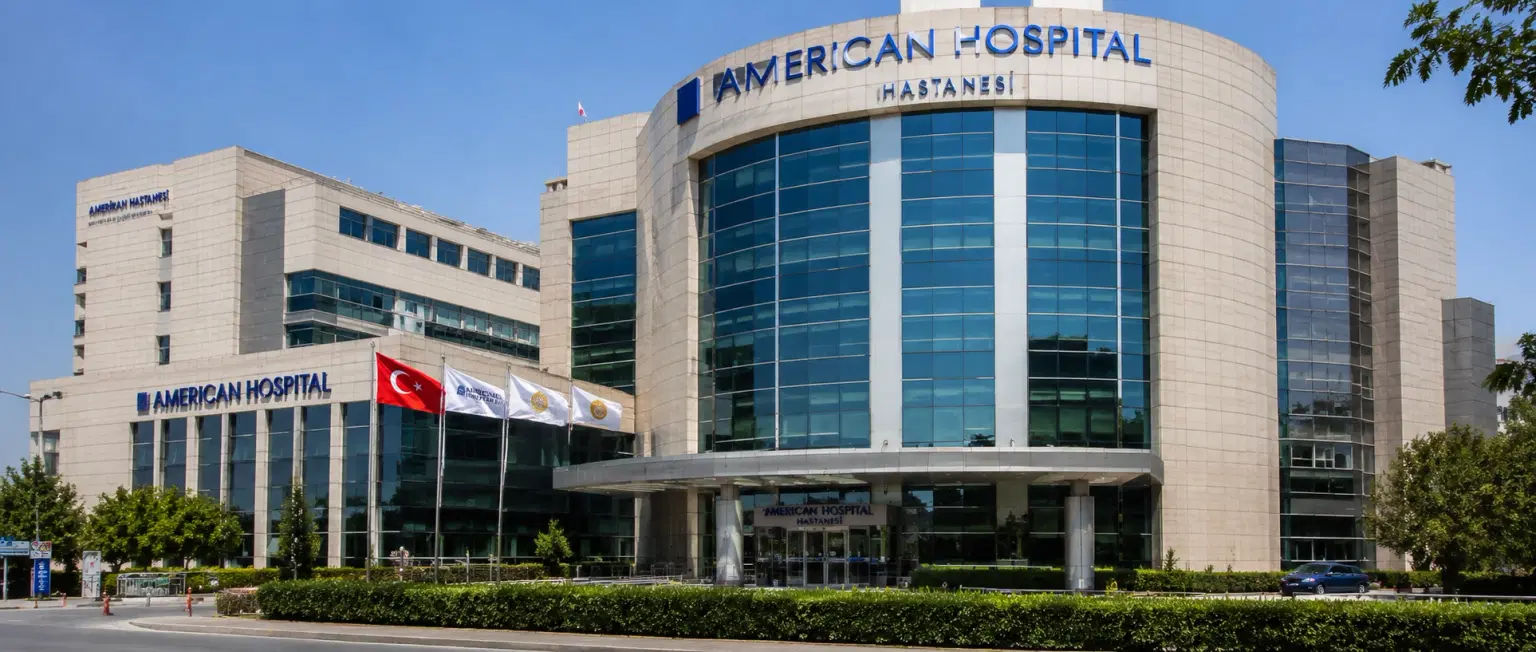
American Hospital, Istanbul
Guzelbahce Sk. No:20, 34365, Nisantasi, Istanbul, Turkey
American Hospital, Istanbul

Memorial Hospitals Group
Burhaniye, Nagehan Sokağı No:4/A D:1, 34676 Üsküdar/İstanbul, Türkiye
Memorial Hospitals Group
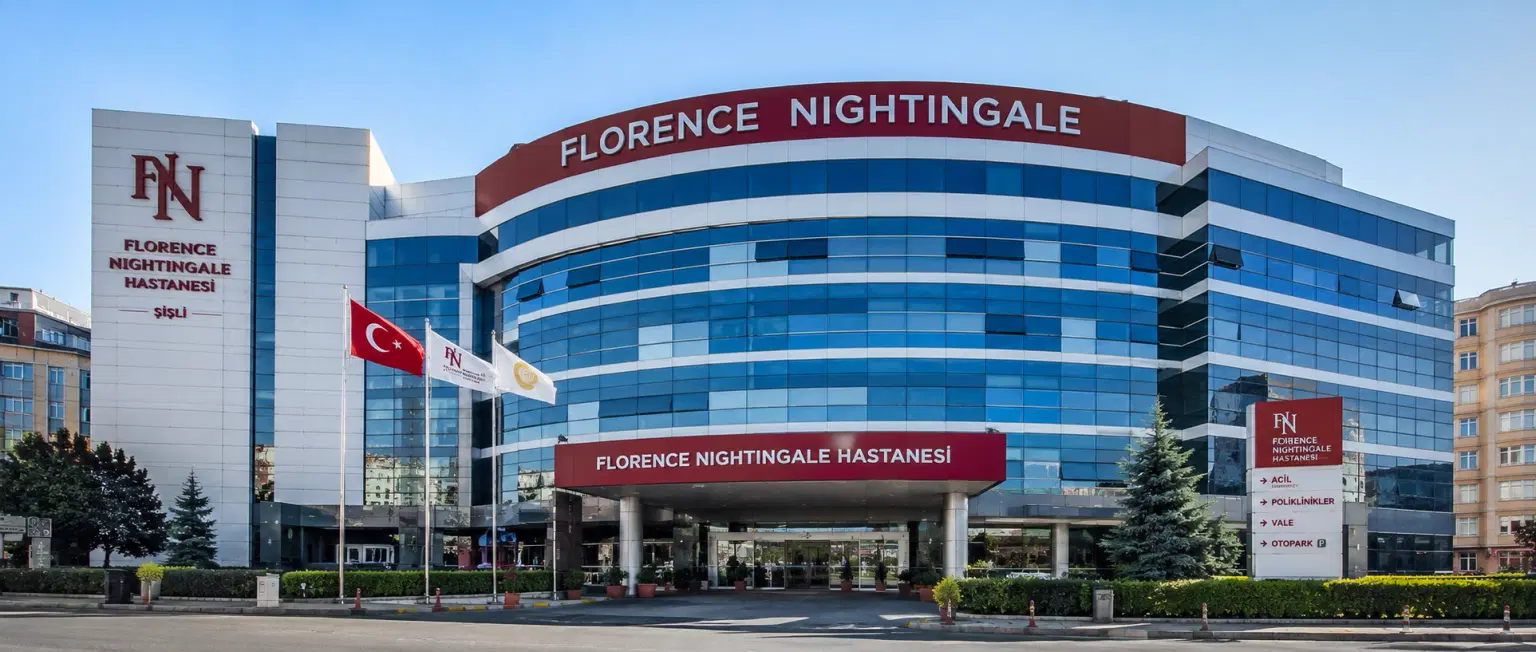
Florence Nightingale Hospital Istanbul
Abide-i Hürriyet Cd No:166, 34381 Sisli, Istanbul
Florence Nightingale Hospital Istanbul
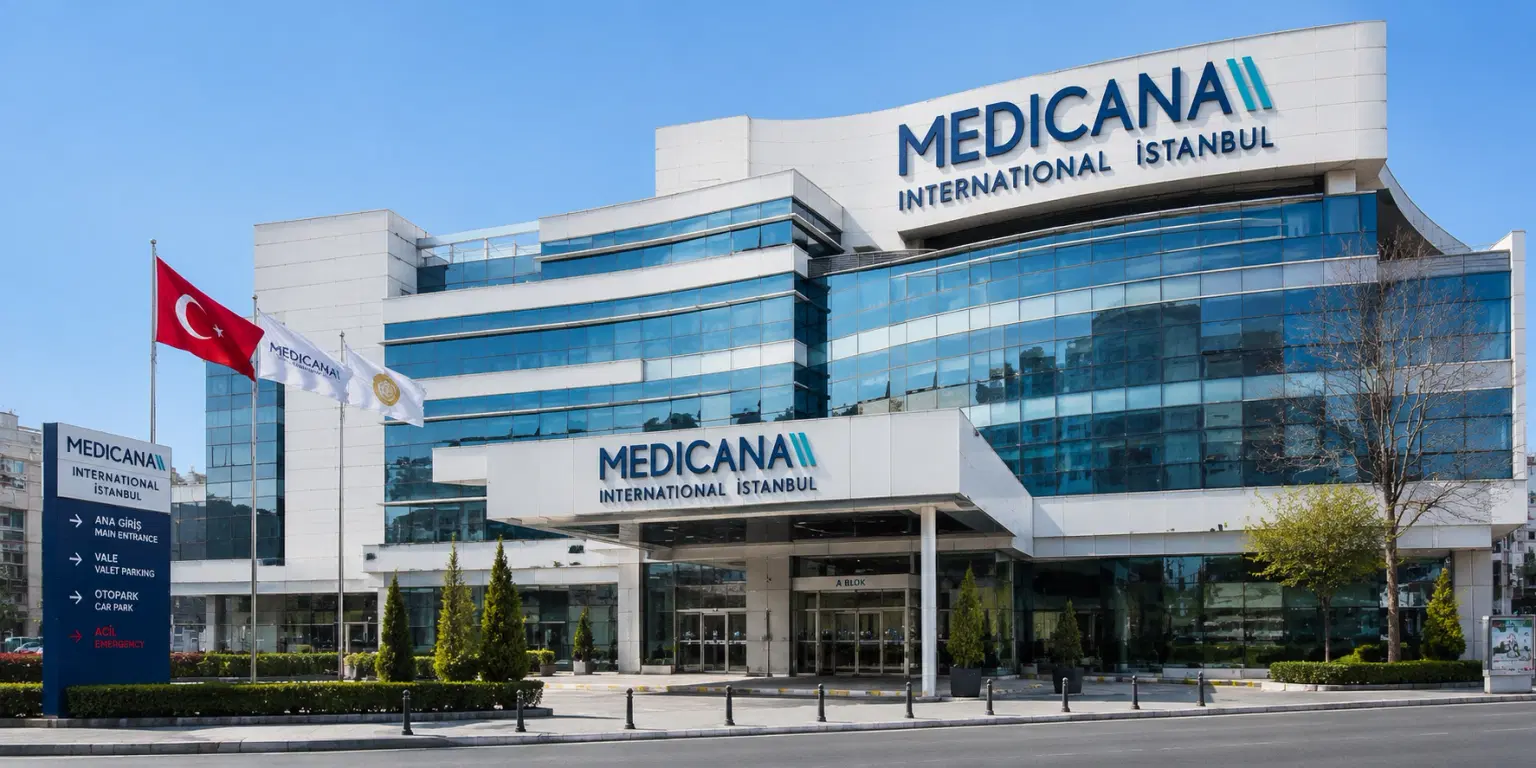
Medicana International Hospital, Istanbul
Halit Ziya Turkkani Mah. Medikal Park Cd. No:1, Beylikdüzü, İstanbul
Medicana International Hospital, Istanbul
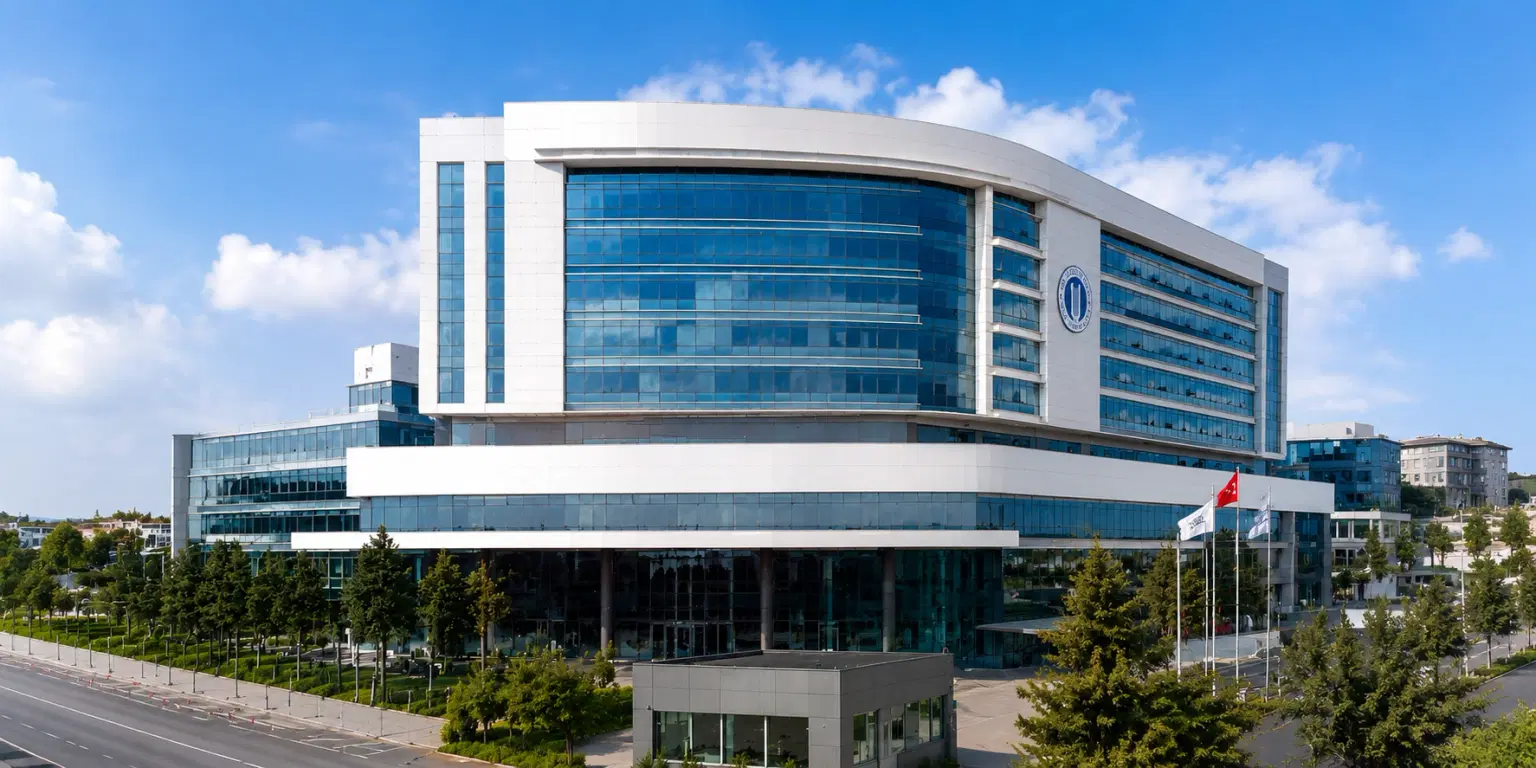
Okan University Hospital Istanbul
Icmeler Mah. Aydınlıyolu Cd. No:2, 34947 Icmeler-Tuzla, Istanbul
Okan University Hospital Istanbul
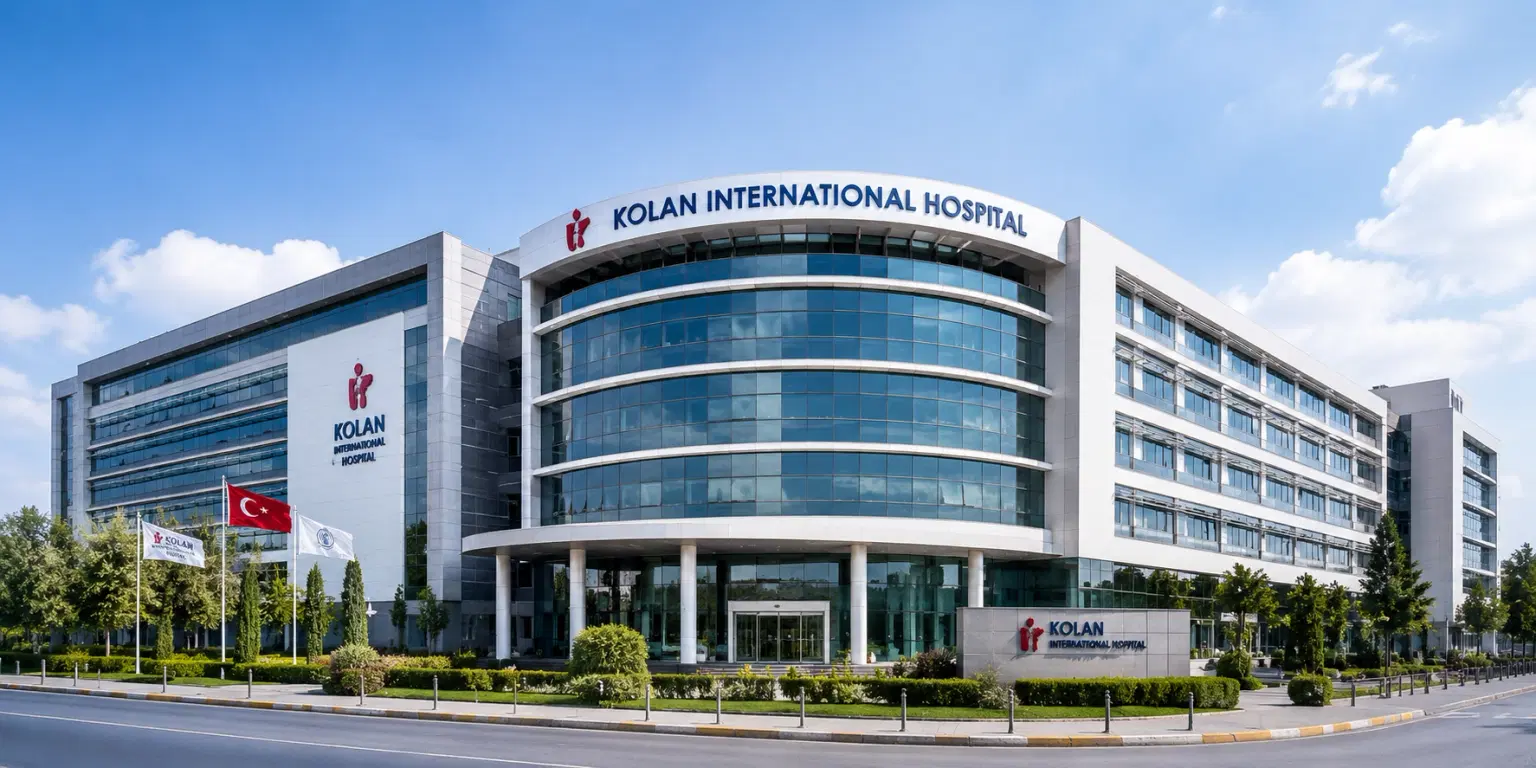
Kolan International Hospital, Istanbul
Kaptanpasa Mah. Okmeydan Kavsagi, Darulaceze Cd. No:14, 34384 Sisli, Istanbul
Kolan International Hospital, Istanbul
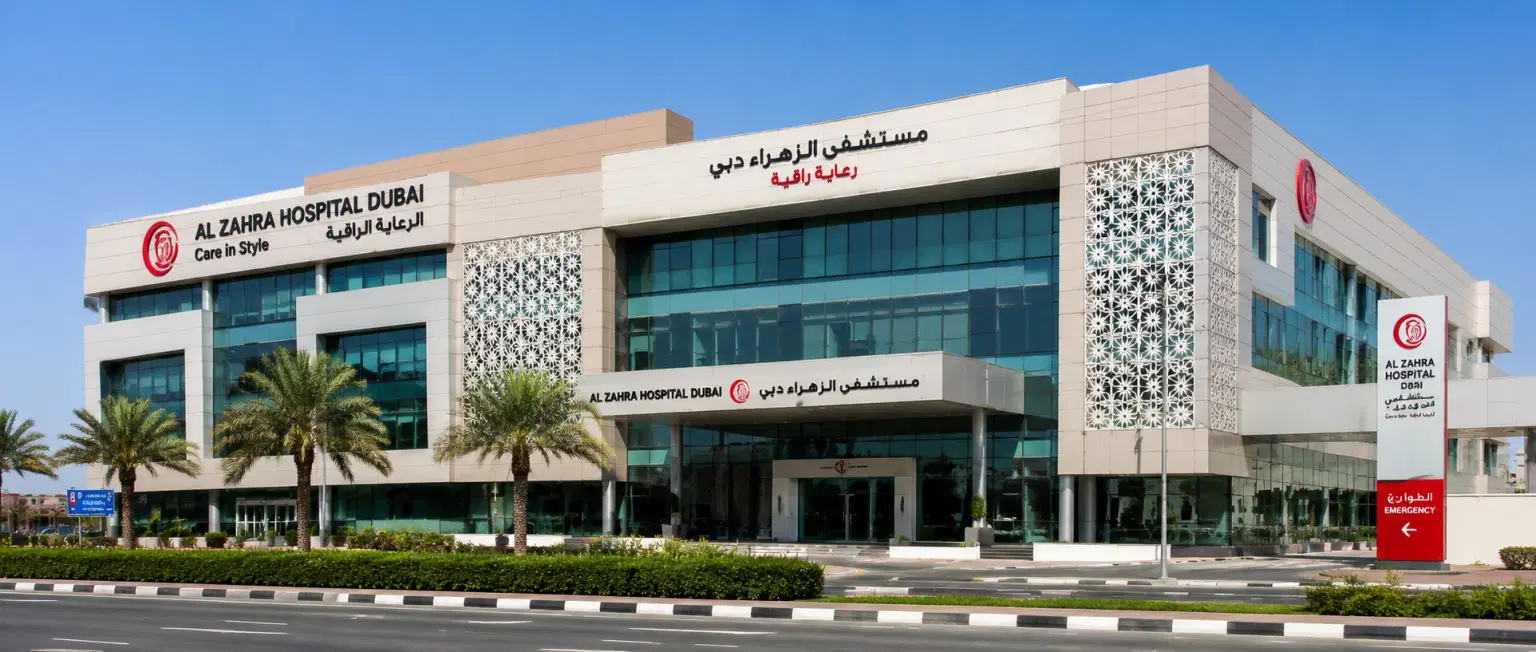
Al Zahra Hospital, Dubai
Sheikh Zayed Road, Al Barsha 1, Dubai, UAE
Al Zahra Hospital, Dubai
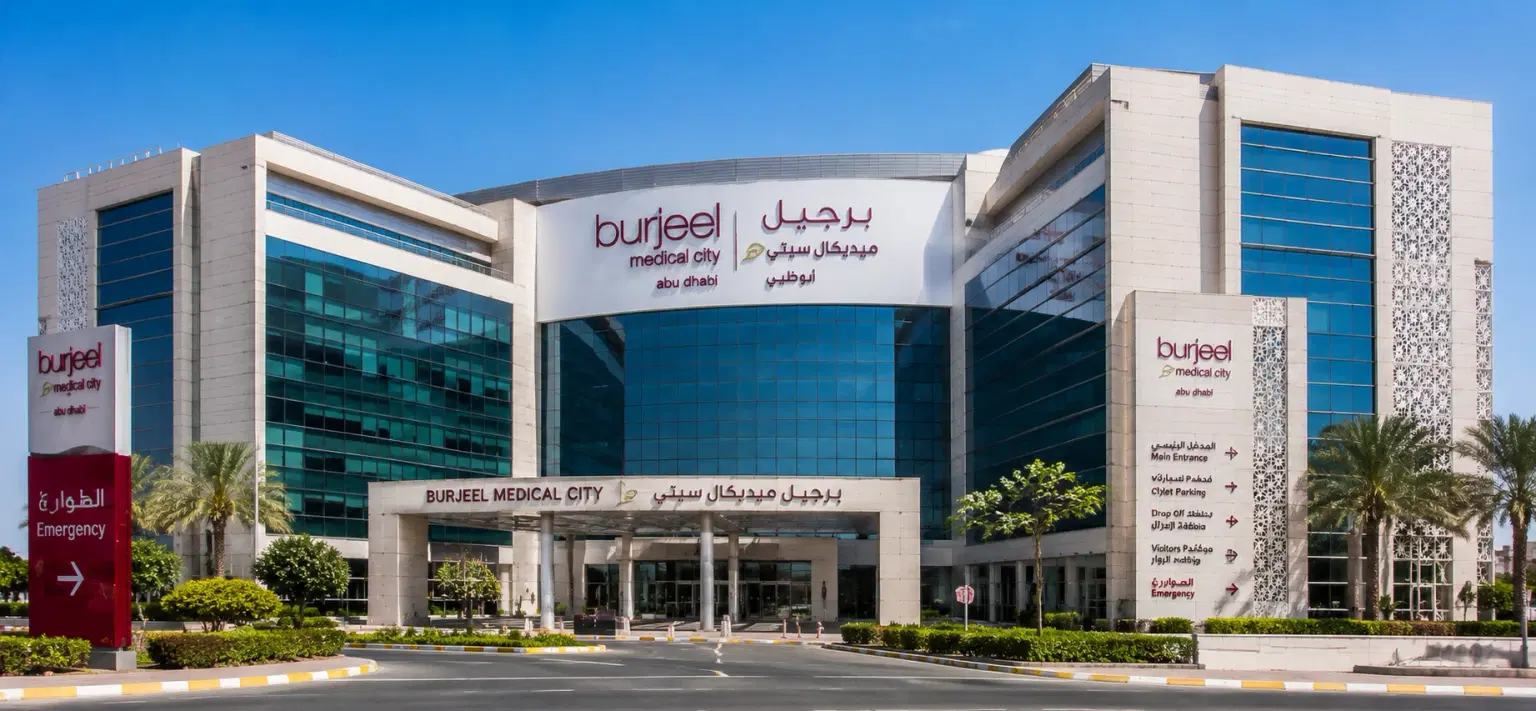
Burjeel Medical City, Abu Dhabi
28th Street, Mohammed Bin Zayed City, Abu Dhabi, UAE
Burjeel Medical City, Abu Dhabi
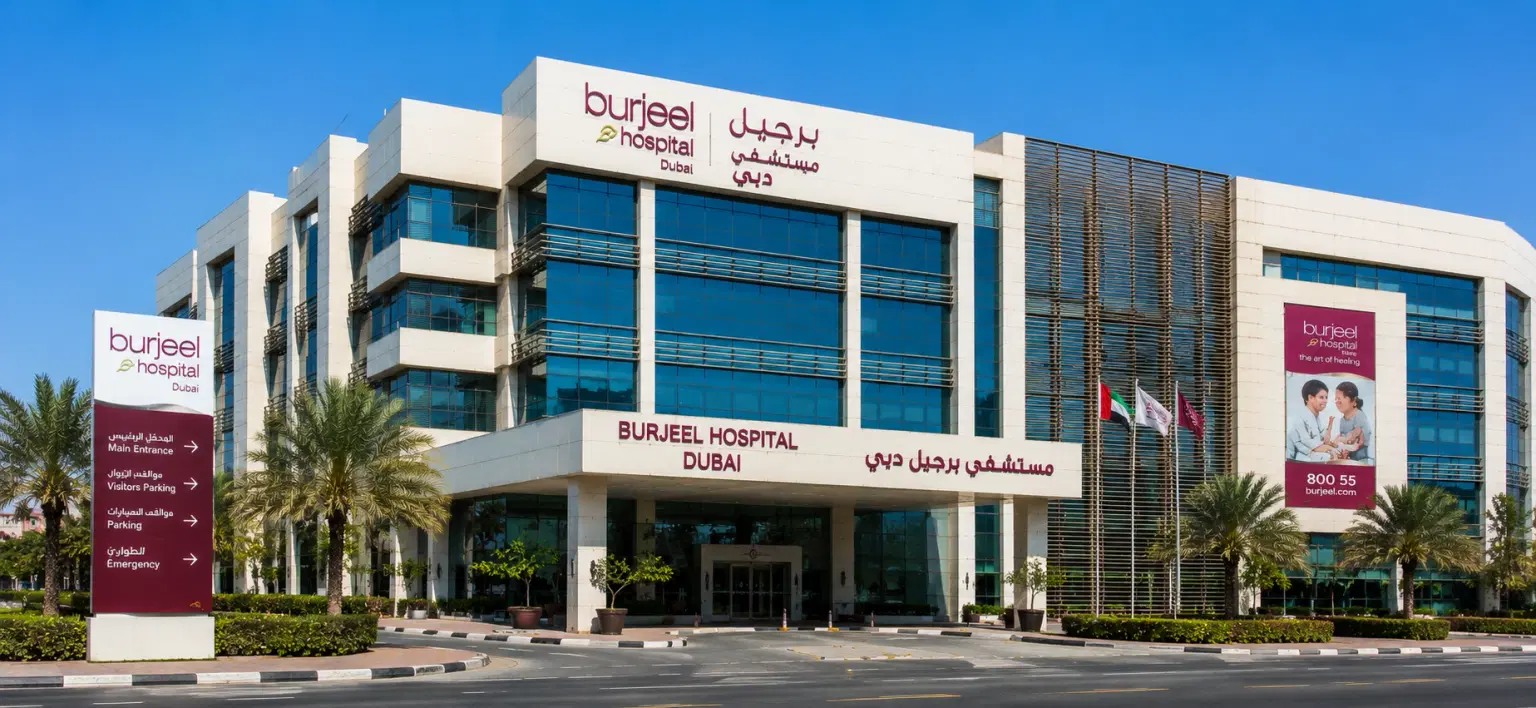
Burjeel Hospital, Dubai
Dubai, UAE (part of Burjeel Holdings network)
Burjeel Hospital, Dubai
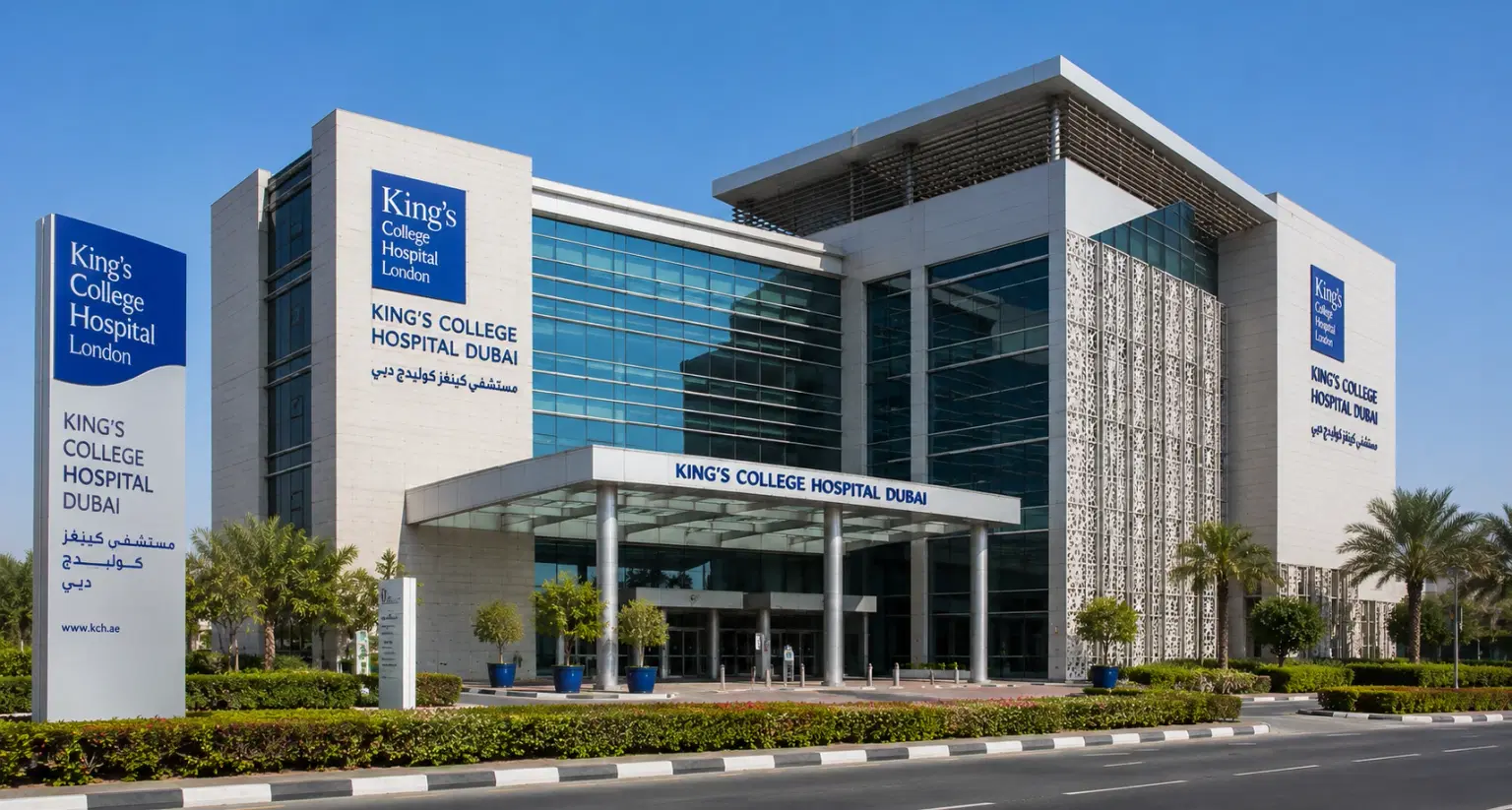
King's College Hospital, Dubai
Dubai Hills, Mohammed Bin Rashid City, Dubai, UAE
King's College Hospital, Dubai
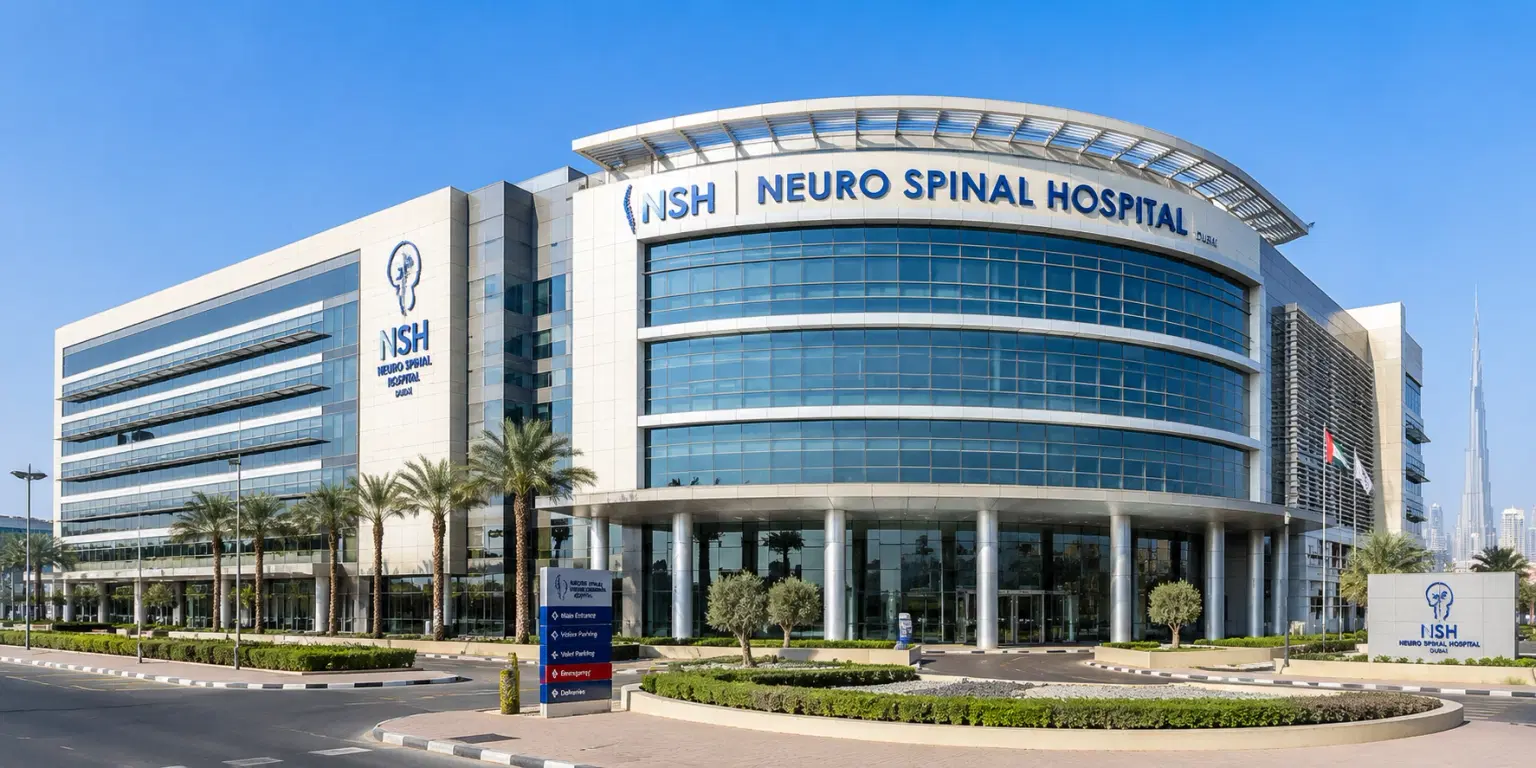
Neuro Spinal Hospital (NSH), Dubai
Dubai Science Park, Umm Suqeim St, Al Barsha South, Dubai, UAE
Neuro Spinal Hospital (NSH), Dubai
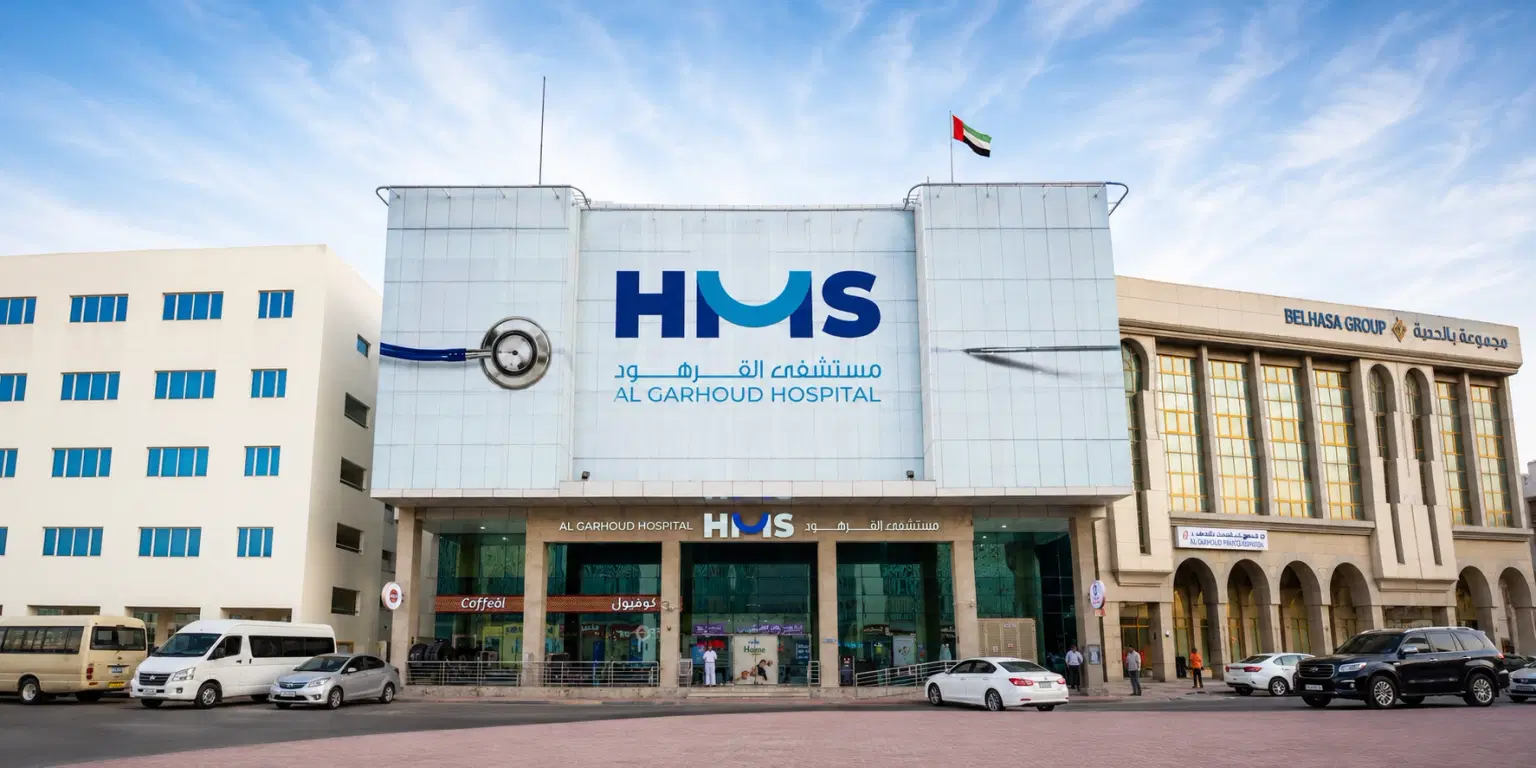
HMS Al Garhoud Hospital, Dubai
Al Garhoud Street, Al Garhoud, Dubai, UAE
HMS Al Garhoud Hospital, Dubai
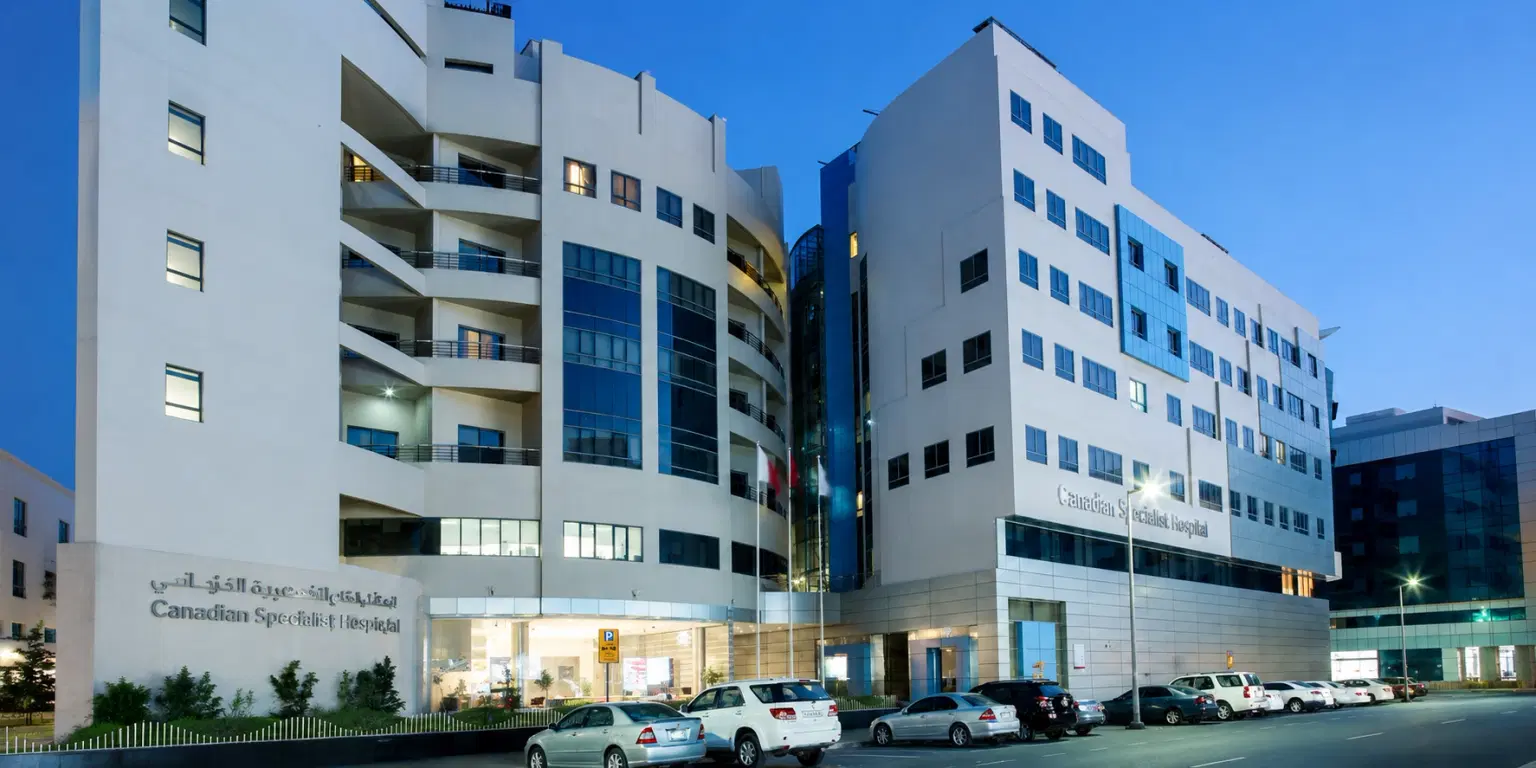
Canadian Specialist Hospital, Dubai
Abu Hail Street 269/1, Canadian Specialist Hospital Building, Hor Al Anz East, Deira, Dubai, UAE
Canadian Specialist Hospital, Dubai
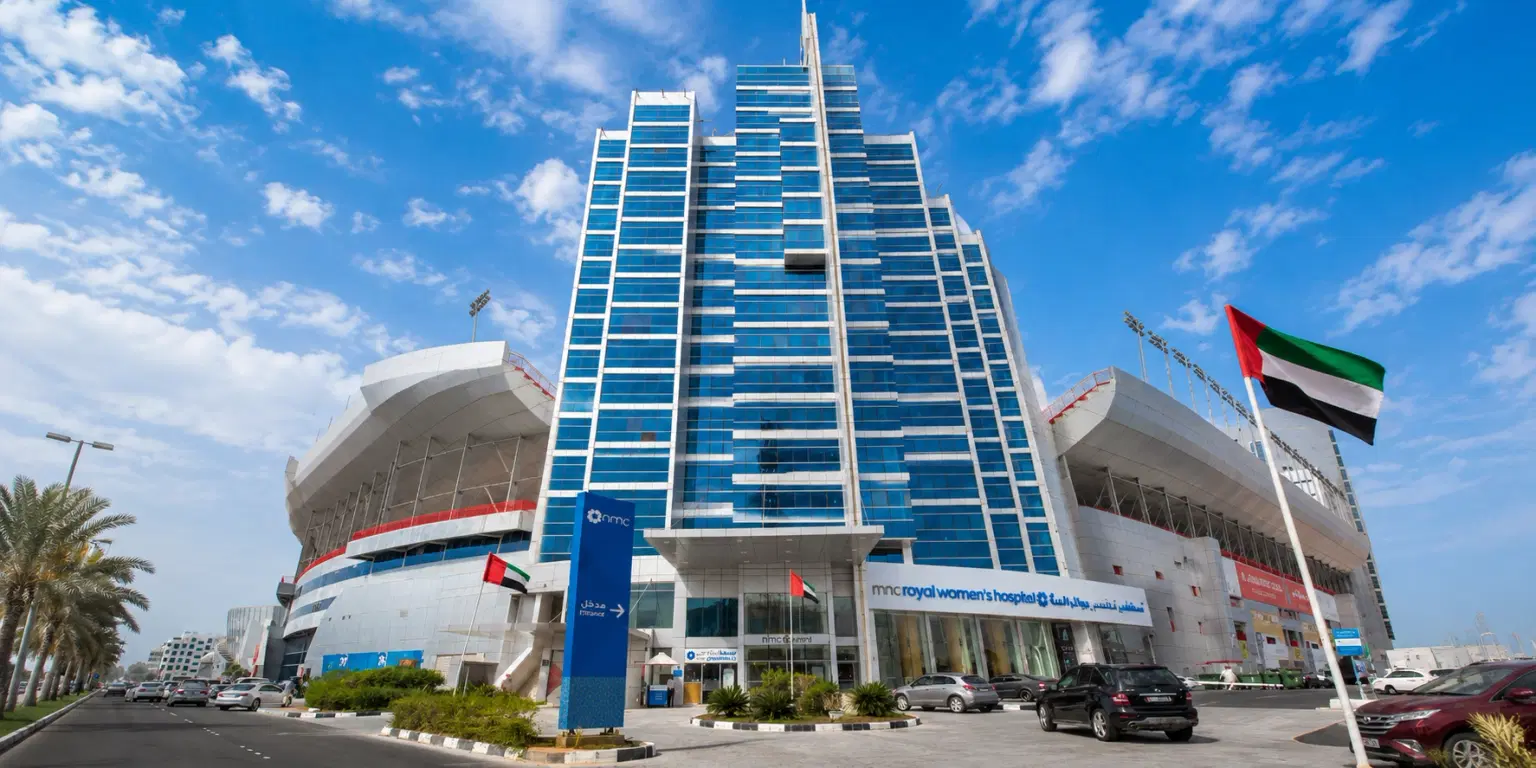
NMC Royal Women's Hospital, Abu Dhabi
Tower B, Mohammed bin Zayed Stadium, Al Jazira Club, Opposite Dusit Thani, Muroor Road, Abu Dhabi, UAE
NMC Royal Women's Hospital, Abu Dhabi
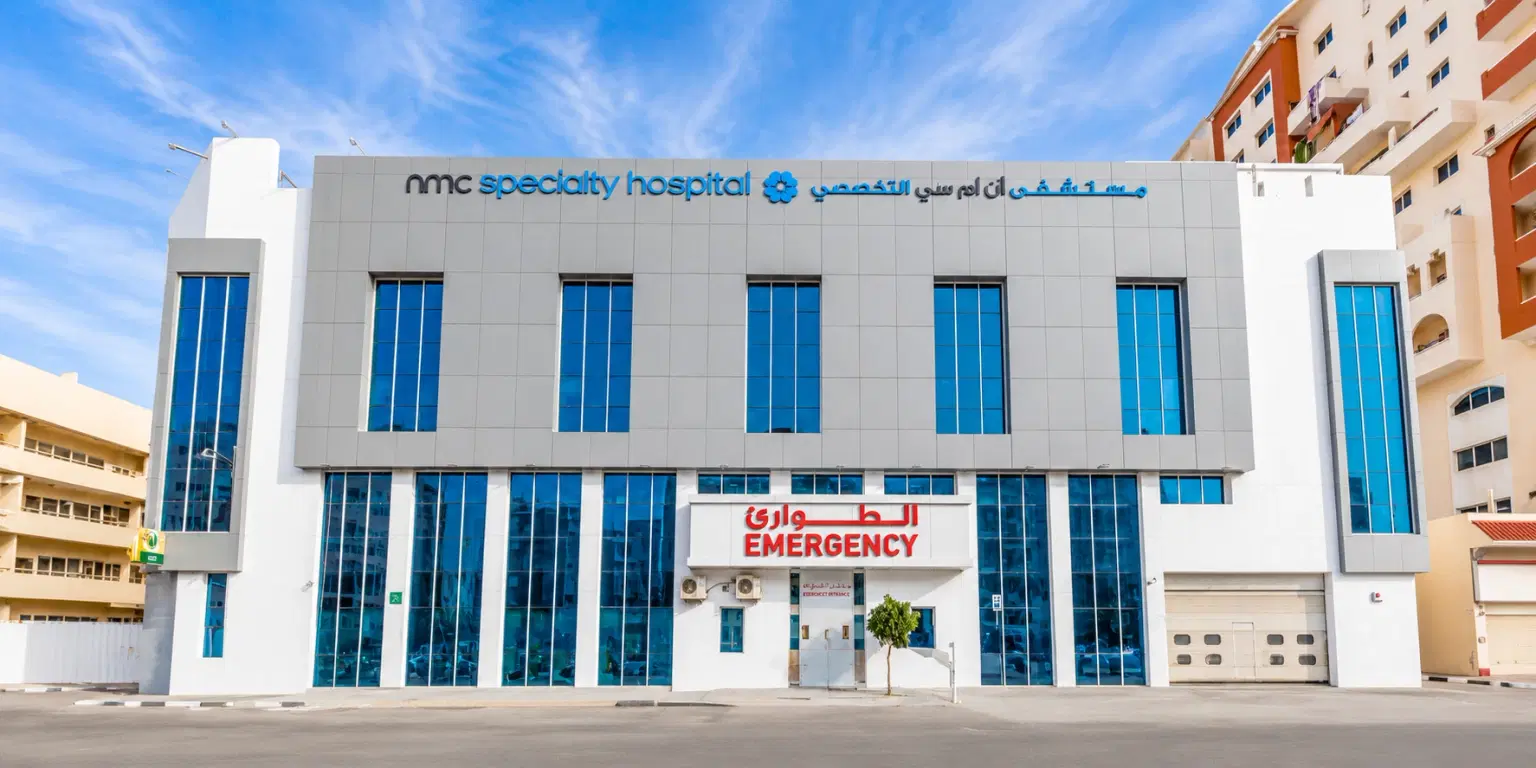
NMC Specialty Hospital, Al Nahda, Dubai
7A St, Al Qusais, Al Nahda 2, next to Bait Al Khair Building, Dubai
NMC Specialty Hospital, Al Nahda, Dubai
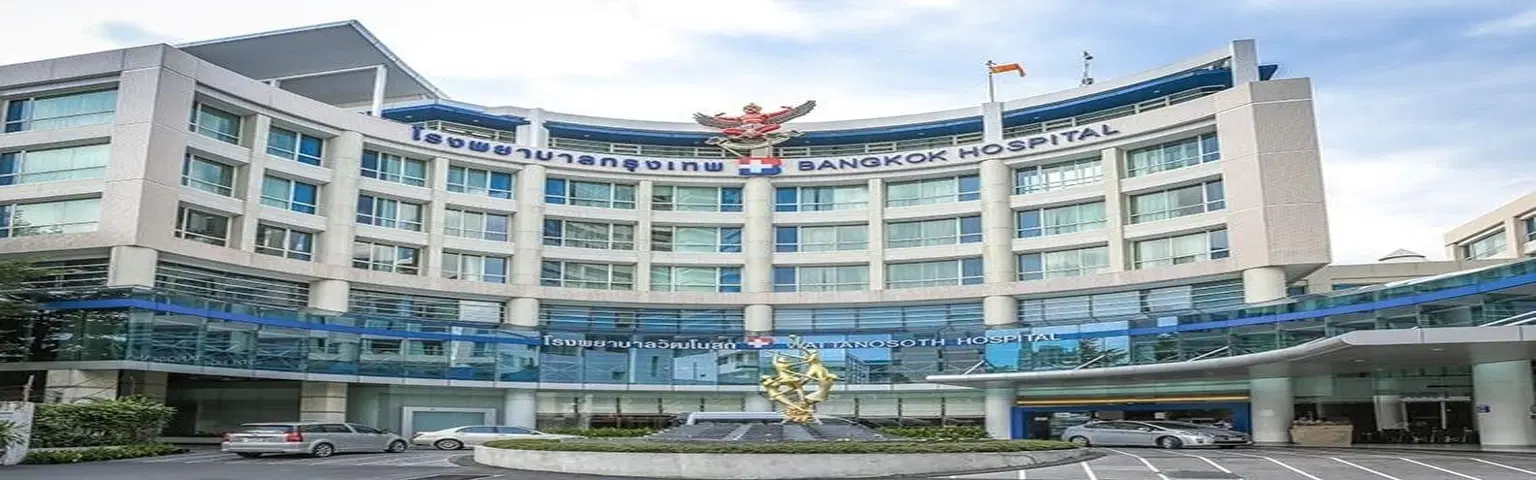
Bangkok Hospital, Thailand
2 Soi Soonvijai 7, New Petchburi Road, Huay Khwang, Bangkok 10310, Thailand
Bangkok Hospital, Thailand
Frequently Asked Questions
Get answers to common questions about medical tourism, treatment procedures, and our comprehensive healthcare services.
Ready To Start Your Healing Journey?
Get Personalized Medical Treatment Options From India's Top Hospitals. Our Medical Experts Are Ready To Assist You Every Step Of The Way.