
Immunotherapy & CAR-T Cell Therapy Treatment in Hyderabad for UAE
Need Personalized Advice?
Our medical experts are ready to answer your questions and guide you through your treatment options.
About
Advanced Immunotherapy & CAR-T Therapy in Hyderabad for UAE Patients
Patients from the UAE facing complex cancer diagnoses often grapple with significant concerns. The pursuit of highly specialized treatments like Immunotherapy and CAR-T Cell Therapy brings questions about access, expertise, and the overall quality of care available internationally. Many seek advanced options beyond their immediate borders.
For those considering options abroad, Hyderabad has emerged as a compelling destination. It offers a unique combination of specialized oncology centers and a coordinated care environment. This city’s medical infrastructure is designed to cater to international patients seeking innovative cancer treatments, streamlining their entire journey.
The trust in Hyderabad's medical capabilities stems from its world-class hospitals and highly skilled specialists. The city is recognized for integrating cutting-edge technology with patient-centric approaches. This ensures that follow-ups and comprehensive care coordination remain seamless, even for patients traveling from the UAE.
Could Hyderabad be the right destination for your advanced cancer treatment?
What is Immunotherapy & CAR-T Cell Therapy?
Immunotherapy is a groundbreaking cancer treatment that harnesses the body's own immune system to identify and destroy cancer cells. Unlike chemotherapy, it doesn't directly attack the cancer but rather empowers the immune system. CAR-T (Chimeric Antigen Receptor T-cell) Cell Therapy is a specific type of immunotherapy where a patient's T-cells are genetically modified in a lab to better recognize and fight cancer, then reinfused into the patient. Both represent significant advancements in oncology, offering new hope for many.
Types of Immunotherapy and CAR-T Cell Therapy
Checkpoint Inhibitors: Block proteins that prevent immune cells from attacking cancer.
Monoclonal Antibodies: Target specific markers on cancer cells or boost immune response.
Oncolytic Viruses: Genetically modified viruses that infect and destroy cancer cells while stimulating the immune system.
CAR-T Cell Therapy: Customizes T-cells to specifically target cancer cells, primarily for blood cancers.
When Is This Treatment Required?
- Advanced melanoma unresponsive to other therapies.
- Certain types of lung cancer, including non-small cell lung cancer.
- Specific lymphomas and leukemias, especially B-cell lymphomas.
- Kidney cancer (renal cell carcinoma).
- Bladder cancer and head and neck cancers.
- When traditional treatments like chemotherapy or radiation therapy have not been effective.
Pre-Treatment Evaluation for Patients
- Comprehensive medical history and physical examination.
- Detailed blood tests, including complete blood count and organ function.
- Advanced imaging like PET CT, MRI, or CT scans for cancer staging.
- Biopsy of tumor tissue for pathological and molecular analysis.
- Genetic and genomic testing to identify specific biomarkers.
- Cardiac and pulmonary function tests to assess overall fitness.
How Immunotherapy and CAR-T Cell Therapy are Performed
The precise procedure for these therapies depends on the specific cancer type, stage, and the chosen treatment plan for each patient.
Immunotherapy Procedure
Immunotherapy typically involves intravenous infusions administered in cycles over several weeks or months. The specific drug and schedule are tailored to the patient’s diagnosis and response. Patients visit the hospital for each infusion session, which can last from minutes to a few hours.
CAR-T Cell Therapy Procedure
CAR-T cell therapy is a more complex multi-step process. It begins with leukapheresis, where blood is drawn to collect T-cells. These T-cells are then sent to a specialized lab for genetic modification, where they are engineered to express chimeric antigen receptors (CARs). While the cells are being modified (a process that takes several weeks), the patient may undergo bridging chemotherapy. Before infusion, patients receive lymphodepleting chemotherapy to prepare their body. Finally, the modified CAR-T cells are infused back into the patient, typically requiring a hospital stay for close monitoring due to potential side effects.
Recovery Process After Treatment
Recovery from immunotherapy and CAR-T cell therapy varies greatly. Immunotherapy recovery often involves managing side effects, which can range from fatigue and skin rashes to more serious autoimmune reactions. For CAR-T therapy, patients require intensive monitoring in the hospital for weeks after infusion for potential complications like cytokine release syndrome (CRS) and neurological toxicities. Long-term follow-up and management of late-onset side effects are crucial for both types of treatment.
Risks and Success Rates
- Immunotherapy risks include autoimmune reactions affecting various organs.
- CAR-T therapy risks include severe cytokine release syndrome (CRS).
- Neurological toxicities such as confusion or seizures are possible with CAR-T.
- Infections and prolonged low blood counts (cytopenias) can occur.
- Infusion-related reactions, although typically manageable.
The success rates for Immunotherapy and CAR-T Cell Therapy are highly variable, depending on the type of cancer, its stage, and the individual patient's health and response. These treatments offer significant promise, especially for cancers that have not responded to conventional therapies, with some patients achieving long-term remissions. Outcomes are continuously improving with ongoing research and clinical advancements.
Cost of Immunotherapy & CAR-T Cell Therapy in Hyderabad
The cost of advanced cancer treatments like Immunotherapy and CAR-T Cell Therapy in Hyderabad is significantly more competitive than in many Western nations. Several factors influence the final cost, including the specific type of immunotherapy or CAR-T product used, the hospital chosen, the duration of treatment, and any additional medications or supportive care required.
For Immunotherapy, costs in Hyderabad can range from INR 15,00,000 to INR 35,00,000 per cycle or course. CAR-T Cell Therapy, being a highly specialized and complex procedure, ranges from INR 1,50,00,000 to INR 3,00,00,000.
Hyderabad vs. Global Costs for Immunotherapy & CAR-T Cell Therapy
Hyderabad offers a significant cost advantage while maintaining high standards of medical care for these cutting-edge therapies.
| Treatment Type | Hyderabad (INR) | USA (USD) | UK (GBP) | Singapore (SGD) | Germany (EUR) |
|---|---|---|---|---|---|
| Immunotherapy (per course) | 15,00,000 - 35,00,000 | $150,000 - $300,000 | £120,000 - £250,000 | $180,000 - $350,000 | €140,000 - €280,000 |
| CAR-T Cell Therapy (full course) | 1,50,00,000 - 3,00,00,000 | $500,000 - $1,000,000+ | £350,000 - £700,000+ | $600,000 - $1,200,000+ | €450,000 - €900,000+ |
Ready to explore advanced treatment options in Hyderabad? Contact us for a personalized treatment plan and cost estimate.
Comprehensive Patient Support Services
- Visa application assistance and guidance.
- Arrangement of suitable accommodation and local transport.
- Dedicated patient coordinator for seamless communication.
- Interpreter services available for various languages.
- Teleconsultations for pre-arrival and post-treatment follow-ups.
Required Documents for Your Medical Visit
- Valid passport and medical visa.
- Comprehensive medical reports and diagnostic test results.
- Referral letter from your local physician, if applicable.
- Details of your current medications and allergies.
Essential Pre-Treatment Preparation Steps
- Complete all recommended pre-travel medical evaluations.
- Discuss medication adjustments with your treating physician.
- Plan your travel and accommodation in Hyderabad.
- Ensure all necessary documents are organized and accessible.
Guidance for Your Post-Treatment Healing Journey
- Adhere strictly to prescribed medications and follow-up schedules.
- Monitor for any side effects and report them promptly.
- Maintain a healthy diet and appropriate activity levels.
- Stay in regular communication with your medical team.
Your Journey Towards Better Health Begins Here
Choosing the right path for advanced cancer treatment is a significant decision. Hyderabad offers a blend of expertise, technology, and compassionate care to support you through every step of this journey.
Connect with our expert team today to understand how we can facilitate your treatment in Hyderabad.
Hospitals Offering this treatment
India offers premium medical procedures at affordable prices. Discover our most popular treatments, delivered by the country's finest doctors.
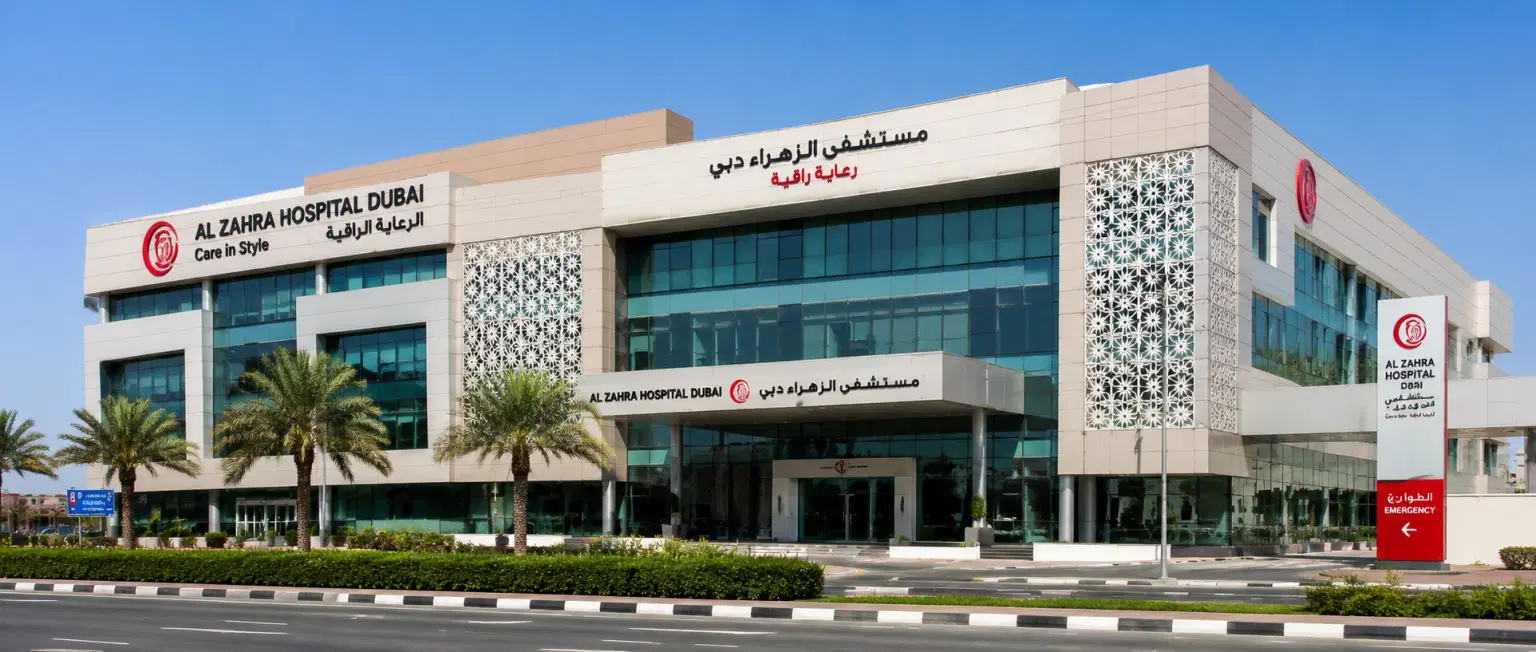
Al Zahra Hospital, Dubai
Sheikh Zayed Road, Al Barsha 1, Dubai, UAE
Al Zahra Hospital, Dubai

Burjeel Medical City, Abu Dhabi
28th Street, Mohammed Bin Zayed City, Abu Dhabi, UAE
Burjeel Medical City, Abu Dhabi

Burjeel Hospital, Dubai
Dubai, UAE (part of Burjeel Holdings network)
Burjeel Hospital, Dubai
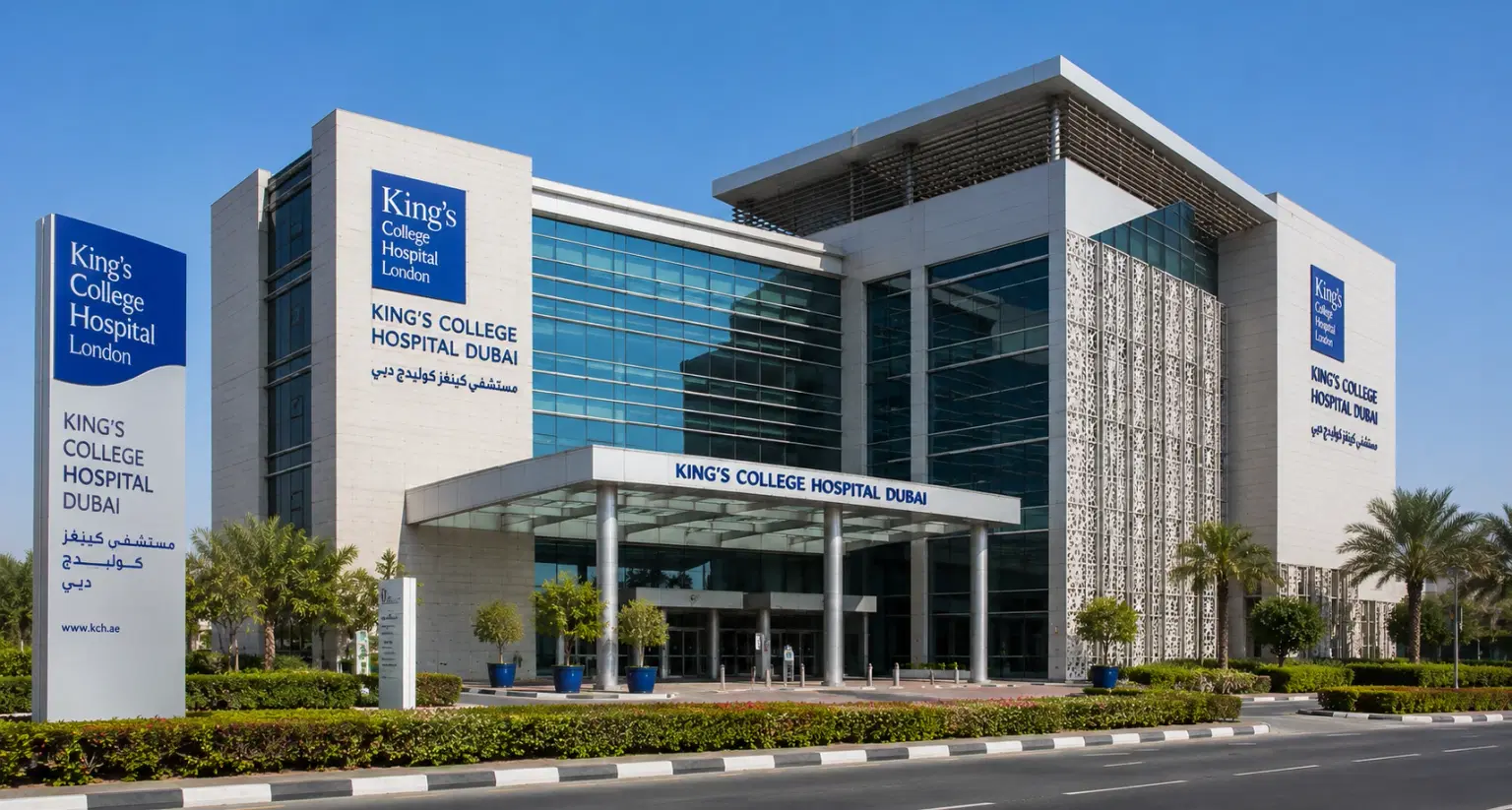
King's College Hospital, Dubai
Dubai Hills, Mohammed Bin Rashid City, Dubai, UAE
King's College Hospital, Dubai
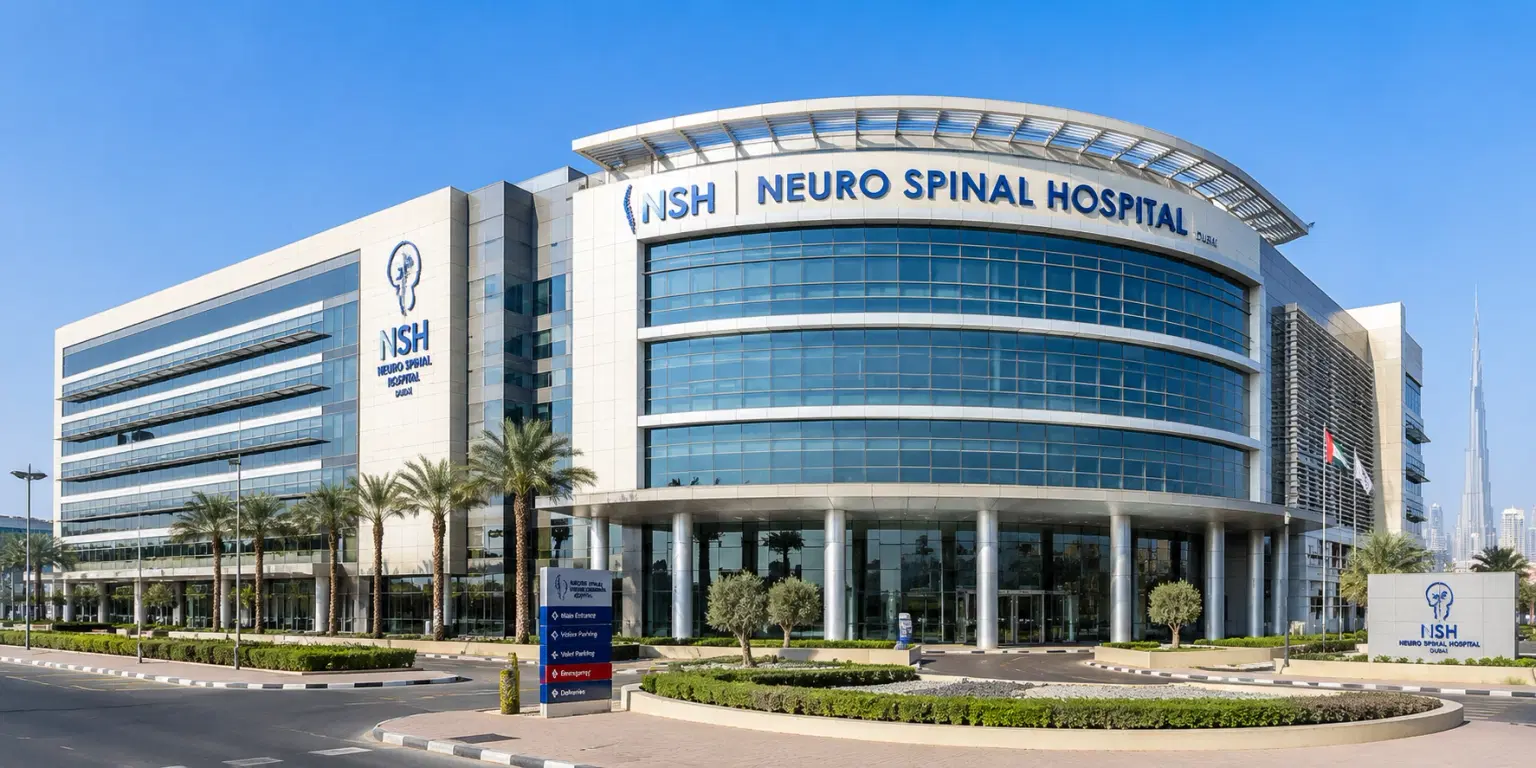
Neuro Spinal Hospital (NSH), Dubai
Dubai Science Park, Umm Suqeim St, Al Barsha South, Dubai, UAE
Neuro Spinal Hospital (NSH), Dubai

HMS Al Garhoud Hospital, Dubai
Al Garhoud Street, Al Garhoud, Dubai, UAE
HMS Al Garhoud Hospital, Dubai
Meet Our Doctors
Meet our team of highly qualified and experienced medical professionals dedicated to providing the best healthcare services.

Dr. Shelly Mittal
Sr. Consultant
Medical Oncology & Hematology
New Delhi
14+ Years
Experience
Artemis Hospital
Hospital
1500
Fees

Dr. Hari Goyal
Director
Medical Oncology & Haemato-Oncology
New Delhi
34+ Years
Experience
Apolo Delhi
Hospital
1500
Fees
Related Links
Other Treatment related Information
- Immunotherapy & CAR-T Cell Therapy cost in Chennai
- Immunotherapy & CAR-T Cell Therapy cost in India
- Immunotherapy & CAR-T Cell Therapy cost in New Delhi
- Immunotherapy & CAR-T Cell Therapy cost in Hyderabad
- Immunotherapy & CAR-T Cell Therapy cost in Mumbai
- Immunotherapy & CAR-T Cell Therapy cost in Pune
- Immunotherapy & CAR-T Cell Therapy cost in Bengaluru
- Immunotherapy & CAR-T Cell Therapy cost in Haryana
- Immunotherapy & CAR-T Cell Therapy Success Rate in Hyderabad
- Immunotherapy & CAR-T Cell Therapy Success Rate in New Delhi
- Immunotherapy & CAR-T Cell Therapy Success Rate in Mumbai
- Immunotherapy & CAR-T Cell Therapy Success Rate in Chennai
- Immunotherapy & CAR-T Cell Therapy Success Rate in Haryana
- Immunotherapy & CAR-T Cell Therapy Success Rate in India
- Immunotherapy & CAR-T Cell Therapy Success Rate in Bengaluru
- Immunotherapy & CAR-T Cell Therapy Success Rate in Pune
- Best Immunotherapy & CAR-T Cell Therapy Doctors in Gurugram
- Best Immunotherapy & CAR-T Cell Therapy Doctors in Bengaluru
- Best Immunotherapy & CAR-T Cell Therapy Doctors in Hyderabad
- Best Immunotherapy & CAR-T Cell Therapy Doctors in Mumbai
Ready To Start Your Healing Journey?
Get Personalized Medical Treatment Options From India's Top Hospitals. Our Medical Experts Are Ready To Assist You Every Step Of The Way.