
embryo biopsy Treatment in Hyderabad for UAE
Need Personalized Advice?
Our medical experts are ready to answer your questions and guide you through your treatment options.
About
Embryo Biopsy in Hyderabad for UAE Patients | Costs & Care
Patients from the UAE often face complex decisions when considering advanced fertility treatments like embryo biopsy. Concerns about access to cutting-edge technology, specialized care, and the overall coordination of a medical journey can make this challenging. Finding a trustworthy and accessible option is a primary focus for many.
Hyderabad has emerged as a preferred destination for international patients seeking high-quality fertility services. The city offers a well-integrated medical infrastructure, providing a supportive environment for complex procedures and comprehensive patient coordination tailored to individual needs.
Within Hyderabad, renowned hospitals and fertility specialists deliver world-class care, ensuring expertise and patient safety. The city's medical ecosystem facilitates seamless follow-ups and robust post-treatment support, building confidence in the entire treatment journey.
Hyderabad provides a comprehensive and accessible pathway for embryo biopsy, ensuring advanced medical support.
What is an Embryo Biopsy?
An embryo biopsy is a precise procedure performed during an in vitro fertilization (IVF) cycle. It involves carefully removing a few cells from an early-stage embryo, typically at the blastocyst stage. These cells are then sent for Preimplantation Genetic Testing (PGT), which includes PGT-A (for aneuploidy screening), PGT-M (for monogenic disorders), or PGT-SR (for structural rearrangements). The primary goal is to identify genetic or chromosomal abnormalities before the embryo is transferred to the uterus, aiming to improve IVF success rates and reduce the risk of passing on specific genetic conditions.
Are There Different Types of Embryo Biopsy?
While the core principle of removing cells for genetic analysis remains, embryo biopsies are categorized based on the developmental stage of the embryo when the cells are taken:
- Polar Body Biopsy: Performed on eggs (oocytes) before fertilization or shortly after. This tests the mother's genetic contribution. It is less common today for routine PGT-A.
- Blastomere Biopsy: Performed on a Day 3 embryo (cleavage stage), where one or two cells (blastomeres) are removed. This method is now largely superseded by trophectoderm biopsy due to potential risks to embryo viability.
- Trophectoderm Biopsy: This is the most common and preferred method today. Performed on a Day 5 or Day 6 embryo (blastocyst stage), it involves removing 5-10 cells from the trophectoderm, which will later form the placenta. This method is considered safer for the embryo and provides more cells for accurate genetic testing.
Fertility clinics in Hyderabad primarily utilize the advanced trophectoderm biopsy method for optimal safety and diagnostic accuracy.
When is Embryo Biopsy Recommended?
- Advanced Maternal Age: Women aged 35 or older have a higher risk of producing aneuploid embryos (embryos with an abnormal number of chromosomes).
- Recurrent Miscarriages: For couples experiencing multiple miscarriages, PGT can help identify if chromosomal abnormalities in embryos are a contributing factor.
- Previous IVF Failures: Patients who have had several unsuccessful IVF cycles may benefit from PGT to select the most chromosomally normal embryos.
- Family History of Genetic Disorders: Couples known to be carriers of specific genetic diseases (e.g., cystic fibrosis, sickle cell anemia) or chromosomal rearrangements (e.g., translocations) can use PGT-M or PGT-SR to prevent transmission to their offspring.
- Severe Male Factor Infertility: In some cases, male infertility can be linked to genetic issues, making PGT a valuable tool.
What Pre-Treatment Evaluation is Needed?
- Hormone Blood Tests: Assessing ovarian reserve (e.g., AMH, FSH, LH, Estradiol) for women and hormonal balance for both partners.
- Uterine Evaluation: Imaging tests like transvaginal ultrasound, saline infusion sonogram (SIS), or hysteroscopy to examine the uterine cavity.
- Sperm Analysis: Comprehensive semen analysis for male partners to assess sperm count, motility, and morphology.
- Infectious Disease Screening: Testing for conditions like HIV, Hepatitis B and C, and syphilis for both partners.
- Genetic Counseling: Essential for couples considering PGT to understand the implications of testing, potential results, and available options.
- Medical History Review: A thorough review of both partners' general health, fertility history, previous treatments, and family medical background.
How is Embryo Biopsy Performed in Hyderabad?
The precise steps for embryo biopsy depend on the individual IVF protocol and the developmental stage of the embryos, ensuring personalized care.
The embryo biopsy process is a meticulous part of an IVF cycle:
IVF Cycle and Embryo Development
The patient first undergoes an IVF cycle, which includes ovarian stimulation, egg retrieval, and fertilization in the laboratory. The resulting embryos are cultured for five to six days until they reach the blastocyst stage.
Preparation for Biopsy
At the blastocyst stage, the embryo has differentiated into two main cell types: the inner cell mass (which will form the fetus) and the trophectoderm (which will form the placenta). A small opening in the zona pellucida (outer shell) may be created using a laser or a chemical solution, often referred to as assisted hatching.
Cell Removal
Using a micro-manipulator, a highly skilled embryologist carefully aspirates and detaches a few cells from the trophectoderm layer. This is a delicate procedure designed to minimize any potential harm to the embryo.
Genetic Testing
The biopsied cells are then sent to a specialized genetics laboratory for analysis (PGT-A, PGT-M, or PGT-SR). The embryos themselves are typically cryopreserved (frozen) while awaiting the test results, which usually take one to two weeks.
Embryo Transfer
Once the genetic results are available, the fertility team can select chromosomally normal and healthy embryos for a subsequent frozen embryo transfer (FET) cycle, increasing the chances of a successful pregnancy.
What is the Recovery Process After Embryo Biopsy?
For the patient, recovery after an embryo biopsy is primarily related to the initial egg retrieval and the overall IVF cycle. There is no direct "recovery" from the biopsy procedure itself as it is performed on the embryos in the lab. Patients will need to recover from the egg retrieval, which typically involves a few days of rest and managing mild discomfort. Following this, the focus shifts to emotional well-being while awaiting genetic test results and preparing the body for a potential frozen embryo transfer. Your medical team in Hyderabad will provide detailed guidance on post-retrieval care, medication schedules, and preparing your uterus for implantation.
Considering Embryo Biopsy?
Reach out to our patient care team to understand the process and your next steps.
Connect with a fertility specialist today.
What are the Risks and Success Rates of Embryo Biopsy?
- Potential for Embryo Damage: While rare with experienced embryologists, there's a slight risk of damaging the embryo during the biopsy, which could affect its viability.
- Reduced Embryo Viability: A small percentage of embryos may not survive the freezing and thawing process after biopsy, or may have a slightly reduced chance of implantation.
- Mosaicism: This refers to the presence of both normal and abnormal cells within the same embryo. Biopsy results might not always reflect the entire embryo accurately, leading to potential misdiagnosis or dilemmas in embryo selection.
- False Positives/Negatives: Although rare, there is a small chance of incorrect genetic results, either indicating an abnormality when none exists (false positive) or missing one (false negative).
- Risks of IVF: The patient's risks are primarily associated with the IVF cycle itself, such as ovarian hyperstimulation syndrome (OHSS), infection, or bleeding from egg retrieval.
The "success rate" of embryo biopsy is not measured by the biopsy itself, but by its ability to improve the outcomes of an IVF cycle. By selecting chromosomally normal embryos through PGT, success rates for implantation and live birth per embryo transfer are significantly increased, while the risk of miscarriage is reduced. Outcomes vary based on factors such as the woman's age, underlying fertility issues, the quality of the embryos, and the expertise of the fertility clinic and genetic lab. For instance, PGT-A can increase live birth rates for women over 35 to levels comparable to younger women using IVF. Long-term expectations include a higher chance of a healthy, singleton pregnancy and a reduced risk of passing on specific genetic conditions.
What is the Cost of Embryo Biopsy in Hyderabad?
The cost of embryo biopsy in Hyderabad varies based on several factors, including the chosen fertility clinic's reputation, the specific genetic tests required (PGT-A, PGT-M, or PGT-SR), the number of embryos biopsied, and the expertise of the medical team. This procedure is often part of a larger IVF cycle, which also influences the overall expense for international patients.
In Hyderabad, the cost for embryo biopsy, typically inclusive of the PGT lab fees per cycle, can range from approximately INR 55,000 to INR 1,60,000.
What is the Cost of Embryo Biopsy in Hyderabad Compared to Other Countries?
Hyderabad offers significant cost advantages for embryo biopsy and associated fertility treatments compared to many Western countries, without compromising on quality or success rates. This makes it an attractive option for international patients seeking advanced care.
| Location | Approximate Cost (USD) |
|---|---|
| Hyderabad, India | $700 - $2,000 |
| USA | $4,000 - $8,000 |
| UK | $3,800 - $7,500 |
| Australia | $3,000 - $6,000 |
| Thailand | $1,500 - $3,000 |
Comprehensive Support for Your Fertility Journey in Hyderabad
- Dedicated Patient Coordinators: A personal point of contact to assist with all aspects of your treatment, from initial inquiry to post-treatment follow-up.
- Visa and Travel Assistance: Guidance and support for obtaining medical visas, booking flights, and arranging local transportation within Hyderabad.
- Accommodation Services: Help with finding suitable short-term or long-term accommodation options that fit your budget and preferences.
- Language Interpretation: Access to professional interpreters to ensure clear communication between you and your medical team.
- Teleconsultations: Pre-travel online consultations with Hyderabad's fertility specialists to discuss your case and treatment plan.
- Post-Treatment Follow-up: Assistance in coordinating remote follow-up care with your local doctors back home.
Essential Documents for Your Treatment in Hyderabad
- Valid Passport and Medical Visa: Necessary for international travel and medical treatment in India.
- Comprehensive Medical Records: Including previous fertility evaluations, diagnostic reports, treatment history, and any relevant genetic testing results.
- Referral Letter (if applicable): From your local physician or fertility specialist detailing your medical condition and the recommended treatment.
- Marriage Certificate: Often required for fertility treatments in India for couples.
- List of Current Medications: Including dosages and frequency for all prescription and over-the-counter drugs.
- Identification and Contact Details: Copies of IDs for both partners and emergency contact information.
Preparing for Your Embryo Biopsy Procedure
- Initial Consultation and Planning: Engage in detailed discussions with your Hyderabad fertility specialist to finalize your IVF and PGT plan.
- Lifestyle Adjustments: Follow recommendations regarding diet, exercise, and avoiding smoking or alcohol to optimize your fertility health.
- Medication Adherence: Carefully follow all instructions for ovarian stimulation medications as prescribed by your doctor.
- Emotional Preparedness: Understand that fertility treatments can be emotionally demanding; seek support from your partner, family, or counselors.
- Travel Logistics: Ensure all travel arrangements, including flights and accommodation, are confirmed well in advance of your scheduled procedure.
Post-Treatment Care and Follow-Up After Embryo Biopsy
- Rest and Recuperation: Allow your body sufficient rest after the egg retrieval procedure, as advised by your medical team.
- Medication Schedule: Continue with any prescribed medications, especially those preparing your uterus for a future embryo transfer.
- Monitoring for Symptoms: Report any unusual pain, heavy bleeding, or signs of infection immediately to your fertility clinic.
- Regular Communication: Maintain open communication with your Hyderabad medical team regarding your recovery and any concerns.
- Emotional Support: Continue to access psychological support as you await genetic results and prepare for the embryo transfer phase.
- Future Planning: Discuss the timeline for your frozen embryo transfer (FET) once the genetic test results are available.
Ready to Plan Your Fertility Treatment in Hyderabad?
Our team is available to assist UAE patients with personalized guidance for embryo biopsy.
Start your consultation today.
Ready to Explore Your Fertility Options in Hyderabad?
Embarking on this journey requires careful consideration, and our dedicated team in Hyderabad is here to provide clarity, compassionate care, and advanced medical expertise for your path to parenthood.
Hospitals Offering this treatment
India offers premium medical procedures at affordable prices. Discover our most popular treatments, delivered by the country's finest doctors.
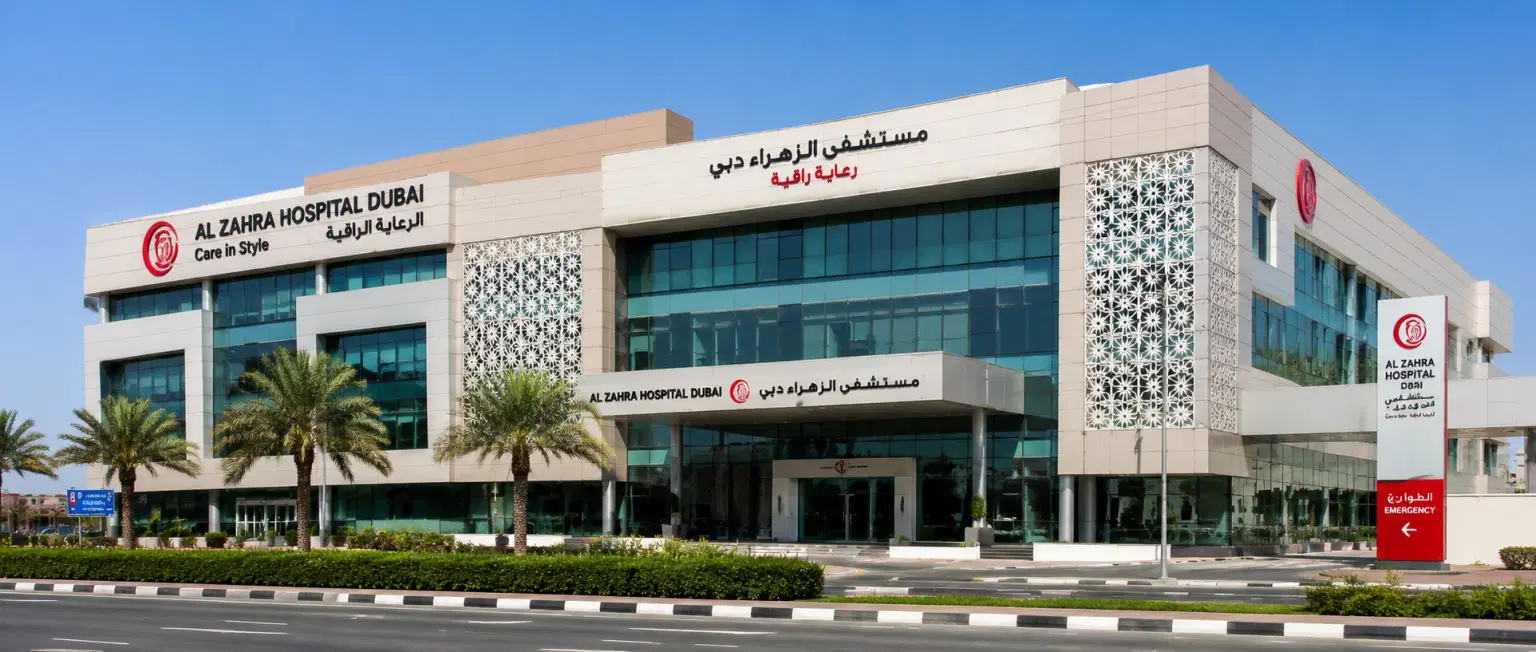
Al Zahra Hospital, Dubai
Sheikh Zayed Road, Al Barsha 1, Dubai, UAE
Al Zahra Hospital, Dubai

Burjeel Medical City, Abu Dhabi
28th Street, Mohammed Bin Zayed City, Abu Dhabi, UAE
Burjeel Medical City, Abu Dhabi
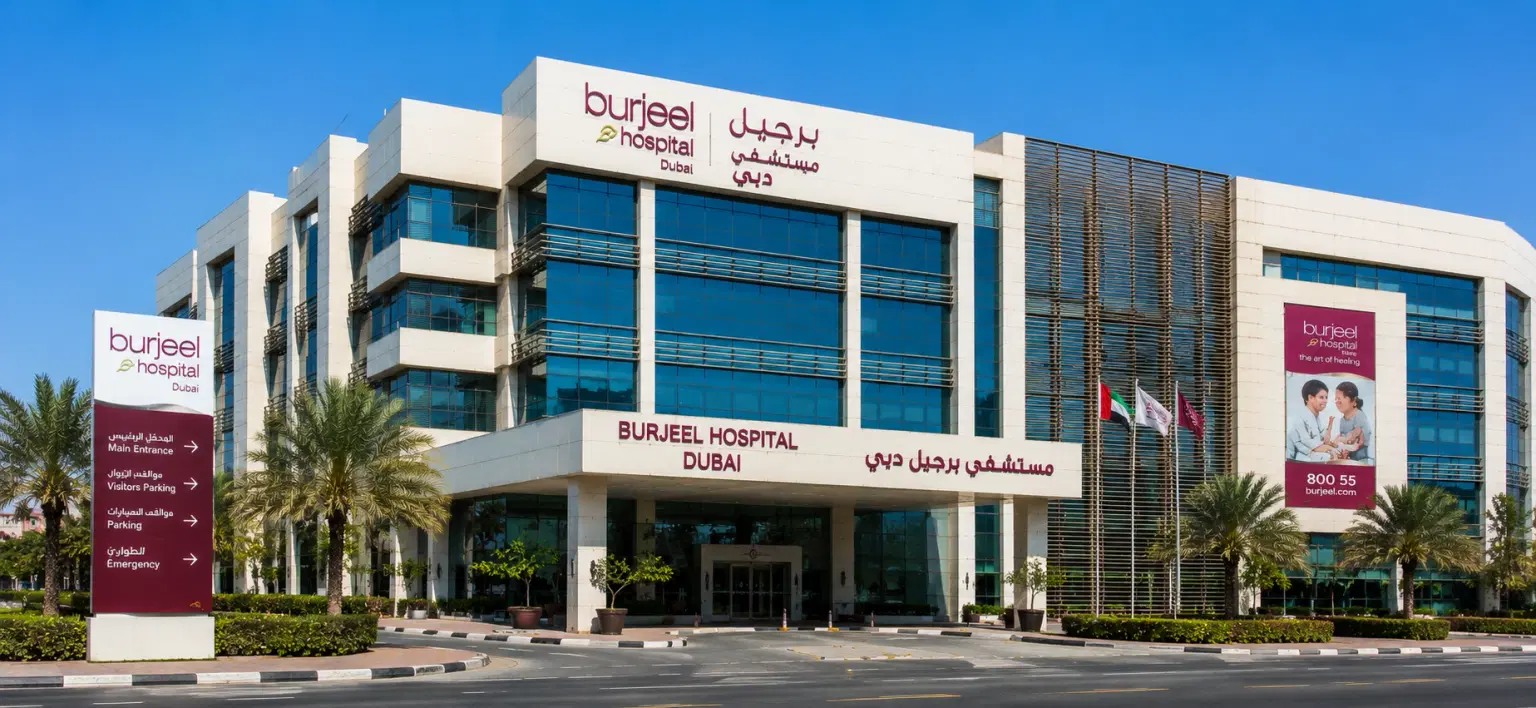
Burjeel Hospital, Dubai
Dubai, UAE (part of Burjeel Holdings network)
Burjeel Hospital, Dubai
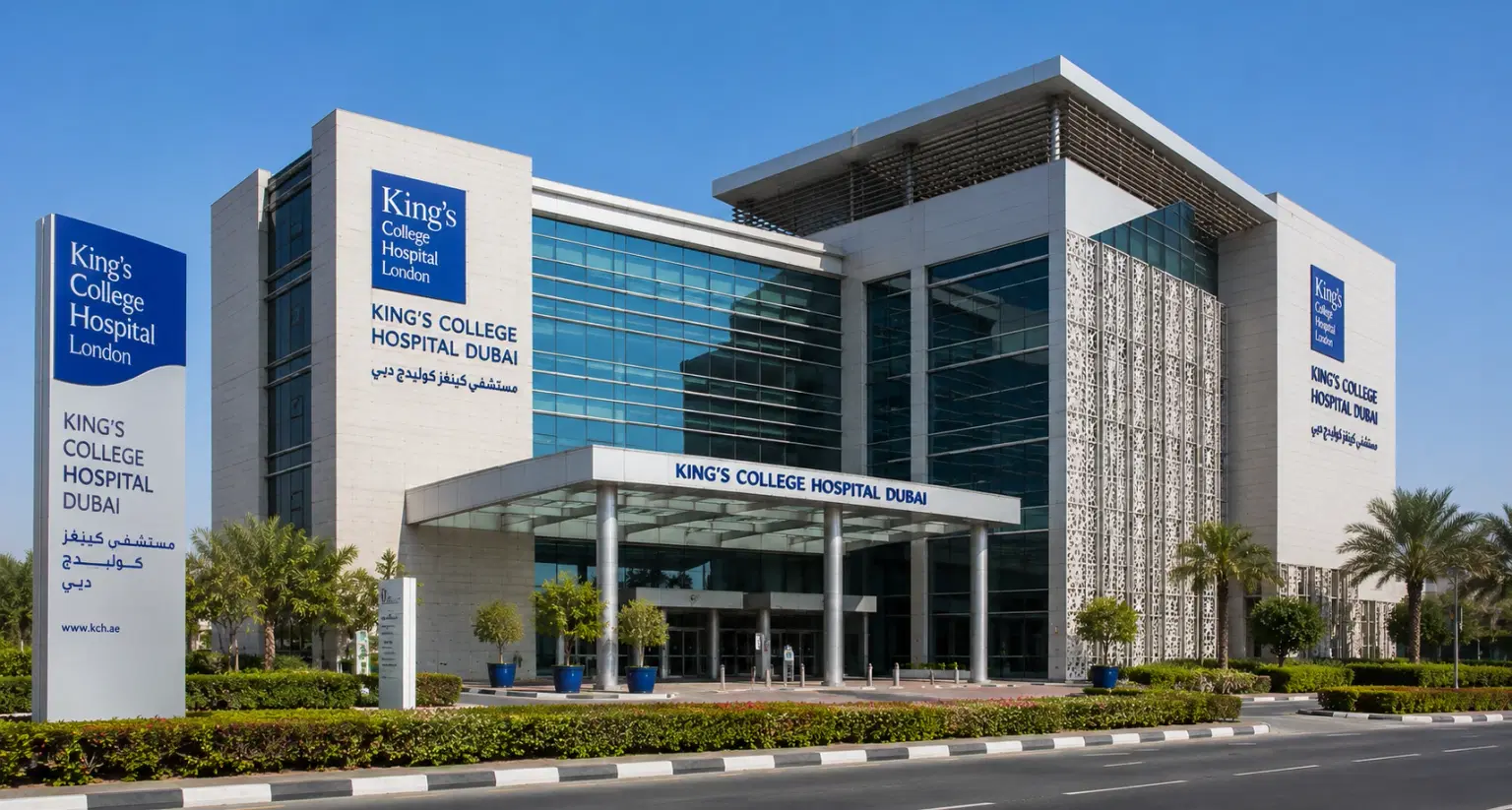
King's College Hospital, Dubai
Dubai Hills, Mohammed Bin Rashid City, Dubai, UAE
King's College Hospital, Dubai
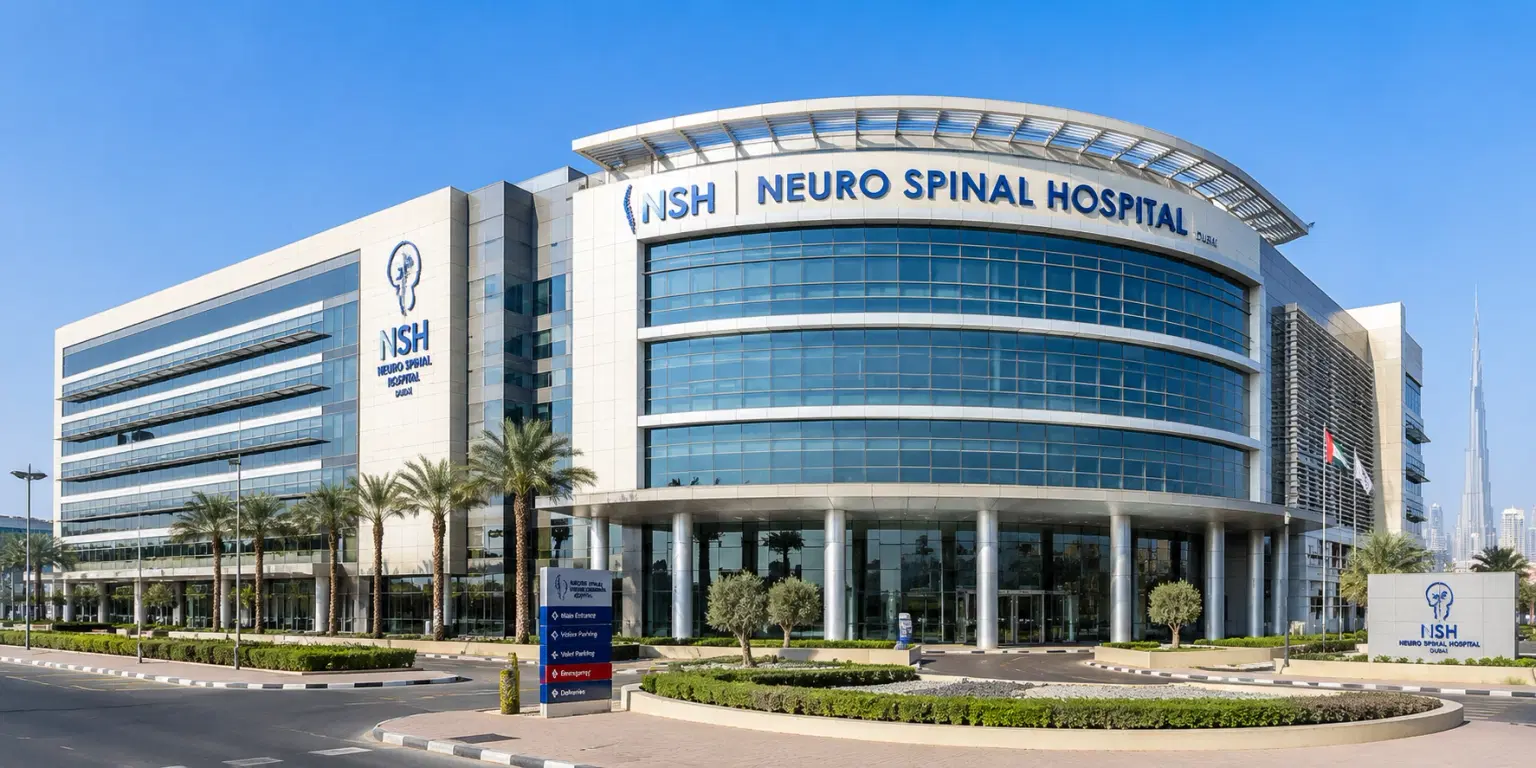
Neuro Spinal Hospital (NSH), Dubai
Dubai Science Park, Umm Suqeim St, Al Barsha South, Dubai, UAE
Neuro Spinal Hospital (NSH), Dubai

HMS Al Garhoud Hospital, Dubai
Al Garhoud Street, Al Garhoud, Dubai, UAE
HMS Al Garhoud Hospital, Dubai
Meet Our Doctors
Meet our team of highly qualified and experienced medical professionals dedicated to providing the best healthcare services.
Related Links
Recent Blogs
Other Treatment related Information
- embryo biopsy cost in Chennai
- embryo biopsy cost in Haryana
- embryo biopsy cost in Pune
- embryo biopsy cost in India
- embryo biopsy cost in Hyderabad
- embryo biopsy cost in Mumbai
- embryo biopsy cost in New Delhi
- embryo biopsy cost in Bengaluru
- embryo biopsy Success Rate in Haryana
- embryo biopsy Success Rate in Hyderabad
- embryo biopsy Success Rate in Pune
- embryo biopsy Success Rate in New Delhi
- embryo biopsy Success Rate in India
- embryo biopsy Success Rate in Chennai
- embryo biopsy Success Rate in Mumbai
- embryo biopsy Success Rate in Bengaluru
- Best embryo biopsy Doctors in Mumbai
- Best embryo biopsy Doctors in Chennai
- Best embryo biopsy Doctors in Bengaluru
Ready To Start Your Healing Journey?
Get Personalized Medical Treatment Options From India's Top Hospitals. Our Medical Experts Are Ready To Assist You Every Step Of The Way.