
embryo biopsy Treatment in Mumbai for UAE
Need Personalized Advice?
Our medical experts are ready to answer your questions and guide you through your treatment options.
About
Embryo Biopsy in Mumbai for UAE Patients | Costs, Hospitals
Couples from the UAE navigating complex fertility challenges and genetic concerns often face significant emotional weight, searching for advanced solutions to ensure the health of their future child. The journey to a healthy pregnancy, especially when genetic factors are involved, can feel overwhelming.
Mumbai has emerged as a prominent hub for advanced fertility treatments, including intricate procedures like embryo biopsy. Patients often choose Mumbai for its reputable fertility centers, experienced specialists, and the city's integrated approach to patient care and coordination, making the medical journey smoother.
The city's leading fertility hospitals and highly skilled specialists offer comprehensive diagnostic and treatment pathways. From detailed initial consultations to precise biopsy procedures and careful post-procedure follow-ups, patients can find confidence in Mumbai's established medical infrastructure.
Mumbai provides an accessible and expert environment for international patients seeking specialized embryo biopsy services.
What is Embryo Biopsy?
Embryo biopsy is a delicate procedure performed during an In Vitro Fertilization (IVF) cycle. It involves carefully removing one or several cells from an early-stage embryo to test for genetic or chromosomal abnormalities. This process, known as Preimplantation Genetic Testing (PGT), allows fertility specialists to identify healthy embryos before implantation, significantly increasing the chances of a successful pregnancy and the birth of a healthy baby.
What Are the Different Types of Embryo Biopsy?
The method of embryo biopsy depends on the embryo's developmental stage when the procedure is performed:
- Polar Body Biopsy: This involves removing polar bodies from the oocyte (egg) before fertilization or from a zygote. It assesses the egg's genetic contribution but not the embryo's paternal genetic material.
- Blastomere Biopsy: Performed on Day 3 embryos, where one or two cells (blastomeres) are extracted from an embryo typically consisting of six to ten cells.
- Trophectoderm Biopsy: The most common and preferred method, performed on Day 5 or Day 6 embryos (blastocysts). A few cells are taken from the trophectoderm, which is the outer layer of cells that will eventually form the placenta, leaving the inner cell mass (which forms the fetus) undisturbed. This method is considered safer for the embryo and provides more cells for genetic analysis, leading to more accurate results.
When is Embryo Biopsy Recommended?
- Advanced maternal age (typically 35 years or older)
- Recurrent pregnancy loss or multiple failed IVF cycles
- One or both partners are carriers of a known genetic disorder (e.g., cystic fibrosis, Huntington's disease)
- One or both partners have a chromosomal rearrangement (e.g., balanced translocation)
- Previous child born with a genetic or chromosomal abnormality
- Desire to avoid transmitting a specific sex-linked genetic condition
What Pre-Biopsy Evaluation is Needed?
- Comprehensive medical history review for both partners
- Detailed genetic counseling to understand inherited risks
- Fertility assessments, including ovarian reserve testing for the female partner and semen analysis for the male partner
- Infectious disease screening (e.g., HIV, Hepatitis B and C)
- Hormonal blood tests to assess reproductive health
- Uterine evaluation for the female partner to ensure readiness for embryo transfer
How is Embryo Biopsy Performed?
The embryo biopsy procedure is an integral part of an IVF cycle and is tailored to the specific stage of embryo development and the genetic testing required.
The process generally follows these steps within the IVF journey:
- Ovarian Stimulation and Egg Retrieval: The female partner undergoes controlled ovarian stimulation to produce multiple eggs, which are then retrieved.
- Fertilization and Embryo Culture: The retrieved eggs are fertilized with sperm in the laboratory. The resulting embryos are cultured for several days, typically until they reach the blastocyst stage (Day 5 or 6).
- Biopsy Procedure: Under microscopic guidance, a highly skilled embryologist uses a laser or a fine micropipette to carefully remove a small number of cells from the trophectoderm layer of the blastocyst. This is a very precise operation designed to minimize any potential harm to the embryo.
- Genetic Testing: The biopsied cells are sent to a specialized genetics laboratory for analysis (PGT-A for aneuploidy screening, PGT-M for monogenic disorders, or PGT-SR for structural rearrangements).
- Embryo Vitrification: After the biopsy, the embryos are typically vitrified (flash-frozen) and stored while awaiting genetic test results.
- Embryo Transfer: Once the genetic test results are available, healthy embryos are selected for a subsequent frozen embryo transfer (FET) cycle, after the female partner's uterus has been prepared.
What Does Recovery After Embryo Biopsy Involve?
For the patient, recovery after embryo biopsy primarily relates to the broader IVF cycle rather than the biopsy itself. The retrieved eggs and subsequent biopsy procedure do not require specific physical recovery from the patient. However, the embryos need a period of careful management. After the biopsy, the embryos are immediately frozen, and the patient awaits the genetic test results. Once results confirm viable embryos, the patient prepares for a frozen embryo transfer (FET) in a subsequent cycle, which involves hormonal preparation and a short recovery period after the transfer itself. Emotional support and clear communication throughout this waiting period are crucial.
What Are the Risks and Success Rates of Embryo Biopsy?
- Minimal risk of damage to the embryo during cell removal (experienced embryologists keep this very low).
- Possibility of misdiagnosis or inconclusive results from the genetic testing (rare).
- The procedure may not always yield enough cells for a definitive genetic analysis.
- There is a small chance that no genetically healthy embryos will be identified for transfer.
Embryo biopsy, when followed by PGT, significantly increases the chance of a successful pregnancy and live birth for couples at risk of genetic conditions. Success rates for PGT itself are high in accurately identifying chromosomal abnormalities or specific genetic disorders. The overall success of the IVF cycle and subsequent pregnancy depends on various factors, including the woman's age, ovarian reserve, embryo quality, and the specific genetic condition being screened for. Patients can expect detailed counseling on their individual outcome probabilities.
What is the Cost of Embryo Biopsy in Mumbai for UAE Patients?
The cost of embryo biopsy in Mumbai can vary based on several factors, including the reputation of the fertility clinic, the specific type of genetic testing required (e.g., PGT-A, PGT-M), the number of embryos biopsied, and the experience of the fertility specialist and embryology team. It is often quoted as part of the overall IVF and PGT package.
For embryo biopsy and the associated genetic testing per cycle in Mumbai, patients might expect costs ranging from approximately INR 70,000 to INR 150,000, excluding the primary IVF treatment cost.
Comparing Embryo Biopsy Costs: Mumbai vs. Global Cities
Mumbai offers a significant cost advantage for advanced fertility procedures like embryo biopsy compared to many Western countries, without compromising on quality or expertise. This makes it an attractive destination for international patients seeking high-standard care at a more accessible price point.
| Location | Estimated Cost (USD) |
|---|---|
| Mumbai, India | $850 - $1,800 |
| United Kingdom | $2,500 - $4,500 |
| United States | $3,000 - $6,000 |
| Singapore | $2,000 - $3,500 |
| Australia | $2,200 - $4,000 |
Considering embryo biopsy in Mumbai? Connect with our patient support team to discuss cost estimates and find leading fertility specialists.
Comprehensive Support Services for Your Medical Journey in Mumbai
- Assistance with medical visa applications and extensions.
- Arrangements for comfortable accommodation options near the hospital.
- Dedicated language interpretation services for clear communication.
- Coordination of local transportation for hospital visits and appointments.
- Personalized scheduling of consultations and treatment procedures.
- Guidance on travel logistics and local acclimatization.
Essential Papers Required for Your Medical Visit to Mumbai
- Valid passport with at least six months' validity.
- Approved medical visa for India.
- Comprehensive medical reports and diagnostic test results related to fertility and genetic history.
- Referral letters from your local physician or fertility specialist.
- Proof of address and identity from your home country.
- Copies of any previous fertility treatment records.
Preparing for Your Embryo Biopsy Procedure
- Engage in initial teleconsultations with Mumbai fertility specialists to establish a treatment plan.
- Complete any preliminary diagnostic tests requested by your Mumbai clinic before travel.
- Ensure all travel documents, including visa and flight bookings, are confirmed.
- Arrange for accommodation in Mumbai and understand local transport options.
- Organize financial aspects and payment methods for your treatment.
- Follow any specific dietary or medication instructions provided by your medical team before arrival.
Navigating Post-Treatment Care and Follow-Up
- Receive clear instructions regarding post-procedure monitoring and any prescribed medications.
- Attend scheduled follow-up consultations with your fertility specialist to discuss genetic test results and future plans.
- Understand the timeline for receiving PGT results and planning for a frozen embryo transfer (FET).
- Access ongoing emotional support and counseling services if needed during the waiting period.
- Receive guidance on safe travel back to the UAE and continued care instructions for your local physician.
Ready to explore embryo biopsy options in Mumbai? Reach out to our expert team for personalized guidance and support.
Taking Your Next Step Towards Building a Healthy Family
Embarking on advanced fertility treatment requires careful consideration, and Mumbai offers a supportive, high-quality environment for international patients.
Hospitals Offering this treatment
India offers premium medical procedures at affordable prices. Discover our most popular treatments, delivered by the country's finest doctors.

Al Zahra Hospital, Dubai
Sheikh Zayed Road, Al Barsha 1, Dubai, UAE
Al Zahra Hospital, Dubai

Burjeel Medical City, Abu Dhabi
28th Street, Mohammed Bin Zayed City, Abu Dhabi, UAE
Burjeel Medical City, Abu Dhabi

Burjeel Hospital, Dubai
Dubai, UAE (part of Burjeel Holdings network)
Burjeel Hospital, Dubai
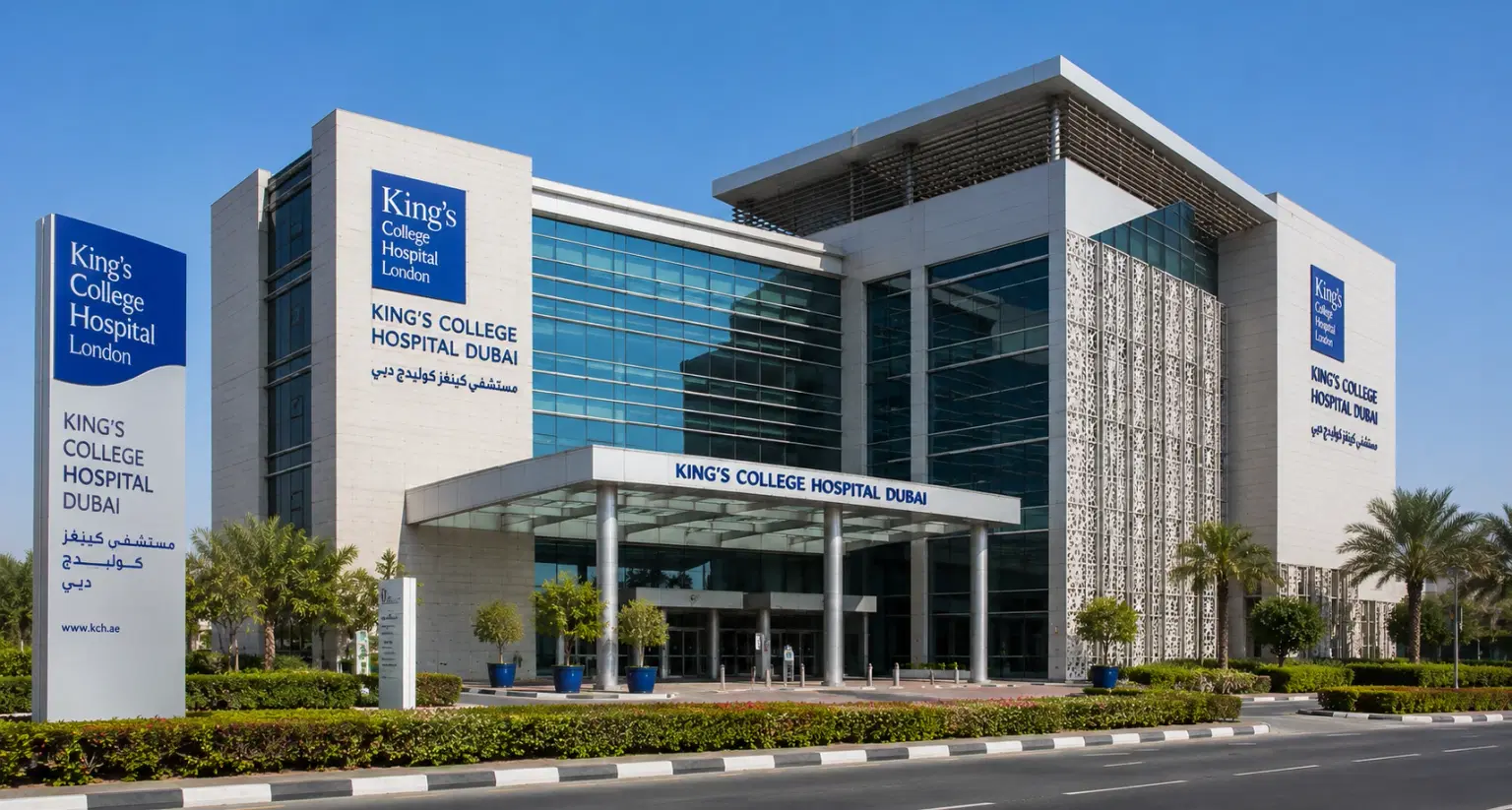
King's College Hospital, Dubai
Dubai Hills, Mohammed Bin Rashid City, Dubai, UAE
King's College Hospital, Dubai
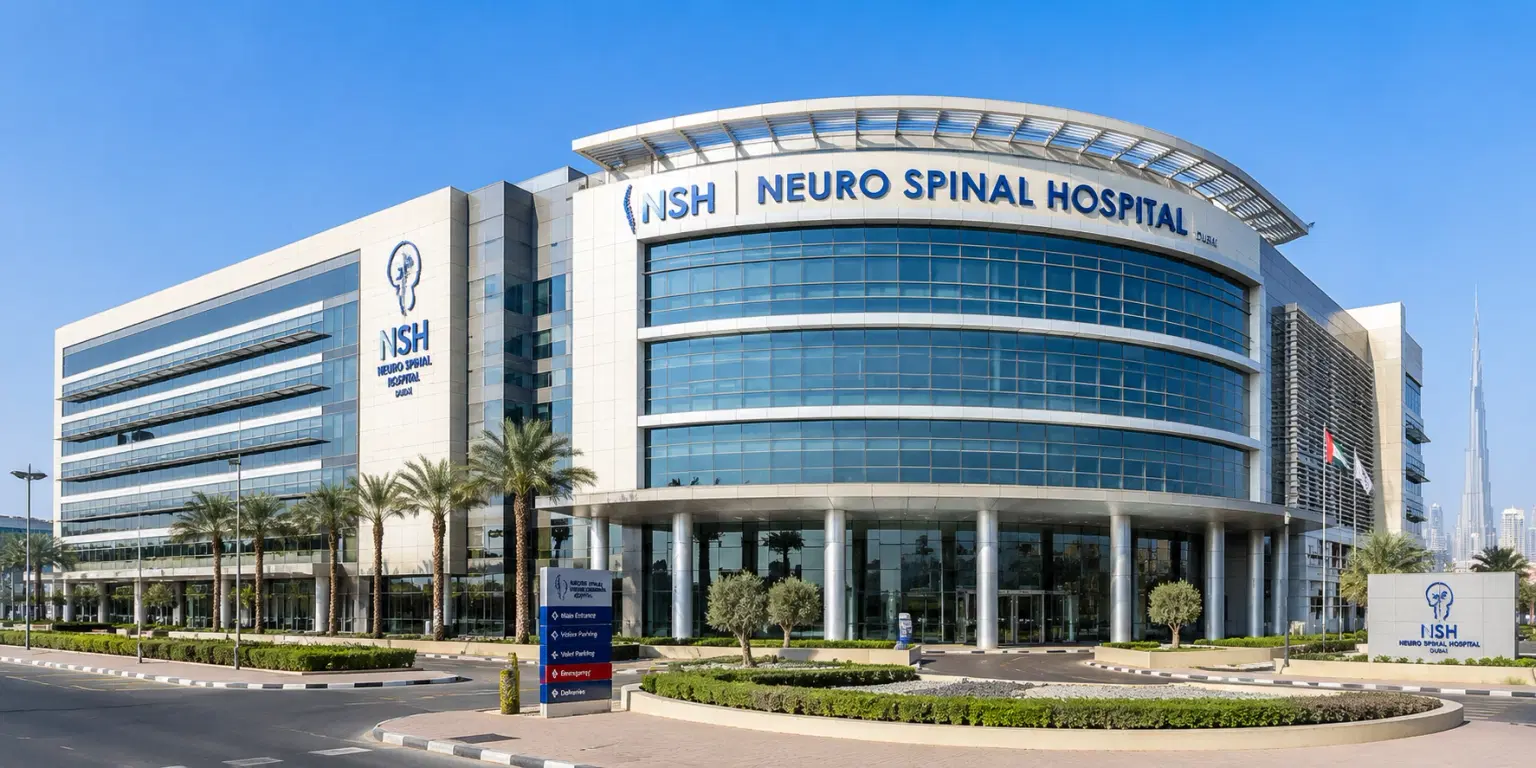
Neuro Spinal Hospital (NSH), Dubai
Dubai Science Park, Umm Suqeim St, Al Barsha South, Dubai, UAE
Neuro Spinal Hospital (NSH), Dubai

HMS Al Garhoud Hospital, Dubai
Al Garhoud Street, Al Garhoud, Dubai, UAE
HMS Al Garhoud Hospital, Dubai
Meet Our Doctors
Meet our team of highly qualified and experienced medical professionals dedicated to providing the best healthcare services.
Related Links
Recent Blogs
Other Treatment related Information
- embryo biopsy cost in Chennai
- embryo biopsy cost in Haryana
- embryo biopsy cost in Pune
- embryo biopsy cost in India
- embryo biopsy cost in Hyderabad
- embryo biopsy cost in Mumbai
- embryo biopsy cost in New Delhi
- embryo biopsy cost in Bengaluru
- embryo biopsy Success Rate in Haryana
- embryo biopsy Success Rate in Hyderabad
- embryo biopsy Success Rate in Pune
- embryo biopsy Success Rate in New Delhi
- embryo biopsy Success Rate in India
- embryo biopsy Success Rate in Chennai
- embryo biopsy Success Rate in Mumbai
- embryo biopsy Success Rate in Bengaluru
- Best embryo biopsy Doctors in Mumbai
- Best embryo biopsy Doctors in Chennai
- Best embryo biopsy Doctors in Bengaluru
Ready To Start Your Healing Journey?
Get Personalized Medical Treatment Options From India's Top Hospitals. Our Medical Experts Are Ready To Assist You Every Step Of The Way.