
ERCP (Endoscopic Retrograde Cholangiopancreatography) Treatment in Hyderabad for Ethiopia
Need Personalized Advice?
Our medical experts are ready to answer your questions and guide you through your treatment options.
About
Advanced ERCP in Hyderabad for Patients from Ethiopia
For patients in Ethiopia facing complex digestive issues, finding a reliable and effective solution can bring significant worry. Conditions affecting the bile ducts and pancreas often require specialized interventions like ERCP, and the search for high-quality care at an accessible cost frequently leads beyond local borders. Uncertainty about procedures, hospital standards, and overall medical travel can be overwhelming.
Many individuals from Ethiopia consider Hyderabad for their medical needs. This city is recognized for its focused healthcare infrastructure and coordinated patient support. Patients choose Hyderabad not just for specific treatments but also for the comprehensive care environment that simplifies the entire medical journey, from initial inquiry to post-procedure follow-up.
Hyderabad has established itself as a hub for advanced medical procedures, including intricate gastroenterological interventions. The city's hospitals house experienced specialists in ERCP, equipped with state-of-the-art technology. This commitment to expertise and modern facilities instills confidence, knowing that ongoing care and follow-ups are readily manageable within Hyderabad.
Is Hyderabad the right destination for your ERCP treatment?
What is ERCP (Endoscopic Retrograde Cholangiopancreatography)?
ERCP is a specialized endoscopic procedure used to diagnose and treat conditions of the bile ducts and pancreatic duct. It combines the use of an endoscope a long, flexible, lighted tube with a camera and X-ray imaging. During the procedure, the endoscope is passed through the mouth, esophagus, stomach, and duodenum until it reaches the opening of the bile and pancreatic ducts. A thin tube is then inserted through the endoscope into these ducts, and a contrast dye is injected. This allows the ducts to be visualized on X-ray, revealing any blockages, stones, tumors, or narrowed areas. ERCP is highly effective for both identifying and resolving various issues affecting these vital digestive pathways.
What Are the Applications of ERCP?
ERCP is not typically categorized into different "types" but rather its applications or interventions can vary:
- Diagnostic ERCP: Used primarily to identify abnormalities when other imaging methods are unclear. This includes visualizing stones, strictures, or tumors within the bile or pancreatic ducts.
- Therapeutic ERCP for Gallstones: A common application involves removing gallstones that have migrated into the bile duct, causing blockages and pain.
- Stent Placement: If there are narrowed areas (strictures) in the ducts, ERCP can be used to place small tubes called stents to keep them open, improving bile or pancreatic fluid flow.
- Biopsy: Tissue samples can be collected from suspicious areas within the ducts during ERCP for further examination and diagnosis of conditions like cancer.
- Sphincterotomy: This involves making a small incision in the sphincter of Oddi, a muscle that controls the flow of digestive fluids, to allow for easier passage of stones or improve drainage.
When Is ERCP Recommended?
- Unexplained abdominal pain, especially in the upper right quadrant.
- Jaundice, indicated by yellowing of the skin or eyes.
- Abnormal liver function tests.
- Pancreatitis caused by gallstones or duct blockages.
- Presence of gallstones in the bile duct (choledocholithiasis).
- Suspected tumors or strictures in the bile or pancreatic ducts.
- Leaking bile from the ducts following surgery or trauma.
- Preparing for a liver transplant or assessing post-transplant complications.
What Pre-Treatment Evaluation Is Necessary for ERCP?
- Detailed medical history review and physical examination.
- Blood tests including complete blood count, liver function tests, kidney function tests, and coagulation profile.
- Imaging studies such as ultrasound, CT scan, or MRI/MRCP (Magnetic Resonance Cholangiopancreatography) to pinpoint the problem.
- Assessment of current medications, especially blood thinners, which may need to be adjusted or temporarily stopped.
- Evaluation for any allergies, particularly to contrast dye.
- Electrocardiogram (ECG) and chest X-ray for overall heart and lung health.
How Is ERCP Performed?
The ERCP procedure is typically performed in a hospital setting under sedation or general anesthesia. The exact steps may vary slightly based on the patient's condition and the specific intervention required.
Before the Procedure:
Patients are instructed to fast for several hours before the ERCP. They will receive sedation to ensure comfort and minimize discomfort during the procedure. The back of the throat might be numbed with a spray to suppress the gag reflex.
During the Procedure:
The patient lies on an X-ray table, usually on their stomach. The endoscope is gently guided through the mouth, esophagus, stomach, and duodenum to the papilla of Vater, where the bile and pancreatic ducts open. A small catheter is then threaded through the endoscope into the ducts. Contrast dye is injected, and X-ray images are taken to identify any abnormalities. If problems like stones or strictures are found, specialized tools can be passed through the endoscope to remove stones, perform biopsies, or place stents. The entire procedure typically lasts between 30 minutes to 2 hours.
After the Procedure:
Patients are monitored in a recovery area until the effects of sedation wear off. Vital signs are observed, and any signs of complications are checked. Most patients can return home on the same day, but some may require an overnight stay, especially if a therapeutic intervention was performed.
What Does Recovery After ERCP Involve?
Recovery from ERCP is generally straightforward, though it requires careful attention. Patients usually feel drowsy immediately after due to sedation. A sore throat and mild abdominal discomfort are common for a day or two. Most can resume light activities within 24 hours and a normal diet as tolerated. Specific restrictions, such as avoiding heavy lifting, might be advised. Follow-up appointments are crucial to monitor recovery, discuss biopsy results if taken, and address any ongoing concerns. Hydration and adherence to any prescribed medications are important for a smooth healing process.
What Are the Risks and Success Rates of ERCP?
- Pancreatitis, which is inflammation of the pancreas, is the most common serious complication.
- Perforation of the bile duct, intestine, or esophagus, a rare but serious risk.
- Bleeding, especially if a sphincterotomy or biopsy was performed.
- Infection in the bile ducts or elsewhere, which may require antibiotics.
- Adverse reactions to sedation or contrast dye, though these are usually mild.
- Cholangitis, an infection of the bile duct system.
ERCP generally has a high success rate for both diagnosis and treatment, often exceeding 90% for stone removal and stent placement. Success rates can vary depending on the complexity of the condition, the patient's overall health, and the expertise of the gastroenterologist performing the procedure. Long-term outcomes are typically good, especially when underlying issues like stones or strictures are effectively resolved, leading to significant improvement in symptoms and quality of life.
Cost of ERCP Treatment in Hyderabad
The cost of ERCP in Hyderabad can vary based on several factors. These include the specific hospital chosen, the experience level of the gastroenterologist, whether the procedure is purely diagnostic or includes therapeutic interventions like stone removal or stent placement, and the duration of the hospital stay. Advanced technology used and any additional tests required also influence the final cost.
In Hyderabad, ERCP typically ranges from INR 60,000 to INR 150,000.
Hyderabad ERCP Cost Comparison
Hyderabad offers competitive pricing for ERCP when compared to many developed nations, without compromising on quality of care or advanced medical infrastructure.
| Location | Estimated ERCP Cost (USD) |
|---|---|
| Hyderabad, India | $700 - $1,800 |
| USA | $5,000 - $15,000 |
| UK | $4,000 - $10,000 |
| Singapore | $3,500 - $8,000 |
| Thailand | $2,000 - $5,000 |
Ready to explore your ERCP options in Hyderabad? Connect with leading specialists and receive a personalized treatment plan.
Inquire Now for a free consultation.
Support Services for Your Medical Journey in Hyderabad
- Assistance with medical visa applications for Ethiopian patients.
- Coordination of travel logistics, including airport transfers and local transport.
- Dedicated case managers to guide you through appointments and procedures.
- Arrangement for comfortable accommodation suitable for medical recovery.
- Language interpretation services to ensure clear communication with medical staff.
- Post-treatment follow-up and remote consultation options.
- Guidance on local amenities and cultural nuances for a comfortable stay.
Essential Documents for Your ERCP in Hyderabad
- Current passport with at least six months validity.
- Valid medical visa obtained from the Indian embassy in Ethiopia.
- Comprehensive medical reports, including previous diagnoses, lab results, and imaging scans.
- Referral letter from your local doctor, if available.
- A list of all current medications, including dosages.
- Contact details for emergency contacts in both Ethiopia and India.
- Proof of financial capability or medical insurance details.
Preparing for Your ERCP Procedure in Hyderabad
- Follow all dietary restrictions provided by your medical team, usually fasting before the procedure.
- Adjust or stop specific medications as advised by your doctor, especially blood thinners.
- Arrange for a companion or family member to accompany you during your hospital stay.
- Familiarize yourself with the hospital location and pre-procedure instructions.
- Ensure all necessary documents are organized and easily accessible.
- Ask any questions you have about the procedure, recovery, or costs beforehand.
- Plan for local transportation to and from the hospital on the day of your ERCP.
Aftercare Instructions Following Your ERCP
- Adhere strictly to any dietary guidelines given by your gastroenterologist after the procedure.
- Avoid strenuous activities and heavy lifting for a period as recommended.
- Take all prescribed medications, such as pain relievers or antibiotics, exactly as directed.
- Monitor for any signs of complications like severe abdominal pain, fever, or bleeding, and report them immediately.
- Attend all scheduled follow-up appointments with your doctor in Hyderabad.
- Stay well-hydrated to aid recovery and general well-being.
- Gradually reintroduce normal activities based on your comfort and medical advice.
Do you need more information or wish to book your ERCP consultation in Hyderabad?
Reach out to our patient care team today.
Take Your Next Step Toward Better Digestive Health
Choosing Hyderabad for your ERCP provides access to leading medical expertise and compassionate care. Let us help you navigate your treatment journey with confidence.
Hospitals Offering this treatment
India offers premium medical procedures at affordable prices. Discover our most popular treatments, delivered by the country's finest doctors.
Meet Our Doctors
Meet our team of highly qualified and experienced medical professionals dedicated to providing the best healthcare services.
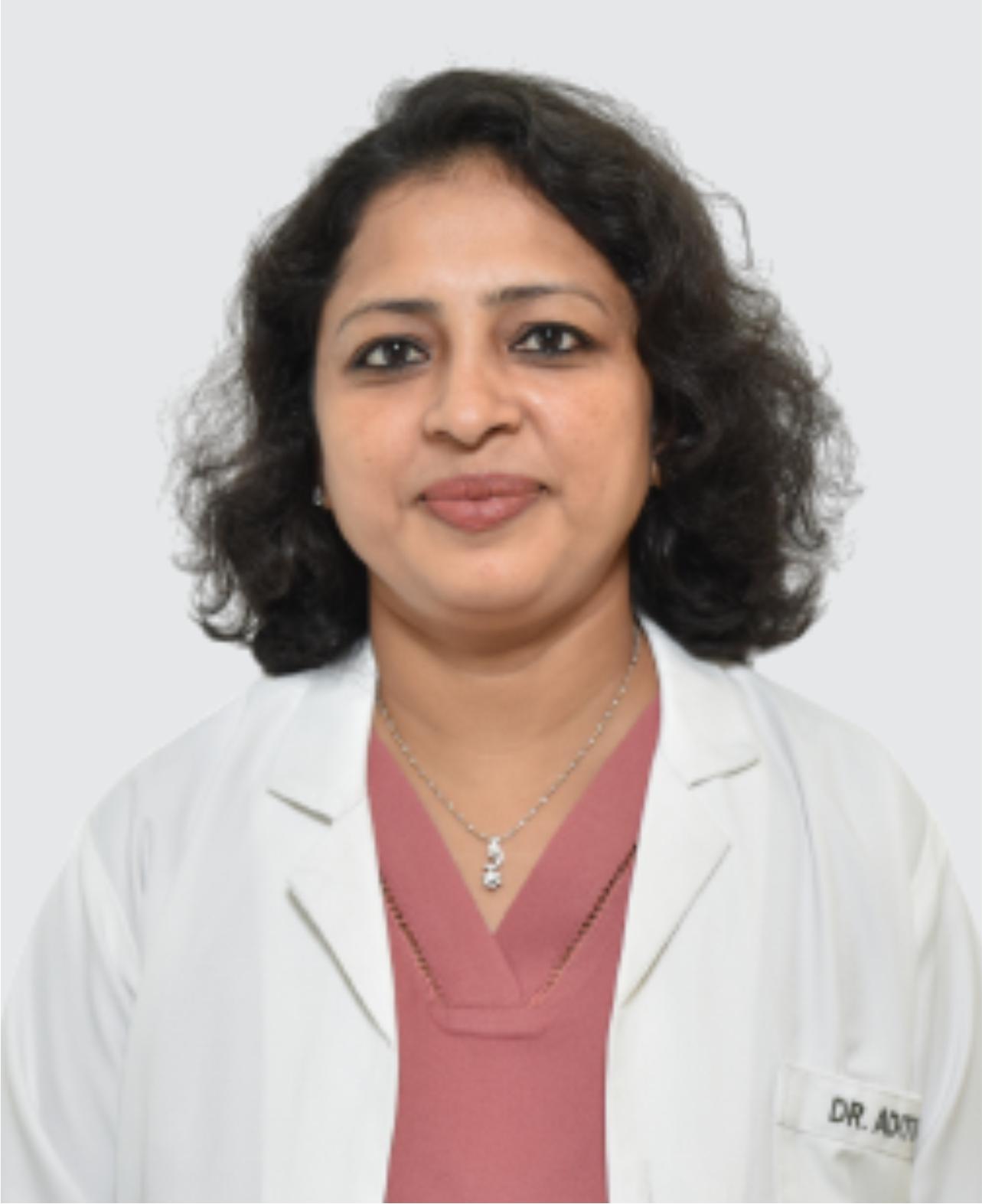
Dr Aditi Dixit
Sr. Consultant – Women Imaging
Radiology
New Delhi
15+ Years
Experience
Artemis Hospital
Hospital
1500
Fees
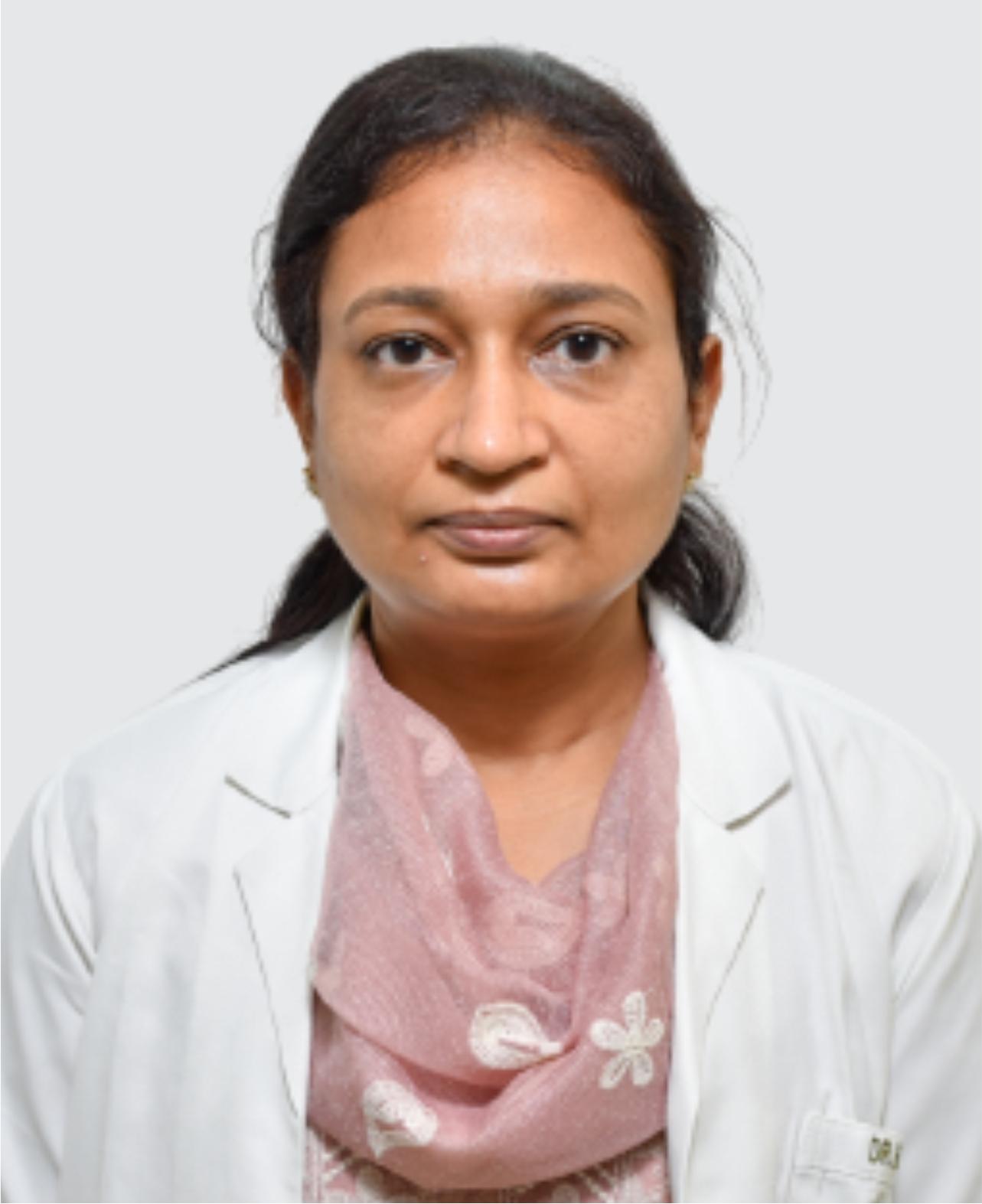
Dr. Deepa Goel
Head - Histopathology & Cytology Lab
Laboratory Services
New Delhi
21+ Years
Experience
Artemis Hospital
Hospital
1500
Fees

Dr Chandrima Misra M
Co-Head Psychological Services
Mental Health and Behavioural Sciences
New Delhi
15+ Years
Experience
Artemis Hospital
Hospital
1500
Fees
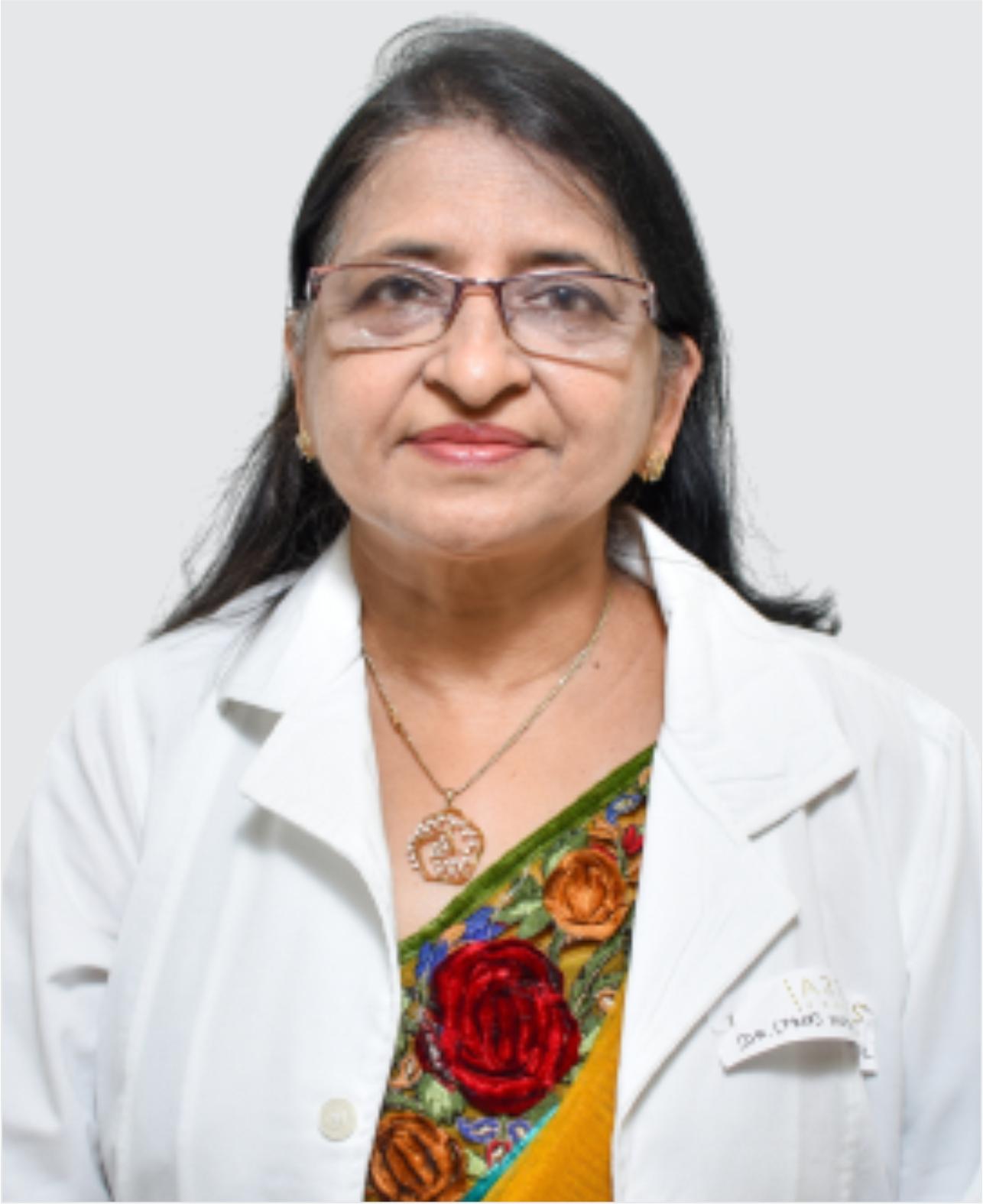
Dr. Nutan Agarwal
Head of Department - Gynae Endocrinology & DNB Program Director - Obs & Gynae
Gynaecological Endocrinology, Maternity, Obstetrics & Gynaecology
New Delhi
35+ Years
Experience
Artemis Hospital
Hospital
1500
Fees
Dr. Poonam Gautam
Senior Consultant - ENT
ENT and Head & Neck Surgery
New Delhi
24+ Years
Experience
Artemis Hospital
Hospital
1500
Fees
Dr. Pradeep Kumar Singh
Head - Cosmetic & Plastic Surgery
Cosmetic & Plastic Surgery
New Delhi
17+ Years
Experience
Artemis Hospital
Hospital
1500
Fees
Dr. Priyanka Raina
Consultant (Head & Neck Surgery) - Surgical Oncology
Head and Neck Surgical Oncology
New Delhi
10+ Years
Experience
Artemis Hospital
Hospital
1500
Fees
Dr. Rupinder Sekhon
Chairperson - Gynae Oncology
Gynaecological Oncology
New Delhi
16+ Years
Experience
Artemis Hospital
Hospital
1500
Fees
Dr. Sanjeev Srivastava
Sr. Consultant
Neurosurgery
New Delhi
23+ Years
Experience
Artemis Hospital
Hospital
1500
Fees
Dr. Kiran Arora
Unit Head - Reproductive Medicine (Unit II)
IVF, Reproductive Medicine, Obstetrics & Gynecology
New Delhi
20+ Years
Experience
Artemis Hospital
Hospital
1500
Fees
Related Links
Other Treatment related Information
- ERCP (Endoscopic Retrograde Cholangiopancreatography) cost in Chennai
- ERCP (Endoscopic Retrograde Cholangiopancreatography) cost in Hyderabad
- ERCP (Endoscopic Retrograde Cholangiopancreatography) cost in New Delhi
- ERCP (Endoscopic Retrograde Cholangiopancreatography) cost in Mumbai
- ERCP (Endoscopic Retrograde Cholangiopancreatography) cost in Haryana
- ERCP (Endoscopic Retrograde Cholangiopancreatography) cost in India
- ERCP (Endoscopic Retrograde Cholangiopancreatography) cost in Pune
- ERCP (Endoscopic Retrograde Cholangiopancreatography) cost in Bengaluru
- ERCP (Endoscopic Retrograde Cholangiopancreatography) Success Rate in Pune
- ERCP (Endoscopic Retrograde Cholangiopancreatography) Success Rate in Bengaluru
- ERCP (Endoscopic Retrograde Cholangiopancreatography) Success Rate in Mumbai
- ERCP (Endoscopic Retrograde Cholangiopancreatography) Success Rate in New Delhi
- ERCP (Endoscopic Retrograde Cholangiopancreatography) Success Rate in India
- ERCP (Endoscopic Retrograde Cholangiopancreatography) Success Rate in Hyderabad
- ERCP (Endoscopic Retrograde Cholangiopancreatography) Success Rate in Haryana
- ERCP (Endoscopic Retrograde Cholangiopancreatography) Success Rate in Chennai
- Best ERCP (Endoscopic Retrograde Cholangiopancreatography) Doctors in New Delhi
- Best ERCP (Endoscopic Retrograde Cholangiopancreatography) Doctors in Gurugram
- Best ERCP (Endoscopic Retrograde Cholangiopancreatography) Doctors in India
- Best ERCP (Endoscopic Retrograde Cholangiopancreatography) Doctors in Chennai
Ready To Start Your Healing Journey?
Get Personalized Medical Treatment Options From India's Top Hospitals. Our Medical Experts Are Ready To Assist You Every Step Of The Way.