
ERCP (Endoscopic Retrograde Cholangiopancreatography) Treatment in Hyderabad for Iraq
Need Personalized Advice?
Our medical experts are ready to answer your questions and guide you through your treatment options.
About
ERCP in Hyderabad for Iraq Patients: Cost & Best Hospitals
Iraqi patients often face difficult choices when complex medical procedures like ERCP are needed, feeling uncertain about where to find advanced care. The thought of traveling for treatment can add to this stress, raising questions about quality, affordability, and cultural familiarity.
Many seeking specialized gastrointestinal care for conditions requiring ERCP find Hyderabad an appealing destination. The city offers a well-structured medical environment, known for its coordinated patient support and access to highly specialized facilities.
Hyderabad's medical institutions are recognized for their experienced gastroenterologists and advanced diagnostic capabilities essential for ERCP. Patients benefit from modern hospitals and integrated care pathways that simplify the treatment journey and follow-up.
Is Hyderabad the right choice for your ERCP procedure?
What is ERCP (Endoscopic Retrograde Cholangiopancreatography)?
ERCP is a specialized procedure that combines endoscopy and X-ray imaging to diagnose and treat problems in the bile ducts and pancreatic duct. A thin, flexible tube with a camera (endoscope) is guided through the mouth, esophagus, stomach, and duodenum, while a special dye is injected to highlight the ducts on X-ray images. This allows doctors to visualize blockages, stones, or narrowings and perform interventions directly. ERCP is a minimally invasive approach to address issues often caused by gallstones, inflammation, infection, or tumors affecting these vital ducts.
What Interventions are Performed During ERCP?
ERCP primarily serves as an interventional procedure. Common treatments performed during an ERCP include:
- Gallstone Removal: Extracting stones lodged in the bile duct using baskets or balloons.
- Stent Placement: Inserting a small tube to open blocked or narrowed bile or pancreatic ducts, allowing fluids to drain.
- Sphincterotomy: Making a small incision in the sphincter of Oddi (a muscle that controls bile flow) to widen the opening for better drainage or stone removal.
- Dilation: Using a balloon catheter to widen narrowed sections (strictures) of the bile or pancreatic ducts.
- Biopsy: Taking tissue samples from suspicious areas for laboratory analysis, especially for potential tumors.
When is ERCP Required?
- Obstructive jaundice caused by gallstones or other blockages in the bile duct.
- Unexplained abdominal pain potentially linked to bile duct or pancreatic duct issues.
- Pancreatitis due to gallstones or other blockages.
- Diagnosis and staging of tumors in the bile ducts or pancreas.
- Identifying and treating bile leaks following surgery.
- Chronic pancreatitis with ductal stones or strictures.
Pre-Treatment Evaluation for ERCP
- Blood tests including liver function tests, amylase, lipase, and coagulation profile.
- Imaging studies such as abdominal ultrasound, CT scan, or MRI/MRCP (Magnetic Resonance Cholangiopancreatography) to identify ductal abnormalities.
- Thorough review of medical history, current medications, and allergies.
- Cardiovascular and respiratory assessment to ensure fitness for sedation.
- Discussion of previous endoscopy findings or surgeries affecting the gastrointestinal tract.
How is the ERCP Procedure Performed?
The ERCP procedure is carefully planned and performed by a gastroenterologist specializing in endoscopic techniques. The process involves several key steps to ensure safety and effectiveness.
Patient Preparation and Sedation
Patients are typically asked to fast for several hours before the procedure. Upon arrival, an intravenous line is inserted, and sedation is administered to ensure comfort and minimize discomfort throughout the procedure. In some cases, general anesthesia may be used.
Endoscope Insertion
Once sedated, the doctor gently inserts a flexible endoscope through the mouth, down the esophagus, past the stomach, and into the duodenum, which is the first part of the small intestine. The endoscope’s camera provides real-time images of the digestive tract.
Accessing the Ducts
The endoscope is positioned near the ampulla of Vater, the opening where the bile and pancreatic ducts drain into the duodenum. A small catheter is then advanced through the endoscope into the bile or pancreatic duct.
Dye Injection and X-rays
A contrast dye is injected through the catheter into the ducts. X-ray images are taken to visualize the entire ductal system, revealing any blockages, strictures, or stones.
Therapeutic Intervention
Based on the X-ray findings, the gastroenterologist can perform various therapeutic interventions. This may include using specialized instruments passed through the endoscope to remove gallstones, place stents to open narrowed ducts, or take tissue biopsies. The choice of intervention depends entirely on the specific problem identified.
Recovery Process After ERCP
Following an ERCP, patients are monitored in a recovery area until the effects of sedation wear off. Most individuals can go home the same day, though an overnight stay might be recommended depending on the complexity of the procedure or if complications arise. Patients may experience mild throat soreness or bloating, which typically subsides quickly. It is usually advised to avoid heavy lifting or strenuous activities for a few days. A soft diet is often recommended initially, gradually returning to regular food. Follow-up appointments with the gastroenterologist are crucial to assess recovery and address any ongoing concerns.
Seeking expert ERCP care in Hyderabad? Get a personalized treatment plan.
Connect with top specialists today.
Potential Risks and Success Rates of ERCP
- Post-ERCP Pancreatitis: Inflammation of the pancreas, which is the most common complication.
- Infection: Risk of infection in the bile ducts (cholangitis) or other areas.
- Bleeding: Particularly after sphincterotomy or biopsy.
- Perforation: A rare but serious complication involving a tear in the wall of the duodenum or bile duct.
- Sedation-related complications: Reactions to anesthesia or sedatives.
ERCP generally boasts high success rates for both diagnosis and therapeutic intervention. For procedures like stone removal or stent placement, the success rate can be well over 90%, depending on the stone's size and location, or the stricture's nature. Outcomes can vary based on the patient's overall health, the underlying condition's complexity, and the experience of the medical team. Long-term expectations depend heavily on the initial diagnosis and the effectiveness of the intervention performed. Regular follow-ups are essential to monitor long-term results.
Cost of ERCP Treatment in Hyderabad
The cost of an ERCP procedure in Hyderabad is influenced by several factors. These include the specific hospital chosen (private vs. corporate hospitals), the experience and fees of the gastroenterologist, the complexity of the intervention performed during ERCP (e.g., stone removal, stent placement, biopsy), the duration of hospital stay, and any additional diagnostic tests required.
For international patients, the estimated cost range for ERCP in Hyderabad typically falls between INR 80,000 and INR 2,50,000.
Hyderabad ERCP Cost Compared to Global Cities
Hyderabad offers a highly competitive pricing structure for ERCP while maintaining world-class medical standards. Here is a comparison of typical ERCP costs:
| Location | Estimated ERCP Cost (USD) |
|---|---|
| Hyderabad, India | $1,000 - $3,000 |
| USA | $8,000 - $15,000 |
| UK | $7,000 - $12,000 |
| Singapore | $5,000 - $9,000 |
| Thailand | $3,500 - $6,000 |
| Germany | $6,000 - $10,000 |
Assistance for Your Medical Journey in Hyderabad
- Help with medical visa applications and necessary documentation.
- Arrangements for comfortable accommodation during your stay.
- Language interpretation services to ensure clear communication.
- Assistance with local transportation for hospital visits and appointments.
- Coordination of all medical appointments and consultations.
- Guidance on post-procedure recovery care and follow-up plans.
Essential Documents for Your ERCP in Hyderabad
- Valid passport and medical visa for travel to India.
- All relevant medical reports, imaging scans, and doctor’s referrals.
- Detailed summary of your current health condition and past medical history.
- A list of all current medications, including dosages.
- Proof of financial arrangements for treatment and travel expenses.
- Contact information for emergency contacts back in your home country.
Preparing for Your ERCP Procedure
- Follow fasting instructions precisely as advised by your medical team.
- Inform your doctor about any allergies you have, especially to medications or contrast dyes.
- Discuss all current medications, including blood thinners, which may need to be adjusted or temporarily stopped.
- Arrange for someone to accompany you and drive you home after the procedure, due to the effects of sedation.
- Clarify any questions you have regarding the procedure and recovery.
Guidelines for Post-ERCP Recovery and Care
- Rest quietly and avoid strenuous activities for at least 24-48 hours.
- Adhere to the dietary recommendations provided by your doctor, usually starting with clear liquids and progressing to soft foods.
- Monitor for any symptoms like severe abdominal pain, fever, or vomiting, and report them immediately.
- Take prescribed medications, especially for pain management, as directed.
- Attend all scheduled follow-up appointments to ensure proper healing and address any concerns.
Ready to explore ERCP options in Hyderabad?
Submit an inquiry to receive expert medical guidance and cost estimates.
Ready to Take the Next Step in Hyderabad?
Begin your path to specialized ERCP care by connecting with Hyderabad's leading medical experts today.
Hospitals Offering this treatment
India offers premium medical procedures at affordable prices. Discover our most popular treatments, delivered by the country's finest doctors.
Meet Our Doctors
Meet our team of highly qualified and experienced medical professionals dedicated to providing the best healthcare services.
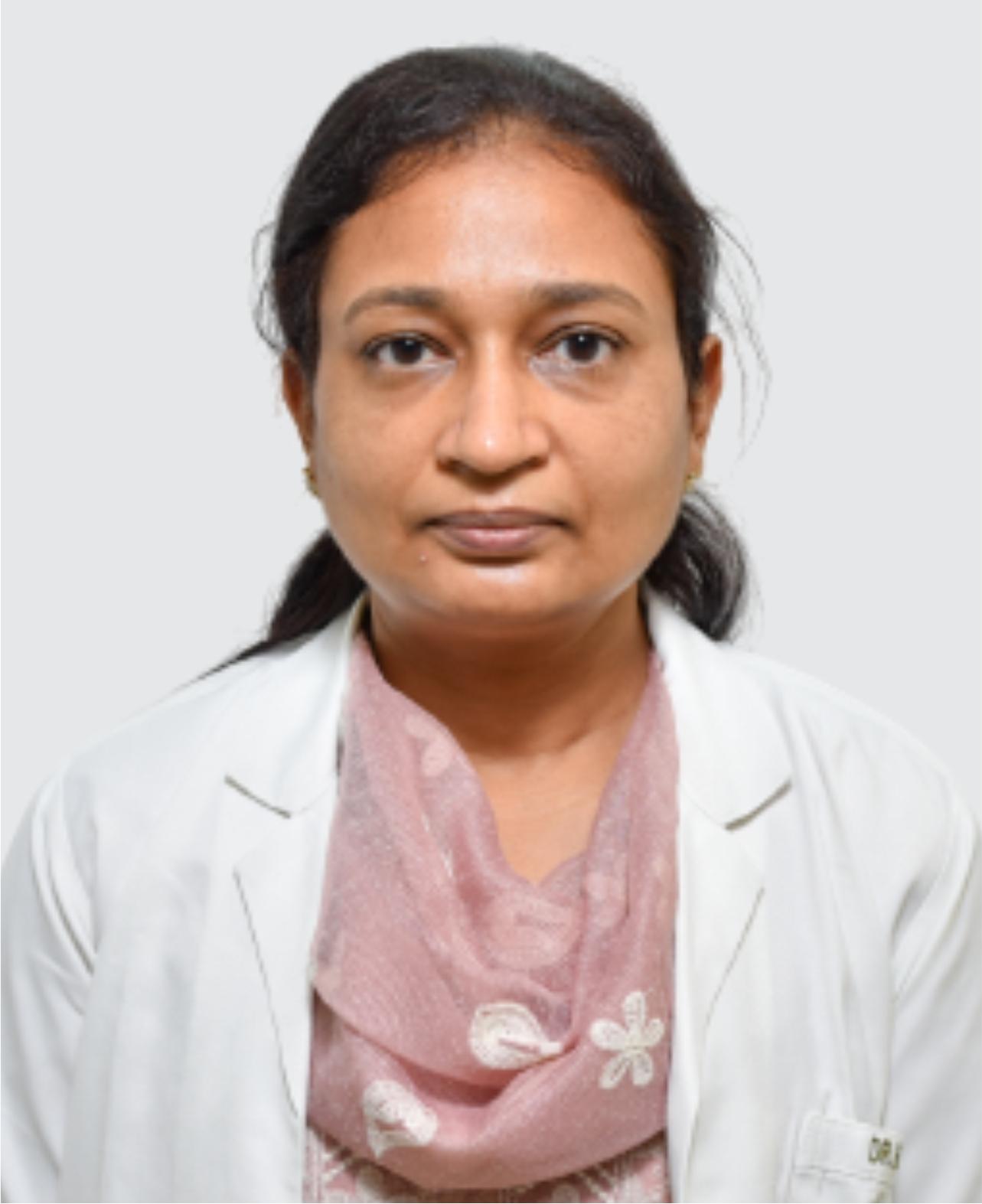
Dr. Deepa Goel
Head - Histopathology & Cytology Lab
Laboratory Services
New Delhi
21+ Years
Experience
Artemis Hospital
Hospital
1500
Fees
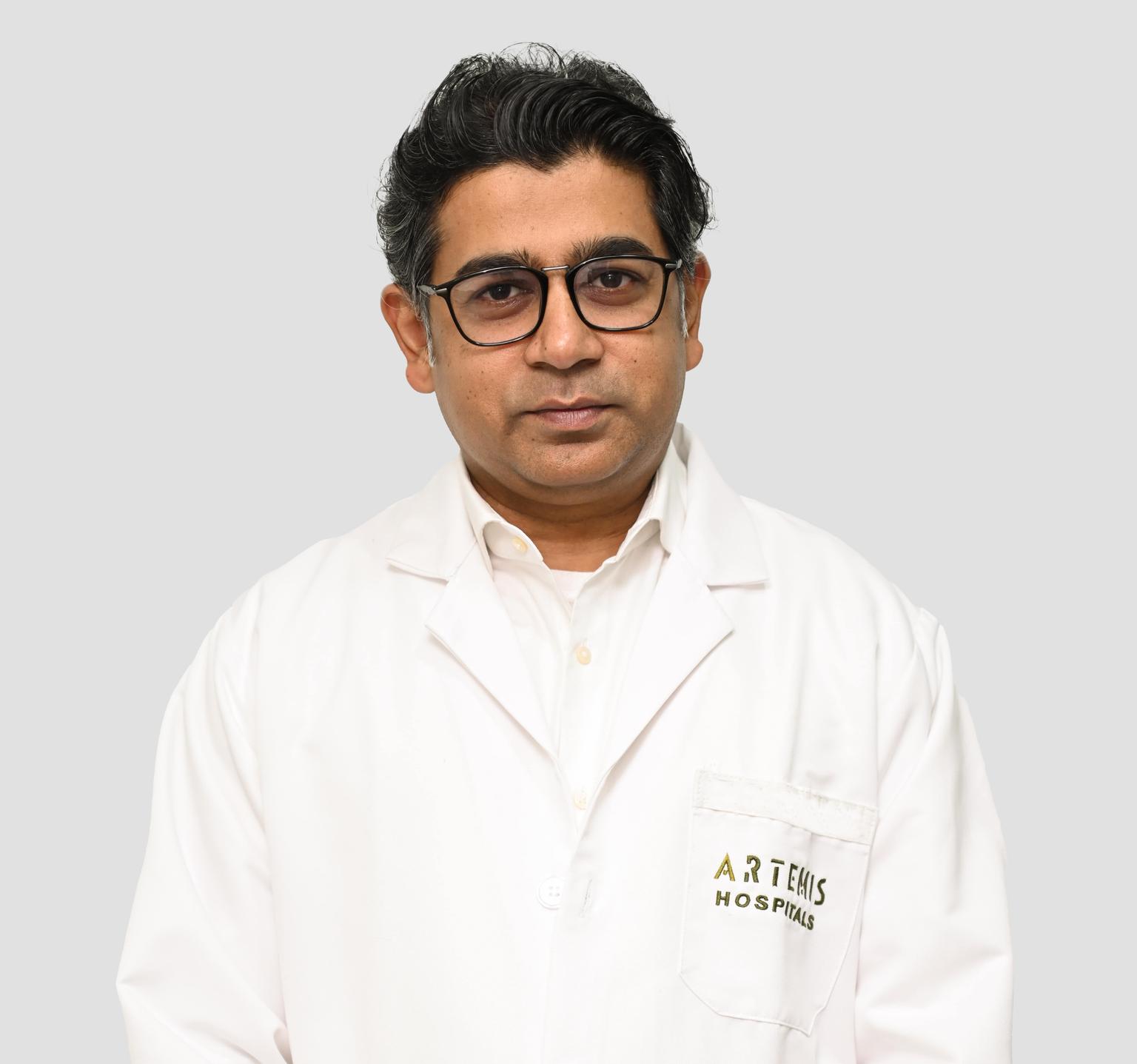
Dr. Pradeep Kumar Singh
Head - Cosmetic & Plastic Surgery
Cosmetic & Plastic Surgery
New Delhi
17+ Years
Experience
Artemis Hospital
Hospital
1500
Fees
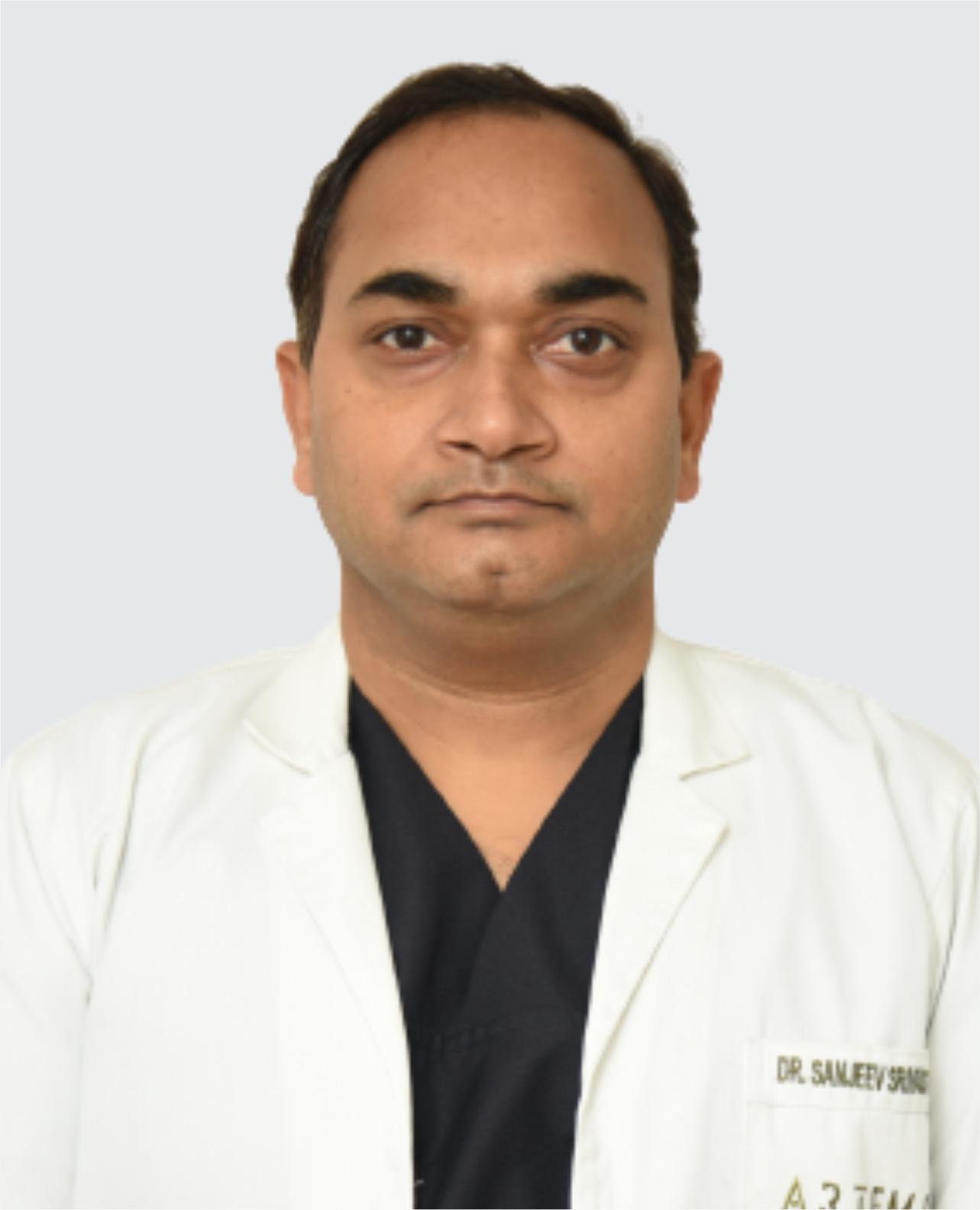
Dr. Sanjeev Srivastava
Sr. Consultant
Neurosurgery
New Delhi
23+ Years
Experience
Artemis Hospital
Hospital
1500
Fees
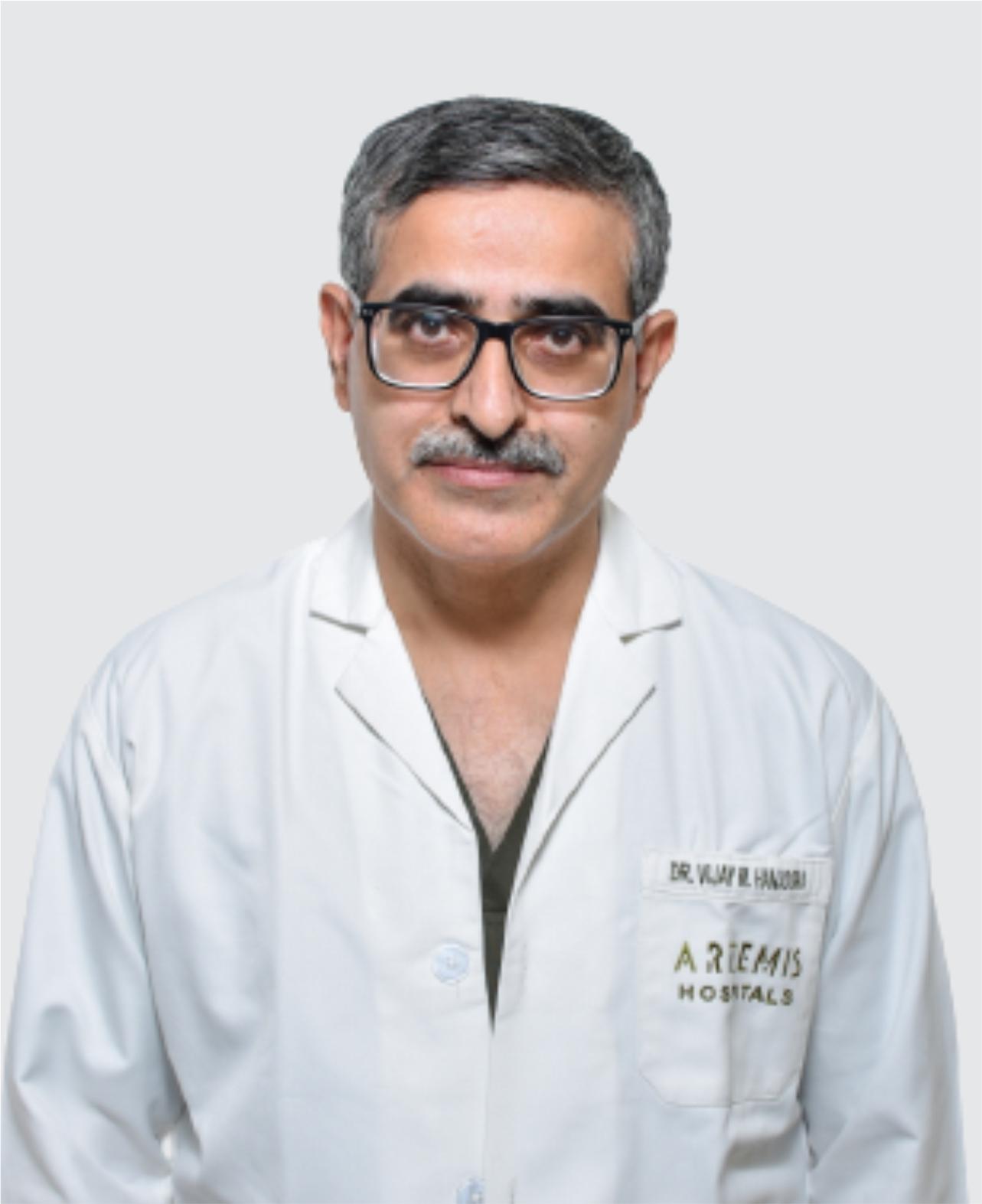
Dr. Vijay Mohan Hanjoora
Director
Gastroenterology
New Delhi
19+ Years
Experience
Artemis Hospital
Hospital
1500
Fees
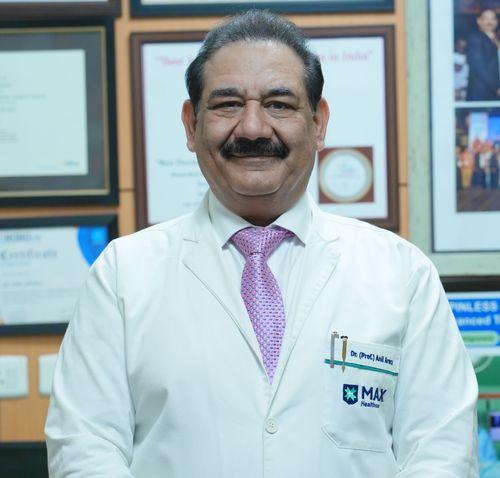
Dr. (Prof.) Anil Arora
Professor & Robotic Joint Replacement Surgeon
Orthopaedic & Robotic Joint Replacement Surgery
New Delhi
33+ Years
Experience
Max Hospital,Gurgaon
Hospital
1500
Fees
Dr. Subhash Chandra
Chairman - Interventional Cardiology - Cardiology & Structural Heart Disease
Cardiac Sciences, Cardiology, Interventional Cardiology, Cardiac Electrophysiology-Pacemaker
New Delhi
15+ Years
Experience
Max Hospital,Gurgaon
Hospital
1500
Fees
Dr. Neeraj Bhalla
Senior Director, Cardiology Department
Interventional Cardiology
New Delhi
15+ Years
Experience
Max Hospital,Gurgaon
Hospital
1500
Fees
Dr. Arun Puri
Director & Head
Minimal Access, Bariatric & GI Surgery
New Delhi
38+ Years
Experience
Apolo Delhi
Hospital
1500
Fees
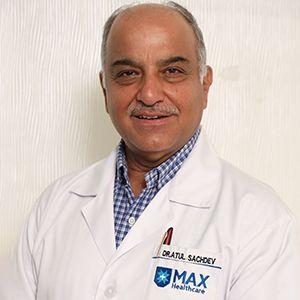
Dr. Atul Sachdev
Principal Consultant
Gastroenterology
New Delhi
25+ Years
Experience
Apolo Delhi
Hospital
1500
Fees
Dr. Rakhi Gupta
Senior Consultant - Paediatric Gastroenterology, Hepatology & Liver Transplant
Paediatric Gastroenterology, Hepatology & Liver Transplant
New Delhi
23+ Years
Experience
Apolo Delhi
Hospital
1500
Fees
Related Links
Other Treatment related Information
- ERCP (Endoscopic Retrograde Cholangiopancreatography) cost in Chennai
- ERCP (Endoscopic Retrograde Cholangiopancreatography) cost in Hyderabad
- ERCP (Endoscopic Retrograde Cholangiopancreatography) cost in New Delhi
- ERCP (Endoscopic Retrograde Cholangiopancreatography) cost in Mumbai
- ERCP (Endoscopic Retrograde Cholangiopancreatography) cost in Haryana
- ERCP (Endoscopic Retrograde Cholangiopancreatography) cost in India
- ERCP (Endoscopic Retrograde Cholangiopancreatography) cost in Pune
- ERCP (Endoscopic Retrograde Cholangiopancreatography) cost in Bengaluru
- ERCP (Endoscopic Retrograde Cholangiopancreatography) Success Rate in Pune
- ERCP (Endoscopic Retrograde Cholangiopancreatography) Success Rate in Bengaluru
- ERCP (Endoscopic Retrograde Cholangiopancreatography) Success Rate in Mumbai
- ERCP (Endoscopic Retrograde Cholangiopancreatography) Success Rate in New Delhi
- ERCP (Endoscopic Retrograde Cholangiopancreatography) Success Rate in India
- ERCP (Endoscopic Retrograde Cholangiopancreatography) Success Rate in Hyderabad
- ERCP (Endoscopic Retrograde Cholangiopancreatography) Success Rate in Haryana
- ERCP (Endoscopic Retrograde Cholangiopancreatography) Success Rate in Chennai
- Best ERCP (Endoscopic Retrograde Cholangiopancreatography) Doctors in New Delhi
- Best ERCP (Endoscopic Retrograde Cholangiopancreatography) Doctors in Gurugram
- Best ERCP (Endoscopic Retrograde Cholangiopancreatography) Doctors in India
- Best ERCP (Endoscopic Retrograde Cholangiopancreatography) Doctors in Chennai
Ready To Start Your Healing Journey?
Get Personalized Medical Treatment Options From India's Top Hospitals. Our Medical Experts Are Ready To Assist You Every Step Of The Way.