ERCP (Endoscopic Retrograde Cholangiopancreatography) Treatment in Mumbai for Ethiopia
Need Personalized Advice?
Our medical experts are ready to answer your questions and guide you through your treatment options.
About
ERCP Treatment in Mumbai for Ethiopian Patients | Cost, Hospitals
For many patients in Ethiopia facing complex digestive issues requiring ERCP, the path to quality care can feel uncertain. Questions about finding experienced specialists, advanced medical technology, and affordable treatment options often arise, adding to the stress of an already challenging health situation.
Mumbai has emerged as a preferred destination for international patients seeking specialized medical interventions like ERCP. Its reputation stems from a blend of world-class medical infrastructure and a highly coordinated patient care environment, making the journey for those from Ethiopia much smoother.
Trust in Mumbai's hospitals is built upon a foundation of expert gastroenterologists and state-of-the-art facilities dedicated to digestive health. Patients benefit from seamless follow-ups and comprehensive care plans developed within the city's leading medical institutions.
Could Mumbai be the right choice for your ERCP treatment journey?
What is ERCP (Endoscopic Retrograde Cholangiopancreatography)?
ERCP, or Endoscopic Retrograde Cholangiopancreatography, is a specialized procedure used to diagnose and treat problems in the bile ducts, pancreatic duct, and gallbladder. It combines X-ray imaging with the use of an endoscope, a long, flexible, lighted tube. The endoscope is guided down the throat through the stomach and into the small intestine, allowing the specialist to visualize and access these delicate internal structures. This procedure effectively addresses conditions like gallstones, tumors, inflammation, and blockages that can cause pain and digestive issues.
Are There Different Types of ERCP Procedures?
While ERCP itself is a distinct procedure, its application can vary based on the specific condition being treated:
- Diagnostic ERCP: Used primarily to identify problems such as blockages, stones, or tumors through imaging and biopsies without immediate intervention.
- Therapeutic ERCP for Stone Removal: Involves removing gallstones or other blockages from the bile or pancreatic ducts using specialized instruments passed through the endoscope.
- Stent Placement ERCP: A small tube, or stent, is placed in a narrowed duct to keep it open, improving bile or pancreatic fluid flow and relieving obstruction.
- Stricture Dilation: Widening of narrowed ducts using a balloon or other devices, often followed by stent placement to maintain patency.
- Biopsy Collection: Tissue samples are taken from suspicious areas for laboratory analysis to diagnose conditions like cancer or pancreatitis.
When is ERCP Treatment Recommended?
- Unexplained jaundice or yellowing of the skin and eyes.
- Severe abdominal pain, especially in the upper right quadrant.
- Presence of gallstones in the bile duct.
- Pancreatitis caused by gallstones or duct blockages.
- Suspected tumors or narrowing (strictures) in the bile or pancreatic ducts.
- Abnormal results from other imaging tests like ultrasound, CT, or MRI.
- Leakage of bile after gallbladder surgery.
What Pre-Treatment Evaluations are Needed for ERCP?
- Blood tests including liver function tests, coagulation profile, and complete blood count.
- Imaging studies such as ultrasound, CT scan, or MRI/MRCP to visualize the biliary and pancreatic systems.
- Review of your complete medical history, including any allergies and current medications.
- Discussion with your gastroenterologist about the procedure risks, benefits, and alternatives.
- Fasting instructions for several hours before the procedure.
How is an ERCP Procedure Performed?
The ERCP procedure is carefully tailored to each patient's specific condition and treatment plan.
During an ERCP, you will receive sedation to ensure comfort. A local anesthetic spray may also be applied to your throat. The specialist then carefully inserts the endoscope through your mouth, down the esophagus, past the stomach, and into the duodenum, which is the first part of the small intestine. Once the opening of the bile and pancreatic ducts (papilla) is located, a small catheter is advanced through the endoscope into the ducts.
A contrast dye is injected, and X-ray images are taken to highlight any blockages, stones, or abnormalities. If necessary, therapeutic interventions such as stone removal, stent placement, or tissue biopsies are performed using specialized tools passed through the endoscope. The entire procedure typically lasts between 30 minutes to an hour, depending on its complexity.
What Does ERCP Recovery Involve?
After an ERCP, patients are monitored in a recovery area until the effects of sedation wear off. You may experience a sore throat or some abdominal discomfort, which is usually mild and temporary. Most patients can return home the same day, though an overnight stay might be recommended in some cases, especially if therapeutic interventions were extensive. It is advised to rest for the remainder of the day, avoid heavy lifting, and follow a light diet as instructed by your doctor. Follow-up appointments are crucial to assess recovery and discuss further care.
What are the Risks and Success Rates of ERCP?
- Pancreatitis: Inflammation of the pancreas, usually mild but can be severe.
- Infection: Can occur in the bile ducts or elsewhere.
- Bleeding: May happen, especially after tissue removal or stent placement.
- Perforation: A rare but serious risk where the endoscope creates a hole in the digestive tract.
- Reaction to sedation: Adverse reactions to the medications used for comfort.
ERCP is generally a very successful procedure for diagnosing and treating biliary and pancreatic conditions, with high success rates for stone removal and stent placement. Outcomes can vary depending on the patient's overall health, the complexity of the condition, and the experience of the medical team. Long-term expectations are generally positive, with significant relief from symptoms for most patients following a successful procedure.
Ready to explore ERCP treatment options in Mumbai? Connect with our patient support team for personalized guidance.
What is the Cost of ERCP Treatment in Mumbai?
The cost of ERCP treatment in Mumbai is influenced by several factors, including the specific hospital chosen, the complexity of the procedure (diagnostic versus therapeutic), the experience level of the gastroenterologist, the need for additional procedures like stone removal or stent placement, and the duration of hospital stay. Mumbai offers a competitive cost structure without compromising on quality.
Generally, the cost for ERCP in Mumbai can range from INR 70,000 to INR 2,50,000.
Comparing ERCP Costs: Mumbai vs. Global Cities
Patients from Ethiopia often find Mumbai to be a cost-effective alternative for ERCP, providing advanced care at a significantly lower price compared to Western nations.
| Location | Estimated ERCP Cost (USD) |
|---|---|
| Mumbai, India | $800 - $3,000 |
| United States | $10,000 - $25,000 |
| United Kingdom | $7,000 - $15,000 |
| Singapore | $5,000 - $12,000 |
| Thailand | $2,500 - $6,000 |
Comprehensive Support for Your Treatment Journey
- Assistance with medical visa applications for Ethiopian patients.
- Arrangement of airport transfers and local transportation in Mumbai.
- Guidance on selecting the best hospitals and specialists for ERCP.
- Coordination of appointments and scheduling of all medical procedures.
- Dedicated interpreter services to bridge language barriers.
- Help with accommodation arrangements near the hospital.
- Post-treatment follow-up coordination and recovery support.
Important Papers Required for Your Medical Visit
- Valid passport and medical visa.
- Detailed medical reports, including previous diagnoses and imaging scans.
- Doctor's referral letter or recommendation for ERCP.
- Proof of financial solvency for treatment and stay.
- Any relevant allergy information or medication lists.
- Emergency contact details for family or friends.
Preparing for Your ERCP Procedure in Mumbai
- Ensure all necessary medical documents are organized and accessible.
- Discuss travel insurance options that cover medical emergencies.
- Familiarize yourself with local customs and transport options in Mumbai.
- Arrange for a companion to travel with you, if possible.
- Confirm all pre-procedure instructions with your medical coordinator.
- Plan for your recovery period and any dietary adjustments.
Recovery and Follow-Up Care After ERCP
- Adhere strictly to dietary recommendations provided by your doctor.
- Take prescribed medications as instructed to manage pain or prevent infection.
- Monitor for any unusual symptoms like severe pain, fever, or bleeding.
- Attend all scheduled follow-up appointments to assess healing progress.
- Gradually resume normal activities based on medical advice.
- Stay in communication with your medical team for any concerns.
Ready to Take Your Next Step Towards Better Health?
Begin your journey to effective ERCP treatment in Mumbai with confidence. Our team is here to support Ethiopian patients at every stage, ensuring a smooth and successful medical experience.
Have questions about ERCP in Mumbai? Contact our specialists today to learn more about your treatment options and how we can assist you.
Hospitals Offering this treatment
India offers premium medical procedures at affordable prices. Discover our most popular treatments, delivered by the country's finest doctors.
Meet Our Doctors
Meet our team of highly qualified and experienced medical professionals dedicated to providing the best healthcare services.
Dr Aditi Dixit
Sr. Consultant – Women Imaging
Radiology
New Delhi
15+ Years
Experience
Artemis Hospital
Hospital
1500
Fees
Dr. Deepa Goel
Head - Histopathology & Cytology Lab
Laboratory Services
New Delhi
21+ Years
Experience
Artemis Hospital
Hospital
1500
Fees

Dr Chandrima Misra M
Co-Head Psychological Services
Mental Health and Behavioural Sciences
New Delhi
15+ Years
Experience
Artemis Hospital
Hospital
1500
Fees
Dr. Nutan Agarwal
Head of Department - Gynae Endocrinology & DNB Program Director - Obs & Gynae
Gynaecological Endocrinology, Maternity, Obstetrics & Gynaecology
New Delhi
35+ Years
Experience
Artemis Hospital
Hospital
1500
Fees
Dr. Poonam Gautam
Senior Consultant - ENT
ENT and Head & Neck Surgery
New Delhi
24+ Years
Experience
Artemis Hospital
Hospital
1500
Fees
Dr. Pradeep Kumar Singh
Head - Cosmetic & Plastic Surgery
Cosmetic & Plastic Surgery
New Delhi
17+ Years
Experience
Artemis Hospital
Hospital
1500
Fees
Dr. Priyanka Raina
Consultant (Head & Neck Surgery) - Surgical Oncology
Head and Neck Surgical Oncology
New Delhi
10+ Years
Experience
Artemis Hospital
Hospital
1500
Fees
Dr. Rupinder Sekhon
Chairperson - Gynae Oncology
Gynaecological Oncology
New Delhi
16+ Years
Experience
Artemis Hospital
Hospital
1500
Fees
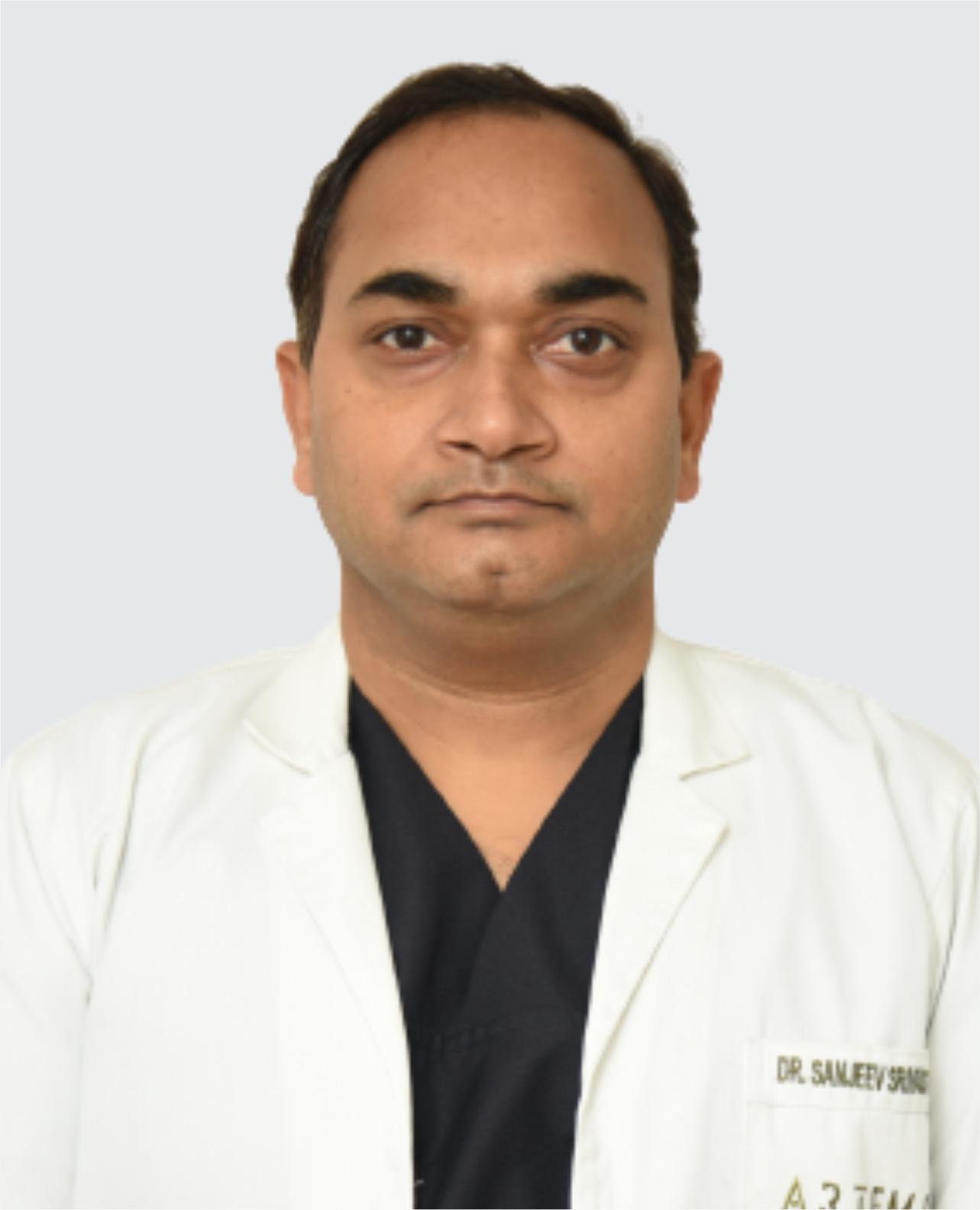
Dr. Sanjeev Srivastava
Sr. Consultant
Neurosurgery
New Delhi
23+ Years
Experience
Artemis Hospital
Hospital
1500
Fees
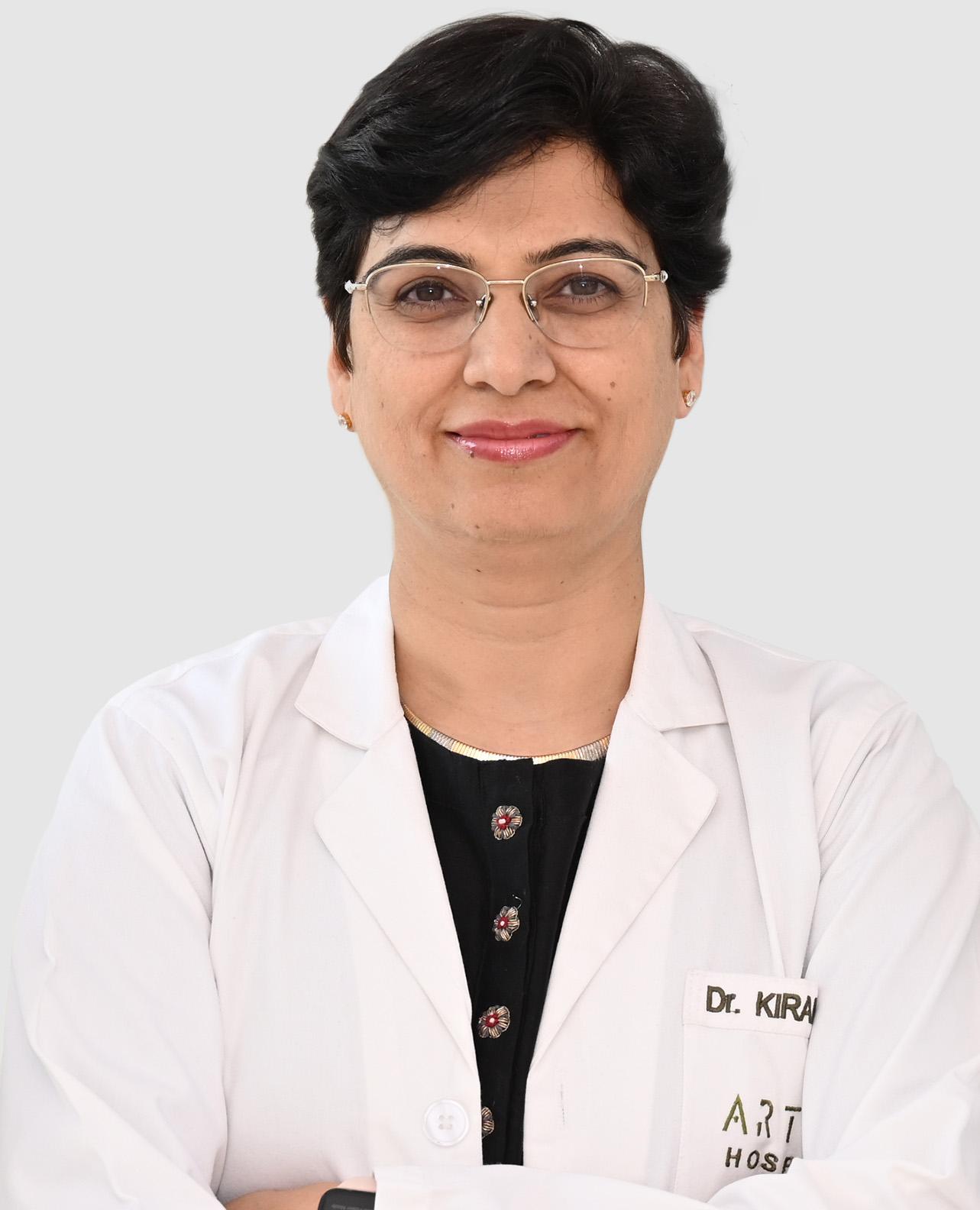
Dr. Kiran Arora
Unit Head - Reproductive Medicine (Unit II)
IVF, Reproductive Medicine, Obstetrics & Gynecology
New Delhi
20+ Years
Experience
Artemis Hospital
Hospital
1500
Fees
Related Links
Other Treatment related Information
- ERCP (Endoscopic Retrograde Cholangiopancreatography) cost in Chennai
- ERCP (Endoscopic Retrograde Cholangiopancreatography) cost in Hyderabad
- ERCP (Endoscopic Retrograde Cholangiopancreatography) cost in New Delhi
- ERCP (Endoscopic Retrograde Cholangiopancreatography) cost in Mumbai
- ERCP (Endoscopic Retrograde Cholangiopancreatography) cost in Haryana
- ERCP (Endoscopic Retrograde Cholangiopancreatography) cost in India
- ERCP (Endoscopic Retrograde Cholangiopancreatography) cost in Pune
- ERCP (Endoscopic Retrograde Cholangiopancreatography) cost in Bengaluru
- ERCP (Endoscopic Retrograde Cholangiopancreatography) Success Rate in Pune
- ERCP (Endoscopic Retrograde Cholangiopancreatography) Success Rate in Bengaluru
- ERCP (Endoscopic Retrograde Cholangiopancreatography) Success Rate in Mumbai
- ERCP (Endoscopic Retrograde Cholangiopancreatography) Success Rate in New Delhi
- ERCP (Endoscopic Retrograde Cholangiopancreatography) Success Rate in India
- ERCP (Endoscopic Retrograde Cholangiopancreatography) Success Rate in Hyderabad
- ERCP (Endoscopic Retrograde Cholangiopancreatography) Success Rate in Haryana
- ERCP (Endoscopic Retrograde Cholangiopancreatography) Success Rate in Chennai
- Best ERCP (Endoscopic Retrograde Cholangiopancreatography) Doctors in New Delhi
- Best ERCP (Endoscopic Retrograde Cholangiopancreatography) Doctors in Gurugram
- Best ERCP (Endoscopic Retrograde Cholangiopancreatography) Doctors in India
- Best ERCP (Endoscopic Retrograde Cholangiopancreatography) Doctors in Chennai
Ready To Start Your Healing Journey?
Get Personalized Medical Treatment Options From India's Top Hospitals. Our Medical Experts Are Ready To Assist You Every Step Of The Way.