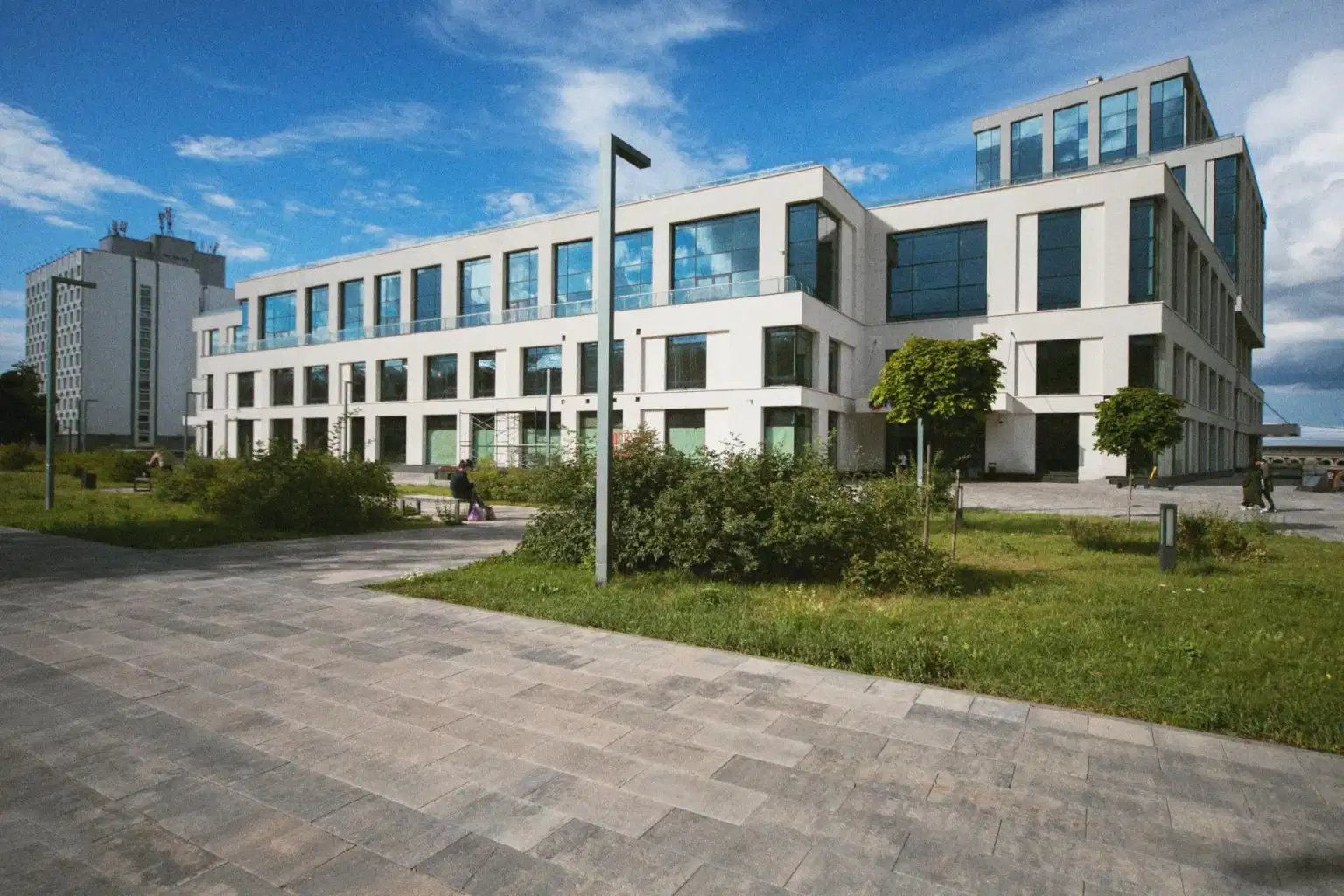
ERCP (Endoscopic Retrograde Cholangiopancreatography) Treatment in Mumbai for Nigeria
Need Personalized Advice?
Our medical experts are ready to answer your questions and guide you through your treatment options.
About
ERCP Treatment in Mumbai for Nigerian Patients
For many Nigerian patients facing complex digestive or liver conditions, the prospect of specialized treatment like ERCP can bring a mix of hope and uncertainty. Finding timely, high-quality care that is both advanced and accessible becomes a primary concern. The journey often begins with questions about options beyond their local healthcare system.
Patients increasingly look to international medical hubs for specialized procedures. Mumbai has emerged as a preferred destination, recognized for its advanced medical infrastructure and comprehensive patient support. The city offers a well-coordinated healthcare environment specifically designed to assist international visitors seeking complex interventions like ERCP.
Mumbai’s hospitals are equipped with state-of-the-art diagnostic and therapeutic technologies for gastroenterology and hepatology. Highly experienced specialists in the city are adept at performing intricate procedures such as ERCP with precision. Patients benefit from seamless coordination, ensuring their medical journey in Mumbai is managed effectively from arrival to recovery.
Considering Mumbai for your ERCP could simplify your treatment journey.
Understanding ERCP: What Is It?
ERCP, or Endoscopic Retrograde Cholangiopancreatography, is a specialized procedure used to diagnose and treat problems in the bile ducts and pancreatic ducts. It combines endoscopy with X-ray imaging. A thin, flexible tube with a camera is guided through the mouth, esophagus, stomach, and into the small intestine. Dye is then injected into the ducts, making them visible on X-ray, allowing specialists to identify issues like blockages or narrowing.
Applications and Uses of ERCP
ERCP is a versatile procedure, serving both diagnostic and therapeutic purposes in managing conditions affecting the bile and pancreatic ducts. Its application depends on the specific clinical need identified by your gastroenterologist.
- Gallstone Removal: Extracting stones lodged in the bile duct.
- Stent Placement: Inserting small tubes to open blocked or narrowed ducts, often due to tumors or scarring.
- Biopsy: Taking tissue samples for microscopic examination to diagnose conditions like cancer.
- Sphincterotomy: Making a small cut in the muscle that controls the opening of the bile or pancreatic duct to allow for easier passage of stones or improve drainage.
- Stricture Dilation: Widening narrowed ducts using balloons or other devices.
When Is an ERCP Procedure Necessary?
- Unexplained jaundice (yellowing of skin or eyes)
- Severe abdominal pain, especially after meals
- Inflammation of the pancreas (pancreatitis) due to gallstones
- Suspected bile duct or pancreatic duct stones
- Narrowing or blockages in the ducts (strictures)
- Unexplained abnormal results from imaging tests like ultrasound, CT scan, or MRI
- Investigation of tumors or cysts in the pancreas or bile ducts
Preparing for ERCP: What Evaluations Are Done?
- Blood tests: checking liver function, clotting factors, and general health
- Imaging studies: ultrasound, CT scan, or MRI to visualize the ducts and surrounding organs
- Review of current medications: especially blood thinners or diabetes medications
- Allergy assessment: particularly for contrast dye or sedatives
- Physical examination and medical history review
The ERCP Procedure: A Step-by-Step Overview
The ERCP procedure in Mumbai is typically performed by a specialized gastroenterologist. The exact steps may vary slightly based on the patient’s specific condition and the therapeutic goals.
Before the procedure begins, you will receive sedation to ensure comfort and minimize any discomfort. A local anesthetic spray may also be applied to your throat.
The gastroenterologist will carefully insert the endoscope through your mouth, guiding it down the esophagus, past the stomach, and into the duodenum (the first part of the small intestine). This endoscope has a light and a camera to allow real-time visualization of the digestive tract.
Once the opening of the bile and pancreatic ducts is located, a thin catheter is passed through the endoscope and into the duct. Contrast dye is then injected, and X-ray images are taken, revealing any stones, blockages, or other abnormalities.
If problems are identified, therapeutic interventions can be performed immediately. This may involve using tiny instruments passed through the endoscope to remove gallstones, place stents to open blocked ducts, or take tissue biopsies. The entire procedure usually takes between 30 to 90 minutes.
What Does ERCP Recovery Involve?
After an ERCP, patients are monitored in a recovery area until the effects of sedation wear off. You might experience a sore throat, mild bloating, or gas. Most patients can resume light activities within a day. Dietary restrictions, usually light meals, are advised for the first 24 hours. The medical team will provide specific instructions regarding medication, activity levels, and symptoms to watch for. A follow-up appointment is typically scheduled to assess recovery and discuss further care if needed.
Understanding ERCP Risks and Success Rates
- Post-ERCP pancreatitis: inflammation of the pancreas, which is the most common complication.
- Bleeding: may occur, particularly if a sphincterotomy was performed.
- Infection: affecting the bile ducts or elsewhere.
- Perforation: rare but serious injury to the wall of the digestive tract.
- Adverse reaction to sedation or contrast dye.
ERCP is generally considered a highly successful procedure for both diagnosis and treatment of bile and pancreatic duct issues. Success rates for therapeutic interventions, such as stone removal or stent placement, are very high, often exceeding 90-95%. The specific outcome can vary based on the patient's underlying condition, the complexity of the problem, and the skill of the performing specialist. Long-term expectations depend on the underlying disease; ERCP often provides significant relief and improved quality of life.
Cost of ERCP Treatment in Mumbai
The cost of ERCP treatment in Mumbai is generally more affordable compared to many Western countries, without compromising on quality. Several factors influence the total cost, including the specific hospital chosen, the experience of the gastroenterologist, the complexity of the procedure (whether it's diagnostic only or includes therapeutic interventions like stone removal or stent placement), and the duration of hospital stay if required.
For Nigerian patients considering ERCP in Mumbai, the procedure typically ranges from ₹70,000 to ₹1,50,000 (Indian Rupees). This estimate includes the procedure itself, doctor's fees, basic hospital charges, and sometimes initial post-procedure care.
Mumbai ERCP Costs Compared Globally
Comparing the cost of ERCP in Mumbai to other major medical hubs highlights its affordability, making it an attractive option for international patients.
| Location | Estimated ERCP Cost (USD) |
| Mumbai, India | $850 - $1,800 |
| USA | $5,000 - $15,000 |
| UK | $4,000 - $10,000 |
| Singapore | $3,500 - $8,000 |
| Thailand | $2,000 - $5,000 |
Comprehensive Support for Your Medical Journey in Mumbai
- Assistance with medical visa applications and extensions
- Booking suitable accommodation for patients and companions
- Arrangement of airport transfers and local transportation
- Facilitation of interpreter services if needed
- Coordination of hospital appointments and specialist consultations
- Guidance on local cultural nuances and dietary considerations
Essential Documents for Your ERCP Treatment in Mumbai
- Valid passport and medical visa for India
- Copies of all relevant medical reports and diagnostic test results
- Referral letters from your primary doctor or specialist
- Proof of financial capacity for treatment and travel
- Details of any travel or medical insurance policies
Preparing for Your ERCP Procedure in Mumbai
- Follow all dietary restrictions, including fasting for several hours before the procedure
- Adjust or temporarily stop certain medications as advised by your Mumbai doctor
- Ensure comfortable clothing for your hospital visit
- Plan for a companion to accompany you to and from the hospital
- Confirm all travel and accommodation arrangements well in advance
Post-ERCP Care and Follow-Up in Mumbai
- Adhere to prescribed dietary guidelines, starting with liquids then soft foods
- Avoid strenuous activities and heavy lifting for a few days
- Monitor for any signs of complications, such as severe abdominal pain or fever
- Attend all scheduled follow-up appointments with your gastroenterologist
- Keep communication channels open with your medical team for any concerns
Begin Your Path to Recovery
Making an informed decision about your healthcare is crucial. Mumbai offers advanced ERCP treatment with compassionate care, providing a clear path toward better health for Nigerian patients.
Hospitals Offering this treatment
India offers premium medical procedures at affordable prices. Discover our most popular treatments, delivered by the country's finest doctors.
Meet Our Doctors
Meet our team of highly qualified and experienced medical professionals dedicated to providing the best healthcare services.

Dr. Ajit Singh Baghela
Consultant
Paediatric Neurology
Haryana
9+ Years
Experience
Artemis Hospital
Hospital
1500
Fees
Dr. Deepa Goel
Head - Histopathology & Cytology Lab
Laboratory Services
New Delhi
21+ Years
Experience
Artemis Hospital
Hospital
1500
Fees
Dr. Pradeep Kumar Singh
Head - Cosmetic & Plastic Surgery
Cosmetic & Plastic Surgery
New Delhi
17+ Years
Experience
Artemis Hospital
Hospital
1500
Fees
Dr. Sanjeev Srivastava
Sr. Consultant
Neurosurgery
New Delhi
23+ Years
Experience
Artemis Hospital
Hospital
1500
Fees
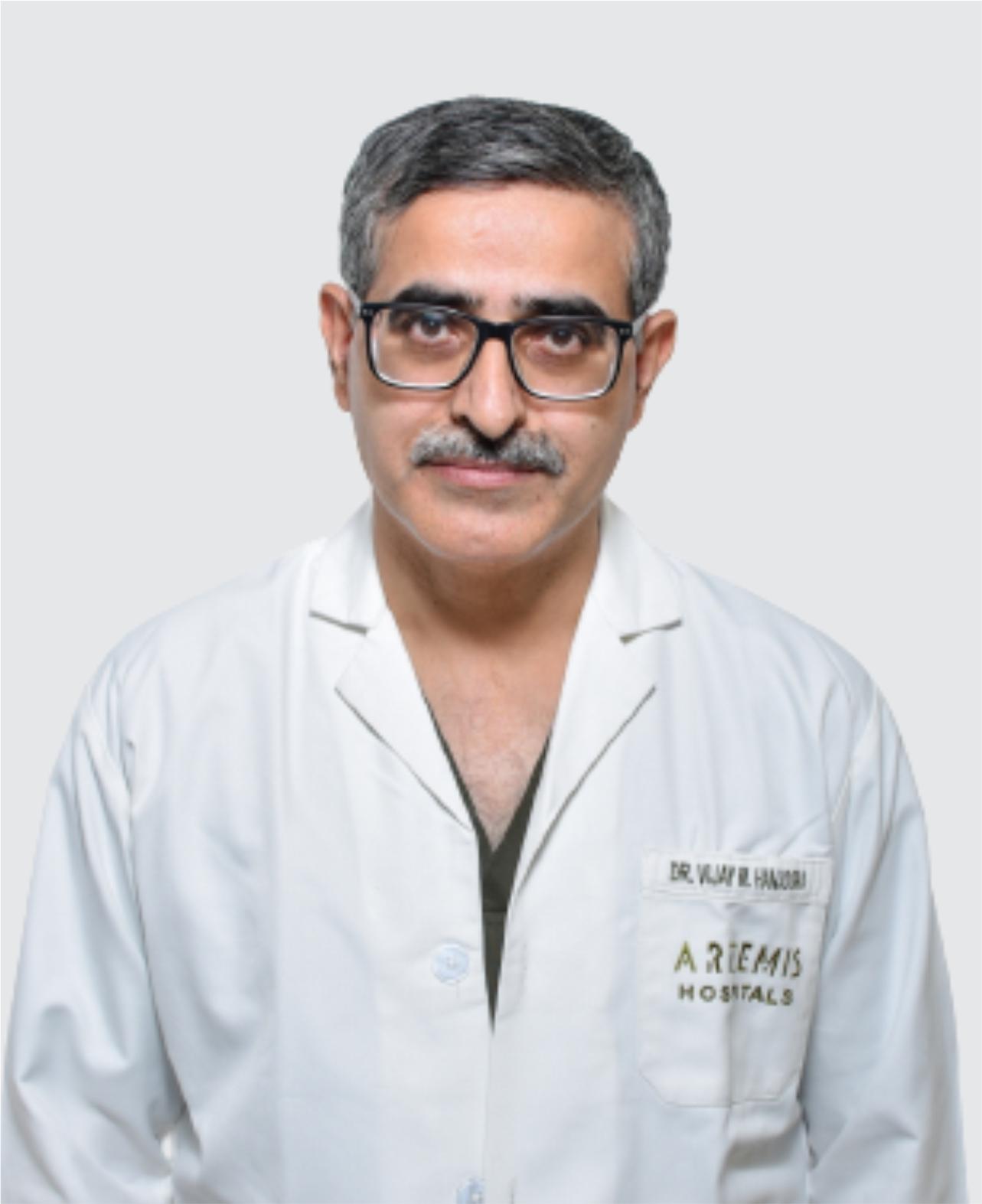
Dr. Vijay Mohan Hanjoora
Director
Gastroenterology
New Delhi
19+ Years
Experience
Artemis Hospital
Hospital
1500
Fees
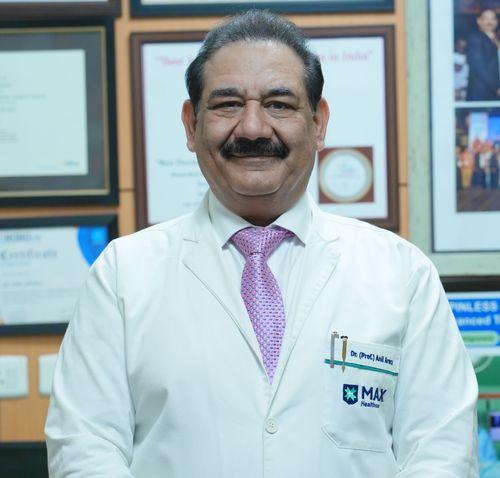
Dr. (Prof.) Anil Arora
Professor & Robotic Joint Replacement Surgeon
Orthopaedic & Robotic Joint Replacement Surgery
New Delhi
33+ Years
Experience
Max Hospital,Gurgaon
Hospital
1500
Fees
Dr. Subhash Chandra
Chairman - Interventional Cardiology - Cardiology & Structural Heart Disease
Cardiac Sciences, Cardiology, Interventional Cardiology, Cardiac Electrophysiology-Pacemaker
New Delhi
15+ Years
Experience
Max Hospital,Gurgaon
Hospital
1500
Fees
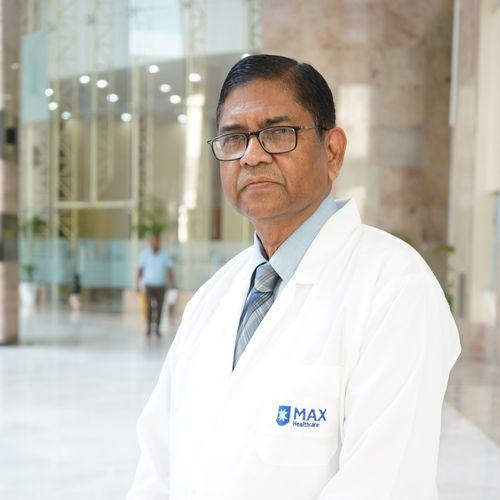
Dr. Nakul Sinha
Chairman - Cardiology
Cardiology
New Delhi
41+ Years
Experience
Max Hospital,Gurgaon
Hospital
1500
Fees
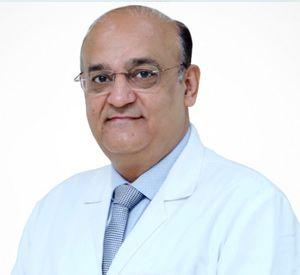
Dr. Neeraj Bhalla
Senior Director, Cardiology Department
Interventional Cardiology
New Delhi
15+ Years
Experience
Max Hospital,Gurgaon
Hospital
1500
Fees
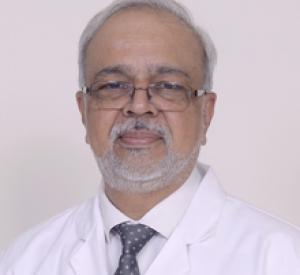
Dr. Arun Puri
Director & Head
Minimal Access, Bariatric & GI Surgery
New Delhi
38+ Years
Experience
Apolo Delhi
Hospital
1500
Fees
Related Links
Other Treatment related Information
- ERCP (Endoscopic Retrograde Cholangiopancreatography) cost in Chennai
- ERCP (Endoscopic Retrograde Cholangiopancreatography) cost in Hyderabad
- ERCP (Endoscopic Retrograde Cholangiopancreatography) cost in New Delhi
- ERCP (Endoscopic Retrograde Cholangiopancreatography) cost in Mumbai
- ERCP (Endoscopic Retrograde Cholangiopancreatography) cost in Haryana
- ERCP (Endoscopic Retrograde Cholangiopancreatography) cost in India
- ERCP (Endoscopic Retrograde Cholangiopancreatography) cost in Pune
- ERCP (Endoscopic Retrograde Cholangiopancreatography) cost in Bengaluru
- ERCP (Endoscopic Retrograde Cholangiopancreatography) Success Rate in Pune
- ERCP (Endoscopic Retrograde Cholangiopancreatography) Success Rate in Bengaluru
- ERCP (Endoscopic Retrograde Cholangiopancreatography) Success Rate in Mumbai
- ERCP (Endoscopic Retrograde Cholangiopancreatography) Success Rate in New Delhi
- ERCP (Endoscopic Retrograde Cholangiopancreatography) Success Rate in India
- ERCP (Endoscopic Retrograde Cholangiopancreatography) Success Rate in Hyderabad
- ERCP (Endoscopic Retrograde Cholangiopancreatography) Success Rate in Haryana
- ERCP (Endoscopic Retrograde Cholangiopancreatography) Success Rate in Chennai
- Best ERCP (Endoscopic Retrograde Cholangiopancreatography) Doctors in New Delhi
- Best ERCP (Endoscopic Retrograde Cholangiopancreatography) Doctors in Gurugram
- Best ERCP (Endoscopic Retrograde Cholangiopancreatography) Doctors in India
- Best ERCP (Endoscopic Retrograde Cholangiopancreatography) Doctors in Chennai
Ready To Start Your Healing Journey?
Get Personalized Medical Treatment Options From India's Top Hospitals. Our Medical Experts Are Ready To Assist You Every Step Of The Way.