
ERCP (Endoscopic Retrograde Cholangiopancreatography) Treatment in Pune for Bangladesh
Need Personalized Advice?
Our medical experts are ready to answer your questions and guide you through your treatment options.
About
ERCP in Pune for Bangladesh Patients | Cost & Hospitals
Patients from Bangladesh often seek clarity and the best possible medical care when facing conditions requiring specialized procedures like ERCP. The uncertainty surrounding complex diagnoses and the search for expert intervention can be a source of significant worry. Finding a reliable medical destination with advanced facilities and experienced specialists is a primary concern.
Pune has emerged as a preferred destination for international patients, including those from Bangladesh, who require advanced gastroenterological procedures. The city's medical infrastructure is robust, offering a blend of modern technology, highly skilled specialists, and a supportive environment. Patients choose Pune for its reputation in delivering quality healthcare solutions.
Trust in Pune's hospitals stems from their commitment to international patient care and specialized services in gastrointestinal health. Many facilities within the city are equipped with state-of-the-art endoscopic suites and teams of renowned gastroenterologists. This focus ensures comprehensive pre-procedure evaluations, precise interventions, and thorough post-treatment support.
Pune provides a well-coordinated pathway for international patients seeking ERCP treatment.
What is ERCP (Endoscopic Retrograde Cholangiopancreatography)?
ERCP is a specialized endoscopic procedure used to diagnose and treat problems in the bile ducts, pancreatic duct, and gallbladder. It combines X-ray imaging with the use of an endoscope, a thin, flexible tube with a camera. The endoscope is guided through the mouth, esophagus, stomach, and into the first part of the small intestine (duodenum). A smaller tube is then inserted into the bile or pancreatic ducts to inject a contrast dye, allowing these structures to be seen on X-ray. This technique helps in identifying gallstones, tumors, strictures, or inflammation.
Common Therapeutic Interventions During ERCP
While ERCP itself is a procedure, various therapeutic interventions can be performed during it:
- Gallstone Removal: Stones obstructing the bile duct can be extracted using a basket or balloon.
- Stent Placement: A small plastic or metal tube (stent) can be inserted to open blocked or narrowed bile or pancreatic ducts, improving drainage.
- Sphincterotomy: A small incision can be made in the sphincter of Oddi, a muscle that controls the flow of bile and pancreatic fluid, to facilitate stone removal or improve drainage.
- Biopsy: Tissue samples can be collected from suspicious areas to check for cancer or other diseases.
- Balloon Dilation: Narrowed sections of the ducts (strictures) can be widened using a balloon.
- Drainage of Cysts: In some cases, ERCP can be used to drain pancreatic pseudocysts.
When is ERCP Required?
- Obstructive jaundice, indicated by yellow skin or eyes.
- Presence of gallstones in the bile duct (choledocholithiasis).
- Unexplained abdominal pain or pancreatitis.
- Suspected tumors of the bile duct or pancreas.
- Narrowing (strictures) of the bile or pancreatic ducts.
- Leakage of bile after surgery or trauma.
- Evaluation of pancreatic cysts or fluid collections.
- Preparation for gallbladder surgery in specific cases.
Pre-Treatment Evaluation for ERCP
- Detailed Medical History: Review of past and current health conditions, medications, and allergies.
- Physical Examination: A comprehensive check-up by the gastroenterologist.
- Blood Tests: Including liver function tests, complete blood count, and coagulation studies.
- Imaging Studies: Ultrasound, CT scan, or MRI (MRCP) to identify the specific problem area in the bile or pancreatic ducts.
- Cardiac and Respiratory Assessment: To ensure the patient is fit for sedation and the procedure.
- Informed Consent: Discussion of the procedure, its benefits, risks, and alternatives.
How the ERCP Procedure is Performed
The ERCP procedure is typically performed in a hospital's endoscopy suite under sedation or general anesthesia. The exact steps may vary slightly based on the patient's condition and the specific therapeutic goal.
Preparation: Patients are asked to fast for several hours before the procedure. An intravenous line is placed for sedation. The throat may be numbed with a spray to make endoscope insertion more comfortable.
Endoscope Insertion: The doctor gently inserts the endoscope through the mouth, guiding it through the esophagus, stomach, and into the duodenum. Air is inflated to improve visualization.
Duct Cannulation: Once the endoscope reaches the ampulla of Vater, a small opening where the bile and pancreatic ducts meet, a smaller catheter is passed through the endoscope into the ducts.
Contrast Injection and X-rays: A contrast dye is injected into the ducts, and X-ray images are taken to visualize blockages, stones, or strictures.
Therapeutic Interventions: Depending on the findings, the doctor can perform interventions such as removing stones, placing stents, taking biopsies, or dilating strictures using specialized instruments passed through the endoscope.
Completion: After the necessary procedures are completed, the endoscope is carefully withdrawn. The patient is monitored in a recovery area.
Recovery Process After ERCP
After an ERCP, patients are typically monitored in a recovery room until the effects of sedation wear off. Most individuals can return home the same day, though some might require an overnight stay, especially if complex therapeutic procedures were performed. Patients might experience a sore throat, bloating, or mild abdominal discomfort for a day or two. It's usually advised to avoid driving for 24 hours due to sedation. Dietary restrictions are often minimal, starting with clear liquids and gradually advancing to a regular diet. Follow-up appointments are crucial to monitor recovery and address any post-procedure concerns.
Potential Risks and Success Rates of ERCP
- Pancreatitis: Inflammation of the pancreas, which is the most common serious complication.
- Bleeding: Particularly if a sphincterotomy or biopsy was performed.
- Infection: Risk of infection in the bile ducts (cholangitis) or gallbladder.
- Perforation: A rare but serious risk of puncturing the bile duct, intestine, or esophagus.
- Reaction to Sedation: Adverse reactions to the sedative medications.
- Damage to Surrounding Structures: Injury to adjacent organs or tissues.
The success rate of ERCP varies depending on the indication and complexity of the case, but it is generally high for both diagnostic and therapeutic purposes. For removing bile duct stones or placing stents for blockages, success rates often exceed 90%. Outcomes can be influenced by the patient's overall health, the experience of the gastroenterologist, and the specific nature of the condition being treated. Long-term expectations are generally positive, especially when the underlying issue is effectively resolved.
Cost of ERCP Treatment in Pune
The cost of ERCP in Pune can vary based on several factors, including the specific hospital chosen, the experience of the gastroenterologist, the complexity of the procedure (e.g., diagnostic vs. therapeutic, stone removal vs. stent placement), and the length of hospital stay required. Additional costs might include pre-procedure evaluations, consultations, and any post-procedure medications or follow-up care.
Generally, the cost for ERCP in Pune for international patients can range from approximately INR 70,000 to INR 2,50,000.
Pune ERCP Cost Compared to Global Destinations
Pune offers a significantly more affordable option for ERCP without compromising on the quality of care or advanced medical technology, especially when compared to Western countries.
| Location | Estimated ERCP Cost (USD) |
|---|---|
| Pune, India | $800 - $3,000 |
| United States | $10,000 - $25,000 |
| United Kingdom | $8,000 - $18,000 |
| Thailand | $3,500 - $7,000 |
| Turkey | $2,500 - $6,000 |
Seeking ERCP Treatment in Pune?
Connect with our patient support team today to receive personalized guidance, hospital options, and detailed cost estimates for your ERCP procedure.
Comprehensive Support for Your Treatment Journey
- Travel Logistics Assistance: Guidance on visa applications, flight bookings, and local transportation.
- Accommodation Options: Help with finding suitable places to stay for patients and their accompanying family members.
- Language Interpreters: Provision of language support to ensure clear communication between patients and medical staff.
- Appointment Scheduling: Coordination of all medical appointments, from initial consultation to follow-up checks.
- Dedicated Patient Coordinators: A single point of contact for all non-medical queries and assistance throughout the stay.
- Post-Treatment Care Planning: Support in arranging follow-up care and necessary rehabilitation.
Important Documents for Your Medical Visit
- Valid Passport and Visa: Essential for international travel and medical entry into India.
- Medical Records: All relevant diagnostic reports, doctor's notes, and imaging scans related to your condition.
- Referral Letter: A letter from your local physician detailing the need for ERCP.
- Insurance Information: If you have international medical insurance, carry all necessary policy documents.
- Financial Documentation: Proof of funds or payment arrangements for your treatment.
- List of Medications: A current list of all prescribed medications and dosages.
Preparing for Your ERCP Procedure
- Medical Consultation: Undergo thorough pre-procedure checks with the Pune medical team upon arrival.
- Dietary Instructions: Follow specific fasting guidelines as advised by your doctor before the procedure.
- Medication Review: Discuss all current medications with your doctor, especially blood thinners, which might need temporary adjustment.
- Arrange for Support: Ensure you have a companion for your hospital visit and post-procedure care.
- Ask Questions: Clarify any doubts or concerns about the procedure, recovery, or costs with your medical team.
- Rest Well: Aim for adequate rest the night before your scheduled ERCP.
Essential Aftercare Following ERCP
- Observe for Symptoms: Monitor for signs of complications such as severe abdominal pain, fever, or persistent vomiting.
- Follow Dietary Guidelines: Gradually reintroduce food as advised by your gastroenterologist.
- Medication Adherence: Take any prescribed medications, such as antibiotics or pain relievers, as directed.
- Rest and Recovery: Allow your body sufficient time to recover; avoid strenuous activities for a few days.
- Attend Follow-up Appointments: Crucial for monitoring your progress and ensuring effective healing.
- Stay Hydrated: Drink plenty of fluids to aid recovery and prevent dehydration.
Ready to Discuss Your ERCP Needs?
Reach out to our dedicated team for expert advice and support. We are here to help you navigate your medical journey to Pune with confidence.
Begin Your Path to Better Health with Confidence
Choosing Pune for your ERCP ensures access to high-quality medical care in a supportive environment.
Hospitals Offering this treatment
India offers premium medical procedures at affordable prices. Discover our most popular treatments, delivered by the country's finest doctors.
Meet Our Doctors
Meet our team of highly qualified and experienced medical professionals dedicated to providing the best healthcare services.
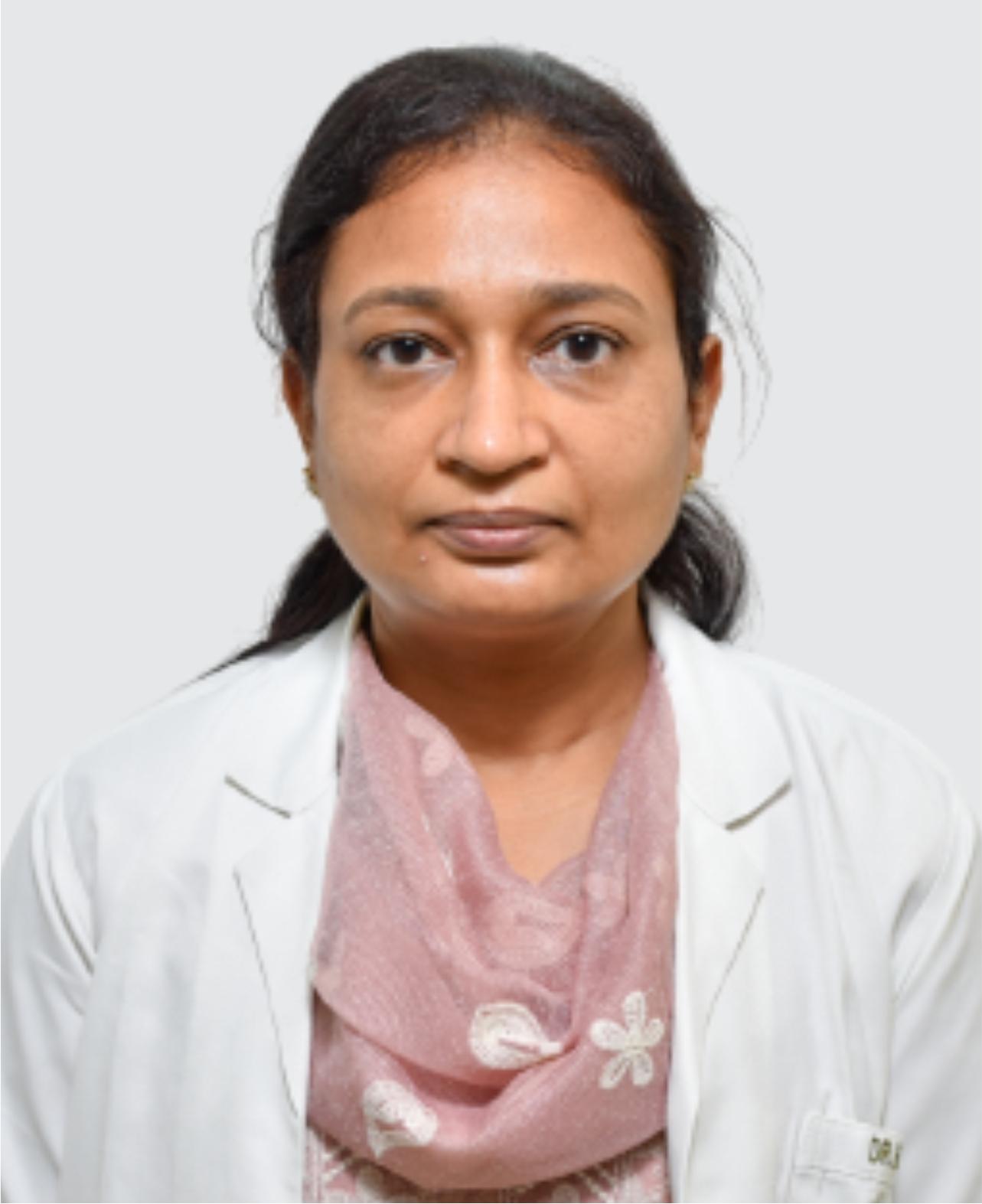
Dr. Deepa Goel
Head - Histopathology & Cytology Lab
Laboratory Services
New Delhi
21+ Years
Experience
Artemis Hospital
Hospital
1500
Fees

Dr. Pradeep Kumar Singh
Head - Cosmetic & Plastic Surgery
Cosmetic & Plastic Surgery
New Delhi
17+ Years
Experience
Artemis Hospital
Hospital
1500
Fees
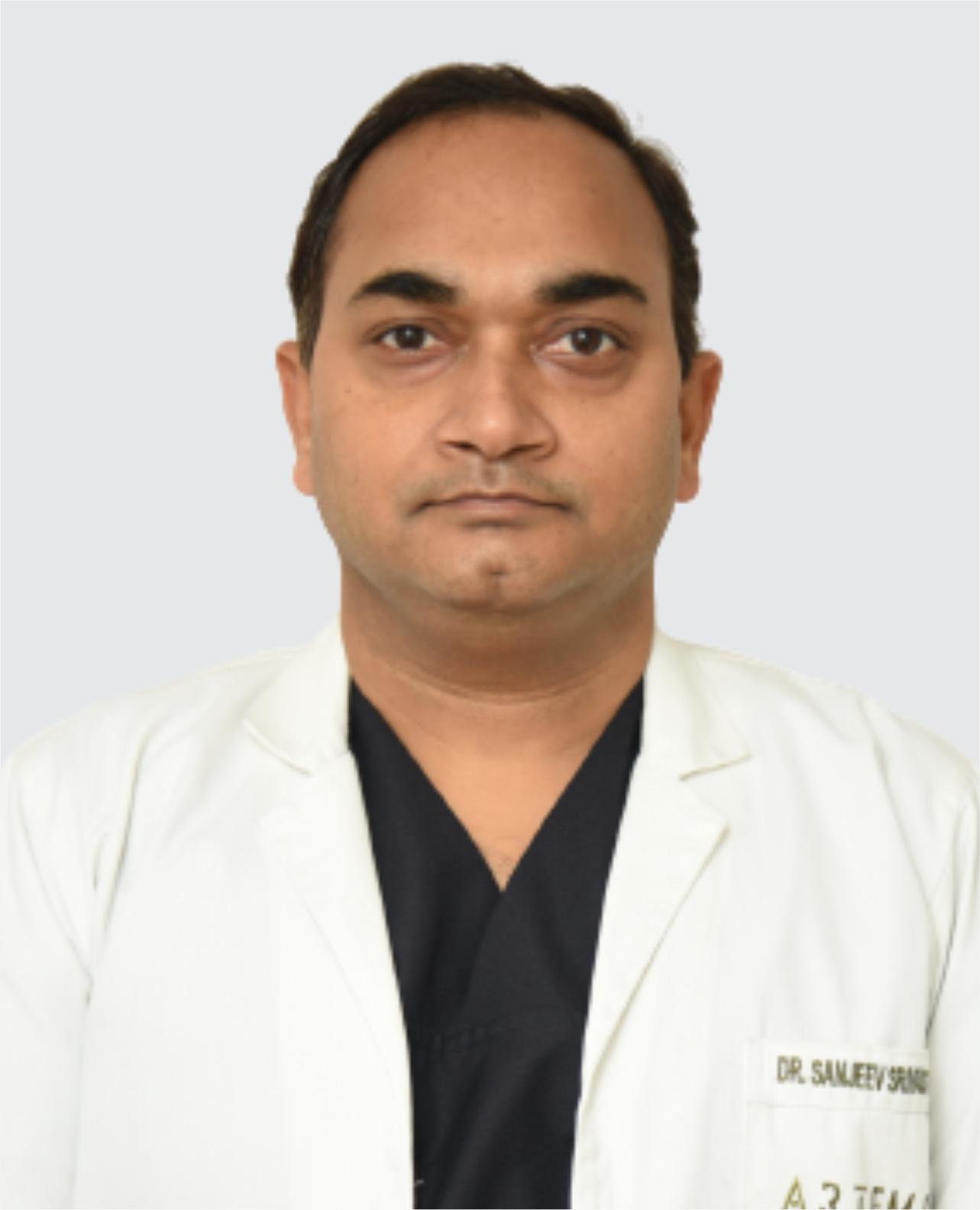
Dr. Sanjeev Srivastava
Sr. Consultant
Neurosurgery
New Delhi
23+ Years
Experience
Artemis Hospital
Hospital
1500
Fees
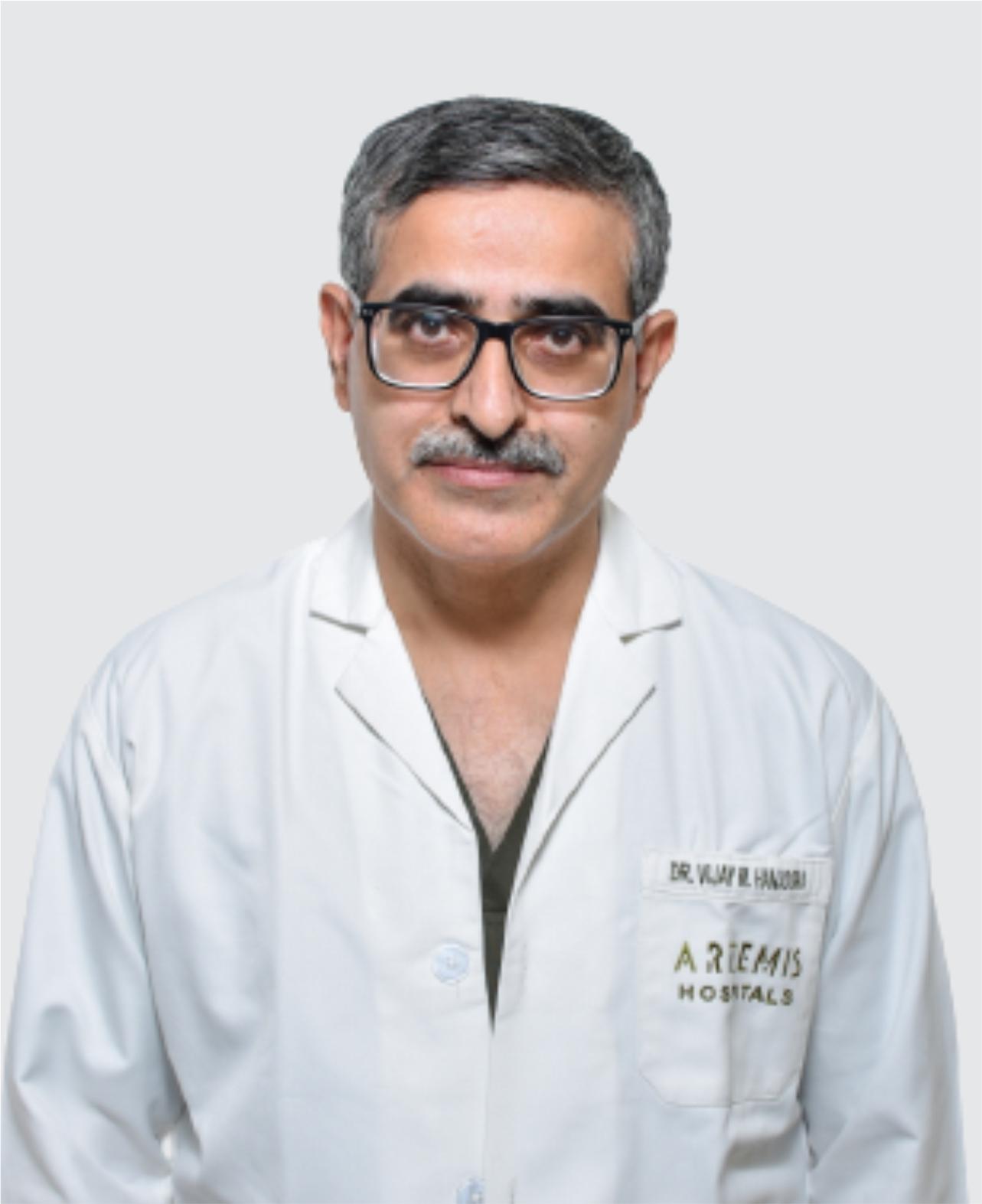
Dr. Vijay Mohan Hanjoora
Director
Gastroenterology
New Delhi
19+ Years
Experience
Artemis Hospital
Hospital
1500
Fees
Dr. (Prof.) Anil Arora
Professor & Robotic Joint Replacement Surgeon
Orthopaedic & Robotic Joint Replacement Surgery
New Delhi
33+ Years
Experience
Max Hospital,Gurgaon
Hospital
1500
Fees
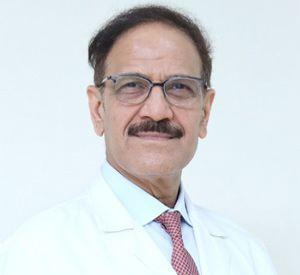
Dr. Subhash Chandra
Chairman - Interventional Cardiology - Cardiology & Structural Heart Disease
Cardiac Sciences, Cardiology, Interventional Cardiology, Cardiac Electrophysiology-Pacemaker
New Delhi
15+ Years
Experience
Max Hospital,Gurgaon
Hospital
1500
Fees
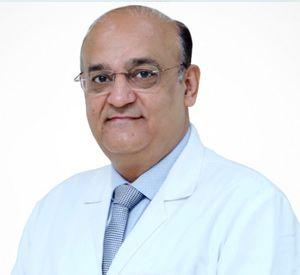
Dr. Neeraj Bhalla
Senior Director, Cardiology Department
Interventional Cardiology
New Delhi
15+ Years
Experience
Max Hospital,Gurgaon
Hospital
1500
Fees
Dr. Arun Puri
Director & Head
Minimal Access, Bariatric & GI Surgery
New Delhi
38+ Years
Experience
Apolo Delhi
Hospital
1500
Fees
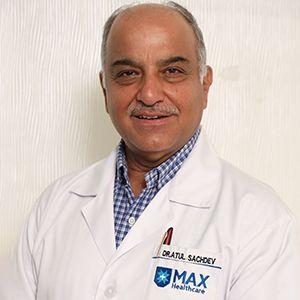
Dr. Atul Sachdev
Principal Consultant
Gastroenterology
New Delhi
25+ Years
Experience
Apolo Delhi
Hospital
1500
Fees

Dr. Rakhi Gupta
Senior Consultant - Paediatric Gastroenterology, Hepatology & Liver Transplant
Paediatric Gastroenterology, Hepatology & Liver Transplant
New Delhi
23+ Years
Experience
Apolo Delhi
Hospital
1500
Fees
Related Links
Other Treatment related Information
- ERCP (Endoscopic Retrograde Cholangiopancreatography) cost in Chennai
- ERCP (Endoscopic Retrograde Cholangiopancreatography) cost in Hyderabad
- ERCP (Endoscopic Retrograde Cholangiopancreatography) cost in New Delhi
- ERCP (Endoscopic Retrograde Cholangiopancreatography) cost in Mumbai
- ERCP (Endoscopic Retrograde Cholangiopancreatography) cost in Haryana
- ERCP (Endoscopic Retrograde Cholangiopancreatography) cost in India
- ERCP (Endoscopic Retrograde Cholangiopancreatography) cost in Pune
- ERCP (Endoscopic Retrograde Cholangiopancreatography) cost in Bengaluru
- ERCP (Endoscopic Retrograde Cholangiopancreatography) Success Rate in Pune
- ERCP (Endoscopic Retrograde Cholangiopancreatography) Success Rate in Bengaluru
- ERCP (Endoscopic Retrograde Cholangiopancreatography) Success Rate in Mumbai
- ERCP (Endoscopic Retrograde Cholangiopancreatography) Success Rate in New Delhi
- ERCP (Endoscopic Retrograde Cholangiopancreatography) Success Rate in India
- ERCP (Endoscopic Retrograde Cholangiopancreatography) Success Rate in Hyderabad
- ERCP (Endoscopic Retrograde Cholangiopancreatography) Success Rate in Haryana
- ERCP (Endoscopic Retrograde Cholangiopancreatography) Success Rate in Chennai
- Best ERCP (Endoscopic Retrograde Cholangiopancreatography) Doctors in New Delhi
- Best ERCP (Endoscopic Retrograde Cholangiopancreatography) Doctors in Gurugram
- Best ERCP (Endoscopic Retrograde Cholangiopancreatography) Doctors in India
- Best ERCP (Endoscopic Retrograde Cholangiopancreatography) Doctors in Chennai
Ready To Start Your Healing Journey?
Get Personalized Medical Treatment Options From India's Top Hospitals. Our Medical Experts Are Ready To Assist You Every Step Of The Way.