
ERCP (Endoscopic Retrograde Cholangiopancreatography) Treatment in Pune for Ethiopia
Need Personalized Advice?
Our medical experts are ready to answer your questions and guide you through your treatment options.
About
ERCP Treatment in Pune: Advanced Care for Ethiopian Patients
Ethiopian patients often face critical decisions when confronted with complex gastrointestinal issues requiring specialized care like ERCP. The search for advanced diagnostic and therapeutic options, coupled with concerns about access and technology, can be a source of considerable worry and uncertainty for many families.
Recognizing these challenges, a growing number of individuals are now looking beyond their home country for solutions. Pune, a prominent medical hub in India, has emerged as a preferred destination. It provides a robust healthcare environment, renowned for its modern facilities and integrated patient support systems, making it suitable for intricate procedures.
The city's medical landscape boasts an array of accredited hospitals staffed by highly skilled gastroenterologists and surgeons. These professionals are well-versed in performing advanced procedures such as ERCP. Patients can expect a streamlined care experience in Pune, from initial assessments to the necessary post-treatment follow-up and rehabilitation services.
Is Pune the right choice for your ERCP treatment and recovery needs?
What is ERCP (Endoscopic Retrograde Cholangiopancreatography)?
ERCP, or Endoscopic Retrograde Cholangiopancreatography, is a specialized procedure used to diagnose and treat conditions affecting the bile ducts and pancreatic duct. These ducts carry digestive fluids from the liver and pancreas to the small intestine. It combines the use of an endoscope, a thin flexible tube with a camera, and X-ray imaging. The endoscope is guided through the mouth, esophagus, stomach, and duodenum until it reaches the opening of the bile and pancreatic ducts. Contrast dye is then injected into these ducts, allowing them to be visualized on X-rays. This technique helps in identifying blockages, stones, tumors, or other abnormalities that might be causing problems like jaundice, abdominal pain, or pancreatitis. Beyond diagnosis, ERCP also allows for various therapeutic interventions during the same procedure.
Interventions Performed During ERCP
ERCP itself is a type of procedure, but during an ERCP, several therapeutic interventions can be performed:
- Stone Removal: Gallstones or pancreatic stones causing blockages can be identified and extracted using specialized instruments passed through the endoscope.
- Stent Placement: If a duct is narrowed or blocked due to a tumor or scar tissue, a small plastic or metal tube called a stent can be inserted to keep the duct open and allow fluid drainage.
- Biopsy: Tissue samples can be collected from suspicious areas within the ducts for further laboratory analysis to diagnose conditions like cancer.
- Sphincterotomy: A small incision can be made in the sphincter of Oddi, a muscle that controls the flow of bile and pancreatic fluid, to widen the duct opening and facilitate stone removal or improve drainage.
- Balloon Dilation: Narrowed ducts can be widened using a balloon catheter, improving the flow of digestive fluids.
When is ERCP Required?
- Unexplained jaundice (yellowing of skin and eyes)
- Severe abdominal pain that might indicate gallstones or pancreatic issues
- Pancreatitis caused by gallstones or duct blockages
- Presence of gallstones in the bile duct (choledocholithiasis)
- Suspected bile duct strictures or narrowing
- Evaluation of pancreatic tumors or cysts
- Investigation of abnormal liver function tests
- Removal of retained stones after gallbladder surgery
- Chronic abdominal pain not responsive to other treatments
Pre-ERCP Evaluation
- Comprehensive medical history review and physical examination
- Blood tests, including liver function tests, amylase, lipase, and coagulation profile
- Imaging studies such as ultrasound, CT scan, or MRI/MRCP to visualize the bile and pancreatic ducts
- Assessment for any allergies, especially to contrast dye or sedatives
- Review of all current medications, particularly blood thinners, which may need to be adjusted
- Discussion of previous surgeries or medical conditions
- Electrocardiogram (ECG) and chest X-ray if deemed necessary by the physician
How ERCP is Performed
The ERCP procedure is typically performed in a hospital setting and generally takes between 30 to 90 minutes, though this can vary based on the complexity and any therapeutic interventions required.
Preparation and Sedation
Patients are usually asked to fast for several hours before the procedure. An intravenous line is inserted to administer sedatives or anesthesia, ensuring comfort and relaxation. The back of the throat may be numbed with a spray to suppress the gag reflex.
Endoscope Insertion
The flexible endoscope is carefully guided through the mouth, down the esophagus, past the stomach, and into the duodenum. Air is gently inflated to provide a clearer view.
Duct Cannulation and X-ray
Once the endoscope reaches the papilla of Vater, the opening where the bile and pancreatic ducts meet the duodenum, a thin catheter is inserted into the desired duct. A contrast dye is then injected, making the ducts visible on X-ray images. This allows the specialist to identify any stones, blockages, or abnormalities.
Therapeutic Interventions (if needed)
If problems like gallstones or strictures are identified, the physician can use small instruments passed through the endoscope to perform therapeutic actions such as removing stones, placing stents to open blocked ducts, or taking tissue biopsies. After all necessary procedures are completed, the endoscope is carefully withdrawn.
Recovery Process
After ERCP, patients are monitored in a recovery area until the effects of sedation wear off. There might be some mild throat soreness or bloating, which usually subsides quickly. Most patients can resume a light diet shortly after the procedure and are typically discharged the same day, though an overnight stay might be recommended in some cases, especially after complex interventions. It is crucial to follow all post-procedure instructions, including dietary recommendations and activity restrictions, for optimal healing. Any symptoms like severe abdominal pain, fever, or difficulty swallowing should be reported to the medical team immediately. Follow-up appointments are scheduled to review results and monitor recovery progress.
Potential Risks and Success Rates of ERCP
- Post-ERCP pancreatitis, which is inflammation of the pancreas
- Bleeding, especially if a sphincterotomy or biopsy was performed
- Perforation or tearing of the bowel or duct wall
- Infection in the bile ducts (cholangitis) or pancreas
- Reaction to the sedatives or contrast dye
- Gallbladder inflammation (cholecystitis)
ERCP is a highly effective procedure, with success rates for diagnosis and therapeutic interventions typically ranging from 85% to 95%, depending on the specific condition being addressed and the experience of the medical team. The outcomes are generally favorable for resolving ductal obstructions, removing stones, and placing stents. Success rates can vary based on factors such as the complexity of the patient's condition, the presence of anatomical variations, and the skill of the endoscopist. Long-term expectations usually involve significant improvement in symptoms and prevention of recurrent issues, particularly when the underlying problem is successfully treated.
Cost of ERCP Treatment in Pune
The overall cost of ERCP treatment in Pune is influenced by several factors. These include the specific hospital chosen, whether it's a multi-specialty corporate hospital or a smaller facility, the expertise and fees of the gastroenterologist, and the extent of the procedure. For instance, diagnostic ERCP typically costs less than an ERCP that includes therapeutic interventions like stone removal or stent placement. The length of hospital stay, the type of anesthesia used, and any pre or post-procedure medications also contribute to the final expense.
In Pune, the estimated cost for ERCP can range approximately from INR 80,000 to INR 2,50,000.
Comparing ERCP Costs: Pune vs. Global Averages
Patients from abroad often find Pune to be a highly cost-effective option for ERCP without compromising on the quality of care. Here’s how the cost in Pune typically compares to other international medical centers:
| Location | Estimated ERCP Cost (USD) |
|---|---|
| Pune, India | $950 - $3,000 |
| Thailand | $2,500 - $6,000 |
| Turkey | $2,000 - $5,500 |
| USA | $8,000 - $25,000 |
| UK | $7,000 - $18,000 |
Comprehensive Support Services for Your Medical Journey in Pune
- Assistance with medical visa applications and documentation
- Arrangement for airport transfers and local transportation
- Selection of suitable accommodation options based on patient preferences and budget
- Scheduling of all appointments, from initial consultation to follow-up checks
- Provision of language interpretation services to ensure clear communication
- Guidance for currency exchange and local mobile connectivity
- Dedicated patient care coordinators to assist throughout the stay
Essential Papers Required for Your Treatment Visit
- Passport and valid medical visa for India
- Copies of all relevant medical reports, imaging scans (CT, MRI, ultrasound), and blood test results
- Referral letters from your primary care physician, if available
- A detailed list of all current medications, including dosages
- Proof of address and contact information for emergency contacts
- Insurance documents, if you have international medical coverage
- Any previous surgical reports or discharge summaries related to your condition
Key Steps to Prepare Before Your Arrival for ERCP
- Ensure all necessary medical reports are organized and easily accessible
- Discuss travel plans and expected duration of stay with your medical coordinator
- Arrange for a companion or family member to travel with you, if possible
- Clarify fasting instructions with your medical team before the procedure
- Pack comfortable clothing and any personal items needed for your stay
- Inform your doctor about any allergies or sensitivities you may have
- Plan for local transportation from your accommodation to the hospital for appointments
Post-ERCP Care and Follow-up Instructions
- Adhere strictly to dietary recommendations provided by your doctor
- Avoid strenuous physical activities for a period as advised
- Take all prescribed medications as directed, especially pain relievers or antibiotics
- Monitor for any signs of complications such as severe abdominal pain, fever, or bleeding
- Attend all scheduled follow-up appointments in Pune to track recovery
- Maintain good hydration and consume easily digestible foods
- Avoid alcohol and smoking during the recovery period to promote healing
Ready to Embark on Your Healing Journey?
Choosing to travel for medical care is a significant decision. In Pune, you can find expert ERCP treatment delivered with compassion and advanced technology. We are here to guide you every step of the way towards better health.
Hospitals Offering this treatment
India offers premium medical procedures at affordable prices. Discover our most popular treatments, delivered by the country's finest doctors.
Meet Our Doctors
Meet our team of highly qualified and experienced medical professionals dedicated to providing the best healthcare services.
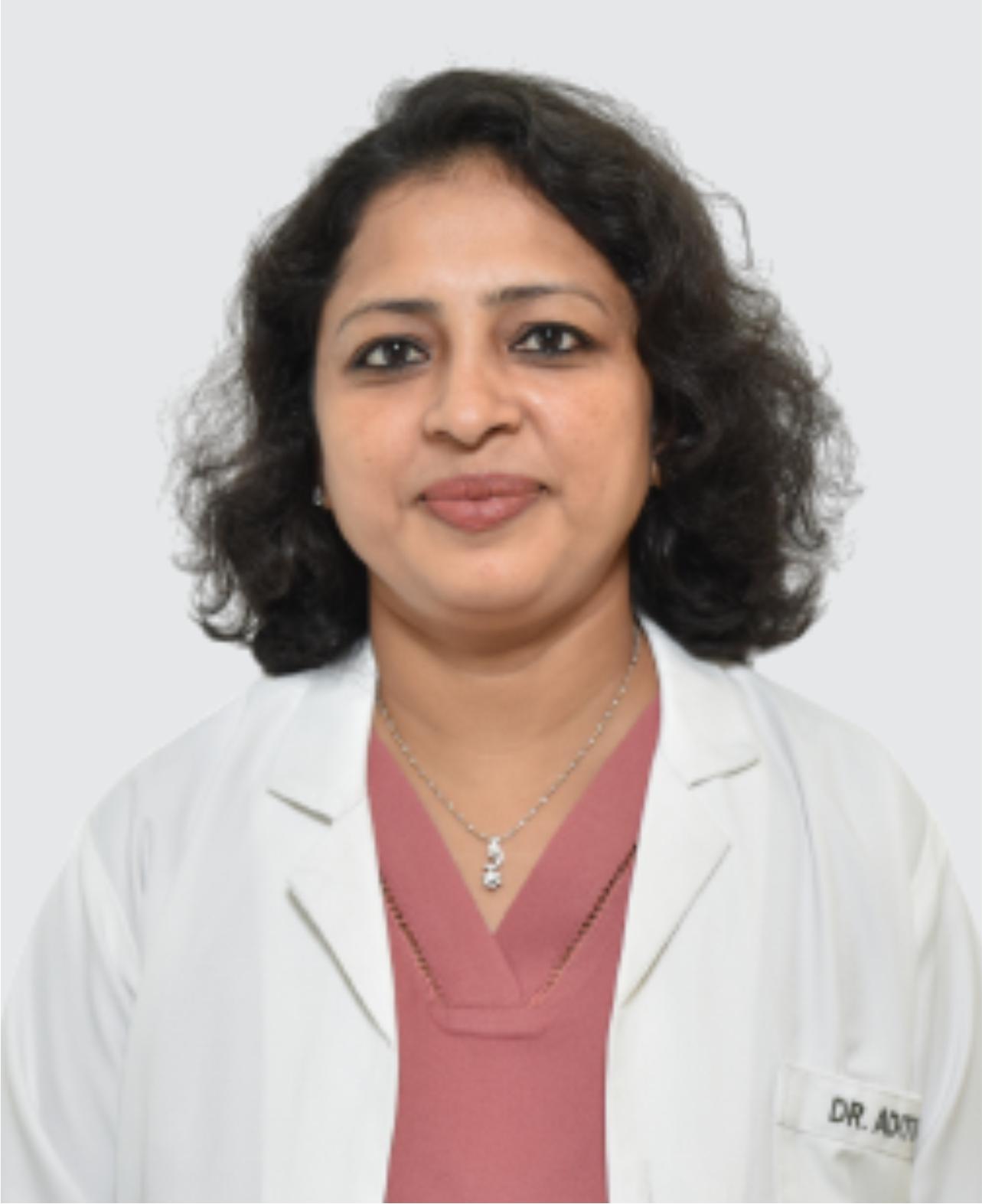
Dr Aditi Dixit
Sr. Consultant – Women Imaging
Radiology
New Delhi
15+ Years
Experience
Artemis Hospital
Hospital
1500
Fees
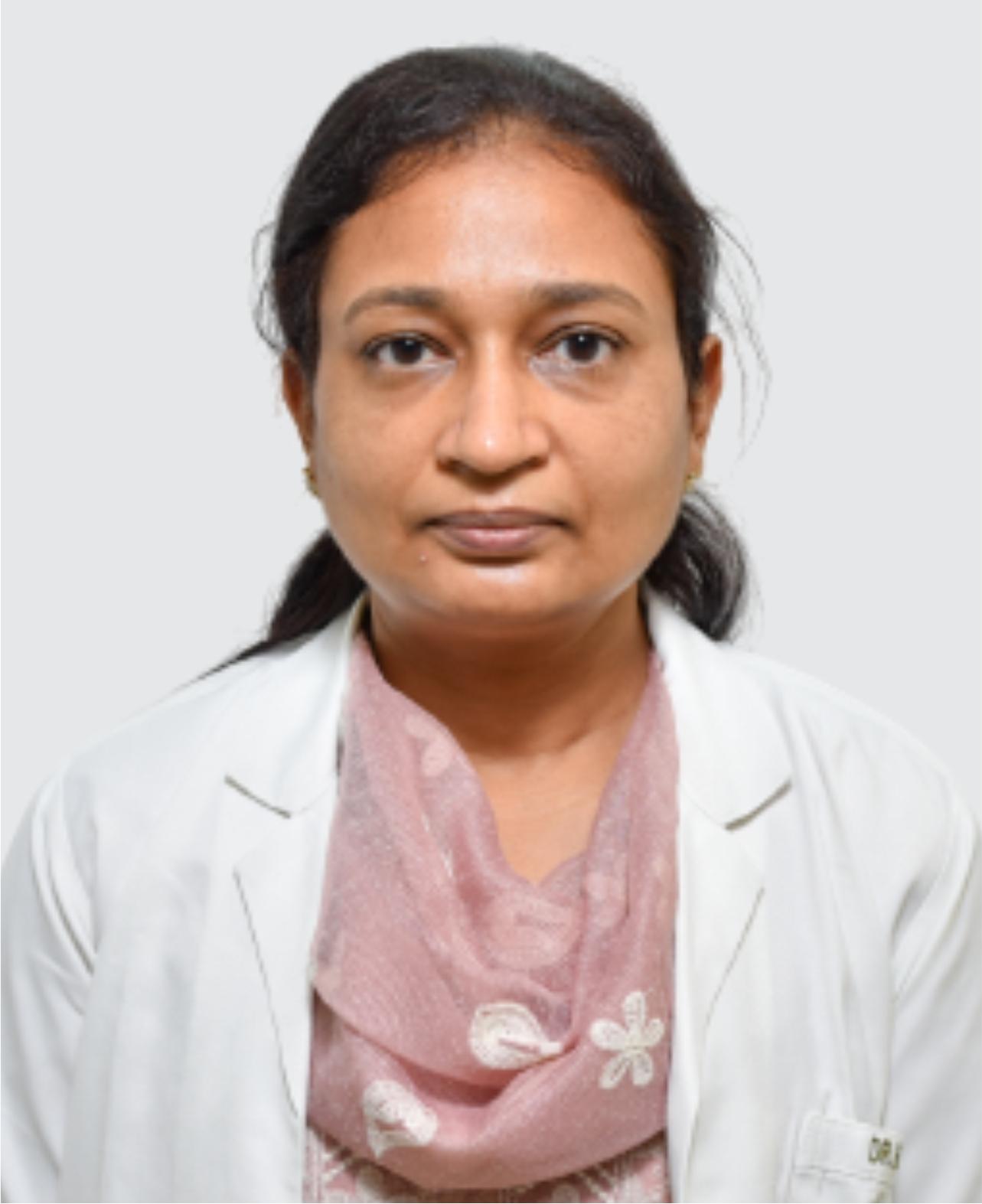
Dr. Deepa Goel
Head - Histopathology & Cytology Lab
Laboratory Services
New Delhi
21+ Years
Experience
Artemis Hospital
Hospital
1500
Fees

Dr Chandrima Misra M
Co-Head Psychological Services
Mental Health and Behavioural Sciences
New Delhi
15+ Years
Experience
Artemis Hospital
Hospital
1500
Fees

Dr. Nutan Agarwal
Head of Department - Gynae Endocrinology & DNB Program Director - Obs & Gynae
Gynaecological Endocrinology, Maternity, Obstetrics & Gynaecology
New Delhi
35+ Years
Experience
Artemis Hospital
Hospital
1500
Fees
Dr. Poonam Gautam
Senior Consultant - ENT
ENT and Head & Neck Surgery
New Delhi
24+ Years
Experience
Artemis Hospital
Hospital
1500
Fees

Dr. Pradeep Kumar Singh
Head - Cosmetic & Plastic Surgery
Cosmetic & Plastic Surgery
New Delhi
17+ Years
Experience
Artemis Hospital
Hospital
1500
Fees
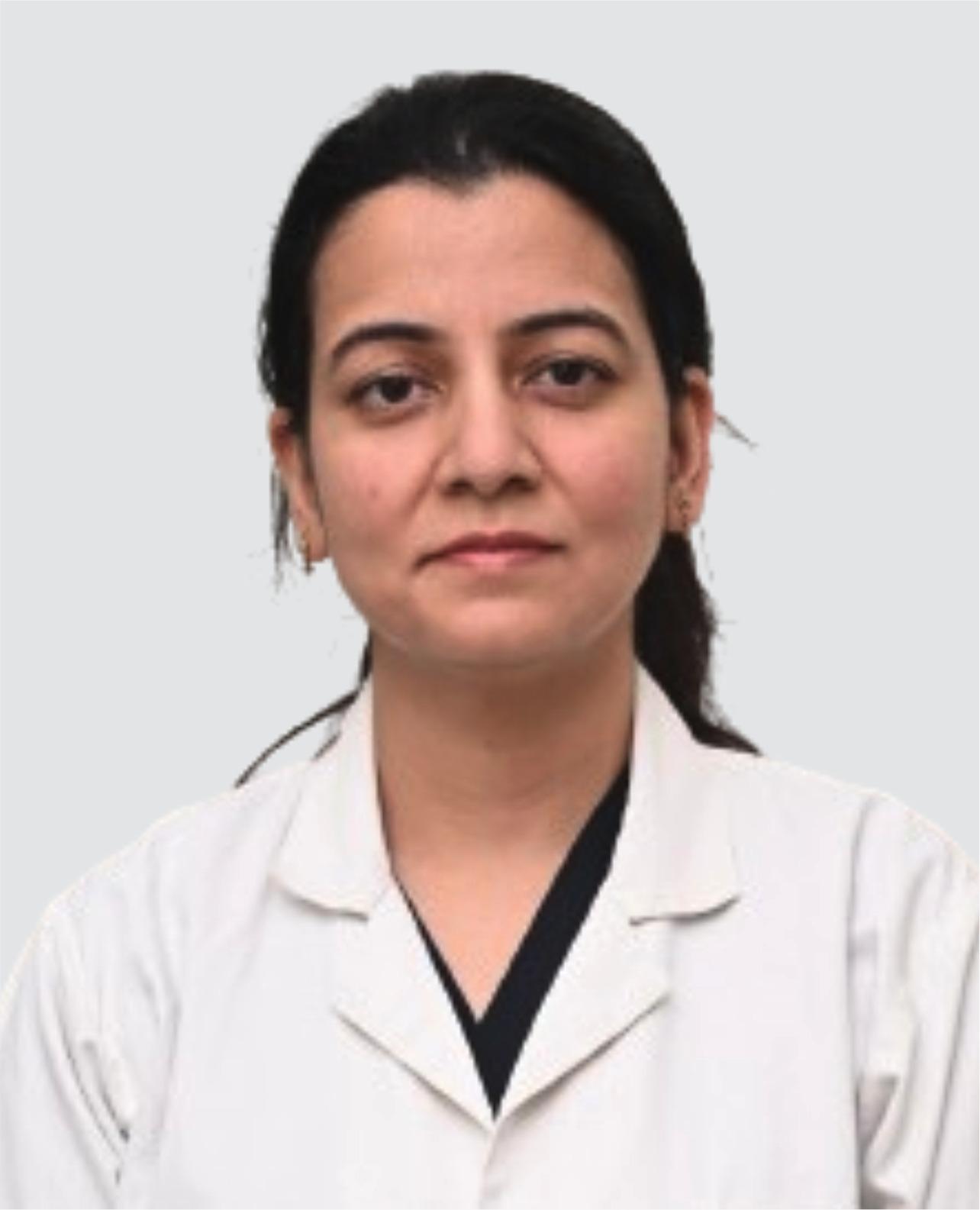
Dr. Priyanka Raina
Consultant (Head & Neck Surgery) - Surgical Oncology
Head and Neck Surgical Oncology
New Delhi
10+ Years
Experience
Artemis Hospital
Hospital
1500
Fees
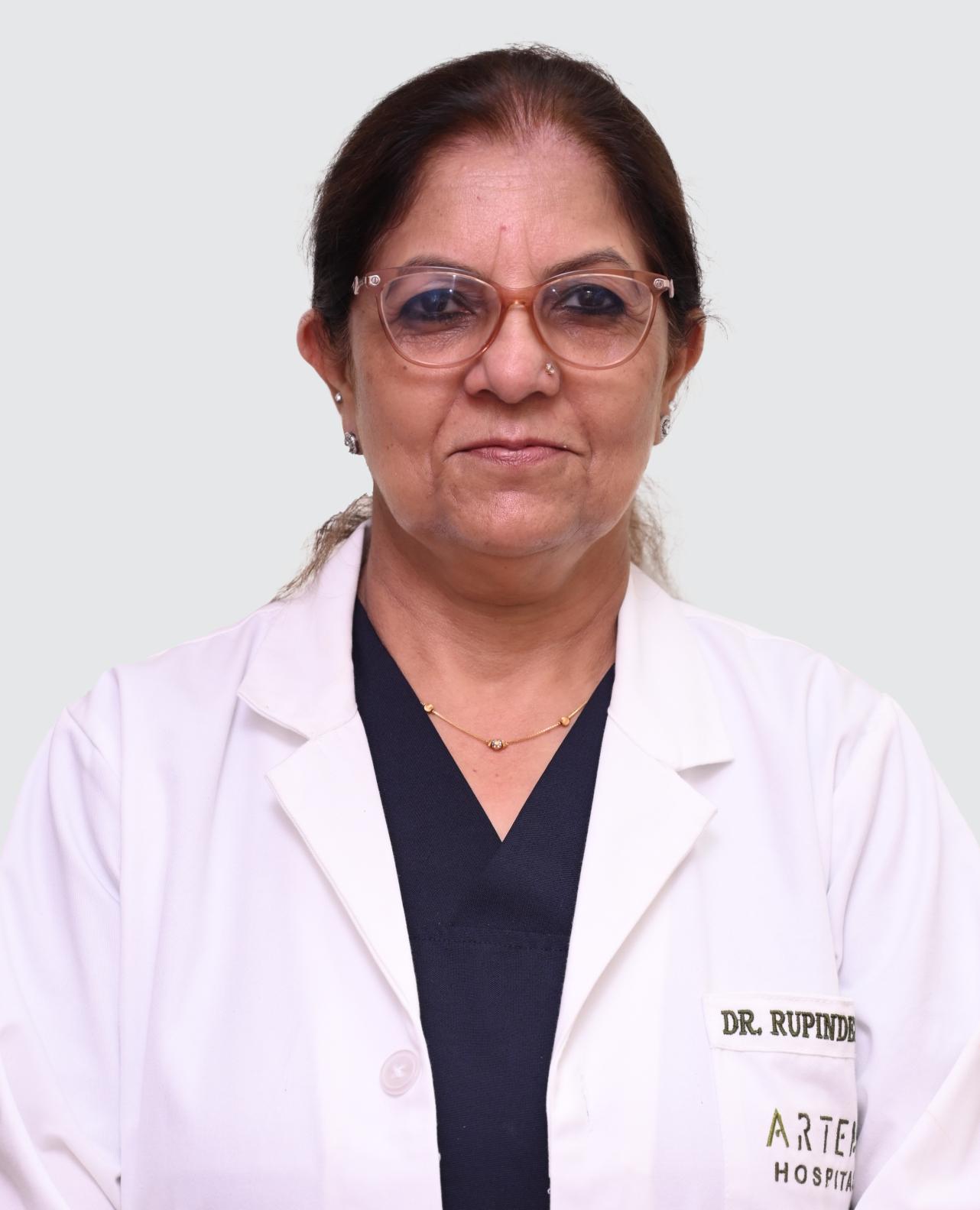
Dr. Rupinder Sekhon
Chairperson - Gynae Oncology
Gynaecological Oncology
New Delhi
16+ Years
Experience
Artemis Hospital
Hospital
1500
Fees
Dr. Sanjeev Srivastava
Sr. Consultant
Neurosurgery
New Delhi
23+ Years
Experience
Artemis Hospital
Hospital
1500
Fees

Dr. Kiran Arora
Unit Head - Reproductive Medicine (Unit II)
IVF, Reproductive Medicine, Obstetrics & Gynecology
New Delhi
20+ Years
Experience
Artemis Hospital
Hospital
1500
Fees
Related Links
Other Treatment related Information
- ERCP (Endoscopic Retrograde Cholangiopancreatography) cost in Chennai
- ERCP (Endoscopic Retrograde Cholangiopancreatography) cost in Hyderabad
- ERCP (Endoscopic Retrograde Cholangiopancreatography) cost in New Delhi
- ERCP (Endoscopic Retrograde Cholangiopancreatography) cost in Mumbai
- ERCP (Endoscopic Retrograde Cholangiopancreatography) cost in Haryana
- ERCP (Endoscopic Retrograde Cholangiopancreatography) cost in India
- ERCP (Endoscopic Retrograde Cholangiopancreatography) cost in Pune
- ERCP (Endoscopic Retrograde Cholangiopancreatography) cost in Bengaluru
- ERCP (Endoscopic Retrograde Cholangiopancreatography) Success Rate in Pune
- ERCP (Endoscopic Retrograde Cholangiopancreatography) Success Rate in Bengaluru
- ERCP (Endoscopic Retrograde Cholangiopancreatography) Success Rate in Mumbai
- ERCP (Endoscopic Retrograde Cholangiopancreatography) Success Rate in New Delhi
- ERCP (Endoscopic Retrograde Cholangiopancreatography) Success Rate in India
- ERCP (Endoscopic Retrograde Cholangiopancreatography) Success Rate in Hyderabad
- ERCP (Endoscopic Retrograde Cholangiopancreatography) Success Rate in Haryana
- ERCP (Endoscopic Retrograde Cholangiopancreatography) Success Rate in Chennai
- Best ERCP (Endoscopic Retrograde Cholangiopancreatography) Doctors in New Delhi
- Best ERCP (Endoscopic Retrograde Cholangiopancreatography) Doctors in Gurugram
- Best ERCP (Endoscopic Retrograde Cholangiopancreatography) Doctors in India
- Best ERCP (Endoscopic Retrograde Cholangiopancreatography) Doctors in Chennai
Ready To Start Your Healing Journey?
Get Personalized Medical Treatment Options From India's Top Hospitals. Our Medical Experts Are Ready To Assist You Every Step Of The Way.