
Intracytoplasmic Sperm Injection (ICSI) Treatment in Pune for Bangladesh
Need Personalized Advice?
Our medical experts are ready to answer your questions and guide you through your treatment options.
About
Intracytoplasmic Sperm Injection (ICSI) in Pune for Bangladesh Patients | Cost, Hospitals
Patients from Bangladesh often face deep concerns when considering advanced fertility treatments like ICSI. The journey can feel overwhelming, with questions about success rates, costs, and the quality of care available outside their home country. Finding a trustworthy and accessible option is a primary worry for many couples seeking to start a family.
For those exploring international medical avenues, Pune in India emerges as a compelling destination. The city has cultivated a reputation for its specialized medical facilities and a coordinated healthcare environment. Patients frequently choose Pune due to its blend of expert medical practitioners and patient-centric support systems.
Pune's medical infrastructure includes modern hospitals and highly skilled fertility specialists. These facilities offer advanced ICSI procedures with a focus on comprehensive care, from initial consultation to post-treatment follow-ups. The city's medical ecosystem is designed to ensure a smooth treatment journey for international visitors.
Pune provides a reliable and advanced medical environment for ICSI treatment.
What is Intracytoplasmic Sperm Injection (ICSI)?
Intracytoplasmic Sperm Injection, or ICSI, is an advanced assisted reproductive technology (ART) used to help couples overcome infertility, especially those with severe male factor infertility. During ICSI, a single sperm is carefully injected directly into an egg. This procedure is typically performed as part of an in-vitro fertilization (IVF) cycle, aiming to achieve fertilization when natural fertilization or conventional IVF has been challenging or is unlikely to succeed. It significantly improves the chances of fertilization in specific cases.
Different Approaches to ICSI Treatment
While ICSI is a specific technique, the overall treatment protocol can vary based on individual patient needs. These variations primarily involve the preparatory and post-fertilization stages:
- Conventional Ovarian Stimulation Protocols: This involves administering fertility medications to stimulate the ovaries to produce multiple mature eggs. Protocols like agonist or antagonist regimens are chosen based on the patient’s medical history and ovarian reserve.
- Minimal Stimulation ICSI: A gentler approach using lower doses of medication or natural cycle monitoring to retrieve fewer eggs. This may be suitable for certain patients to reduce medication side effects or costs.
- Fresh Embryo Transfer Cycle: Once fertilization occurs via ICSI and embryos develop, a fresh embryo is transferred to the uterus within a few days (usually 3 to 5) after egg retrieval.
- Frozen Embryo Transfer (FET) Cycle: Embryos created through ICSI are cryopreserved for later transfer. This allows for more time to prepare the uterine lining or if complications arise in a fresh cycle.
- Preimplantation Genetic Testing (PGT) Integration: ICSI can be combined with PGT, where embryos are screened for genetic abnormalities before transfer. This helps in selecting healthy embryos and reducing the risk of genetic disorders in offspring.
When Is ICSI Treatment Recommended?
- Severe male factor infertility, including low sperm count (oligozoospermia), poor sperm motility (asthenozoospermia), or abnormal sperm morphology (teratozoospermia).
- Previous failed fertilization in a conventional IVF cycle, despite good sperm and egg quality.
- When sperm is retrieved surgically from the testes or epididymis (e.g., TESA, TESE, PESA), which often yields a limited number of sperm.
- Couples using frozen sperm, as thawing can sometimes reduce sperm viability.
- In cases where preimplantation genetic testing (PGT) is planned for the embryos, to ensure only one sperm fertilizes each egg and avoids contamination.
- If only a few eggs are retrieved, ICSI can maximize the chances of fertilization for each available egg.
Essential Pre-Treatment Evaluation for ICSI
- Female Partner Evaluation: Ovarian reserve testing (AMH, FSH, LH, Estradiol), uterine assessment (ultrasound, hysteroscopy), and hormone profile.
- Male Partner Evaluation: Comprehensive semen analysis, hormone levels, and potential genetic screening for severe male factor infertility.
- Infectious Disease Screening: Blood tests for HIV, Hepatitis B and C, Syphilis for both partners.
- General Health Assessment: Complete blood count, blood group, thyroid function tests, and other necessary screenings to ensure overall health.
- Counselling: Pre-treatment consultation with a fertility specialist and sometimes a genetic counselor to discuss the process, risks, and expectations.
How the ICSI Procedure is Performed
The ICSI procedure is a precise laboratory technique performed as part of an IVF cycle, tailored to the couple's specific medical plan.
Ovarian Stimulation and Egg Retrieval
The female partner undergoes controlled ovarian stimulation using fertility medications to encourage the ovaries to produce multiple mature eggs. Once the eggs are ready, typically after 10-14 days, a minor surgical procedure called transvaginal egg retrieval is performed under light anesthesia to collect the eggs.
Sperm Preparation and Injection
On the same day as egg retrieval, a fresh semen sample is collected from the male partner, or surgically retrieved sperm is prepared. A single, healthy sperm is then selected under a high-powered microscope. Using a very fine needle, this chosen sperm is injected directly into the cytoplasm of each mature egg.
Fertilization and Embryo Development
After the injection, the fertilized eggs (now called zygotes) are placed in a special culture medium to allow for embryo development. The embryologist monitors their growth over 3 to 5 days. Not all eggs will fertilize, and not all fertilized eggs will develop into viable embryos.
Embryo Transfer
One or more viable embryos are carefully selected and transferred into the female partner's uterus using a thin catheter. This is a generally painless procedure that does not require anesthesia. Any remaining good quality embryos can be frozen for future use.
Recovery Process Following ICSI Treatment
Recovery from the ICSI procedure itself is minimal as the primary interventions are egg retrieval and embryo transfer. After egg retrieval, patients typically experience mild cramping or spotting for a few days. Rest is advised, and strenuous activities should be avoided for about a week. After embryo transfer, a period of reduced activity is recommended, though strict bed rest is generally not necessary. Patients are usually advised to avoid heavy lifting, intense exercise, and sexual intercourse for a short period. Follow-up appointments will include blood tests to confirm pregnancy, typically 10-14 days post-transfer, and subsequent ultrasounds to monitor early pregnancy development.
Risks and Expected Success Rates with ICSI
- Ovarian Hyperstimulation Syndrome (OHSS): A rare complication from fertility medications, causing swollen, painful ovaries. Mild cases are common, severe cases are rare but require medical attention.
- Multiple Pregnancies: Transferring multiple embryos increases the chance of twins or triplets, which carries higher risks for both mother and babies.
- Ectopic Pregnancy: Occurs when the embryo implants outside the uterus, usually in the fallopian tube.
- Failed Fertilization or Embryo Development: Despite ICSI, fertilization may not occur, or embryos may not develop as expected.
- Miscarriage: The risk of miscarriage after ICSI is similar to that of natural conception or conventional IVF, largely influenced by maternal age.
The success rates for ICSI are generally high for achieving fertilization, often reaching 70-85% of injected eggs. However, the live birth rate per cycle depends on many factors, including the female partner's age, the cause of infertility, the quality of eggs and sperm, and the clinic's expertise. For women under 35, live birth rates per ICSI cycle typically range from 40-50%, decreasing with age. It is crucial to have realistic expectations, as success is not guaranteed in a single cycle. Long-term outcomes for children born via ICSI are comparable to those conceived naturally or through conventional IVF.
Cost of ICSI Treatment in Pune
The cost of Intracytoplasmic Sperm Injection (ICSI) treatment in Pune is influenced by several factors. These include the specific fertility clinic's reputation and technology, the experience of the fertility specialist, the type of ovarian stimulation protocol used, and whether additional procedures like embryo freezing or genetic testing are required. Pune offers a competitive cost structure compared to many Western countries, without compromising on quality of care.
A typical ICSI cycle in Pune can range from INR 1,50,000 to INR 3,00,000 (approximately $1,800 to $3,600 USD), excluding additional medications or procedures.
Pune ICSI Treatment Cost vs. Global Benchmarks
| Location | Estimated ICSI Treatment Cost (USD) |
|---|---|
| Pune, India | $1,800 - $3,600 |
| USA | $12,000 - $20,000 |
| UK | $8,000 - $15,000 |
| Australia | $7,000 - $12,000 |
| Thailand | $4,500 - $7,000 |
Considering ICSI in Pune?
Reach out today for a personalized cost estimate and to understand your treatment options with leading specialists.
Comprehensive Support Services for Your Treatment Journey in Pune
- Dedicated patient coordination for scheduling appointments and consultations.
- Assistance with travel arrangements, including visa guidance and accommodation suggestions.
- Language interpretation services to ensure clear communication with medical staff.
- Guidance on local transportation and logistical support within Pune.
- Post-treatment follow-up coordination, including medication advice and remote consultations.
- Emotional support and counselling resources for couples navigating fertility challenges.
Key Documents Required for Your Medical Visit to Pune
- Valid passport and medical visa for entry into India.
- All previous medical records, diagnostic reports, and fertility treatment history.
- Referral letters from your primary care physician or local fertility specialist, if applicable.
- Proof of funds or financial arrangements for treatment.
- Marriage certificate (often required for fertility treatments in India).
- Copies of any identification documents for accompanying family members.
Essential Steps to Prepare Before Your ICSI Treatment in Pune
- Complete all recommended pre-treatment evaluations and tests in your home country or upon arrival in Pune.
- Adhere to any dietary restrictions or lifestyle changes advised by your fertility specialist.
- Disclose all current medications, supplements, and allergies to your medical team.
- Plan for your stay in Pune, ensuring you have comfortable accommodation and access to necessary amenities.
- Arrange for a companion or support person to accompany you during your treatment period.
- Mentally and emotionally prepare for the treatment process, understanding potential outcomes and timelines.
Guidance for Recovery and Aftercare Following ICSI
- Follow all medication instructions carefully, especially those related to hormonal support post-embryo transfer.
- Attend all scheduled follow-up appointments, including blood tests for pregnancy confirmation and early ultrasounds.
- Avoid strenuous activities, heavy lifting, and intense exercise for the period advised by your doctor.
- Maintain a healthy and balanced diet, and stay well-hydrated.
- Monitor for any unusual symptoms like severe pain, heavy bleeding, or fever, and report them immediately to your medical team.
- Plan for a period of relaxation and emotional well-being to support your recovery and early pregnancy.
Ready to Explore Your Options for ICSI?
Understanding your path to parenthood with ICSI in Pune begins with expert guidance. Take the first step towards realizing your dream with trusted care.
Connect with Pune's Leading Fertility Specialists
Get clarity on your ICSI treatment options, hospital facilities, and personalized care plans.
Hospitals Offering this treatment
India offers premium medical procedures at affordable prices. Discover our most popular treatments, delivered by the country's finest doctors.
Meet Our Doctors
Meet our team of highly qualified and experienced medical professionals dedicated to providing the best healthcare services.

Dr Aditi Dixit
Sr. Consultant – Women Imaging
Radiology
New Delhi
15+ Years
Experience
Artemis Hospital
Hospital
1500
Fees
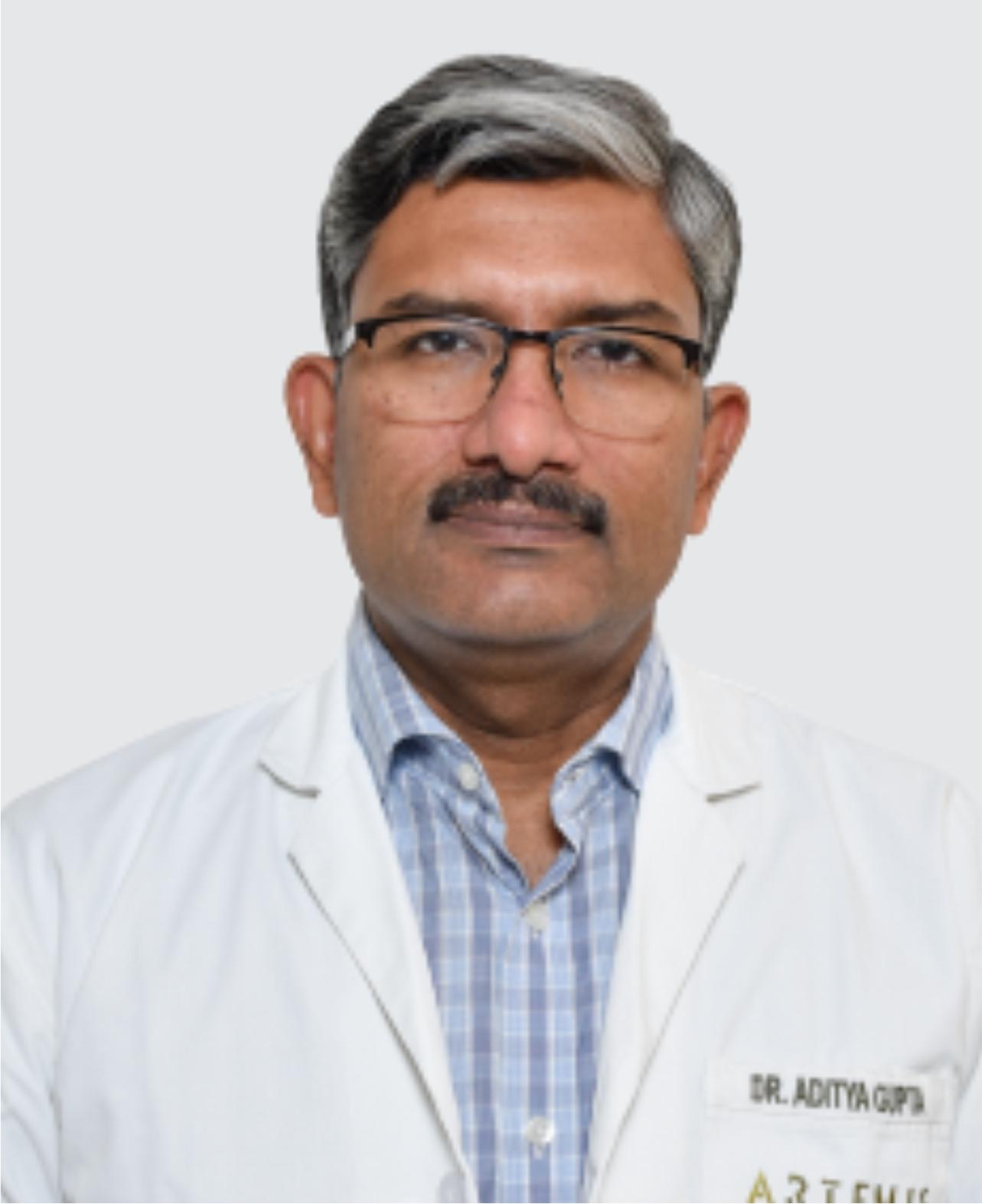
Dr. Aditya Gupta
Chairperson - Neurosurgery & CNS Radiosurgery & Co-Chief - Cyberknife Centre
Neurosurgery
New Delhi
32+ Years
Experience
Artemis Hospital
Hospital
1500
Fees

Dr. Parul Prakash
Head - Reproductive Medicine (IVF)
IVF, Reproductive Medicine, Obstetrics and Gynaecology
New Delhi
20+ Years
Experience
Artemis Hospital
Hospital
1500
Fees

Dr. Poonam Gautam
Senior Consultant - ENT
ENT and Head & Neck Surgery
New Delhi
24+ Years
Experience
Artemis Hospital
Hospital
1500
Fees
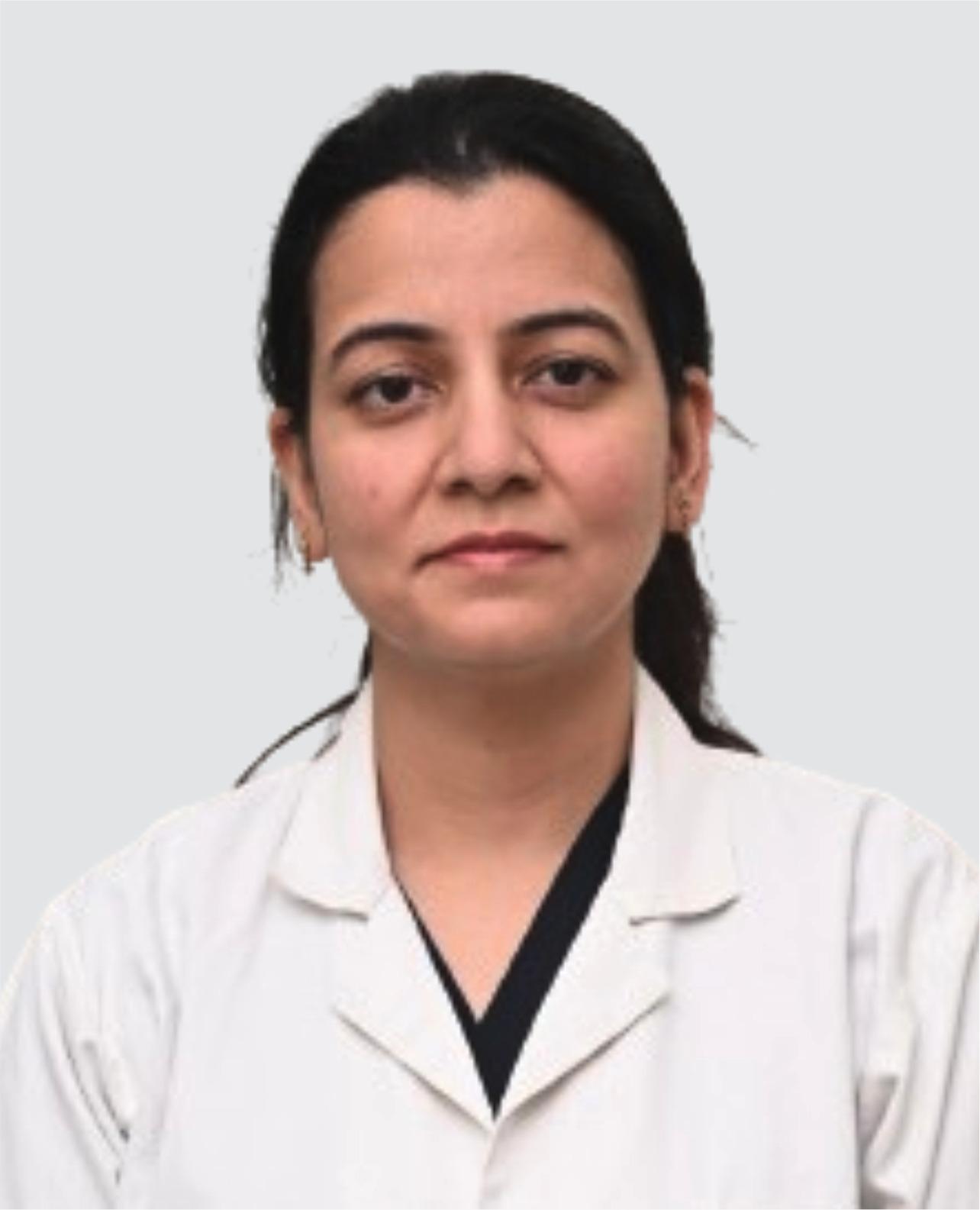
Dr. Priyanka Raina
Consultant (Head & Neck Surgery) - Surgical Oncology
Head and Neck Surgical Oncology
New Delhi
10+ Years
Experience
Artemis Hospital
Hospital
1500
Fees

Dr. Rupinder Sekhon
Chairperson - Gynae Oncology
Gynaecological Oncology
New Delhi
16+ Years
Experience
Artemis Hospital
Hospital
1500
Fees

Dr. Kiran Arora
Unit Head - Reproductive Medicine (Unit II)
IVF, Reproductive Medicine, Obstetrics & Gynecology
New Delhi
20+ Years
Experience
Artemis Hospital
Hospital
1500
Fees

Nidhi Jain
Sr. Consultant - Obs & Gynae
Maternity, Obstetrics & Gynaecology
New Delhi
15+ Years
Experience
Artemis Hospital
Hospital
1500
Fees

Dr. Nidhi Rajotia
Unit Head - Obs & Gynae
Maternity, Obstetrics & Gynaecology
New Delhi
19+ Years
Experience
Artemis Hospital
Hospital
1500
Fees

Dr. Reshma Tewari
Director
Obstetrics and Gynaecology
New Delhi
19+ Years
Experience
Artemis Hospital
Hospital
1500
Fees
Related Links
Other Treatment related Information
- Intracytoplasmic Sperm Injection (ICSI) cost in Chennai
- Intracytoplasmic Sperm Injection (ICSI) cost in Bengaluru
- Intracytoplasmic Sperm Injection (ICSI) cost in Mumbai
- Intracytoplasmic Sperm Injection (ICSI) cost in New Delhi
- Intracytoplasmic Sperm Injection (ICSI) cost in Hyderabad
- Intracytoplasmic Sperm Injection (ICSI) cost in Pune
- Intracytoplasmic Sperm Injection (ICSI) cost in India
- Intracytoplasmic Sperm Injection (ICSI) cost in Haryana
- Intracytoplasmic Sperm Injection (ICSI) Success Rate in India
- Intracytoplasmic Sperm Injection (ICSI) Success Rate in Bengaluru
- Intracytoplasmic Sperm Injection (ICSI) Success Rate in Chennai
- Best Intracytoplasmic Sperm Injection (ICSI) Doctors in Bengaluru
- Best Intracytoplasmic Sperm Injection (ICSI) Doctors in Chennai
- Best Intracytoplasmic Sperm Injection (ICSI) Doctors in New Delhi
- Best Intracytoplasmic Sperm Injection (ICSI) Doctors in Pune
- Best Intracytoplasmic Sperm Injection (ICSI) Doctors in India
- Best Intracytoplasmic Sperm Injection (ICSI) Doctors in Gurugram
- Best Intracytoplasmic Sperm Injection (ICSI) Doctors in Hyderabad
- Best Intracytoplasmic Sperm Injection (ICSI) Doctors in Mumbai
Ready To Start Your Healing Journey?
Get Personalized Medical Treatment Options From India's Top Hospitals. Our Medical Experts Are Ready To Assist You Every Step Of The Way.