
Intracytoplasmic Sperm Injection (ICSI) Treatment in Pune for UAE
Need Personalized Advice?
Our medical experts are ready to answer your questions and guide you through your treatment options.
About
ICSI Treatment in Pune for UAE Patients | Costs & Care
Patients in the UAE considering Intracytoplasmic Sperm Injection (ICSI) often face difficult decisions about their fertility journey. The emotional and financial aspects of seeking advanced reproductive care can feel overwhelming, raising concerns about accessing quality treatment and finding the right support.
Many find themselves exploring options beyond their home country, with Pune emerging as a notable destination. The city offers a well-regarded medical environment where advanced fertility treatments like ICSI are readily available, supported by coordinated patient care pathways designed for international visitors.
Trust in Pune’s medical infrastructure for fertility treatments is built on its network of specialized hospitals and experienced reproductive endocrinologists. Patients benefit from comprehensive care, including seamless follow up appointments and integrated support services, all within a focused urban healthcare setting.
Could Pune be the ideal choice for your ICSI treatment?
What is Intracytoplasmic Sperm Injection (ICSI)?
Intracytoplasmic Sperm Injection, or ICSI, is an advanced fertility procedure often performed as part of In Vitro Fertilization (IVF). It involves directly injecting a single sperm into an egg to facilitate fertilization. This technique is particularly beneficial in cases of male infertility where sperm count, motility, or morphology are compromised. After successful fertilization, the resulting embryo is then transferred into the woman's uterus, similar to conventional IVF. ICSI significantly increases the chances of fertilization when natural union between sperm and egg is challenging.
Types of ICSI Procedures and Protocols
While ICSI itself is a specific technique, it can be combined with various protocols and other assisted reproductive technologies to optimize outcomes:
- Standard ICSI: The most common approach, involving direct injection of sperm into a mature egg.
- PICSI (Physiological ICSI): Uses a hyaluronic acid binding assay to select mature sperm for injection, mimicking natural sperm selection.
- High Magnification ICSI (IMSI): Utilizes a microscope with higher magnification to select sperm based on more detailed morphological criteria, aiming for healthier embryos.
- ICSI with Testicular Sperm Extraction (TESE/TESA): For men with azoospermia (no sperm in ejaculate), sperm is surgically retrieved from the testicles before ICSI.
- ICSI with Preimplantation Genetic Testing (PGT): Combined with genetic screening of embryos (PGT A for aneuploidy, PGT M for monogenic disorders, PGT SR for structural rearrangements) before transfer.
- ICSI for Egg or Sperm Donor Cycles: Employed when using donor eggs or sperm to ensure fertilization efficacy.
When Is ICSI Treatment Required?
- Severe male factor infertility, including very low sperm count (oligozoospermia).
- Poor sperm motility (asthenozoospermia) or abnormal sperm shape (teratozoospermia).
- Azoospermia, where no sperm are present in the ejaculate, requiring surgical retrieval.
- Previous IVF cycles with low or no fertilization rates despite good egg quality.
- Unexplained infertility in some couples, as an enhancement to standard IVF.
- Use of frozen sperm that may not perform well in conventional IVF.
- When using a limited number of eggs, such as with older patients or those with low ovarian reserve.
Pre-Treatment Evaluation for ICSI
- Thorough medical history and physical examination for both partners.
- Hormonal blood tests for the female partner (e.g., FSH, LH, Estradiol, AMH).
- Semen analysis for the male partner to assess sperm parameters.
- Infectious disease screening (e.g., HIV, Hepatitis B and C, Syphilis) for both partners.
- Ovarian reserve testing for the female partner (e.g., transvaginal ultrasound for antral follicle count).
- Uterine evaluation for the female partner (e.g., saline infusion sonogram, hysteroscopy, or MRI).
- Genetic screening as deemed necessary by the specialist.
How the ICSI Treatment is Performed
The ICSI procedure involves several carefully orchestrated steps, beginning with ovarian stimulation and culminating in embryo transfer, depending on the individual patient plan.
Ovarian Stimulation and Egg Retrieval
The woman receives hormone injections for approximately 10-12 days to stimulate the ovaries to produce multiple mature eggs. Regular ultrasounds and blood tests monitor follicle growth. Once eggs are mature, a minor surgical procedure called egg retrieval is performed under sedation, where a thin needle collects eggs from the ovaries.
Sperm Preparation and Injection
On the day of egg retrieval, a fresh sperm sample is collected from the male partner, or surgically retrieved sperm is prepared. A single, healthy sperm is carefully selected under a high-powered microscope. This chosen sperm is then precisely injected into the cytoplasm of each mature egg using a fine glass needle.
Fertilization and Embryo Culture
After injection, the eggs are cultured in a laboratory incubator and monitored for signs of fertilization over the next 16-18 hours. Successfully fertilized eggs develop into embryos. These embryos are then cultured for another 3 to 5 days, during which time they progress through different developmental stages (cleavage stage or blastocyst stage).
Embryo Transfer
One or more healthy embryos are selected for transfer into the woman's uterus using a thin catheter. This is a quick and generally painless procedure, not requiring anesthesia. Any remaining viable embryos can be cryopreserved (frozen) for future use.
Recovery Process Following ICSI Treatment
The recovery process after ICSI largely mirrors that of standard IVF. After egg retrieval, mild cramping, bloating, and spotting are common and usually subside within a day or two. Following embryo transfer, patients are typically advised to rest for a short period. Most women can resume light daily activities within 24-48 hours, though strenuous exercise and heavy lifting should be avoided for a week or more. A pregnancy test is typically performed about two weeks after embryo transfer. Follow-up appointments and continued medical guidance are crucial for monitoring progress and addressing any concerns during this period.
Potential Risks and Expected Success Rates
- Ovarian Hyperstimulation Syndrome (OHSS): Excessive response to fertility drugs, causing swollen, painful ovaries.
- Multiple Pregnancies: Increased chance of twins or triplets, carrying higher risks for mother and babies.
- Infection or Bleeding: Rare complications associated with egg retrieval.
- Ectopic Pregnancy: Embryo implanting outside the uterus.
- No Fertilization: Despite ICSI, fertilization may not occur in all eggs.
- Genetic Risks: A very slightly increased risk of certain rare genetic conditions, though generally very low.
ICSI success rates are highly variable, influenced by factors such as the woman’s age, cause of infertility, ovarian reserve, and overall health, as well as the quality of the clinic and its laboratory. Generally, ICSI success rates are comparable to or slightly higher than conventional IVF for specific male factor infertility cases. While no guarantee exists, a realistic outcome range for a live birth per embryo transfer can vary from 30% to 50% or more, depending on these contributing factors. Long term expectations often involve multiple cycles to achieve pregnancy.
Cost of ICSI Treatment in Pune
The cost of ICSI treatment in Pune can vary significantly based on several factors. These include the reputation and facilities of the chosen hospital or fertility clinic, the specific protocols and medications required for ovarian stimulation, the experience of the fertility specialist, and any additional procedures like preimplantation genetic testing or sperm retrieval.
For UAE patients considering ICSI in Pune, the estimated cost typically ranges from INR 1,50,000 to INR 3,50,000 per cycle.
ICSI Treatment Cost Comparison: Pune vs. Global Averages
Patients from the UAE can find Pune offers a significant cost advantage compared to many other international destinations, without compromising on medical standards or quality of care.
| Location | Estimated ICSI Cost (USD) |
|---|---|
| Pune, India | $1,800 - $4,200 |
| United Kingdom | $7,000 - $12,000 |
| United States | $10,000 - $18,000 |
| Australia | $8,000 - $15,000 |
| Thailand | $6,000 - $10,000 |
Support Services for Your ICSI Journey in Pune
- Personalized treatment coordination for international patients.
- Assistance with visa applications and travel arrangements.
- Guidance for accommodation options in Pune.
- Language interpretation services at the hospital.
- Dedicated patient relations manager for all your needs.
- Post-treatment recovery support and follow-up scheduling.
Papers Required for Your Medical Visit to Pune
- Valid passport and visa for all travelers.
- Medical reports and diagnostic test results from your home country.
- Referral letters from your primary care physician, if available.
- Proof of funds or insurance coverage for the treatment.
- Any previous fertility treatment records.
Getting Ready for Your ICSI Treatment in Pune
- Ensure all necessary medical records are compiled and ready.
- Discuss travel plans and accommodation preferences with your coordinator.
- Understand the pre-treatment medication schedule and instructions.
- Arrange for a companion to accompany you for support during your stay.
- Familiarize yourself with local cultural norms and currency.
Healing and Support After Your ICSI Cycle
- Follow all medication and activity restrictions provided by your doctor.
- Maintain open communication with your medical team for any concerns.
- Attend all scheduled follow-up appointments and tests.
- Prioritize rest and a healthy diet during the recovery phase.
- Discuss post-transfer care with your local physician if returning home soon.
Ready to Explore Your Fertility Options?
Taking the step towards ICSI treatment is a significant decision. Pune offers a blend of medical excellence and compassionate care, making it a supportive environment for your fertility goals.
Hospitals Offering this treatment
India offers premium medical procedures at affordable prices. Discover our most popular treatments, delivered by the country's finest doctors.
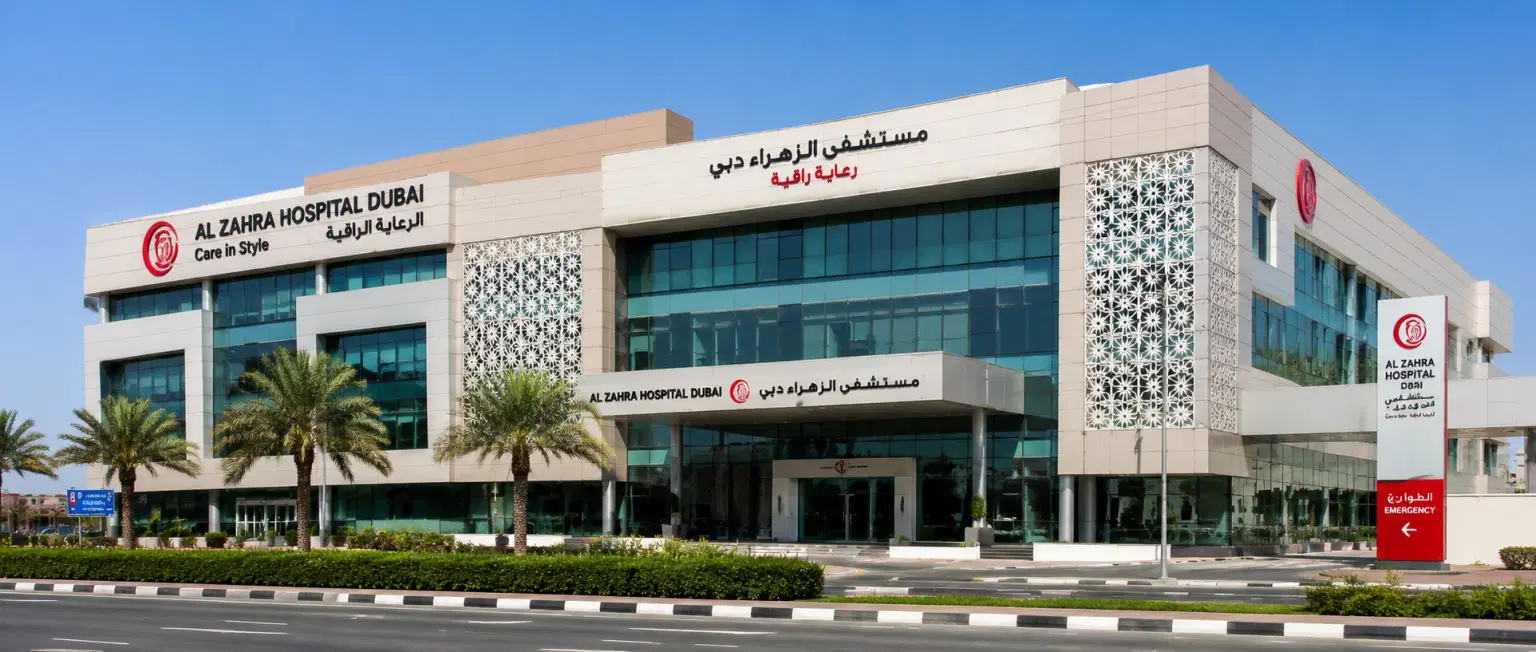
Al Zahra Hospital, Dubai
Sheikh Zayed Road, Al Barsha 1, Dubai, UAE
Al Zahra Hospital, Dubai

Burjeel Medical City, Abu Dhabi
28th Street, Mohammed Bin Zayed City, Abu Dhabi, UAE
Burjeel Medical City, Abu Dhabi

Burjeel Hospital, Dubai
Dubai, UAE (part of Burjeel Holdings network)
Burjeel Hospital, Dubai
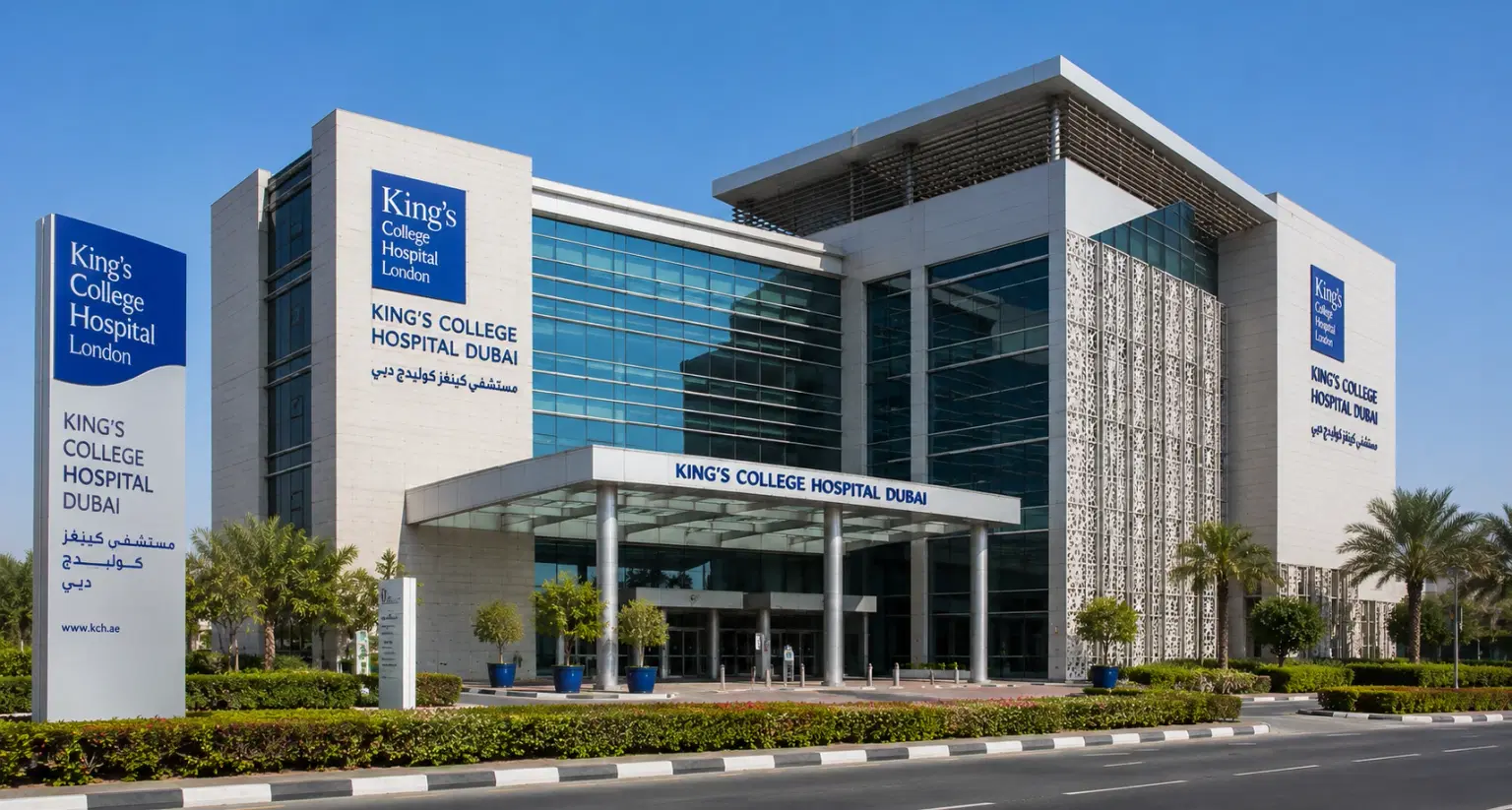
King's College Hospital, Dubai
Dubai Hills, Mohammed Bin Rashid City, Dubai, UAE
King's College Hospital, Dubai
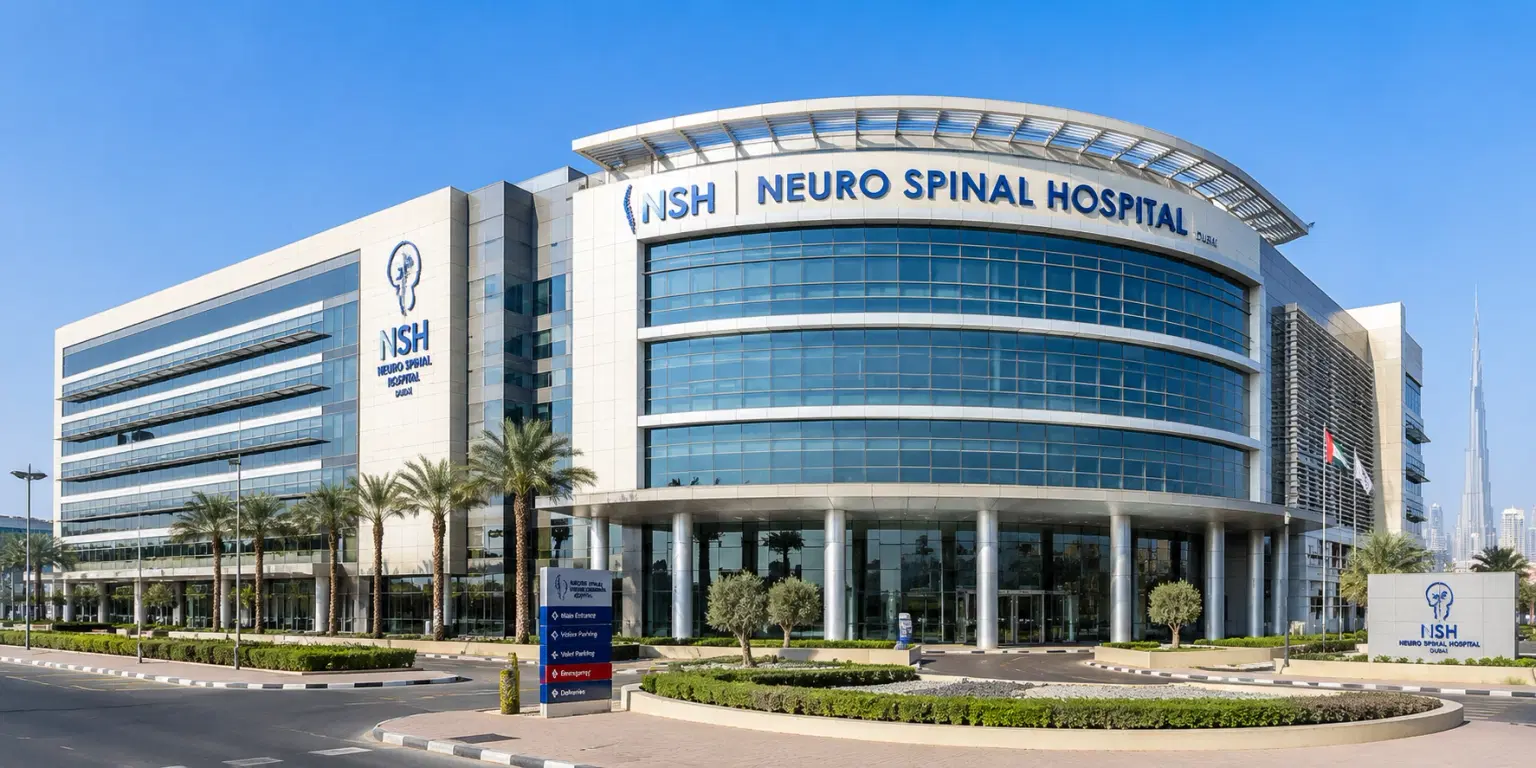
Neuro Spinal Hospital (NSH), Dubai
Dubai Science Park, Umm Suqeim St, Al Barsha South, Dubai, UAE
Neuro Spinal Hospital (NSH), Dubai

HMS Al Garhoud Hospital, Dubai
Al Garhoud Street, Al Garhoud, Dubai, UAE
HMS Al Garhoud Hospital, Dubai
Meet Our Doctors
Meet our team of highly qualified and experienced medical professionals dedicated to providing the best healthcare services.

Dr Aditi Dixit
Sr. Consultant – Women Imaging
Radiology
New Delhi
15+ Years
Experience
Artemis Hospital
Hospital
1500
Fees

Dr. Aditya Gupta
Chairperson - Neurosurgery & CNS Radiosurgery & Co-Chief - Cyberknife Centre
Neurosurgery
New Delhi
32+ Years
Experience
Artemis Hospital
Hospital
1500
Fees

Dr. Parul Prakash
Head - Reproductive Medicine (IVF)
IVF, Reproductive Medicine, Obstetrics and Gynaecology
New Delhi
20+ Years
Experience
Artemis Hospital
Hospital
1500
Fees

Dr. Poonam Gautam
Senior Consultant - ENT
ENT and Head & Neck Surgery
New Delhi
24+ Years
Experience
Artemis Hospital
Hospital
1500
Fees
Dr. Priyanka Raina
Consultant (Head & Neck Surgery) - Surgical Oncology
Head and Neck Surgical Oncology
New Delhi
10+ Years
Experience
Artemis Hospital
Hospital
1500
Fees

Dr. Rupinder Sekhon
Chairperson - Gynae Oncology
Gynaecological Oncology
New Delhi
16+ Years
Experience
Artemis Hospital
Hospital
1500
Fees
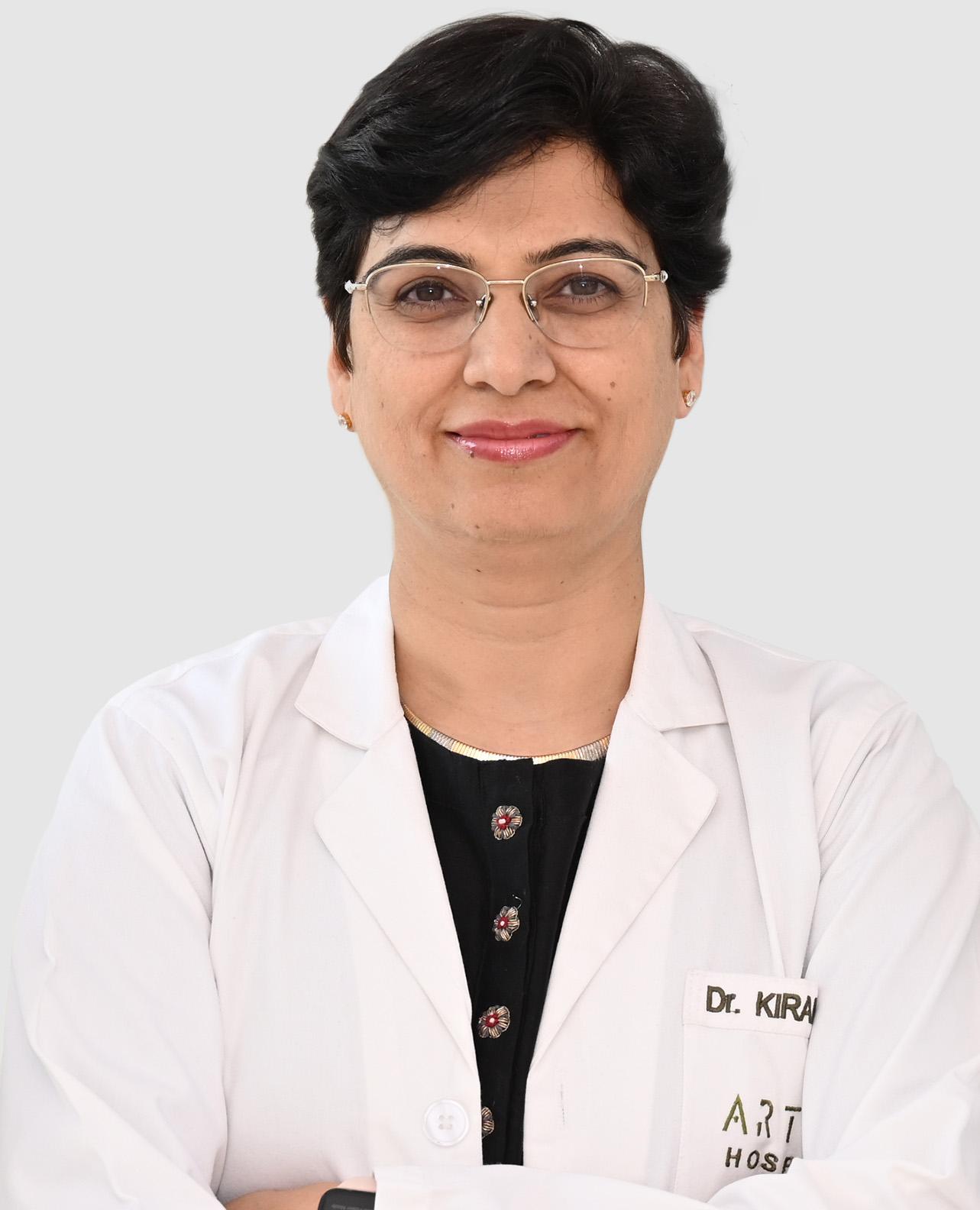
Dr. Kiran Arora
Unit Head - Reproductive Medicine (Unit II)
IVF, Reproductive Medicine, Obstetrics & Gynecology
New Delhi
20+ Years
Experience
Artemis Hospital
Hospital
1500
Fees
Nidhi Jain
Sr. Consultant - Obs & Gynae
Maternity, Obstetrics & Gynaecology
New Delhi
15+ Years
Experience
Artemis Hospital
Hospital
1500
Fees

Dr. Nidhi Rajotia
Unit Head - Obs & Gynae
Maternity, Obstetrics & Gynaecology
New Delhi
19+ Years
Experience
Artemis Hospital
Hospital
1500
Fees

Dr. Reshma Tewari
Director
Obstetrics and Gynaecology
New Delhi
19+ Years
Experience
Artemis Hospital
Hospital
1500
Fees
Related Links
Other Treatment related Information
- Intracytoplasmic Sperm Injection (ICSI) cost in Chennai
- Intracytoplasmic Sperm Injection (ICSI) cost in Bengaluru
- Intracytoplasmic Sperm Injection (ICSI) cost in Mumbai
- Intracytoplasmic Sperm Injection (ICSI) cost in New Delhi
- Intracytoplasmic Sperm Injection (ICSI) cost in Hyderabad
- Intracytoplasmic Sperm Injection (ICSI) cost in Pune
- Intracytoplasmic Sperm Injection (ICSI) cost in India
- Intracytoplasmic Sperm Injection (ICSI) cost in Haryana
- Intracytoplasmic Sperm Injection (ICSI) Success Rate in India
- Intracytoplasmic Sperm Injection (ICSI) Success Rate in Bengaluru
- Intracytoplasmic Sperm Injection (ICSI) Success Rate in Chennai
- Best Intracytoplasmic Sperm Injection (ICSI) Doctors in Bengaluru
- Best Intracytoplasmic Sperm Injection (ICSI) Doctors in Chennai
- Best Intracytoplasmic Sperm Injection (ICSI) Doctors in New Delhi
- Best Intracytoplasmic Sperm Injection (ICSI) Doctors in Pune
- Best Intracytoplasmic Sperm Injection (ICSI) Doctors in India
- Best Intracytoplasmic Sperm Injection (ICSI) Doctors in Gurugram
- Best Intracytoplasmic Sperm Injection (ICSI) Doctors in Hyderabad
- Best Intracytoplasmic Sperm Injection (ICSI) Doctors in Mumbai
Ready To Start Your Healing Journey?
Get Personalized Medical Treatment Options From India's Top Hospitals. Our Medical Experts Are Ready To Assist You Every Step Of The Way.