
Lung Transplant Treatment in New Delhi for UAE
Need Personalized Advice?
Our medical experts are ready to answer your questions and guide you through your treatment options.
About
Lung Transplant in New Delhi for UAE Patients | Costs & Care
For UAE patients facing end-stage lung disease, the prospect of a lung transplant often brings complex questions. Concerns about specialized care, surgical expertise, and post-operative support can feel overwhelming when considering options beyond your home country. Finding a trusted destination for such a critical procedure is a top priority.
Many patients look to New Delhi for highly specialized medical care, particularly for complex surgeries like lung transplants. The city offers a robust healthcare environment, bringing together experienced medical teams, advanced facilities, and comprehensive patient coordination services. This integrated approach simplifies the journey for international patients.
New Delhi’s hospitals are recognized for their leading specialists and state-of-the-art infrastructure in transplant medicine. The city provides a structured care pathway, ensuring seamless follow-ups and access to a full spectrum of support services, which is vital for long-term recovery and managing post-transplant care effectively within the city.
Could New Delhi be the right choice for your lung transplant journey?
What is a Lung Transplant?
A lung transplant is a major surgical procedure that replaces a diseased or failing lung with a healthy lung from a deceased donor. This life-saving operation is typically performed on individuals with severe, chronic lung conditions that have not responded to other medical treatments and are nearing end-stage disease. The goal is to improve lung function, enhance quality of life, and extend lifespan for patients who would otherwise have limited options. It requires a highly coordinated effort from a multidisciplinary team of specialists.
Are There Different Types of Lung Transplants?
Lung transplants are tailored to the patient's specific condition and needs. The primary types include:
- Single Lung Transplant: This involves replacing one diseased lung with a healthy donor lung. It is often performed for conditions like pulmonary fibrosis or COPD, where the other lung still retains some function.
- Double Lung Transplant: In this procedure, both diseased lungs are replaced with two healthy donor lungs. This approach is common for conditions such as cystic fibrosis, bronchiectasis, or severe pulmonary hypertension, where both lungs are significantly affected.
- Heart-Lung Transplant: This is a less common and more complex procedure where both the heart and lungs are replaced simultaneously. It is considered for patients with severe heart and lung failure that cannot be addressed separately.
When is a Lung Transplant Considered?
- Severe Chronic Obstructive Pulmonary Disease (COPD) or emphysema
- Cystic fibrosis leading to extensive lung damage
- Idiopathic pulmonary fibrosis and other interstitial lung diseases
- Pulmonary hypertension that is unresponsive to other treatments
- Bronchiectasis with progressive lung damage and recurrent infections
- Alpha-1 antitrypsin deficiency emphysema
- Certain congenital lung diseases
What Pre-Transplant Evaluation is Needed?
- Comprehensive blood tests including organ function, infectious disease screens, and tissue typing
- High-resolution computed tomography (HRCT) scans of the chest
- Pulmonary function tests to assess lung capacity and airflow
- Cardiac evaluation, including echocardiogram and cardiac catheterization
- Renal and liver function assessments
- Nutritional assessment and dietary counseling
- Psychological evaluation to assess mental readiness and support systems
- Screening for other underlying health conditions
How is a Lung Transplant Performed?
The specific procedure for a lung transplant depends on whether one or both lungs are being replaced, and the patient's individual health status.
Once a suitable donor lung becomes available and matched, the patient undergoes preparation for surgery. The operation typically involves a large incision in the chest, either across the sternum for a double transplant or on one side for a single transplant. The diseased lung or lungs are carefully removed, and the new, healthy donor lung(s) are meticulously connected to the patient's airways and blood vessels.
During the surgery, patients are supported by a heart-lung bypass machine, which circulates blood and oxygen, allowing the surgical team to work on the lungs. After the new lung(s) are in place and successfully reconnected, the bypass machine is gradually removed, and the surgical incisions are closed. The entire process requires extreme precision and coordination among the surgical, anesthesia, and perfusion teams.
What Does Recovery After Lung Transplant Involve?
Recovery after a lung transplant is a lengthy and intensive process that begins immediately in the intensive care unit. Patients typically remain hospitalized for several weeks, where they receive close monitoring, pain management, and begin early rehabilitation. Physical therapy is crucial to regain strength and lung function. A lifelong regimen of immunosuppressant medications is required to prevent organ rejection. Patients will also receive education on infection prevention, medication adherence, and signs of rejection. Regular follow-up appointments, including lung function tests and biopsies, are essential for monitoring progress and managing potential complications.
What Are the Risks and Success Rates of Lung Transplants?
- Acute and chronic organ rejection, a primary concern requiring lifelong medication
- Infections, particularly pneumonia, due to immunosuppression
- Bleeding and blood clots during or after surgery
- Airway complications, such as narrowing or leakage at the surgical connections
- Side effects from immunosuppressant medications, including kidney dysfunction, diabetes, and increased cancer risk
- Primary graft dysfunction, where the new lung does not function immediately
- Heart problems or stroke
Success rates for lung transplants have significantly improved over the years due to advancements in surgical techniques, immunosuppressive therapy, and post-operative care. While individual outcomes vary based on factors like the patient's overall health, age, and adherence to medical instructions, the average one-year survival rate for lung transplant recipients is generally around 80-85%, with five-year survival rates typically ranging from 50-60%. Long-term expectations focus on improved quality of life and increased functional capacity, though continuous medical management is always necessary.
What is the Cost of a Lung Transplant in New Delhi?
The cost of a lung transplant in New Delhi can vary significantly based on several factors. These include the reputation and facilities of the chosen hospital, the fees of the transplant surgeons and their team, the complexity of the procedure (single vs. double lung), the duration of the hospital stay, and the extent of pre-operative evaluations and post-operative care, including medications and rehabilitation.
For UAE patients considering a Lung Transplant in New Delhi, the estimated cost typically ranges from INR 25,00,000 to INR 45,00,000.
Comparing Lung Transplant Costs in New Delhi
New Delhi offers a competitive pricing structure for lung transplants compared to many Western countries, without compromising on quality. Here is a general comparison:
| Location | Estimated Lung Transplant Cost (USD) |
|---|---|
| New Delhi, India | $30,000 - $55,000 |
| United States | $800,000 - $1,200,000 |
| United Kingdom | $150,000 - $250,000 |
| Thailand | $70,000 - $100,000 |
| Singapore | $120,000 - $180,000 |
Ready to learn more about Lung Transplant options in New Delhi?
Contact our patient care team today for a personalized consultation.
Navigating Your Lung Transplant Journey in New Delhi
- Dedicated patient coordinators providing end-to-end assistance
- Visa and travel arrangement support for international patients
- Assistance with local accommodation for patient and accompanying family
- Airport transfers and local transportation guidance
- Language interpretation services to ensure clear communication
- Scheduling of all medical appointments and follow-ups
- Guidance on post-discharge recovery and rehabilitation options
Essential Documents for Your Medical Trip to New Delhi
- Valid passport and medical visa for India
- All previous medical reports, test results, and imaging scans related to your lung condition
- Referral letters from your primary physician or specialist in UAE
- List of current medications, including dosages
- Donor information (if a living donor is involved), along with their medical reports
- Proof of financial arrangements for the treatment
- Copies of identification for accompanying family members
Preparing for Your Lung Transplant in New Delhi
- Undergo a thorough medical evaluation in your home country as advised by your New Delhi transplant team
- Ensure all necessary vaccinations are up-to-date
- Maintain a healthy diet and adhere to any lifestyle recommendations given
- Arrange for a primary caregiver who can accompany and support you throughout the treatment and initial recovery period
- Prepare all required medical and travel documents well in advance
- Understand the financial aspects and make necessary arrangements
- Discuss potential complications and recovery expectations with your medical team
Life After a Lung Transplant: Recovery and Follow-up
- Strict adherence to the prescribed immunosuppressant medication regimen to prevent rejection
- Regular and lifelong follow-up appointments with the transplant team in New Delhi or remotely
- Engagement in a comprehensive pulmonary rehabilitation program
- Vigilant monitoring for any signs of infection or rejection and prompt reporting to the medical team
- Adopting a healthy lifestyle, including a balanced diet and avoidance of smoking or alcohol
- Psychological support and counseling to manage emotional aspects of recovery
- Education on self-care, medication management, and emergency contact procedures
Considering a Lung Transplant in New Delhi?
Reach out to us to understand your personalized treatment plan and cost estimates.
Ready to Explore Lung Transplant Options in New Delhi?
Taking the first step toward a lung transplant is a significant decision. Let us guide you through the process with expert care and clear information.
Hospitals Offering this treatment
India offers premium medical procedures at affordable prices. Discover our most popular treatments, delivered by the country's finest doctors.
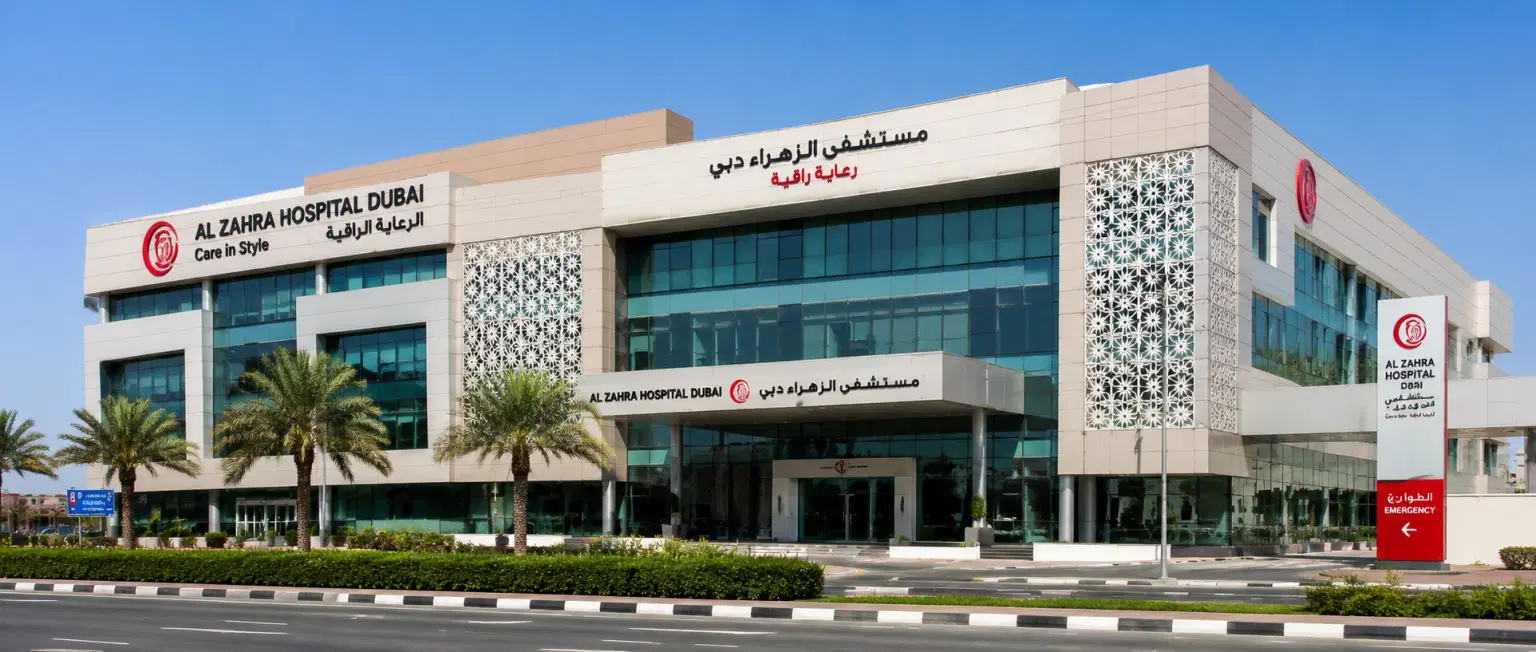
Al Zahra Hospital, Dubai
Sheikh Zayed Road, Al Barsha 1, Dubai, UAE
Al Zahra Hospital, Dubai
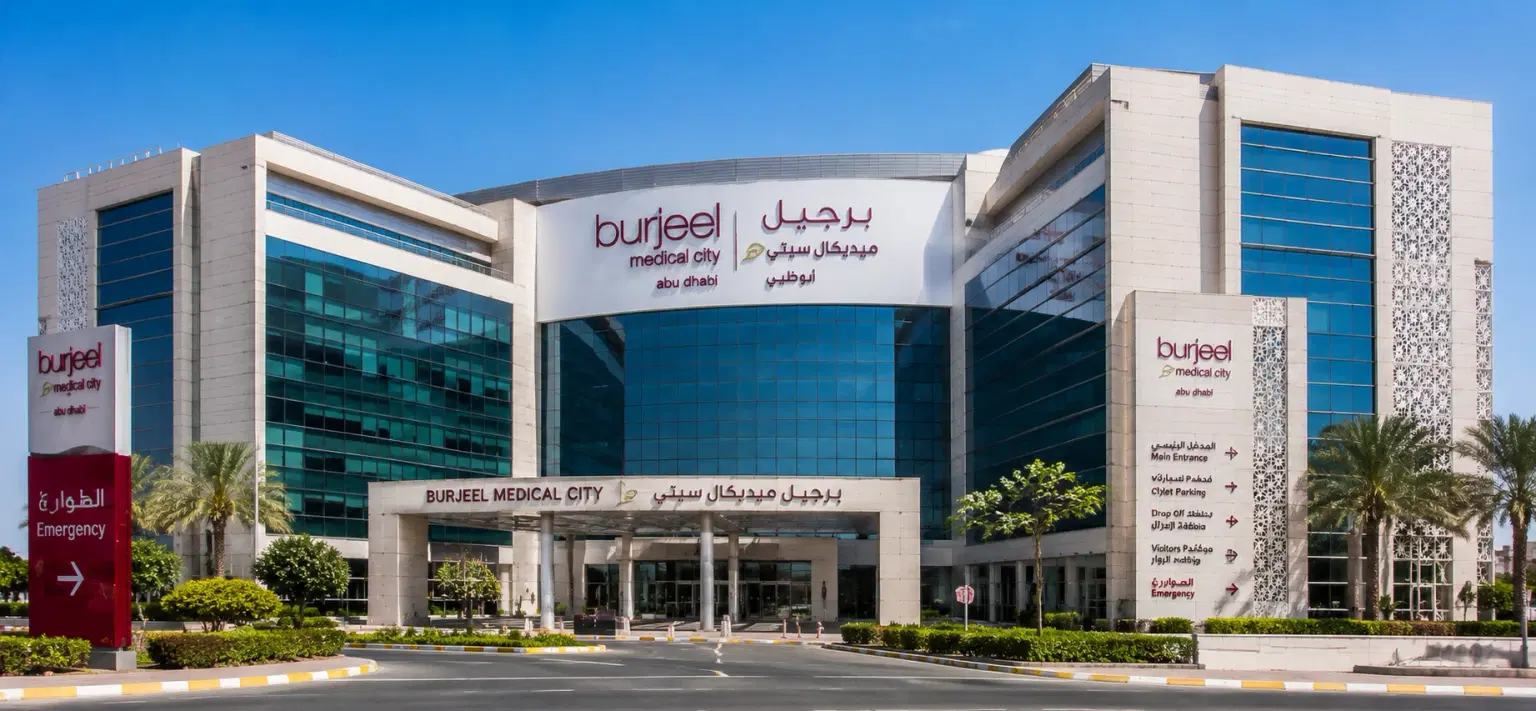
Burjeel Medical City, Abu Dhabi
28th Street, Mohammed Bin Zayed City, Abu Dhabi, UAE
Burjeel Medical City, Abu Dhabi

Burjeel Hospital, Dubai
Dubai, UAE (part of Burjeel Holdings network)
Burjeel Hospital, Dubai
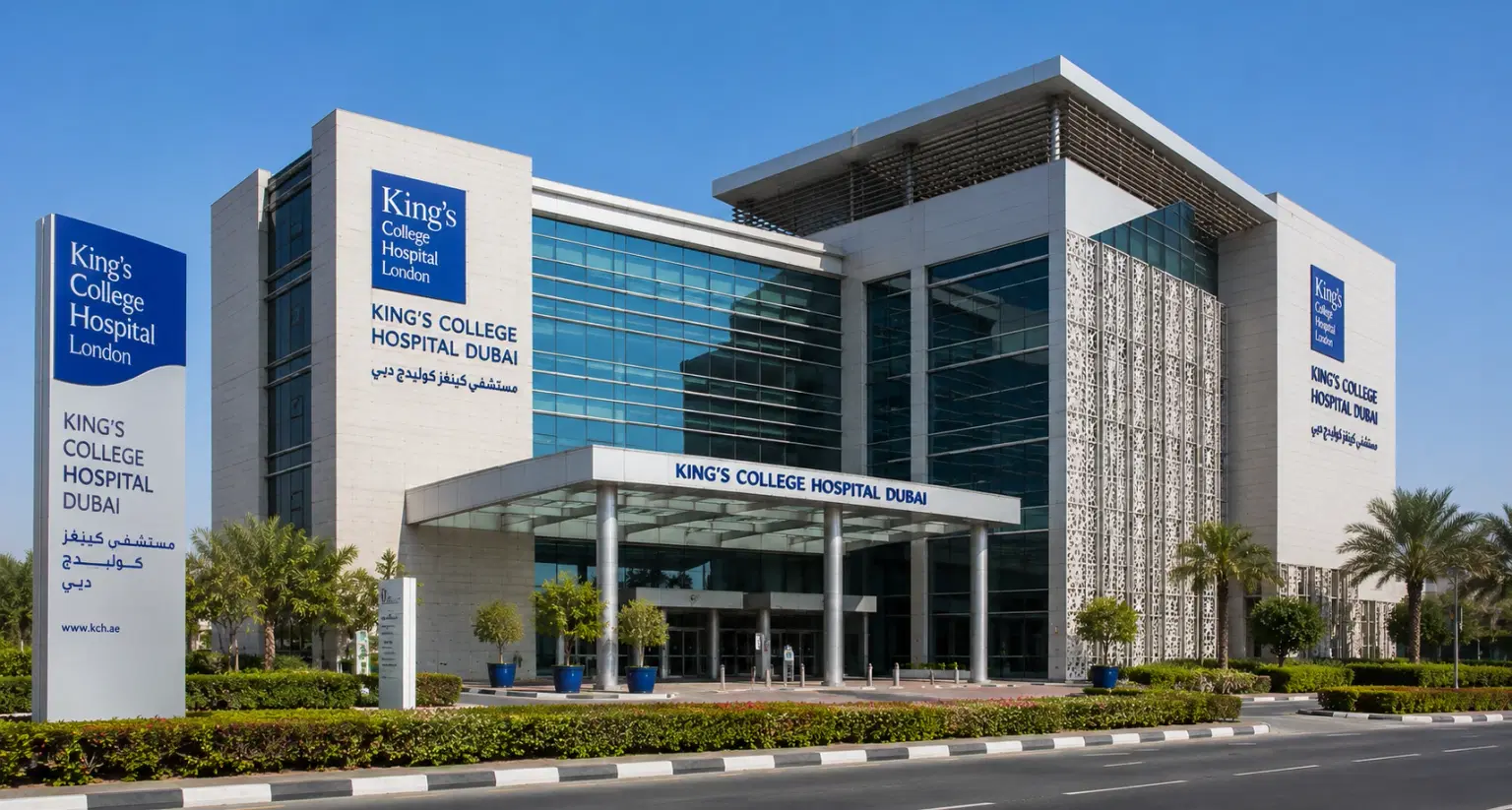
King's College Hospital, Dubai
Dubai Hills, Mohammed Bin Rashid City, Dubai, UAE
King's College Hospital, Dubai
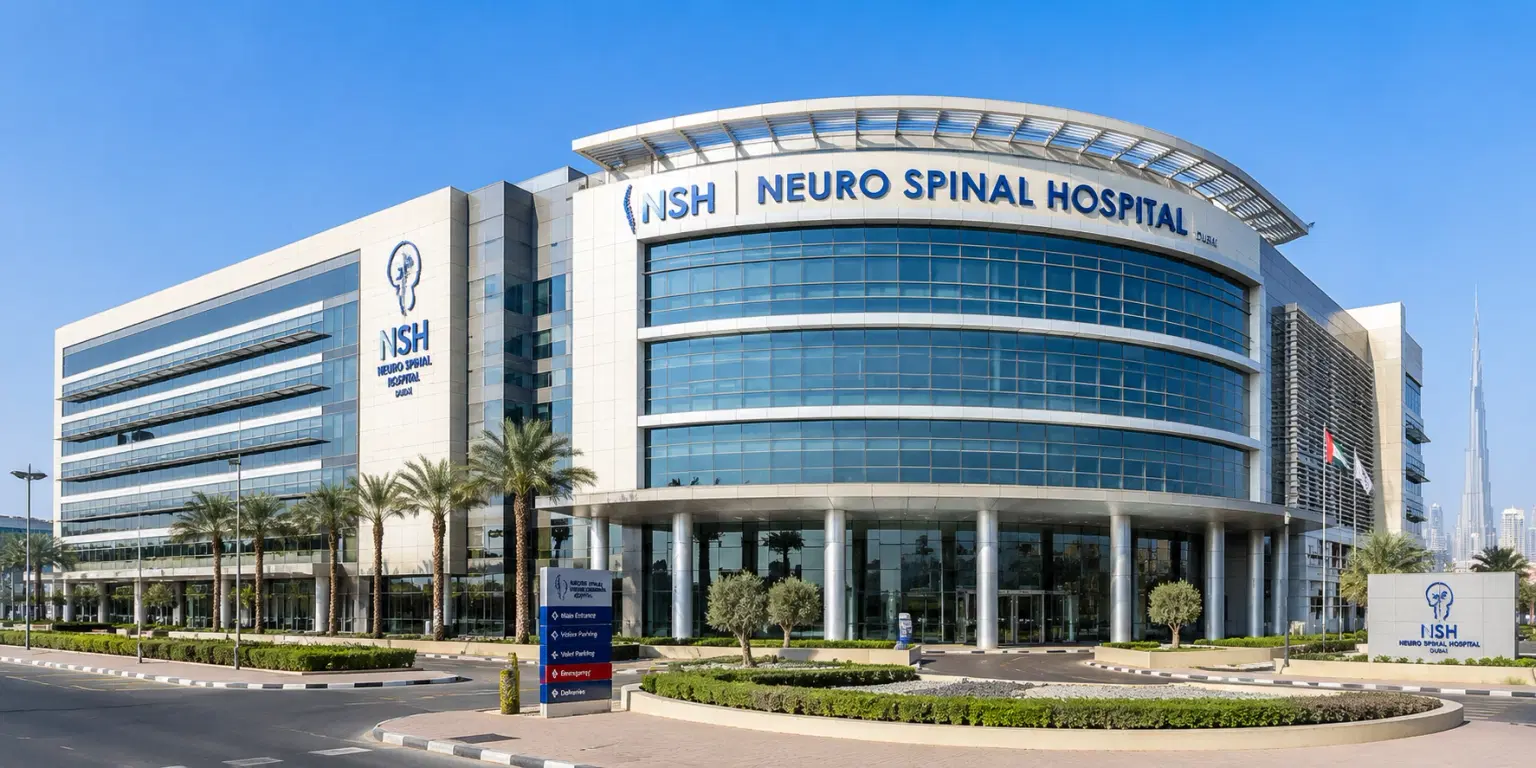
Neuro Spinal Hospital (NSH), Dubai
Dubai Science Park, Umm Suqeim St, Al Barsha South, Dubai, UAE
Neuro Spinal Hospital (NSH), Dubai
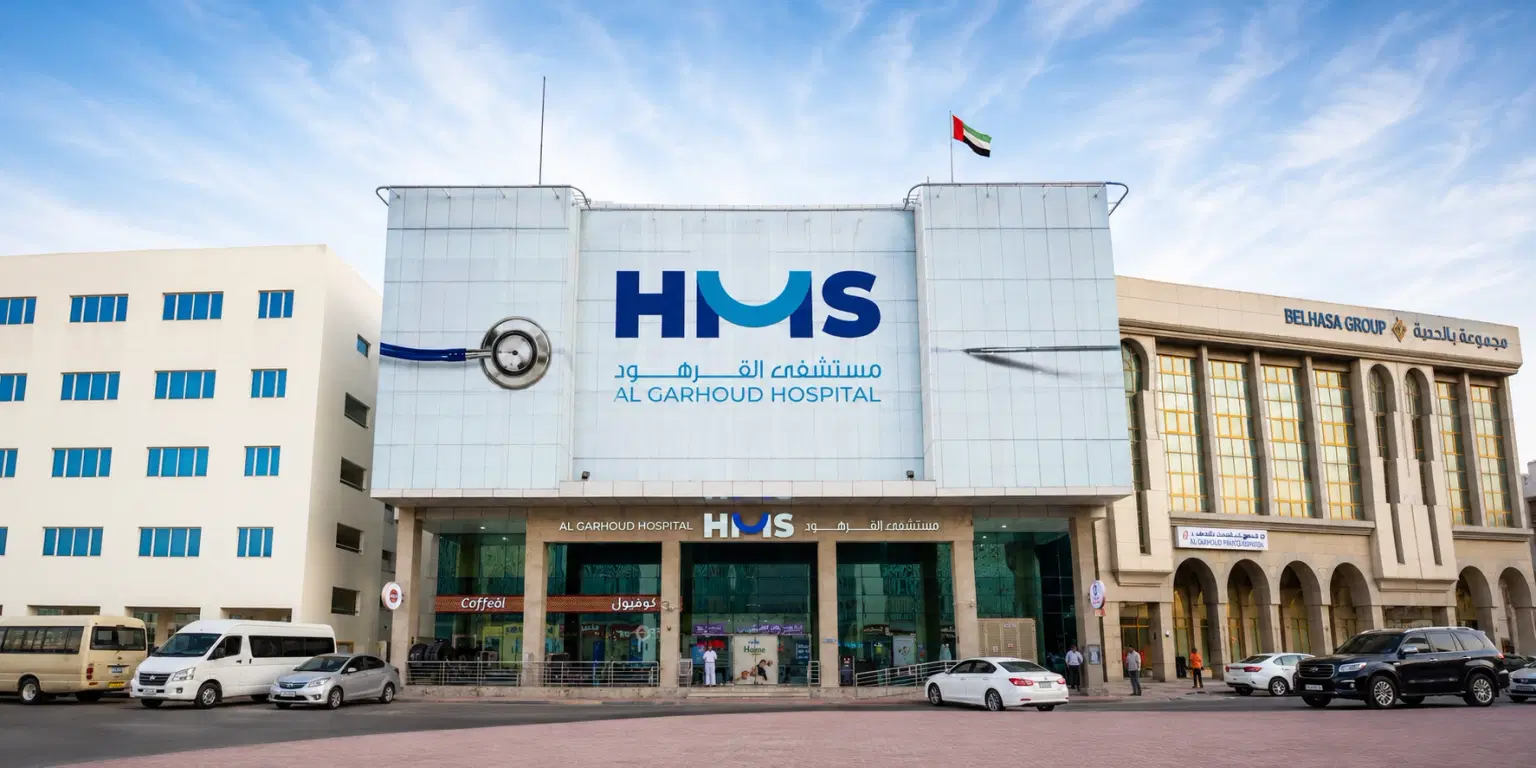
HMS Al Garhoud Hospital, Dubai
Al Garhoud Street, Al Garhoud, Dubai, UAE
HMS Al Garhoud Hospital, Dubai
Meet Our Doctors
Meet our team of highly qualified and experienced medical professionals dedicated to providing the best healthcare services.
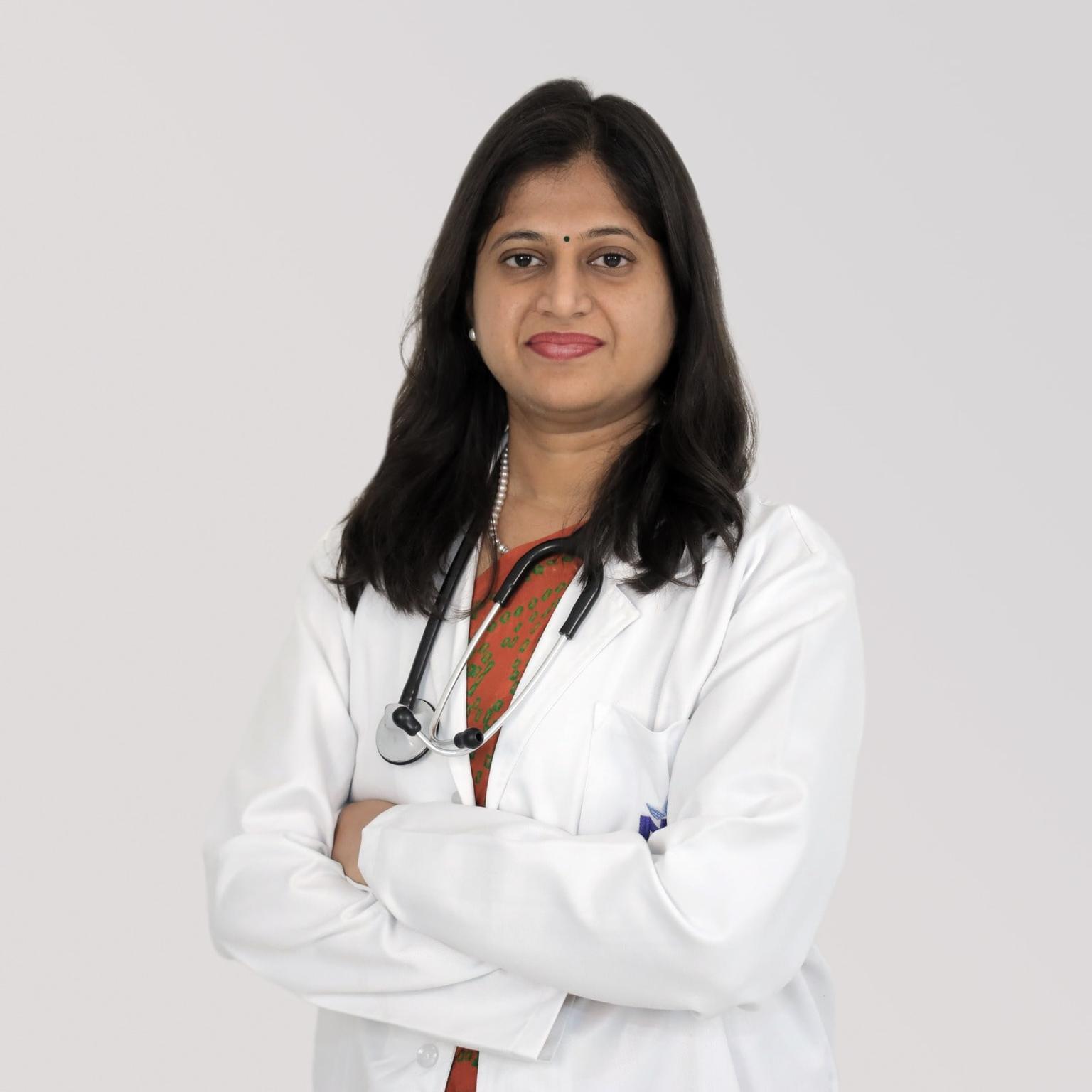
Dr Shweta Bansal
Unit Head & Sr. Consultant - Respiratory Disease & Sleep Medicine (Unit II)
Pulmonology (Chest & Lungs)
New Delhi
13+ Years
Experience
Artemis Hospital
Hospital
1500
Fees

Dr. Kanika Singh
Director & Chief of Service - Respiratory, Critical Care & Sleep Medicine
Pulmonology
New Delhi
12+ Years
Experience
Artemis Hospital
Hospital
1500
Fees
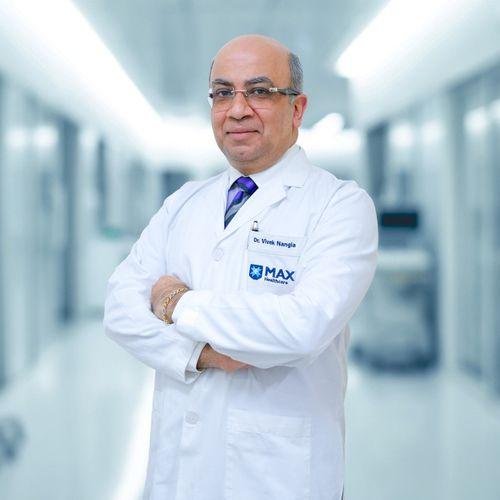
Dr. Vivek Nangia
Vice Chairman & Head, Pulmonology
Pulmonology
New Delhi
29+ Years
Experience
Max Hospital,Gurgaon
Hospital
1500
Fees
Dr. Rajeev Rathi
Director - Pulmonology
Pulmonology
New Delhi
34+ Years
Experience
Apolo Delhi
Hospital
1500
Fees
Related Links
Other Treatment related Information
- Lung Transplant cost in Mumbai
- Lung Transplant cost in Bengaluru
- Lung Transplant cost in Chennai
- Lung Transplant cost in India
- Lung Transplant cost in Pune
- Lung Transplant cost in New Delhi
- Lung Transplant cost in Hyderabad
- Lung Transplant cost in Haryana
- Lung Transplant Success Rate in Pune
- Lung Transplant Success Rate in Bengaluru
- Lung Transplant Success Rate in New Delhi
- Lung Transplant Success Rate in India
- Lung Transplant Success Rate in Mumbai
- Lung Transplant Success Rate in Hyderabad
- Lung Transplant Success Rate in Haryana
- Lung Transplant Success Rate in Chennai
- Best Lung Transplant Doctors in Chennai
- Best Lung Transplant Doctors in India
- Best Lung Transplant Doctors in Hyderabad
- Best Lung Transplant Doctors in Mumbai
Ready To Start Your Healing Journey?
Get Personalized Medical Treatment Options From India's Top Hospitals. Our Medical Experts Are Ready To Assist You Every Step Of The Way.