Lung Transplant Treatment in Pune for Bangladesh
Need Personalized Advice?
Our medical experts are ready to answer your questions and guide you through your treatment options.
About
Lung Transplant in Pune for Bangladesh Patients | Cost, Hospitals
For many patients in Bangladesh facing severe lung conditions, the prospect of a lung transplant can feel overwhelming. Navigating complex medical decisions often brings questions about where to find the best support and expertise for such a critical procedure.
Pune, a prominent medical hub in India, offers a focused environment for highly specialized procedures like lung transplants. Its well-established healthcare infrastructure and patient-centric approach attract individuals seeking comprehensive and advanced treatment solutions.
Within Pune, a network of leading hospitals and experienced lung transplant specialists provides a reliable framework for care. Patients can expect coordinated services, from initial assessment to post-operative follow-ups, within the city's robust medical ecosystem.
Pune offers a structured and advanced option for lung transplant patients from Bangladesh.
What is a Lung Transplant?
A lung transplant is a surgical procedure to replace diseased or failing lungs with healthy ones, typically from a deceased donor. This life-saving operation is considered for individuals with end-stage lung disease when all other medical treatments have failed. Its primary goal is to improve the patient's quality of life and extend their lifespan. The procedure restores proper lung function, allowing the patient to breathe more easily and deeply, significantly enhancing their overall well-being.
What Are the Different Types of Lung Transplants?
- Single-lung transplant: Replacement of one diseased lung.
- Double-lung transplant (bilateral sequential): Replacement of both diseased lungs.
- Heart-lung transplant: For patients with combined heart and lung failure, less common.
- Lobar lung transplant: From living donors, typically involving partial lobes of the lungs.
- Re-transplantation: Performed if a previously transplanted lung fails or develops severe complications.
When is a Lung Transplant Necessary?
- End-stage chronic obstructive pulmonary disease (COPD)
- Cystic fibrosis leading to severe lung damage
- Idiopathic pulmonary fibrosis (IPF)
- Alpha-1 antitrypsin deficiency-related emphysema
- Severe pulmonary hypertension
- Bronchiectasis not responding to medical management
- Certain severe forms of sarcoidosis
- Other severe, irreversible lung diseases that compromise life quality and expectancy
How Do Doctors Evaluate Patients for a Lung Transplant?
- Comprehensive lung function tests and imaging (Chest X-ray, high-resolution CT scan).
- Extensive blood tests, including blood type, tissue typing, and viral screenings.
- Cardiac evaluation, such as echocardiogram and cardiac catheterization, to assess heart health.
- Psychological evaluation and assessment of social support systems.
- Nutritional assessment and screening for any active infections or cancers.
- Evaluation of other organ systems to ensure the patient can tolerate surgery and recovery.
What Does a Lung Transplant Procedure Involve?
The exact procedure for a lung transplant depends on the patient's specific condition, the type of transplant planned, and the surgical team's approach.
Steps in a Lung Transplant Surgery
- Preparation: Once a suitable donor lung is identified, the recipient is prepared for surgery.
- Anesthesia: General anesthesia is administered to ensure the patient is unconscious and pain-free.
- Incision: A surgical incision is made on the chest; this may be on one side for a single lung transplant or across the chest for a double lung transplant.
- Lung Removal: The diseased lung or lungs are carefully removed from the chest cavity.
- New Lung Implantation: The healthy donor lung(s) are then surgically sewn into place, connecting the airways (bronchi) and blood vessels (pulmonary arteries and veins).
- Closure: The incision is closed, and drainage tubes are typically inserted to remove excess fluid during the initial recovery phase.
What is the Recovery Process After a Lung Transplant?
Recovery from a lung transplant is a gradual and intensive process. Patients typically spend time in the intensive care unit (ICU) immediately after surgery, followed by a general hospital ward. Physical therapy and pulmonary rehabilitation are crucial components to regain strength and lung function. Lifelong adherence to immunosuppressant medications is necessary to prevent organ rejection. Regular follow-up appointments, diligent monitoring for infections, and strict adherence to post-operative instructions are essential for a successful long-term outcome.
What Are the Risks and Success Rates of Lung Transplants?
- Organ rejection: The body's immune system may attack the new lung(s).
- Infection: Increased susceptibility due to immunosuppressant drugs.
- Bronchiolitis obliterans syndrome (BOS): A form of chronic rejection affecting airways.
- Surgical complications: Including bleeding, blood clots, or issues with airway connections.
- Side effects from medications: Potential kidney problems, diabetes, or high blood pressure.
- Primary graft dysfunction: The new lung may not function properly immediately after surgery.
The success rates for lung transplants vary significantly based on individual patient factors, the type of transplant performed, and the quality of post-operative care. Generally, the median survival after a lung transplant is approximately five to seven years, with many patients living much longer. Outcomes are greatly influenced by strict adherence to medication regimens, regular follow-up with the transplant team, and healthy lifestyle choices. Continuous medical support and diligent self-care are crucial for long-term graft survival and overall well-being.
What is the Cost of a Lung Transplant in Pune?
The cost of a lung transplant in Pune can vary significantly depending on several factors. These include the specific hospital chosen, the experience and fees of the surgical team, the complexity of the patient's condition, the type of transplant performed (single or double), duration of hospital stay, and any necessary pre-operative evaluations or post-operative complications.
Typically, a lung transplant in Pune can range from approximately INR 25,00,000 to INR 45,00,000 or more.
Cost Comparison: Lung Transplant in Pune
Understanding the financial aspects of a lung transplant is essential for international patients. Pune offers competitive pricing for advanced medical procedures, often significantly lower than in many Western countries, without compromising on quality of care.
| Location | Estimated Cost |
|---|---|
| Pune, India | INR 25,00,000 - 45,00,000 |
| United States | USD 800,000 - 1,200,000 |
| United Kingdom | GBP 250,000 - 400,000 |
| Singapore | SGD 300,000 - 500,000 |
| Thailand | THB 8,000,000 - 15,000,000 |
| Germany | EUR 200,000 - 350,000 |
What Support Services Are Available for Patients in Pune?
- Medical visa assistance and guidance for required documentation.
- Arrangements for airport pick-up and drop-off services.
- Assistance with suitable accommodation for patients and accompanying family members.
- Provision of professional language interpretation services.
- A dedicated patient coordinator to assist with appointments and logistics.
- Support for local SIM card acquisition and connectivity.
- Guidance on currency exchange and local travel options within Pune.
Which Documents Are Necessary for Treatment in Pune?
- Valid passport and a medical visa for India.
- All previous medical reports, test results, and doctor's notes related to your condition.
- A referral letter from your local physician, if available.
- Proof of financial capacity to cover the treatment expenses.
- Completed patient registration forms from the chosen hospital.
- Any relevant donor information, if applicable for living donor transplants.
How Should Patients Prepare Before Arriving for Treatment?
- Complete any advised local medical evaluations and necessary tests.
- Make travel and accommodation arrangements well in advance of your visit.
- Discuss the comprehensive treatment plan and estimated duration of stay with medical advisors.
- Ensure all financial commitments are understood and necessary arrangements are in place.
- Pack all required personal medications in their original packaging with doctor's prescriptions.
- Prepare for a potentially extended stay in Pune for thorough evaluation and recovery.
What Post-Treatment Care and Follow-Up Are Needed?
- Strict adherence to all prescribed immunosuppressant and other medications.
- Regular follow-up consultations and tests with the transplant team in Pune.
- Detailed instructions on wound care, dietary restrictions, and permitted physical activity.
- Vigilant monitoring for any signs of infection, rejection, or other complications.
- Active participation in a pulmonary rehabilitation program to enhance recovery.
- Continuous communication with the medical team after returning to Bangladesh for ongoing guidance.
Ready to Begin Your Lung Transplant Journey?
Take the first step towards renewed health by connecting with Pune's specialized lung transplant centers today.
Hospitals Offering this treatment
India offers premium medical procedures at affordable prices. Discover our most popular treatments, delivered by the country's finest doctors.
Meet Our Doctors
Meet our team of highly qualified and experienced medical professionals dedicated to providing the best healthcare services.

Dr Shweta Bansal
Unit Head & Sr. Consultant - Respiratory Disease & Sleep Medicine (Unit II)
Pulmonology (Chest & Lungs)
New Delhi
13+ Years
Experience
Artemis Hospital
Hospital
1500
Fees

Dr. Kanika Singh
Director & Chief of Service - Respiratory, Critical Care & Sleep Medicine
Pulmonology
New Delhi
12+ Years
Experience
Artemis Hospital
Hospital
1500
Fees
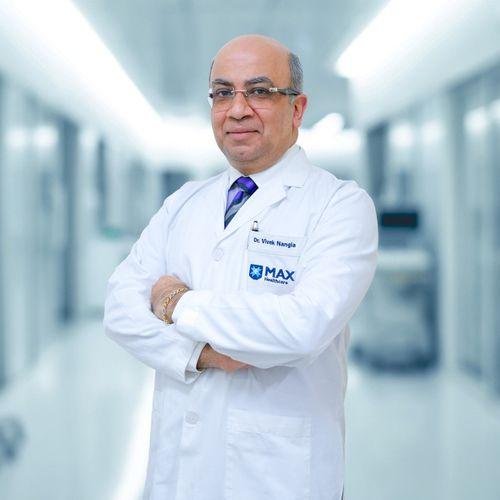
Dr. Vivek Nangia
Vice Chairman & Head, Pulmonology
Pulmonology
New Delhi
29+ Years
Experience
Max Hospital,Gurgaon
Hospital
1500
Fees
Dr. Rajeev Rathi
Director - Pulmonology
Pulmonology
New Delhi
34+ Years
Experience
Apolo Delhi
Hospital
1500
Fees
Related Links
Other Treatment related Information
- Lung Transplant cost in Mumbai
- Lung Transplant cost in Bengaluru
- Lung Transplant cost in Chennai
- Lung Transplant cost in India
- Lung Transplant cost in Pune
- Lung Transplant cost in New Delhi
- Lung Transplant cost in Hyderabad
- Lung Transplant cost in Haryana
- Lung Transplant Success Rate in Pune
- Lung Transplant Success Rate in Bengaluru
- Lung Transplant Success Rate in New Delhi
- Lung Transplant Success Rate in India
- Lung Transplant Success Rate in Mumbai
- Lung Transplant Success Rate in Hyderabad
- Lung Transplant Success Rate in Haryana
- Lung Transplant Success Rate in Chennai
- Best Lung Transplant Doctors in Chennai
- Best Lung Transplant Doctors in India
- Best Lung Transplant Doctors in Hyderabad
- Best Lung Transplant Doctors in Mumbai
Ready To Start Your Healing Journey?
Get Personalized Medical Treatment Options From India's Top Hospitals. Our Medical Experts Are Ready To Assist You Every Step Of The Way.